




‘Hasty’ telehealth consultations. Damaging marketing practices. Profit over patient care. Poor regulatory oversight. These are just some of the claims levelled at the medicinal cannabis industry in Australia.¹
First legalised in 2016, medicinal cannabis use has risen sharply in recent years, jumping from 18,000 patients using the products in 2019 to more than a million today.² But while demand has surged, the systems surrounding medicinal cannabis have not kept pace. Pharmacists are being asked to supply products that often sit outside usual care pathways and, in many cases, outside the evidence base.
Only two medicinal cannabis products are registered on the Australian Register of Therapeutic Goods (ARTG): nabiximols (Sativex), for muscle spasticity in multiple sclerosis, and cannabidiol (Epidyolex), used with other epilepsy medicines to treat severe and rare forms of epilepsy in children aged 2 years and older.³
The vast majority of available products – more than 1,000 – are unapproved and have not been assessed by the Therapeutic Goods Administration (TGA) for safety, quality or efficacy.⁴ They are most often prescribed for chronic pain, anxiety and sleep disorders and are increasingly used by older patients for chronic, long-term conditions.⁵

A system under strain
Much of the rapid growth in medicinal cannabis use has occurred through pathways that were not initially designed to scale. The TGA’s Special Access Scheme and Authorised Prescriber pathways were intended to allow access in specific clinical circumstances where registered medicines were not suitable. In practice, they are now supporting widespread prescribing across a much broader patient population.
This has significant implications for regulators, prescribers and pharmacists who find themselves working within a system that the TGA has described as ‘not fit-for-purpose and not proportionate to the potential safety and quality risks associated with unapproved medicinal cannabis products’.⁶
On top of regulatory challenges, pharmacists also face the reality that Real Time Prescription Monitoring (RTPM) doesn’t always consistently capture a patient’s use of medicinal cannabis, limiting visibility over treatment and risk.
‘The capacity to do your job as a pharmacist and make sure everything is safe for the patient is compromised,’ says PSA NSW Branch Committee President Luke Kelly FPS. ‘We should be looking at each individual patient and their level of use, and whether it is clinically appropriate, but there’s no real capacity to oversee what’s going on.
‘There’s a lack of knowledge and research around the products. And even if you ring the doctor and they say the prescription is right, you’re still obligated to decide whether it’s appropriate or not.
If something goes wrong, even if you’ve spoken to the GP, it’s on you. That’s the problem in a nutshell.’
The PSA’s Professional Practice Standards 2023 require pharmacists to determine whether a medicine is ‘safe and therapeutically appropriate’ to dispense.7 Lack of regulatory oversight and ARTG approval means medicinal cannabis often can’t be dispensed with any degree of confidence.
One-stop medicinal cannabis shops
For some patients, medicinal cannabis is prescribed by their GP and dispensed by their local pharmacy. But many bypass their usual healthcare provider, opting instead to buy it online from private medicinal cannabis clinics operating outside traditional models of care. These services, which have exploded in recent years, have improved access for some patients, particularly those in rural and regional areas.
But they have also raised serious questions about patient safety, continuity of care and conflicts of interest. In 2025, the NSW branches of PSA, the Pharmacy Guild of Australia and the Royal Australian College of General Practitioners wrote to NSW Minister for Health Ryan Park calling for cannabis prescribing and dispensing reform. Their concerns centred on ‘closed-loop’ arrangements, where a patient consults a telehealth provider who then sends a prescription to a dispensary owned by the same operation.¹
‘A prescription is nearly always provided,’ the group wrote, ‘and there is an incentive to prescribe and dispense as many products as possible … There is evidence of rogue clinics circumventing proper procedures and best practice.’
Mr Kelly says the model is deeply concerning. ‘It’s really terrifying,’ he says. ‘There are pharmacies out there aligning with drug companies. It’s like the pill mills in the United States that we’ve managed to avoid until now. It’s a loophole that needs to be closed.’
Profit over patients
The Australian Health Practitioner Regulation Agency (Ahpra) has also raised concerns, warning that ‘profits are being prioritised over patient safety in some medicinal cannabis practices’.8
‘While these models may work well for access, there is an inherent conflict of interest for pharmacists working in an organisation in which a single medication is prescribed and dispensed,’ Ahpra says.
The regulator released new guidelines last year, following an analysis of prescribing data that found eight practitioners had issued more than 10,000 prescriptions in a 6-month period and one who issued more than 17,000.9
In addition, Ahpra found evidence of questionable prescribing practices, including very short consultations lasting between a few seconds and a few minutes, and prescribing without a legitimate indication.
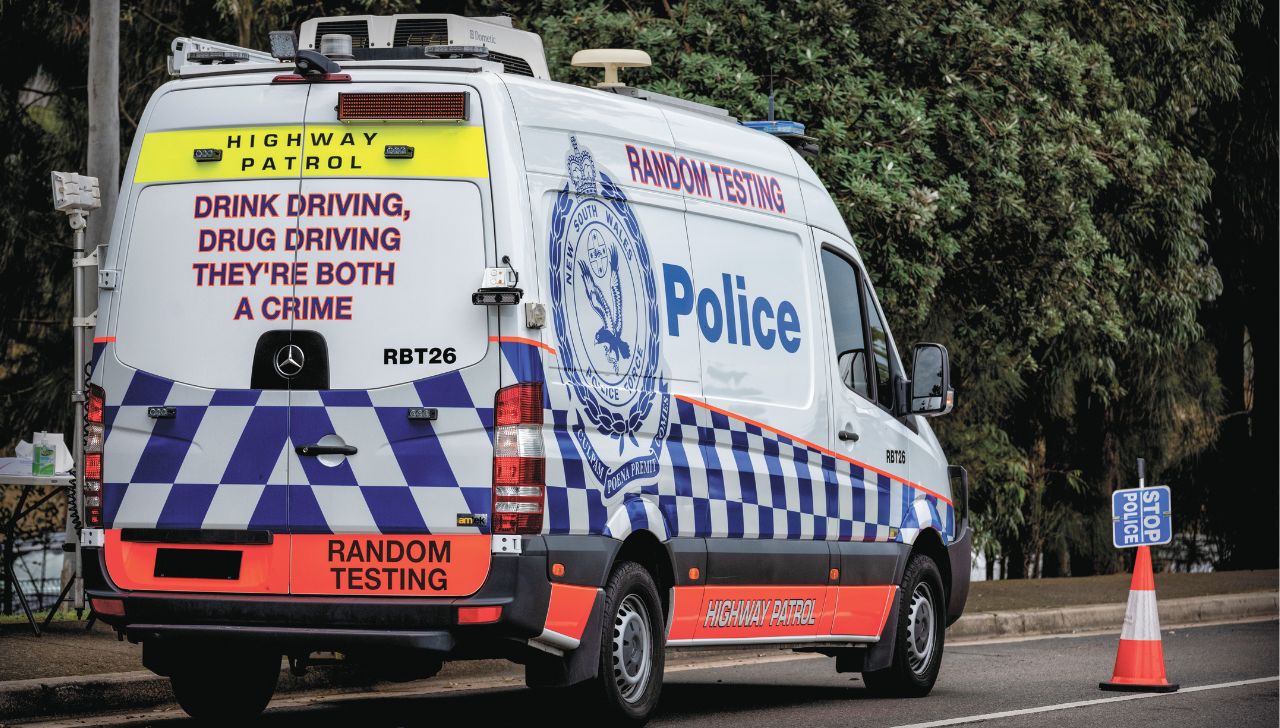
Driving under the influenceMedicinal cannabis may be legally prescribed, but that doesn’t mean a patient can legally drive. Across Australia, the rules vary by jurisdiction. Some states and territories now allow patients to drive without automatic penalties where tetrahydrocannabinol (THC) is detected but impairment is not established. Others still rely on a zero-tolerance approach, where the presence of THC alone can trigger an offence, even when the product was prescribed. The TGA also advises patients not to drive or operate machinery while being treated with medicinal cannabis, noting that THC can remain detectable for days after use.10 For pharmacists, that makes counselling vital, particularly for patients using higher THC products or those still titrating their dose. The effects of THC on driving are ‘roughly comparable to low blood alcohol concentrations’ but risk can vary depending on the product, dose, timing, administration route and the individual patient.11 ‘Patients taking CBD-only products can drive unless they feel impaired,’ says Associate Professor Vicki Kotsirilos, Australia’s first authorised prescriber of medicinal cannabis.12 ‘An important consideration for driving is whether the medicinal cannabis product contains THC … Some patients can be quite sensitive to even very low levels of THC – the level of THC measured in saliva doesn’t reflect the level in blood.’ Ultimately, the safest message is the simplest: a prescription doesn’t override road law. Patients need to understand the rules in their own jurisdiction, avoid driving if they feel impaired, and be aware that roadside drug testing may still detect THC after use. |
Some pharmacists have also been found lacking, with evidence of inadequate or absent counselling, dispensing repeat authorisations without the patient requesting additional supply, dispensing multiple prescribed products for a single patient at the same time, failing to check the relevant RTPM system, and not storing medicinal cannabis in a compliant way.9
Misleading marketing
Prescription medicines cannot be advertised to the public under Australian regulations, but some clinics are finding loopholes by sending patients emails and text messages asking if they need another script. As advertising restrictions tighten, the industry is adapting just as quickly, shifting from advertising ‘medicinal cannabis’ to terms such as ‘plant’ or ‘green’ medicine. In an analysis of 54 online medicinal cannabis clinics in Australia, researchers found ‘widespread breaches’ of TGA guidelines, including unsubstantiated health claims and the use of cannabis imagery.13
A TGA spokesperson told AP the organisation has ‘taken strong enforcement actions to address unlawful advertising of medicinal cannabis,’ including starting two civil penalty proceedings and issuing more than 10 infringement notices, totalling more than $215,000, to two entities.
A lack of evidence
For some patients, the fact that a product has been prescribed may create the impression that it is well studied, low risk and appropriate. In reality, evidence remains limited for many of the conditions medicinal cannabis is commonly prescribed for – particularly mental health.
Pharmacist Myfanwy Graham MPS, a researcher and member of the TGA’s Medicinal Cannabis Expert Working Group, says the gap between the evidence base and current prescribing patterns is a major concern.
In a review of 54 international randomised controlled trials published between 1980 and 2025, researchers including Ms Graham found ‘no evidence that medicinal cannabis is effective in treating anxiety, depression or post-traumatic stress disorder (PTSD)’ – mental health conditions for which it is often prescribed.14 Younger patients with mental health vulnerabilities may be at particular risk, especially where products are used for anxiety, sleep problems or other psychological symptoms.
Around one-third of medicinal cannabis use is for anxiety.15 This is despite TGA guidance stating medicinal cannabis containing THC (tetrahydrocannabinol) is generally not appropriate for use in patients who ‘have a previous psychotic or concurrent active mood or anxiety disorder’.16
Older patients may face a different set of risks, particularly with oral products, which can have delayed onset and require careful titration. With medicinal cannabis being increasingly used for chronic, long-term conditions, pharmacists may need to spend more time counselling these patients on dose, onset and safe administration.
Ms Graham says pharmacists should also be aware of a shift in prescribing
in recent years from oral liquid preparations to higher THC inhaled products. ‘In parallel, there has been emerging evidence of harm with higher THC products,’ she says. ‘Our recent analysis of TGA adverse event reports reflects this, with psychiatric adverse events being most frequently reported and most adverse events being attributed to higher THC products. Respiratory adverse events are also being reported alongside the increases in inhaled product use.’
 What next?
In their letter to the NSW Minister for Health, Mr Kelly and his co-signatories urged those in the medicinal cannabis industry to put patient care and safety ahead of profits.
‘There is a place for medicinal cannabis products, but we need to prioritise the tools and regulatory environment that promote their safe and appropriate use,’ Mr Kelly says. ‘More needs to be done to curtail online and remote services that, in many cases, don’t have the adequate structures, checks and balances needed to deliver safe care.’
And the tide appears to be turning. In January 2026, medicinal cannabis was listed among the TGA’s 2026–27 compliance and enforcement priority areas.17 And a recent report from the Penington Institute found that supply of medicinal cannabis dropped significantly in the second half of 2025, following years of growth.18
‘We are seeing the effect of targeted enforcement in real time,’ says John Ryan, CEO of the Penington Institute. ‘That is the most effective way to deal with bad actors without punishing patients who genuinely benefit from these medicines.’
For pharmacists, the responsibility remains clear. Supplying medicinal cannabis safely means determining the prescriber’s intentions, reviewing the patient’s medication history and relevant information, counselling on safe use, determining the medicine is ‘safe and therapeutically’ appropriate, 7 and contacting the prescriber when concerns arise.
‘If a patient approaches a pharmacist about medicinal cannabis, it is because there is trust in the profession and our advice,’ Ms Graham says. ‘A pharmacist’s ability to field a patient’s questions needs to extend beyond evidence limitations to include safe administration, drug interactions and comorbidity considerations.’
Medicinal cannabis has moved from the margins to the mainstream. But for pharmacists, it should still be approached as a high-risk medicine – one that demands scrutiny, strong communication and a stronger regulatory framework than what currently exists.
References
- Royal Australian College of General Practitioners. Health bodies urge crackdown on rogue operators as medicinal cannabis use rises. Melbourne: RACGP; 2025. At: www.racgp.org.au/gp-news/media-releases/2025-media-releases/october-2025/health-bodies-urge-crackdown-on-rogue-operators-as
- Australian Health Practitioner Regulation Agency. Medical cannabis treatment. Melbourne. AHPRA; 2024. At: www.ahpra.gov.au/News/2024-02-20-medical-cannabis-treatment.aspx
- Therapeutic Goods Administration. Medicinal cannabis information for health professionals. Canberra: Department of Health and Aged Care; 2025. At: www.tga.gov.au/resources/explore-topic/medicinal-cannabis-hub/medicinal-cannabis-information-health-professionals
- Pharmaceutical Society of Australia. PSA backs TGA action on medicinal cannabis safety, urges broader regulatory reform. Canberra. PSA; 2025. At: www.psa.org.au/psa-backs-tga-action-on-medicinal-cannabis-safety-urges-broader-regulatory-reform/
- The Conversation. Medicinal cannabis is most often prescribed for pain, anxiety and sleep – here’s what the evidence says. 2025. At: theconversation.com/medicinal-cannabis-is-most-often-prescribed-for-pain-anxiety-and-sleep-heres-what-the-evidence-says-262429
- Therapeutic Goods Administration. Reviewing the safety and regulatory oversight of unapproved medicinal cannabis products. Canberra. Department of Health and Aged Care; 2025. At: consultations.tga.gov.au/medicines-regulation-division/test-soms/
- Pharmaceutical Society of Australia. Professional Practice Standards. Canberra. PSA; 2023. At: www.psa.org.au/wp-content/uploads/2023/07/5933-Professional-Practice-Standards_FINAL-1.pdf
- Ahpra and National Boards. Practitioners reminded to put patients’ wellbeing above profit as medicinal cannabis prescriptions soar. 2025. At: nursingmidwiferyboard.gov.au/News/2025-07-09-Medicinal-cannabis-guidance.aspx
- Ahpra and National Boards. Guidance on medicinal cannabis targets unsafe supply. 2025. At: ahpra.gov.au/News/2025-09-23-Medicinal-cannabis-guidance.aspx
- Lim C Hall W. We looked at 54 medicinal cannabis websites to see if they followed the rules. Here’s what we found. The Conversation. 2025. At: com/we-looked-at-54-medicinal-cannabis-websites-to-see-if-they-followed-the-rules-heres-what-we-found-244932
- Wilson J Dobson O Langcake A et al. The efficacy and safety of cannabinoids for the treatment of mental disorders and substance use disorders: a systematic review and meta-analysis. The Lancet Psychiatry. 2026;13:4. At: thelancet.com/journals/lanpsy/article/PIIS2215-0366(26)00015-5/fulltext
- Pennington Institute. Cannabis in Australia 2024. 2024. At: penington.org.au/wp-content/uploads/2024/11/Penington-Institute-Cannabis-in-Australia-2024.pdf
- Therapeutic Goods Administration. TGA releases compliance principles reinforcing proactive and risk-based enforcement throughout 2026 and 2027. Canberra. 2026. At: www.tga.gov.au/news/media-releases/tga-releases-compliance-principles-reinforcing-proactive-and-risk-based-enforcement-throughout-2026-and-2027
- Penington Institute. Medicinal cannabis sales fall nearly 30% as enforcement crackdown takes effect. Melbourne: Penington Institute; 2026. At: www.penington.org.au/medicinal-cannabis-sales-fall-nearly-30-as-enforcement-crackdown-takes-effect/
- The Lancet Psychiatry. Medicinal cannabis in Australia. Lancet Psychiatry. 2026. At: www.thelancet.com/journals/lanpsy/article/PIIS2215-0366(26)00015-5/fulltext
- Therapeutic Goods Administration. Guidance for the use of medicinal cannabis in Australia: Overview. Canberra. 2025. At: www.tga.gov.au/resources/explore-topic/medicinal-cannabis-hub/medicinal-cannabis-guidance-documents/guidance-use-medicinal-cannabis-australia-overview
- Arkell T. Can I drive when taking medicinal cannabis? Is it safe? 2026. At: theconversation.com/can-i-drive-when-taking-medicinal-cannabis-is-it-safe-271090
- Liotta M. New guidance on driving and medicinal cannabis. News GP. Melbourne: Royal Australian College of General Practitioners; 2025. At: www1.racgp.org.au/newsgp/clinical/new-guidance-on-driving-and-medicinal-cannabis
- Penington Institute. Cannabis in Australia 2023 Report. Melbourne. 2023. At: www.penington.org.au/wp-content/uploads/2023/12/Cannabis-in-Australia-2023-Report.pdf
- Royal Australian College of General Practitioners. ‘Deeply concerns me’: Original prescriber’s alarm over medicinal cannabis. 2025. At: www1.racgp.org.au/newsgp/clinical/deeply-concerns-me-original-prescriber-s-alarm-ove
- Penington Institute. Cannabis in Australia November 2025. Melbourne. 2025. At: www.penington.org.au/wp-content/uploads/2025/11/Penington_Institute_Cannabis-in-Australia_Nov_2025.pdf