


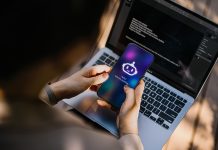
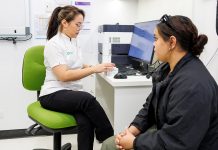



From 1 November, credentialed pharmacists can deliver Home Medicines Reviews (HMRs) and Residential Medication Management Reviews (RMMRs) follow-ups via telehealth.
The change in the program rules was announced by Federal Health Minister Mark Butler at PSA26 in July.
AP spoke with PSA Strategic Agreements Lead and Board Director Brooke Shelly FPS about what’s changing, what isn’t and how to prepare.
Can initial reviews be done via telehealth too?
No. Initial HMRs must still be conducted face to face in the patient’s home, and initial RMMRs in a residential aged care facility.
Existing exceptions for HMRs still apply – an alternative location may be approved for cultural reasons or safety concerns, with prior approval via the Pharmacy Programs Administrator (PPA) Portal.
‘Face-to-face consultations remain the established model for initial medication reviews, and there are clear benefits to assessing patients in their usual care environment,’ Ms Shelly said.
Through the ongoing First Pharmacy Programs Agreement (1PPA) negotiations, PSA is advocating for more flexibility in how initial reviews are delivered. That includes streamlining the exceptions process where natural disasters, clinician safety or other clinical considerations warrant a different approach.
‘The objective isn’t to prescribe a single model of care for every patient. It’s to ensure every patient can access a clinically appropriate, high-quality medication safety service, regardless of where they live,’ she said.
‘We recognise that sometimes the choice isn’t between a home visit and an alternative consultation. It’s between an alternative consultation and no consultation at all.’
Does a phone call count, or only video?
Both telephone and video consultations are permitted for HMR and RMMR follow-ups.
Ms Shelly said PSA strongly advocated for telephone consultations to be included in the change, with early telehealth discussions centring largely on videoconferencing.
‘We know that videoconferencing simply isn’t a practical option for everyone. Many older Australians face barriers with technology, while patients in rural and remote communities may not have access to reliable internet connectivity,’ she said.
‘Requiring video would have created another barrier to accessing care for some of the very patients these reforms are intended to support.’
Which patients stand to benefit?
Rural and remote patients, particularly where pharmacists travel long distances to conduct medication reviews.
But Ms Shelly said the benefits extend well beyond geography.
‘Patients with complex care arrangements, or those who would benefit from greater involvement of family members and carers, may also find telehealth follow-ups more accessible,’ she said.
As a practising credentialed pharmacist, Ms Shelly said the requirement to return to a patient’s home, combined with the remuneration available, had been a significant barrier to follow-ups being delivered.
‘This reform has the potential to remove some of those barriers and increase the number of patients receiving meaningful follow-up care,’ she said.
‘Identifying a medicine-related problem is only part of the job. Follow-up is how we close the loop and make sure we’ve actually made a difference.’
When should a follow-up still happen face to face?
The decision should be guided by two things: patient preference and clinical appropriateness.
Patients must be offered a genuine choice about how their follow-up is delivered, Ms Shelly said.
‘The Department [of Health, Disability and Ageing] has been very clear on this, and PSA strongly supports that position.’
A home visit may still be the better option when:
- reassessing inhaler technique where a patient has struggled with correct administration
- reviewing how a patient is managing a newly introduced dose administration aid
- physically checking medicines where there are ongoing concerns about adherence or storage.
‘We don’t want to see every follow-up automatically shifting to telehealth simply because it’s now an option. Equally, we shouldn’t insist on a face-to-face consultation where a patient would prefer telehealth and the pharmacist is satisfied it’s clinically appropriate,’ Ms Shelly said.
‘The objective isn’t to maximise the number of telehealth consultations. It’s to maximise the number of patients receiving the follow-up care they need, in the way that best meets their circumstances.’
What changes for consent and claiming?
The final Program Rules are yet to be published. However, based on advice to date and the updated PPA Portal:
- Claiming: core requirements are largely unchanged, including existing declarations confirming direct patient contact and an appropriate clinical record. The key difference is that pharmacists must identify whether the follow-up was delivered face to face, by video or by telephone.
- Consent: pharmacists are already required to discuss and document the potential need for follow-up services during the initial review. They will now also need to discuss the patient’s preferred consultation method, whether face to face, video or telephone, and offer a genuine choice each time a follow-up is arranged to ensure changes to patient circumstances and preferences are taken into account.
There are no changes to the fees payable for HMR or RMMR follow-up services, Ms Shelly said.
‘The introduction of telehealth provides greater flexibility in how we deliver care, not a lower threshold for what constitutes appropriate care,’ she said. ‘The delivery method may change, but the professional standard doesn’t.’
What do pharmacists need in place by this weekend
Before running telehealth follow-ups, pharmacists should have processes in place for:
- scheduling consultations
- confirming patient preferences
- maintaining privacy
- documenting clinical findings
- communicating outcomes to the referring medical practitioner.
How should a telehealth follow-up run?
Ms Shelly said telehealth follow-ups should be arranged in much the same way as an initial home visit – with a scheduled appointment, a clear clinical purpose and time for the patient to prepare, including arranging for a family member or carer to join.
Before the consultation, ask:
- Is telehealth appropriate for what we’re trying to achieve?
- Can the patient participate meaningfully?
- Is their environment private?
- Would involving a carer, family member or interpreter improve the consultation?
- How will I document the consultation and communicate findings to the GP?
- How will I arrange further assessment if something can’t be addressed remotely?
‘The delivery method might be more flexible, but the consultation should remain just as purposeful,’ she said.
Where can pharmacists find more information?
- PPA website (29 October): updated HMR and RMMR Program Rules, FAQs and supporting information are expected to be published.
- PSA Member Briefing (4 November 7.00 pm AEDT): an update on the changes, plus a chance to clarify practical requirements and ask questions. Register here to attend.