
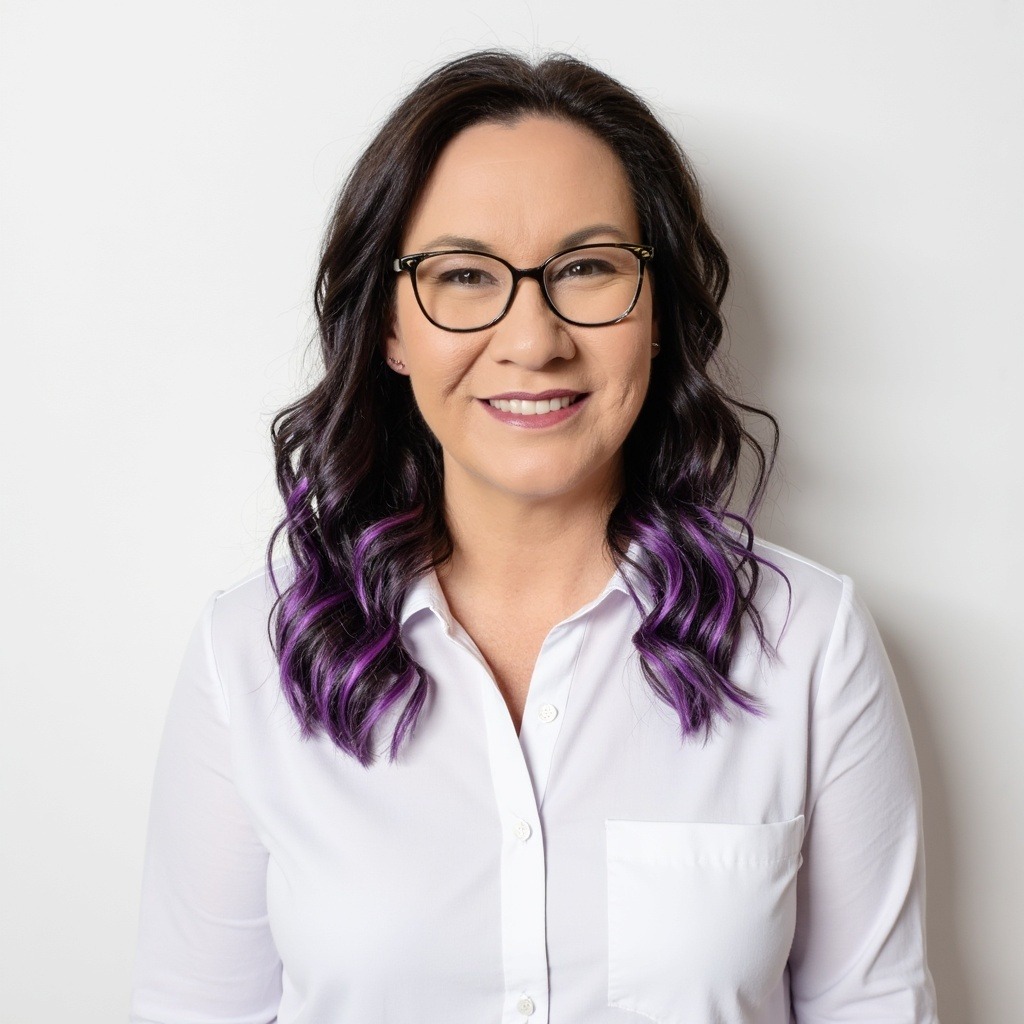
 Yvette Anderson (she/her) BPharm, MPS, CredPharm (MMR), ANZCAP (MentalHth, Paeds), CPGx, GradCert Autism[/caption]
 Beyond the core features

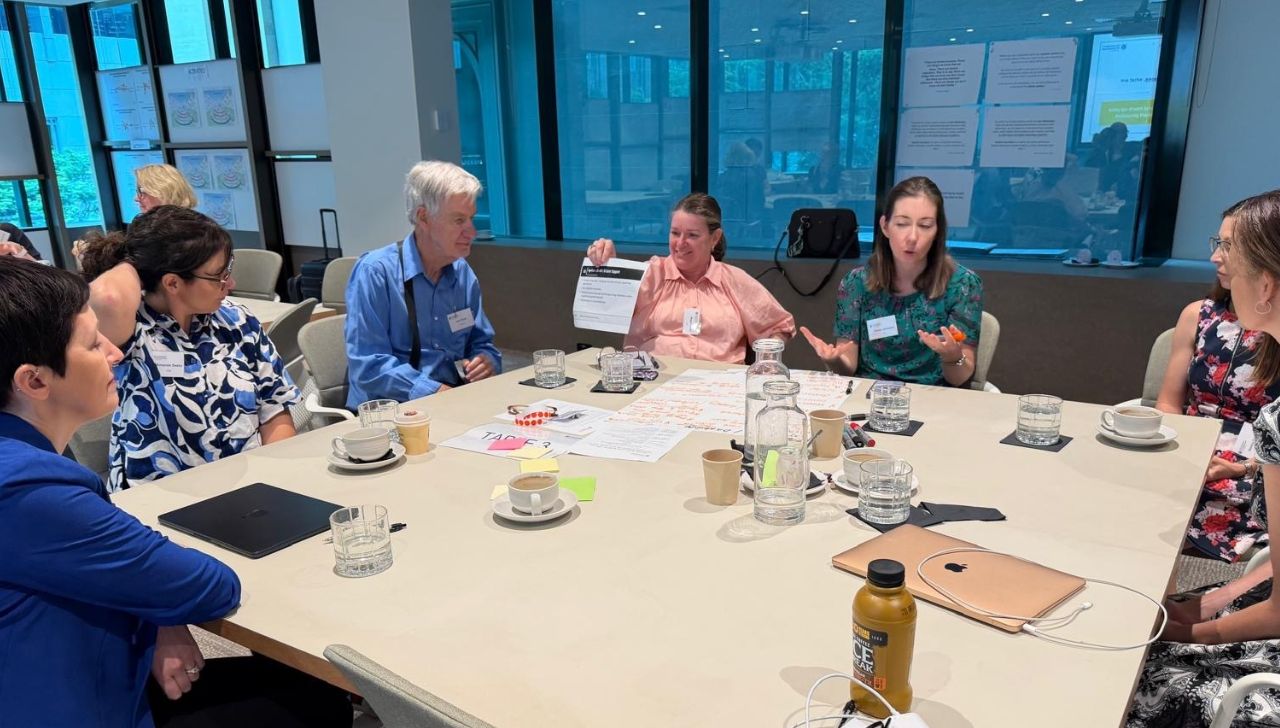 ‘How do we reach them better, and what does that mean for the required skills and competencies of our workforce?’ A/Prof Spinks asked.
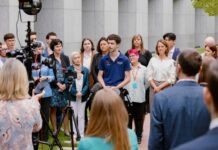

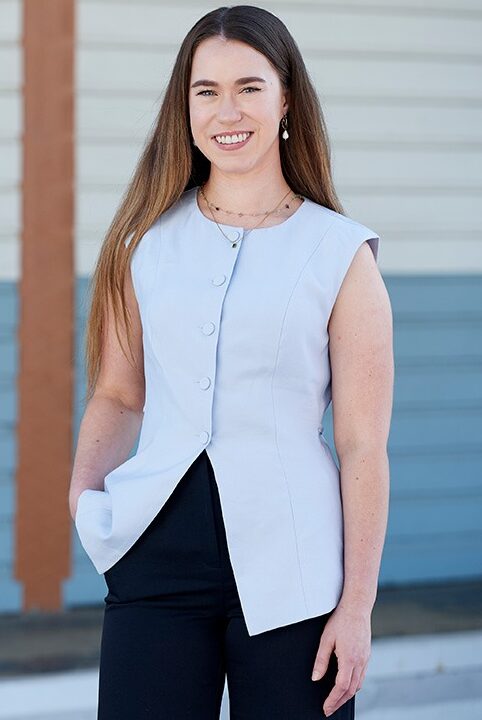 Rhiannon Price, Pharmacist at King Edward Memorial Hospital.[/caption]
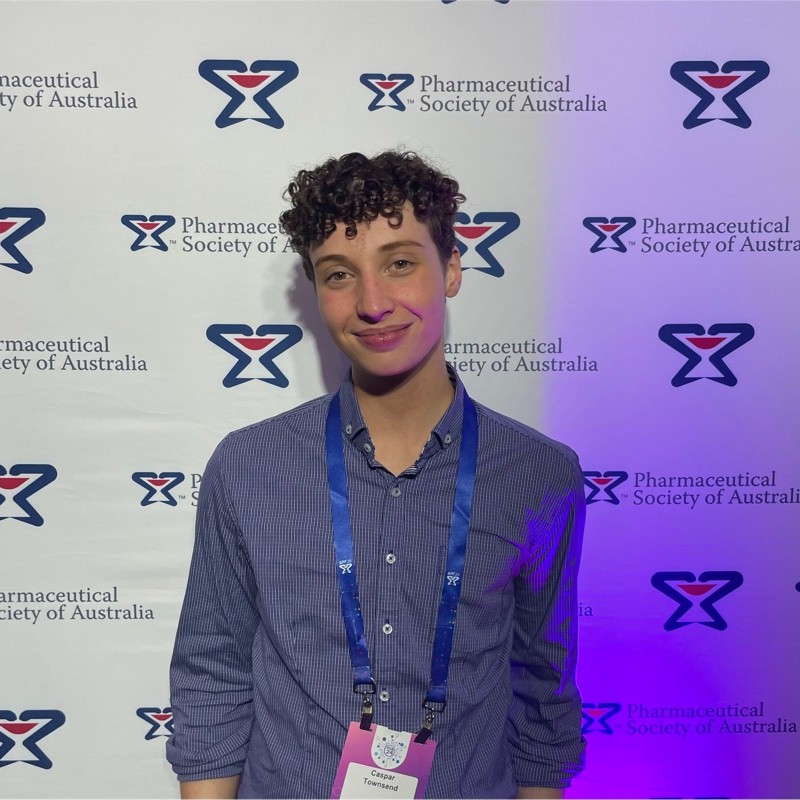 Caspar Townsend MPS, Pharmacist at Perth Children's Hospital compounding unit[/caption]
 Iraq Doali, NSW-based locum pharmacist and content creator[/caption]

Case scenario

Nia, 36 years old, presents to the pharmacy for advice, reporting difficulties falling asleep for the past 5 months. These problems started after a sporting injury. Although her injury has improved, Nia is still having difficulties sleeping. She reports that as soon as her head hits the pillow, she feels like her mind springs into action. You confirm that she isn’t on any medicines, has no medical conditions and works full-time in the retail industry with regular daytime hours.
After reading this article, pharmacists should be able to:
Competency standards (2016) addressed: 1.1, 1.4, 1.5, 2.2, 3.1, 3.5 Accreditation number: CAP2409DMAS < |
THIS IS A CPD ARTICLE. YOU NEED TO BE A PSA MEMBER AND LOGGED IN TO READ MORE.