


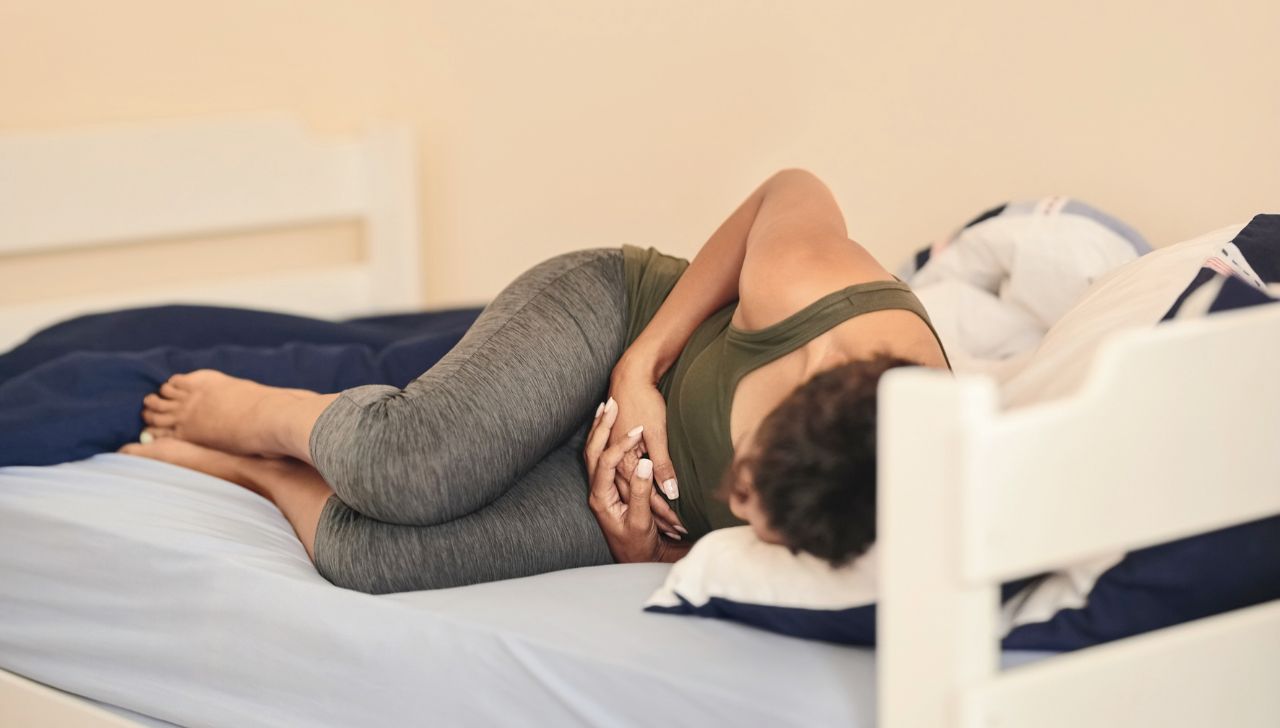
 Normalisation is medical misogyny and delays diagnosis
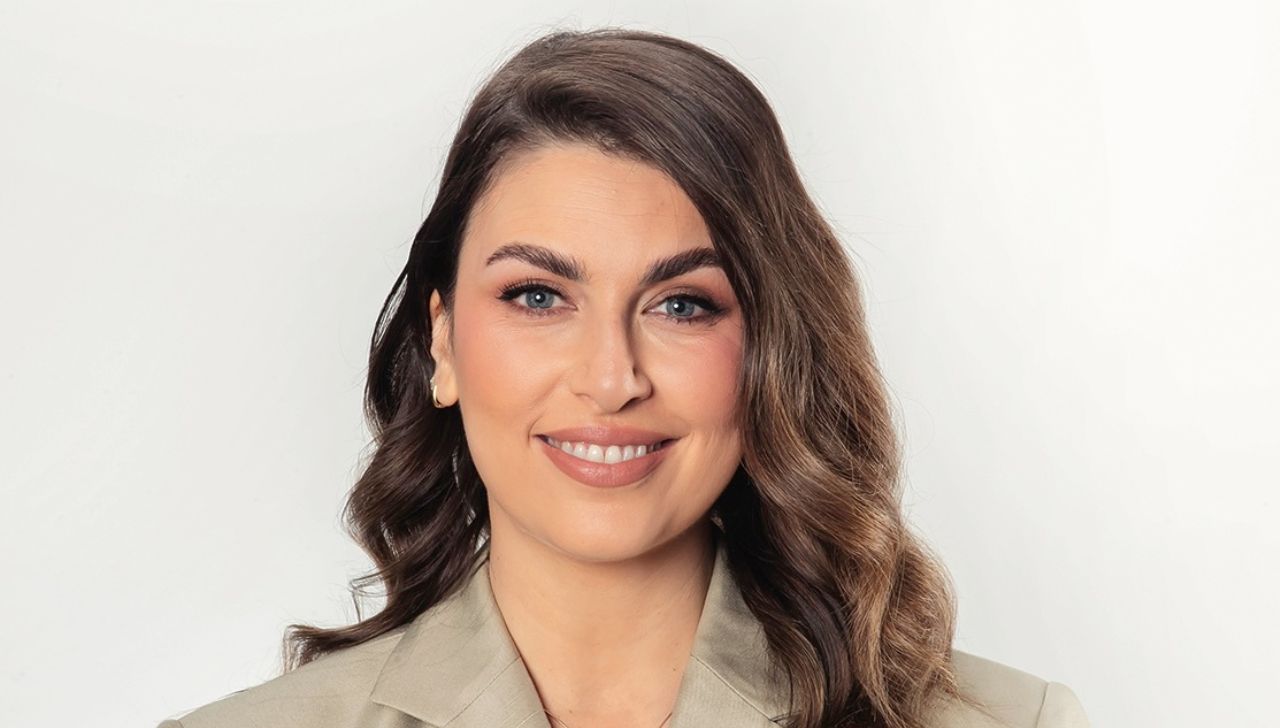 Sharnelle Vella, ABC Radio Melbourne breakfast co-host[/caption]


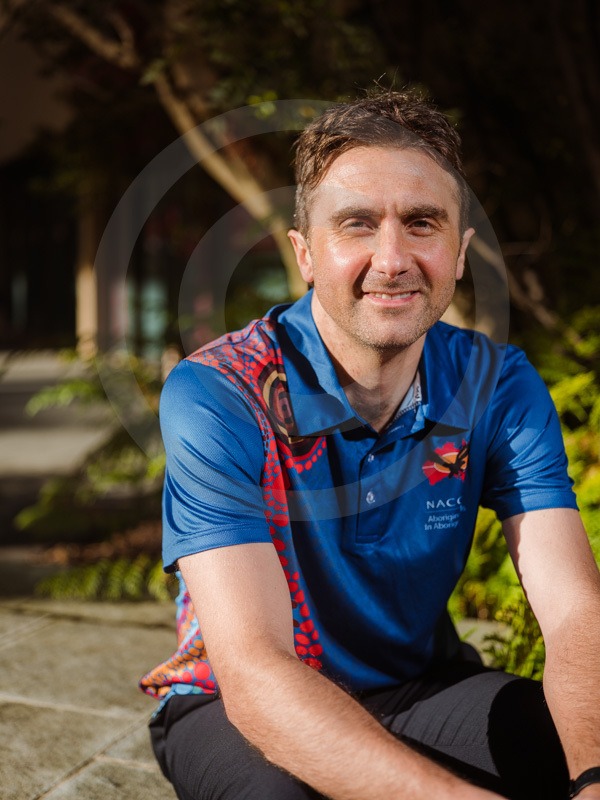 Mike Stephens, Director, Medicines policy and Programs at the National Aboriginal Community Controlled Health Organisation (NACCHO)[/caption]
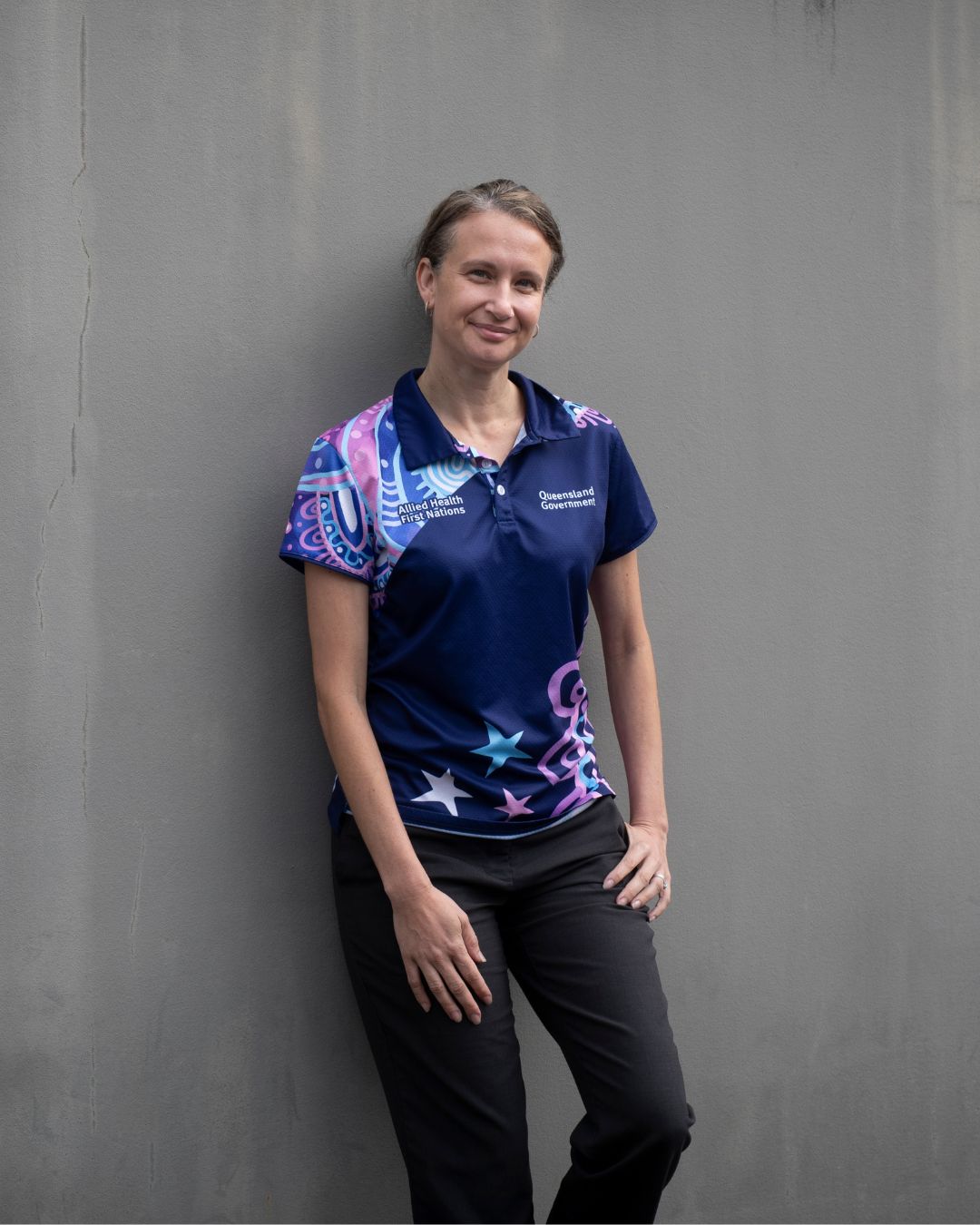 Chastina Heck MPS, Chair of the PSA/NACCHO Aboriginal and Torres Strait Islander Pharmacy Practice Community of Specialty Interest (CSI).[/caption]
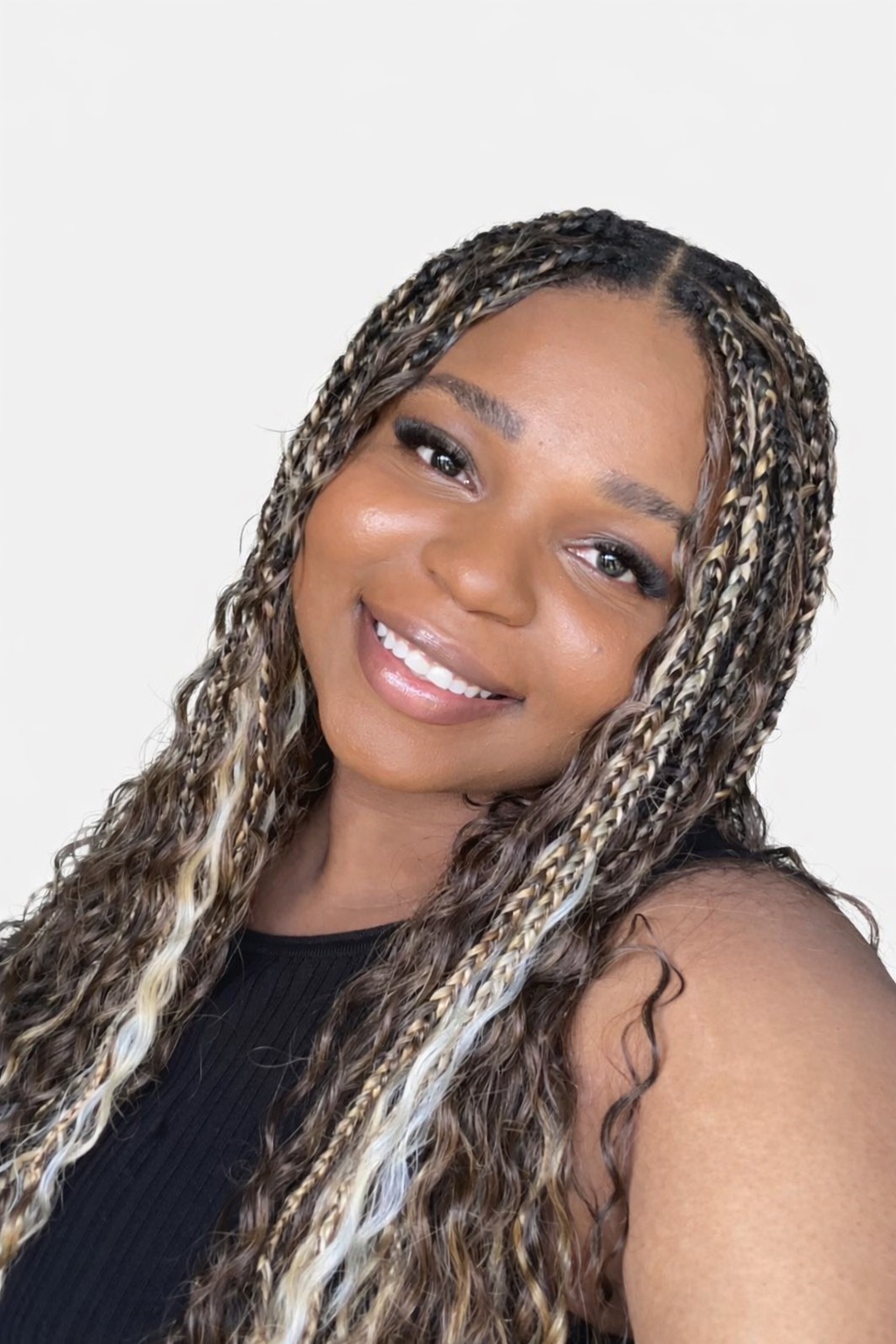 Philippa Chigeza, pharmacist at Logan Hospital.[/caption]


 Stewart Mearns MPS[/caption]
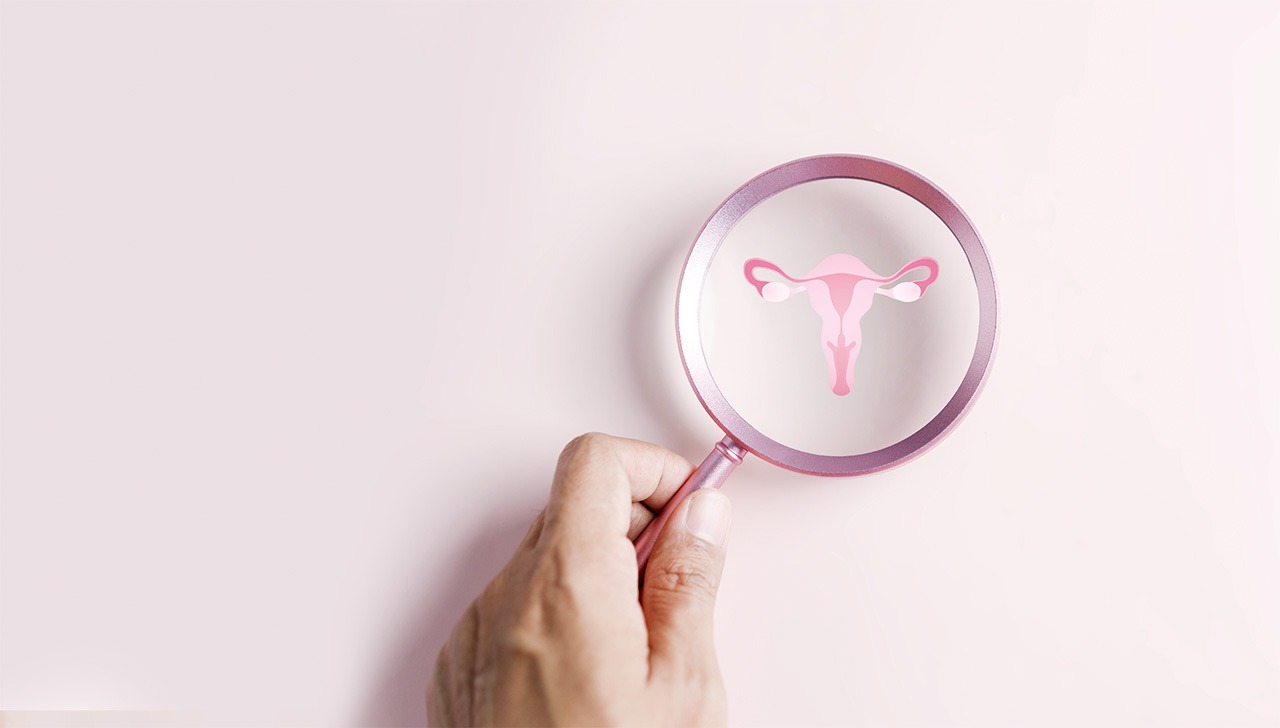
Case scenario
Alicia, 27, visits your pharmacy regularly for naproxen and heat patches to manage period pain. She confides that her pain has worsened over the past 2 years, radiates down her legs, interferes with work and affects intimacy.
Her periods are heavy, lasting around 9 days, and leave her feeling exhausted and sometimes even bedridden. Alicia has seen several GPs, who told her it was ‘normal for your age’. She says, ‘It feels like someone’s wringing out my insides – nothing helps much. Is this really normal?’
Learning objectivesAfter reading this article, pharmacists should be able to:
Competency standards (2016) addressed: 1.1, 1.4, 1.5, 2.2, 3.1, 3.5 Accreditation number: CAP2602DMED Accreditation expiry: 31/01/2029 |
Already read the CPD in the journal? Scroll to the bottom to SUBMIT ANSW
THIS IS A CPD ARTICLE. YOU NEED TO BE A PSA MEMBER AND LOGGED IN TO READ MORE.