

 This CPD activity is sponsored by Reckitt. All content is the true, accurate and independent opinion of the speakers and the views expressed are entirely their own.[/caption]
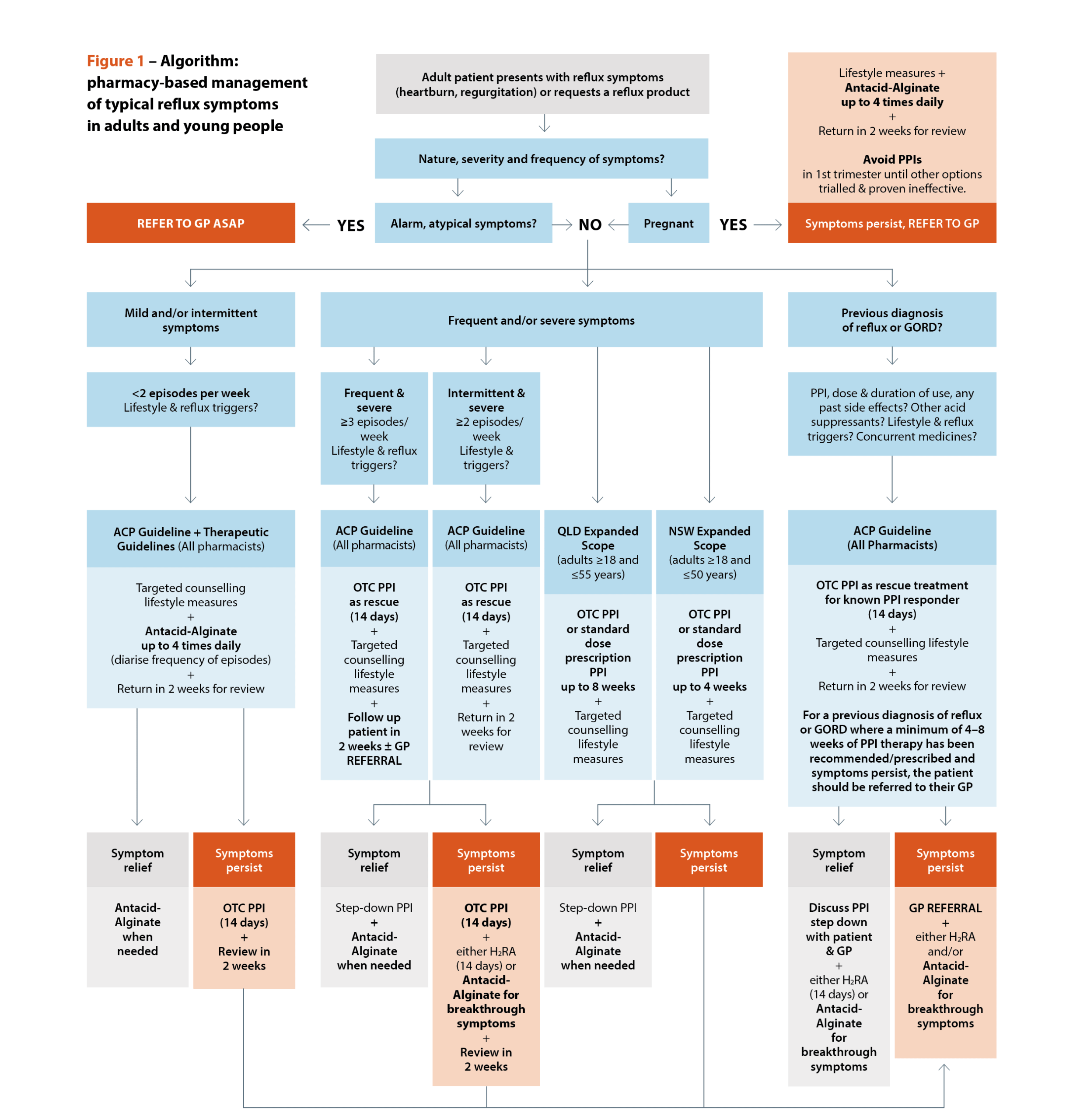 Sources: Australasian College of Pharmacy. Management of reflux: a guideline for pharmacists. Queensland Health. Queensland Community Pharmacy Gastro-oesophageal Reflux and Gastro-oesophageal Reflux Disease – Clinical Practice Guideline. NSW Health. NSW Pharmacist Practice Standards for gastro-oesophageal reflux and gastro-oesophageal reflux disease.[/caption]

 Dr Ming S Soh PhD, BPharm (Hons)[/caption]







 DR Amy Page (she/her) PhD, MClinPharm, GradDipBiostat, GCertHProfEd, GAICD, GStat, FSHPA, FPS is a consultant pharmacist, biostatistician, and the director of the Centre for Optimisation of Medicines at UWA’s School of Allied Health.[/caption]

 Hui Wen Quek (she/her) BPharm(Hons), GradCertAppPharmPrac is a pharmacist and PhD candidate at the University of Western Australia (UWA).[/caption]

 Gauri Godbole FPS[/caption]


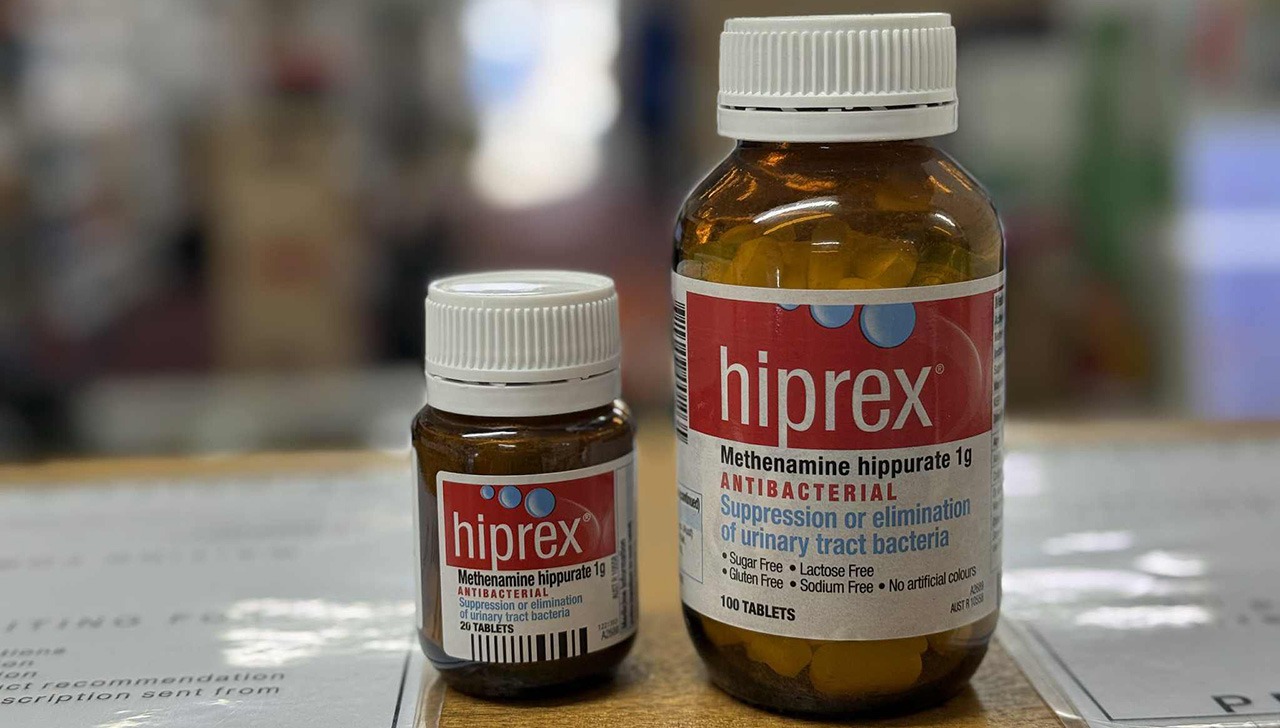
On 1 October 2025, the Therapeutic Goods Administration (TGA) scheduled methenamine hippurate as a Pharmacist Only medicine to ensure pharmacist oversight of its use.
Up until last week, methenamine hippurate, sold as Hiprex and Uramet was unscheduled, available as a general sales medicine.
Australian Pharmacist outlines the reasons for the rescheduling of this medicine, and what actions a request for Hiprex should now prompt pharmacists to take.
Why is methenamine now an S3 medicine?
In May 2024, a final decision was made to reschedule methenamine to Pharmacist Only for therapeutic preparations, allowing for pharmacist intervention to ensure safe and appropriate use.
While Pharmacy Only scheduling was considered, it was deemed insufficient to prevent inappropriate use by those who have not been medically assessed.
Methenamine hippurate is generally low risk and provides an alternative to antibiotics for recurrent urinary tract infections (UTIs), addressing the community’s need to reduce antibiotic resistance. The TGA delegate also noted that patients diagnosed with recurrent UTI and advised by a healthcare practitioner to use methenamine hippurate are unlikely to self-medicate inappropriately.
But for new and infrequent users, unrestricted access outside of pharmacies poses risks of inappropriate self-diagnosis, use for active UTIs without professional input, and masking of underlying medical conditions.
Pharmacist involvement should help to mitigate these risks by enhancing therapeutic advice and reducing errors or misuse while aligning with international classifications in the United Kingdom, United States and New Zealand.
What are the issues with unsupervised use?
Methenamine hippurate’s therapeutic efficacy significantly relies on an acidic urinary pH. So co-administration of urinary alkalisers, such as potassium citrate or acetazolamide, can raise urine pH – limiting formaldehyde formation and diminishing efficacy.
Long-term risks of formaldehyde exposure include gastrointestinal effects and skin irritation.
Methenamine hippurate should also be used judiciously in patients with comorbid conditions that can lead to elevated risks, such as:
- gout
- hepatic impairment
- renal insufficiency
- metabolic acidosis.
To ensure safe and effective use, methenamine hippurate should only be used following an assessment to evaluate patient suitability and to manage potential medicine interactions.
Will long-term users be impacted?
No. Patients who are using methenamine hippurate for ongoing treatment typically access this medicine via prescription with Pharmaceutical Benefits Schedule subsidisation for 100-tablet bottles.
So access to methenamine hippurate for these patients will remain unchanged, with a Pharmacist Only classification allowing for continued access should they be unable to obtain a prescription in a timely manner.
What advice should pharmacists provide?
Should a patient request Hiprex or Uramet, pharmacists should ask questions to assess whether the patient has a UTI, including symptoms of:
- dysuria (pain, discomfort, stinging or burning when urinating)
- urinary urgency
- urinary frequency
- pain or discomfort above the pubic bone.
Pharmacists should offer the patient a UTI consultation, if this is within their scope of practice, or refer them on for medical assessment.
To reflect the updated scheduling of methenamine, PSA’s Treatment guideline for pharmacists Cystitis is currently under review.