


 Rhiannon Price, Pharmacist at King Edward Memorial Hospital.[/caption]
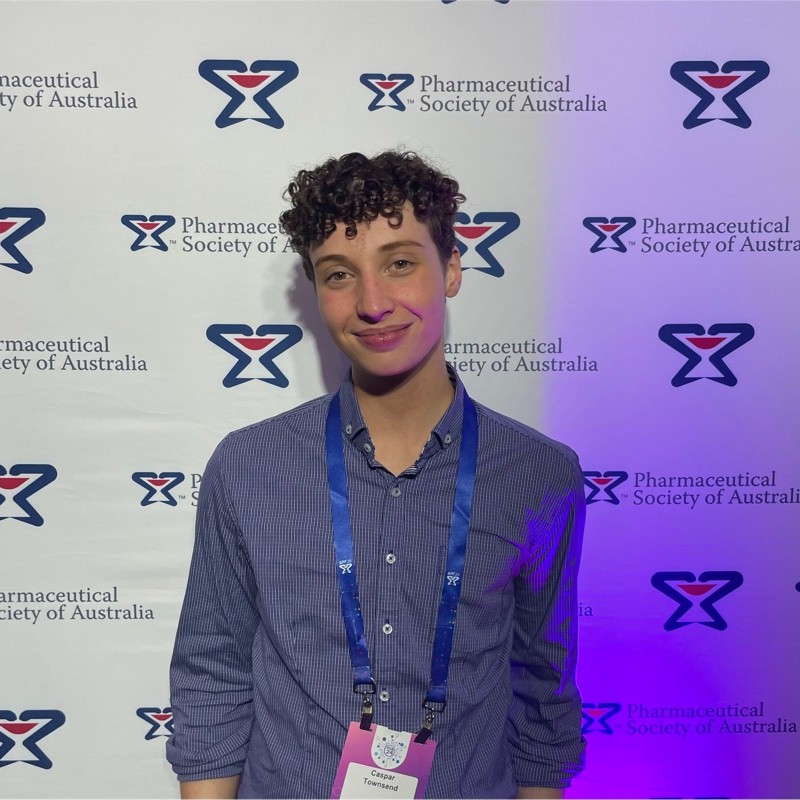 Caspar Townsend MPS, Pharmacist at Perth Children's Hospital compounding unit[/caption]
 Iraq Doali, NSW-based locum pharmacist and content creator[/caption]




 Normalisation is medical misogyny and delays diagnosis
 Sharnelle Vella, ABC Radio Melbourne breakfast co-host[/caption]


 Mike Stephens, Director, Medicines policy and Programs at the National Aboriginal Community Controlled Health Organisation (NACCHO)[/caption]
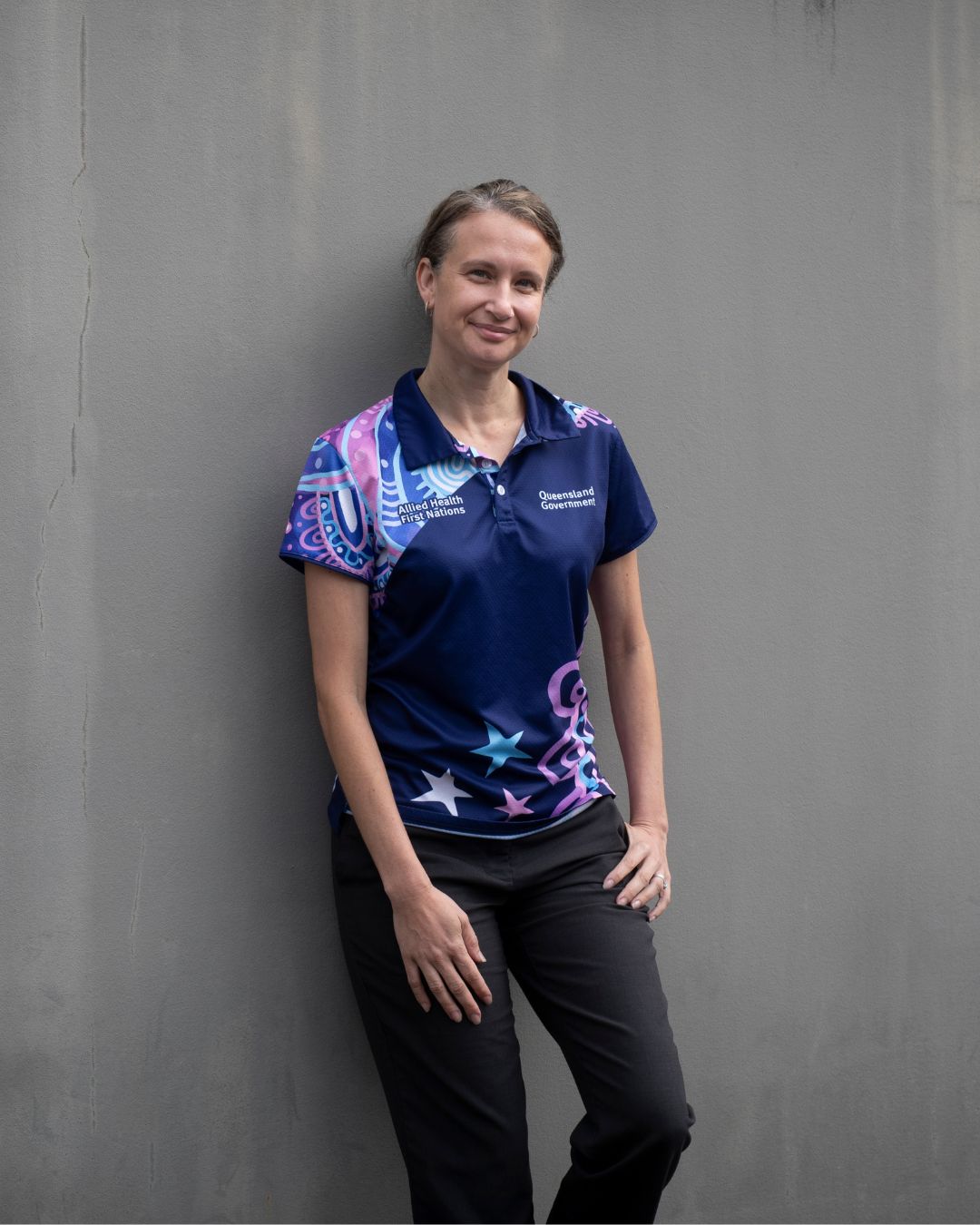 Chastina Heck MPS, Chair of the PSA/NACCHO Aboriginal and Torres Strait Islander Pharmacy Practice Community of Specialty Interest (CSI).[/caption]
 Philippa Chigeza, pharmacist at Logan Hospital.[/caption]

Case scenario
Dale, 58 years old, has come in to obtain a repeat prescription for tadalafil and asks if he can have a chat. You note that this appears to be the second type of PDE5 inhibitor he has been prescribed recently. After inviting him into your consult room, he tells you that despite following all the instructions he still can’t seem to ‘get it up’ in the bedroom. He has recently been referred to a urologist by his GP to discuss alternative options. He has heard that he might be given an injection to try and wants to know more.
After reading this article, pharmacists should be able to:
Competency standards (2016) addressed: 1.1, 1.4, 1.5, 2.2, 3.1, 3.5 Accreditation number: CAP2410SYPTS Accreditation expiry: 30/09/2027 |
Already read the CPD in the journal? Scroll to the bottom to SUBMIT ANSWERS.
Introduction
Erectile dysfunction (ED) is defined as difficulty in gaining or maintaining a penile erection sufficient for sexual activity.1 It is often measured and graded using a questionnaire titled ̵
THIS IS A CPD ARTICLE. YOU NEED TO BE A PSA MEMBER AND LOGGED IN TO READ MORE.