


 Genevieve Adamo MPS (Image: Steve Christo Photography)[/caption]



 Deborah Williams at the Chemist Warehouse Australian Open pop-up pharmacy[/caption]
Case scenario
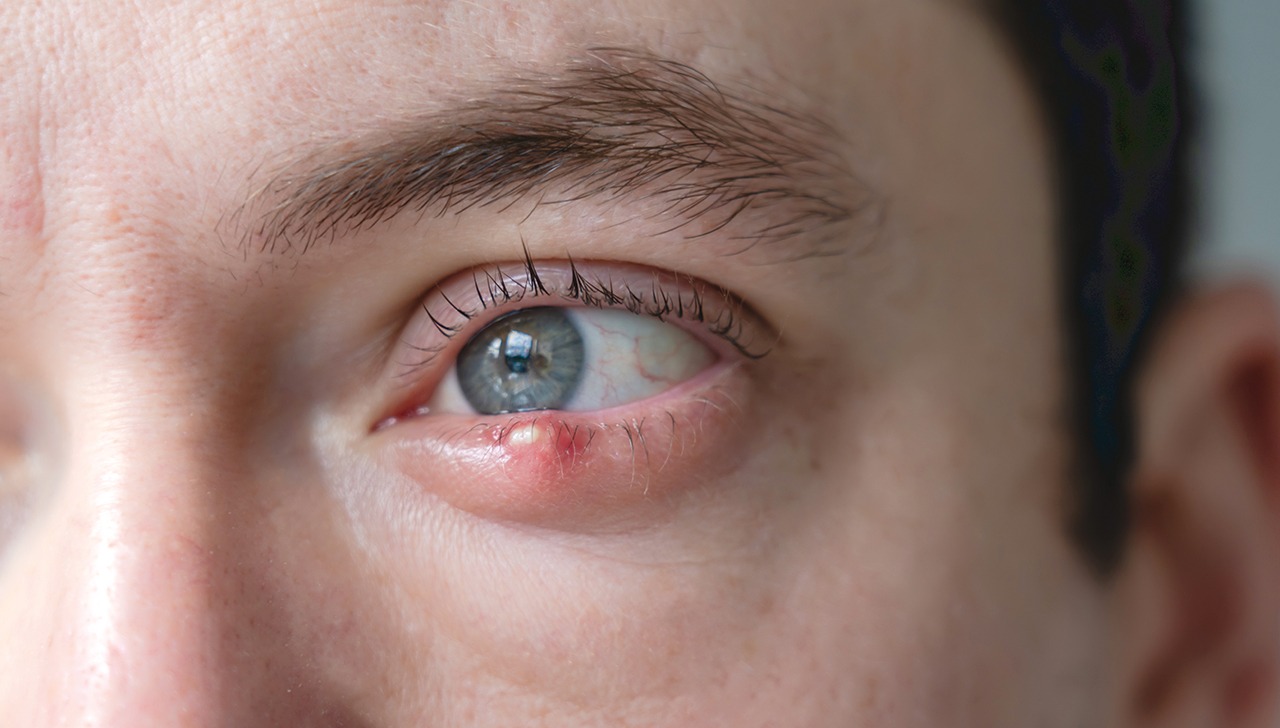
Leila, a 35-year-old woman, presents to the pharmacy concerned about a painful red bump near the margin of her upper eyelid. She explains that it appeared 2 days ago and has become increasingly tender, but she has not sought any treatment yet. Leila wears contact lenses and applies eye makeup daily. On further questioning, you learn that she is not taking any regular medications, has no underlying medical conditions, and this is the first time she has experienced such symptoms. She asks if there is anything she can apply to help.
Learning objectivesAfter reading this article, pharmacists should be able to:
Competency (2016) standards addressed: 1.1, 1.4, 1.5, 2.2, 3.1, 3.5 Accreditation code: CAP2512DMHWQ Accreditation expiry: 30/11/2028 |
Already read the CPD in the journal? Scroll to the bottom to SUBMIT ANSWERS.
Introduction
A hordeolum, commonly known as a stye, is a common eyelid condition caused by bacterial infection of the sebaceous glands. There are two main types: external hordeolum, the more common form, which affects glands near the lash line; and internal hordeolum, which involves the meibomian glands deeper within the eyelid. Although typically benign and self-limiting, a stye is among the more common eyelid conditions seen in primary care.1 It can cause significant discomfort and cosmet
THIS IS A CPD ARTICLE. YOU NEED TO BE A PSA MEMBER AND LOGGED IN TO READ MORE.