

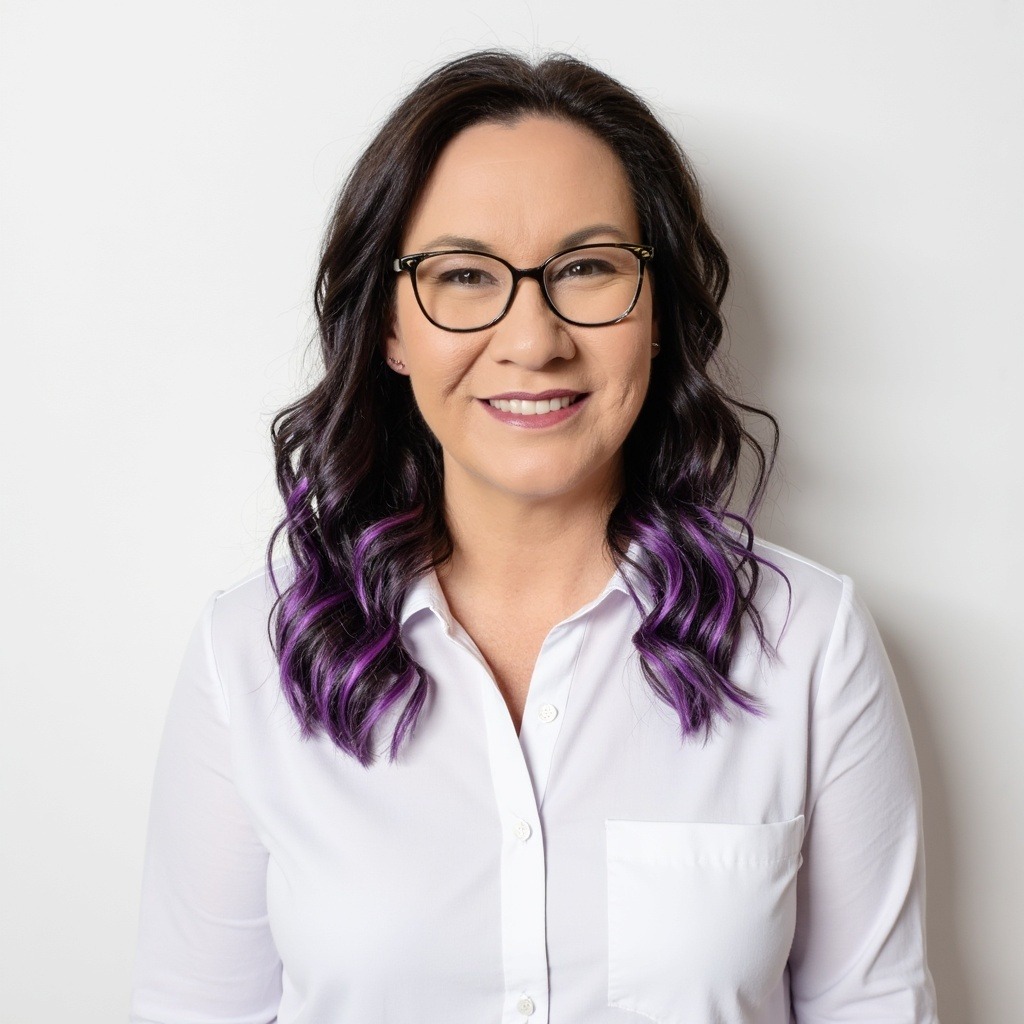
 Yvette Anderson (she/her) BPharm, MPS, CredPharm (MMR), ANZCAP (MentalHth, Paeds), CPGx, GradCert Autism[/caption]

 Beyond the core features


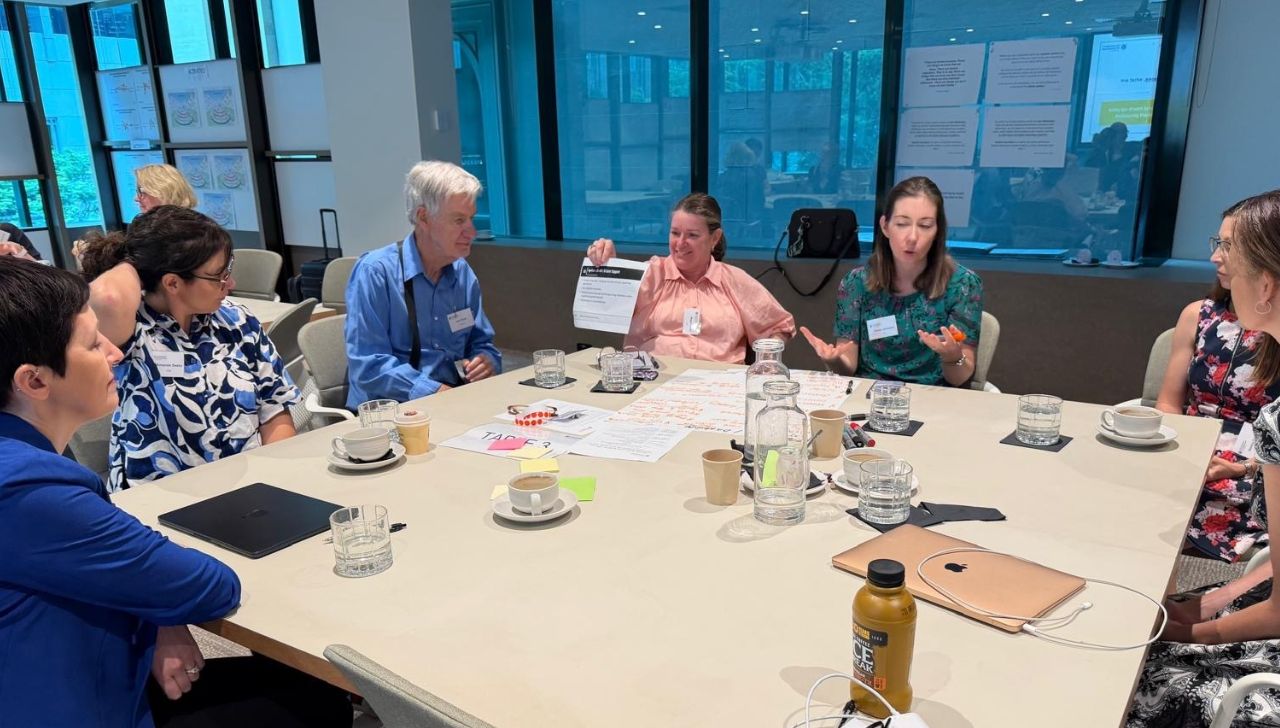 ‘How do we reach them better, and what does that mean for the required skills and competencies of our workforce?’ A/Prof Spinks asked.

 Rhiannon Price, Pharmacist at King Edward Memorial Hospital.[/caption]
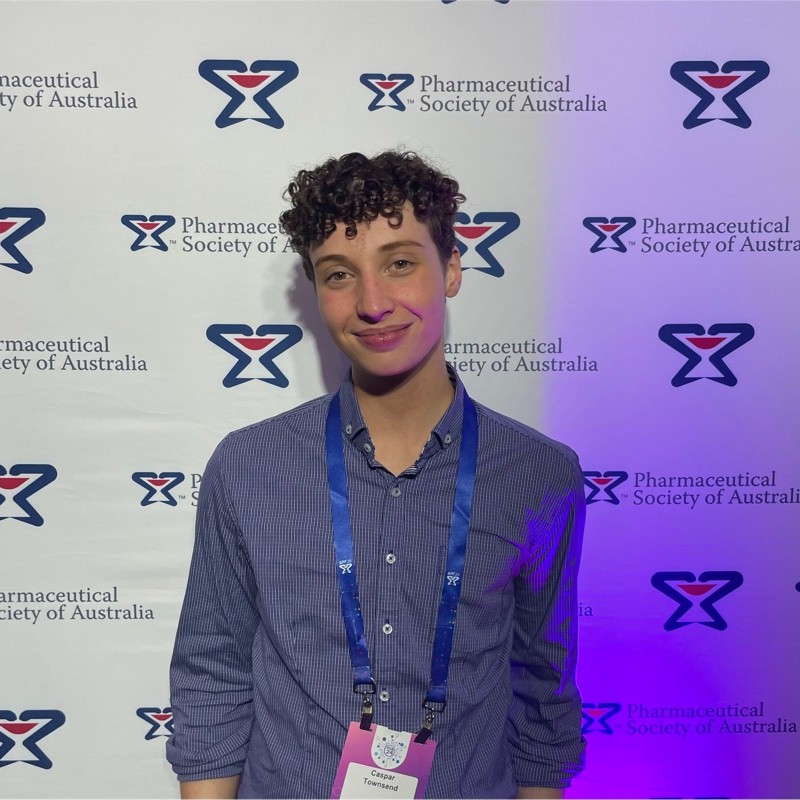 Caspar Townsend MPS, Pharmacist at Perth Children's Hospital compounding unit[/caption]
 Iraq Doali, NSW-based locum pharmacist and content creator[/caption]



Early monitoring, sensitive communication and guideline awareness are essential when medicines are used to manage youth mental health.
Almost two in five (around 40%) of Australians aged 16–24 years experience a mental disorder in any given year, with depression and anxiety frequently emerging during adolescence and early adulthood.
Despite clinical guidelines recommending psychological therapies such as cognitive behavioural therapy (CBT) as first-line treatment, antidepressants can be prescribed before CBT practice, said Ms Lily Pham MPS, a lecturer at the University of Sydney – who is presenting at the upcoming PSA webinar Antidepressants and adolescents – what every pharmacist should know.
‘Pharmacists often get prescriptions for antidepressants where a young person hasn’t received CBT yet – particularly if they’re on a waiting list to receive CBT,’ she said. ‘Antidepressants are typically recommended to be used for 6–12 months before deprescribing should be considered. But we’re finding that doesn’t happen a lot of the time.’
There’s often a gap between guideline recommendations and what pharmacists actually encounter in day-to-day practice. So initiating conversations about treatment planning requires both confidence and clarity.
‘It’s about being able to engage in those conversations and also knowing what to do when you gain that information,’ Ms Pham said.
Bridging the gap when CBT is delayed
Conversations around mental health require careful attention to privacy and tone.
‘It’s important not to use judgmental language,’ Ms Pham said. ‘We might engage in conversation by saying, “I’m just going to ask you a couple of questions about this medication – would you feel comfortable with that?’
Explaining intent can reduce defensiveness and reframe the conversation as supportive rather than interrogative.
‘If you say, “The reason I’m asking is because I want to be able to give you information about the medication that’s tailored to you” for example, it can often open up the conversation better,’ she said.
When sensitive topics, including mental health, are discussed, there should always be the option to move into a consultation room.
Pharmacists can also use simple, open-ended questions to explore whether broader treatment planning has been discussed.
‘It comes down to signposting,’ Ms Pham said. ‘You could ask, “is this the first time you’ve used this medication?” And then you might follow with, “When people start this medication, their GP can sometimes have conversations about other strategies, like CBT. Is that something you’ve discussed with your GP?”’
Given much antidepressant use in adolescents is off label, product information doesn’t clearly outline use in younger populations.
‘This is where guidelines specific to prescribing for younger people should be considered,’ she said.
Where clarification with the prescriber is required, young people should not be excluded from the process.
‘Young people often feel very disempowered within the healthcare system, so it’s important that health professionals support young people to have a voice in their healthcare,’ Ms Pham said. ‘If you are going to have those conversations, make sure you also include that young person. That might include saying, “would you mind if I speak to your GP to clarify XYZ details”, if those details haven’t been established through your conversations with the young person.’
Checking duration against intention
Through dispensing histories and repeat supply intervals, pharmacists can prompt gentle check-ins around duration of and response to therapy.
‘If you’ve noticed in your dispensing system that a person has been on an antidepressant for over 12 months, flag a conversation with that young person about how they are feeling on the medication, how their mood is, and whether or not they have discussed with their GP about deprescribing or tapering the dose,’ Ms Pham said.
However, pharmacists should use their clinical judgement when approaching this conversation.
‘You would only really have that conversation if that person was faring well,’ she said. ‘If they say, “My mood’s still not great,” you’re not going to ask if they have decided to consider deprescribing. Instead, you might discuss openness to alternative drug regimens with them and their prescriber.’
Repeat supply also provides an opportunity to check whether appropriate review and deprescribing discussions have occurred.
‘You can flag whether this conversation has occurred using your dispensing system every 6 to 12 months,’ Ms Pham said.
Monitoring efficacy and tolerability
When dispensing antidepressants, pharmacists have the opportunity to monitor for both efficacy and adverse effects – particularly those that young people may feel reluctant to disclose.
‘One of the big ones is around sexual dysfunction,’ Ms Pham said. ‘So it’s checking in with those short-and longer- term adverse effects, as well as looking at the efficacy of the medication and the need.’
Monitoring and review are shared responsibilities rather than isolated tasks.
‘There is an onus of responsibility on every member of the multidisciplinary healthcare team when you do come in contact, or you do interact with that young person, to check in,’ Ms Pham said.
Even under 60-day dispensing arrangements, pharmacists retain regular contact with young patients using antidepressants.
‘If the GP checks in with them at every appointment, and then the pharmacist once every 2 months – we can still provide touchpoints in that person’s care. And young people would appreciate being engaged in non-judgemental conversations about their care.’
Learn more about pharmacists’ role in the quality use of antidepressants for teens and young adults by attending the PSA webinar Antidepressants and adolescents – what every pharmacist should know, held on 17 February 2026 at 7.00–8.30 pm AEDT.