

td_module_mega_menu Object
(
    [post] => WP_Post Object
        (
            [ID] => 31727
            [post_author] => 9499
            [post_date] => 2026-04-30 11:40:48
            [post_date_gmt] => 2026-04-30 01:40:48
            [post_content] =>
Case scenarioJoe, a 76-year-old man, visits the pharmacy accompanied by his daughter, who expresses concern about his increasing forgetfulness and confusion over the past year. Joe has begun misplacing items, repeating questions and occasionally getting lost in familiar places. You ask Joe and his daughter about the progression of symptoms, daily functioning and any changes in mood or behaviour. He denies feeling depressed but expresses frustration with his poor memory. He is currently taking medicines for hypertension and type 2 diabetes. |
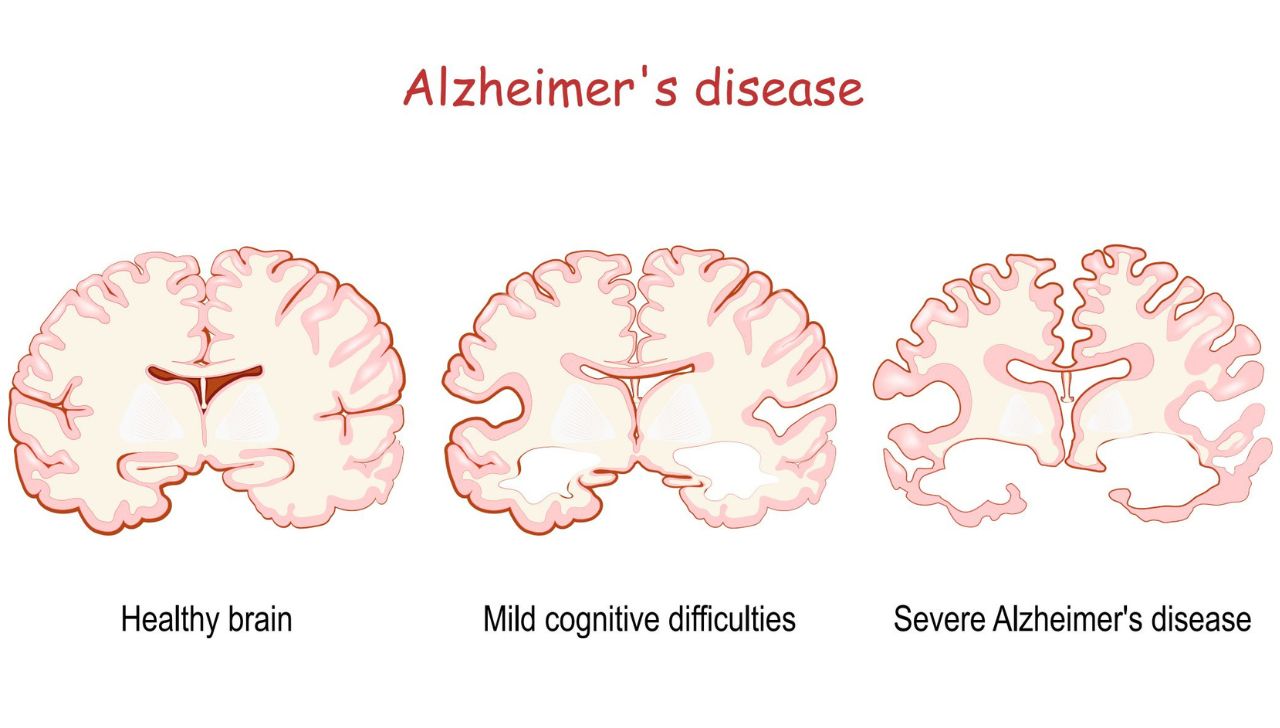
Dementia was the leading cause of death in 2024, with deaths from dementia increasing by 39% over the past decade.1 It is a progressive, life-limiting syndrome characterised by a decline in cognition and functional abilities.2 The most common cause of dementia is Alzheimer’s disease (50–75% of cases), followed by vascular dementia (20–30%), frontotemporal dementias (up to 10%), and dementia with Lewy bodies and Parkinson’s disease dementia (up to 10%).2
Learning outcomesAfter reading this article, pharmacists should be able to:
|
 Dr Amy Page (she/her) PhD, MClinPharm, GradDipBiostat, GradCertHProfEd, GradCertDMED, GAICD[/caption]
Table 1 (page 44) summarises the common causes of dementia and the current understanding of their pathogenesis.
| Causes of dementia | Descriptions |
| Alzheimer’s disease | The amyloid cascade hypothesis suggests that the deposition of amyloid-β (Aβ) plaques leads to neurofibrillary tangles, cell loss, vascular damage and dementia.3 For decades, this hypothesis has been the primary target for developing therapies for Alzheimer’s disease. In light of new evidence, several iterations of the theory have been proposed, highlighting a more complex aetiology involving polygenic, epigenetic, environmental, vascular, neuroinflammatory and metabolic factors.4 Today, the aetiological complexity surrounding the pathogenesis of Alzheimer’s disease has not been fully established. |
| Vascular dementia | Vascular dementia results from impaired blood supply to the brain, which damages brain tissue and subsequently leads to cognitive decline.5 Common neuropathological findings include multiple infarcts or single strategic infarcts caused by atherothromboembolic events or small vessel disease.5 |
| Mixed dementia | It is common for individuals to present with more than one type of dementia. The term ‘mixed dementia’ refers to the co-occurrence of more than one subtype of dementia, most commonly Alzheimer’s disease and vascular dementia. However, the use of this term is increasingly discouraged due to its ambiguity.6 |
| Lewy body dementia | Lewy body dementia is an umbrella term describing two forms of dementia: dementia with Lewy bodies (DLB) and Parkinson’s disease dementia (PDD). DLB is characterised by the accumulation of α-synuclein in Lewy bodies and Lewy neurites in the brain, as well as neuronal loss in the substantia nigra, although typically less severe than that observed in Parkinson’s disease.6 PDD and DLB are both α-synucleinopathies.6 There is considerable clinical overlap between DLB and PDD.6 Generally, DLB presents at an older age, while PDD is preceded by a long period of motor symptoms.6 The arbitrary ‘1-year rule’ is commonly applied in clinical practice, whereby DLB is diagnosed when cognitive symptoms appear before or within 1 year of motor symptoms, whereas PDD is diagnosed when cognitive decline occurs in the context of established Parkinson’s disease.6 |
| Frontotemporal dementia | Frontotemporal dementia (FTD) is a common cause of early-onset dementia, typically affecting individuals aged 45–65 years.7 FTD is categorised as three variants: 1) behavioural-variant FTD (associated with behavioural and executive deficits), 2) non-fluent variant primary progressive aphasia (progressive deficits in speech, grammar and word output), and 3) semantic-variant primary progressive aphasia (impaired naming and single-word comprehension).8 As the name suggests, FTD involves progressive degeneration of the frontal and/or temporal lobes associated with characteristic protein inclusions.6 Genetic mutations and family history of dementia play an important role in its pathogenesis.6 |
| Other causes of dementia |
|
Clinical features
Dementia symptoms vary between individuals, with common symptoms outlined in Box 1.11 Early dementia symptoms are often subtle and easily overlooked, and dementia is still commonly perceived as a normal part of ageing.12 To address this, initiatives such as the National Dementia Action Plan 2024–2034 have been introduced to raise awareness, reduce risks and improve access to services across Australia.13
Box 1 – Common symptoms of dementia
|

As dementia progresses, individuals may also experience changes in behaviour or emotional state, such as14:
Collectively, these symptoms used to be clinically referred to as behavioural and psychological symptoms of dementia (BPSD). However, this terminology is increasingly being discouraged as it does not reflect the lived experience of people with dementia.15
Some alternative terms include changed behaviours or responsive behaviours.14 However, these terms are not universally preferred among all people living with dementia and their carers.
Changed behaviours typically intensify with disease progression and are often triggered by underlying factors such as unmet needs (e.g. hunger, thirst, toileting), physical illness, pain, psychiatric conditions, constipation, fatigue, loneliness and environmental stressors.14 A comprehensive assessment is essential for identifying and addressing these contributing factors.
Changed behaviours can be distressing for both the individual and their carers, and person-centred care approaches are critical to managing these challenges effectively to minimise harm.
 Amanda Quek (she/her) BPharm(Hons), GradCertAppPharmPrac[/caption]
Reversible causes of cognitive impairment should be excluded as part of the dementia assessment and treated as appropriate. Examples include9:
Some medicines adversely affect cognition. In individuals receiving cholinesterase inhibitors and medicines that have anticholinergic properties, clinicians should first consider deprescribing anticholinergics due to the potential adverse impact on cognitive function.16 Other medicines associated with cognitive impairment include psychotropics, GABAergic agents, opioids, corticosteroids and antibiotics.17
Dementia diagnosis requires a comprehensive physical examination and cognitive test using validated tools, such as the Mini-Mental State Examination (MMSE), General Practitioner Assessment of Cognition (GPCOG), and Montreal Cognitive Assessment (MoCA).9 For Aboriginal and Torres Strait Islander peoples, the Kimberley Indigenous Cognitive Assessment (KICA) is a culturally appropriate dementia screening tool that has been validated in this population in Australia.18
While challenging, identifying the specific type of dementia is crucial for guiding appropriate treatment and support. Input from specialists (e.g. neurologist, neuropsychologist or geriatrician) is often required, in collaboration with the individual and their family or support network.
Dementia risk factors are broadly categorised into potentially modifiable and non-modifiable.
Non-modifiable risk factors include age, parental family history of dementia and the possession of the APOE4 allele.19 Dementia incidence increases exponentially with age, doubling approximately every 5 years from 65 and 90 years.20 Despite age being a major risk factor, dementia can affect individuals of all ages.
Potentially modifiable risk factors include air pollution, smoking (including second-hand exposure), high alcohol intake, low education, head injuries, hearing impairment, hypertension, obesity, sedentary lifestyle and social isolation.9,19 Addressing modifiable risk factors is important for reducing dementia risk and preventing other chronic diseases.9 Key strategies include increasing physical activity, preventing head injury and hearing loss (e.g. wearing hearing protection when exposed to loud noise), quitting smoking, avoiding second-hand smoke exposure, maintaining a healthy and balanced diet, reducing or ceasing alcohol use, managing a normal weight and blood pressure, staying socially connected, engaging in cognitively stimulating activities, and promoting community inclusion.9
There is currently no cure for dementia. The primary goal of management is to support the individual’s quality of life, maintain independence for as long as possible, and provide holistic care throughout the disease trajectory.
A dementia care plan should aim to9:
Non-pharmacological approaches are the first-line treatment for managing changed behaviours in dementia and should be continued even when medicine is commenced. Non-pharmacological interventions are person-centred and aim to address unmet needs, environmental stressors and emotional distress.2 Evidence-based psychosocial interventions that can be delivered in both the community and facility settings include reminiscence therapy, validation therapy, cognitive stimulation therapies and reality orientation.21,22
Other non-pharmacological practices include structured care approaches (e.g. bathing, oral care routines), sensory interventions (e.g. aromatherapy, massage, multisensory stimulation, bright light therapy), psychosocial practices (music therapy, pet therapy, meaningful activities), and social engagement.21,22 Approaches for managing dementia should be tailored to the individual’s preferences, cultural background and life history – and involve carers in the planning and delivery.
Pharmacological interventions are not recommended as first-line treatments for changed behaviours due to limited efficacy and risk of serious harm.2,14,23 They were associated with increased risks of cardiovascular or cerebrovascular events (stroke, venous thromboembolism, myocardial infarction, heart failure), fracture, pneumonia and acute kidney injury.24
As such, psychotropic medicines should only be considered when acute behavioural disturbance is severe, posing an imminent risk of harm to the individual or others, and the required expertise is available.2
The two main classes of medicines used in the treatment of dementia are anticholinesterases (donepezil, galantamine and rivastigmine) and memantine (an N-methyl-D-aspartate receptor antagonist).25 They provide modest symptomatic relief and do not alter the course of the disease. 2,23
Anticholinesterases are indicated for mild to moderate Alzheimer’s disease,26 and may also be used off-label for Lewy body dementia, vascular dementia or mixed dementia. Common adverse effects include nausea, vomiting, diarrhoea and insomnia.25 Memantine is indicated for moderate to severe Alzheimer’s disease or when anticholinesterases are unsuitable and can sometimes be combined with an anticholinesterase, though benefits vary between individuals.23 Before initiating treatment, clinicians should perform an electrocardiogram, record baseline weight and assess fall risk.9 A review shortly after initiation (e.g. 1 month) is recommended to assess adverse events and dose titration, and within 6 months to determine responses on cognition, daily function and physical symptoms.9,23
Many people living with dementia are living with other comorbidities, and the cumulative burden of polypharmacy can present a great risk to their quality of life and health. Deprescribing should be considered and offered if the person16:
The MATCH-D (medication appropriateness tool for comorbid health conditions in dementia) criteria is a practical tool that allows pharmacists to optimise medicine use in people with dementia.27 The tool is freely available at www.match-d.com.au, and can be used by pharmacists to decide whether medicines are used appropriately for comorbidities during the different stages of dementia.
Other tools for optimising medicine regimens include the Clinical Practice Guidelines for Deprescribing in Older People (available at deprescribing.com)16 and the Drug Burden Index tool for calculating the cumulative exposure to anticholinergic and sedative medicines (available at www.gmedss.com/about).28

New and emerging therapies
Research into disease-modifying treatments for dementia is ongoing. Recent developments have focused on monoclonal antibodies that target Aβ plaques, a hallmark of Alzheimer’s disease pathology.26 Donanemab and lecanemab are newly approved monoclonal antibody therapies for adults with early symptomatic Alzheimer’s disease who have a specific genetic profile and confirmed Aβ plaque presence.26 These medicines are administered by intravenous infusion every 2–4 weeks, and can cause brain oedema and microhaemorrhages, necessitating regular MRI monitoring.
They are not subsidised by the Pharmaceutical Benefits Scheme at the time of writing, and their high cost may further limit uptake. While anti-amyloid therapies have demonstrated a significant reduction in brain amyloid in people with early Alzheimer’s disease,26 clinically meaningful cognitive and functional improvements are modest.29
In addition to monoclonal antibodies, there are over 100 compounds currently in the pharmaceutical research pipeline.30 These include potential peptide-based vaccines aimed at prevention,31 as well as biomarker-driven screening tools to identify individuals at risk earlier in the disease process.32
Most people with dementia live in the community1 and are often supported by family members. Families should be encouraged to apply for aged care support and request an assessment through My Aged Care. Legal arrangements such as enduring power of attorney, wills, property management and advance care planning should be discussed early. A wide range of resources is available to support carers and families, including those provided by Dementia Australia, the Wicking Dementia Research and Education Centre, Services Australia, Carers Australia, Carer Gateway (1800 422 737), the National Dementia Helpline (1800 100 500), and the Dementia Behaviour Management Advisory Service (1800 699 799).
A national survey revealed gaps in community awareness of dementia, finding that Australians hold diverse and often stigmatising views about dementia.12 Such stigma may deter individuals experiencing cognitive changes from seeking medical advice due to fears of unfair treatment.33
Aboriginal and Torres Strait Islander peoples are disproportionately affected by dementia and may face additional barriers to accessing services.15 Dementia Australia offers culturally appropriate resources, including materials for people with dementia, families and carers, communication cards, and language guidelines.34,35 Pharmacists play a vital role in reducing these barriers and supporting ongoing culturally safe care.
Pharmacists are trusted professionals with the knowledge to support people living with dementia through safe, person-centred medicines management. Pharmacists are key members of the broader healthcare team. Our roles include reconciling medicines aligned with individuals’ goals of care, early identification of adverse effects, recognising potentially inappropriate medicines and suggesting deprescribing where appropriate. Having a comprehensive understanding of the condition and its impact on individuals is essential for delivering person-centred care. Pharmacists can contribute by identifying early signs of cognitive decline – facilitating referrals to appropriate support services and assisting with symptoms and medicines management.
Clinical pharmacists also have the potential to extend their scope beyond medicines management, contributing to proactive, multidisciplinary dementia care in primary care settings.36 Dementia-specific training and a supportive workplace environment are essential for pharmacists to effectively fulfil these roles. Dementia support pharmacists have demonstrated the great value of this role.37
Dementia is a debilitating condition with high morbidity and mortality. Pharmacists play a vital role in reducing stigma by deepening their understanding of dementia – improving access to support and services, and ensuring safe, person-centred medicines management. By identifying inappropriate medicines and supporting optimal treatment outcomes, pharmacists help individuals maintain independence and quality of life.
Case scenario continuedBased on the conversation, you provide information about cognitive screening tools such as the Mini-Cog and refer Joe to a GP for further assessments. You explain that the GP may refer Joe to a neurologist or geriatrician for a comprehensive evaluation, which could include neuropsychological testing and brain imaging. You also discuss lifestyle strategies that may support cognitive health, including regular exercise, mental stimulation, social interaction and a balanced diet. Joe and his daughter appreciate the guidance and feel reassured about the next steps. |
Amanda Quek (she/her) BPharm(Hons), GradCertAppPharmPrac is supported by an Australian Government Research Training Program Scholarship at the University of Western Australia.
Dr Amy Page (she/her) PhD, MClinPharm, GradDipBiostat, GradCertHProfEd, GradCertDMED, GAICD has received multiple grants through the Medical Research Future Fund (MRFF) and the Western Australian Future Health Research and Innovation Fund/WA Department of Health. She is an employee of the University of Western Australia.
Our reviewer
Morna Falkland BPharm
Conflict of interest declaration None declared.

td_module_mega_menu Object
(
[post] => WP_Post Object
(
[ID] => 31923
[post_author] => 12074
[post_date] => 2026-04-28 14:21:55
[post_date_gmt] => 2026-04-28 04:21:55
[post_content] => This year’s program brings together leading voices across pharmacy, healthcare, and innovation to deliver a dynamic, future-focused conference experience.
Taking place from Friday 31 July to Sunday 2 August at the International Convention Centre in Sydney, ‘PSA26 reflects the future of pharmacy, with a program built around innovation, emerging practice areas and the issues shaping pharmacists today,’ said Chloe Tobin, Manager of Content Development (CPD) at PSA.
Grounded in the theme ‘Home of Pharmacists’, emphasis is placed on PSA’s ongoing commitment to increasing the breadth – and depth – of support extended to members.
 ‘The Home of Pharmacists theme signifies belonging, connection, and purpose, uniting pharmacists across all areas of practice,’ said PSA National President Mark Naunton MPS.
Day one: clinical insights and celebrating talent
To kick off the program, Friday will open with a keynote by Todd Sampson, former CEO of advertising agency Leo Burnett, turned director of Discovery Channel docuseries Redesign My Brain and award-winning documentary Body Hack.
Mr Sampson advises delegates to ‘Get ready to push your brain – and your body – to the limits, reinvent your brain to become a powerful tool to solve business [and] life challenges, and achieve goals.’
‘As the home of pharmacists, PSA26 is where the profession comes together to learn, connect and be inspired for the year ahead, and connect with colleagues and experts from across the country,’ Ms Tobin added.
The Opening Plenary will be followed by an in-depth masterclass exploring crucial topics such as type 1 diabetes and HIV, in partnership with the Burnet Institute, including emerging treatments such as injectable pre-exposure prophylaxis.
‘We’re proud to feature leading experts on HIV and STI care, highlighting new treatments, prevention strategies and evolving models of pharmacy care,’ Ms Tobin said.
Day one will also include a panel discussion led by key bodies, including the Department of Health, Disability and Aged Care, Aphra and the Therapeutic Goods Administration, to help pharmacists navigate increasingly complex regulations.
This will be followed by a celebration of emerging talent through the Pharmacy Student of the Year grand final.
Day two: expanding scope and emerging technologies
Saturday’s program turns to the evolving role of pharmacists, beginning with the scope of practice plenary.
‘Prescribing continues to be a major focus at PSA26, with sessions exploring emerging models of care and what expanded practice means for pharmacists,’ Ms Tobin said.
Saturday will also feature a dedicated vaccination stream of six consecutive sessions, including tips for vaccinating children and what pharmacists need to know about dengue fever vaccination, with partnership being secured with the National Centre for Immunisation Research and Surveillance. This will be followed by a medicines safety panel on ensuring safe use of medicines in modern practice.
The inclusion of a session on the growing influence of social media in healthcare, featuring pharmacy influencers, will help pharmacists navigate social platforms effectively and efficiently, and counteract viral misinformation.
Emerging technologies will also be a focal point, with a session on AI in healthcare, delivered by Audrey AI, which is set to highlight the growing role of AI in pharmacy practice.
Conference attendees will then witness the launch of the updated PSA Code of Ethics, accompanied by an expert-led session that will examine the practical outcomes of the new code for pharmacists.
Day three: practical insights and professional reflection
The conference concludes on Sunday with ‘CSI Sunday,’ offering tailored streams led by consultant, hospital, early career, and Aboriginal and Torres Strait Islander Communities of Specialty Interest.
‘With CSI Sunday, leading clinical experts and conversations shaping the profession, PSA26 is where pharmacists come together to learn, connect and look ahead,’ Ms Tobin said.
‘PSA26 is where we welcome pharmacists to the organisation that supports them at every stage of their career,’ Prof Naunton added.
Keen to come to PSA26? Snap up early bird tickets before registration closes on 30 April 2026 (11.59 pm AEST).
[post_title] => PSA26 welcomes pharmacists home
[post_excerpt] => Pharmacy colleagues from across the country are set to unite for 3 days of learning, inspiration and professional growth.
[post_status] => publish
[comment_status] => open
[ping_status] => open
[post_password] =>
[post_name] => psa26-welcomes-pharmacists-home
[to_ping] =>
[pinged] =>
[post_modified] => 2026-05-01 10:38:26
[post_modified_gmt] => 2026-05-01 00:38:26
[post_content_filtered] =>
[post_parent] => 0
[guid] => https://www.australianpharmacist.com.au/?p=31923
[menu_order] => 0
[post_type] => post
[post_mime_type] =>
[comment_count] => 0
[filter] => raw
)
[title_attribute] => PSA26 welcomes pharmacists home
[title] => PSA26 welcomes pharmacists home
[href] => https://www.australianpharmacist.com.au/psa26-welcomes-pharmacists-home/
[module_atts:td_module:private] => Array
(
)
[td_review:protected] => Array
(
)
[is_review:protected] =>
[post_thumb_id:protected] => 31927
[authorType] =>
)

td_module_mega_menu Object
(
[post] => WP_Post Object
(
[ID] => 31905
[post_author] => 12074
[post_date] => 2026-04-22 13:19:29
[post_date_gmt] => 2026-04-22 03:19:29
[post_content] => World Immunisation Week 2026 (24–30 April) highlights both the progress and ongoing challenges in vaccine coverage – along with the power of immunisation to protect people of all ages against vaccine-preventable diseases.
This year's theme for every generation, vaccines work, emphasises the lifelong importance of vaccination – from infancy through to adulthood. The theme emphasises not only the individual importance of vaccination, but the collective responsibility to safeguard families, communities and future generations.
Over the last 50 years, vaccines have saved more than 154 million lives through individuals taking proactive steps towards protecting their health. Yet despite this extraordinary progress, declining vaccination rates and the re-emergence of once-considered controlled diseases have triggered public health concerns.
Here are 6 trends pharmacists should keep in mind.
1. Diphtheria is back
It’s been over 3 decades since Australia has been diphtheria free. But recently, the vaccine-preventable disease has re-emerged due to gaps in routine immunisations – with the first cases being recorded since 1992.
By the final quarter of 2025, on-time coverage for the second dose of a DTP-containing vaccine in young children was 9.2 percentage points lower compared with the first quarter of 2020 – found the National Centre for Immunisation Research and Surveillance’s (NCIRS) Annual Immunisation Coverage Report 2025.
This potentially deadly infection results in swelling of the neck and throat, and can cause breathing problems, while the bacterial toxin can also damage the brain, heart, kidneys and nerves – and was once among the top-ten causes of childhood mortality.
Globally, routine vaccination rates dropped by 33% during the COVID-19 pandemic, contributing to increased vulnerability to this infectious disease, and others.
In 2025, the Kimberley recorded its first cases in 50 years, with rates in Western Australia’s far north tripling in the past month – reaching 27 cases.
To combat this increase, health experts have stressed the importance of ensuring at-risk individuals stay up-to-date with booster doses.
‘This is not a disease most doctors have seen so we're reminding them it does exist, it is now increasing in prevalence,’ said public health physician Gary Dowse.
Curtin University professor of international health Jaya Dantas said the National Immunisation Program funding for the dTpa vaccine should expand.
‘Childhood vaccination is completely free under the scheme, but with the adult one, it's still not,’ she said.
2. Vaccination rates keep declining
Recent data shows a concerning drop in childhood and teenage vaccination rates –with figures lower than pre-pandemic rates – and a rise in parental hesitancy, with 8.3% of parents in the 2025 NCIRS report not believing vaccines are safe.
Childhood vaccination rates are currently sitting at 90.5% at 12 months, 88.4% at 24 months, and 92.5% at 60 months, which marks a 2.3–4.3% drop since 2020.
The rates of vaccination occurring within 30 days of the recommended age remains low among young children, while 2 in 10 adolescents don’t receive the HPV vaccine by 15, and 3 in 10 won’t receive the meningococcal ACWY dose by 17.
Pharmacists are essential to reversing this downward trend, reminding patients and parents about catch-up vaccinations and providing evidence for the importance of vaccination in a non-judgemental manner.
The PSA continues to advocate for a ‘no wrong door’ stance to vaccination.
‘What [this] does do is increase the convenience for someone to be able to get the vaccine at a time and place of their choosing,’ said PSA’s Head of Policy and Strategy Chris Campbell FPS.
‘There should be an increase in vaccine uptake in children under 5 years of age when there’s an opportunity for an entire family to come to the pharmacy and get vaccinated.’
3. Pharmacist's busiest flu-vaccine week on record!
Pharmacists continue to demonstrate just how essential they are to vaccine uptake across Australia.
Over the past week 281,540 doses of the influenza vaccine have been administered surpassing all previous records, according to the latest Australian Immunisation Register data released by the Department of Health, Disability and Ageing.
And in signs that a needle-free flu vaccine might be making an impact, influenza vaccine doses for children 6 months to 5 years of age are up by 30% year-to-date compared to previous years.
4. HPV vaccination success
The Gardasil vaccine protects individuals against HPV and is offered for free to people aged 9–25 under the NIP.
Early vaccination against HPV has demonstrated success in preventing cervical cancer, with results showing a 40% reduction in cervical precancers. The national cervical cancer rate decreased from 6.6 per 100,000 in 2020 to 6.3 per 100,000 in 2021 and in the same year no cervical cancer cases were diagnosed in women under 25 for the first time since records commenced in 1982.
Despite this progress, boosting vaccination rates and improving participation in cervical screening remain crucial. Vaccination rates have declined slightly compared to previous years, indicating that more work needs to be done if Australia is expected to become the first country to eliminate cervical cancer by 2035.
And the disparity between Aboriginal and Torres Strait Islander people and the general population remains. While 84.2% of non-Aboriginal and Torres Strait Islander adolescent females and 81.8% of adolescent males who turned 15 in 2023 received at least one dose of the HPV vaccine by their 15th birthday, coverage among Aboriginal and Torres Strait Islander adolescents was lower, at 80.9% for females and 75.0% for males.
5. Maternal and infant RSV vaccination rates have already improved
Last year, the federal government introduced the funded RSV maternal vaccination under the NIP, with some state programs also offering RSV monoclonal antibody nirsevimab for eligible infants and children whose mother did not receive the RSV vaccine.
A single dose of Abrysvo is recommended for all pregnant women to protect their infant, reducing the risk of severe RSV disease in infants under 6 months of age by an astounding 70%.
Contracting RSV during pregnancy may be associated withearly delivery and low birth weight, with studies suggesting that babies born with RSV are more likely to develop asthma, acute respiratory illnesses and wheezing.
Prior to the rollout, RSV was the leading cause of hospitalisation among infants under 6 months. But in June 2025 this had decreased by 75% through the incorporation of the vaccine into the NIP.
The federal government also announced RSV vaccination will soon be funded for older Australians under the NIP to ensure protection for this vulnerable cohort.
6. What does the future hold for vaccination?
Looking ahead, the future of vaccination in Australia is bright, fuelled by new product developments and modes of administration.
Leveraging mRNA technology for broader disease protection is a crucial component of the future of vaccination, with researchers at Biomedicine Discovery Institute and Faculty of Medicine, Nursing and Health Sciences at Monash University pushing beyond seasonal shots to develop a universal influenza vaccine to provide broader and longer-lasting immunity against diverse influenza strains.
Novel product developments include alternative forms of vaccine delivery that move beyond needles, such as FluMist and emerging intranasal COVID-19 vaccines. These intranasal forms offer a needle-free approach which is set to improve uptake.
The development of combination vaccines will also reduce how often people require immunisation, including efforts to merge protection against COVID-19 and influenza into a single shot aim to simplify vaccine administration.
See the PSA Vaccination (Immunisation) Education Hub for more information.
[post_title] => 6 vaccine trends to watch this World Immunisation Week
[post_excerpt] => World Immunisation Week 2026 (24–30 April) highlights both the progress and ongoing challenges in vaccine coverage – along with the power of immunisation to protect people of all ages against vaccine-preventable diseases.
[post_status] => publish
[comment_status] => open
[ping_status] => open
[post_password] =>
[post_name] => 6-vaccine-trends-to-watch-this-world-immunisation-week
[to_ping] =>
[pinged] =>
[post_modified] => 2026-04-22 15:26:32
[post_modified_gmt] => 2026-04-22 05:26:32
[post_content_filtered] =>
[post_parent] => 0
[guid] => https://www.australianpharmacist.com.au/?p=31905
[menu_order] => 0
[post_type] => post
[post_mime_type] =>
[comment_count] => 0
[filter] => raw
)
[title_attribute] => 6 vaccine trends to watch this World Immunisation Week
[title] => 6 vaccine trends to watch this World Immunisation Week
[href] => https://www.australianpharmacist.com.au/6-vaccine-trends-to-watch-this-world-immunisation-week/
[module_atts:td_module:private] => Array
(
)
[td_review:protected] => Array
(
)
[is_review:protected] =>
[post_thumb_id:protected] => 31906
[authorType] =>
)

td_module_mega_menu Object
(
[post] => WP_Post Object
(
[ID] => 31854
[post_author] => 175
[post_date] => 2026-04-20 15:22:51
[post_date_gmt] => 2026-04-20 05:22:51
[post_content] => The autistic community accesses pharmacy services frequently. Yet pharmacists often report uncertainty about how best to communicate, counsel and build rapport in ways that are respectful, effective and person-centred.
Autism spectrum disorder is heterogeneous, points out disability specialist pharmacist and 2021 Consultant Pharmacist of the Year, Dr Manya Angley FPS.
Communication needs can vary, not only between individuals, but also for the same person from day to day – influenced by anxiety, illness, sensory processing, circadian rhythms or environmental factors, Dr Angley says.
Ideally, pharmacists should use validating, trauma-informed language that fosters safety, trust and empowerment, reducing the risk of re-traumatising individuals, says credentialed pharmacist and casual NSW academic Penny Beirne MPS – who has performed many Home Medicines Reviews (HMRs) for autistic people.
She says such patients have often had their concerns dismissed or minimised due to implicit bias and communication differences.
Best practice principles of communication – including using clear language, confirming understanding and avoiding overload – apply to all patients, Ms Beirne explains. But they are particularly pertinent when it comes to autistic patients and anyone who might need additional accommodations, such as individuals with cognitive impairment, people who have had a stroke or who have dementia.
Pharmacists in community and consultant settings can improve medicine safety and patient experience by adopting flexible strategies that respect each individual’s preferred mode of communication. Disability pharmacists such as Dr Angley emphasise that supporting autonomy and ensuring direct engagement are central to effective, inclusive care.
Ms Beirne also stresses that prioritising structure, predictability and transparency in interactions with autistic patients can be helpful in reducing anxiety, improving comfort and facilitating better access to healthcare.

Practical guidance
A simple Pharmacist Visit Communication Aid (see Case Study 1, page 61) or handover card can communicate a patient’s needs directly to the pharmacist/pharmacy staff without requiring patients to verbalise them repeatedly.
Further professional guidance will be available from the PSA Spectrum Foundation Program when it is launched later this year, and autism-specific organisations (e.g. Aspect at www.aspect.org.au/about-aspect). Referral to a GP, specialist, speech pathologist, behaviour support practitioner or allied health professional may be needed if medicine management is complex or if additional support is required for safe administration (see boxes, pages 59, 61, 62).
Box 1: Practical advice for communicating with autistic patients
|
Box 2: Using AAC to support communication
|
Patient BG, aged 25, is non-speaking, autistic, lives with epilepsy (tonic-clonic seizures) and communicates using a Pragmatic Organisation Dynamic Display (PODD) Augmentative and Alternative Communication (AAC) system on their iPad.
Medicines include:
[caption id="attachment_31860" align="alignright" width="300"] Adjunct Professor Manya Angley FPS (CredPharm MMR) Credentialed and Disability Pharmacist
BG occasionally chooses not to take antiseizure medicines, reporting fatigue, headaches and dizziness related to dosing via their AAC.
To support BG, consultations were conducted in a quiet room using a Pharmacist Visit Communication Aid. The pharmacist collaborated with BG’s disability support worker to use the PODD AAC to:
2. Explain that missing a dose can increase the risk of seizures, which can also result in the same types of symptoms that are often worse, can limit participation in enjoyable activities, and can be associated with risks like falls and injury.
3. Explore an adjusted routine: trying to take antiseizure medicines at the earliest opportunity in the morning to reduce daytime fatigue.
Visual and literal explanations, combined with carer support for medicine administration, allowed BG to engage in decision-making. Liaison with the GP confirmed safety and appropriateness of the adapted schedule.
BG tolerated pharmacy visits with reduced anxiety and adherence improved. The care team reported increased confidence in managing medicines. Using the PODD AAC enabled BG to actively participate in their medication plan, demonstrating the value of flexible, personalised communication strategies.
Pharmacists can enhance safety, trust and autonomy by adopting flexible, person-centred communication strategies. Direct engagement, active listening, environmental adjustments, and collaboration with carers and communication aids like PODD AAC are key.
Tailoring communication to the individual and their specific support needs ensures inclusive, effective and empowering pharmacy care.
 Penny Beirne MPS
Mx Kai (they/them), aged 38, is an autistic person with a new diagnosis of laryngopharyngeal reflux (LPR). Kai’s GP requested an HMR after Kai experienced challenges engaging with the recommended treatment regimen for LPR.
Kai also has a history of chronic migraine, insomnia, avoidant/restrictive food intake disorder (ARFID) and constipation. Kai’s STOP-BANG score, a 0–8 point screening tool for assessing a person’s risk of obstructive sleep apnoea (OSA) also indicated a high risk of OSA (for more on STOP-BANG, visit www.mdcalc.com/calc/3992/stop-bang-score-obstructive-sleep-apnea).
The recommended regimen initially included:
All interventions except the amitriptyline were ceased because of sensory-related challenges.
Kai’s longstanding medicines comprised:
To better manage Kai’s LPR while accommodating sensory preferences, I recommended they trial alternative alginate agents such as the flavourless Gaviscon Infant sachets – two sachets dissolved in 250 mL water after meals and 0.5 hours before bed. Another alternative suggested was Larri oral spray, two sprays to the back of the throat three or four times daily.
For constipation, wheat dextrin (Benefiber) 2 tsp in >1/2 cup water twice daily was suggested as a psyllium alternative, which is flavourless and textureless when dissolved in water. I corrected Kai’s nasal spray technique in the hope that correct use may reduce the unpleasant taste; I recommended the GP change the nasal spray to one with less of a bitter taste if improved technique does not help. I also recommended referral to a neuroaffirming speech pathologist and dietitian. I suggested a sleep study to rule out OSA, and for Kai to consider medicines overuse headache contributing to the chronic migraine, with a 12-week trial of two doses (maximum) of analgesics weekly, with progress recorded in a headache diary.
Box 3: Tips for conducting HMRs with autistic patientsBefore your visit:
|

td_module_mega_menu Object
(
[post] => WP_Post Object
(
[ID] => 31884
[post_author] => 3410
[post_date] => 2026-04-20 13:02:48
[post_date_gmt] => 2026-04-20 03:02:48
[post_content] => Yesterday (19 April) the federal government announced RSV vaccination will soon be funded for older Australians on the National Immunisation Program (NIP) to ensure protection against this ‘common and potentially deadly virus’.
Yesterday (19 April) the federal government announced RSV vaccination will soon be funded for older Australians on the National Immunisation Program (NIP) to ensure protection against this ‘common and potentially deadly virus’.
‘I encourage eligible Australians to protect themselves and their community this winter by getting vaccinated against RSV,’ said Mark Butler, Minister for Health and Ageing and Minister for Disability and the National Disability Insurance Scheme.
PSA National President, Professor Mark Naunton MPS, said the federal government's decision will safeguard the health of many Australians who, without this vaccine, could face severe illness, hospitalisation or death.
‘Older Australians who receive their RSV vaccine will be protected not just this winter, but for many winters, as this vaccine provides protection against this potentially debilitating illness for a number of years,’ he said.
‘Until being added to the NIP, the vaccine was costing older patients around $300. Removing this cost will go a long way toward protecting the respiratory health of those most at-risk of severe RSV and its complications.’
Here are the 6 things pharmacists need to know ahead of the May 2026 rollout.
1. Who is now funded under the NIP?
The NIP has added older Australians, who are significantly at risk of severe complications from RSV infection.
This includes:
td_module_mega_menu Object
(
[post] => WP_Post Object
(
[ID] => 31727
[post_author] => 9499
[post_date] => 2026-04-30 11:40:48
[post_date_gmt] => 2026-04-30 01:40:48
[post_content] =>
Case scenarioJoe, a 76-year-old man, visits the pharmacy accompanied by his daughter, who expresses concern about his increasing forgetfulness and confusion over the past year. Joe has begun misplacing items, repeating questions and occasionally getting lost in familiar places. You ask Joe and his daughter about the progression of symptoms, daily functioning and any changes in mood or behaviour. He denies feeling depressed but expresses frustration with his poor memory. He is currently taking medicines for hypertension and type 2 diabetes. |
Dementia was the leading cause of death in 2024, with deaths from dementia increasing by 39% over the past decade.1 It is a progressive, life-limiting syndrome characterised by a decline in cognition and functional abilities.2 The most common cause of dementia is Alzheimer’s disease (50–75% of cases), followed by vascular dementia (20–30%), frontotemporal dementias (up to 10%), and dementia with Lewy bodies and Parkinson’s disease dementia (up to 10%).2
Learning outcomesAfter reading this article, pharmacists should be able to:
|
Dr Amy Page (she/her) PhD, MClinPharm, GradDipBiostat, GradCertHProfEd, GradCertDMED, GAICD[/caption]
Table 1 (page 44) summarises the common causes of dementia and the current understanding of their pathogenesis.
| Causes of dementia | Descriptions |
| Alzheimer’s disease | The amyloid cascade hypothesis suggests that the deposition of amyloid-β (Aβ) plaques leads to neurofibrillary tangles, cell loss, vascular damage and dementia.3 For decades, this hypothesis has been the primary target for developing therapies for Alzheimer’s disease. In light of new evidence, several iterations of the theory have been proposed, highlighting a more complex aetiology involving polygenic, epigenetic, environmental, vascular, neuroinflammatory and metabolic factors.4 Today, the aetiological complexity surrounding the pathogenesis of Alzheimer’s disease has not been fully established. |
| Vascular dementia | Vascular dementia results from impaired blood supply to the brain, which damages brain tissue and subsequently leads to cognitive decline.5 Common neuropathological findings include multiple infarcts or single strategic infarcts caused by atherothromboembolic events or small vessel disease.5 |
| Mixed dementia | It is common for individuals to present with more than one type of dementia. The term ‘mixed dementia’ refers to the co-occurrence of more than one subtype of dementia, most commonly Alzheimer’s disease and vascular dementia. However, the use of this term is increasingly discouraged due to its ambiguity.6 |
| Lewy body dementia | Lewy body dementia is an umbrella term describing two forms of dementia: dementia with Lewy bodies (DLB) and Parkinson’s disease dementia (PDD). DLB is characterised by the accumulation of α-synuclein in Lewy bodies and Lewy neurites in the brain, as well as neuronal loss in the substantia nigra, although typically less severe than that observed in Parkinson’s disease.6 PDD and DLB are both α-synucleinopathies.6 There is considerable clinical overlap between DLB and PDD.6 Generally, DLB presents at an older age, while PDD is preceded by a long period of motor symptoms.6 The arbitrary ‘1-year rule’ is commonly applied in clinical practice, whereby DLB is diagnosed when cognitive symptoms appear before or within 1 year of motor symptoms, whereas PDD is diagnosed when cognitive decline occurs in the context of established Parkinson’s disease.6 |
| Frontotemporal dementia | Frontotemporal dementia (FTD) is a common cause of early-onset dementia, typically affecting individuals aged 45–65 years.7 FTD is categorised as three variants: 1) behavioural-variant FTD (associated with behavioural and executive deficits), 2) non-fluent variant primary progressive aphasia (progressive deficits in speech, grammar and word output), and 3) semantic-variant primary progressive aphasia (impaired naming and single-word comprehension).8 As the name suggests, FTD involves progressive degeneration of the frontal and/or temporal lobes associated with characteristic protein inclusions.6 Genetic mutations and family history of dementia play an important role in its pathogenesis.6 |
| Other causes of dementia |
|
Clinical features
Dementia symptoms vary between individuals, with common symptoms outlined in Box 1.11 Early dementia symptoms are often subtle and easily overlooked, and dementia is still commonly perceived as a normal part of ageing.12 To address this, initiatives such as the National Dementia Action Plan 2024–2034 have been introduced to raise awareness, reduce risks and improve access to services across Australia.13
Box 1 – Common symptoms of dementia
|
As dementia progresses, individuals may also experience changes in behaviour or emotional state, such as14:
Collectively, these symptoms used to be clinically referred to as behavioural and psychological symptoms of dementia (BPSD). However, this terminology is increasingly being discouraged as it does not reflect the lived experience of people with dementia.15
Some alternative terms include changed behaviours or responsive behaviours.14 However, these terms are not universally preferred among all people living with dementia and their carers.
Changed behaviours typically intensify with disease progression and are often triggered by underlying factors such as unmet needs (e.g. hunger, thirst, toileting), physical illness, pain, psychiatric conditions, constipation, fatigue, loneliness and environmental stressors.14 A comprehensive assessment is essential for identifying and addressing these contributing factors.
Changed behaviours can be distressing for both the individual and their carers, and person-centred care approaches are critical to managing these challenges effectively to minimise harm.
Amanda Quek (she/her) BPharm(Hons), GradCertAppPharmPrac[/caption]
Reversible causes of cognitive impairment should be excluded as part of the dementia assessment and treated as appropriate. Examples include9:
Some medicines adversely affect cognition. In individuals receiving cholinesterase inhibitors and medicines that have anticholinergic properties, clinicians should first consider deprescribing anticholinergics due to the potential adverse impact on cognitive function.16 Other medicines associated with cognitive impairment include psychotropics, GABAergic agents, opioids, corticosteroids and antibiotics.17
Dementia diagnosis requires a comprehensive physical examination and cognitive test using validated tools, such as the Mini-Mental State Examination (MMSE), General Practitioner Assessment of Cognition (GPCOG), and Montreal Cognitive Assessment (MoCA).9 For Aboriginal and Torres Strait Islander peoples, the Kimberley Indigenous Cognitive Assessment (KICA) is a culturally appropriate dementia screening tool that has been validated in this population in Australia.18
While challenging, identifying the specific type of dementia is crucial for guiding appropriate treatment and support. Input from specialists (e.g. neurologist, neuropsychologist or geriatrician) is often required, in collaboration with the individual and their family or support network.
Dementia risk factors are broadly categorised into potentially modifiable and non-modifiable.
Non-modifiable risk factors include age, parental family history of dementia and the possession of the APOE4 allele.19 Dementia incidence increases exponentially with age, doubling approximately every 5 years from 65 and 90 years.20 Despite age being a major risk factor, dementia can affect individuals of all ages.
Potentially modifiable risk factors include air pollution, smoking (including second-hand exposure), high alcohol intake, low education, head injuries, hearing impairment, hypertension, obesity, sedentary lifestyle and social isolation.9,19 Addressing modifiable risk factors is important for reducing dementia risk and preventing other chronic diseases.9 Key strategies include increasing physical activity, preventing head injury and hearing loss (e.g. wearing hearing protection when exposed to loud noise), quitting smoking, avoiding second-hand smoke exposure, maintaining a healthy and balanced diet, reducing or ceasing alcohol use, managing a normal weight and blood pressure, staying socially connected, engaging in cognitively stimulating activities, and promoting community inclusion.9
There is currently no cure for dementia. The primary goal of management is to support the individual’s quality of life, maintain independence for as long as possible, and provide holistic care throughout the disease trajectory.
A dementia care plan should aim to9:
Non-pharmacological approaches are the first-line treatment for managing changed behaviours in dementia and should be continued even when medicine is commenced. Non-pharmacological interventions are person-centred and aim to address unmet needs, environmental stressors and emotional distress.2 Evidence-based psychosocial interventions that can be delivered in both the community and facility settings include reminiscence therapy, validation therapy, cognitive stimulation therapies and reality orientation.21,22
Other non-pharmacological practices include structured care approaches (e.g. bathing, oral care routines), sensory interventions (e.g. aromatherapy, massage, multisensory stimulation, bright light therapy), psychosocial practices (music therapy, pet therapy, meaningful activities), and social engagement.21,22 Approaches for managing dementia should be tailored to the individual’s preferences, cultural background and life history – and involve carers in the planning and delivery.
Pharmacological interventions are not recommended as first-line treatments for changed behaviours due to limited efficacy and risk of serious harm.2,14,23 They were associated with increased risks of cardiovascular or cerebrovascular events (stroke, venous thromboembolism, myocardial infarction, heart failure), fracture, pneumonia and acute kidney injury.24
As such, psychotropic medicines should only be considered when acute behavioural disturbance is severe, posing an imminent risk of harm to the individual or others, and the required expertise is available.2
The two main classes of medicines used in the treatment of dementia are anticholinesterases (donepezil, galantamine and rivastigmine) and memantine (an N-methyl-D-aspartate receptor antagonist).25 They provide modest symptomatic relief and do not alter the course of the disease. 2,23
Anticholinesterases are indicated for mild to moderate Alzheimer’s disease,26 and may also be used off-label for Lewy body dementia, vascular dementia or mixed dementia. Common adverse effects include nausea, vomiting, diarrhoea and insomnia.25 Memantine is indicated for moderate to severe Alzheimer’s disease or when anticholinesterases are unsuitable and can sometimes be combined with an anticholinesterase, though benefits vary between individuals.23 Before initiating treatment, clinicians should perform an electrocardiogram, record baseline weight and assess fall risk.9 A review shortly after initiation (e.g. 1 month) is recommended to assess adverse events and dose titration, and within 6 months to determine responses on cognition, daily function and physical symptoms.9,23
Many people living with dementia are living with other comorbidities, and the cumulative burden of polypharmacy can present a great risk to their quality of life and health. Deprescribing should be considered and offered if the person16:
The MATCH-D (medication appropriateness tool for comorbid health conditions in dementia) criteria is a practical tool that allows pharmacists to optimise medicine use in people with dementia.27 The tool is freely available at www.match-d.com.au, and can be used by pharmacists to decide whether medicines are used appropriately for comorbidities during the different stages of dementia.
Other tools for optimising medicine regimens include the Clinical Practice Guidelines for Deprescribing in Older People (available at deprescribing.com)16 and the Drug Burden Index tool for calculating the cumulative exposure to anticholinergic and sedative medicines (available at www.gmedss.com/about).28
New and emerging therapies
Research into disease-modifying treatments for dementia is ongoing. Recent developments have focused on monoclonal antibodies that target Aβ plaques, a hallmark of Alzheimer’s disease pathology.26 Donanemab and lecanemab are newly approved monoclonal antibody therapies for adults with early symptomatic Alzheimer’s disease who have a specific genetic profile and confirmed Aβ plaque presence.26 These medicines are administered by intravenous infusion every 2–4 weeks, and can cause brain oedema and microhaemorrhages, necessitating regular MRI monitoring.
They are not subsidised by the Pharmaceutical Benefits Scheme at the time of writing, and their high cost may further limit uptake. While anti-amyloid therapies have demonstrated a significant reduction in brain amyloid in people with early Alzheimer’s disease,26 clinically meaningful cognitive and functional improvements are modest.29
In addition to monoclonal antibodies, there are over 100 compounds currently in the pharmaceutical research pipeline.30 These include potential peptide-based vaccines aimed at prevention,31 as well as biomarker-driven screening tools to identify individuals at risk earlier in the disease process.32
Most people with dementia live in the community1 and are often supported by family members. Families should be encouraged to apply for aged care support and request an assessment through My Aged Care. Legal arrangements such as enduring power of attorney, wills, property management and advance care planning should be discussed early. A wide range of resources is available to support carers and families, including those provided by Dementia Australia, the Wicking Dementia Research and Education Centre, Services Australia, Carers Australia, Carer Gateway (1800 422 737), the National Dementia Helpline (1800 100 500), and the Dementia Behaviour Management Advisory Service (1800 699 799).
A national survey revealed gaps in community awareness of dementia, finding that Australians hold diverse and often stigmatising views about dementia.12 Such stigma may deter individuals experiencing cognitive changes from seeking medical advice due to fears of unfair treatment.33
Aboriginal and Torres Strait Islander peoples are disproportionately affected by dementia and may face additional barriers to accessing services.15 Dementia Australia offers culturally appropriate resources, including materials for people with dementia, families and carers, communication cards, and language guidelines.34,35 Pharmacists play a vital role in reducing these barriers and supporting ongoing culturally safe care.
Pharmacists are trusted professionals with the knowledge to support people living with dementia through safe, person-centred medicines management. Pharmacists are key members of the broader healthcare team. Our roles include reconciling medicines aligned with individuals’ goals of care, early identification of adverse effects, recognising potentially inappropriate medicines and suggesting deprescribing where appropriate. Having a comprehensive understanding of the condition and its impact on individuals is essential for delivering person-centred care. Pharmacists can contribute by identifying early signs of cognitive decline – facilitating referrals to appropriate support services and assisting with symptoms and medicines management.
Clinical pharmacists also have the potential to extend their scope beyond medicines management, contributing to proactive, multidisciplinary dementia care in primary care settings.36 Dementia-specific training and a supportive workplace environment are essential for pharmacists to effectively fulfil these roles. Dementia support pharmacists have demonstrated the great value of this role.37
Dementia is a debilitating condition with high morbidity and mortality. Pharmacists play a vital role in reducing stigma by deepening their understanding of dementia – improving access to support and services, and ensuring safe, person-centred medicines management. By identifying inappropriate medicines and supporting optimal treatment outcomes, pharmacists help individuals maintain independence and quality of life.
Case scenario continuedBased on the conversation, you provide information about cognitive screening tools such as the Mini-Cog and refer Joe to a GP for further assessments. You explain that the GP may refer Joe to a neurologist or geriatrician for a comprehensive evaluation, which could include neuropsychological testing and brain imaging. You also discuss lifestyle strategies that may support cognitive health, including regular exercise, mental stimulation, social interaction and a balanced diet. Joe and his daughter appreciate the guidance and feel reassured about the next steps. |
Amanda Quek (she/her) BPharm(Hons), GradCertAppPharmPrac is supported by an Australian Government Research Training Program Scholarship at the University of Western Australia.
Dr Amy Page (she/her) PhD, MClinPharm, GradDipBiostat, GradCertHProfEd, GradCertDMED, GAICD has received multiple grants through the Medical Research Future Fund (MRFF) and the Western Australian Future Health Research and Innovation Fund/WA Department of Health. She is an employee of the University of Western Australia.
Our reviewer
Morna Falkland BPharm
Conflict of interest declaration None declared.
td_module_mega_menu Object
(
    [post] => WP_Post Object
        (
            [ID] => 31923
            [post_author] => 12074
            [post_date] => 2026-04-28 14:21:55
            [post_date_gmt] => 2026-04-28 04:21:55
            [post_content] => This year’s program brings together leading voices across pharmacy, healthcare, and innovation to deliver a dynamic, future-focused conference experience.

Taking place from Friday 31 July to Sunday 2 August at the International Convention Centre in Sydney, ‘PSA26 reflects the future of pharmacy, with a program built around innovation, emerging practice areas and the issues shaping pharmacists today,’ said Chloe Tobin, Manager of Content Development (CPD) at PSA.

Grounded in the theme ‘Home of Pharmacists’, emphasis is placed on PSA’s ongoing commitment to increasing the breadth – and depth – of support extended to members.

‘The Home of Pharmacists theme signifies belonging, connection, and purpose, uniting pharmacists across all areas of practice,’ said PSA National President Mark Naunton MPS.
Day one: clinical insights and celebrating talent
To kick off the program, Friday will open with a keynote by Todd Sampson, former CEO of advertising agency Leo Burnett, turned director of Discovery Channel docuseries Redesign My Brain and award-winning documentary Body Hack.

Mr Sampson advises delegates to ‘Get ready to push your brain – and your body – to the limits, reinvent your brain to become a powerful tool to solve business [and] life challenges, and achieve goals.’

‘As the home of pharmacists, PSA26 is where the profession comes together to learn, connect and be inspired for the year ahead, and connect with colleagues and experts from across the country,’ Ms Tobin added.

The Opening Plenary will be followed by an in-depth masterclass exploring crucial topics such as type 1 diabetes and HIV, in partnership with the Burnet Institute, including emerging treatments such as injectable pre-exposure prophylaxis.

‘We’re proud to feature leading experts on HIV and STI care, highlighting new treatments, prevention strategies and evolving models of pharmacy care,’ Ms Tobin said.

Day one will also include a panel discussion led by key bodies, including the Department of Health, Disability and Aged Care, Aphra and the Therapeutic Goods Administration, to help pharmacists navigate increasingly complex regulations.

This will be followed by a celebration of emerging talent through the Pharmacy Student of the Year grand final.
Day two: expanding scope and emerging technologies
Saturday’s program turns to the evolving role of pharmacists, beginning with the scope of practice plenary.

‘Prescribing continues to be a major focus at PSA26, with sessions exploring emerging models of care and what expanded practice means for pharmacists,’ Ms Tobin said.

Saturday will also feature a dedicated vaccination stream of six consecutive sessions, including tips for vaccinating children and what pharmacists need to know about dengue fever vaccination, with partnership being secured with the National Centre for Immunisation Research and Surveillance. This will be followed by a medicines safety panel on ensuring safe use of medicines in modern practice.

The inclusion of a session on the growing influence of social media in healthcare, featuring pharmacy influencers, will help pharmacists navigate social platforms effectively and efficiently, and counteract viral misinformation.

Emerging technologies will also be a focal point, with a session on AI in healthcare, delivered by Audrey AI, which is set to highlight the growing role of AI in pharmacy practice.

Conference attendees will then witness the launch of the updated PSA Code of Ethics, accompanied by an expert-led session that will examine the practical outcomes of the new code for pharmacists.
Day three: practical insights and professional reflection
The conference concludes on Sunday with ‘CSI Sunday,’ offering tailored streams led by consultant, hospital, early career, and Aboriginal and Torres Strait Islander Communities of Specialty Interest.

‘With CSI Sunday, leading clinical experts and conversations shaping the profession, PSA26 is where pharmacists come together to learn, connect and look ahead,’ Ms Tobin said.

‘PSA26 is where we welcome pharmacists to the organisation that supports them at every stage of their career,’ Prof Naunton added.

Keen to come to PSA26? Snap up early bird tickets before registration closes on 30 April 2026 (11.59 pm AEST).
            [post_title] => PSA26 welcomes pharmacists home
            [post_excerpt] => Pharmacy colleagues from across the country are set to unite for 3 days of learning, inspiration and professional growth.
            [post_status] => publish
            [comment_status] => open
            [ping_status] => open
            [post_password] =>
            [post_name] => psa26-welcomes-pharmacists-home
            [to_ping] =>
            [pinged] =>
            [post_modified] => 2026-05-01 10:38:26
            [post_modified_gmt] => 2026-05-01 00:38:26
            [post_content_filtered] =>
            [post_parent] => 0
            [guid] => https://www.australianpharmacist.com.au/?p=31923
            [menu_order] => 0
            [post_type] => post
            [post_mime_type] =>
            [comment_count] => 0
            [filter] => raw
        )

    [title_attribute] => PSA26 welcomes pharmacists home
    [title] => PSA26 welcomes pharmacists home
    [href] => https://www.australianpharmacist.com.au/psa26-welcomes-pharmacists-home/
    [module_atts:td_module:private] => Array
        (
        )

    [td_review:protected] => Array
        (
        )

    [is_review:protected] =>
    [post_thumb_id:protected] => 31927
    [authorType] =>
)
td_module_mega_menu Object
(
    [post] => WP_Post Object
        (
            [ID] => 31905
            [post_author] => 12074
            [post_date] => 2026-04-22 13:19:29
            [post_date_gmt] => 2026-04-22 03:19:29
            [post_content] => World Immunisation Week 2026 (24–30 April) highlights both the progress and ongoing challenges in vaccine coverage – along with the power of immunisation to protect people of all ages against vaccine-preventable diseases.

This year's theme for every generation, vaccines work, emphasises the lifelong importance of vaccination – from infancy through to adulthood. The theme emphasises not only the individual importance of vaccination, but the collective responsibility to safeguard families, communities and future generations.

Over the last 50 years, vaccines have saved more than 154 million lives through individuals taking proactive steps towards protecting their health. Yet despite this extraordinary progress, declining vaccination rates and the re-emergence of once-considered controlled diseases have triggered public health concerns.

Here are 6 trends pharmacists should keep in mind.
1. Diphtheria is back
It’s been over 3 decades since Australia has been diphtheria free. But recently, the vaccine-preventable disease has re-emerged due to gaps in routine immunisations – with the first cases being recorded since 1992.

By the final quarter of 2025, on-time coverage for the second dose of a DTP-containing vaccine in young children was 9.2 percentage points lower compared with the first quarter of 2020 – found the National Centre for Immunisation Research and Surveillance’s (NCIRS)  Annual Immunisation Coverage Report 2025.

This potentially deadly infection results in swelling of the neck and throat, and can cause breathing problems, while the bacterial toxin can also damage the brain, heart, kidneys and nerves – and was once among the top-ten causes of childhood mortality.

Globally, routine vaccination rates dropped by 33% during the COVID-19 pandemic, contributing to increased vulnerability to this infectious disease, and others.

In 2025, the Kimberley recorded its first cases in 50 years, with rates in Western Australia’s far north tripling in the past month – reaching 27 cases.

To combat this increase, health experts have stressed the importance of ensuring at-risk individuals stay up-to-date with booster doses.

‘This is not a disease most doctors have seen so we're reminding them it does exist, it is now increasing in prevalence,’ said public health physician Gary Dowse.

Curtin University professor of international health Jaya Dantas said the National Immunisation Program funding for the dTpa vaccine should expand.

‘Childhood vaccination is completely free under the scheme, but with the adult one, it's still not,’ she said.
2. Vaccination rates keep declining
Recent data shows a concerning drop in childhood and teenage vaccination rates –with figures lower than pre-pandemic rates – and a rise in parental hesitancy, with 8.3% of parents in the 2025 NCIRS report not believing vaccines are safe.

Childhood vaccination rates are currently sitting at 90.5% at 12 months, 88.4% at 24 months, and 92.5% at 60 months, which marks a 2.3–4.3% drop since 2020.

The rates of vaccination occurring within 30 days of the recommended age remains low among young children, while 2 in 10 adolescents don’t receive the HPV vaccine by 15, and 3 in 10 won’t receive the meningococcal ACWY dose by 17.

Pharmacists are essential to reversing this downward trend, reminding patients and parents about catch-up vaccinations and providing evidence for the importance of vaccination in a non-judgemental manner.

The PSA continues to advocate for a ‘no wrong door’ stance to vaccination.

‘What [this] does do is increase the convenience for someone to be able to get the vaccine at a time and place of their choosing,’ said PSA’s Head of Policy and Strategy Chris Campbell FPS.

‘There should be an increase in vaccine uptake in children under 5 years of age when there’s an opportunity for an entire family to come to the pharmacy and get vaccinated.’
3. Pharmacist's busiest flu-vaccine week on record!
Pharmacists continue to demonstrate just how essential they are to vaccine uptake across Australia.

Over the past week 281,540 doses of the influenza vaccine have been administered surpassing all previous records, according to the latest Australian Immunisation Register data released by the Department of Health, Disability and Ageing.

And in signs that a needle-free flu vaccine might be making an impact, influenza vaccine doses for children 6 months to 5 years of age are up by 30% year-to-date compared to previous years.
4. HPV vaccination success
The Gardasil vaccine protects individuals against HPV and is offered for free to people aged 9–25 under the NIP.

Early vaccination against HPV has demonstrated success in preventing cervical cancer, with results showing a 40% reduction in cervical precancers. The national cervical cancer rate decreased from 6.6 per 100,000 in 2020 to 6.3 per 100,000 in 2021 and in the same year no cervical cancer cases were diagnosed in women under 25 for the first time since records commenced in 1982.

Despite this progress, boosting vaccination rates and improving participation in cervical screening remain crucial. Vaccination rates have declined slightly compared to previous years, indicating that more work needs to be done if Australia is expected to become the first country to eliminate cervical cancer by 2035.

And the disparity between Aboriginal and Torres Strait Islander people and the general population remains. While 84.2% of non-Aboriginal and Torres Strait Islander adolescent females and 81.8% of adolescent males who turned 15 in 2023 received at least one dose of the HPV vaccine by their 15th birthday, coverage among Aboriginal and Torres Strait Islander adolescents was lower, at 80.9% for females and 75.0% for males.
5. Maternal and infant RSV vaccination rates have already improved
Last year, the federal government introduced the funded RSV maternal vaccination under the NIP, with some state programs also offering RSV monoclonal antibody nirsevimab for eligible infants and children whose mother did not receive the RSV vaccine.

A single dose of Abrysvo is recommended for all pregnant women to protect their infant, reducing the risk of severe RSV disease in infants under 6 months of age by an astounding 70%.

Contracting RSV during pregnancy may be associated withearly delivery and low birth weight, with studies suggesting that babies born with RSV are more likely to develop asthma, acute respiratory illnesses and wheezing.

Prior to the rollout, RSV was the leading cause of hospitalisation among infants under 6 months. But in June 2025 this had decreased by 75% through the incorporation of the vaccine into the NIP.

The federal government also announced RSV vaccination will soon be funded for older Australians under the NIP to ensure protection for this vulnerable cohort.
6. What does the future hold for vaccination?
Looking ahead, the future of vaccination in Australia is bright, fuelled by new product developments and modes of administration.

Leveraging mRNA technology for broader disease protection is a crucial component of the future of vaccination, with researchers at Biomedicine Discovery Institute and Faculty of Medicine, Nursing and Health Sciences at Monash University pushing beyond seasonal shots to develop a universal influenza vaccine to provide broader and longer-lasting immunity against diverse influenza strains.

Novel product developments include alternative forms of vaccine delivery that move beyond needles, such as FluMist and emerging intranasal COVID-19 vaccines. These intranasal forms offer a needle-free approach which is set to improve uptake.

The development of combination vaccines will also reduce how often people require immunisation, including efforts to merge protection against COVID-19 and influenza into a single shot aim to simplify vaccine administration.

See the PSA Vaccination (Immunisation) Education Hub for more information.
            [post_title] => 6 vaccine trends to watch this World Immunisation Week
            [post_excerpt] => World Immunisation Week 2026 (24–30 April) highlights both the progress and ongoing challenges in vaccine coverage – along with the power of immunisation to protect people of all ages against vaccine-preventable diseases.
            [post_status] => publish
            [comment_status] => open
            [ping_status] => open
            [post_password] =>
            [post_name] => 6-vaccine-trends-to-watch-this-world-immunisation-week
            [to_ping] =>
            [pinged] =>
            [post_modified] => 2026-04-22 15:26:32
            [post_modified_gmt] => 2026-04-22 05:26:32
            [post_content_filtered] =>
            [post_parent] => 0
            [guid] => https://www.australianpharmacist.com.au/?p=31905
            [menu_order] => 0
            [post_type] => post
            [post_mime_type] =>
            [comment_count] => 0
            [filter] => raw
        )

    [title_attribute] => 6 vaccine trends to watch this World Immunisation Week
    [title] => 6 vaccine trends to watch this World Immunisation Week
    [href] => https://www.australianpharmacist.com.au/6-vaccine-trends-to-watch-this-world-immunisation-week/
    [module_atts:td_module:private] => Array
        (
        )

    [td_review:protected] => Array
        (
        )

    [is_review:protected] =>
    [post_thumb_id:protected] => 31906
    [authorType] =>
)
td_module_mega_menu Object
(
[post] => WP_Post Object
(
[ID] => 31854
[post_author] => 175
[post_date] => 2026-04-20 15:22:51
[post_date_gmt] => 2026-04-20 05:22:51
[post_content] => The autistic community accesses pharmacy services frequently. Yet pharmacists often report uncertainty about how best to communicate, counsel and build rapport in ways that are respectful, effective and person-centred.
Autism spectrum disorder is heterogeneous, points out disability specialist pharmacist and 2021 Consultant Pharmacist of the Year, Dr Manya Angley FPS.
Communication needs can vary, not only between individuals, but also for the same person from day to day – influenced by anxiety, illness, sensory processing, circadian rhythms or environmental factors, Dr Angley says.
Ideally, pharmacists should use validating, trauma-informed language that fosters safety, trust and empowerment, reducing the risk of re-traumatising individuals, says credentialed pharmacist and casual NSW academic Penny Beirne MPS – who has performed many Home Medicines Reviews (HMRs) for autistic people.
She says such patients have often had their concerns dismissed or minimised due to implicit bias and communication differences.
Best practice principles of communication – including using clear language, confirming understanding and avoiding overload – apply to all patients, Ms Beirne explains. But they are particularly pertinent when it comes to autistic patients and anyone who might need additional accommodations, such as individuals with cognitive impairment, people who have had a stroke or who have dementia.
Pharmacists in community and consultant settings can improve medicine safety and patient experience by adopting flexible strategies that respect each individual’s preferred mode of communication. Disability pharmacists such as Dr Angley emphasise that supporting autonomy and ensuring direct engagement are central to effective, inclusive care.
Ms Beirne also stresses that prioritising structure, predictability and transparency in interactions with autistic patients can be helpful in reducing anxiety, improving comfort and facilitating better access to healthcare.
Practical guidance
A simple Pharmacist Visit Communication Aid (see Case Study 1, page 61) or handover card can communicate a patient’s needs directly to the pharmacist/pharmacy staff without requiring patients to verbalise them repeatedly.
Further professional guidance will be available from the PSA Spectrum Foundation Program when it is launched later this year, and autism-specific organisations (e.g. Aspect at www.aspect.org.au/about-aspect). Referral to a GP, specialist, speech pathologist, behaviour support practitioner or allied health professional may be needed if medicine management is complex or if additional support is required for safe administration (see boxes, pages 59, 61, 62).
Box 1: Practical advice for communicating with autistic patients
|
Box 2: Using AAC to support communication
|
Patient BG, aged 25, is non-speaking, autistic, lives with epilepsy (tonic-clonic seizures) and communicates using a Pragmatic Organisation Dynamic Display (PODD) Augmentative and Alternative Communication (AAC) system on their iPad.
Medicines include:
[caption id="attachment_31860" align="alignright" width="300"] Adjunct Professor Manya Angley FPS (CredPharm MMR) Credentialed and Disability PharmacistBG occasionally chooses not to take antiseizure medicines, reporting fatigue, headaches and dizziness related to dosing via their AAC.
To support BG, consultations were conducted in a quiet room using a Pharmacist Visit Communication Aid. The pharmacist collaborated with BG’s disability support worker to use the PODD AAC to:
2. Explain that missing a dose can increase the risk of seizures, which can also result in the same types of symptoms that are often worse, can limit participation in enjoyable activities, and can be associated with risks like falls and injury.
3. Explore an adjusted routine: trying to take antiseizure medicines at the earliest opportunity in the morning to reduce daytime fatigue.
Visual and literal explanations, combined with carer support for medicine administration, allowed BG to engage in decision-making. Liaison with the GP confirmed safety and appropriateness of the adapted schedule.
BG tolerated pharmacy visits with reduced anxiety and adherence improved. The care team reported increased confidence in managing medicines. Using the PODD AAC enabled BG to actively participate in their medication plan, demonstrating the value of flexible, personalised communication strategies.
Pharmacists can enhance safety, trust and autonomy by adopting flexible, person-centred communication strategies. Direct engagement, active listening, environmental adjustments, and collaboration with carers and communication aids like PODD AAC are key.
Tailoring communication to the individual and their specific support needs ensures inclusive, effective and empowering pharmacy care.
Penny Beirne MPSMx Kai (they/them), aged 38, is an autistic person with a new diagnosis of laryngopharyngeal reflux (LPR). Kai’s GP requested an HMR after Kai experienced challenges engaging with the recommended treatment regimen for LPR.
Kai also has a history of chronic migraine, insomnia, avoidant/restrictive food intake disorder (ARFID) and constipation. Kai’s STOP-BANG score, a 0–8 point screening tool for assessing a person’s risk of obstructive sleep apnoea (OSA) also indicated a high risk of OSA (for more on STOP-BANG, visit www.mdcalc.com/calc/3992/stop-bang-score-obstructive-sleep-apnea).
The recommended regimen initially included:
All interventions except the amitriptyline were ceased because of sensory-related challenges.
Kai’s longstanding medicines comprised:
To better manage Kai’s LPR while accommodating sensory preferences, I recommended they trial alternative alginate agents such as the flavourless Gaviscon Infant sachets – two sachets dissolved in 250 mL water after meals and 0.5 hours before bed. Another alternative suggested was Larri oral spray, two sprays to the back of the throat three or four times daily.
For constipation, wheat dextrin (Benefiber) 2 tsp in >1/2 cup water twice daily was suggested as a psyllium alternative, which is flavourless and textureless when dissolved in water. I corrected Kai’s nasal spray technique in the hope that correct use may reduce the unpleasant taste; I recommended the GP change the nasal spray to one with less of a bitter taste if improved technique does not help. I also recommended referral to a neuroaffirming speech pathologist and dietitian. I suggested a sleep study to rule out OSA, and for Kai to consider medicines overuse headache contributing to the chronic migraine, with a 12-week trial of two doses (maximum) of analgesics weekly, with progress recorded in a headache diary.
Box 3: Tips for conducting HMRs with autistic patientsBefore your visit:
|
td_module_mega_menu Object
(
    [post] => WP_Post Object
        (
            [ID] => 31884
            [post_author] => 3410
            [post_date] => 2026-04-20 13:02:48
            [post_date_gmt] => 2026-04-20 03:02:48
            [post_content] => Yesterday (19 April) the federal government announced RSV vaccination will soon be funded for older Australians on the National Immunisation Program (NIP) to ensure protection against this ‘common and potentially deadly virus’.

Yesterday (19 April) the federal government announced RSV vaccination will soon be funded for older Australians on the National Immunisation Program (NIP) to ensure protection against this ‘common and potentially deadly virus’.

‘I encourage eligible Australians to protect themselves and their community this winter by getting vaccinated against RSV,’ said Mark Butler, Minister for Health and Ageing and Minister for Disability and the National Disability Insurance Scheme.

PSA National President, Professor Mark Naunton MPS, said the federal government's decision  will safeguard the health of many Australians who, without this vaccine, could face severe illness, hospitalisation or death.

‘Older Australians who receive their RSV vaccine will be protected not just this winter, but for many winters, as this vaccine provides protection against this potentially debilitating illness for a number of years,’ he said.

‘Until being added to the NIP, the vaccine was costing older patients around $300. Removing this cost will go a long way toward protecting the respiratory health of those most at-risk of severe RSV and its complications.’

Here are the 6 things pharmacists need to know ahead of the May 2026 rollout.
1. Who is now funded under the NIP?
The NIP has added older Australians, who are significantly at risk of severe complications from RSV infection.

This includes:
td_module_mega_menu Object
(
    [post] => WP_Post Object
        (
            [ID] => 31727
            [post_author] => 9499
            [post_date] => 2026-04-30 11:40:48
            [post_date_gmt] => 2026-04-30 01:40:48
            [post_content] =>
Case scenarioJoe, a 76-year-old man, visits the pharmacy accompanied by his daughter, who expresses concern about his increasing forgetfulness and confusion over the past year. Joe has begun misplacing items, repeating questions and occasionally getting lost in familiar places. You ask Joe and his daughter about the progression of symptoms, daily functioning and any changes in mood or behaviour. He denies feeling depressed but expresses frustration with his poor memory. He is currently taking medicines for hypertension and type 2 diabetes. |
Dementia was the leading cause of death in 2024, with deaths from dementia increasing by 39% over the past decade.1 It is a progressive, life-limiting syndrome characterised by a decline in cognition and functional abilities.2 The most common cause of dementia is Alzheimer’s disease (50–75% of cases), followed by vascular dementia (20–30%), frontotemporal dementias (up to 10%), and dementia with Lewy bodies and Parkinson’s disease dementia (up to 10%).2
Learning outcomesAfter reading this article, pharmacists should be able to:
|
Dr Amy Page (she/her) PhD, MClinPharm, GradDipBiostat, GradCertHProfEd, GradCertDMED, GAICD[/caption]
Table 1 (page 44) summarises the common causes of dementia and the current understanding of their pathogenesis.
| Causes of dementia | Descriptions |
| Alzheimer’s disease | The amyloid cascade hypothesis suggests that the deposition of amyloid-β (Aβ) plaques leads to neurofibrillary tangles, cell loss, vascular damage and dementia.3 For decades, this hypothesis has been the primary target for developing therapies for Alzheimer’s disease. In light of new evidence, several iterations of the theory have been proposed, highlighting a more complex aetiology involving polygenic, epigenetic, environmental, vascular, neuroinflammatory and metabolic factors.4 Today, the aetiological complexity surrounding the pathogenesis of Alzheimer’s disease has not been fully established. |
| Vascular dementia | Vascular dementia results from impaired blood supply to the brain, which damages brain tissue and subsequently leads to cognitive decline.5 Common neuropathological findings include multiple infarcts or single strategic infarcts caused by atherothromboembolic events or small vessel disease.5 |
| Mixed dementia | It is common for individuals to present with more than one type of dementia. The term ‘mixed dementia’ refers to the co-occurrence of more than one subtype of dementia, most commonly Alzheimer’s disease and vascular dementia. However, the use of this term is increasingly discouraged due to its ambiguity.6 |
| Lewy body dementia | Lewy body dementia is an umbrella term describing two forms of dementia: dementia with Lewy bodies (DLB) and Parkinson’s disease dementia (PDD). DLB is characterised by the accumulation of α-synuclein in Lewy bodies and Lewy neurites in the brain, as well as neuronal loss in the substantia nigra, although typically less severe than that observed in Parkinson’s disease.6 PDD and DLB are both α-synucleinopathies.6 There is considerable clinical overlap between DLB and PDD.6 Generally, DLB presents at an older age, while PDD is preceded by a long period of motor symptoms.6 The arbitrary ‘1-year rule’ is commonly applied in clinical practice, whereby DLB is diagnosed when cognitive symptoms appear before or within 1 year of motor symptoms, whereas PDD is diagnosed when cognitive decline occurs in the context of established Parkinson’s disease.6 |
| Frontotemporal dementia | Frontotemporal dementia (FTD) is a common cause of early-onset dementia, typically affecting individuals aged 45–65 years.7 FTD is categorised as three variants: 1) behavioural-variant FTD (associated with behavioural and executive deficits), 2) non-fluent variant primary progressive aphasia (progressive deficits in speech, grammar and word output), and 3) semantic-variant primary progressive aphasia (impaired naming and single-word comprehension).8 As the name suggests, FTD involves progressive degeneration of the frontal and/or temporal lobes associated with characteristic protein inclusions.6 Genetic mutations and family history of dementia play an important role in its pathogenesis.6 |
| Other causes of dementia |
|
Clinical features
Dementia symptoms vary between individuals, with common symptoms outlined in Box 1.11 Early dementia symptoms are often subtle and easily overlooked, and dementia is still commonly perceived as a normal part of ageing.12 To address this, initiatives such as the National Dementia Action Plan 2024–2034 have been introduced to raise awareness, reduce risks and improve access to services across Australia.13
Box 1 – Common symptoms of dementia
|
As dementia progresses, individuals may also experience changes in behaviour or emotional state, such as14:
Collectively, these symptoms used to be clinically referred to as behavioural and psychological symptoms of dementia (BPSD). However, this terminology is increasingly being discouraged as it does not reflect the lived experience of people with dementia.15
Some alternative terms include changed behaviours or responsive behaviours.14 However, these terms are not universally preferred among all people living with dementia and their carers.
Changed behaviours typically intensify with disease progression and are often triggered by underlying factors such as unmet needs (e.g. hunger, thirst, toileting), physical illness, pain, psychiatric conditions, constipation, fatigue, loneliness and environmental stressors.14 A comprehensive assessment is essential for identifying and addressing these contributing factors.
Changed behaviours can be distressing for both the individual and their carers, and person-centred care approaches are critical to managing these challenges effectively to minimise harm.
Amanda Quek (she/her) BPharm(Hons), GradCertAppPharmPrac[/caption]
Reversible causes of cognitive impairment should be excluded as part of the dementia assessment and treated as appropriate. Examples include9:
Some medicines adversely affect cognition. In individuals receiving cholinesterase inhibitors and medicines that have anticholinergic properties, clinicians should first consider deprescribing anticholinergics due to the potential adverse impact on cognitive function.16 Other medicines associated with cognitive impairment include psychotropics, GABAergic agents, opioids, corticosteroids and antibiotics.17
Dementia diagnosis requires a comprehensive physical examination and cognitive test using validated tools, such as the Mini-Mental State Examination (MMSE), General Practitioner Assessment of Cognition (GPCOG), and Montreal Cognitive Assessment (MoCA).9 For Aboriginal and Torres Strait Islander peoples, the Kimberley Indigenous Cognitive Assessment (KICA) is a culturally appropriate dementia screening tool that has been validated in this population in Australia.18
While challenging, identifying the specific type of dementia is crucial for guiding appropriate treatment and support. Input from specialists (e.g. neurologist, neuropsychologist or geriatrician) is often required, in collaboration with the individual and their family or support network.
Dementia risk factors are broadly categorised into potentially modifiable and non-modifiable.
Non-modifiable risk factors include age, parental family history of dementia and the possession of the APOE4 allele.19 Dementia incidence increases exponentially with age, doubling approximately every 5 years from 65 and 90 years.20 Despite age being a major risk factor, dementia can affect individuals of all ages.
Potentially modifiable risk factors include air pollution, smoking (including second-hand exposure), high alcohol intake, low education, head injuries, hearing impairment, hypertension, obesity, sedentary lifestyle and social isolation.9,19 Addressing modifiable risk factors is important for reducing dementia risk and preventing other chronic diseases.9 Key strategies include increasing physical activity, preventing head injury and hearing loss (e.g. wearing hearing protection when exposed to loud noise), quitting smoking, avoiding second-hand smoke exposure, maintaining a healthy and balanced diet, reducing or ceasing alcohol use, managing a normal weight and blood pressure, staying socially connected, engaging in cognitively stimulating activities, and promoting community inclusion.9
There is currently no cure for dementia. The primary goal of management is to support the individual’s quality of life, maintain independence for as long as possible, and provide holistic care throughout the disease trajectory.
A dementia care plan should aim to9:
Non-pharmacological approaches are the first-line treatment for managing changed behaviours in dementia and should be continued even when medicine is commenced. Non-pharmacological interventions are person-centred and aim to address unmet needs, environmental stressors and emotional distress.2 Evidence-based psychosocial interventions that can be delivered in both the community and facility settings include reminiscence therapy, validation therapy, cognitive stimulation therapies and reality orientation.21,22
Other non-pharmacological practices include structured care approaches (e.g. bathing, oral care routines), sensory interventions (e.g. aromatherapy, massage, multisensory stimulation, bright light therapy), psychosocial practices (music therapy, pet therapy, meaningful activities), and social engagement.21,22 Approaches for managing dementia should be tailored to the individual’s preferences, cultural background and life history – and involve carers in the planning and delivery.
Pharmacological interventions are not recommended as first-line treatments for changed behaviours due to limited efficacy and risk of serious harm.2,14,23 They were associated with increased risks of cardiovascular or cerebrovascular events (stroke, venous thromboembolism, myocardial infarction, heart failure), fracture, pneumonia and acute kidney injury.24
As such, psychotropic medicines should only be considered when acute behavioural disturbance is severe, posing an imminent risk of harm to the individual or others, and the required expertise is available.2
The two main classes of medicines used in the treatment of dementia are anticholinesterases (donepezil, galantamine and rivastigmine) and memantine (an N-methyl-D-aspartate receptor antagonist).25 They provide modest symptomatic relief and do not alter the course of the disease. 2,23
Anticholinesterases are indicated for mild to moderate Alzheimer’s disease,26 and may also be used off-label for Lewy body dementia, vascular dementia or mixed dementia. Common adverse effects include nausea, vomiting, diarrhoea and insomnia.25 Memantine is indicated for moderate to severe Alzheimer’s disease or when anticholinesterases are unsuitable and can sometimes be combined with an anticholinesterase, though benefits vary between individuals.23 Before initiating treatment, clinicians should perform an electrocardiogram, record baseline weight and assess fall risk.9 A review shortly after initiation (e.g. 1 month) is recommended to assess adverse events and dose titration, and within 6 months to determine responses on cognition, daily function and physical symptoms.9,23
Many people living with dementia are living with other comorbidities, and the cumulative burden of polypharmacy can present a great risk to their quality of life and health. Deprescribing should be considered and offered if the person16:
The MATCH-D (medication appropriateness tool for comorbid health conditions in dementia) criteria is a practical tool that allows pharmacists to optimise medicine use in people with dementia.27 The tool is freely available at www.match-d.com.au, and can be used by pharmacists to decide whether medicines are used appropriately for comorbidities during the different stages of dementia.
Other tools for optimising medicine regimens include the Clinical Practice Guidelines for Deprescribing in Older People (available at deprescribing.com)16 and the Drug Burden Index tool for calculating the cumulative exposure to anticholinergic and sedative medicines (available at www.gmedss.com/about).28
New and emerging therapies
Research into disease-modifying treatments for dementia is ongoing. Recent developments have focused on monoclonal antibodies that target Aβ plaques, a hallmark of Alzheimer’s disease pathology.26 Donanemab and lecanemab are newly approved monoclonal antibody therapies for adults with early symptomatic Alzheimer’s disease who have a specific genetic profile and confirmed Aβ plaque presence.26 These medicines are administered by intravenous infusion every 2–4 weeks, and can cause brain oedema and microhaemorrhages, necessitating regular MRI monitoring.
They are not subsidised by the Pharmaceutical Benefits Scheme at the time of writing, and their high cost may further limit uptake. While anti-amyloid therapies have demonstrated a significant reduction in brain amyloid in people with early Alzheimer’s disease,26 clinically meaningful cognitive and functional improvements are modest.29
In addition to monoclonal antibodies, there are over 100 compounds currently in the pharmaceutical research pipeline.30 These include potential peptide-based vaccines aimed at prevention,31 as well as biomarker-driven screening tools to identify individuals at risk earlier in the disease process.32
Most people with dementia live in the community1 and are often supported by family members. Families should be encouraged to apply for aged care support and request an assessment through My Aged Care. Legal arrangements such as enduring power of attorney, wills, property management and advance care planning should be discussed early. A wide range of resources is available to support carers and families, including those provided by Dementia Australia, the Wicking Dementia Research and Education Centre, Services Australia, Carers Australia, Carer Gateway (1800 422 737), the National Dementia Helpline (1800 100 500), and the Dementia Behaviour Management Advisory Service (1800 699 799).
A national survey revealed gaps in community awareness of dementia, finding that Australians hold diverse and often stigmatising views about dementia.12 Such stigma may deter individuals experiencing cognitive changes from seeking medical advice due to fears of unfair treatment.33
Aboriginal and Torres Strait Islander peoples are disproportionately affected by dementia and may face additional barriers to accessing services.15 Dementia Australia offers culturally appropriate resources, including materials for people with dementia, families and carers, communication cards, and language guidelines.34,35 Pharmacists play a vital role in reducing these barriers and supporting ongoing culturally safe care.
Pharmacists are trusted professionals with the knowledge to support people living with dementia through safe, person-centred medicines management. Pharmacists are key members of the broader healthcare team. Our roles include reconciling medicines aligned with individuals’ goals of care, early identification of adverse effects, recognising potentially inappropriate medicines and suggesting deprescribing where appropriate. Having a comprehensive understanding of the condition and its impact on individuals is essential for delivering person-centred care. Pharmacists can contribute by identifying early signs of cognitive decline – facilitating referrals to appropriate support services and assisting with symptoms and medicines management.
Clinical pharmacists also have the potential to extend their scope beyond medicines management, contributing to proactive, multidisciplinary dementia care in primary care settings.36 Dementia-specific training and a supportive workplace environment are essential for pharmacists to effectively fulfil these roles. Dementia support pharmacists have demonstrated the great value of this role.37
Dementia is a debilitating condition with high morbidity and mortality. Pharmacists play a vital role in reducing stigma by deepening their understanding of dementia – improving access to support and services, and ensuring safe, person-centred medicines management. By identifying inappropriate medicines and supporting optimal treatment outcomes, pharmacists help individuals maintain independence and quality of life.
Case scenario continuedBased on the conversation, you provide information about cognitive screening tools such as the Mini-Cog and refer Joe to a GP for further assessments. You explain that the GP may refer Joe to a neurologist or geriatrician for a comprehensive evaluation, which could include neuropsychological testing and brain imaging. You also discuss lifestyle strategies that may support cognitive health, including regular exercise, mental stimulation, social interaction and a balanced diet. Joe and his daughter appreciate the guidance and feel reassured about the next steps. |
Amanda Quek (she/her) BPharm(Hons), GradCertAppPharmPrac is supported by an Australian Government Research Training Program Scholarship at the University of Western Australia.
Dr Amy Page (she/her) PhD, MClinPharm, GradDipBiostat, GradCertHProfEd, GradCertDMED, GAICD has received multiple grants through the Medical Research Future Fund (MRFF) and the Western Australian Future Health Research and Innovation Fund/WA Department of Health. She is an employee of the University of Western Australia.
Our reviewer
Morna Falkland BPharm
Conflict of interest declaration None declared.
td_module_mega_menu Object
(
    [post] => WP_Post Object
        (
            [ID] => 31923
            [post_author] => 12074
            [post_date] => 2026-04-28 14:21:55
            [post_date_gmt] => 2026-04-28 04:21:55
            [post_content] => This year’s program brings together leading voices across pharmacy, healthcare, and innovation to deliver a dynamic, future-focused conference experience.

Taking place from Friday 31 July to Sunday 2 August at the International Convention Centre in Sydney, ‘PSA26 reflects the future of pharmacy, with a program built around innovation, emerging practice areas and the issues shaping pharmacists today,’ said Chloe Tobin, Manager of Content Development (CPD) at PSA.

Grounded in the theme ‘Home of Pharmacists’, emphasis is placed on PSA’s ongoing commitment to increasing the breadth – and depth – of support extended to members.

‘The Home of Pharmacists theme signifies belonging, connection, and purpose, uniting pharmacists across all areas of practice,’ said PSA National President Mark Naunton MPS.
Day one: clinical insights and celebrating talent
To kick off the program, Friday will open with a keynote by Todd Sampson, former CEO of advertising agency Leo Burnett, turned director of Discovery Channel docuseries Redesign My Brain and award-winning documentary Body Hack.

Mr Sampson advises delegates to ‘Get ready to push your brain – and your body – to the limits, reinvent your brain to become a powerful tool to solve business [and] life challenges, and achieve goals.’

‘As the home of pharmacists, PSA26 is where the profession comes together to learn, connect and be inspired for the year ahead, and connect with colleagues and experts from across the country,’ Ms Tobin added.

The Opening Plenary will be followed by an in-depth masterclass exploring crucial topics such as type 1 diabetes and HIV, in partnership with the Burnet Institute, including emerging treatments such as injectable pre-exposure prophylaxis.

‘We’re proud to feature leading experts on HIV and STI care, highlighting new treatments, prevention strategies and evolving models of pharmacy care,’ Ms Tobin said.

Day one will also include a panel discussion led by key bodies, including the Department of Health, Disability and Aged Care, Aphra and the Therapeutic Goods Administration, to help pharmacists navigate increasingly complex regulations.

This will be followed by a celebration of emerging talent through the Pharmacy Student of the Year grand final.
Day two: expanding scope and emerging technologies
Saturday’s program turns to the evolving role of pharmacists, beginning with the scope of practice plenary.

‘Prescribing continues to be a major focus at PSA26, with sessions exploring emerging models of care and what expanded practice means for pharmacists,’ Ms Tobin said.

Saturday will also feature a dedicated vaccination stream of six consecutive sessions, including tips for vaccinating children and what pharmacists need to know about dengue fever vaccination, with partnership being secured with the National Centre for Immunisation Research and Surveillance. This will be followed by a medicines safety panel on ensuring safe use of medicines in modern practice.

The inclusion of a session on the growing influence of social media in healthcare, featuring pharmacy influencers, will help pharmacists navigate social platforms effectively and efficiently, and counteract viral misinformation.

Emerging technologies will also be a focal point, with a session on AI in healthcare, delivered by Audrey AI, which is set to highlight the growing role of AI in pharmacy practice.

Conference attendees will then witness the launch of the updated PSA Code of Ethics, accompanied by an expert-led session that will examine the practical outcomes of the new code for pharmacists.
Day three: practical insights and professional reflection
The conference concludes on Sunday with ‘CSI Sunday,’ offering tailored streams led by consultant, hospital, early career, and Aboriginal and Torres Strait Islander Communities of Specialty Interest.

‘With CSI Sunday, leading clinical experts and conversations shaping the profession, PSA26 is where pharmacists come together to learn, connect and look ahead,’ Ms Tobin said.

‘PSA26 is where we welcome pharmacists to the organisation that supports them at every stage of their career,’ Prof Naunton added.

Keen to come to PSA26? Snap up early bird tickets before registration closes on 30 April 2026 (11.59 pm AEST).
            [post_title] => PSA26 welcomes pharmacists home
            [post_excerpt] => Pharmacy colleagues from across the country are set to unite for 3 days of learning, inspiration and professional growth.
            [post_status] => publish
            [comment_status] => open
            [ping_status] => open
            [post_password] =>
            [post_name] => psa26-welcomes-pharmacists-home
            [to_ping] =>
            [pinged] =>
            [post_modified] => 2026-05-01 10:38:26
            [post_modified_gmt] => 2026-05-01 00:38:26
            [post_content_filtered] =>
            [post_parent] => 0
            [guid] => https://www.australianpharmacist.com.au/?p=31923
            [menu_order] => 0
            [post_type] => post
            [post_mime_type] =>
            [comment_count] => 0
            [filter] => raw
        )

    [title_attribute] => PSA26 welcomes pharmacists home
    [title] => PSA26 welcomes pharmacists home
    [href] => https://www.australianpharmacist.com.au/psa26-welcomes-pharmacists-home/
    [module_atts:td_module:private] => Array
        (
        )

    [td_review:protected] => Array
        (
        )

    [is_review:protected] =>
    [post_thumb_id:protected] => 31927
    [authorType] =>
)
td_module_mega_menu Object
(
    [post] => WP_Post Object
        (
            [ID] => 31905
            [post_author] => 12074
            [post_date] => 2026-04-22 13:19:29
            [post_date_gmt] => 2026-04-22 03:19:29
            [post_content] => World Immunisation Week 2026 (24–30 April) highlights both the progress and ongoing challenges in vaccine coverage – along with the power of immunisation to protect people of all ages against vaccine-preventable diseases.

This year's theme for every generation, vaccines work, emphasises the lifelong importance of vaccination – from infancy through to adulthood. The theme emphasises not only the individual importance of vaccination, but the collective responsibility to safeguard families, communities and future generations.

Over the last 50 years, vaccines have saved more than 154 million lives through individuals taking proactive steps towards protecting their health. Yet despite this extraordinary progress, declining vaccination rates and the re-emergence of once-considered controlled diseases have triggered public health concerns.

Here are 6 trends pharmacists should keep in mind.
1. Diphtheria is back
It’s been over 3 decades since Australia has been diphtheria free. But recently, the vaccine-preventable disease has re-emerged due to gaps in routine immunisations – with the first cases being recorded since 1992.

By the final quarter of 2025, on-time coverage for the second dose of a DTP-containing vaccine in young children was 9.2 percentage points lower compared with the first quarter of 2020 – found the National Centre for Immunisation Research and Surveillance’s (NCIRS)  Annual Immunisation Coverage Report 2025.

This potentially deadly infection results in swelling of the neck and throat, and can cause breathing problems, while the bacterial toxin can also damage the brain, heart, kidneys and nerves – and was once among the top-ten causes of childhood mortality.

Globally, routine vaccination rates dropped by 33% during the COVID-19 pandemic, contributing to increased vulnerability to this infectious disease, and others.

In 2025, the Kimberley recorded its first cases in 50 years, with rates in Western Australia’s far north tripling in the past month – reaching 27 cases.

To combat this increase, health experts have stressed the importance of ensuring at-risk individuals stay up-to-date with booster doses.

‘This is not a disease most doctors have seen so we're reminding them it does exist, it is now increasing in prevalence,’ said public health physician Gary Dowse.

Curtin University professor of international health Jaya Dantas said the National Immunisation Program funding for the dTpa vaccine should expand.

‘Childhood vaccination is completely free under the scheme, but with the adult one, it's still not,’ she said.
2. Vaccination rates keep declining
Recent data shows a concerning drop in childhood and teenage vaccination rates –with figures lower than pre-pandemic rates – and a rise in parental hesitancy, with 8.3% of parents in the 2025 NCIRS report not believing vaccines are safe.

Childhood vaccination rates are currently sitting at 90.5% at 12 months, 88.4% at 24 months, and 92.5% at 60 months, which marks a 2.3–4.3% drop since 2020.

The rates of vaccination occurring within 30 days of the recommended age remains low among young children, while 2 in 10 adolescents don’t receive the HPV vaccine by 15, and 3 in 10 won’t receive the meningococcal ACWY dose by 17.

Pharmacists are essential to reversing this downward trend, reminding patients and parents about catch-up vaccinations and providing evidence for the importance of vaccination in a non-judgemental manner.

The PSA continues to advocate for a ‘no wrong door’ stance to vaccination.

‘What [this] does do is increase the convenience for someone to be able to get the vaccine at a time and place of their choosing,’ said PSA’s Head of Policy and Strategy Chris Campbell FPS.

‘There should be an increase in vaccine uptake in children under 5 years of age when there’s an opportunity for an entire family to come to the pharmacy and get vaccinated.’
3. Pharmacist's busiest flu-vaccine week on record!
Pharmacists continue to demonstrate just how essential they are to vaccine uptake across Australia.

Over the past week 281,540 doses of the influenza vaccine have been administered surpassing all previous records, according to the latest Australian Immunisation Register data released by the Department of Health, Disability and Ageing.

And in signs that a needle-free flu vaccine might be making an impact, influenza vaccine doses for children 6 months to 5 years of age are up by 30% year-to-date compared to previous years.
4. HPV vaccination success
The Gardasil vaccine protects individuals against HPV and is offered for free to people aged 9–25 under the NIP.

Early vaccination against HPV has demonstrated success in preventing cervical cancer, with results showing a 40% reduction in cervical precancers. The national cervical cancer rate decreased from 6.6 per 100,000 in 2020 to 6.3 per 100,000 in 2021 and in the same year no cervical cancer cases were diagnosed in women under 25 for the first time since records commenced in 1982.

Despite this progress, boosting vaccination rates and improving participation in cervical screening remain crucial. Vaccination rates have declined slightly compared to previous years, indicating that more work needs to be done if Australia is expected to become the first country to eliminate cervical cancer by 2035.

And the disparity between Aboriginal and Torres Strait Islander people and the general population remains. While 84.2% of non-Aboriginal and Torres Strait Islander adolescent females and 81.8% of adolescent males who turned 15 in 2023 received at least one dose of the HPV vaccine by their 15th birthday, coverage among Aboriginal and Torres Strait Islander adolescents was lower, at 80.9% for females and 75.0% for males.
5. Maternal and infant RSV vaccination rates have already improved
Last year, the federal government introduced the funded RSV maternal vaccination under the NIP, with some state programs also offering RSV monoclonal antibody nirsevimab for eligible infants and children whose mother did not receive the RSV vaccine.

A single dose of Abrysvo is recommended for all pregnant women to protect their infant, reducing the risk of severe RSV disease in infants under 6 months of age by an astounding 70%.

Contracting RSV during pregnancy may be associated withearly delivery and low birth weight, with studies suggesting that babies born with RSV are more likely to develop asthma, acute respiratory illnesses and wheezing.

Prior to the rollout, RSV was the leading cause of hospitalisation among infants under 6 months. But in June 2025 this had decreased by 75% through the incorporation of the vaccine into the NIP.

The federal government also announced RSV vaccination will soon be funded for older Australians under the NIP to ensure protection for this vulnerable cohort.
6. What does the future hold for vaccination?
Looking ahead, the future of vaccination in Australia is bright, fuelled by new product developments and modes of administration.

Leveraging mRNA technology for broader disease protection is a crucial component of the future of vaccination, with researchers at Biomedicine Discovery Institute and Faculty of Medicine, Nursing and Health Sciences at Monash University pushing beyond seasonal shots to develop a universal influenza vaccine to provide broader and longer-lasting immunity against diverse influenza strains.

Novel product developments include alternative forms of vaccine delivery that move beyond needles, such as FluMist and emerging intranasal COVID-19 vaccines. These intranasal forms offer a needle-free approach which is set to improve uptake.

The development of combination vaccines will also reduce how often people require immunisation, including efforts to merge protection against COVID-19 and influenza into a single shot aim to simplify vaccine administration.

See the PSA Vaccination (Immunisation) Education Hub for more information.
            [post_title] => 6 vaccine trends to watch this World Immunisation Week
            [post_excerpt] => World Immunisation Week 2026 (24–30 April) highlights both the progress and ongoing challenges in vaccine coverage – along with the power of immunisation to protect people of all ages against vaccine-preventable diseases.
            [post_status] => publish
            [comment_status] => open
            [ping_status] => open
            [post_password] =>
            [post_name] => 6-vaccine-trends-to-watch-this-world-immunisation-week
            [to_ping] =>
            [pinged] =>
            [post_modified] => 2026-04-22 15:26:32
            [post_modified_gmt] => 2026-04-22 05:26:32
            [post_content_filtered] =>
            [post_parent] => 0
            [guid] => https://www.australianpharmacist.com.au/?p=31905
            [menu_order] => 0
            [post_type] => post
            [post_mime_type] =>
            [comment_count] => 0
            [filter] => raw
        )

    [title_attribute] => 6 vaccine trends to watch this World Immunisation Week
    [title] => 6 vaccine trends to watch this World Immunisation Week
    [href] => https://www.australianpharmacist.com.au/6-vaccine-trends-to-watch-this-world-immunisation-week/
    [module_atts:td_module:private] => Array
        (
        )

    [td_review:protected] => Array
        (
        )

    [is_review:protected] =>
    [post_thumb_id:protected] => 31906
    [authorType] =>
)
td_module_mega_menu Object
(
[post] => WP_Post Object
(
[ID] => 31854
[post_author] => 175
[post_date] => 2026-04-20 15:22:51
[post_date_gmt] => 2026-04-20 05:22:51
[post_content] => The autistic community accesses pharmacy services frequently. Yet pharmacists often report uncertainty about how best to communicate, counsel and build rapport in ways that are respectful, effective and person-centred.
Autism spectrum disorder is heterogeneous, points out disability specialist pharmacist and 2021 Consultant Pharmacist of the Year, Dr Manya Angley FPS.
Communication needs can vary, not only between individuals, but also for the same person from day to day – influenced by anxiety, illness, sensory processing, circadian rhythms or environmental factors, Dr Angley says.
Ideally, pharmacists should use validating, trauma-informed language that fosters safety, trust and empowerment, reducing the risk of re-traumatising individuals, says credentialed pharmacist and casual NSW academic Penny Beirne MPS – who has performed many Home Medicines Reviews (HMRs) for autistic people.
She says such patients have often had their concerns dismissed or minimised due to implicit bias and communication differences.
Best practice principles of communication – including using clear language, confirming understanding and avoiding overload – apply to all patients, Ms Beirne explains. But they are particularly pertinent when it comes to autistic patients and anyone who might need additional accommodations, such as individuals with cognitive impairment, people who have had a stroke or who have dementia.
Pharmacists in community and consultant settings can improve medicine safety and patient experience by adopting flexible strategies that respect each individual’s preferred mode of communication. Disability pharmacists such as Dr Angley emphasise that supporting autonomy and ensuring direct engagement are central to effective, inclusive care.
Ms Beirne also stresses that prioritising structure, predictability and transparency in interactions with autistic patients can be helpful in reducing anxiety, improving comfort and facilitating better access to healthcare.
Practical guidance
A simple Pharmacist Visit Communication Aid (see Case Study 1, page 61) or handover card can communicate a patient’s needs directly to the pharmacist/pharmacy staff without requiring patients to verbalise them repeatedly.
Further professional guidance will be available from the PSA Spectrum Foundation Program when it is launched later this year, and autism-specific organisations (e.g. Aspect at www.aspect.org.au/about-aspect). Referral to a GP, specialist, speech pathologist, behaviour support practitioner or allied health professional may be needed if medicine management is complex or if additional support is required for safe administration (see boxes, pages 59, 61, 62).
Box 1: Practical advice for communicating with autistic patients
|
Box 2: Using AAC to support communication
|
Patient BG, aged 25, is non-speaking, autistic, lives with epilepsy (tonic-clonic seizures) and communicates using a Pragmatic Organisation Dynamic Display (PODD) Augmentative and Alternative Communication (AAC) system on their iPad.
Medicines include:
[caption id="attachment_31860" align="alignright" width="300"] Adjunct Professor Manya Angley FPS (CredPharm MMR) Credentialed and Disability PharmacistBG occasionally chooses not to take antiseizure medicines, reporting fatigue, headaches and dizziness related to dosing via their AAC.
To support BG, consultations were conducted in a quiet room using a Pharmacist Visit Communication Aid. The pharmacist collaborated with BG’s disability support worker to use the PODD AAC to:
2. Explain that missing a dose can increase the risk of seizures, which can also result in the same types of symptoms that are often worse, can limit participation in enjoyable activities, and can be associated with risks like falls and injury.
3. Explore an adjusted routine: trying to take antiseizure medicines at the earliest opportunity in the morning to reduce daytime fatigue.
Visual and literal explanations, combined with carer support for medicine administration, allowed BG to engage in decision-making. Liaison with the GP confirmed safety and appropriateness of the adapted schedule.
BG tolerated pharmacy visits with reduced anxiety and adherence improved. The care team reported increased confidence in managing medicines. Using the PODD AAC enabled BG to actively participate in their medication plan, demonstrating the value of flexible, personalised communication strategies.
Pharmacists can enhance safety, trust and autonomy by adopting flexible, person-centred communication strategies. Direct engagement, active listening, environmental adjustments, and collaboration with carers and communication aids like PODD AAC are key.
Tailoring communication to the individual and their specific support needs ensures inclusive, effective and empowering pharmacy care.
Penny Beirne MPSMx Kai (they/them), aged 38, is an autistic person with a new diagnosis of laryngopharyngeal reflux (LPR). Kai’s GP requested an HMR after Kai experienced challenges engaging with the recommended treatment regimen for LPR.
Kai also has a history of chronic migraine, insomnia, avoidant/restrictive food intake disorder (ARFID) and constipation. Kai’s STOP-BANG score, a 0–8 point screening tool for assessing a person’s risk of obstructive sleep apnoea (OSA) also indicated a high risk of OSA (for more on STOP-BANG, visit www.mdcalc.com/calc/3992/stop-bang-score-obstructive-sleep-apnea).
The recommended regimen initially included:
All interventions except the amitriptyline were ceased because of sensory-related challenges.
Kai’s longstanding medicines comprised:
To better manage Kai’s LPR while accommodating sensory preferences, I recommended they trial alternative alginate agents such as the flavourless Gaviscon Infant sachets – two sachets dissolved in 250 mL water after meals and 0.5 hours before bed. Another alternative suggested was Larri oral spray, two sprays to the back of the throat three or four times daily.
For constipation, wheat dextrin (Benefiber) 2 tsp in >1/2 cup water twice daily was suggested as a psyllium alternative, which is flavourless and textureless when dissolved in water. I corrected Kai’s nasal spray technique in the hope that correct use may reduce the unpleasant taste; I recommended the GP change the nasal spray to one with less of a bitter taste if improved technique does not help. I also recommended referral to a neuroaffirming speech pathologist and dietitian. I suggested a sleep study to rule out OSA, and for Kai to consider medicines overuse headache contributing to the chronic migraine, with a 12-week trial of two doses (maximum) of analgesics weekly, with progress recorded in a headache diary.
Box 3: Tips for conducting HMRs with autistic patientsBefore your visit:
|
td_module_mega_menu Object
(
    [post] => WP_Post Object
        (
            [ID] => 31884
            [post_author] => 3410
            [post_date] => 2026-04-20 13:02:48
            [post_date_gmt] => 2026-04-20 03:02:48
            [post_content] => Yesterday (19 April) the federal government announced RSV vaccination will soon be funded for older Australians on the National Immunisation Program (NIP) to ensure protection against this ‘common and potentially deadly virus’.

Yesterday (19 April) the federal government announced RSV vaccination will soon be funded for older Australians on the National Immunisation Program (NIP) to ensure protection against this ‘common and potentially deadly virus’.

‘I encourage eligible Australians to protect themselves and their community this winter by getting vaccinated against RSV,’ said Mark Butler, Minister for Health and Ageing and Minister for Disability and the National Disability Insurance Scheme.

PSA National President, Professor Mark Naunton MPS, said the federal government's decision  will safeguard the health of many Australians who, without this vaccine, could face severe illness, hospitalisation or death.

‘Older Australians who receive their RSV vaccine will be protected not just this winter, but for many winters, as this vaccine provides protection against this potentially debilitating illness for a number of years,’ he said.

‘Until being added to the NIP, the vaccine was costing older patients around $300. Removing this cost will go a long way toward protecting the respiratory health of those most at-risk of severe RSV and its complications.’

Here are the 6 things pharmacists need to know ahead of the May 2026 rollout.
1. Who is now funded under the NIP?
The NIP has added older Australians, who are significantly at risk of severe complications from RSV infection.

This includes:
td_module_mega_menu Object
(
    [post] => WP_Post Object
        (
            [ID] => 31727
            [post_author] => 9499
            [post_date] => 2026-04-30 11:40:48
            [post_date_gmt] => 2026-04-30 01:40:48
            [post_content] =>
Case scenarioJoe, a 76-year-old man, visits the pharmacy accompanied by his daughter, who expresses concern about his increasing forgetfulness and confusion over the past year. Joe has begun misplacing items, repeating questions and occasionally getting lost in familiar places. You ask Joe and his daughter about the progression of symptoms, daily functioning and any changes in mood or behaviour. He denies feeling depressed but expresses frustration with his poor memory. He is currently taking medicines for hypertension and type 2 diabetes. |
Dementia was the leading cause of death in 2024, with deaths from dementia increasing by 39% over the past decade.1 It is a progressive, life-limiting syndrome characterised by a decline in cognition and functional abilities.2 The most common cause of dementia is Alzheimer’s disease (50–75% of cases), followed by vascular dementia (20–30%), frontotemporal dementias (up to 10%), and dementia with Lewy bodies and Parkinson’s disease dementia (up to 10%).2
Learning outcomesAfter reading this article, pharmacists should be able to:
|
Dr Amy Page (she/her) PhD, MClinPharm, GradDipBiostat, GradCertHProfEd, GradCertDMED, GAICD[/caption]
Table 1 (page 44) summarises the common causes of dementia and the current understanding of their pathogenesis.
| Causes of dementia | Descriptions |
| Alzheimer’s disease | The amyloid cascade hypothesis suggests that the deposition of amyloid-β (Aβ) plaques leads to neurofibrillary tangles, cell loss, vascular damage and dementia.3 For decades, this hypothesis has been the primary target for developing therapies for Alzheimer’s disease. In light of new evidence, several iterations of the theory have been proposed, highlighting a more complex aetiology involving polygenic, epigenetic, environmental, vascular, neuroinflammatory and metabolic factors.4 Today, the aetiological complexity surrounding the pathogenesis of Alzheimer’s disease has not been fully established. |
| Vascular dementia | Vascular dementia results from impaired blood supply to the brain, which damages brain tissue and subsequently leads to cognitive decline.5 Common neuropathological findings include multiple infarcts or single strategic infarcts caused by atherothromboembolic events or small vessel disease.5 |
| Mixed dementia | It is common for individuals to present with more than one type of dementia. The term ‘mixed dementia’ refers to the co-occurrence of more than one subtype of dementia, most commonly Alzheimer’s disease and vascular dementia. However, the use of this term is increasingly discouraged due to its ambiguity.6 |
| Lewy body dementia | Lewy body dementia is an umbrella term describing two forms of dementia: dementia with Lewy bodies (DLB) and Parkinson’s disease dementia (PDD). DLB is characterised by the accumulation of α-synuclein in Lewy bodies and Lewy neurites in the brain, as well as neuronal loss in the substantia nigra, although typically less severe than that observed in Parkinson’s disease.6 PDD and DLB are both α-synucleinopathies.6 There is considerable clinical overlap between DLB and PDD.6 Generally, DLB presents at an older age, while PDD is preceded by a long period of motor symptoms.6 The arbitrary ‘1-year rule’ is commonly applied in clinical practice, whereby DLB is diagnosed when cognitive symptoms appear before or within 1 year of motor symptoms, whereas PDD is diagnosed when cognitive decline occurs in the context of established Parkinson’s disease.6 |
| Frontotemporal dementia | Frontotemporal dementia (FTD) is a common cause of early-onset dementia, typically affecting individuals aged 45–65 years.7 FTD is categorised as three variants: 1) behavioural-variant FTD (associated with behavioural and executive deficits), 2) non-fluent variant primary progressive aphasia (progressive deficits in speech, grammar and word output), and 3) semantic-variant primary progressive aphasia (impaired naming and single-word comprehension).8 As the name suggests, FTD involves progressive degeneration of the frontal and/or temporal lobes associated with characteristic protein inclusions.6 Genetic mutations and family history of dementia play an important role in its pathogenesis.6 |
| Other causes of dementia |
|
Clinical features
Dementia symptoms vary between individuals, with common symptoms outlined in Box 1.11 Early dementia symptoms are often subtle and easily overlooked, and dementia is still commonly perceived as a normal part of ageing.12 To address this, initiatives such as the National Dementia Action Plan 2024–2034 have been introduced to raise awareness, reduce risks and improve access to services across Australia.13
Box 1 – Common symptoms of dementia
|
As dementia progresses, individuals may also experience changes in behaviour or emotional state, such as14:
Collectively, these symptoms used to be clinically referred to as behavioural and psychological symptoms of dementia (BPSD). However, this terminology is increasingly being discouraged as it does not reflect the lived experience of people with dementia.15
Some alternative terms include changed behaviours or responsive behaviours.14 However, these terms are not universally preferred among all people living with dementia and their carers.
Changed behaviours typically intensify with disease progression and are often triggered by underlying factors such as unmet needs (e.g. hunger, thirst, toileting), physical illness, pain, psychiatric conditions, constipation, fatigue, loneliness and environmental stressors.14 A comprehensive assessment is essential for identifying and addressing these contributing factors.
Changed behaviours can be distressing for both the individual and their carers, and person-centred care approaches are critical to managing these challenges effectively to minimise harm.
Amanda Quek (she/her) BPharm(Hons), GradCertAppPharmPrac[/caption]
Reversible causes of cognitive impairment should be excluded as part of the dementia assessment and treated as appropriate. Examples include9:
Some medicines adversely affect cognition. In individuals receiving cholinesterase inhibitors and medicines that have anticholinergic properties, clinicians should first consider deprescribing anticholinergics due to the potential adverse impact on cognitive function.16 Other medicines associated with cognitive impairment include psychotropics, GABAergic agents, opioids, corticosteroids and antibiotics.17
Dementia diagnosis requires a comprehensive physical examination and cognitive test using validated tools, such as the Mini-Mental State Examination (MMSE), General Practitioner Assessment of Cognition (GPCOG), and Montreal Cognitive Assessment (MoCA).9 For Aboriginal and Torres Strait Islander peoples, the Kimberley Indigenous Cognitive Assessment (KICA) is a culturally appropriate dementia screening tool that has been validated in this population in Australia.18
While challenging, identifying the specific type of dementia is crucial for guiding appropriate treatment and support. Input from specialists (e.g. neurologist, neuropsychologist or geriatrician) is often required, in collaboration with the individual and their family or support network.
Dementia risk factors are broadly categorised into potentially modifiable and non-modifiable.
Non-modifiable risk factors include age, parental family history of dementia and the possession of the APOE4 allele.19 Dementia incidence increases exponentially with age, doubling approximately every 5 years from 65 and 90 years.20 Despite age being a major risk factor, dementia can affect individuals of all ages.
Potentially modifiable risk factors include air pollution, smoking (including second-hand exposure), high alcohol intake, low education, head injuries, hearing impairment, hypertension, obesity, sedentary lifestyle and social isolation.9,19 Addressing modifiable risk factors is important for reducing dementia risk and preventing other chronic diseases.9 Key strategies include increasing physical activity, preventing head injury and hearing loss (e.g. wearing hearing protection when exposed to loud noise), quitting smoking, avoiding second-hand smoke exposure, maintaining a healthy and balanced diet, reducing or ceasing alcohol use, managing a normal weight and blood pressure, staying socially connected, engaging in cognitively stimulating activities, and promoting community inclusion.9
There is currently no cure for dementia. The primary goal of management is to support the individual’s quality of life, maintain independence for as long as possible, and provide holistic care throughout the disease trajectory.
A dementia care plan should aim to9:
Non-pharmacological approaches are the first-line treatment for managing changed behaviours in dementia and should be continued even when medicine is commenced. Non-pharmacological interventions are person-centred and aim to address unmet needs, environmental stressors and emotional distress.2 Evidence-based psychosocial interventions that can be delivered in both the community and facility settings include reminiscence therapy, validation therapy, cognitive stimulation therapies and reality orientation.21,22
Other non-pharmacological practices include structured care approaches (e.g. bathing, oral care routines), sensory interventions (e.g. aromatherapy, massage, multisensory stimulation, bright light therapy), psychosocial practices (music therapy, pet therapy, meaningful activities), and social engagement.21,22 Approaches for managing dementia should be tailored to the individual’s preferences, cultural background and life history – and involve carers in the planning and delivery.
Pharmacological interventions are not recommended as first-line treatments for changed behaviours due to limited efficacy and risk of serious harm.2,14,23 They were associated with increased risks of cardiovascular or cerebrovascular events (stroke, venous thromboembolism, myocardial infarction, heart failure), fracture, pneumonia and acute kidney injury.24
As such, psychotropic medicines should only be considered when acute behavioural disturbance is severe, posing an imminent risk of harm to the individual or others, and the required expertise is available.2
The two main classes of medicines used in the treatment of dementia are anticholinesterases (donepezil, galantamine and rivastigmine) and memantine (an N-methyl-D-aspartate receptor antagonist).25 They provide modest symptomatic relief and do not alter the course of the disease. 2,23
Anticholinesterases are indicated for mild to moderate Alzheimer’s disease,26 and may also be used off-label for Lewy body dementia, vascular dementia or mixed dementia. Common adverse effects include nausea, vomiting, diarrhoea and insomnia.25 Memantine is indicated for moderate to severe Alzheimer’s disease or when anticholinesterases are unsuitable and can sometimes be combined with an anticholinesterase, though benefits vary between individuals.23 Before initiating treatment, clinicians should perform an electrocardiogram, record baseline weight and assess fall risk.9 A review shortly after initiation (e.g. 1 month) is recommended to assess adverse events and dose titration, and within 6 months to determine responses on cognition, daily function and physical symptoms.9,23
Many people living with dementia are living with other comorbidities, and the cumulative burden of polypharmacy can present a great risk to their quality of life and health. Deprescribing should be considered and offered if the person16:
The MATCH-D (medication appropriateness tool for comorbid health conditions in dementia) criteria is a practical tool that allows pharmacists to optimise medicine use in people with dementia.27 The tool is freely available at www.match-d.com.au, and can be used by pharmacists to decide whether medicines are used appropriately for comorbidities during the different stages of dementia.
Other tools for optimising medicine regimens include the Clinical Practice Guidelines for Deprescribing in Older People (available at deprescribing.com)16 and the Drug Burden Index tool for calculating the cumulative exposure to anticholinergic and sedative medicines (available at www.gmedss.com/about).28
New and emerging therapies
Research into disease-modifying treatments for dementia is ongoing. Recent developments have focused on monoclonal antibodies that target Aβ plaques, a hallmark of Alzheimer’s disease pathology.26 Donanemab and lecanemab are newly approved monoclonal antibody therapies for adults with early symptomatic Alzheimer’s disease who have a specific genetic profile and confirmed Aβ plaque presence.26 These medicines are administered by intravenous infusion every 2–4 weeks, and can cause brain oedema and microhaemorrhages, necessitating regular MRI monitoring.
They are not subsidised by the Pharmaceutical Benefits Scheme at the time of writing, and their high cost may further limit uptake. While anti-amyloid therapies have demonstrated a significant reduction in brain amyloid in people with early Alzheimer’s disease,26 clinically meaningful cognitive and functional improvements are modest.29
In addition to monoclonal antibodies, there are over 100 compounds currently in the pharmaceutical research pipeline.30 These include potential peptide-based vaccines aimed at prevention,31 as well as biomarker-driven screening tools to identify individuals at risk earlier in the disease process.32
Most people with dementia live in the community1 and are often supported by family members. Families should be encouraged to apply for aged care support and request an assessment through My Aged Care. Legal arrangements such as enduring power of attorney, wills, property management and advance care planning should be discussed early. A wide range of resources is available to support carers and families, including those provided by Dementia Australia, the Wicking Dementia Research and Education Centre, Services Australia, Carers Australia, Carer Gateway (1800 422 737), the National Dementia Helpline (1800 100 500), and the Dementia Behaviour Management Advisory Service (1800 699 799).
A national survey revealed gaps in community awareness of dementia, finding that Australians hold diverse and often stigmatising views about dementia.12 Such stigma may deter individuals experiencing cognitive changes from seeking medical advice due to fears of unfair treatment.33
Aboriginal and Torres Strait Islander peoples are disproportionately affected by dementia and may face additional barriers to accessing services.15 Dementia Australia offers culturally appropriate resources, including materials for people with dementia, families and carers, communication cards, and language guidelines.34,35 Pharmacists play a vital role in reducing these barriers and supporting ongoing culturally safe care.
Pharmacists are trusted professionals with the knowledge to support people living with dementia through safe, person-centred medicines management. Pharmacists are key members of the broader healthcare team. Our roles include reconciling medicines aligned with individuals’ goals of care, early identification of adverse effects, recognising potentially inappropriate medicines and suggesting deprescribing where appropriate. Having a comprehensive understanding of the condition and its impact on individuals is essential for delivering person-centred care. Pharmacists can contribute by identifying early signs of cognitive decline – facilitating referrals to appropriate support services and assisting with symptoms and medicines management.
Clinical pharmacists also have the potential to extend their scope beyond medicines management, contributing to proactive, multidisciplinary dementia care in primary care settings.36 Dementia-specific training and a supportive workplace environment are essential for pharmacists to effectively fulfil these roles. Dementia support pharmacists have demonstrated the great value of this role.37
Dementia is a debilitating condition with high morbidity and mortality. Pharmacists play a vital role in reducing stigma by deepening their understanding of dementia – improving access to support and services, and ensuring safe, person-centred medicines management. By identifying inappropriate medicines and supporting optimal treatment outcomes, pharmacists help individuals maintain independence and quality of life.
Case scenario continuedBased on the conversation, you provide information about cognitive screening tools such as the Mini-Cog and refer Joe to a GP for further assessments. You explain that the GP may refer Joe to a neurologist or geriatrician for a comprehensive evaluation, which could include neuropsychological testing and brain imaging. You also discuss lifestyle strategies that may support cognitive health, including regular exercise, mental stimulation, social interaction and a balanced diet. Joe and his daughter appreciate the guidance and feel reassured about the next steps. |
Amanda Quek (she/her) BPharm(Hons), GradCertAppPharmPrac is supported by an Australian Government Research Training Program Scholarship at the University of Western Australia.
Dr Amy Page (she/her) PhD, MClinPharm, GradDipBiostat, GradCertHProfEd, GradCertDMED, GAICD has received multiple grants through the Medical Research Future Fund (MRFF) and the Western Australian Future Health Research and Innovation Fund/WA Department of Health. She is an employee of the University of Western Australia.
Our reviewer
Morna Falkland BPharm
Conflict of interest declaration None declared.
td_module_mega_menu Object
(
    [post] => WP_Post Object
        (
            [ID] => 31923
            [post_author] => 12074
            [post_date] => 2026-04-28 14:21:55
            [post_date_gmt] => 2026-04-28 04:21:55
            [post_content] => This year’s program brings together leading voices across pharmacy, healthcare, and innovation to deliver a dynamic, future-focused conference experience.

Taking place from Friday 31 July to Sunday 2 August at the International Convention Centre in Sydney, ‘PSA26 reflects the future of pharmacy, with a program built around innovation, emerging practice areas and the issues shaping pharmacists today,’ said Chloe Tobin, Manager of Content Development (CPD) at PSA.

Grounded in the theme ‘Home of Pharmacists’, emphasis is placed on PSA’s ongoing commitment to increasing the breadth – and depth – of support extended to members.

‘The Home of Pharmacists theme signifies belonging, connection, and purpose, uniting pharmacists across all areas of practice,’ said PSA National President Mark Naunton MPS.
Day one: clinical insights and celebrating talent
To kick off the program, Friday will open with a keynote by Todd Sampson, former CEO of advertising agency Leo Burnett, turned director of Discovery Channel docuseries Redesign My Brain and award-winning documentary Body Hack.

Mr Sampson advises delegates to ‘Get ready to push your brain – and your body – to the limits, reinvent your brain to become a powerful tool to solve business [and] life challenges, and achieve goals.’

‘As the home of pharmacists, PSA26 is where the profession comes together to learn, connect and be inspired for the year ahead, and connect with colleagues and experts from across the country,’ Ms Tobin added.

The Opening Plenary will be followed by an in-depth masterclass exploring crucial topics such as type 1 diabetes and HIV, in partnership with the Burnet Institute, including emerging treatments such as injectable pre-exposure prophylaxis.

‘We’re proud to feature leading experts on HIV and STI care, highlighting new treatments, prevention strategies and evolving models of pharmacy care,’ Ms Tobin said.

Day one will also include a panel discussion led by key bodies, including the Department of Health, Disability and Aged Care, Aphra and the Therapeutic Goods Administration, to help pharmacists navigate increasingly complex regulations.

This will be followed by a celebration of emerging talent through the Pharmacy Student of the Year grand final.
Day two: expanding scope and emerging technologies
Saturday’s program turns to the evolving role of pharmacists, beginning with the scope of practice plenary.

‘Prescribing continues to be a major focus at PSA26, with sessions exploring emerging models of care and what expanded practice means for pharmacists,’ Ms Tobin said.

Saturday will also feature a dedicated vaccination stream of six consecutive sessions, including tips for vaccinating children and what pharmacists need to know about dengue fever vaccination, with partnership being secured with the National Centre for Immunisation Research and Surveillance. This will be followed by a medicines safety panel on ensuring safe use of medicines in modern practice.

The inclusion of a session on the growing influence of social media in healthcare, featuring pharmacy influencers, will help pharmacists navigate social platforms effectively and efficiently, and counteract viral misinformation.

Emerging technologies will also be a focal point, with a session on AI in healthcare, delivered by Audrey AI, which is set to highlight the growing role of AI in pharmacy practice.

Conference attendees will then witness the launch of the updated PSA Code of Ethics, accompanied by an expert-led session that will examine the practical outcomes of the new code for pharmacists.
Day three: practical insights and professional reflection
The conference concludes on Sunday with ‘CSI Sunday,’ offering tailored streams led by consultant, hospital, early career, and Aboriginal and Torres Strait Islander Communities of Specialty Interest.

‘With CSI Sunday, leading clinical experts and conversations shaping the profession, PSA26 is where pharmacists come together to learn, connect and look ahead,’ Ms Tobin said.

‘PSA26 is where we welcome pharmacists to the organisation that supports them at every stage of their career,’ Prof Naunton added.

Keen to come to PSA26? Snap up early bird tickets before registration closes on 30 April 2026 (11.59 pm AEST).
            [post_title] => PSA26 welcomes pharmacists home
            [post_excerpt] => Pharmacy colleagues from across the country are set to unite for 3 days of learning, inspiration and professional growth.
            [post_status] => publish
            [comment_status] => open
            [ping_status] => open
            [post_password] =>
            [post_name] => psa26-welcomes-pharmacists-home
            [to_ping] =>
            [pinged] =>
            [post_modified] => 2026-05-01 10:38:26
            [post_modified_gmt] => 2026-05-01 00:38:26
            [post_content_filtered] =>
            [post_parent] => 0
            [guid] => https://www.australianpharmacist.com.au/?p=31923
            [menu_order] => 0
            [post_type] => post
            [post_mime_type] =>
            [comment_count] => 0
            [filter] => raw
        )

    [title_attribute] => PSA26 welcomes pharmacists home
    [title] => PSA26 welcomes pharmacists home
    [href] => https://www.australianpharmacist.com.au/psa26-welcomes-pharmacists-home/
    [module_atts:td_module:private] => Array
        (
        )

    [td_review:protected] => Array
        (
        )

    [is_review:protected] =>
    [post_thumb_id:protected] => 31927
    [authorType] =>
)
td_module_mega_menu Object
(
    [post] => WP_Post Object
        (
            [ID] => 31905
            [post_author] => 12074
            [post_date] => 2026-04-22 13:19:29
            [post_date_gmt] => 2026-04-22 03:19:29
            [post_content] => World Immunisation Week 2026 (24–30 April) highlights both the progress and ongoing challenges in vaccine coverage – along with the power of immunisation to protect people of all ages against vaccine-preventable diseases.

This year's theme for every generation, vaccines work, emphasises the lifelong importance of vaccination – from infancy through to adulthood. The theme emphasises not only the individual importance of vaccination, but the collective responsibility to safeguard families, communities and future generations.

Over the last 50 years, vaccines have saved more than 154 million lives through individuals taking proactive steps towards protecting their health. Yet despite this extraordinary progress, declining vaccination rates and the re-emergence of once-considered controlled diseases have triggered public health concerns.

Here are 6 trends pharmacists should keep in mind.
1. Diphtheria is back
It’s been over 3 decades since Australia has been diphtheria free. But recently, the vaccine-preventable disease has re-emerged due to gaps in routine immunisations – with the first cases being recorded since 1992.

By the final quarter of 2025, on-time coverage for the second dose of a DTP-containing vaccine in young children was 9.2 percentage points lower compared with the first quarter of 2020 – found the National Centre for Immunisation Research and Surveillance’s (NCIRS)  Annual Immunisation Coverage Report 2025.

This potentially deadly infection results in swelling of the neck and throat, and can cause breathing problems, while the bacterial toxin can also damage the brain, heart, kidneys and nerves – and was once among the top-ten causes of childhood mortality.

Globally, routine vaccination rates dropped by 33% during the COVID-19 pandemic, contributing to increased vulnerability to this infectious disease, and others.

In 2025, the Kimberley recorded its first cases in 50 years, with rates in Western Australia’s far north tripling in the past month – reaching 27 cases.

To combat this increase, health experts have stressed the importance of ensuring at-risk individuals stay up-to-date with booster doses.

‘This is not a disease most doctors have seen so we're reminding them it does exist, it is now increasing in prevalence,’ said public health physician Gary Dowse.

Curtin University professor of international health Jaya Dantas said the National Immunisation Program funding for the dTpa vaccine should expand.

‘Childhood vaccination is completely free under the scheme, but with the adult one, it's still not,’ she said.
2. Vaccination rates keep declining
Recent data shows a concerning drop in childhood and teenage vaccination rates –with figures lower than pre-pandemic rates – and a rise in parental hesitancy, with 8.3% of parents in the 2025 NCIRS report not believing vaccines are safe.

Childhood vaccination rates are currently sitting at 90.5% at 12 months, 88.4% at 24 months, and 92.5% at 60 months, which marks a 2.3–4.3% drop since 2020.

The rates of vaccination occurring within 30 days of the recommended age remains low among young children, while 2 in 10 adolescents don’t receive the HPV vaccine by 15, and 3 in 10 won’t receive the meningococcal ACWY dose by 17.

Pharmacists are essential to reversing this downward trend, reminding patients and parents about catch-up vaccinations and providing evidence for the importance of vaccination in a non-judgemental manner.

The PSA continues to advocate for a ‘no wrong door’ stance to vaccination.

‘What [this] does do is increase the convenience for someone to be able to get the vaccine at a time and place of their choosing,’ said PSA’s Head of Policy and Strategy Chris Campbell FPS.

‘There should be an increase in vaccine uptake in children under 5 years of age when there’s an opportunity for an entire family to come to the pharmacy and get vaccinated.’
3. Pharmacist's busiest flu-vaccine week on record!
Pharmacists continue to demonstrate just how essential they are to vaccine uptake across Australia.

Over the past week 281,540 doses of the influenza vaccine have been administered surpassing all previous records, according to the latest Australian Immunisation Register data released by the Department of Health, Disability and Ageing.

And in signs that a needle-free flu vaccine might be making an impact, influenza vaccine doses for children 6 months to 5 years of age are up by 30% year-to-date compared to previous years.
4. HPV vaccination success
The Gardasil vaccine protects individuals against HPV and is offered for free to people aged 9–25 under the NIP.

Early vaccination against HPV has demonstrated success in preventing cervical cancer, with results showing a 40% reduction in cervical precancers. The national cervical cancer rate decreased from 6.6 per 100,000 in 2020 to 6.3 per 100,000 in 2021 and in the same year no cervical cancer cases were diagnosed in women under 25 for the first time since records commenced in 1982.

Despite this progress, boosting vaccination rates and improving participation in cervical screening remain crucial. Vaccination rates have declined slightly compared to previous years, indicating that more work needs to be done if Australia is expected to become the first country to eliminate cervical cancer by 2035.

And the disparity between Aboriginal and Torres Strait Islander people and the general population remains. While 84.2% of non-Aboriginal and Torres Strait Islander adolescent females and 81.8% of adolescent males who turned 15 in 2023 received at least one dose of the HPV vaccine by their 15th birthday, coverage among Aboriginal and Torres Strait Islander adolescents was lower, at 80.9% for females and 75.0% for males.
5. Maternal and infant RSV vaccination rates have already improved
Last year, the federal government introduced the funded RSV maternal vaccination under the NIP, with some state programs also offering RSV monoclonal antibody nirsevimab for eligible infants and children whose mother did not receive the RSV vaccine.

A single dose of Abrysvo is recommended for all pregnant women to protect their infant, reducing the risk of severe RSV disease in infants under 6 months of age by an astounding 70%.

Contracting RSV during pregnancy may be associated withearly delivery and low birth weight, with studies suggesting that babies born with RSV are more likely to develop asthma, acute respiratory illnesses and wheezing.

Prior to the rollout, RSV was the leading cause of hospitalisation among infants under 6 months. But in June 2025 this had decreased by 75% through the incorporation of the vaccine into the NIP.

The federal government also announced RSV vaccination will soon be funded for older Australians under the NIP to ensure protection for this vulnerable cohort.
6. What does the future hold for vaccination?
Looking ahead, the future of vaccination in Australia is bright, fuelled by new product developments and modes of administration.

Leveraging mRNA technology for broader disease protection is a crucial component of the future of vaccination, with researchers at Biomedicine Discovery Institute and Faculty of Medicine, Nursing and Health Sciences at Monash University pushing beyond seasonal shots to develop a universal influenza vaccine to provide broader and longer-lasting immunity against diverse influenza strains.

Novel product developments include alternative forms of vaccine delivery that move beyond needles, such as FluMist and emerging intranasal COVID-19 vaccines. These intranasal forms offer a needle-free approach which is set to improve uptake.

The development of combination vaccines will also reduce how often people require immunisation, including efforts to merge protection against COVID-19 and influenza into a single shot aim to simplify vaccine administration.

See the PSA Vaccination (Immunisation) Education Hub for more information.
            [post_title] => 6 vaccine trends to watch this World Immunisation Week
            [post_excerpt] => World Immunisation Week 2026 (24–30 April) highlights both the progress and ongoing challenges in vaccine coverage – along with the power of immunisation to protect people of all ages against vaccine-preventable diseases.
            [post_status] => publish
            [comment_status] => open
            [ping_status] => open
            [post_password] =>
            [post_name] => 6-vaccine-trends-to-watch-this-world-immunisation-week
            [to_ping] =>
            [pinged] =>
            [post_modified] => 2026-04-22 15:26:32
            [post_modified_gmt] => 2026-04-22 05:26:32
            [post_content_filtered] =>
            [post_parent] => 0
            [guid] => https://www.australianpharmacist.com.au/?p=31905
            [menu_order] => 0
            [post_type] => post
            [post_mime_type] =>
            [comment_count] => 0
            [filter] => raw
        )

    [title_attribute] => 6 vaccine trends to watch this World Immunisation Week
    [title] => 6 vaccine trends to watch this World Immunisation Week
    [href] => https://www.australianpharmacist.com.au/6-vaccine-trends-to-watch-this-world-immunisation-week/
    [module_atts:td_module:private] => Array
        (
        )

    [td_review:protected] => Array
        (
        )

    [is_review:protected] =>
    [post_thumb_id:protected] => 31906
    [authorType] =>
)
td_module_mega_menu Object
(
[post] => WP_Post Object
(
[ID] => 31854
[post_author] => 175
[post_date] => 2026-04-20 15:22:51
[post_date_gmt] => 2026-04-20 05:22:51
[post_content] => The autistic community accesses pharmacy services frequently. Yet pharmacists often report uncertainty about how best to communicate, counsel and build rapport in ways that are respectful, effective and person-centred.
Autism spectrum disorder is heterogeneous, points out disability specialist pharmacist and 2021 Consultant Pharmacist of the Year, Dr Manya Angley FPS.
Communication needs can vary, not only between individuals, but also for the same person from day to day – influenced by anxiety, illness, sensory processing, circadian rhythms or environmental factors, Dr Angley says.
Ideally, pharmacists should use validating, trauma-informed language that fosters safety, trust and empowerment, reducing the risk of re-traumatising individuals, says credentialed pharmacist and casual NSW academic Penny Beirne MPS – who has performed many Home Medicines Reviews (HMRs) for autistic people.
She says such patients have often had their concerns dismissed or minimised due to implicit bias and communication differences.
Best practice principles of communication – including using clear language, confirming understanding and avoiding overload – apply to all patients, Ms Beirne explains. But they are particularly pertinent when it comes to autistic patients and anyone who might need additional accommodations, such as individuals with cognitive impairment, people who have had a stroke or who have dementia.
Pharmacists in community and consultant settings can improve medicine safety and patient experience by adopting flexible strategies that respect each individual’s preferred mode of communication. Disability pharmacists such as Dr Angley emphasise that supporting autonomy and ensuring direct engagement are central to effective, inclusive care.
Ms Beirne also stresses that prioritising structure, predictability and transparency in interactions with autistic patients can be helpful in reducing anxiety, improving comfort and facilitating better access to healthcare.
Practical guidance
A simple Pharmacist Visit Communication Aid (see Case Study 1, page 61) or handover card can communicate a patient’s needs directly to the pharmacist/pharmacy staff without requiring patients to verbalise them repeatedly.
Further professional guidance will be available from the PSA Spectrum Foundation Program when it is launched later this year, and autism-specific organisations (e.g. Aspect at www.aspect.org.au/about-aspect). Referral to a GP, specialist, speech pathologist, behaviour support practitioner or allied health professional may be needed if medicine management is complex or if additional support is required for safe administration (see boxes, pages 59, 61, 62).
Box 1: Practical advice for communicating with autistic patients
|
Box 2: Using AAC to support communication
|
Patient BG, aged 25, is non-speaking, autistic, lives with epilepsy (tonic-clonic seizures) and communicates using a Pragmatic Organisation Dynamic Display (PODD) Augmentative and Alternative Communication (AAC) system on their iPad.
Medicines include:
[caption id="attachment_31860" align="alignright" width="300"] Adjunct Professor Manya Angley FPS (CredPharm MMR) Credentialed and Disability PharmacistBG occasionally chooses not to take antiseizure medicines, reporting fatigue, headaches and dizziness related to dosing via their AAC.
To support BG, consultations were conducted in a quiet room using a Pharmacist Visit Communication Aid. The pharmacist collaborated with BG’s disability support worker to use the PODD AAC to:
2. Explain that missing a dose can increase the risk of seizures, which can also result in the same types of symptoms that are often worse, can limit participation in enjoyable activities, and can be associated with risks like falls and injury.
3. Explore an adjusted routine: trying to take antiseizure medicines at the earliest opportunity in the morning to reduce daytime fatigue.
Visual and literal explanations, combined with carer support for medicine administration, allowed BG to engage in decision-making. Liaison with the GP confirmed safety and appropriateness of the adapted schedule.
BG tolerated pharmacy visits with reduced anxiety and adherence improved. The care team reported increased confidence in managing medicines. Using the PODD AAC enabled BG to actively participate in their medication plan, demonstrating the value of flexible, personalised communication strategies.
Pharmacists can enhance safety, trust and autonomy by adopting flexible, person-centred communication strategies. Direct engagement, active listening, environmental adjustments, and collaboration with carers and communication aids like PODD AAC are key.
Tailoring communication to the individual and their specific support needs ensures inclusive, effective and empowering pharmacy care.
Penny Beirne MPSMx Kai (they/them), aged 38, is an autistic person with a new diagnosis of laryngopharyngeal reflux (LPR). Kai’s GP requested an HMR after Kai experienced challenges engaging with the recommended treatment regimen for LPR.
Kai also has a history of chronic migraine, insomnia, avoidant/restrictive food intake disorder (ARFID) and constipation. Kai’s STOP-BANG score, a 0–8 point screening tool for assessing a person’s risk of obstructive sleep apnoea (OSA) also indicated a high risk of OSA (for more on STOP-BANG, visit www.mdcalc.com/calc/3992/stop-bang-score-obstructive-sleep-apnea).
The recommended regimen initially included:
All interventions except the amitriptyline were ceased because of sensory-related challenges.
Kai’s longstanding medicines comprised:
To better manage Kai’s LPR while accommodating sensory preferences, I recommended they trial alternative alginate agents such as the flavourless Gaviscon Infant sachets – two sachets dissolved in 250 mL water after meals and 0.5 hours before bed. Another alternative suggested was Larri oral spray, two sprays to the back of the throat three or four times daily.
For constipation, wheat dextrin (Benefiber) 2 tsp in >1/2 cup water twice daily was suggested as a psyllium alternative, which is flavourless and textureless when dissolved in water. I corrected Kai’s nasal spray technique in the hope that correct use may reduce the unpleasant taste; I recommended the GP change the nasal spray to one with less of a bitter taste if improved technique does not help. I also recommended referral to a neuroaffirming speech pathologist and dietitian. I suggested a sleep study to rule out OSA, and for Kai to consider medicines overuse headache contributing to the chronic migraine, with a 12-week trial of two doses (maximum) of analgesics weekly, with progress recorded in a headache diary.
Box 3: Tips for conducting HMRs with autistic patientsBefore your visit:
|
td_module_mega_menu Object
(
    [post] => WP_Post Object
        (
            [ID] => 31884
            [post_author] => 3410
            [post_date] => 2026-04-20 13:02:48
            [post_date_gmt] => 2026-04-20 03:02:48
            [post_content] => Yesterday (19 April) the federal government announced RSV vaccination will soon be funded for older Australians on the National Immunisation Program (NIP) to ensure protection against this ‘common and potentially deadly virus’.

Yesterday (19 April) the federal government announced RSV vaccination will soon be funded for older Australians on the National Immunisation Program (NIP) to ensure protection against this ‘common and potentially deadly virus’.

‘I encourage eligible Australians to protect themselves and their community this winter by getting vaccinated against RSV,’ said Mark Butler, Minister for Health and Ageing and Minister for Disability and the National Disability Insurance Scheme.

PSA National President, Professor Mark Naunton MPS, said the federal government's decision  will safeguard the health of many Australians who, without this vaccine, could face severe illness, hospitalisation or death.

‘Older Australians who receive their RSV vaccine will be protected not just this winter, but for many winters, as this vaccine provides protection against this potentially debilitating illness for a number of years,’ he said.

‘Until being added to the NIP, the vaccine was costing older patients around $300. Removing this cost will go a long way toward protecting the respiratory health of those most at-risk of severe RSV and its complications.’

Here are the 6 things pharmacists need to know ahead of the May 2026 rollout.
1. Who is now funded under the NIP?
The NIP has added older Australians, who are significantly at risk of severe complications from RSV infection.

This includes:
Get your weekly dose of the news and research you need to help advance your practice.
Protected by Google reCAPTCHA v3.

Australian Pharmacist is the official journal for Pharmaceutical Society of Australia Ltd.