


 Rhiannon Price, Pharmacist at King Edward Memorial Hospital.[/caption]
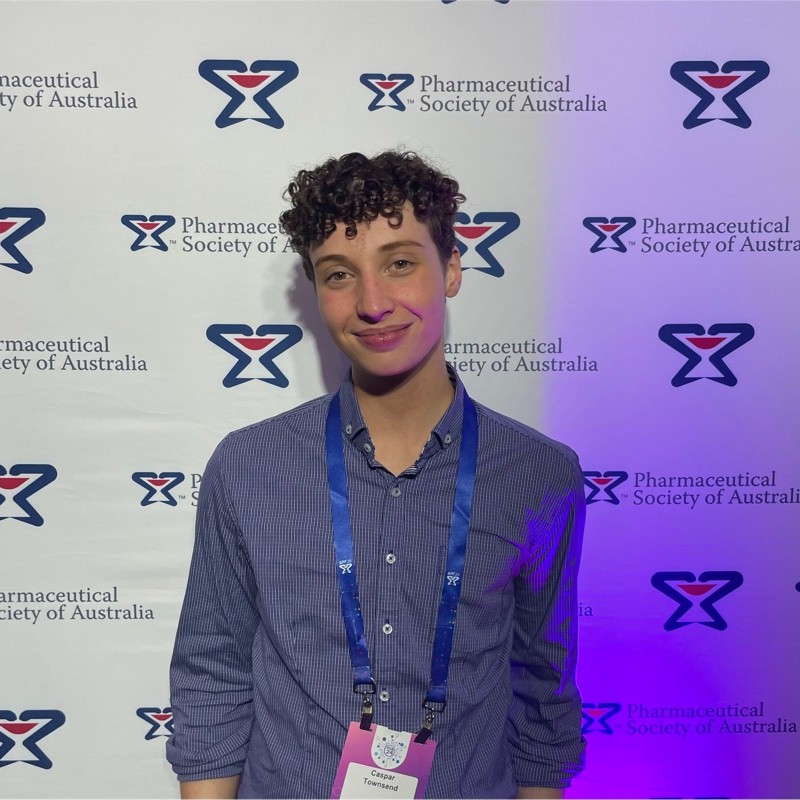 Caspar Townsend MPS, Pharmacist at Perth Children's Hospital compounding unit[/caption]
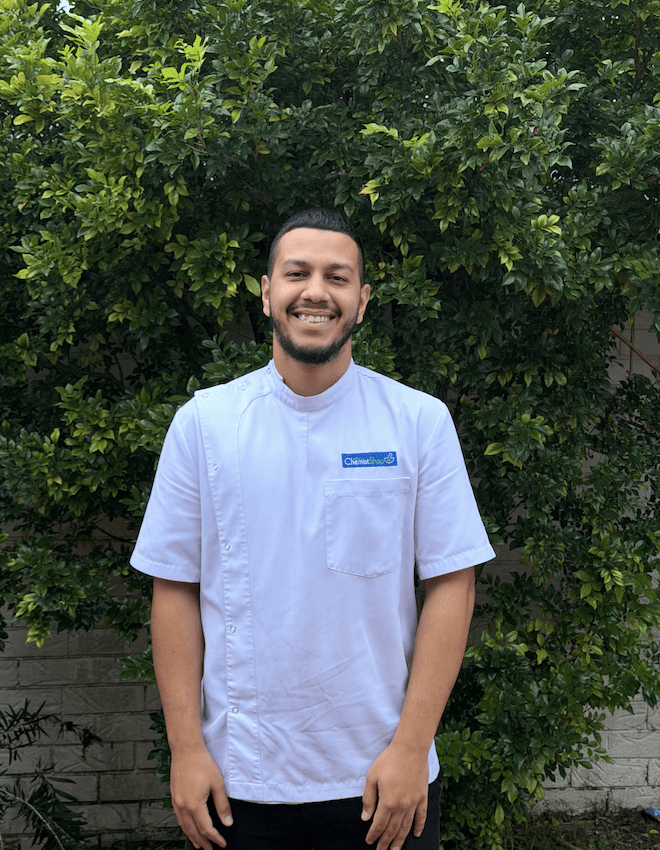 Iraq Doali, NSW-based locum pharmacist and content creator[/caption]




 Normalisation is medical misogyny and delays diagnosis
 Sharnelle Vella, ABC Radio Melbourne breakfast co-host[/caption]


 Mike Stephens, Director, Medicines policy and Programs at the National Aboriginal Community Controlled Health Organisation (NACCHO)[/caption]
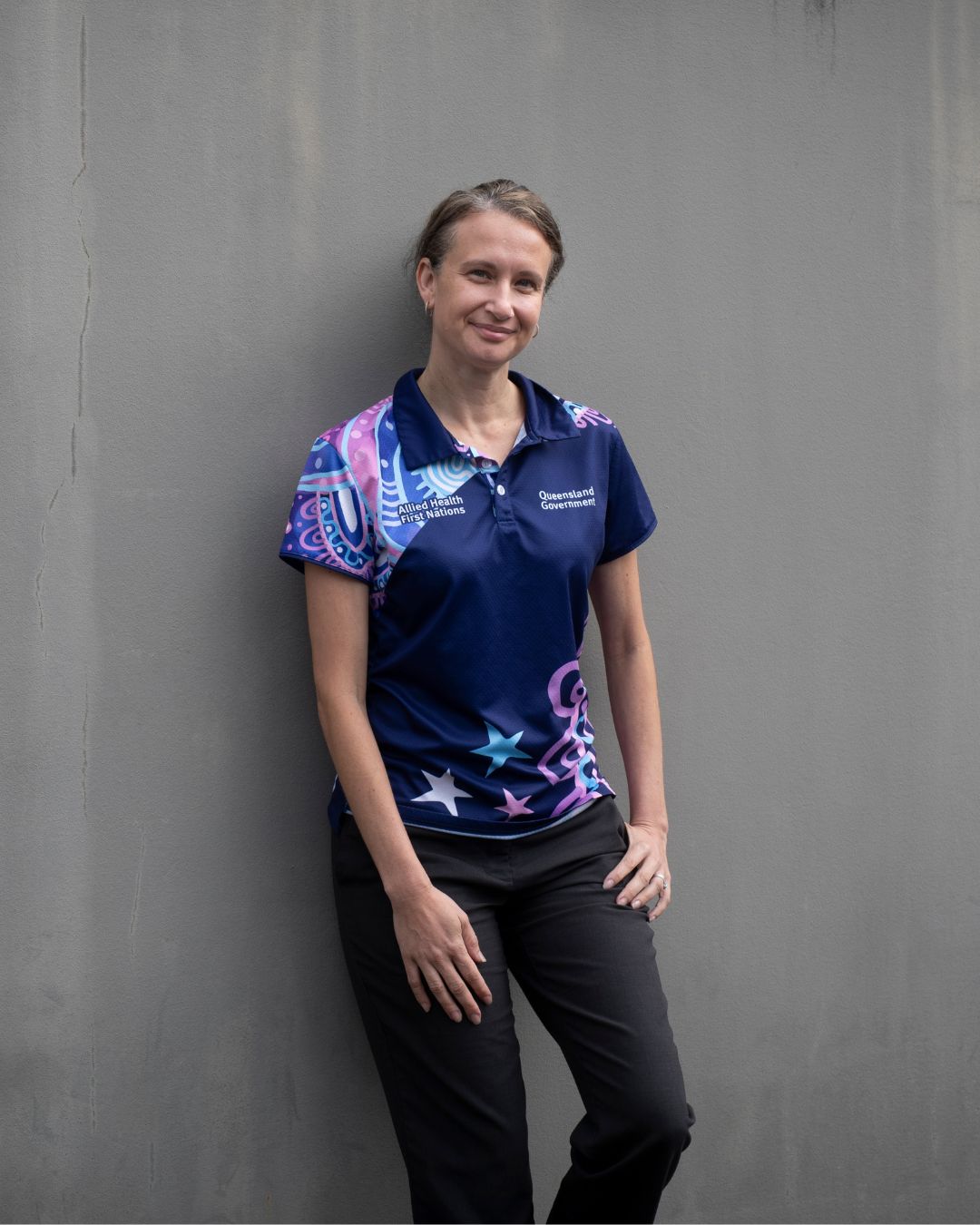 Chastina Heck MPS, Chair of the PSA/NACCHO Aboriginal and Torres Strait Islander Pharmacy Practice Community of Specialty Interest (CSI).[/caption]
 Philippa Chigeza, pharmacist at Logan Hospital.[/caption]



Victoria recently announced ADHD reforms, with ‘specialist GPs’ now able to continue ADHD prescriptions for existing patients.
But last week, the Allan Government also unveiled a nation-first initiative. From September, an online emergency prescribing pathway will allow people with an existing ADHD diagnosis to obtain urgent repeat medicine through the Victorian Virtual Emergency Department (VVED).
AP explores what the new model involves, the safeguards that will be in place and what’s happening in other states and territories.
What’s the purpose of the service?
The telehealth service is designed to address growing concern about long specialist waitlists, escalating costs and the clinical risks associated with abrupt cessation of Schedule 8 ADHD medicines – which can lead to symptom rebound, functional impairment and significant distress.
A Department of Health spokesperson told AP that the service would provide a targeted safety net, rather than a substitute for established care arrangements.
‘The Victorian Virtual Emergency Department will offer a safe way for Victorians with an existing ADHD diagnosis to refill an urgent prescription for ADHD medication,’ the spokesperson said.
How will urgent ADHD ‘repeats’ be issued?
Clinicians working within the VVED will verify the patient’s current medicine and dosage before issuing a prescription, the spokesperson said.
Scripts will be sent directly to the patient’s local pharmacy, with patients advised of the closest pharmacy in operation at the time of prescribing.
The Department of Health emphasised that the pathway will not replace routine ADHD management.
‘This is for emergency situations only and will not replace the important ongoing treatment and relationship between a patient and their clinician,’ the spokesperson said.
Who will be eligible?
The Victorian model allows adults and children aged 6 and over with an existing ADHD diagnosis to access the service who cannot secure a timely appointment with their usual clinician.
The service will be limited to people who are already prescribed ADHD medicines.
The VVED will not initiate ADHD treatment, alter dosages or provide ongoing prescribing.
What are the safeguards?
Existing regulatory requirements and clinical guidelines for ADHD medicines will remain fully in place under the VVED pathway.
‘The clinicians at the VVED, including paediatricians and psychiatrists, are highly experienced and highly skilled,’ the spokesperson said. ‘They will prescribe the medication within their existing scope of practice and clinical operations.’
Mandatory use of SafeScript for Schedule 8 medicines will continue to operate as a core safeguard. This ensures prescribers and pharmacists can monitor dispensing histories and reduces the risk of patients obtaining excessive prescriptions from multiple clinicians.
The Department has stressed that responsibility for ongoing ADHD management remains with the patient’s regular clinician, with the VVED acting solely as a one-off support mechanism that complements broader reforms aimed at expanding GP involvement in ADHD care.
And rather than providing a script to the patient, the script will be sent directly to their local pharmacy. When issuing a script, the VVED advises the patient of the closest pharmacy in operation.
Part of a broader national shift
Victoria’s online emergency model sits within a wider national trend to rebalance ADHD care away from exclusive reliance on specialist services.
Since 1 December 2025, ‘specialist GPs’ in Queensland have been able to initiate, modify and continue stimulant treatment for adults with ADHD under updated Queensland Health guidance.
Today (11 February), ACT Health issued an announcement on ADHD prescribing, with GPs who have completed approved training now able to continue prescribing ADHD medicines for eligible patients without requiring repeated reviews from a psychiatrist, paediatrician or neurologist.
And other jurisdictions have since followed suit, including New South Wales, Western Australia and South Australia – which are set to roll out similar reforms this year.
Across Australia, governments are seeking to reduce wait times, lower out-of-pocket costs and embed ADHD care more firmly within primary care, while maintaining strong oversight of Schedule 8 stimulants such as methylphenidate, dexamfetamine and lisdexamfetamine via authorised prescribing schemes and real-time prescription monitoring checks. Non-stimulant ADHD medicines remain Schedule 4 and continue to be prescribed under existing arrangements.
For more information, complete the PSA online module: ADHD explained.