
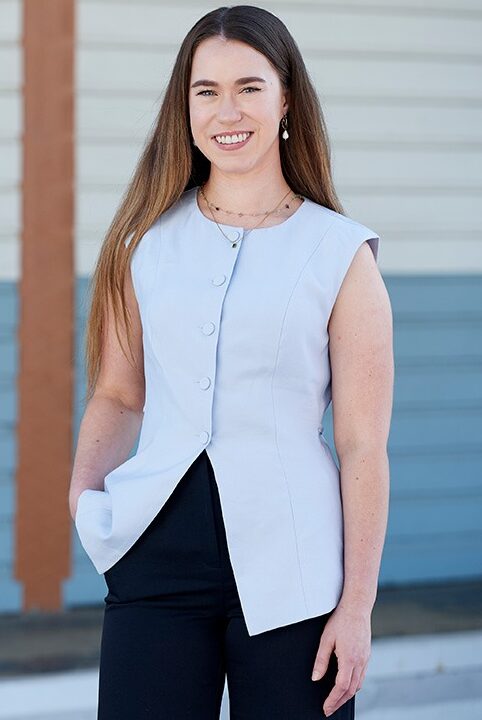
 Rhiannon Price, Pharmacist at King Edward Memorial Hospital.[/caption]
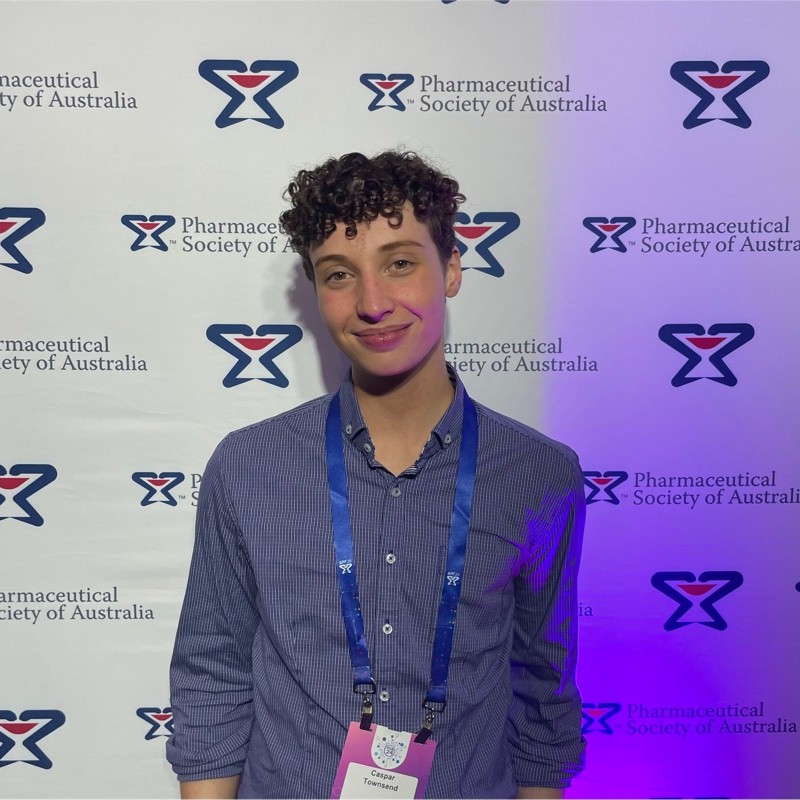 Caspar Townsend MPS, Pharmacist at Perth Children's Hospital compounding unit[/caption]
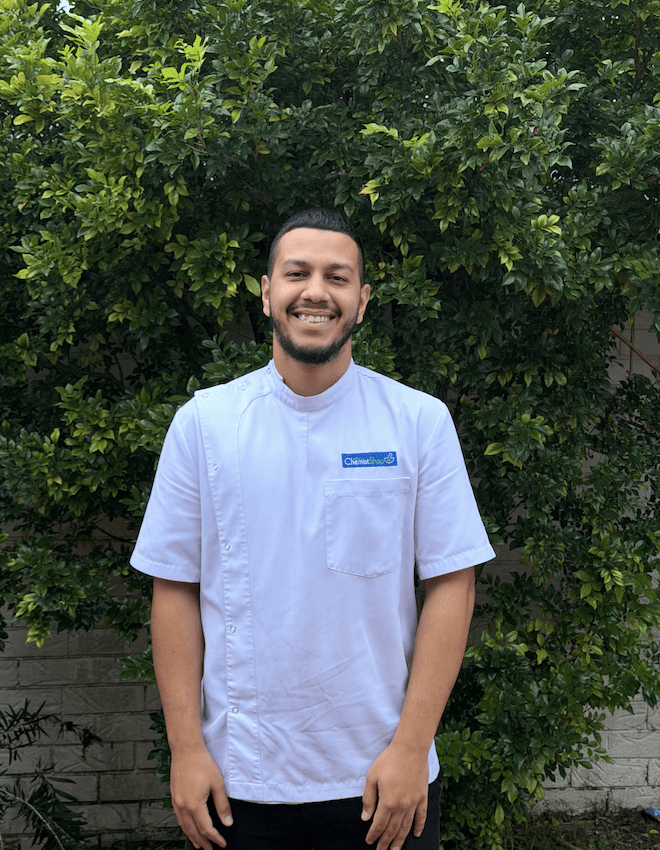 Iraq Doali, NSW-based locum pharmacist and content creator[/caption]



 Normalisation is medical misogyny and delays diagnosis
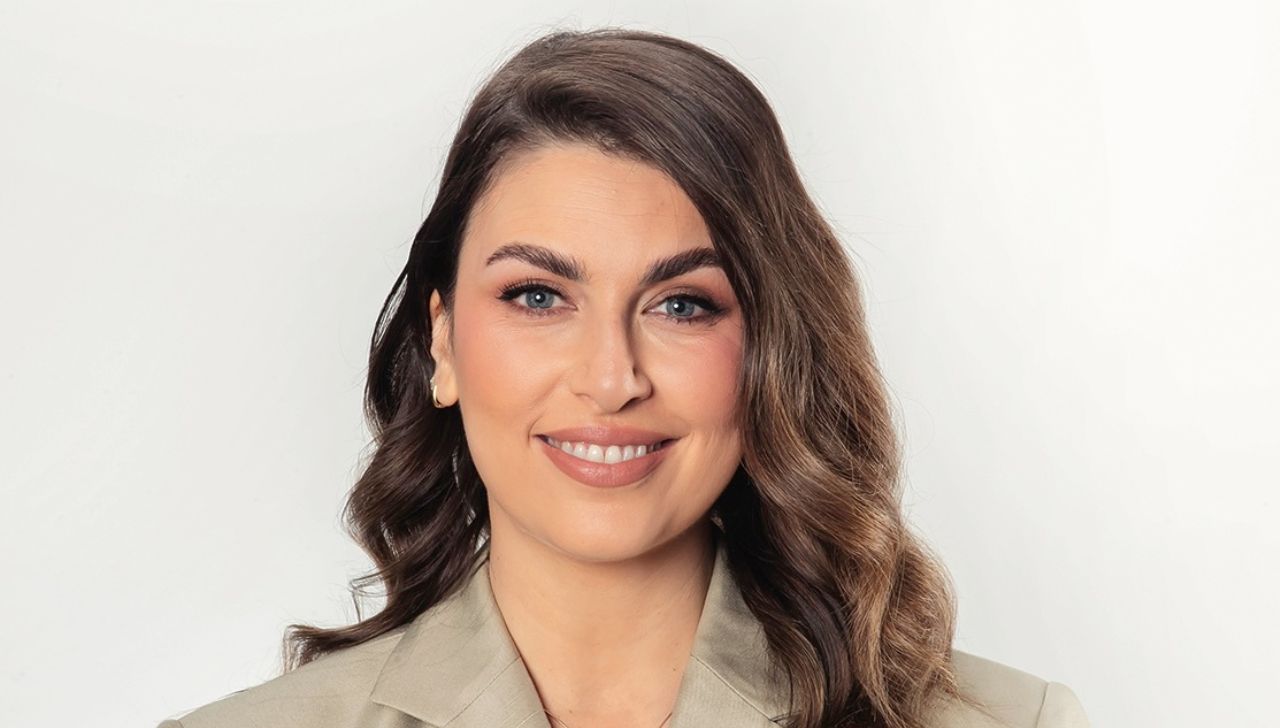 Sharnelle Vella, ABC Radio Melbourne breakfast co-host[/caption]


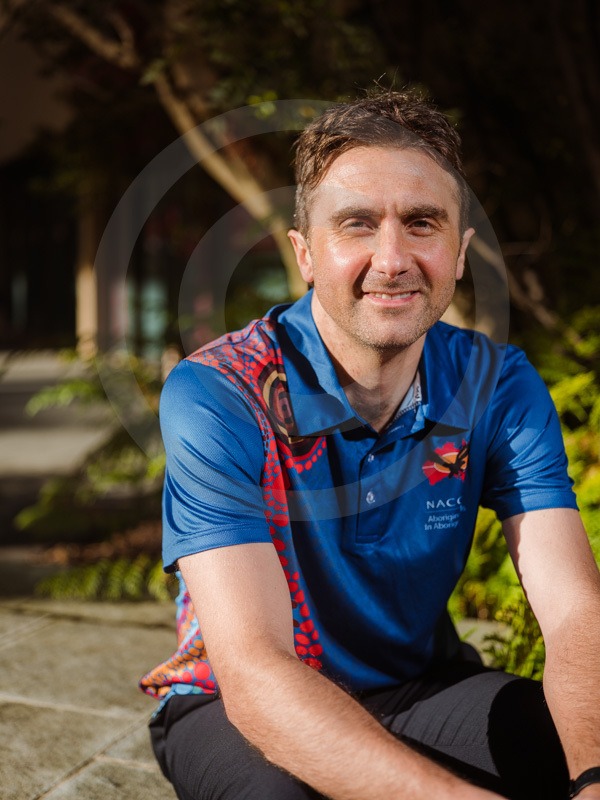 Mike Stephens, Director, Medicines policy and Programs at the National Aboriginal Community Controlled Health Organisation (NACCHO)[/caption]
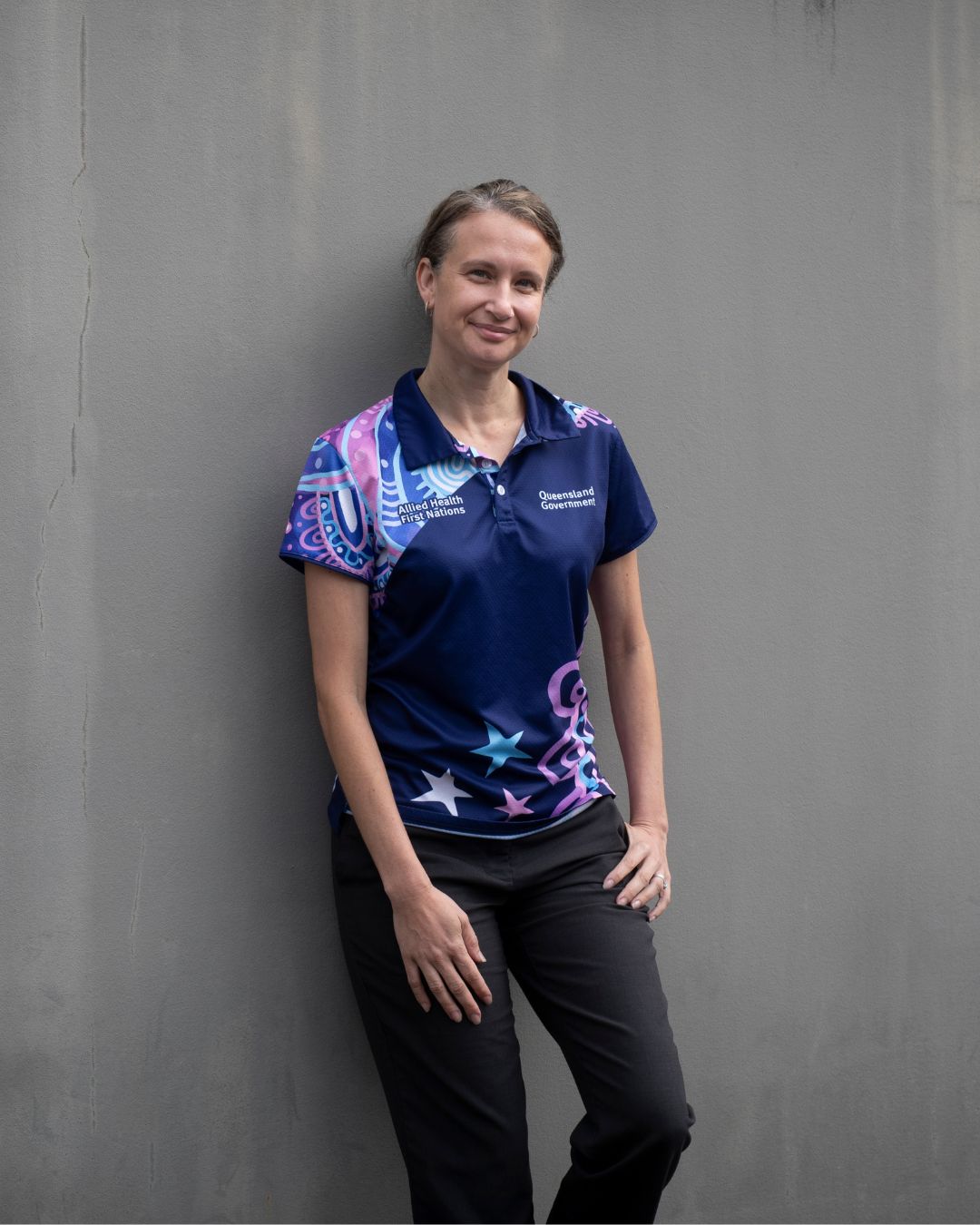 Chastina Heck MPS, Chair of the PSA/NACCHO Aboriginal and Torres Strait Islander Pharmacy Practice Community of Specialty Interest (CSI).[/caption]
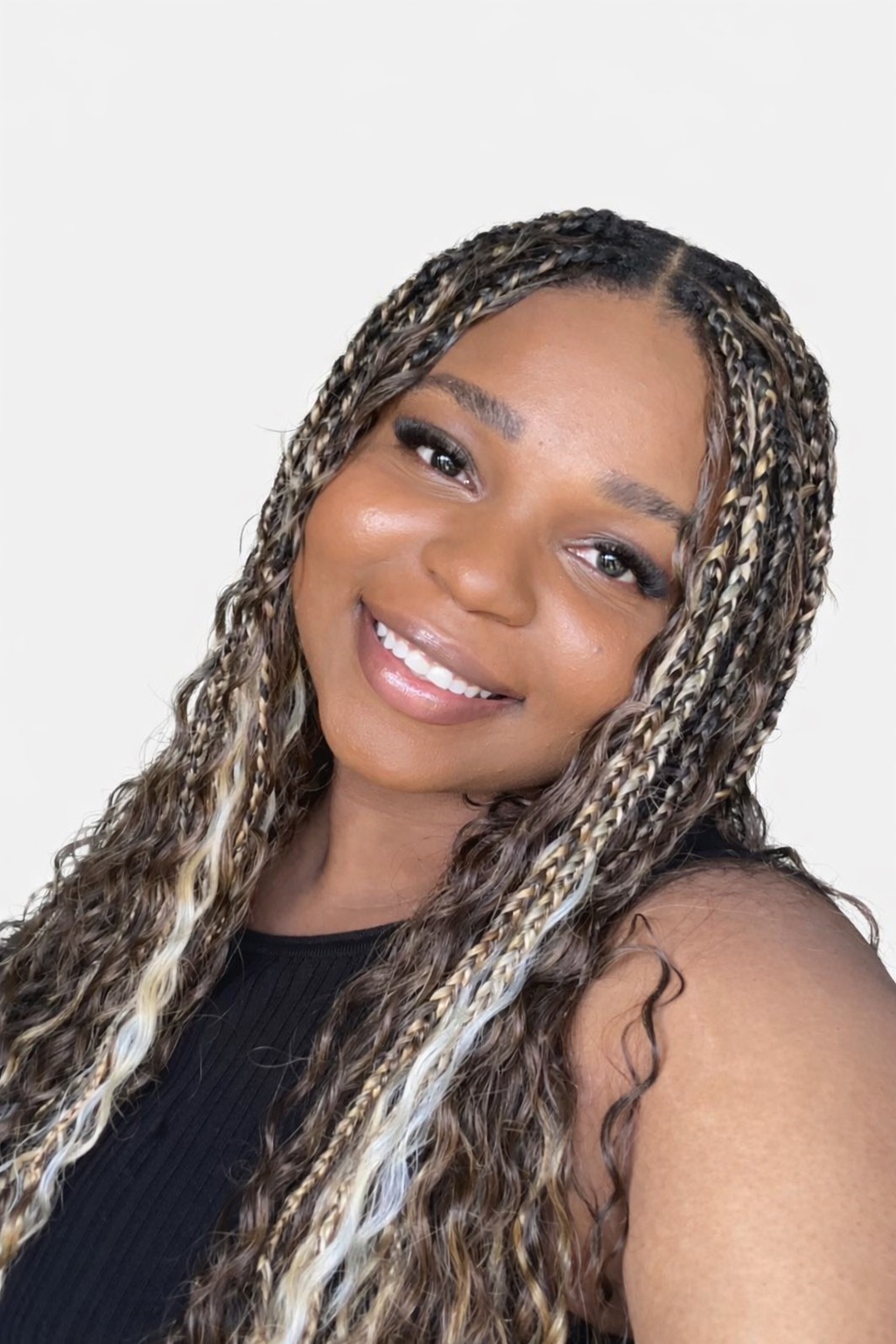 Philippa Chigeza, pharmacist at Logan Hospital.[/caption]
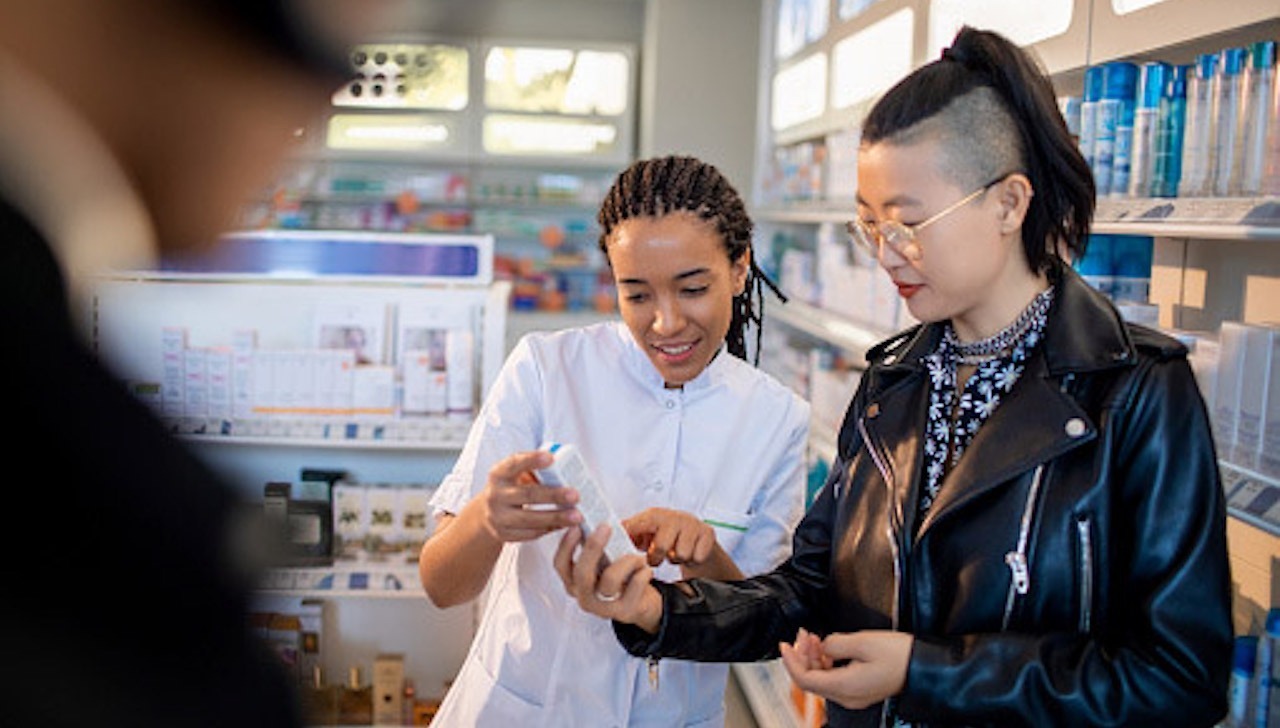
Case Scenario
Kateryna, 40 years old and new to your pharmacy, presents seeking advice. She has been feeling anxious, irritable and tired, and requests valerian tablets from the intern pharmacist. The intern conducts the consultation with the patient in the counselling room. You (the preceptor) and the intern agree this would be a good activity for a case-based discussion. Away from the dispensing area, the intern presents the case to you verbally using the ISBAR (Introduction, Situation, Background, Assessment, Recommendation) format. They cover the patient’s age, gender, symptoms, medicines, medical conditions, rationale for determining valerian was not appropriate and their recommendation to refer the patient to their GP.
Learning objectivesAfter reading this article, pharmacists should be able to:
Competencies addressed (2016): 1.1, 1.4, 1.5, 1.6, 4.1, 4.2, 4.3, 4.6, 5.1 |
THIS IS A CPD ARTICLE. YOU NEED TO BE A PSA MEMBER AND LOGGED IN TO READ MORE.