

 Gauri Godbole FPS[/caption]

 Yvette Anderson (she/her) BPharm, MPS, CredPharm (MMR), ANZCAP (MentalHth, Paeds), CPGx, GradCert Autism[/caption]

 Beyond the core features


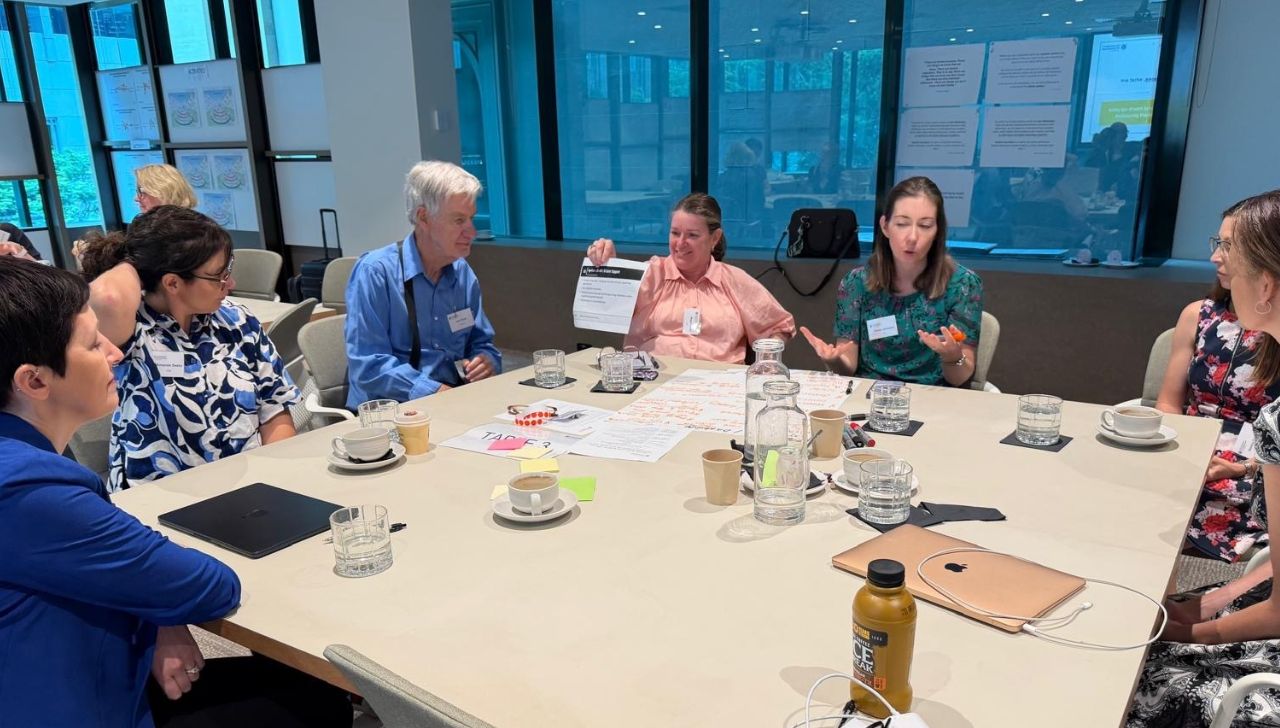 ‘How do we reach them better, and what does that mean for the required skills and competencies of our workforce?’ A/Prof Spinks asked.

Case scenario
Sophie, a 19-year-old university student, presents to your pharmacy to collect her repeat prescription for sertraline, initiated by her GP two and a half months earlier for depression.
You notice she has not collected her repeat on time and ask how she is going with the medicine. Sophie admits that she often forgets doses, feels nauseated and anxious, and is unsure if the medicine is helping.
Learning objectivesAfter reading this article, pharmacists should be able to:
Competency standards (2016) addressed: 1.1, 1.4, 1.5, 2.2, 3.1, 3.5 Accreditation number: CAP2602CDMAF Accreditation expiry: 31/01/2029 |
Already read the CPD in the journal? Scroll to the bottom to SUBMIT ANSWERS
THIS IS A CPD ARTICLE. YOU NEED TO BE A PSA MEMBER AND LOGGED IN TO READ MORE.