






A new therapy can delay progression to insulin-dependent type 1 diabetes.
As of 2026, more than 145,000 Australians live with type 1 diabetes – representing around 10% of all diabetes cases in Australia.
For more than a century, type 1 diabetes has been managed only after symptoms appear, when insulin-producing cells have already been destroyed. But that approach is beginning to change. A new framework that identifies type 1 diabetes as a progressive autoimmune disease years before clinical onset is paving the way for earlier intervention and, for the first time, a treatment that can delay the need for insulin.
AP spoke with Dr Dorota Pawlak, Chief Scientific Officer and Type 1 Diabetes Clinical Research Network Director at Breakthrough T1D, about the new staging model, what it means for screening, and how disease-modifying therapy is reshaping the future of type 1 diabetes.
What are the stages of type 1 diabetes?
The staged classification of type 1 diabetes emerged from collaborative international research involving large population studies, providing opportunities for early detection.
‘The underlying mechanism of type 1 diabetes is an autoimmune process. Islet autoantibodies – which can be detected via blood tests – are markers of the active autoimmune process. They are also used in diagnostics to confirm type 1 diabetes versus other types of diabetes,’ Dr Pawlak said.
Stage one is defined by the presence of two or more autoantibodies which can occur years before symptoms do.
‘It’s purely an immune process of attacking beta cells, slowly reducing their number and ability to make insulin,’ she said. ‘At any given time, about 85% of people in the early stage of diabetes would be in stage one.’
‘It’s a fundamental shift in how we treat people with type 1 diabetes – from waiting until total loss of function of insulin-producing cells, to making sure that they can rely on their own insulin production for longer.’
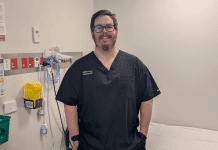
Dr Dorota Pawlak
As the function of beta cells declines, dysregulation of glucose levels then begins to occur. But the symptoms of type 1 diabetes, such as excessive thirst or polyuria, are not yet present.
‘That’s why it’s so difficult to find people in the early stages,’ Dr Pawlak added.
By stage 3, blood glucose levels decline to the point where insulin therapy is required – which is when type 1 diabetes is typically diagnosed. But a new therapy, teplizumab, could slow this process – delaying the need for insulin initiation.
How does the medicine work?
Teplizumab (Tzield) is a monoclonal antibody that targets the T cells responsible for destroying the insulin-producing beta cells in the pancreas.
‘By blocking the T cells, it provides relief from the autoimmune process and allows a slow down in beta cell destruction,’ Dr Pawlak said.
However, the effect is not permanent. ‘It delays the progression and need for insulin administration by an average of 2–3 years,’ she said. ‘I see Tzield as a brake rather than preventative. It slows down the process, but we don’t prevent it – yet.’
How is it administered?
Teplizumab is administered once daily via intravenous infusion over a 14-day period under the provision of an endocrinological clinician. At this stage, the therapy hasn’t been tested in a redose setting.
‘There is no approval for redosing, so at the moment it’s a one-off treatment,’ Dr Pawlak said.
Like with any immune therapy, the most common adverse effect is an initial cytokine reaction. ‘But they are quite well defined,’ she said. ‘And in most cases they can be managed with over-the-counter medications.’
The medicine is also contraindicated in patients who are immunocompromised or who have active viral infections, such as Epstein-Barr virus or cytomegalovirus.
As clinical experience grows, administration is becoming more flexible. ‘In the United States, for example, people often receive the infusions at home during the second week of treatment rather than in the hospital setting,’ Dr Pawlak said.
‘The more we learn about it, the more we understand about when the potential side effects may happen, whether on day two or day three, and so on.’
Is teplizumab currently available in Australia?
Tzield is approved by the Therapeutic Goods Administration (TGA) for people with stage 2 type 1 diabetes who are 8 years of age and older.
However, it’s not readily accessible – or affordable.
‘Tzield is currently under consideration through the Pharmaceutical Benefits Advisory Committee for listing on the Pharmaceutical Benefits Scheme,’ Dr Pawlak said.
At current US pricing, the therapy costs approximately USD$200,000 per treatment course, plus associated hospital costs. ‘So the PBS listing will be critical for reachable access,’ she said. ‘We’re encouraged by the recent recommendation in the United Kingdom for Tzield to be available free of charge on the national healthcare system in England and Wales.’
Internationally, eligibility is expanding. Teplizumab is approved for patients from the age of 1 in some countries, and has recently received US approval for patients with stage 3 type 1 diabetes.
‘This [expansion] is based on the evidence that came from the most recent clinical trials for people who have already developed symptoms,’ she said. ‘We hope this will flow to Australia through amendments to the TGA [listing].’
What are the screening opportunities?
The most immediate focus for pharmacists lies in awareness and early detection. Autoantibody testing can be performed with a simple finger-prick blood test, blotted onto paper and mailed to a pathology lab.
‘This can be done in the pharmacy, at home, or in many different settings,’ Dr Pawlak said.
At present, autoantibody screening in Australia has focused on people with a family history of type 1 diabetes, who carry a 10–15-fold higher risk. But family history accounts for only 15% of newly diagnosed cases. In select pharmacies, the health checks that include HbA1c testing can detect people in stage three T1D, helping to identify them before emergency presentation.
Work is underway towards a national early detection program, with research ongoing into how to screen for the early markers of type 1 diabetes.
‘Between the drug administration and early detection, there is a growing need for pharmacists to create that first line of information to increase knowledge about the early detection process,’ Dr Pawlak said. ‘It’s a fundamental shift in how we treat people with type 1 diabetes – from waiting until total loss of function of insulin-producing cells, to making sure that they can rely on their own insulin production for longer.’
Hear more from Dr Dorota Pawlak and delaying onset of type 1 diabetes at PSA26. Register here to attend.