






Pharmacists play an important role in supporting people prescribed stimulant medicines for ADHD. For many patients and families, pharmacists may be the healthcare professional they interact with most frequently between medical appointments. Every dispensing interaction provides an opportunity to reinforce correct medicine use, identify potential concerns and facilitate referral to the treating clinician when appropriate.
This role is particularly relevant for Schedule 8 stimulant medicines such as Ritalin® 10 and Ritalin® LA (methylphenidate). With supply now returned to normal across all strengths, pharmacists can help support treatment continuity for patients prescribed these medicines.
Understanding the Ritalin Portfolio
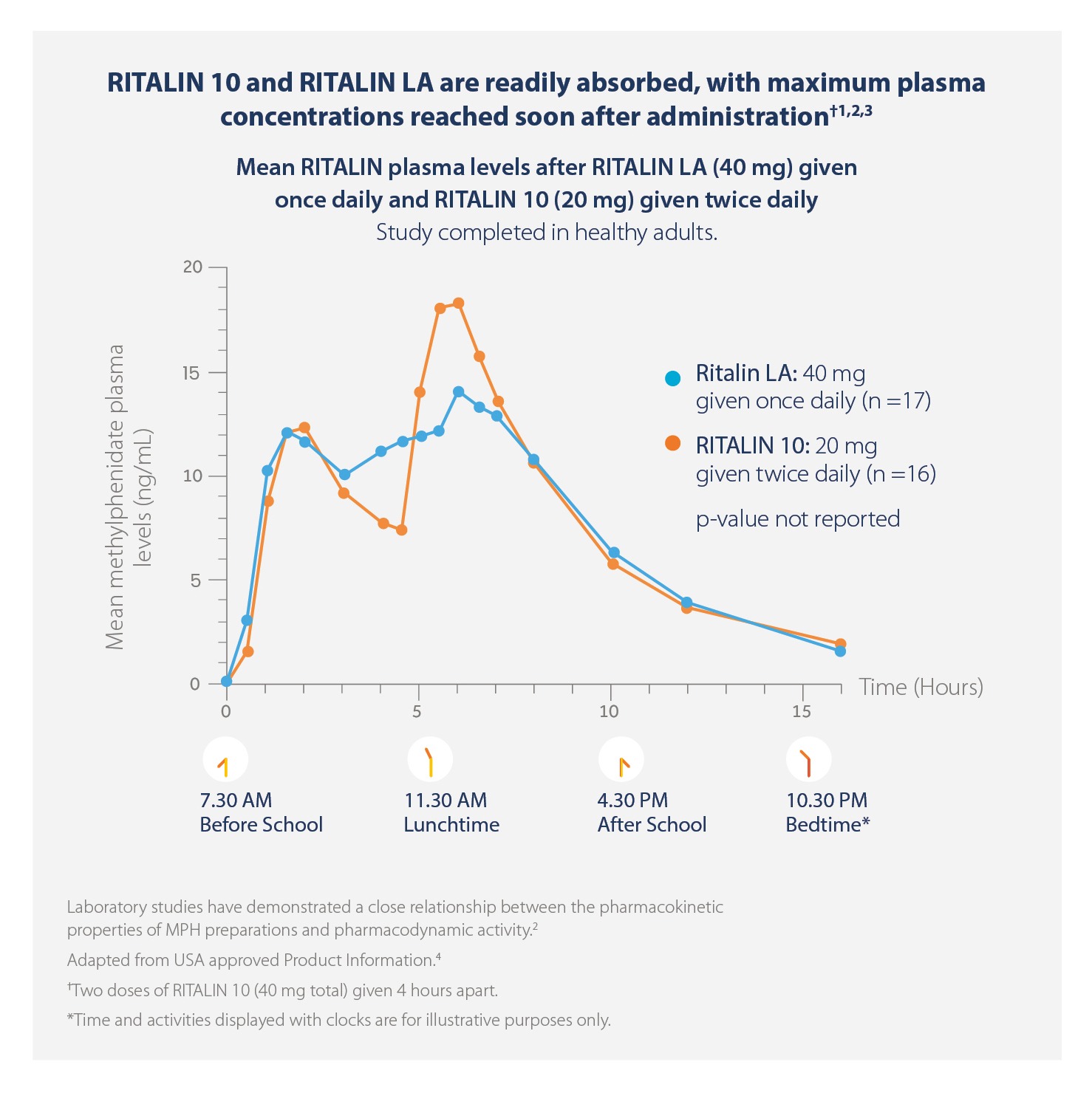
Ritalin® 10 and Ritalin® LA offer immediate-release and modified-release methylphenidate formulations that may be used as part of an individualised treatment plan.¹
Ritalin® 10 mg Immediate-Release Tablets
Ritalin® 10 is an immediate-release formulation that may be used where dose titration or multiple daily dosing is required.¹
Children and adolescents (6 years and over)
- The total daily dosage should be administered in divided doses.¹
- Administer 1 to 2 hours before the maximum effect is required.¹
Ritalin® LA Modified-Release Capsules
Ritalin® LA once-daily modified release capsules support gradual titration to optimise symptom control. ¹
RITALIN LA offers alternative administration options as sometimes, the simple act of swallowing a capsule can be a challenge for children.
Ritalin® LA is taken orally once daily in the morning, with or without food.¹ Capsules may be:
- Swallowed whole; or
- Carefully opened and the beads sprinkled over a small amount of cold soft food such as yoghurt, jam, spread or apple sauce.¹
When counselling patients and carers, pharmacists can reinforce that:
- The soft food should not be warm, as this may affect the prolonged-release properties of the formulation.¹
- The mixture of Ritalin® LA and food should be consumed immediately in its entirety.¹
- The drug and food mixture should not be stored for future use.¹
- Ritalin® LA capsules and/or their contents should not be crushed, chewed or divided.¹
 Monitoring and safety: a shared responsibility
As with stimulant therapy, Ritalin® may be associated with adverse effects that require ongoing monitoring.¹ Pharmacists may be well placed to identify concerns including:
- Changes in appetite, weight or growth, particularly in children and adolescents¹
- Sleep disturbances or insomnia¹
- Mood, behavioural, cardiovascular or neurological symptoms that may warrant clinical review¹
Encouraging patients and carers to discuss new or worsening symptoms with their treating clinician and attend regular follow-up appointments is an important component of ongoing ADHD care.
Dispensing history may also provide insights into treatment challenges. Irregular refill patterns, delayed collections or repeated requests for early supply may present opportunities to identify adherence barriers or determine whether further clinical review may be beneficial.
Pharmacists should remain alert to potential misuse, diversion or inappropriate medicine use while working collaboratively with prescribers and patients to support safe and appropriate treatment. Ritalin® should be used with caution in patients with a history of drug dependence or alcoholism, as chronic misuse may lead to tolerance and psychological dependence.¹
Reinforcing multimodal ADHD care
A multimodal approach to ADHD management is recommended and may include psychological, educational and pharmacological interventions tailored to individual patient needs.⁵
Pharmacists can support this broader model of care by reinforcing the importance of treatment adherence, regular follow-up and engagement with the wider healthcare team. Through routine interactions with patients and carers, pharmacists can help support continuity of care, identify potential concerns early and reinforce the treatment plan established by the treating clinician.
Abbreviations: ADHD, attention-deficit/hyperactivity disorder.
References
- RITALIN (methylphenidate) Australian approved Product Information.
2. Maldonado R.Expert Opin Drug Metab Toxicol. 2013; 9: 1001–1014.
3. Markowitz JS. Clin Pharmacokinet 2003; 42: 393–401.
4. Ritalin LA® (methylphenidate hydrochloride) USA approved Product Information.
5. ADHD Guideline Development Group. Australian evidence based clinical practice guideline for attention deficit hyperactivity disorder (ADHD). Melbourne: Australasian ADHD Professionals Association; 2022. Available at https://adhdguideline.aadpa.com.au (accessed July 2026).
®Registered trademark. ©2026 Novartis Pharmaceuticals Australia Pty Limited. ABN 18 004 244 160. Level 25, 155 Miller Street North Sydney, NSW 2060. For medical enquiries please contact 1800 671 203 or medinfo.phauno@novartis.com. AU-30995. July 2026.