

 Kelly Abbott MPS[/caption]


 Owner of Canberra's Capital Chemist Southlands Louise McLean MPS.[/caption]

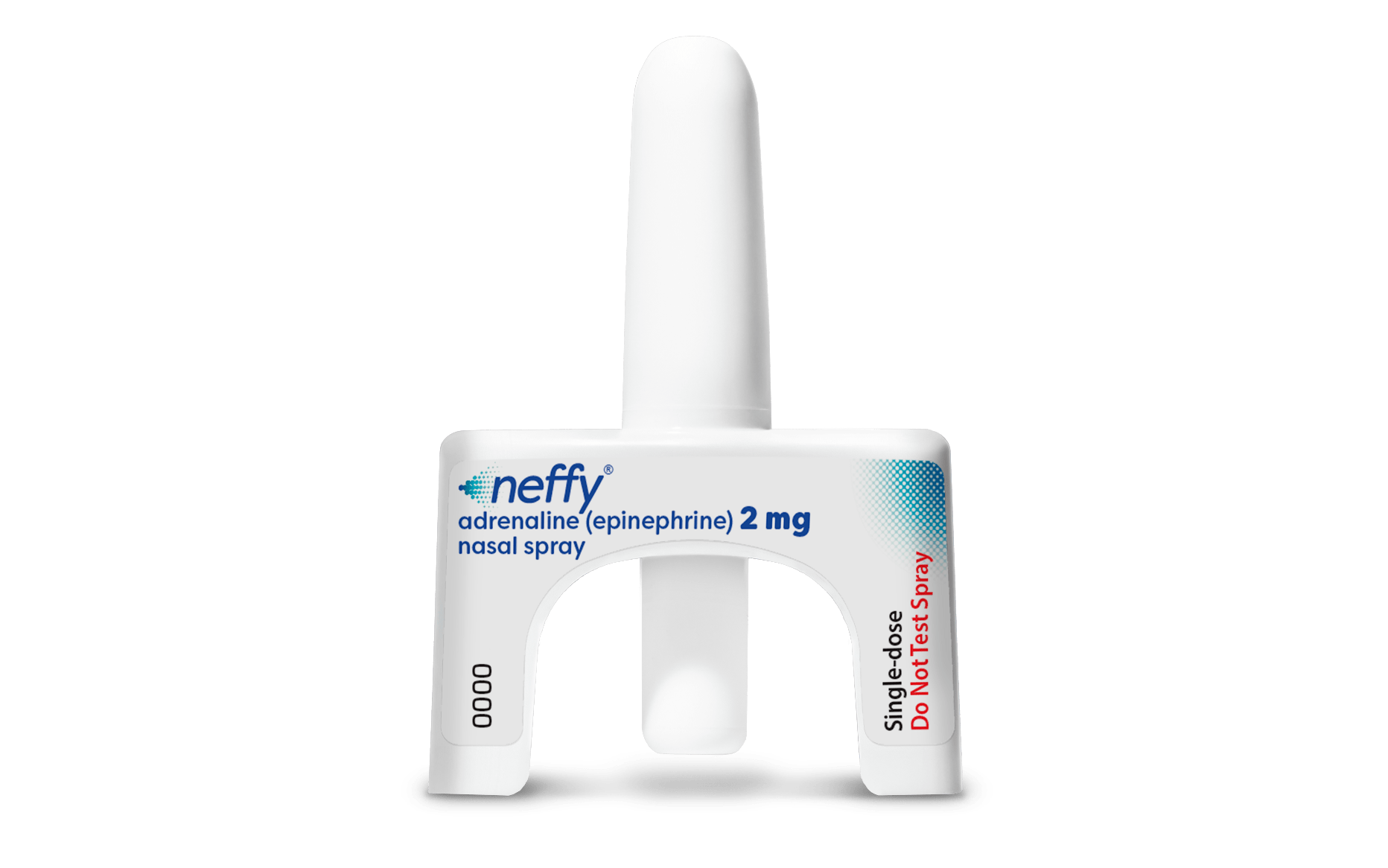 Supplied by CSL Seqirus[/caption]




From roles in governance, research and education, hospital pharmacists are practicing to an increasingly advanced scope. But evolving roles must be grounded in clinical need, organisational priorities and demonstrable impact.
At the Alfred Hospital in Melbourne, pharmacists have long practised to an expanded scope. Pharmacy roles include running disease management and anticoagulation services, writing chart corrections in partnership with medical staff and participating in emergency responses such as stroke callouts.
Behind every expanded role is a clear need, said Professor Michael Dooley MPS, Director of Pharmacy at Alfred Health and Chair of PSA’s Hospital Pharmacy Practice Community of Specialty Interest.
‘When you start to think about offering new services or evolving roles, you need to ask why,’ he told attendees at a session on the topic at PSA25 in August. If there isn’t a reason beyond “I’m interested”, then why are you doing it?’
To expand their services, hospital pharmacy departments must also align with organisational and broader governmental priorities, Prof Dooley said.
‘If I want more staff or more support, I need to talk in the language of the organisation and make sure we address issues that are organisational priorities.’
This approach has enabled pharmacists at the Alfred to move beyond dispensary-based roles and embed themselves at key points along the patient journey.
Around 50–60% of pharmacists at the Alfred are allocated to a clinical unit and work as part of the medical team, Prof Dooley explained. A further 20% work in operational roles, such as in sterile suites, dispensaries and outpatients, while around 5% focus on medicines use and safety, and others are in education and training.
‘We don’t centre all our staff in dispensaries,’ Prof Dooley said. ‘The opportunities for people to practise across a whole range of things are really diverse. That happened because we first identified a clinical need and then investigated whether it was within our scope of practice.
‘Anything you’re considering taking forward, you need to think about it in terms of impact.’
Training pathways for hospital pharmacists
For hospital pharmacists looking to expand their scope, there are now multiple pathways available.
‘It used to be said that you had to do your internship at a hospital pharmacy to get in the door,’ said Lauren Crawley, Lead Pharmacist for Learning and Development at Alfred Health. ‘But what’s happened over the last 5–10 years is we now have these diverse entry points. It’s about finding the pathway that works for you.’
As well as an internship, pharmacists can undertake foundation residencies, which provide generalist training over a 2-year period.
‘At the 3- to 7-year mark, you can start thinking about specialisation or a registrar training program, which develops advanced practice in a particular area or scope,’ Ms Crawley said. ‘There are also external training and credentialing programs.’
Ms Crawley highlighted the stroke credentialing program at Alfred Health as an example of expanded practice driven by patient need.
‘It was identified that patients weren’t receiving thrombolysis within the 60-minute timeframe that we know preserves brain function,’ she said. ‘So the question became: how can we improve that outcome?’
One solution was embedding a pharmacist into those stroke teams who see patients in the emergency department. The role of pharmacists was to obtain the best possible medication history, make recommendations around the management of acute blood pressure and facilitate the early administration of thrombolysis.
‘the initiative led to an improvement in the number of patients who received thrombolysis within 60 minutes. That’s how we know the role is making a difference.’
lauren Crawley
To prepare pharmacists, credentialing requirements include a minimum level of experience, targeted education, assessment, and an objective structured clinical examination with a neurologist and senior pharmacist.
‘We needed to equip pharmacists with the knowledge, the expertise and the confidence to go there and be part of those stroke calls,’ Ms Crawley said. ‘It’s quite a confronting scenario so you need pharmacists who can make confident and appropriate recommendations in a life-or-death situation.’
Importantly, the impact of the program has been measurable.
‘There has been research showing the initiative led to an improvement in the number of patients who received thrombolysis within 60 minutes,’ Ms Crawley said. ‘That’s how we know the role is making a difference.’
Beyond the bedside
The scope of practice for hospital pharmacists goes further than direct patient care. Pharmacists lead medicines safety initiatives, antimicrobial stewardship programs, and research and education programs.
‘There’s also an emerging role in hospital pharmacy departments for stewardship pharmacists, who have a particular role or area of interest, and they become the go-to person for specialised advice, whether it be for anticoagulants [or] antibiotics,’ Ms Crawley said.
In every role, pharmacists need to work closely with colleagues from other specialties, Prof Dooley said.
‘You need multidisciplinary support. You can’t do any of these things by yourself. If you’re interested in developing your services, you have to do that as part of the team.’
This is one of Ms Crawley’s favourite parts of the job. ‘There are opportunities to have a chat with the physio or the speech pathologist, to ask the dietitian why they’ve recommended a particular type of enteral nutrition, and to be with the doctor on the ward round. It’s so important to learn from people who are specialists in their area.’
Join PSA’s Communities of Specialty Interest to connect, collaborate and advance your specialty practice.