



 Normalisation is medical misogyny and delays diagnosis
 Sharnelle Vella, ABC Radio Melbourne breakfast co-host[/caption]


 Mike Stephens, Director, Medicines policy and Programs at the National Aboriginal Community Controlled Health Organisation (NACCHO)[/caption]
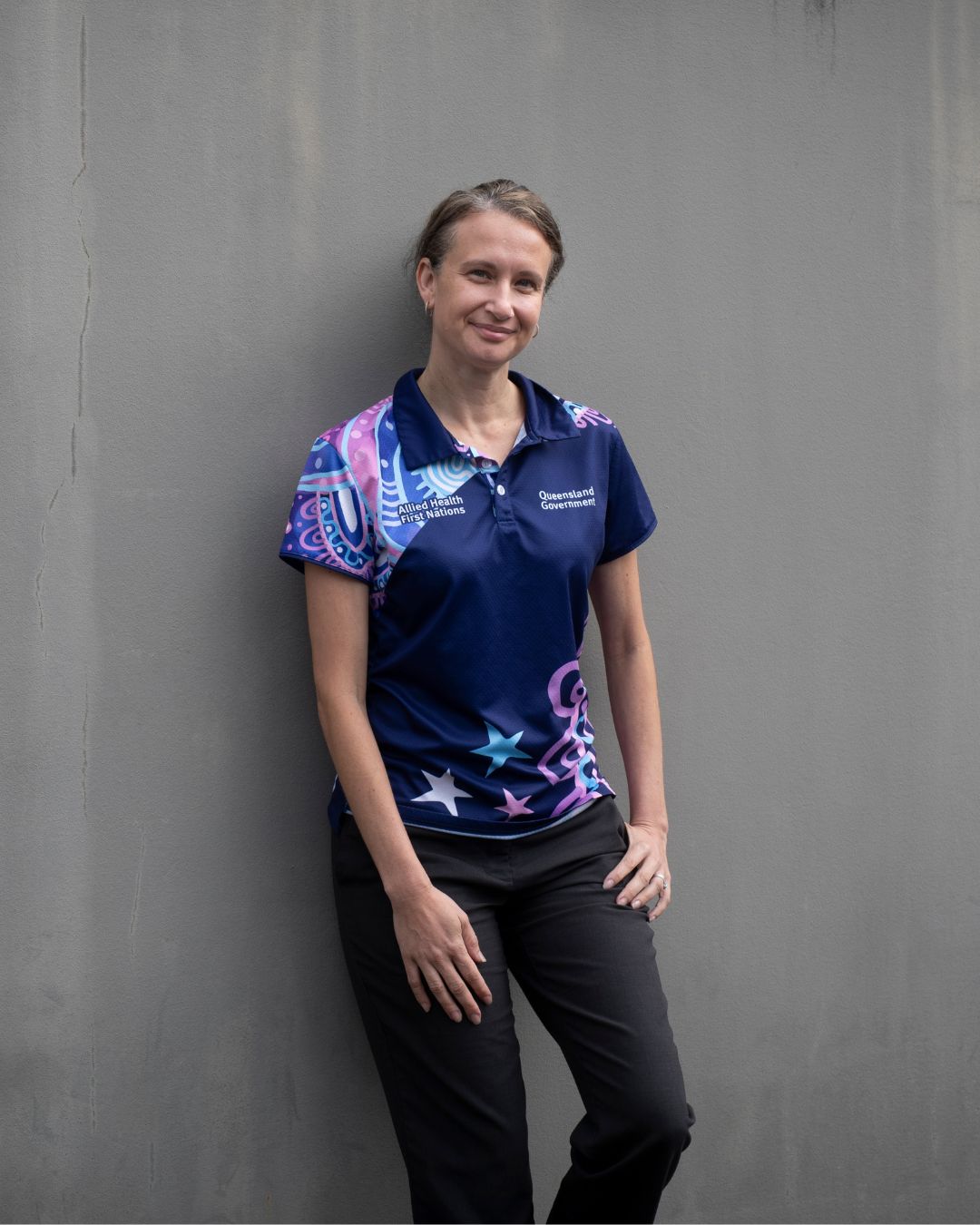 Chastina Heck MPS, Chair of the PSA/NACCHO Aboriginal and Torres Strait Islander Pharmacy Practice Community of Specialty Interest (CSI).[/caption]
 Philippa Chigeza, pharmacist at Logan Hospital.[/caption]


 Stewart Mearns MPS[/caption]

Case scenario
Elli, 25 years old and 18 weeks pregnant, presents to your pharmacy asking if there is anything she can safely use in pregnancy for hay fever. Elli’s main symptom is significant daily nasal congestion, and she used beclomethasone nasal spray prior to pregnancy with good effect. Elli would prefer to use the beclomethasone again, if possible, as she knows it works well for her. She has not been using anything since finding out she is pregnant, due to safety concerns, but is now desperate for some relief.
Introduction
The Therapeutic Goods Administration (TGA) uses a categorisation system for prescribing medicines in pregnancy that was developed based on the available evidence of the risks associated with taking prescription and over-the-counter medicines during pregnancy.1
This system is used by healthcare professionals, in addition to other evidence-based references, to aid decision-making and to support the safe use of medicines in pregnancy.1
While the current categories present as a simplistic grading system, they do not always accurately communicate clinical risk, or always consider all important factors, such as dose, gestation at the time of exposure, or route of administration. There may also be more current safety and risk information that has become available since the categorisation was issued.2-4
This article discusses the current system, potential issues relating to its use, and the key considerations when determining if a medicine is safe to use by a pregnant person.
Learning objectives< |
THIS IS A CPD ARTICLE. YOU NEED TO BE A PSA MEMBER AND LOGGED IN TO READ MORE.