


 Stewart Mearns MPS[/caption]

 Zara Gul[/caption]


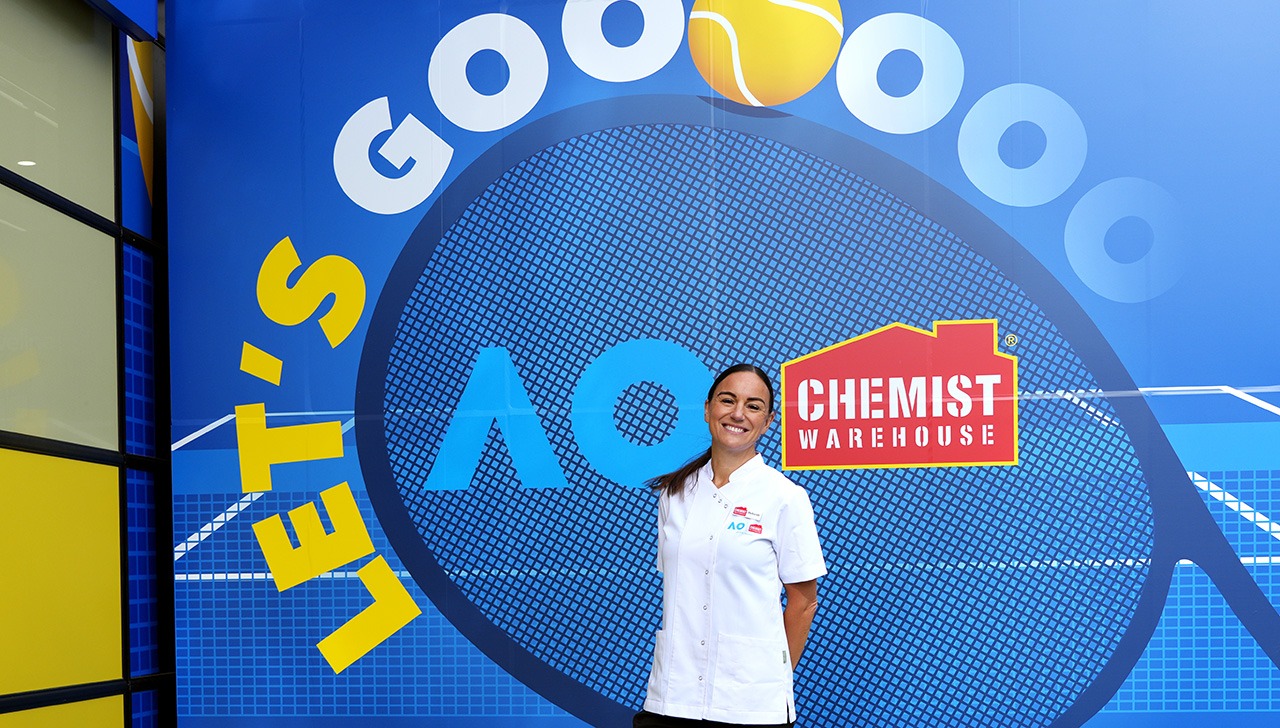
Community pharmacist Deborah Williams reflects on 7 years working at the Chemist Warehouse Australian Open pop-up pharmacy, sharing what makes event-based practice unique, the presentations she sees most often, and why adaptability is essential outside the traditional pharmacy setting.
How is running a pop-up pharmacy at the Australian Open different from your day-to-day practice?
The pop-up pharmacy at the Australian Open (AO) differs from practising in a community pharmacy such as Eltham, primarily because of the tools and therapeutic options available.
At the AO, we don’t have access to Schedule 4 medicines, and there are even additional restrictions imposed on over-the-counter medicines by the tournament. Certain Pharmacist Only products we would routinely recommend in a community setting aren’t permitted, particularly medicines that may cause drowsiness or could be perceived as performance-enhancing. This significantly changes how symptom management is approached.
The patient demographic is also very different. We see a large number of international visitors and cruise passengers who may only be in Australia briefly and often present with immediate, short-term needs – for example, sleep disruption, pain, minor illness, dehydration or general discomfort after long travel. There are frequent situations where a medicine that would be clinically appropriate in a normal pharmacy setting simply isn’t an option at the AO, so you have to think laterally and focus on non-sedating, non-restricted alternatives and practical advice. The pop-up pharmacy also operates with a deliberately limited range selection, so you rely far more on clinical judgement, counselling and problem-solving than product depth.
Despite these constraints, the service has been extremely well received. In earlier years, many people were genuinely surprised that a pharmacy service was available at all, and the level of appreciation was very high. Over time, as the service has become established, patrons have come to actively expect that level of healthcare support onsite – which speaks to how valuable it has proven to be.
Ultimately, while the setting is very different, the core role remains the same: providing accessible, safe short-term healthcare support. At the AO, that simply requires a more adaptive and creative approach within tighter boundaries.
Why did you first put your hand up for this roster 7 years ago?
Largely because tennis is a big part of our family life. My two daughters are avid tennis players, and I’ve spent a lot of time travelling with them to tournaments – both around Australia and internationally. So the opportunity to be involved in the AO and to experience tennis from a different perspective was very appealing.
At the time, the chance to be part of a pop-up pharmacy within a major sporting event felt unique. Working in an environment where the energy is high and where people are genuinely excited to be there was a strong motivator. It also offered the opportunity to step outside the traditional four walls of community pharmacy and apply my skills in a different, fast-paced setting.
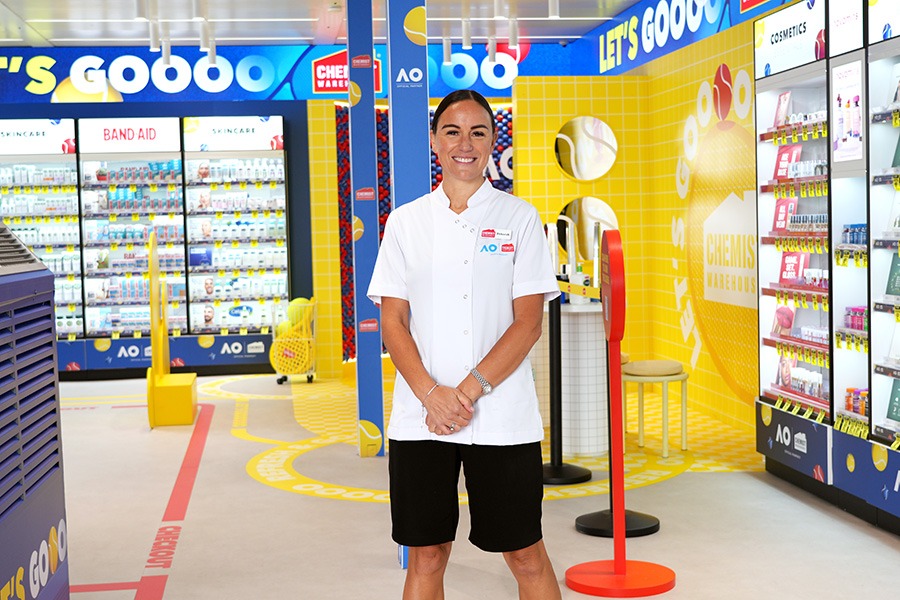
I’ve previously worked as a pharmacist at other large-scale events, including the Grand Prix and the Colour Run, and I’ve always enjoyed that style of practice. You see different patient groups and presentations, and there’s a strong focus on immediate, practical healthcare support. Combining that type of work with a sport that’s already such a big part of my life made the AO an easy decision.
What are the most common presentations you deal with?
They vary from year to year, often reflecting broader environmental and public health factors.
In early years, respiratory presentations were prominent, with high demand for salbutamol due to smoke exposure following severe bushfires. During the COVID-19 pandemic, testing-related requests and symptomatic presentations dominated, with many people seeking advice for fever, cough, fatigue and isolation management. Across all years, heat-related conditions are consistently common. We see significant sunburn, dehydration, headaches and heat exhaustion – with many patrons initially attributing symptoms solely to sun exposure. Being able to distinguish between sunburn, heat exhaustion and early heat stroke is a critical part of the role.
Other frequent presentations include viral infections, gastrointestinal upset, reflux and heartburn related to food and alcohol consumption – as well as general pain and discomfort from long days on site.
Overall, the role involves managing acute, short-term presentations in a high-heat, high-activity environment, where timely assessment, clear advice and appropriate escalation are essential.
What has been your best experience working at the AO?
The cumulative nature of the role over many years. Being invited back repeatedly reflects the value of having pharmacists in a high-profile, high-pressure environment.
But one particularly rewarding aspect has been the behind-the-scenes clinical role. While players rarely attend the pharmacy, their support staff and assistants frequently seek advice on their behalf. That often involves real-time discussions, sometimes over the phone, where clinical judgement, clarity and discretion are critical. The trust placed in pharmacists in those moments is significant.
Knowing that the advice provided may contribute, even in a small way, to a player’s comfort, recovery or ability to perform is professionally satisfying. It reinforces the role of pharmacists as accessible healthcare professionals who can deliver practical, timely support in environments where precision matters.
What are the most popular products with tennis fans?
Those that address the practical realities of spending long hours outdoors and walking significant distances, often in warm conditions.
Blister management products are consistently in high demand, particularly protective dressings and treatments for foot friction. Sun exposure also drives strong demand for post-sunburn and skin-soothing treatments, as well as products to manage heat-related discomfort.
Gastrointestinal support is another common category, with antacid and reflux treatments frequently requested, often related to food choices, heat and prolonged time on site.
Hydration support products are also very popular, particularly oral rehydration formulations for patrons experiencing fatigue, headaches or dehydration. Simple analgesics for pain and headache management are frequently requested as well.
‘Knowing that the advice provided may contribute, even in a small way, to a player’s comfort, recovery or ability to perform is professionally satisfying.’
deborah williams
And convenient nutritional snacks, particularly protein bars, are consistently popular, reflecting the need for quick, portable options that support energy levels throughout the day. Personal care essentials such as deodorant are also commonly requested, given the length and physical nature of the event.
Who is your favourite tennis player?
For many years my favourite player was Rafael Nadal. Beyond his extraordinary achievements on court, what stood out most was his character. He has a genuine never-say-die attitude, combined with humility and respect for everyone around him. Behind the scenes he was approachable, carried his own bags, acknowledged volunteers and staff, and treated people with quiet respect – which left a lasting impression.
More recently, I’ve really enjoyed watching Alex de Minaur. His speed, work rate and relentless court coverage are exceptional – and he brings an intensity and competitiveness that’s exciting to watch. He represents a very grounded, hardworking style of tennis that resonates strongly with Australian fans.
Do you have any tips for pharmacists working at the AO this summer?
Embrace the environment and enjoy the opportunity to practise pharmacy in a different setting. The atmosphere is energetic and positive, and people genuinely want your advice, making the role both enjoyable and rewarding.
From a professional perspective, be prepared to think beyond products. With a diverse, transient population, many interactions involve problem-solving rather than dispensing. That may mean offering practical health advice, directing people to appropriate medical services, or helping them navigate local healthcare options.
It’s also important to remember that you are representing both your profession and the event itself, so clear communication, professionalism and sound judgement matter. Finally, take the time to experience the event. Use breaks to watch some tennis or explore the precinct. Being part of the Australian Open is a unique opportunity, and enjoying the atmosphere helps you bring energy and perspective back into your role.