



Case scenario
Raquel, 26, comes into your pharmacy to fill a prescription for lamotrigine for the treatment of bipolar disorder. She picks up a bottle of folic acid 0.5 mg tablets and asks your advice, as she plans to start trying to conceive after her upcoming holiday. Raquel explains that she has not spoken to her GP or specialist about her planned pregnancy, but has an appointment scheduled next week. You recall from previous conversations that Raquel follows a vegan diet.
Introduction
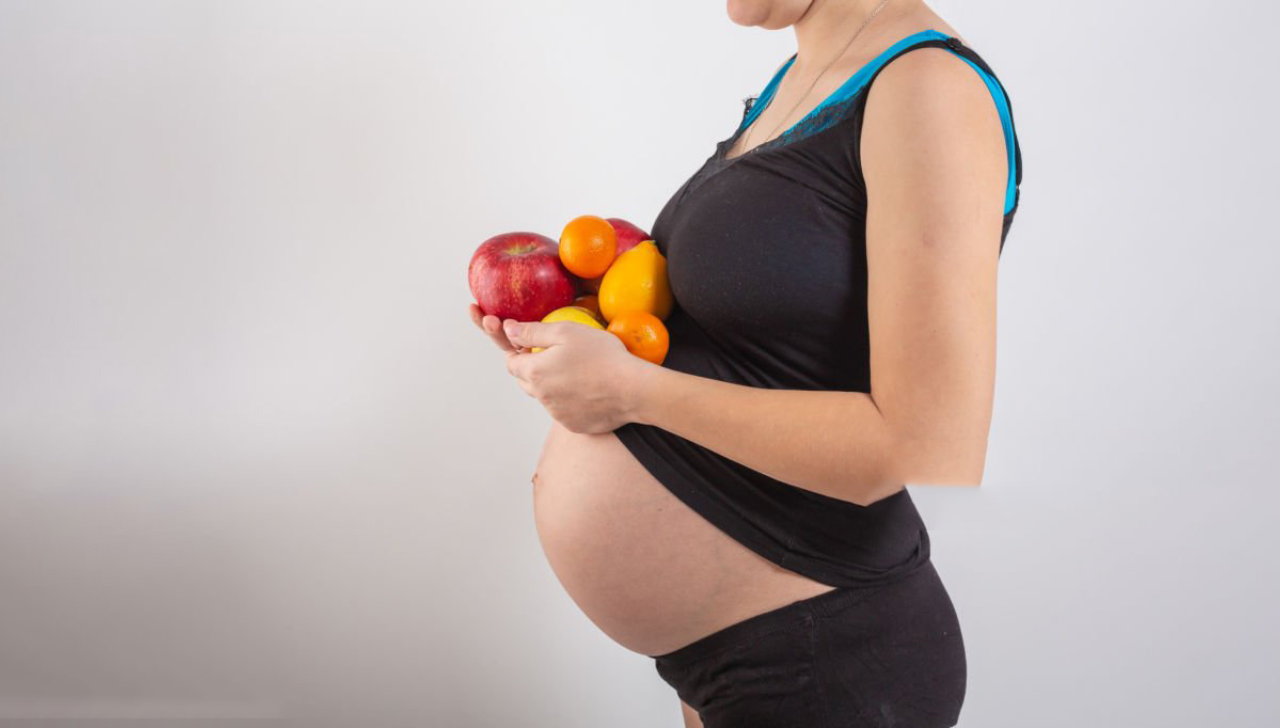
Pregnancy planning and care should include dietary and nutrient considerations to ensure healthy fetal growth and development, and the health and wellbeing of the pregnant person. Food fortification (with micronutrients such as folic acid and iodine) has shown to improve nutrient intake and/or pregnancy outcomes,1 however supplementation with certain essential nutrients is still routinely recommended during preconception and pregnancy.
Pharmacists play an important role in providing information about dietary sources, appropriate product selection, guidance on dosing requirements, and advice on supplements and medicines that pose a risk during pregnancy.
Learning objectivesAfter reading this article, pharmacists should be able to:
|
THIS IS A MEMBERS ONLY ARTICLE. YOU NEED TO BE A PSA MEMBER AND LOGGED IN TO READ MORE.