

 Zara Gul[/caption]



 Kelly Abbott MPS[/caption]



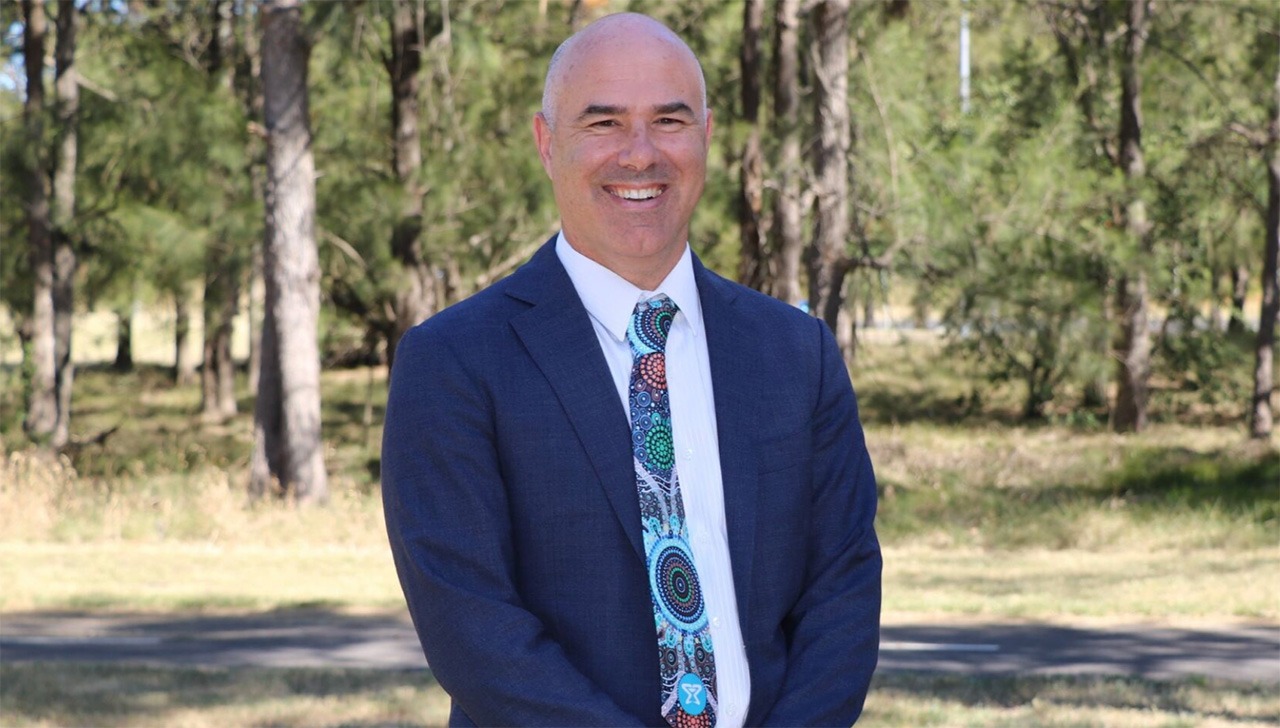
Professor Mark Naunton MPS, Chair of the Faculty of Health and Professor of Pharmacy at the University of Canberra, was unanimously elected by the PSA Board to serve as the next president from January 2026.
The Board has also elected Bridget Totterman MPS as National Vice President (elect) to fill the vacancy created by Prof Naunton’s election.
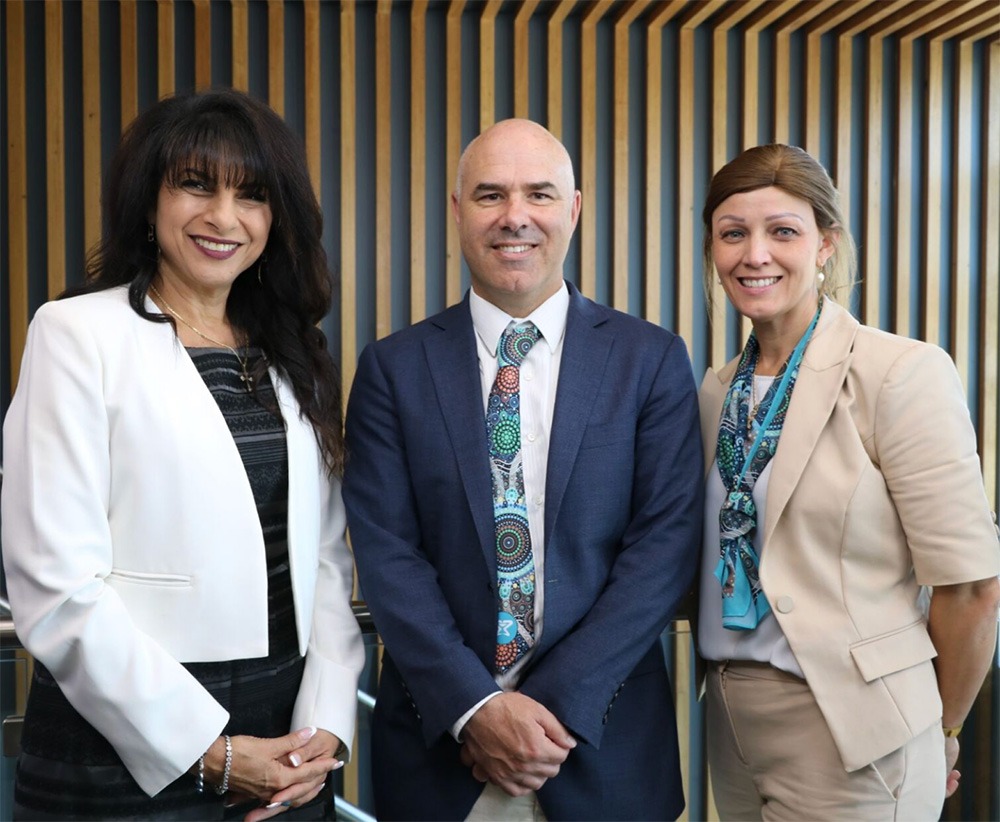
AP sat down with the incoming national president for an exclusive interview on how he plans to lead and support the profession.
What motivated you to seek election as the next PSA National President?
I’ve had a long career in pharmacy, working across academia, research and education – but like most pharmacists, I started in community pharmacy.
As an intern, my preceptor was a PSA branch committee member and he paid for my PSA membership. From the very beginning, it was instilled in me how important it is to give back to the profession.
In research, I saw firsthand the gaps in our healthcare system, which drove me to explore how pharmacists can help to improve care – particularly in transitions of care. I’ve also worked in educational outreach with GPs and pharmacists, showing me how much GPs actually value pharmacists; when we communicate well and have something reasonable to say, they listen. That has always been my experience as a forward-facing clinical pharmacist
My shift into academia was driven by wanting to train the next generation of pharmacists. What I often saw in students wasn’t a lack of knowledge, but a lack of confidence – something I’m keen to address.
A consistent theme throughout my career has been the dedication of pharmacists – and how much more we could achieve with recognition, support and the right structures in place.
I’ve always wanted to use my voice to ensure our profession is heard at the highest level. I believe PSA must continue to lead with strength, vision and, above all, unity – so that our profession can not only cope with change, but thrive through it.
What do you hope to achieve as PSA President?
Recognition and remuneration that truly reflects our expertise as medicines experts are big priorities. We have a highly predominantly female workforce, including PSA’s board. There are pay inequities affecting female pharmacists that must be addressed.
I also want to strengthen PSA’s role as the national leader in pharmacy advocacy. Under Associate Professor Fei Sim’s tenure, PSA has grown significantly in this space, and I want to build on that legacy by ensuring every pharmacist feels supported, valued and confident in their practice.
That includes pharmacists across all settings – from community to hospital, general practice, aged care, academia, industry and government. We need to support and recognise the whole profession.
Fei has been a truly inspirational leader, overseeing the negotiation of the first Strategic Agreement of Pharmacist Professional Practice, establishing the PSA Foundation, driving the strategic agenda for innovation in quality use of medicines, and driving practice forward through her membership of numerous government advisory committees.
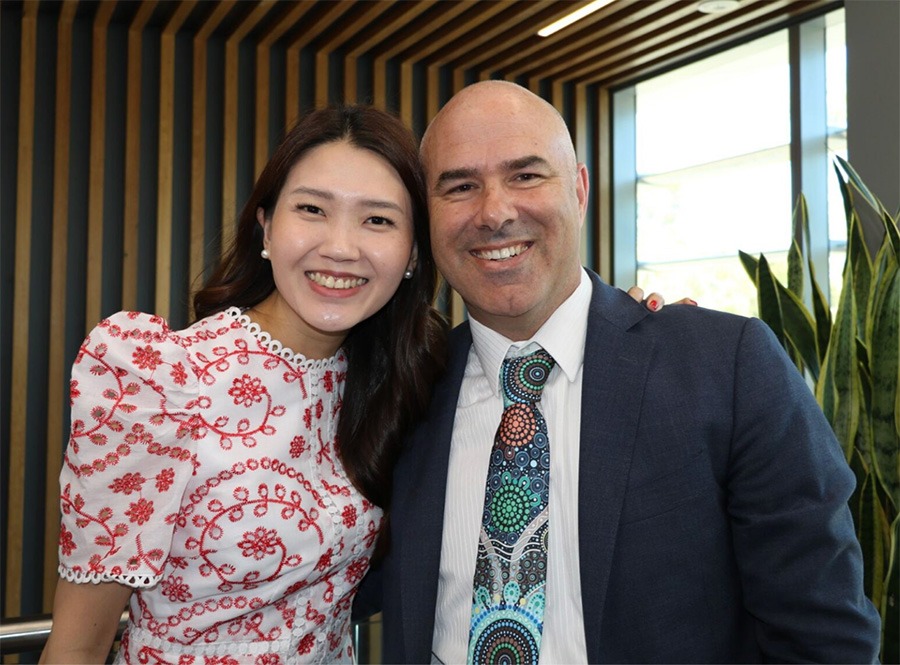
Most of all, she is loved by the profession, and is held in the highest esteem by pharmacists from all areas of practice, the PSA Board and by external stakeholders.
Why do you feel this is such a pivotal moment for PSA and the profession?
The PSA is undergoing a major acquisition of the Australasian College of Pharmacy. Our members voted for it because they believe it’s in the best interests of PSA and the profession, helping us strengthen advocacy, improve our education platform, expand resources, and grow our membership.
Through the acquisition, we also want education and member benefits to become more affordable for pharmacists. Cost-of-living pressures are very real, and we need members to feel that PSA genuinely has their back, making their job easier so they can practise to full scope.
At the same time, healthcare is evolving rapidly. Patients need more accessible and innovative care, with pharmacists uniquely positioned to meet those needs.
Primary care reform is happening now – and this is the moment for PSA to champion pharmacists and ensure we’re at the centre of tomorrow’s healthcare system.
What are the major challenges pharmacists are facing right now?
Workforce sustainability is, and will continue to be a significant issue now and into the near future.
While recognition of our clinical expertise is improving, especially with expanded scope of practice and pharmacist prescribing, it’s still new – with awareness and acceptance being ongoing challenges.
COVID-19 highlighted what pharmacists can do exceptionally well, particularly vaccinations.
But pharmacists are stretched, with many competing demands taking a toll. Ensuring pharmacists are properly remunerated and supported is critical to maintaining the sustainability of the profession. My role is to ensure they have a voice at every level.
How do you see the profession evolving in 5 years?
Five years ago, we were doing little more than flu vaccinations. Now we’re administering a much broader range of vaccines nationally. Governments are increasingly looking for more efficient healthcare delivery, and pharmacists have shown we can answer that call. But to continue along this path, we need better-trained pharmacy assistants, because pharmacists can’t do more unless we hand over some tasks.
Another area where we still need to make headway is medicine safety. Pharmacists are trained to ensure patients get the right medicine at the right time, and we have highly skilled pharmacists providing medicines reviews – yet many are constrained by caps and limits that make no sense clinically.
In 5 years’ time, I want to see those barriers gone, so patients can actually receive the expertise pharmacists are ready and willing to provide.
I also want to see pharmacists better integrated into healthcare teams, both physically and digitally. That might mean pharmacists embedded in general practice, or pharmacists who are digitally connected to practices and other care settings. We’re a large country and we know there is a shortage of pharmacists – so we have to find creative ways to connect our expertise to where it’s needed.
How have your background and previous experiences shaped your views of the profession?
I grew up in rural Tasmania and have done a lot of work across rural and regional Australia. I know those communities don’t always feel supported. I understand the challenges facing patients, healthcare workers and pharmacists in those areas, and I want them to know that I hear them.
I’d like people in rural and regional communities to feel they can pick up the phone and talk to me – and to see me as someone who genuinely has their back, just as much as pharmacists in our cities.
I’ve also lived and worked in the Netherlands, where they have often been at the forefront of innovation in data and system design. They have shown what’s possible when you really line up systems to support better care.
I’d like to draw on those experiences and share them with the right people here, because I believe we can learn a great deal from our overseas counterparts as we strengthen pharmacy practice and medicine safety in Australia.