

 Kelly Abbott MPS[/caption]


 Owner of Canberra's Capital Chemist Southlands Louise McLean MPS.[/caption]

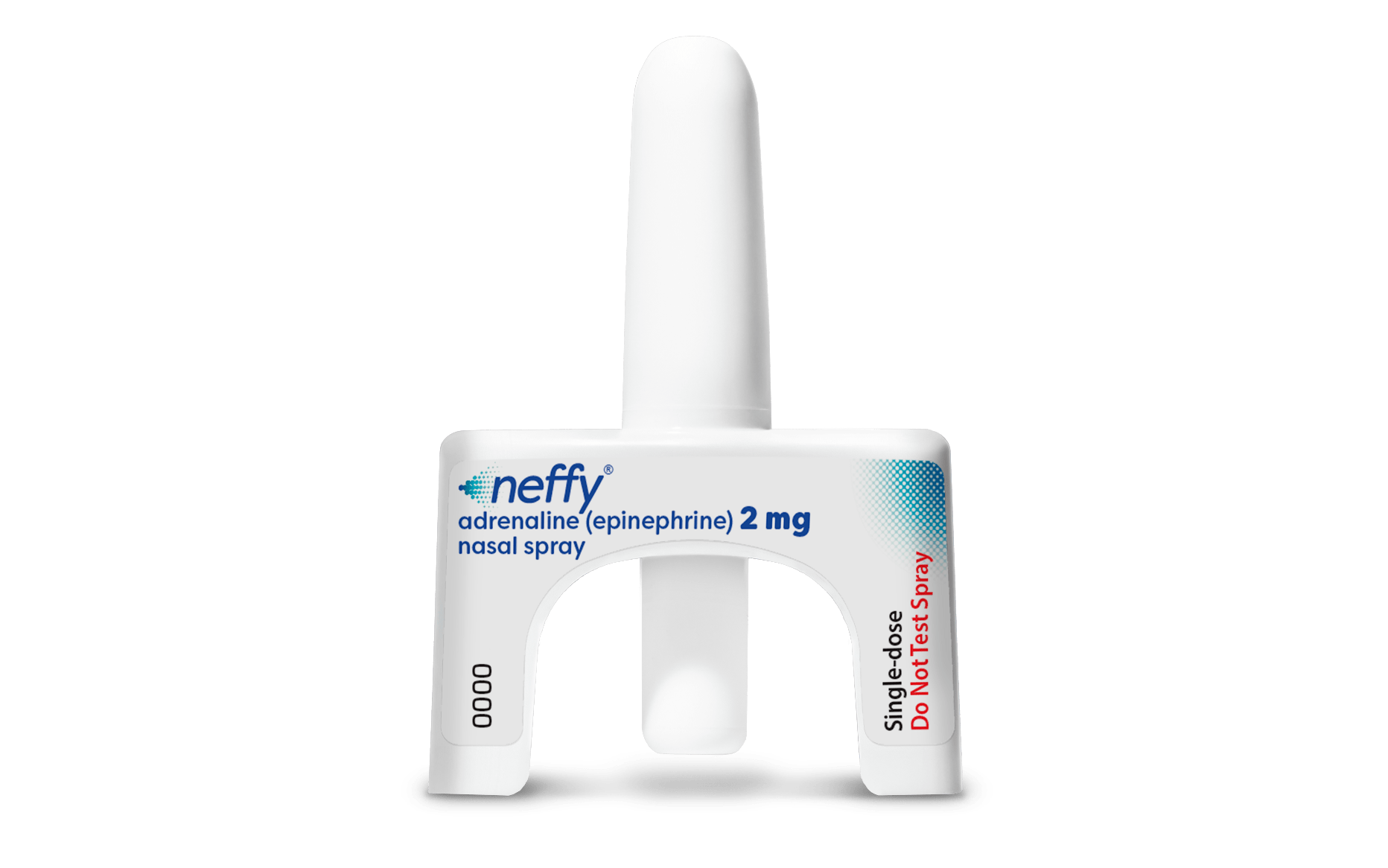 Supplied by CSL Seqirus[/caption]




Academic leader Mary Bushell MPS drives curriculum innovation, advances vaccination research and champions women’s health.
Tell us about your new role at the University of Canberra.
As the Discipline Lead in Pharmacy at the University of Canberra, I oversee curriculum, course design and the coordination of a team of pharmacy academics. My focus is ensuring students have a well-supported learning experience that prepares them to enter the pharmacy workforce safely and confidently. I also work clinically as a credentialed pharmacist doing Home Medicines Reviews and as a locum community pharmacist, which keeps me connected to everyday practice and informs my teaching and research.
Have there been curriculum changes?
We recently expanded our vaccination and injection skills training. With pharmacists’ scope of practice expanding, students need to be competent with all common injection routes, including the ventrogluteal site. We co-developed this content and the skills assessment with physiotherapy and nursing staff to ensure accuracy and safety. We also introduced a capstone professional portfolio in our final pharmacy practice unit, working with students to develop the assessment. Students collated mandatory topics, such as otoscopy training and opioid maintenance treatment, with self-selected evidence aligned with professional competencies – which supports job readiness and transition to practice.
What’s some recent vaccination research you’re working on?
My honours project explored how siblings of people with autism perceive the measles, mumps, rubella vaccine. Coincidentally, 20 years later, my research spans two main areas: disability and vaccination. One current project evaluates the impact of pharmacists administering NIPVIP vaccines in aged care facilities and disability homes. Early findings show that when pharmacists receive NIPVIP funding to administer vaccines, uptake increases and vaccine-preventable illnesses such as COVID-19, influenza, shingles and pneumococcal disease decrease.
Another project uses ultrasound to measure deltoid thickness across age groups, from children aged 12 months and up, to adults in aged care. The recommended 2.5 cm needle length for intramuscular deltoid injections is used across all population groups, but our data shows that not everyone has this much space between the skin and bone. In some cases, the standard needle is too long, so our findings may inform future updates to needle length guidance.
How do you see gender bias affecting care?
Gender bias contributes to delayed diagnosis, under recognition of symptoms and inconsistent management across many conditions. It’s encouraging to see growing acknowledgement and understanding of this bias in health care, which provides a good starting point to address it.
All pharmacists can help reduce gender bias by applying evidence consistently, taking symptoms seriously and ensuring appropriate follow-up and referral.
What are the key opportunities for pharmacists to expand their role in women’s health?
Pharmacists have long supported access to emergency contraception, and we are now taking on a greater role in the provision and administration of contraception – including injectables. There are also clear opportunities to provide evidence-based menopause support, deliver vaccination across the reproductive lifecycle and contribute to chronic disease risk assessment and prevention.
What advice do you have for ECPs keen on an academic career?
I realised my academic aims when supervising pharmacy students on placement at a community pharmacy I managed in the Northern Territory. I found teaching and supporting students rewarding and got my foot in the door by supporting the local university program. I also undertook a PhD – essential for pursuing a long-term academic career.
For ECPs interested in academia, I recommend supporting students on placement, supervising and mentoring. You can also guest lecture, tutor or contribute to project work. If still at university, consider Honours, as it provides a research foundation and potential for direct entry into a PhD, if you do well. Academia suits pharmacists who want to shape future practice, contribute to evidence, and work directly with students as they develop into the next generation of pharmacists.