

td_module_mega_menu Object
(
    [post] => WP_Post Object
        (
            [ID] => 32376
            [post_author] => 12590
            [post_date] => 2026-06-16 17:38:03
            [post_date_gmt] => 2026-06-16 07:38:03
            [post_content] => While effective for many, smoking cessation strategies are not a one-size-fits-all approach.

Nicotine replacement therapy (NRT) aims to reduce cravings and withdrawal symptoms by delivering nicotine in a safer, slower release form than smoking.1,2 NRT is a first-line pharmacotherapy for smoking cessation if clinically appropriate, and is shown to be effective.3 Pharmacists can also help to reframe past quit attempts as valuable learning opportunities for patients.

Here are some key NRT troubleshooting considerations pharmacists should consider.
Is the dose high enough?
NRT is safer than smoking and has low addictive potential.4 It is often under-dosed in practice, which can undermine a patient’s confidence in treatment.2,4,5 Patients may receive an inadequate dose, use NRT inconsistently or discontinue treatment prematurely.

When used at optimal doses, evidence shows NRT increases quit success.2 Pharmacists should use a nicotine dependence assessment tool (e.g. Quit Centre’s NRT tool) for dosage guidance and encourage proactive use of faster-acting NRT in anticipation of a trigger or cravings. Patients who have stopped smoking after an initial 8-week course of NRT may also benefit from a follow-up course.4

For some patients, combination NRT (patch and faster-acting form) may be appropriate. Combination NRT is equally as effective as varenicline and more effective than NRT monotherapy for smoking cessation.4
Does technique impact efficacy?
Incorrect use of NRT may lead to reduced nicotine absorption, increased adverse effects and reduced confidence in treatment.

To ensure maximum absorption, counselling points could include:

td_module_mega_menu Object
(
    [post] => WP_Post Object
        (
            [ID] => 32348
            [post_author] => 12503
            [post_date] => 2026-06-15 09:23:36
            [post_date_gmt] => 2026-06-14 23:23:36
            [post_content] => Meet the award-winning pharmacists recognised for their exceptional contributions to patients, communities and the profession.

The PSA acknowledged the outstanding contributions, leadership, and dedication of the five pharmacists who were recognised at the PSA Victorian Pharmacist Awards.

The 2026 award recipients are:

td_module_mega_menu Object
(
    [post] => WP_Post Object
        (
            [ID] => 32343
            [post_author] => 3387
            [post_date] => 2026-06-12 15:27:18
            [post_date_gmt] => 2026-06-12 05:27:18
            [post_content] => Body weight may reduce the effectiveness of oral emergency contraception (EC). Here's how pharmacists can help navigate this nuance in your consultations.

A patient walks into a pharmacy and asks for emergency contraception. During the consultation, they disclose that they are breastfeeding, so the pharmacist recommends levonorgestrel.

But what if the patient weighs more than 70 kg?

The effectiveness of oral EC may be reduced by body weight, particularly for levonorgestrel.

Given the average Australian woman weighs 72 kg, weight is an important factor to consider during EC consultations.
Weighing up first-line therapy
Levonorgestrel is widely stocked in Australian pharmacies, with 2024 research revealing 98% of pharmacies have this EC on hand compared with 70% for ulipristal acetate.

This gap is problematic, as for most people, ulipristal is first-line therapy. It’s particularly problematic for people >70kg who wish to use emergency contraception to avoid pregnancy.

The Australian Pharmaceutical Formulary and Handbook (APF’s) treatment guide for emergency contraception states that for people with a BMI above 26 kg/m² or weight above 70 kg, ulipristal is the preferred first-line option. Above 85 kg or BMI above 30 kg/m², effectiveness is unknown.
Crafting conversations
Part of what makes these thresholds challenging in practice is that weight does not always correlate with what pharmacists might expect.

'Weight and BMI can be really hard to assess, particularly when people are so fit,’ said Ruth Nona, pharmacist and researcher at James Cook University in Cairns. ‘If somebody does CrossFit and has a higher muscle mass, they may be heavier on the scale, but they may not appear so.’

As such, Queensland-based pharmacy intern Lindsay Cameron has developed a consultation approach that sidesteps weight assumptions entirely.

‘I don’t ask for a specific weight. I ask whether they think they may fall into that category,’ she said. ‘I usually say, “I’ll ask a few questions so I can recommend the most appropriate EC for you.” Then I explain, “Ulipristal is generally more effective than other oral EC options, unless it is contraindicated or unsuitable, because it can delay ovulation even when hormone levels are rising. That gives it a longer window to work. In particular, if you think you may weigh over 70 kg, I recommend ulipristal, as the other option may be less effective”.’

Ms Cameron will further tweak her approach, often based on the patient's body language, if she detects any sensitivity around weight.

‘I might use myself as an example,’ she said. ‘For example, I will say, “I would choose this option because I am over 70 kg and I don't want an unplanned pregnancy”,’ she said.

Ms Nona also emphasises the importance of ensuring that patients are given all the information they need to make an informed choice. ‘When someone presents to the pharmacy seeking emergency contraception, they have already made an informed decision to prevent pregnancy. It is important that patients understand the differences in effectiveness between the two emergency contraception options, as well as how weight may also influence that effectiveness.’
When oral EC isn’t enough
For patients above 85 kg, the conversation should extend beyond oral EC. The copper intrauterine device (IUD), inserted within 120 hours of unprotected sex, is the most effective option regardless of weight.

However, the main barrier is often access rather than clinical appropriateness. The copper IUD requires insertion by a trained medical professional, and appointments are not always readily available, particularly in regional, rural and remote areas.

The APF is clear that pharmacists should always supply oral EC and refer, not withhold the oral option while waiting for an IUD appointment.

Ms Nona makes this a routine part of conversations with people seeking emergency contraception.

‘When considering BMI, if a patient is thought to weigh over 85 kg, we should always discuss the option of a copper IUD with them, as it is 99% effective,' Ms Nona said. ‘Another benefit of a copper IUD is that it offers ongoing, long-term contraception.'

'If they can't get to the doctor [immediately], we would supply oral EC and refer them to a GP or sexual health clinic,’ she said.
When ulipristal is contraindicated
While ulipristal is the first-line treatment option, offering protection for a wider weight range, it’s important to understand when it’s contraindicated.

As suggested earlier in the article, ulipristal is generally second line in breastfeeding mothers.

For people >70kg who are breastfeeding, the APF treatment guidelines recommends 3 mg (2 tablets) levonorgestrel as first line treatment.

However, this is off-label use, and based on international guidance. Its clinical efficacy is unknown.

‘[As] the effectiveness of double dosing levonorgestrel is not known … we should inform the patient that they should follow up with a doctor.’ Ms Nona said.

The other most common contraindication is drug-drug interactions. The most significant interaction with ulipristal involves progestogens.

‘You cannot use ulipristal and progestogen within 5 days of each other as it reduces the effectiveness of both,’

Ms Nona reflects this is something she sees frequently in practice:.

‘That could be because the patient was taking a progestogen-containing oral contraceptive such as Slinda, if they missed a couple of pills or ceased taking it, or if they took levonorgestrel.’

CYP3A4-inducing medicines – including carbamazepine, phenytoin, rifampicin, topiramate and St John's Wort – used within the previous 4 weeks also affect both oral EC options. In this scenario, the APF recommends a  3 mg dose  of  levonorgestrel – noting that a copper IUD is preferred where feasible, explicitly stating that double-dose ulipristal is not recommended.

For more information on emergency contraception, access the Australian Pharmaceutical Formulary and Handbook.
            [post_title] => What does weight have to do with emergency contraception?
            [post_excerpt] => Body weight may reduce the effectiveness of oral emergency contraception. Pharmacists can help navigate this nuance in consultations.
            [post_status] => publish
            [comment_status] => open
            [ping_status] => open
            [post_password] =>
            [post_name] => what-does-weight-have-to-do-with-emergency-contraception
            [to_ping] =>
            [pinged] =>
            [post_modified] => 2026-06-16 15:58:26
            [post_modified_gmt] => 2026-06-16 05:58:26
            [post_content_filtered] =>
            [post_parent] => 0
            [guid] => https://www.australianpharmacist.com.au/?p=32343
            [menu_order] => 0
            [post_type] => post
            [post_mime_type] =>
            [comment_count] => 0
            [filter] => raw
        )

    [title_attribute] => What does weight have to do with emergency contraception?
    [title] => What does weight have to do with emergency contraception?
    [href] => https://www.australianpharmacist.com.au/what-does-weight-have-to-do-with-emergency-contraception/
    [module_atts:td_module:private] => Array
        (
        )

    [td_review:protected] => Array
        (
        )

    [is_review:protected] =>
    [post_thumb_id:protected] => 32352
    [authorType] =>
)

td_module_mega_menu Object
(
[post] => WP_Post Object
(
[ID] => 32322
[post_author] => 3410
[post_date] => 2026-06-10 13:29:43
[post_date_gmt] => 2026-06-10 03:29:43
[post_content] => PSA’s newest State Manager shares her vision for a more connected profession and broader pharmacist-led care.
When Divya Lal stepped into the role of PSA New South Wales State Manager last month, she did so with a clear sense of purpose. Just weeks into the role, she brought together leading health figures, including NSW Chief Health Officer Dr Kerry Chant, NSW Minister for Health Ryan Park and PSA CEO Bridget Totterman, alongside new and emerging pharmacy leaders at the PSA in NSW Parliament 2026 breakfast – held at NSW Parliament on 27 May.
‘It’s about collaboration to strengthen the NSW healthcare system, caring for our communities, and capability – utilising pharmacists to their full capabilities,’ she told the room.
With experience spanning community pharmacy, pharmacy ownership, business development, and professional services, Ms Lal has spent her career at the intersection of clinical practice and system-level thinking – with a clear focus on mentoring the next generation of pharmacists.
[caption id="attachment_32327" align="aligncenter" width="379"]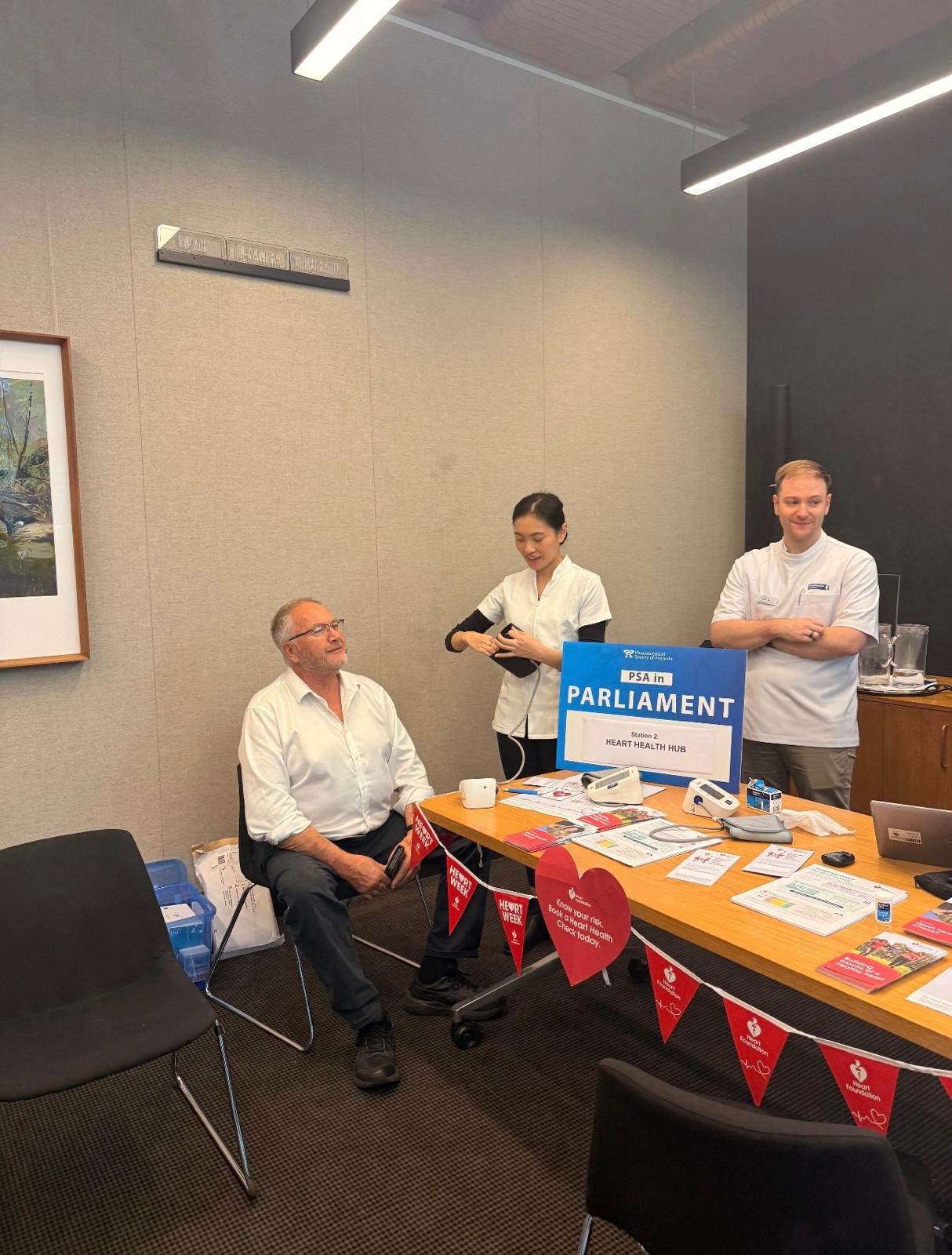 A pop-up pharmacy clinic offering screening services after breakfast[/caption]
‘A strong connection to the profession begins in the first year of university and continues throughout a pharmacist’s career,’ she said. ‘By creating more opportunities for students, interns, and early career pharmacists to engage with experienced pharmacists, we can build confidence, strengthen professional networks, and inspire the next generation of leaders within the profession.’
It's a philosophy that reflects both her personal journey and her vision for the future of the pharmacy profession in her new role with PSA.
‘I am proud to advocate on behalf of more than 11,500 pharmacists across NSW, particularly as we continue to expand opportunities for pharmacists and contribute to improved patient care,’ Ms Lal told AP.
‘I want our members to feel supported, connected, and represented. I am here to listen and I hope to meet as many pharmacists as possible.’
A pop-up pharmacy clinic offering screening services after breakfast[/caption]
‘A strong connection to the profession begins in the first year of university and continues throughout a pharmacist’s career,’ she said. ‘By creating more opportunities for students, interns, and early career pharmacists to engage with experienced pharmacists, we can build confidence, strengthen professional networks, and inspire the next generation of leaders within the profession.’
It's a philosophy that reflects both her personal journey and her vision for the future of the pharmacy profession in her new role with PSA.
‘I am proud to advocate on behalf of more than 11,500 pharmacists across NSW, particularly as we continue to expand opportunities for pharmacists and contribute to improved patient care,’ Ms Lal told AP.
‘I want our members to feel supported, connected, and represented. I am here to listen and I hope to meet as many pharmacists as possible.’
Building bridges
The parliamentary event served as Ms Lal’s opening statement as PSA NSW State Manager. Bringing together parliamentarians from both sides of the chamber, NSW Health figures, and PSA and pharmacy leaders – it was designed to build momentum for expanded scope of practice.
After being introduced by Ms Lal, PSA NSW Branch Committee President Luke Kelly made the case for reform by making it personal.
Recovering from a recent knee replacement, Mr Kelly watched nurses quietly withhold his blood pressure medication when his readings dropped too low.
‘It struck me that this is such a sensible thing to do – not bother the surgeon or my GP for such an obvious step,’ he said.
‘This was nurses working within their scope. And it's exactly why PSA is advocating for pharmacists to work within theirs. We are faced with obvious solutions that the current framework doesn't allow us to provide.’
A government listening
In his address, NSW Minister for Health Ryan Park highlighted the government’s view of pharmacists as central to the system's future.
‘We are committed to continuing to expand the role and scope of practice that pharmacists play,’ Minister Park said. ‘We need to make healthcare more accessible to the community, and that means looking at the way we take pressure off the system and use our skilled professionals across a range of healthcare professions.’
Pointing to the success of recent reforms – including the roll-out of oral contraceptive continuation, UTI treatment and skin infection services – he also took the opportunity to announce the expansion of the new intranasal influenza vaccine, FluMist, to children aged 2–17.
‘This is all about trying to make healthcare as accessible and as affordable as we can, but also to prepare our community for what could be a very challenging winter – and you are at the front line of that,’ Minister Park told attendees.
He also acknowledged the particular importance of pharmacists in regional, rural, and remote communities, where the ‘tyranny of distance’ means pharmacists often need to fill healthcare gaps.
‘Those rural and regional and remote members here today – thank you,’ Minister Park said. ‘Because you do an enormous amount of lifting, often more than what your city counterparts have to work through.’
He also spoke to the next generation, referencing conversations with young pharmacists across the state who are eager to put their full training to use.
‘They're highly trained, highly skilled individuals, and we as a government need to be looking at ways in which we can provide them, in a safe and evidence-based way, with the opportunity to continue to develop their careers.’
What’s next for scope of practice?
For Ms Lal, the breakfast event was a starting point in the push to expand what pharmacists can do.
‘There is a growing need for NSW to progress towards broader scope of practice models, including the management of additional acute conditions, expanded chronic disease management services, preventive healthcare initiatives, and the removal of unnecessary barriers to pharmacist-led vaccination services,’ she said.
Rather than a turf war, she sees this as a rebalancing of the healthcare system in favour of patients.
‘Scope expansion is not about replacing other healthcare professionals. It is about ensuring patients receive timely care from the most appropriate clinician,’ she said.
‘As highly trained medicines experts and one of the most accessible healthcare professionals, pharmacists are well positioned to improve access to care, reduce treatment delay, and contribute to better health outcomes.’
She is also focused on connecting the diverse sectors of pharmacy – hospital, general practice, community, industry, prescribing, academia and compounding, among others – in ways that allow pharmacists to move between roles and continue growing throughout their careers.
‘As our industry changes and new roles emerge, I see it as a responsibility to connect the different parts of pharmacy together,’ Ms Lal said. ‘Whether a pharmacist is seeking to expand their scope of practice, transition into a new area, or pursue leadership opportunities, PSA can play a pivotal role in supporting that journey.’
[post_title] => What does the future of pharmacy look like in NSW?
[post_excerpt] => At a recent event with NSW Health, PSA’s newest State Manager shared her vision for a more connected profession and expanded pharmacist care.
[post_status] => publish
[comment_status] => open
[ping_status] => open
[post_password] =>
[post_name] => what-does-the-future-of-pharmacy-look-like-in-nsw
[to_ping] =>
[pinged] =>
[post_modified] => 2026-06-10 16:26:57
[post_modified_gmt] => 2026-06-10 06:26:57
[post_content_filtered] =>
[post_parent] => 0
[guid] => https://www.australianpharmacist.com.au/?p=32322
[menu_order] => 0
[post_type] => post
[post_mime_type] =>
[comment_count] => 0
[filter] => raw
)
[title_attribute] => What does the future of pharmacy look like in NSW?
[title] => What does the future of pharmacy look like in NSW?
[href] => https://www.australianpharmacist.com.au/what-does-the-future-of-pharmacy-look-like-in-nsw/
[module_atts:td_module:private] => Array
(
)
[td_review:protected] => Array
(
)
[is_review:protected] =>
[post_thumb_id:protected] => 32323
[authorType] =>
)

td_module_mega_menu Object
(
    [post] => WP_Post Object
        (
            [ID] => 31963
            [post_author] => 12476
            [post_date] => 2026-06-10 09:43:38
            [post_date_gmt] => 2026-06-09 23:43:38
            [post_content] => Case scenario
Felicity, 25, presents to the pharmacy requesting a sleeping tablet. She shares that for the past few days she has felt like her body is ‘speeding up’, and while she feels full of energy, she hasn’t been sleeping well and feels ‘wired’. Her dispense history shows escitalopram 20 mg, last dispensed 1 month ago, which was increased from a 10 mg dose that was commenced 3 months ago for what her doctor diagnosed as depression.
Learning outcomesAfter reading this article, pharmacists should be able to:
|

Bipolar disorder is a mental illness associated with fluctuating mood extremities, involving distinct episodes of mania or hypomania (bipolar I and II disorder, respectively), with depression.1 A leading cause of disability, bipolar disorder can impact relationships, careers, self-esteem, and make daily activities challenging.1,2 Approximately 1 in 200 (37 million) people live with bipolar disorder, worldwide.2 In Australia, the 12-month prevalence is 2%.3 Bipolar II disorder is more common in females, whereas the incidence of bipolar I disorder is the same in males and females.1 Peak onset is commonly in mid-to-late adolescence and during the 20s.1
Individuals living with bipolar disorder exhibit higher rates of substance use disorders (e.g. tobacco and/or alcohol consumption),1 comorbid physical health conditions (e.g. diabetes, cardiovascular or respiratory disease) and anxiety,1 and encounter barriers in accessing healthcare services.2 Consequently, bipolar disorder can reduce a person’s life expectancy by an average of 13 years.1,4 Additionally, people living with bipolar disorder have up to a 30‑fold higher risk of suicide compared with the general population, especially during depressive episodes or when experiencing mixed features or rapid cycling.1
Community pharmacists are well-placed to identify changes in moods and behaviours, encourage adherence to treatment, and support people living with bipolar disorder, and their carers.
Aboriginal and Torres Strait Islander peoples living with bipolar disorder may face additional barriers to care, highlighting the importance of culturally safe, person-centred support.
The exact cause of bipolar disorder is unknown.2 However, there is a strong genetic link1 – if one parent has bipolar disorder, there is a 10% chance that their child will develop the illness; the risk increases to 40% if both parents are affected.5 Psychological, social and environmental stressors such as stressful life events can contribute to the onset and progression of bipolar disorder, and may precipitate or worsen symptoms. Substance use can further influence the disorder’s onset and clinical course.2
There are two predominant subtypes of bipolar disorder1,6:
Bipolar I disorder – characterised by at least one manic episode, commonly (but not required for diagnosis) accompanied by depressive episodes.1,6
Bipolar II disorder – characterised by at least one hypomanic and depressive episode, with no history of mania.1,2,6

Mania1,2,6
Note: symptoms must be present for most of the day, cause marked functional impairment, and last at least 1 week. Acute mania can be diagnosed with symptoms of any duration if hospital admission is required.
Hypomania1,2,6
Depression1,2,6
Most symptoms overlap with major depressive disorder, for example:
Note: symptoms last at least 2 weeks and must include a depressed mood, or a loss of interest or pleasure, for most of the day, causing significant distress and impairing functioning. High risk of suicide during depressive episodes.
A correct diagnosis of bipolar disorder is often delayed by years,1,2 often because many individuals initially present with a depressive episode and are misdiagnosed with depression, and consequently incorrectly treated. A diagnosis of bipolar disorder can only be made once an episode of mania or hypomania occurs.1
Most people living with bipolar disorder require long-term treatment involving GPs, psychologists and psychiatrists, as well as social and family support.1 Management involves pharmacological treatments (e.g. medicines and/or electroconvulsive therapy [ECT]), psychological treatments (e.g. counselling, psychoeducation), and self-help and/or lifestyle approaches.1,7
Pharmacological therapies
Drug therapy for bipolar disorder is complex, often necessitating sequential trials of pharmacotherapy to balance effectiveness with adverse effects.1 Treatment requires tailoring to the mood episode (mania, hypomania or depression) and treatment phase (acute, maintenance or prophylactic therapy).1 Management of acute episodes is focused on stabilising someone currently experiencing mania or depression. Maintenance and prophylactic therapies aim to prevent relapse, build resilience and improve quality of life.7
The main classes of drugs used are mood stabilisers and antipsychotics, which may be combined with antidepressants for episodes of depression, or benzodiazepines for agitation associated with severe acute mania.1,8 ECT is effective but reserved for treatment-resistant acute mood episodes, especially for people experiencing depression with psychotic features or suicidal thoughts.1,7,8
Acute mania
First-line therapy for mild-to-moderate acute mania is an antipsychotic, lithium or valproate.8 In severe cases, a combination of an antipsychotic with either lithium, valproate or carbamazepine is used.1,8 Antipsychotics are started immediately to rapidly reduce mania symptoms, and used short-term until symptoms remit and the patient is euthymic.1 A benzodiazepine may be added to relieve symptoms and reduce risk of self-injury and risk to others.8
As benzodiazapines may enhance sedating effects, consider dosage adjustments, particularly as symptoms resolve.8 ECT is reserved for patients unresponsive to drug treatment, or with severe symptoms.8 Lithium, sodium valproate or carbamazepine (monotherapy) are used for at least 6 to 12 months to prevent relapse, followed by assessing whether prophylaxis is required. Pharmacists need to be aware of drugs that may trigger mania, like antidepressants, corticosteroids and stimulants.1,8
Depressive episodes
Depressive episodes are the predominant mood episode for most, especially in bipolar II disorder. Patients with bipolar disorder also frequently experience periods of subthreshold depressive symptoms between major mood episodes.1 Choice and order of treatments are influenced by bipolar disorder type, presence of psychotic features and depression severity.8
Lithium, valproate, lamotrigine, quetiapine or olanzapine can be used as monotherapy.8 They are effective without causing switches into mania or rapid cycling1 (having four or more mood episodes within 12 months).6 Monotherapy with antidepressants is NOT recommended because it can induce mania or rapid cycling.1,8 If an acute depressive episode does not improve despite optimal lithium maintenance therapy, consider adding an antidepressant (SSRI preferable), valproate, lamotrigine or quetiapine.8 After acute episode treatment, maintenance therapy may continue up to 12 months or longer.1
Maintenance and prophylaxis
To maintain mood stability and prevent recurrence of symptoms, long-term maintenance and/or prophylaxis with medication and adjunctive psychological interventions is required. Prophylaxis should be used for two or more episodes of mania or depression, or mood episodes that significantly impair function (with or without psychotic features).1,8 Decision-making is guided by response to the drug used in acute treatment, although the prophylactic effective dose or target blood concentration may be lower.1,8 Lithium and valproate are first-line for maintenance,8 and lithium for prophylaxis.1 Alternatives include antipsychotics (quetiapine), lamotrigine (particularly if depressive episodes feature) and carbamazepine.8 Combination pharmacotherapy may be necessary. Individuals who have benefited from ECT during acute episodes may also require ongoing maintenance ECT.8
Those in complete remission usually need to continue mood stabilisers or antipsychotics for at least 6 months, with longer-term treatment (at least 3 years) required for those experiencing multiple episodes.1,2 Balancing adverse effects of long-term medication use and harms of no treatment is required.
Antipsychotics and mood stabilisers in pregnancy and breastfeeding
Antipsychotics such as quetiapine may be used (with appropriate metabolic screening) alternatively to valproate, carbamazepine and lithium for mania in pregnancy. Lamotrigine, quetiapine or olanzapine may be used for bipolar depression, with appropriate monitoring.1,8
Lithium is generally withheld in pregnancy, due to risk of congenital heart defects, neonatal neurotoxicity and hypothyroidism,8 except when the risk of relapse is high and there is no response to antipsychotics. If continued, lithium clearance changes during and after pregnancy, requiring closer and more frequent monitoring, and dose adjustments.
Sodium valproate and carbamazepine are contraindicated – use in the first trimester is linked to neural tube defects (e.g. spina bifida).1 High‑dose folic acid is recommended if taking valproate or carbamazepine and planning pregnancy or pregnant.1
In the postpartum period, there is at least a 30% risk of relapse or post-partum psychosis, so if psychotropic medicines were ceased during pregnancy, prophylactic medicines should be initiated immediately after delivery to reduce risk.1 Sodium valproate and carbamazepine are safe while breastfeeding, with recommendations to monitor the baby for petechial rash (sodium valproate), drowsiness and poor suckling (carbamazepine).8 Lamotrigine passes into breast milk, but limited information is available – seek specialist advice and closely monitor. Quetiapine and olanzapine are considered safe to use in breastfeeding.1
Breastfeeding during lithium use is generally not recommended, as highly variable amounts are excreted into breastmilk; however, data regarding serious harm is limited.1 The infant should be monitored closely by a paediatrician, if used. Pharmacists should consult reputable pregnancy and breastfeeding information resources when counselling patients and/or recommend their state’s pregnancy and breastfeeding medicines information service.
Psychosocial interventions are recommended during the first mood episode, after recovery from the episode, and throughout all treatment phases.1 They help with more rapid recovery and improved functioning, preventing relapse, and restoring quality of life.1 Effective recovery-oriented interventions include cognitive behavioural therapy, family-focused therapy, mindfulness-based cognitive therapy, and psychoeducation.1,2,8 Pharmacist-led services involving education focused on medicines, with clinical and practical recommendations, positively affect outcomes for people living with bipolar disorder.9
Maintaining physical health is essential, supporting reduced cardiometabolic risk, improved mood and anxiety symptoms, and better sleep.1 Pharmacists can promote healthy diet and weight management, particularly since lithium, valproate and antipsychotics can cause weight gain or increased appetite. Given the high smoking rates in this population, pharmacists can support smoking cessation. They can also counsel on dose adjustment requirements, and guide antipsychotic choice, as smoking can impact the serum levels of some antipsychotics,1 and antipsychotics with significant cardiometabolic adverse effects should be avoided in people who smoke.
Support from family, friends and carers is crucial for people living with bipolar disorder. Carers may also need help from mental health services, support groups and health professionals. Family psychoeducation improves understanding, helps families recognise early relapse signs, and supports early intervention.1,2 Support groups provide shared experiences, coping strategies and encouragement.2
Additional resources for carer support, education and respite include1,12:
Bipolar disorder is associated with significant morbidity and mortality, and is often associated with comorbidities and treatment nonadherence. Pharmacists can monitor and support medication adherence, as it can be poor, leading to relapse or recurrent episodes.1,8 Collaborative pharmacist-psychiatrist patient education can significantly improve medication adherence and quality of life for people living with bipolar disorder.10
Other common causes of recurrence or relapse include substance abuse, stressful life events and sleep issues.1 Since anxiety disorders affect around half of people with bipolar disorder and worsen outcomes,1,2 pharmacists may also have a role in mental health screening for comorbid anxiety.11
Bipolar disorder is characterised by mania or hypomania, often accompanied with depressive episodes. Diagnosis is often delayed, and treatment is often long-term and multifaceted, involving medicines, psychosocial interventions, management of comorbidities, and lifestyle measures.
Pharmacists are well-placed to support the recognition, diagnosis and management of bipolar disorder. As medicines experts in a multidisciplinary team, pharmacists can support medication adherence and provide practical advice on self-help and lifestyle strategies to improve the outcomes of bipolar disorder.
Case scenario continuedYou discuss Felicity’s symptoms further and suspect that her antidepressant may have induced hypomania, which may be associated with undiagnosed bipolar disorder. You refer her back to her GP for further assessment and explain that they may provide a referral to a psychologist or psychiatrist. You advise Felicity on the importance of maintaining good sleep hygiene, regular exercise and a well-balanced diet, and of keeping in touch with family and friends to help support her in managing her symptoms. |
is a practising community pharmacist and Lecturer (Clinical Educator) at the University of Sydney School of Pharmacy. An accredited Mental Health First Aider, she teaches units of study on pharmacy practice in neurology and mental health.
Dr Sarira El-Den (she/her) PhD, BPharm (Hons I), GradCertEdStudies (Higher Ed), MIPH, FHEA is a Senior Lecturer at the University of Sydney School of Pharmacy. She is a pharmacist and Master Mental Health First Aid instructor. Sarira’s research focuses on pharmacists’ roles in mental healthcare and evaluation of mental health education.
Morna Falkland, BPharm
td_module_mega_menu Object
(
    [post] => WP_Post Object
        (
            [ID] => 32376
            [post_author] => 12590
            [post_date] => 2026-06-16 17:38:03
            [post_date_gmt] => 2026-06-16 07:38:03
            [post_content] => While effective for many, smoking cessation strategies are not a one-size-fits-all approach.

Nicotine replacement therapy (NRT) aims to reduce cravings and withdrawal symptoms by delivering nicotine in a safer, slower release form than smoking.1,2 NRT is a first-line pharmacotherapy for smoking cessation if clinically appropriate, and is shown to be effective.3 Pharmacists can also help to reframe past quit attempts as valuable learning opportunities for patients.

Here are some key NRT troubleshooting considerations pharmacists should consider.
Is the dose high enough?
NRT is safer than smoking and has low addictive potential.4 It is often under-dosed in practice, which can undermine a patient’s confidence in treatment.2,4,5 Patients may receive an inadequate dose, use NRT inconsistently or discontinue treatment prematurely.

When used at optimal doses, evidence shows NRT increases quit success.2 Pharmacists should use a nicotine dependence assessment tool (e.g. Quit Centre’s NRT tool) for dosage guidance and encourage proactive use of faster-acting NRT in anticipation of a trigger or cravings. Patients who have stopped smoking after an initial 8-week course of NRT may also benefit from a follow-up course.4

For some patients, combination NRT (patch and faster-acting form) may be appropriate. Combination NRT is equally as effective as varenicline and more effective than NRT monotherapy for smoking cessation.4
Does technique impact efficacy?
Incorrect use of NRT may lead to reduced nicotine absorption, increased adverse effects and reduced confidence in treatment.

To ensure maximum absorption, counselling points could include:
td_module_mega_menu Object
(
    [post] => WP_Post Object
        (
            [ID] => 32348
            [post_author] => 12503
            [post_date] => 2026-06-15 09:23:36
            [post_date_gmt] => 2026-06-14 23:23:36
            [post_content] => Meet the award-winning pharmacists recognised for their exceptional contributions to patients, communities and the profession.

The PSA acknowledged the outstanding contributions, leadership, and dedication of the five pharmacists who were recognised at the PSA Victorian Pharmacist Awards.

The 2026 award recipients are:
td_module_mega_menu Object
(
    [post] => WP_Post Object
        (
            [ID] => 32343
            [post_author] => 3387
            [post_date] => 2026-06-12 15:27:18
            [post_date_gmt] => 2026-06-12 05:27:18
            [post_content] => Body weight may reduce the effectiveness of oral emergency contraception (EC). Here's how pharmacists can help navigate this nuance in your consultations.

A patient walks into a pharmacy and asks for emergency contraception. During the consultation, they disclose that they are breastfeeding, so the pharmacist recommends levonorgestrel.

But what if the patient weighs more than 70 kg?

The effectiveness of oral EC may be reduced by body weight, particularly for levonorgestrel.

Given the average Australian woman weighs 72 kg, weight is an important factor to consider during EC consultations.
Weighing up first-line therapy
Levonorgestrel is widely stocked in Australian pharmacies, with 2024 research revealing 98% of pharmacies have this EC on hand compared with 70% for ulipristal acetate.

This gap is problematic, as for most people, ulipristal is first-line therapy. It’s particularly problematic for people >70kg who wish to use emergency contraception to avoid pregnancy.

The Australian Pharmaceutical Formulary and Handbook (APF’s) treatment guide for emergency contraception states that for people with a BMI above 26 kg/m² or weight above 70 kg, ulipristal is the preferred first-line option. Above 85 kg or BMI above 30 kg/m², effectiveness is unknown.
Crafting conversations
Part of what makes these thresholds challenging in practice is that weight does not always correlate with what pharmacists might expect.

'Weight and BMI can be really hard to assess, particularly when people are so fit,’ said Ruth Nona, pharmacist and researcher at James Cook University in Cairns. ‘If somebody does CrossFit and has a higher muscle mass, they may be heavier on the scale, but they may not appear so.’

As such, Queensland-based pharmacy intern Lindsay Cameron has developed a consultation approach that sidesteps weight assumptions entirely.

‘I don’t ask for a specific weight. I ask whether they think they may fall into that category,’ she said. ‘I usually say, “I’ll ask a few questions so I can recommend the most appropriate EC for you.” Then I explain, “Ulipristal is generally more effective than other oral EC options, unless it is contraindicated or unsuitable, because it can delay ovulation even when hormone levels are rising. That gives it a longer window to work. In particular, if you think you may weigh over 70 kg, I recommend ulipristal, as the other option may be less effective”.’

Ms Cameron will further tweak her approach, often based on the patient's body language, if she detects any sensitivity around weight.

‘I might use myself as an example,’ she said. ‘For example, I will say, “I would choose this option because I am over 70 kg and I don't want an unplanned pregnancy”,’ she said.

Ms Nona also emphasises the importance of ensuring that patients are given all the information they need to make an informed choice. ‘When someone presents to the pharmacy seeking emergency contraception, they have already made an informed decision to prevent pregnancy. It is important that patients understand the differences in effectiveness between the two emergency contraception options, as well as how weight may also influence that effectiveness.’
When oral EC isn’t enough
For patients above 85 kg, the conversation should extend beyond oral EC. The copper intrauterine device (IUD), inserted within 120 hours of unprotected sex, is the most effective option regardless of weight.

However, the main barrier is often access rather than clinical appropriateness. The copper IUD requires insertion by a trained medical professional, and appointments are not always readily available, particularly in regional, rural and remote areas.

The APF is clear that pharmacists should always supply oral EC and refer, not withhold the oral option while waiting for an IUD appointment.

Ms Nona makes this a routine part of conversations with people seeking emergency contraception.

‘When considering BMI, if a patient is thought to weigh over 85 kg, we should always discuss the option of a copper IUD with them, as it is 99% effective,' Ms Nona said. ‘Another benefit of a copper IUD is that it offers ongoing, long-term contraception.'

'If they can't get to the doctor [immediately], we would supply oral EC and refer them to a GP or sexual health clinic,’ she said.
When ulipristal is contraindicated
While ulipristal is the first-line treatment option, offering protection for a wider weight range, it’s important to understand when it’s contraindicated.

As suggested earlier in the article, ulipristal is generally second line in breastfeeding mothers.

For people >70kg who are breastfeeding, the APF treatment guidelines recommends 3 mg (2 tablets) levonorgestrel as first line treatment.

However, this is off-label use, and based on international guidance. Its clinical efficacy is unknown.

‘[As] the effectiveness of double dosing levonorgestrel is not known … we should inform the patient that they should follow up with a doctor.’ Ms Nona said.

The other most common contraindication is drug-drug interactions. The most significant interaction with ulipristal involves progestogens.

‘You cannot use ulipristal and progestogen within 5 days of each other as it reduces the effectiveness of both,’

Ms Nona reflects this is something she sees frequently in practice:.

‘That could be because the patient was taking a progestogen-containing oral contraceptive such as Slinda, if they missed a couple of pills or ceased taking it, or if they took levonorgestrel.’

CYP3A4-inducing medicines – including carbamazepine, phenytoin, rifampicin, topiramate and St John's Wort – used within the previous 4 weeks also affect both oral EC options. In this scenario, the APF recommends a  3 mg dose  of  levonorgestrel – noting that a copper IUD is preferred where feasible, explicitly stating that double-dose ulipristal is not recommended.

For more information on emergency contraception, access the Australian Pharmaceutical Formulary and Handbook.
            [post_title] => What does weight have to do with emergency contraception?
            [post_excerpt] => Body weight may reduce the effectiveness of oral emergency contraception. Pharmacists can help navigate this nuance in consultations.
            [post_status] => publish
            [comment_status] => open
            [ping_status] => open
            [post_password] =>
            [post_name] => what-does-weight-have-to-do-with-emergency-contraception
            [to_ping] =>
            [pinged] =>
            [post_modified] => 2026-06-16 15:58:26
            [post_modified_gmt] => 2026-06-16 05:58:26
            [post_content_filtered] =>
            [post_parent] => 0
            [guid] => https://www.australianpharmacist.com.au/?p=32343
            [menu_order] => 0
            [post_type] => post
            [post_mime_type] =>
            [comment_count] => 0
            [filter] => raw
        )

    [title_attribute] => What does weight have to do with emergency contraception?
    [title] => What does weight have to do with emergency contraception?
    [href] => https://www.australianpharmacist.com.au/what-does-weight-have-to-do-with-emergency-contraception/
    [module_atts:td_module:private] => Array
        (
        )

    [td_review:protected] => Array
        (
        )

    [is_review:protected] =>
    [post_thumb_id:protected] => 32352
    [authorType] =>
)
td_module_mega_menu Object
(
[post] => WP_Post Object
(
[ID] => 32322
[post_author] => 3410
[post_date] => 2026-06-10 13:29:43
[post_date_gmt] => 2026-06-10 03:29:43
[post_content] => PSA’s newest State Manager shares her vision for a more connected profession and broader pharmacist-led care.
When Divya Lal stepped into the role of PSA New South Wales State Manager last month, she did so with a clear sense of purpose. Just weeks into the role, she brought together leading health figures, including NSW Chief Health Officer Dr Kerry Chant, NSW Minister for Health Ryan Park and PSA CEO Bridget Totterman, alongside new and emerging pharmacy leaders at the PSA in NSW Parliament 2026 breakfast – held at NSW Parliament on 27 May.
‘It’s about collaboration to strengthen the NSW healthcare system, caring for our communities, and capability – utilising pharmacists to their full capabilities,’ she told the room.
With experience spanning community pharmacy, pharmacy ownership, business development, and professional services, Ms Lal has spent her career at the intersection of clinical practice and system-level thinking – with a clear focus on mentoring the next generation of pharmacists.
[caption id="attachment_32327" align="aligncenter" width="379"] A pop-up pharmacy clinic offering screening services after breakfast[/caption]
‘A strong connection to the profession begins in the first year of university and continues throughout a pharmacist’s career,’ she said. ‘By creating more opportunities for students, interns, and early career pharmacists to engage with experienced pharmacists, we can build confidence, strengthen professional networks, and inspire the next generation of leaders within the profession.’
It's a philosophy that reflects both her personal journey and her vision for the future of the pharmacy profession in her new role with PSA.
‘I am proud to advocate on behalf of more than 11,500 pharmacists across NSW, particularly as we continue to expand opportunities for pharmacists and contribute to improved patient care,’ Ms Lal told AP.
‘I want our members to feel supported, connected, and represented. I am here to listen and I hope to meet as many pharmacists as possible.’
Building bridges
The parliamentary event served as Ms Lal’s opening statement as PSA NSW State Manager. Bringing together parliamentarians from both sides of the chamber, NSW Health figures, and PSA and pharmacy leaders – it was designed to build momentum for expanded scope of practice.
After being introduced by Ms Lal, PSA NSW Branch Committee President Luke Kelly made the case for reform by making it personal.
Recovering from a recent knee replacement, Mr Kelly watched nurses quietly withhold his blood pressure medication when his readings dropped too low.
‘It struck me that this is such a sensible thing to do – not bother the surgeon or my GP for such an obvious step,’ he said.
‘This was nurses working within their scope. And it's exactly why PSA is advocating for pharmacists to work within theirs. We are faced with obvious solutions that the current framework doesn't allow us to provide.’
A government listening
In his address, NSW Minister for Health Ryan Park highlighted the government’s view of pharmacists as central to the system's future.
‘We are committed to continuing to expand the role and scope of practice that pharmacists play,’ Minister Park said. ‘We need to make healthcare more accessible to the community, and that means looking at the way we take pressure off the system and use our skilled professionals across a range of healthcare professions.’
Pointing to the success of recent reforms – including the roll-out of oral contraceptive continuation, UTI treatment and skin infection services – he also took the opportunity to announce the expansion of the new intranasal influenza vaccine, FluMist, to children aged 2–17.
‘This is all about trying to make healthcare as accessible and as affordable as we can, but also to prepare our community for what could be a very challenging winter – and you are at the front line of that,’ Minister Park told attendees.
He also acknowledged the particular importance of pharmacists in regional, rural, and remote communities, where the ‘tyranny of distance’ means pharmacists often need to fill healthcare gaps.
‘Those rural and regional and remote members here today – thank you,’ Minister Park said. ‘Because you do an enormous amount of lifting, often more than what your city counterparts have to work through.’
He also spoke to the next generation, referencing conversations with young pharmacists across the state who are eager to put their full training to use.
‘They're highly trained, highly skilled individuals, and we as a government need to be looking at ways in which we can provide them, in a safe and evidence-based way, with the opportunity to continue to develop their careers.’
What’s next for scope of practice?
For Ms Lal, the breakfast event was a starting point in the push to expand what pharmacists can do.
‘There is a growing need for NSW to progress towards broader scope of practice models, including the management of additional acute conditions, expanded chronic disease management services, preventive healthcare initiatives, and the removal of unnecessary barriers to pharmacist-led vaccination services,’ she said.
Rather than a turf war, she sees this as a rebalancing of the healthcare system in favour of patients.
‘Scope expansion is not about replacing other healthcare professionals. It is about ensuring patients receive timely care from the most appropriate clinician,’ she said.
‘As highly trained medicines experts and one of the most accessible healthcare professionals, pharmacists are well positioned to improve access to care, reduce treatment delay, and contribute to better health outcomes.’
She is also focused on connecting the diverse sectors of pharmacy – hospital, general practice, community, industry, prescribing, academia and compounding, among others – in ways that allow pharmacists to move between roles and continue growing throughout their careers.
‘As our industry changes and new roles emerge, I see it as a responsibility to connect the different parts of pharmacy together,’ Ms Lal said. ‘Whether a pharmacist is seeking to expand their scope of practice, transition into a new area, or pursue leadership opportunities, PSA can play a pivotal role in supporting that journey.’
[post_title] => What does the future of pharmacy look like in NSW?
[post_excerpt] => At a recent event with NSW Health, PSA’s newest State Manager shared her vision for a more connected profession and expanded pharmacist care.
[post_status] => publish
[comment_status] => open
[ping_status] => open
[post_password] =>
[post_name] => what-does-the-future-of-pharmacy-look-like-in-nsw
[to_ping] =>
[pinged] =>
[post_modified] => 2026-06-10 16:26:57
[post_modified_gmt] => 2026-06-10 06:26:57
[post_content_filtered] =>
[post_parent] => 0
[guid] => https://www.australianpharmacist.com.au/?p=32322
[menu_order] => 0
[post_type] => post
[post_mime_type] =>
[comment_count] => 0
[filter] => raw
)
[title_attribute] => What does the future of pharmacy look like in NSW?
[title] => What does the future of pharmacy look like in NSW?
[href] => https://www.australianpharmacist.com.au/what-does-the-future-of-pharmacy-look-like-in-nsw/
[module_atts:td_module:private] => Array
(
)
[td_review:protected] => Array
(
)
[is_review:protected] =>
[post_thumb_id:protected] => 32323
[authorType] =>
)
td_module_mega_menu Object
(
    [post] => WP_Post Object
        (
            [ID] => 31963
            [post_author] => 12476
            [post_date] => 2026-06-10 09:43:38
            [post_date_gmt] => 2026-06-09 23:43:38
            [post_content] => Case scenario
Felicity, 25, presents to the pharmacy requesting a sleeping tablet. She shares that for the past few days she has felt like her body is ‘speeding up’, and while she feels full of energy, she hasn’t been sleeping well and feels ‘wired’. Her dispense history shows escitalopram 20 mg, last dispensed 1 month ago, which was increased from a 10 mg dose that was commenced 3 months ago for what her doctor diagnosed as depression.
Learning outcomesAfter reading this article, pharmacists should be able to:
|
Bipolar disorder is a mental illness associated with fluctuating mood extremities, involving distinct episodes of mania or hypomania (bipolar I and II disorder, respectively), with depression.1 A leading cause of disability, bipolar disorder can impact relationships, careers, self-esteem, and make daily activities challenging.1,2 Approximately 1 in 200 (37 million) people live with bipolar disorder, worldwide.2 In Australia, the 12-month prevalence is 2%.3 Bipolar II disorder is more common in females, whereas the incidence of bipolar I disorder is the same in males and females.1 Peak onset is commonly in mid-to-late adolescence and during the 20s.1
Individuals living with bipolar disorder exhibit higher rates of substance use disorders (e.g. tobacco and/or alcohol consumption),1 comorbid physical health conditions (e.g. diabetes, cardiovascular or respiratory disease) and anxiety,1 and encounter barriers in accessing healthcare services.2 Consequently, bipolar disorder can reduce a person’s life expectancy by an average of 13 years.1,4 Additionally, people living with bipolar disorder have up to a 30‑fold higher risk of suicide compared with the general population, especially during depressive episodes or when experiencing mixed features or rapid cycling.1
Community pharmacists are well-placed to identify changes in moods and behaviours, encourage adherence to treatment, and support people living with bipolar disorder, and their carers.
Aboriginal and Torres Strait Islander peoples living with bipolar disorder may face additional barriers to care, highlighting the importance of culturally safe, person-centred support.
The exact cause of bipolar disorder is unknown.2 However, there is a strong genetic link1 – if one parent has bipolar disorder, there is a 10% chance that their child will develop the illness; the risk increases to 40% if both parents are affected.5 Psychological, social and environmental stressors such as stressful life events can contribute to the onset and progression of bipolar disorder, and may precipitate or worsen symptoms. Substance use can further influence the disorder’s onset and clinical course.2
There are two predominant subtypes of bipolar disorder1,6:
Bipolar I disorder – characterised by at least one manic episode, commonly (but not required for diagnosis) accompanied by depressive episodes.1,6
Bipolar II disorder – characterised by at least one hypomanic and depressive episode, with no history of mania.1,2,6
Mania1,2,6
Note: symptoms must be present for most of the day, cause marked functional impairment, and last at least 1 week. Acute mania can be diagnosed with symptoms of any duration if hospital admission is required.
Hypomania1,2,6
Depression1,2,6
Most symptoms overlap with major depressive disorder, for example:
Note: symptoms last at least 2 weeks and must include a depressed mood, or a loss of interest or pleasure, for most of the day, causing significant distress and impairing functioning. High risk of suicide during depressive episodes.
A correct diagnosis of bipolar disorder is often delayed by years,1,2 often because many individuals initially present with a depressive episode and are misdiagnosed with depression, and consequently incorrectly treated. A diagnosis of bipolar disorder can only be made once an episode of mania or hypomania occurs.1
Most people living with bipolar disorder require long-term treatment involving GPs, psychologists and psychiatrists, as well as social and family support.1 Management involves pharmacological treatments (e.g. medicines and/or electroconvulsive therapy [ECT]), psychological treatments (e.g. counselling, psychoeducation), and self-help and/or lifestyle approaches.1,7
Pharmacological therapies
Drug therapy for bipolar disorder is complex, often necessitating sequential trials of pharmacotherapy to balance effectiveness with adverse effects.1 Treatment requires tailoring to the mood episode (mania, hypomania or depression) and treatment phase (acute, maintenance or prophylactic therapy).1 Management of acute episodes is focused on stabilising someone currently experiencing mania or depression. Maintenance and prophylactic therapies aim to prevent relapse, build resilience and improve quality of life.7
The main classes of drugs used are mood stabilisers and antipsychotics, which may be combined with antidepressants for episodes of depression, or benzodiazepines for agitation associated with severe acute mania.1,8 ECT is effective but reserved for treatment-resistant acute mood episodes, especially for people experiencing depression with psychotic features or suicidal thoughts.1,7,8
Acute mania
First-line therapy for mild-to-moderate acute mania is an antipsychotic, lithium or valproate.8 In severe cases, a combination of an antipsychotic with either lithium, valproate or carbamazepine is used.1,8 Antipsychotics are started immediately to rapidly reduce mania symptoms, and used short-term until symptoms remit and the patient is euthymic.1 A benzodiazepine may be added to relieve symptoms and reduce risk of self-injury and risk to others.8
As benzodiazapines may enhance sedating effects, consider dosage adjustments, particularly as symptoms resolve.8 ECT is reserved for patients unresponsive to drug treatment, or with severe symptoms.8 Lithium, sodium valproate or carbamazepine (monotherapy) are used for at least 6 to 12 months to prevent relapse, followed by assessing whether prophylaxis is required. Pharmacists need to be aware of drugs that may trigger mania, like antidepressants, corticosteroids and stimulants.1,8
Depressive episodes
Depressive episodes are the predominant mood episode for most, especially in bipolar II disorder. Patients with bipolar disorder also frequently experience periods of subthreshold depressive symptoms between major mood episodes.1 Choice and order of treatments are influenced by bipolar disorder type, presence of psychotic features and depression severity.8
Lithium, valproate, lamotrigine, quetiapine or olanzapine can be used as monotherapy.8 They are effective without causing switches into mania or rapid cycling1 (having four or more mood episodes within 12 months).6 Monotherapy with antidepressants is NOT recommended because it can induce mania or rapid cycling.1,8 If an acute depressive episode does not improve despite optimal lithium maintenance therapy, consider adding an antidepressant (SSRI preferable), valproate, lamotrigine or quetiapine.8 After acute episode treatment, maintenance therapy may continue up to 12 months or longer.1
Maintenance and prophylaxis
To maintain mood stability and prevent recurrence of symptoms, long-term maintenance and/or prophylaxis with medication and adjunctive psychological interventions is required. Prophylaxis should be used for two or more episodes of mania or depression, or mood episodes that significantly impair function (with or without psychotic features).1,8 Decision-making is guided by response to the drug used in acute treatment, although the prophylactic effective dose or target blood concentration may be lower.1,8 Lithium and valproate are first-line for maintenance,8 and lithium for prophylaxis.1 Alternatives include antipsychotics (quetiapine), lamotrigine (particularly if depressive episodes feature) and carbamazepine.8 Combination pharmacotherapy may be necessary. Individuals who have benefited from ECT during acute episodes may also require ongoing maintenance ECT.8
Those in complete remission usually need to continue mood stabilisers or antipsychotics for at least 6 months, with longer-term treatment (at least 3 years) required for those experiencing multiple episodes.1,2 Balancing adverse effects of long-term medication use and harms of no treatment is required.
Antipsychotics and mood stabilisers in pregnancy and breastfeeding
Antipsychotics such as quetiapine may be used (with appropriate metabolic screening) alternatively to valproate, carbamazepine and lithium for mania in pregnancy. Lamotrigine, quetiapine or olanzapine may be used for bipolar depression, with appropriate monitoring.1,8
Lithium is generally withheld in pregnancy, due to risk of congenital heart defects, neonatal neurotoxicity and hypothyroidism,8 except when the risk of relapse is high and there is no response to antipsychotics. If continued, lithium clearance changes during and after pregnancy, requiring closer and more frequent monitoring, and dose adjustments.
Sodium valproate and carbamazepine are contraindicated – use in the first trimester is linked to neural tube defects (e.g. spina bifida).1 High‑dose folic acid is recommended if taking valproate or carbamazepine and planning pregnancy or pregnant.1
In the postpartum period, there is at least a 30% risk of relapse or post-partum psychosis, so if psychotropic medicines were ceased during pregnancy, prophylactic medicines should be initiated immediately after delivery to reduce risk.1 Sodium valproate and carbamazepine are safe while breastfeeding, with recommendations to monitor the baby for petechial rash (sodium valproate), drowsiness and poor suckling (carbamazepine).8 Lamotrigine passes into breast milk, but limited information is available – seek specialist advice and closely monitor. Quetiapine and olanzapine are considered safe to use in breastfeeding.1
Breastfeeding during lithium use is generally not recommended, as highly variable amounts are excreted into breastmilk; however, data regarding serious harm is limited.1 The infant should be monitored closely by a paediatrician, if used. Pharmacists should consult reputable pregnancy and breastfeeding information resources when counselling patients and/or recommend their state’s pregnancy and breastfeeding medicines information service.
Psychosocial interventions are recommended during the first mood episode, after recovery from the episode, and throughout all treatment phases.1 They help with more rapid recovery and improved functioning, preventing relapse, and restoring quality of life.1 Effective recovery-oriented interventions include cognitive behavioural therapy, family-focused therapy, mindfulness-based cognitive therapy, and psychoeducation.1,2,8 Pharmacist-led services involving education focused on medicines, with clinical and practical recommendations, positively affect outcomes for people living with bipolar disorder.9
Maintaining physical health is essential, supporting reduced cardiometabolic risk, improved mood and anxiety symptoms, and better sleep.1 Pharmacists can promote healthy diet and weight management, particularly since lithium, valproate and antipsychotics can cause weight gain or increased appetite. Given the high smoking rates in this population, pharmacists can support smoking cessation. They can also counsel on dose adjustment requirements, and guide antipsychotic choice, as smoking can impact the serum levels of some antipsychotics,1 and antipsychotics with significant cardiometabolic adverse effects should be avoided in people who smoke.
Support from family, friends and carers is crucial for people living with bipolar disorder. Carers may also need help from mental health services, support groups and health professionals. Family psychoeducation improves understanding, helps families recognise early relapse signs, and supports early intervention.1,2 Support groups provide shared experiences, coping strategies and encouragement.2
Additional resources for carer support, education and respite include1,12:
Bipolar disorder is associated with significant morbidity and mortality, and is often associated with comorbidities and treatment nonadherence. Pharmacists can monitor and support medication adherence, as it can be poor, leading to relapse or recurrent episodes.1,8 Collaborative pharmacist-psychiatrist patient education can significantly improve medication adherence and quality of life for people living with bipolar disorder.10
Other common causes of recurrence or relapse include substance abuse, stressful life events and sleep issues.1 Since anxiety disorders affect around half of people with bipolar disorder and worsen outcomes,1,2 pharmacists may also have a role in mental health screening for comorbid anxiety.11
Bipolar disorder is characterised by mania or hypomania, often accompanied with depressive episodes. Diagnosis is often delayed, and treatment is often long-term and multifaceted, involving medicines, psychosocial interventions, management of comorbidities, and lifestyle measures.
Pharmacists are well-placed to support the recognition, diagnosis and management of bipolar disorder. As medicines experts in a multidisciplinary team, pharmacists can support medication adherence and provide practical advice on self-help and lifestyle strategies to improve the outcomes of bipolar disorder.
Case scenario continuedYou discuss Felicity’s symptoms further and suspect that her antidepressant may have induced hypomania, which may be associated with undiagnosed bipolar disorder. You refer her back to her GP for further assessment and explain that they may provide a referral to a psychologist or psychiatrist. You advise Felicity on the importance of maintaining good sleep hygiene, regular exercise and a well-balanced diet, and of keeping in touch with family and friends to help support her in managing her symptoms. |
is a practising community pharmacist and Lecturer (Clinical Educator) at the University of Sydney School of Pharmacy. An accredited Mental Health First Aider, she teaches units of study on pharmacy practice in neurology and mental health.
Dr Sarira El-Den (she/her) PhD, BPharm (Hons I), GradCertEdStudies (Higher Ed), MIPH, FHEA is a Senior Lecturer at the University of Sydney School of Pharmacy. She is a pharmacist and Master Mental Health First Aid instructor. Sarira’s research focuses on pharmacists’ roles in mental healthcare and evaluation of mental health education.
Morna Falkland, BPharm
td_module_mega_menu Object
(
    [post] => WP_Post Object
        (
            [ID] => 32376
            [post_author] => 12590
            [post_date] => 2026-06-16 17:38:03
            [post_date_gmt] => 2026-06-16 07:38:03
            [post_content] => While effective for many, smoking cessation strategies are not a one-size-fits-all approach.

Nicotine replacement therapy (NRT) aims to reduce cravings and withdrawal symptoms by delivering nicotine in a safer, slower release form than smoking.1,2 NRT is a first-line pharmacotherapy for smoking cessation if clinically appropriate, and is shown to be effective.3 Pharmacists can also help to reframe past quit attempts as valuable learning opportunities for patients.

Here are some key NRT troubleshooting considerations pharmacists should consider.
Is the dose high enough?
NRT is safer than smoking and has low addictive potential.4 It is often under-dosed in practice, which can undermine a patient’s confidence in treatment.2,4,5 Patients may receive an inadequate dose, use NRT inconsistently or discontinue treatment prematurely.

When used at optimal doses, evidence shows NRT increases quit success.2 Pharmacists should use a nicotine dependence assessment tool (e.g. Quit Centre’s NRT tool) for dosage guidance and encourage proactive use of faster-acting NRT in anticipation of a trigger or cravings. Patients who have stopped smoking after an initial 8-week course of NRT may also benefit from a follow-up course.4

For some patients, combination NRT (patch and faster-acting form) may be appropriate. Combination NRT is equally as effective as varenicline and more effective than NRT monotherapy for smoking cessation.4
Does technique impact efficacy?
Incorrect use of NRT may lead to reduced nicotine absorption, increased adverse effects and reduced confidence in treatment.

To ensure maximum absorption, counselling points could include:
td_module_mega_menu Object
(
    [post] => WP_Post Object
        (
            [ID] => 32348
            [post_author] => 12503
            [post_date] => 2026-06-15 09:23:36
            [post_date_gmt] => 2026-06-14 23:23:36
            [post_content] => Meet the award-winning pharmacists recognised for their exceptional contributions to patients, communities and the profession.

The PSA acknowledged the outstanding contributions, leadership, and dedication of the five pharmacists who were recognised at the PSA Victorian Pharmacist Awards.

The 2026 award recipients are:
td_module_mega_menu Object
(
    [post] => WP_Post Object
        (
            [ID] => 32343
            [post_author] => 3387
            [post_date] => 2026-06-12 15:27:18
            [post_date_gmt] => 2026-06-12 05:27:18
            [post_content] => Body weight may reduce the effectiveness of oral emergency contraception (EC). Here's how pharmacists can help navigate this nuance in your consultations.

A patient walks into a pharmacy and asks for emergency contraception. During the consultation, they disclose that they are breastfeeding, so the pharmacist recommends levonorgestrel.

But what if the patient weighs more than 70 kg?

The effectiveness of oral EC may be reduced by body weight, particularly for levonorgestrel.

Given the average Australian woman weighs 72 kg, weight is an important factor to consider during EC consultations.
Weighing up first-line therapy
Levonorgestrel is widely stocked in Australian pharmacies, with 2024 research revealing 98% of pharmacies have this EC on hand compared with 70% for ulipristal acetate.

This gap is problematic, as for most people, ulipristal is first-line therapy. It’s particularly problematic for people >70kg who wish to use emergency contraception to avoid pregnancy.

The Australian Pharmaceutical Formulary and Handbook (APF’s) treatment guide for emergency contraception states that for people with a BMI above 26 kg/m² or weight above 70 kg, ulipristal is the preferred first-line option. Above 85 kg or BMI above 30 kg/m², effectiveness is unknown.
Crafting conversations
Part of what makes these thresholds challenging in practice is that weight does not always correlate with what pharmacists might expect.

'Weight and BMI can be really hard to assess, particularly when people are so fit,’ said Ruth Nona, pharmacist and researcher at James Cook University in Cairns. ‘If somebody does CrossFit and has a higher muscle mass, they may be heavier on the scale, but they may not appear so.’

As such, Queensland-based pharmacy intern Lindsay Cameron has developed a consultation approach that sidesteps weight assumptions entirely.

‘I don’t ask for a specific weight. I ask whether they think they may fall into that category,’ she said. ‘I usually say, “I’ll ask a few questions so I can recommend the most appropriate EC for you.” Then I explain, “Ulipristal is generally more effective than other oral EC options, unless it is contraindicated or unsuitable, because it can delay ovulation even when hormone levels are rising. That gives it a longer window to work. In particular, if you think you may weigh over 70 kg, I recommend ulipristal, as the other option may be less effective”.’

Ms Cameron will further tweak her approach, often based on the patient's body language, if she detects any sensitivity around weight.

‘I might use myself as an example,’ she said. ‘For example, I will say, “I would choose this option because I am over 70 kg and I don't want an unplanned pregnancy”,’ she said.

Ms Nona also emphasises the importance of ensuring that patients are given all the information they need to make an informed choice. ‘When someone presents to the pharmacy seeking emergency contraception, they have already made an informed decision to prevent pregnancy. It is important that patients understand the differences in effectiveness between the two emergency contraception options, as well as how weight may also influence that effectiveness.’
When oral EC isn’t enough
For patients above 85 kg, the conversation should extend beyond oral EC. The copper intrauterine device (IUD), inserted within 120 hours of unprotected sex, is the most effective option regardless of weight.

However, the main barrier is often access rather than clinical appropriateness. The copper IUD requires insertion by a trained medical professional, and appointments are not always readily available, particularly in regional, rural and remote areas.

The APF is clear that pharmacists should always supply oral EC and refer, not withhold the oral option while waiting for an IUD appointment.

Ms Nona makes this a routine part of conversations with people seeking emergency contraception.

‘When considering BMI, if a patient is thought to weigh over 85 kg, we should always discuss the option of a copper IUD with them, as it is 99% effective,' Ms Nona said. ‘Another benefit of a copper IUD is that it offers ongoing, long-term contraception.'

'If they can't get to the doctor [immediately], we would supply oral EC and refer them to a GP or sexual health clinic,’ she said.
When ulipristal is contraindicated
While ulipristal is the first-line treatment option, offering protection for a wider weight range, it’s important to understand when it’s contraindicated.

As suggested earlier in the article, ulipristal is generally second line in breastfeeding mothers.

For people >70kg who are breastfeeding, the APF treatment guidelines recommends 3 mg (2 tablets) levonorgestrel as first line treatment.

However, this is off-label use, and based on international guidance. Its clinical efficacy is unknown.

‘[As] the effectiveness of double dosing levonorgestrel is not known … we should inform the patient that they should follow up with a doctor.’ Ms Nona said.

The other most common contraindication is drug-drug interactions. The most significant interaction with ulipristal involves progestogens.

‘You cannot use ulipristal and progestogen within 5 days of each other as it reduces the effectiveness of both,’

Ms Nona reflects this is something she sees frequently in practice:.

‘That could be because the patient was taking a progestogen-containing oral contraceptive such as Slinda, if they missed a couple of pills or ceased taking it, or if they took levonorgestrel.’

CYP3A4-inducing medicines – including carbamazepine, phenytoin, rifampicin, topiramate and St John's Wort – used within the previous 4 weeks also affect both oral EC options. In this scenario, the APF recommends a  3 mg dose  of  levonorgestrel – noting that a copper IUD is preferred where feasible, explicitly stating that double-dose ulipristal is not recommended.

For more information on emergency contraception, access the Australian Pharmaceutical Formulary and Handbook.
            [post_title] => What does weight have to do with emergency contraception?
            [post_excerpt] => Body weight may reduce the effectiveness of oral emergency contraception. Pharmacists can help navigate this nuance in consultations.
            [post_status] => publish
            [comment_status] => open
            [ping_status] => open
            [post_password] =>
            [post_name] => what-does-weight-have-to-do-with-emergency-contraception
            [to_ping] =>
            [pinged] =>
            [post_modified] => 2026-06-16 15:58:26
            [post_modified_gmt] => 2026-06-16 05:58:26
            [post_content_filtered] =>
            [post_parent] => 0
            [guid] => https://www.australianpharmacist.com.au/?p=32343
            [menu_order] => 0
            [post_type] => post
            [post_mime_type] =>
            [comment_count] => 0
            [filter] => raw
        )

    [title_attribute] => What does weight have to do with emergency contraception?
    [title] => What does weight have to do with emergency contraception?
    [href] => https://www.australianpharmacist.com.au/what-does-weight-have-to-do-with-emergency-contraception/
    [module_atts:td_module:private] => Array
        (
        )

    [td_review:protected] => Array
        (
        )

    [is_review:protected] =>
    [post_thumb_id:protected] => 32352
    [authorType] =>
)
td_module_mega_menu Object
(
[post] => WP_Post Object
(
[ID] => 32322
[post_author] => 3410
[post_date] => 2026-06-10 13:29:43
[post_date_gmt] => 2026-06-10 03:29:43
[post_content] => PSA’s newest State Manager shares her vision for a more connected profession and broader pharmacist-led care.
When Divya Lal stepped into the role of PSA New South Wales State Manager last month, she did so with a clear sense of purpose. Just weeks into the role, she brought together leading health figures, including NSW Chief Health Officer Dr Kerry Chant, NSW Minister for Health Ryan Park and PSA CEO Bridget Totterman, alongside new and emerging pharmacy leaders at the PSA in NSW Parliament 2026 breakfast – held at NSW Parliament on 27 May.
‘It’s about collaboration to strengthen the NSW healthcare system, caring for our communities, and capability – utilising pharmacists to their full capabilities,’ she told the room.
With experience spanning community pharmacy, pharmacy ownership, business development, and professional services, Ms Lal has spent her career at the intersection of clinical practice and system-level thinking – with a clear focus on mentoring the next generation of pharmacists.
[caption id="attachment_32327" align="aligncenter" width="379"] A pop-up pharmacy clinic offering screening services after breakfast[/caption]
‘A strong connection to the profession begins in the first year of university and continues throughout a pharmacist’s career,’ she said. ‘By creating more opportunities for students, interns, and early career pharmacists to engage with experienced pharmacists, we can build confidence, strengthen professional networks, and inspire the next generation of leaders within the profession.’
It's a philosophy that reflects both her personal journey and her vision for the future of the pharmacy profession in her new role with PSA.
‘I am proud to advocate on behalf of more than 11,500 pharmacists across NSW, particularly as we continue to expand opportunities for pharmacists and contribute to improved patient care,’ Ms Lal told AP.
‘I want our members to feel supported, connected, and represented. I am here to listen and I hope to meet as many pharmacists as possible.’
Building bridges
The parliamentary event served as Ms Lal’s opening statement as PSA NSW State Manager. Bringing together parliamentarians from both sides of the chamber, NSW Health figures, and PSA and pharmacy leaders – it was designed to build momentum for expanded scope of practice.
After being introduced by Ms Lal, PSA NSW Branch Committee President Luke Kelly made the case for reform by making it personal.
Recovering from a recent knee replacement, Mr Kelly watched nurses quietly withhold his blood pressure medication when his readings dropped too low.
‘It struck me that this is such a sensible thing to do – not bother the surgeon or my GP for such an obvious step,’ he said.
‘This was nurses working within their scope. And it's exactly why PSA is advocating for pharmacists to work within theirs. We are faced with obvious solutions that the current framework doesn't allow us to provide.’
A government listening
In his address, NSW Minister for Health Ryan Park highlighted the government’s view of pharmacists as central to the system's future.
‘We are committed to continuing to expand the role and scope of practice that pharmacists play,’ Minister Park said. ‘We need to make healthcare more accessible to the community, and that means looking at the way we take pressure off the system and use our skilled professionals across a range of healthcare professions.’
Pointing to the success of recent reforms – including the roll-out of oral contraceptive continuation, UTI treatment and skin infection services – he also took the opportunity to announce the expansion of the new intranasal influenza vaccine, FluMist, to children aged 2–17.
‘This is all about trying to make healthcare as accessible and as affordable as we can, but also to prepare our community for what could be a very challenging winter – and you are at the front line of that,’ Minister Park told attendees.
He also acknowledged the particular importance of pharmacists in regional, rural, and remote communities, where the ‘tyranny of distance’ means pharmacists often need to fill healthcare gaps.
‘Those rural and regional and remote members here today – thank you,’ Minister Park said. ‘Because you do an enormous amount of lifting, often more than what your city counterparts have to work through.’
He also spoke to the next generation, referencing conversations with young pharmacists across the state who are eager to put their full training to use.
‘They're highly trained, highly skilled individuals, and we as a government need to be looking at ways in which we can provide them, in a safe and evidence-based way, with the opportunity to continue to develop their careers.’
What’s next for scope of practice?
For Ms Lal, the breakfast event was a starting point in the push to expand what pharmacists can do.
‘There is a growing need for NSW to progress towards broader scope of practice models, including the management of additional acute conditions, expanded chronic disease management services, preventive healthcare initiatives, and the removal of unnecessary barriers to pharmacist-led vaccination services,’ she said.
Rather than a turf war, she sees this as a rebalancing of the healthcare system in favour of patients.
‘Scope expansion is not about replacing other healthcare professionals. It is about ensuring patients receive timely care from the most appropriate clinician,’ she said.
‘As highly trained medicines experts and one of the most accessible healthcare professionals, pharmacists are well positioned to improve access to care, reduce treatment delay, and contribute to better health outcomes.’
She is also focused on connecting the diverse sectors of pharmacy – hospital, general practice, community, industry, prescribing, academia and compounding, among others – in ways that allow pharmacists to move between roles and continue growing throughout their careers.
‘As our industry changes and new roles emerge, I see it as a responsibility to connect the different parts of pharmacy together,’ Ms Lal said. ‘Whether a pharmacist is seeking to expand their scope of practice, transition into a new area, or pursue leadership opportunities, PSA can play a pivotal role in supporting that journey.’
[post_title] => What does the future of pharmacy look like in NSW?
[post_excerpt] => At a recent event with NSW Health, PSA’s newest State Manager shared her vision for a more connected profession and expanded pharmacist care.
[post_status] => publish
[comment_status] => open
[ping_status] => open
[post_password] =>
[post_name] => what-does-the-future-of-pharmacy-look-like-in-nsw
[to_ping] =>
[pinged] =>
[post_modified] => 2026-06-10 16:26:57
[post_modified_gmt] => 2026-06-10 06:26:57
[post_content_filtered] =>
[post_parent] => 0
[guid] => https://www.australianpharmacist.com.au/?p=32322
[menu_order] => 0
[post_type] => post
[post_mime_type] =>
[comment_count] => 0
[filter] => raw
)
[title_attribute] => What does the future of pharmacy look like in NSW?
[title] => What does the future of pharmacy look like in NSW?
[href] => https://www.australianpharmacist.com.au/what-does-the-future-of-pharmacy-look-like-in-nsw/
[module_atts:td_module:private] => Array
(
)
[td_review:protected] => Array
(
)
[is_review:protected] =>
[post_thumb_id:protected] => 32323
[authorType] =>
)
td_module_mega_menu Object
(
    [post] => WP_Post Object
        (
            [ID] => 31963
            [post_author] => 12476
            [post_date] => 2026-06-10 09:43:38
            [post_date_gmt] => 2026-06-09 23:43:38
            [post_content] => Case scenario
Felicity, 25, presents to the pharmacy requesting a sleeping tablet. She shares that for the past few days she has felt like her body is ‘speeding up’, and while she feels full of energy, she hasn’t been sleeping well and feels ‘wired’. Her dispense history shows escitalopram 20 mg, last dispensed 1 month ago, which was increased from a 10 mg dose that was commenced 3 months ago for what her doctor diagnosed as depression.
Learning outcomesAfter reading this article, pharmacists should be able to:
|
Bipolar disorder is a mental illness associated with fluctuating mood extremities, involving distinct episodes of mania or hypomania (bipolar I and II disorder, respectively), with depression.1 A leading cause of disability, bipolar disorder can impact relationships, careers, self-esteem, and make daily activities challenging.1,2 Approximately 1 in 200 (37 million) people live with bipolar disorder, worldwide.2 In Australia, the 12-month prevalence is 2%.3 Bipolar II disorder is more common in females, whereas the incidence of bipolar I disorder is the same in males and females.1 Peak onset is commonly in mid-to-late adolescence and during the 20s.1
Individuals living with bipolar disorder exhibit higher rates of substance use disorders (e.g. tobacco and/or alcohol consumption),1 comorbid physical health conditions (e.g. diabetes, cardiovascular or respiratory disease) and anxiety,1 and encounter barriers in accessing healthcare services.2 Consequently, bipolar disorder can reduce a person’s life expectancy by an average of 13 years.1,4 Additionally, people living with bipolar disorder have up to a 30‑fold higher risk of suicide compared with the general population, especially during depressive episodes or when experiencing mixed features or rapid cycling.1
Community pharmacists are well-placed to identify changes in moods and behaviours, encourage adherence to treatment, and support people living with bipolar disorder, and their carers.
Aboriginal and Torres Strait Islander peoples living with bipolar disorder may face additional barriers to care, highlighting the importance of culturally safe, person-centred support.
The exact cause of bipolar disorder is unknown.2 However, there is a strong genetic link1 – if one parent has bipolar disorder, there is a 10% chance that their child will develop the illness; the risk increases to 40% if both parents are affected.5 Psychological, social and environmental stressors such as stressful life events can contribute to the onset and progression of bipolar disorder, and may precipitate or worsen symptoms. Substance use can further influence the disorder’s onset and clinical course.2
There are two predominant subtypes of bipolar disorder1,6:
Bipolar I disorder – characterised by at least one manic episode, commonly (but not required for diagnosis) accompanied by depressive episodes.1,6
Bipolar II disorder – characterised by at least one hypomanic and depressive episode, with no history of mania.1,2,6
Mania1,2,6
Note: symptoms must be present for most of the day, cause marked functional impairment, and last at least 1 week. Acute mania can be diagnosed with symptoms of any duration if hospital admission is required.
Hypomania1,2,6
Depression1,2,6
Most symptoms overlap with major depressive disorder, for example:
Note: symptoms last at least 2 weeks and must include a depressed mood, or a loss of interest or pleasure, for most of the day, causing significant distress and impairing functioning. High risk of suicide during depressive episodes.
A correct diagnosis of bipolar disorder is often delayed by years,1,2 often because many individuals initially present with a depressive episode and are misdiagnosed with depression, and consequently incorrectly treated. A diagnosis of bipolar disorder can only be made once an episode of mania or hypomania occurs.1
Most people living with bipolar disorder require long-term treatment involving GPs, psychologists and psychiatrists, as well as social and family support.1 Management involves pharmacological treatments (e.g. medicines and/or electroconvulsive therapy [ECT]), psychological treatments (e.g. counselling, psychoeducation), and self-help and/or lifestyle approaches.1,7
Pharmacological therapies
Drug therapy for bipolar disorder is complex, often necessitating sequential trials of pharmacotherapy to balance effectiveness with adverse effects.1 Treatment requires tailoring to the mood episode (mania, hypomania or depression) and treatment phase (acute, maintenance or prophylactic therapy).1 Management of acute episodes is focused on stabilising someone currently experiencing mania or depression. Maintenance and prophylactic therapies aim to prevent relapse, build resilience and improve quality of life.7
The main classes of drugs used are mood stabilisers and antipsychotics, which may be combined with antidepressants for episodes of depression, or benzodiazepines for agitation associated with severe acute mania.1,8 ECT is effective but reserved for treatment-resistant acute mood episodes, especially for people experiencing depression with psychotic features or suicidal thoughts.1,7,8
Acute mania
First-line therapy for mild-to-moderate acute mania is an antipsychotic, lithium or valproate.8 In severe cases, a combination of an antipsychotic with either lithium, valproate or carbamazepine is used.1,8 Antipsychotics are started immediately to rapidly reduce mania symptoms, and used short-term until symptoms remit and the patient is euthymic.1 A benzodiazepine may be added to relieve symptoms and reduce risk of self-injury and risk to others.8
As benzodiazapines may enhance sedating effects, consider dosage adjustments, particularly as symptoms resolve.8 ECT is reserved for patients unresponsive to drug treatment, or with severe symptoms.8 Lithium, sodium valproate or carbamazepine (monotherapy) are used for at least 6 to 12 months to prevent relapse, followed by assessing whether prophylaxis is required. Pharmacists need to be aware of drugs that may trigger mania, like antidepressants, corticosteroids and stimulants.1,8
Depressive episodes
Depressive episodes are the predominant mood episode for most, especially in bipolar II disorder. Patients with bipolar disorder also frequently experience periods of subthreshold depressive symptoms between major mood episodes.1 Choice and order of treatments are influenced by bipolar disorder type, presence of psychotic features and depression severity.8
Lithium, valproate, lamotrigine, quetiapine or olanzapine can be used as monotherapy.8 They are effective without causing switches into mania or rapid cycling1 (having four or more mood episodes within 12 months).6 Monotherapy with antidepressants is NOT recommended because it can induce mania or rapid cycling.1,8 If an acute depressive episode does not improve despite optimal lithium maintenance therapy, consider adding an antidepressant (SSRI preferable), valproate, lamotrigine or quetiapine.8 After acute episode treatment, maintenance therapy may continue up to 12 months or longer.1
Maintenance and prophylaxis
To maintain mood stability and prevent recurrence of symptoms, long-term maintenance and/or prophylaxis with medication and adjunctive psychological interventions is required. Prophylaxis should be used for two or more episodes of mania or depression, or mood episodes that significantly impair function (with or without psychotic features).1,8 Decision-making is guided by response to the drug used in acute treatment, although the prophylactic effective dose or target blood concentration may be lower.1,8 Lithium and valproate are first-line for maintenance,8 and lithium for prophylaxis.1 Alternatives include antipsychotics (quetiapine), lamotrigine (particularly if depressive episodes feature) and carbamazepine.8 Combination pharmacotherapy may be necessary. Individuals who have benefited from ECT during acute episodes may also require ongoing maintenance ECT.8
Those in complete remission usually need to continue mood stabilisers or antipsychotics for at least 6 months, with longer-term treatment (at least 3 years) required for those experiencing multiple episodes.1,2 Balancing adverse effects of long-term medication use and harms of no treatment is required.
Antipsychotics and mood stabilisers in pregnancy and breastfeeding
Antipsychotics such as quetiapine may be used (with appropriate metabolic screening) alternatively to valproate, carbamazepine and lithium for mania in pregnancy. Lamotrigine, quetiapine or olanzapine may be used for bipolar depression, with appropriate monitoring.1,8
Lithium is generally withheld in pregnancy, due to risk of congenital heart defects, neonatal neurotoxicity and hypothyroidism,8 except when the risk of relapse is high and there is no response to antipsychotics. If continued, lithium clearance changes during and after pregnancy, requiring closer and more frequent monitoring, and dose adjustments.
Sodium valproate and carbamazepine are contraindicated – use in the first trimester is linked to neural tube defects (e.g. spina bifida).1 High‑dose folic acid is recommended if taking valproate or carbamazepine and planning pregnancy or pregnant.1
In the postpartum period, there is at least a 30% risk of relapse or post-partum psychosis, so if psychotropic medicines were ceased during pregnancy, prophylactic medicines should be initiated immediately after delivery to reduce risk.1 Sodium valproate and carbamazepine are safe while breastfeeding, with recommendations to monitor the baby for petechial rash (sodium valproate), drowsiness and poor suckling (carbamazepine).8 Lamotrigine passes into breast milk, but limited information is available – seek specialist advice and closely monitor. Quetiapine and olanzapine are considered safe to use in breastfeeding.1
Breastfeeding during lithium use is generally not recommended, as highly variable amounts are excreted into breastmilk; however, data regarding serious harm is limited.1 The infant should be monitored closely by a paediatrician, if used. Pharmacists should consult reputable pregnancy and breastfeeding information resources when counselling patients and/or recommend their state’s pregnancy and breastfeeding medicines information service.
Psychosocial interventions are recommended during the first mood episode, after recovery from the episode, and throughout all treatment phases.1 They help with more rapid recovery and improved functioning, preventing relapse, and restoring quality of life.1 Effective recovery-oriented interventions include cognitive behavioural therapy, family-focused therapy, mindfulness-based cognitive therapy, and psychoeducation.1,2,8 Pharmacist-led services involving education focused on medicines, with clinical and practical recommendations, positively affect outcomes for people living with bipolar disorder.9
Maintaining physical health is essential, supporting reduced cardiometabolic risk, improved mood and anxiety symptoms, and better sleep.1 Pharmacists can promote healthy diet and weight management, particularly since lithium, valproate and antipsychotics can cause weight gain or increased appetite. Given the high smoking rates in this population, pharmacists can support smoking cessation. They can also counsel on dose adjustment requirements, and guide antipsychotic choice, as smoking can impact the serum levels of some antipsychotics,1 and antipsychotics with significant cardiometabolic adverse effects should be avoided in people who smoke.
Support from family, friends and carers is crucial for people living with bipolar disorder. Carers may also need help from mental health services, support groups and health professionals. Family psychoeducation improves understanding, helps families recognise early relapse signs, and supports early intervention.1,2 Support groups provide shared experiences, coping strategies and encouragement.2
Additional resources for carer support, education and respite include1,12:
Bipolar disorder is associated with significant morbidity and mortality, and is often associated with comorbidities and treatment nonadherence. Pharmacists can monitor and support medication adherence, as it can be poor, leading to relapse or recurrent episodes.1,8 Collaborative pharmacist-psychiatrist patient education can significantly improve medication adherence and quality of life for people living with bipolar disorder.10
Other common causes of recurrence or relapse include substance abuse, stressful life events and sleep issues.1 Since anxiety disorders affect around half of people with bipolar disorder and worsen outcomes,1,2 pharmacists may also have a role in mental health screening for comorbid anxiety.11
Bipolar disorder is characterised by mania or hypomania, often accompanied with depressive episodes. Diagnosis is often delayed, and treatment is often long-term and multifaceted, involving medicines, psychosocial interventions, management of comorbidities, and lifestyle measures.
Pharmacists are well-placed to support the recognition, diagnosis and management of bipolar disorder. As medicines experts in a multidisciplinary team, pharmacists can support medication adherence and provide practical advice on self-help and lifestyle strategies to improve the outcomes of bipolar disorder.
Case scenario continuedYou discuss Felicity’s symptoms further and suspect that her antidepressant may have induced hypomania, which may be associated with undiagnosed bipolar disorder. You refer her back to her GP for further assessment and explain that they may provide a referral to a psychologist or psychiatrist. You advise Felicity on the importance of maintaining good sleep hygiene, regular exercise and a well-balanced diet, and of keeping in touch with family and friends to help support her in managing her symptoms. |
is a practising community pharmacist and Lecturer (Clinical Educator) at the University of Sydney School of Pharmacy. An accredited Mental Health First Aider, she teaches units of study on pharmacy practice in neurology and mental health.
Dr Sarira El-Den (she/her) PhD, BPharm (Hons I), GradCertEdStudies (Higher Ed), MIPH, FHEA is a Senior Lecturer at the University of Sydney School of Pharmacy. She is a pharmacist and Master Mental Health First Aid instructor. Sarira’s research focuses on pharmacists’ roles in mental healthcare and evaluation of mental health education.
Morna Falkland, BPharm
td_module_mega_menu Object
(
    [post] => WP_Post Object
        (
            [ID] => 32376
            [post_author] => 12590
            [post_date] => 2026-06-16 17:38:03
            [post_date_gmt] => 2026-06-16 07:38:03
            [post_content] => While effective for many, smoking cessation strategies are not a one-size-fits-all approach.

Nicotine replacement therapy (NRT) aims to reduce cravings and withdrawal symptoms by delivering nicotine in a safer, slower release form than smoking.1,2 NRT is a first-line pharmacotherapy for smoking cessation if clinically appropriate, and is shown to be effective.3 Pharmacists can also help to reframe past quit attempts as valuable learning opportunities for patients.

Here are some key NRT troubleshooting considerations pharmacists should consider.
Is the dose high enough?
NRT is safer than smoking and has low addictive potential.4 It is often under-dosed in practice, which can undermine a patient’s confidence in treatment.2,4,5 Patients may receive an inadequate dose, use NRT inconsistently or discontinue treatment prematurely.

When used at optimal doses, evidence shows NRT increases quit success.2 Pharmacists should use a nicotine dependence assessment tool (e.g. Quit Centre’s NRT tool) for dosage guidance and encourage proactive use of faster-acting NRT in anticipation of a trigger or cravings. Patients who have stopped smoking after an initial 8-week course of NRT may also benefit from a follow-up course.4

For some patients, combination NRT (patch and faster-acting form) may be appropriate. Combination NRT is equally as effective as varenicline and more effective than NRT monotherapy for smoking cessation.4
Does technique impact efficacy?
Incorrect use of NRT may lead to reduced nicotine absorption, increased adverse effects and reduced confidence in treatment.

To ensure maximum absorption, counselling points could include:
td_module_mega_menu Object
(
    [post] => WP_Post Object
        (
            [ID] => 32348
            [post_author] => 12503
            [post_date] => 2026-06-15 09:23:36
            [post_date_gmt] => 2026-06-14 23:23:36
            [post_content] => Meet the award-winning pharmacists recognised for their exceptional contributions to patients, communities and the profession.

The PSA acknowledged the outstanding contributions, leadership, and dedication of the five pharmacists who were recognised at the PSA Victorian Pharmacist Awards.

The 2026 award recipients are:
td_module_mega_menu Object
(
    [post] => WP_Post Object
        (
            [ID] => 32343
            [post_author] => 3387
            [post_date] => 2026-06-12 15:27:18
            [post_date_gmt] => 2026-06-12 05:27:18
            [post_content] => Body weight may reduce the effectiveness of oral emergency contraception (EC). Here's how pharmacists can help navigate this nuance in your consultations.

A patient walks into a pharmacy and asks for emergency contraception. During the consultation, they disclose that they are breastfeeding, so the pharmacist recommends levonorgestrel.

But what if the patient weighs more than 70 kg?

The effectiveness of oral EC may be reduced by body weight, particularly for levonorgestrel.

Given the average Australian woman weighs 72 kg, weight is an important factor to consider during EC consultations.
Weighing up first-line therapy
Levonorgestrel is widely stocked in Australian pharmacies, with 2024 research revealing 98% of pharmacies have this EC on hand compared with 70% for ulipristal acetate.

This gap is problematic, as for most people, ulipristal is first-line therapy. It’s particularly problematic for people >70kg who wish to use emergency contraception to avoid pregnancy.

The Australian Pharmaceutical Formulary and Handbook (APF’s) treatment guide for emergency contraception states that for people with a BMI above 26 kg/m² or weight above 70 kg, ulipristal is the preferred first-line option. Above 85 kg or BMI above 30 kg/m², effectiveness is unknown.
Crafting conversations
Part of what makes these thresholds challenging in practice is that weight does not always correlate with what pharmacists might expect.

'Weight and BMI can be really hard to assess, particularly when people are so fit,’ said Ruth Nona, pharmacist and researcher at James Cook University in Cairns. ‘If somebody does CrossFit and has a higher muscle mass, they may be heavier on the scale, but they may not appear so.’

As such, Queensland-based pharmacy intern Lindsay Cameron has developed a consultation approach that sidesteps weight assumptions entirely.

‘I don’t ask for a specific weight. I ask whether they think they may fall into that category,’ she said. ‘I usually say, “I’ll ask a few questions so I can recommend the most appropriate EC for you.” Then I explain, “Ulipristal is generally more effective than other oral EC options, unless it is contraindicated or unsuitable, because it can delay ovulation even when hormone levels are rising. That gives it a longer window to work. In particular, if you think you may weigh over 70 kg, I recommend ulipristal, as the other option may be less effective”.’

Ms Cameron will further tweak her approach, often based on the patient's body language, if she detects any sensitivity around weight.

‘I might use myself as an example,’ she said. ‘For example, I will say, “I would choose this option because I am over 70 kg and I don't want an unplanned pregnancy”,’ she said.

Ms Nona also emphasises the importance of ensuring that patients are given all the information they need to make an informed choice. ‘When someone presents to the pharmacy seeking emergency contraception, they have already made an informed decision to prevent pregnancy. It is important that patients understand the differences in effectiveness between the two emergency contraception options, as well as how weight may also influence that effectiveness.’
When oral EC isn’t enough
For patients above 85 kg, the conversation should extend beyond oral EC. The copper intrauterine device (IUD), inserted within 120 hours of unprotected sex, is the most effective option regardless of weight.

However, the main barrier is often access rather than clinical appropriateness. The copper IUD requires insertion by a trained medical professional, and appointments are not always readily available, particularly in regional, rural and remote areas.

The APF is clear that pharmacists should always supply oral EC and refer, not withhold the oral option while waiting for an IUD appointment.

Ms Nona makes this a routine part of conversations with people seeking emergency contraception.

‘When considering BMI, if a patient is thought to weigh over 85 kg, we should always discuss the option of a copper IUD with them, as it is 99% effective,' Ms Nona said. ‘Another benefit of a copper IUD is that it offers ongoing, long-term contraception.'

'If they can't get to the doctor [immediately], we would supply oral EC and refer them to a GP or sexual health clinic,’ she said.
When ulipristal is contraindicated
While ulipristal is the first-line treatment option, offering protection for a wider weight range, it’s important to understand when it’s contraindicated.

As suggested earlier in the article, ulipristal is generally second line in breastfeeding mothers.

For people >70kg who are breastfeeding, the APF treatment guidelines recommends 3 mg (2 tablets) levonorgestrel as first line treatment.

However, this is off-label use, and based on international guidance. Its clinical efficacy is unknown.

‘[As] the effectiveness of double dosing levonorgestrel is not known … we should inform the patient that they should follow up with a doctor.’ Ms Nona said.

The other most common contraindication is drug-drug interactions. The most significant interaction with ulipristal involves progestogens.

‘You cannot use ulipristal and progestogen within 5 days of each other as it reduces the effectiveness of both,’

Ms Nona reflects this is something she sees frequently in practice:.

‘That could be because the patient was taking a progestogen-containing oral contraceptive such as Slinda, if they missed a couple of pills or ceased taking it, or if they took levonorgestrel.’

CYP3A4-inducing medicines – including carbamazepine, phenytoin, rifampicin, topiramate and St John's Wort – used within the previous 4 weeks also affect both oral EC options. In this scenario, the APF recommends a  3 mg dose  of  levonorgestrel – noting that a copper IUD is preferred where feasible, explicitly stating that double-dose ulipristal is not recommended.

For more information on emergency contraception, access the Australian Pharmaceutical Formulary and Handbook.
            [post_title] => What does weight have to do with emergency contraception?
            [post_excerpt] => Body weight may reduce the effectiveness of oral emergency contraception. Pharmacists can help navigate this nuance in consultations.
            [post_status] => publish
            [comment_status] => open
            [ping_status] => open
            [post_password] =>
            [post_name] => what-does-weight-have-to-do-with-emergency-contraception
            [to_ping] =>
            [pinged] =>
            [post_modified] => 2026-06-16 15:58:26
            [post_modified_gmt] => 2026-06-16 05:58:26
            [post_content_filtered] =>
            [post_parent] => 0
            [guid] => https://www.australianpharmacist.com.au/?p=32343
            [menu_order] => 0
            [post_type] => post
            [post_mime_type] =>
            [comment_count] => 0
            [filter] => raw
        )

    [title_attribute] => What does weight have to do with emergency contraception?
    [title] => What does weight have to do with emergency contraception?
    [href] => https://www.australianpharmacist.com.au/what-does-weight-have-to-do-with-emergency-contraception/
    [module_atts:td_module:private] => Array
        (
        )

    [td_review:protected] => Array
        (
        )

    [is_review:protected] =>
    [post_thumb_id:protected] => 32352
    [authorType] =>
)
td_module_mega_menu Object
(
[post] => WP_Post Object
(
[ID] => 32322
[post_author] => 3410
[post_date] => 2026-06-10 13:29:43
[post_date_gmt] => 2026-06-10 03:29:43
[post_content] => PSA’s newest State Manager shares her vision for a more connected profession and broader pharmacist-led care.
When Divya Lal stepped into the role of PSA New South Wales State Manager last month, she did so with a clear sense of purpose. Just weeks into the role, she brought together leading health figures, including NSW Chief Health Officer Dr Kerry Chant, NSW Minister for Health Ryan Park and PSA CEO Bridget Totterman, alongside new and emerging pharmacy leaders at the PSA in NSW Parliament 2026 breakfast – held at NSW Parliament on 27 May.
‘It’s about collaboration to strengthen the NSW healthcare system, caring for our communities, and capability – utilising pharmacists to their full capabilities,’ she told the room.
With experience spanning community pharmacy, pharmacy ownership, business development, and professional services, Ms Lal has spent her career at the intersection of clinical practice and system-level thinking – with a clear focus on mentoring the next generation of pharmacists.
[caption id="attachment_32327" align="aligncenter" width="379"] A pop-up pharmacy clinic offering screening services after breakfast[/caption]
‘A strong connection to the profession begins in the first year of university and continues throughout a pharmacist’s career,’ she said. ‘By creating more opportunities for students, interns, and early career pharmacists to engage with experienced pharmacists, we can build confidence, strengthen professional networks, and inspire the next generation of leaders within the profession.’
It's a philosophy that reflects both her personal journey and her vision for the future of the pharmacy profession in her new role with PSA.
‘I am proud to advocate on behalf of more than 11,500 pharmacists across NSW, particularly as we continue to expand opportunities for pharmacists and contribute to improved patient care,’ Ms Lal told AP.
‘I want our members to feel supported, connected, and represented. I am here to listen and I hope to meet as many pharmacists as possible.’
Building bridges
The parliamentary event served as Ms Lal’s opening statement as PSA NSW State Manager. Bringing together parliamentarians from both sides of the chamber, NSW Health figures, and PSA and pharmacy leaders – it was designed to build momentum for expanded scope of practice.
After being introduced by Ms Lal, PSA NSW Branch Committee President Luke Kelly made the case for reform by making it personal.
Recovering from a recent knee replacement, Mr Kelly watched nurses quietly withhold his blood pressure medication when his readings dropped too low.
‘It struck me that this is such a sensible thing to do – not bother the surgeon or my GP for such an obvious step,’ he said.
‘This was nurses working within their scope. And it's exactly why PSA is advocating for pharmacists to work within theirs. We are faced with obvious solutions that the current framework doesn't allow us to provide.’
A government listening
In his address, NSW Minister for Health Ryan Park highlighted the government’s view of pharmacists as central to the system's future.
‘We are committed to continuing to expand the role and scope of practice that pharmacists play,’ Minister Park said. ‘We need to make healthcare more accessible to the community, and that means looking at the way we take pressure off the system and use our skilled professionals across a range of healthcare professions.’
Pointing to the success of recent reforms – including the roll-out of oral contraceptive continuation, UTI treatment and skin infection services – he also took the opportunity to announce the expansion of the new intranasal influenza vaccine, FluMist, to children aged 2–17.
‘This is all about trying to make healthcare as accessible and as affordable as we can, but also to prepare our community for what could be a very challenging winter – and you are at the front line of that,’ Minister Park told attendees.
He also acknowledged the particular importance of pharmacists in regional, rural, and remote communities, where the ‘tyranny of distance’ means pharmacists often need to fill healthcare gaps.
‘Those rural and regional and remote members here today – thank you,’ Minister Park said. ‘Because you do an enormous amount of lifting, often more than what your city counterparts have to work through.’
He also spoke to the next generation, referencing conversations with young pharmacists across the state who are eager to put their full training to use.
‘They're highly trained, highly skilled individuals, and we as a government need to be looking at ways in which we can provide them, in a safe and evidence-based way, with the opportunity to continue to develop their careers.’
What’s next for scope of practice?
For Ms Lal, the breakfast event was a starting point in the push to expand what pharmacists can do.
‘There is a growing need for NSW to progress towards broader scope of practice models, including the management of additional acute conditions, expanded chronic disease management services, preventive healthcare initiatives, and the removal of unnecessary barriers to pharmacist-led vaccination services,’ she said.
Rather than a turf war, she sees this as a rebalancing of the healthcare system in favour of patients.
‘Scope expansion is not about replacing other healthcare professionals. It is about ensuring patients receive timely care from the most appropriate clinician,’ she said.
‘As highly trained medicines experts and one of the most accessible healthcare professionals, pharmacists are well positioned to improve access to care, reduce treatment delay, and contribute to better health outcomes.’
She is also focused on connecting the diverse sectors of pharmacy – hospital, general practice, community, industry, prescribing, academia and compounding, among others – in ways that allow pharmacists to move between roles and continue growing throughout their careers.
‘As our industry changes and new roles emerge, I see it as a responsibility to connect the different parts of pharmacy together,’ Ms Lal said. ‘Whether a pharmacist is seeking to expand their scope of practice, transition into a new area, or pursue leadership opportunities, PSA can play a pivotal role in supporting that journey.’
[post_title] => What does the future of pharmacy look like in NSW?
[post_excerpt] => At a recent event with NSW Health, PSA’s newest State Manager shared her vision for a more connected profession and expanded pharmacist care.
[post_status] => publish
[comment_status] => open
[ping_status] => open
[post_password] =>
[post_name] => what-does-the-future-of-pharmacy-look-like-in-nsw
[to_ping] =>
[pinged] =>
[post_modified] => 2026-06-10 16:26:57
[post_modified_gmt] => 2026-06-10 06:26:57
[post_content_filtered] =>
[post_parent] => 0
[guid] => https://www.australianpharmacist.com.au/?p=32322
[menu_order] => 0
[post_type] => post
[post_mime_type] =>
[comment_count] => 0
[filter] => raw
)
[title_attribute] => What does the future of pharmacy look like in NSW?
[title] => What does the future of pharmacy look like in NSW?
[href] => https://www.australianpharmacist.com.au/what-does-the-future-of-pharmacy-look-like-in-nsw/
[module_atts:td_module:private] => Array
(
)
[td_review:protected] => Array
(
)
[is_review:protected] =>
[post_thumb_id:protected] => 32323
[authorType] =>
)
td_module_mega_menu Object
(
    [post] => WP_Post Object
        (
            [ID] => 31963
            [post_author] => 12476
            [post_date] => 2026-06-10 09:43:38
            [post_date_gmt] => 2026-06-09 23:43:38
            [post_content] => Case scenario
Felicity, 25, presents to the pharmacy requesting a sleeping tablet. She shares that for the past few days she has felt like her body is ‘speeding up’, and while she feels full of energy, she hasn’t been sleeping well and feels ‘wired’. Her dispense history shows escitalopram 20 mg, last dispensed 1 month ago, which was increased from a 10 mg dose that was commenced 3 months ago for what her doctor diagnosed as depression.
Learning outcomesAfter reading this article, pharmacists should be able to:
|
Bipolar disorder is a mental illness associated with fluctuating mood extremities, involving distinct episodes of mania or hypomania (bipolar I and II disorder, respectively), with depression.1 A leading cause of disability, bipolar disorder can impact relationships, careers, self-esteem, and make daily activities challenging.1,2 Approximately 1 in 200 (37 million) people live with bipolar disorder, worldwide.2 In Australia, the 12-month prevalence is 2%.3 Bipolar II disorder is more common in females, whereas the incidence of bipolar I disorder is the same in males and females.1 Peak onset is commonly in mid-to-late adolescence and during the 20s.1
Individuals living with bipolar disorder exhibit higher rates of substance use disorders (e.g. tobacco and/or alcohol consumption),1 comorbid physical health conditions (e.g. diabetes, cardiovascular or respiratory disease) and anxiety,1 and encounter barriers in accessing healthcare services.2 Consequently, bipolar disorder can reduce a person’s life expectancy by an average of 13 years.1,4 Additionally, people living with bipolar disorder have up to a 30‑fold higher risk of suicide compared with the general population, especially during depressive episodes or when experiencing mixed features or rapid cycling.1
Community pharmacists are well-placed to identify changes in moods and behaviours, encourage adherence to treatment, and support people living with bipolar disorder, and their carers.
Aboriginal and Torres Strait Islander peoples living with bipolar disorder may face additional barriers to care, highlighting the importance of culturally safe, person-centred support.
The exact cause of bipolar disorder is unknown.2 However, there is a strong genetic link1 – if one parent has bipolar disorder, there is a 10% chance that their child will develop the illness; the risk increases to 40% if both parents are affected.5 Psychological, social and environmental stressors such as stressful life events can contribute to the onset and progression of bipolar disorder, and may precipitate or worsen symptoms. Substance use can further influence the disorder’s onset and clinical course.2
There are two predominant subtypes of bipolar disorder1,6:
Bipolar I disorder – characterised by at least one manic episode, commonly (but not required for diagnosis) accompanied by depressive episodes.1,6
Bipolar II disorder – characterised by at least one hypomanic and depressive episode, with no history of mania.1,2,6
Mania1,2,6
Note: symptoms must be present for most of the day, cause marked functional impairment, and last at least 1 week. Acute mania can be diagnosed with symptoms of any duration if hospital admission is required.
Hypomania1,2,6
Depression1,2,6
Most symptoms overlap with major depressive disorder, for example:
Note: symptoms last at least 2 weeks and must include a depressed mood, or a loss of interest or pleasure, for most of the day, causing significant distress and impairing functioning. High risk of suicide during depressive episodes.
A correct diagnosis of bipolar disorder is often delayed by years,1,2 often because many individuals initially present with a depressive episode and are misdiagnosed with depression, and consequently incorrectly treated. A diagnosis of bipolar disorder can only be made once an episode of mania or hypomania occurs.1
Most people living with bipolar disorder require long-term treatment involving GPs, psychologists and psychiatrists, as well as social and family support.1 Management involves pharmacological treatments (e.g. medicines and/or electroconvulsive therapy [ECT]), psychological treatments (e.g. counselling, psychoeducation), and self-help and/or lifestyle approaches.1,7
Pharmacological therapies
Drug therapy for bipolar disorder is complex, often necessitating sequential trials of pharmacotherapy to balance effectiveness with adverse effects.1 Treatment requires tailoring to the mood episode (mania, hypomania or depression) and treatment phase (acute, maintenance or prophylactic therapy).1 Management of acute episodes is focused on stabilising someone currently experiencing mania or depression. Maintenance and prophylactic therapies aim to prevent relapse, build resilience and improve quality of life.7
The main classes of drugs used are mood stabilisers and antipsychotics, which may be combined with antidepressants for episodes of depression, or benzodiazepines for agitation associated with severe acute mania.1,8 ECT is effective but reserved for treatment-resistant acute mood episodes, especially for people experiencing depression with psychotic features or suicidal thoughts.1,7,8
Acute mania
First-line therapy for mild-to-moderate acute mania is an antipsychotic, lithium or valproate.8 In severe cases, a combination of an antipsychotic with either lithium, valproate or carbamazepine is used.1,8 Antipsychotics are started immediately to rapidly reduce mania symptoms, and used short-term until symptoms remit and the patient is euthymic.1 A benzodiazepine may be added to relieve symptoms and reduce risk of self-injury and risk to others.8
As benzodiazapines may enhance sedating effects, consider dosage adjustments, particularly as symptoms resolve.8 ECT is reserved for patients unresponsive to drug treatment, or with severe symptoms.8 Lithium, sodium valproate or carbamazepine (monotherapy) are used for at least 6 to 12 months to prevent relapse, followed by assessing whether prophylaxis is required. Pharmacists need to be aware of drugs that may trigger mania, like antidepressants, corticosteroids and stimulants.1,8
Depressive episodes
Depressive episodes are the predominant mood episode for most, especially in bipolar II disorder. Patients with bipolar disorder also frequently experience periods of subthreshold depressive symptoms between major mood episodes.1 Choice and order of treatments are influenced by bipolar disorder type, presence of psychotic features and depression severity.8
Lithium, valproate, lamotrigine, quetiapine or olanzapine can be used as monotherapy.8 They are effective without causing switches into mania or rapid cycling1 (having four or more mood episodes within 12 months).6 Monotherapy with antidepressants is NOT recommended because it can induce mania or rapid cycling.1,8 If an acute depressive episode does not improve despite optimal lithium maintenance therapy, consider adding an antidepressant (SSRI preferable), valproate, lamotrigine or quetiapine.8 After acute episode treatment, maintenance therapy may continue up to 12 months or longer.1
Maintenance and prophylaxis
To maintain mood stability and prevent recurrence of symptoms, long-term maintenance and/or prophylaxis with medication and adjunctive psychological interventions is required. Prophylaxis should be used for two or more episodes of mania or depression, or mood episodes that significantly impair function (with or without psychotic features).1,8 Decision-making is guided by response to the drug used in acute treatment, although the prophylactic effective dose or target blood concentration may be lower.1,8 Lithium and valproate are first-line for maintenance,8 and lithium for prophylaxis.1 Alternatives include antipsychotics (quetiapine), lamotrigine (particularly if depressive episodes feature) and carbamazepine.8 Combination pharmacotherapy may be necessary. Individuals who have benefited from ECT during acute episodes may also require ongoing maintenance ECT.8
Those in complete remission usually need to continue mood stabilisers or antipsychotics for at least 6 months, with longer-term treatment (at least 3 years) required for those experiencing multiple episodes.1,2 Balancing adverse effects of long-term medication use and harms of no treatment is required.
Antipsychotics and mood stabilisers in pregnancy and breastfeeding
Antipsychotics such as quetiapine may be used (with appropriate metabolic screening) alternatively to valproate, carbamazepine and lithium for mania in pregnancy. Lamotrigine, quetiapine or olanzapine may be used for bipolar depression, with appropriate monitoring.1,8
Lithium is generally withheld in pregnancy, due to risk of congenital heart defects, neonatal neurotoxicity and hypothyroidism,8 except when the risk of relapse is high and there is no response to antipsychotics. If continued, lithium clearance changes during and after pregnancy, requiring closer and more frequent monitoring, and dose adjustments.
Sodium valproate and carbamazepine are contraindicated – use in the first trimester is linked to neural tube defects (e.g. spina bifida).1 High‑dose folic acid is recommended if taking valproate or carbamazepine and planning pregnancy or pregnant.1
In the postpartum period, there is at least a 30% risk of relapse or post-partum psychosis, so if psychotropic medicines were ceased during pregnancy, prophylactic medicines should be initiated immediately after delivery to reduce risk.1 Sodium valproate and carbamazepine are safe while breastfeeding, with recommendations to monitor the baby for petechial rash (sodium valproate), drowsiness and poor suckling (carbamazepine).8 Lamotrigine passes into breast milk, but limited information is available – seek specialist advice and closely monitor. Quetiapine and olanzapine are considered safe to use in breastfeeding.1
Breastfeeding during lithium use is generally not recommended, as highly variable amounts are excreted into breastmilk; however, data regarding serious harm is limited.1 The infant should be monitored closely by a paediatrician, if used. Pharmacists should consult reputable pregnancy and breastfeeding information resources when counselling patients and/or recommend their state’s pregnancy and breastfeeding medicines information service.
Psychosocial interventions are recommended during the first mood episode, after recovery from the episode, and throughout all treatment phases.1 They help with more rapid recovery and improved functioning, preventing relapse, and restoring quality of life.1 Effective recovery-oriented interventions include cognitive behavioural therapy, family-focused therapy, mindfulness-based cognitive therapy, and psychoeducation.1,2,8 Pharmacist-led services involving education focused on medicines, with clinical and practical recommendations, positively affect outcomes for people living with bipolar disorder.9
Maintaining physical health is essential, supporting reduced cardiometabolic risk, improved mood and anxiety symptoms, and better sleep.1 Pharmacists can promote healthy diet and weight management, particularly since lithium, valproate and antipsychotics can cause weight gain or increased appetite. Given the high smoking rates in this population, pharmacists can support smoking cessation. They can also counsel on dose adjustment requirements, and guide antipsychotic choice, as smoking can impact the serum levels of some antipsychotics,1 and antipsychotics with significant cardiometabolic adverse effects should be avoided in people who smoke.
Support from family, friends and carers is crucial for people living with bipolar disorder. Carers may also need help from mental health services, support groups and health professionals. Family psychoeducation improves understanding, helps families recognise early relapse signs, and supports early intervention.1,2 Support groups provide shared experiences, coping strategies and encouragement.2
Additional resources for carer support, education and respite include1,12:
Bipolar disorder is associated with significant morbidity and mortality, and is often associated with comorbidities and treatment nonadherence. Pharmacists can monitor and support medication adherence, as it can be poor, leading to relapse or recurrent episodes.1,8 Collaborative pharmacist-psychiatrist patient education can significantly improve medication adherence and quality of life for people living with bipolar disorder.10
Other common causes of recurrence or relapse include substance abuse, stressful life events and sleep issues.1 Since anxiety disorders affect around half of people with bipolar disorder and worsen outcomes,1,2 pharmacists may also have a role in mental health screening for comorbid anxiety.11
Bipolar disorder is characterised by mania or hypomania, often accompanied with depressive episodes. Diagnosis is often delayed, and treatment is often long-term and multifaceted, involving medicines, psychosocial interventions, management of comorbidities, and lifestyle measures.
Pharmacists are well-placed to support the recognition, diagnosis and management of bipolar disorder. As medicines experts in a multidisciplinary team, pharmacists can support medication adherence and provide practical advice on self-help and lifestyle strategies to improve the outcomes of bipolar disorder.
Case scenario continuedYou discuss Felicity’s symptoms further and suspect that her antidepressant may have induced hypomania, which may be associated with undiagnosed bipolar disorder. You refer her back to her GP for further assessment and explain that they may provide a referral to a psychologist or psychiatrist. You advise Felicity on the importance of maintaining good sleep hygiene, regular exercise and a well-balanced diet, and of keeping in touch with family and friends to help support her in managing her symptoms. |
is a practising community pharmacist and Lecturer (Clinical Educator) at the University of Sydney School of Pharmacy. An accredited Mental Health First Aider, she teaches units of study on pharmacy practice in neurology and mental health.
Dr Sarira El-Den (she/her) PhD, BPharm (Hons I), GradCertEdStudies (Higher Ed), MIPH, FHEA is a Senior Lecturer at the University of Sydney School of Pharmacy. She is a pharmacist and Master Mental Health First Aid instructor. Sarira’s research focuses on pharmacists’ roles in mental healthcare and evaluation of mental health education.
Morna Falkland, BPharm
Get your weekly dose of the news and research you need to help advance your practice.
Protected by Google reCAPTCHA v3.

Australian Pharmacist is the official journal for Pharmaceutical Society of Australia Ltd.