



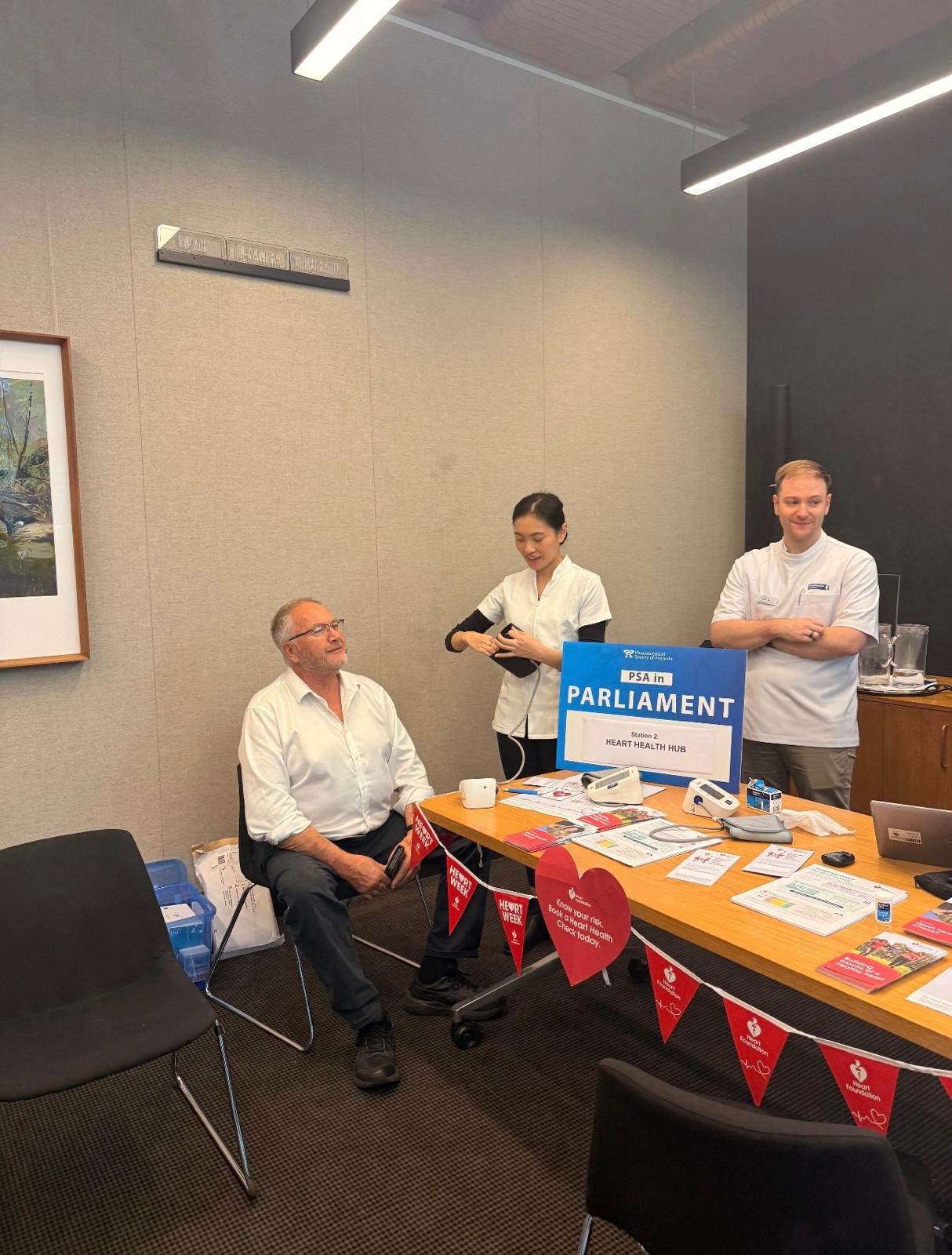
 A pop-up pharmacy clinic offering screening services after breakfast[/caption]


 Claire Antrobus FPS[/caption]

Case scenario
Ram, an 18-year-old male, comes into the pharmacy limping. You approach him and ask if there’s anything you can do to help. He tells you that he cut the bottom of his foot as he jumped into a rock pool. He has rinsed his wound under tap water and asks if there’s anything else you can recommend for first aid. You invite him into a private consultation room and ask for permission to assess his wound. You ask for his medical history, including tetanus vaccination status, which is up to date, and he tells you he has no medical conditions.
Learning objectivesAfter reading this article, pharmacists should be able to:
Competency (2016) standards addressed: 1.1, 1.4, 1.5, 2.2, 3.1, 3.2, 3.5 Accreditation expiry: 30/11/2026 Accreditation number: CAP2312OTCDC |
Already read the CPD in the journal? Scroll to the bottom to SUBMIT ANSWERS.
Introduction
Wounds may be acute or chronic. An acute wound is one where the healing typically proceed
THIS IS A CPD ARTICLE. YOU NEED TO BE A PSA MEMBER AND LOGGED IN TO READ MORE.