

 Gauri Godbole FPS[/caption]

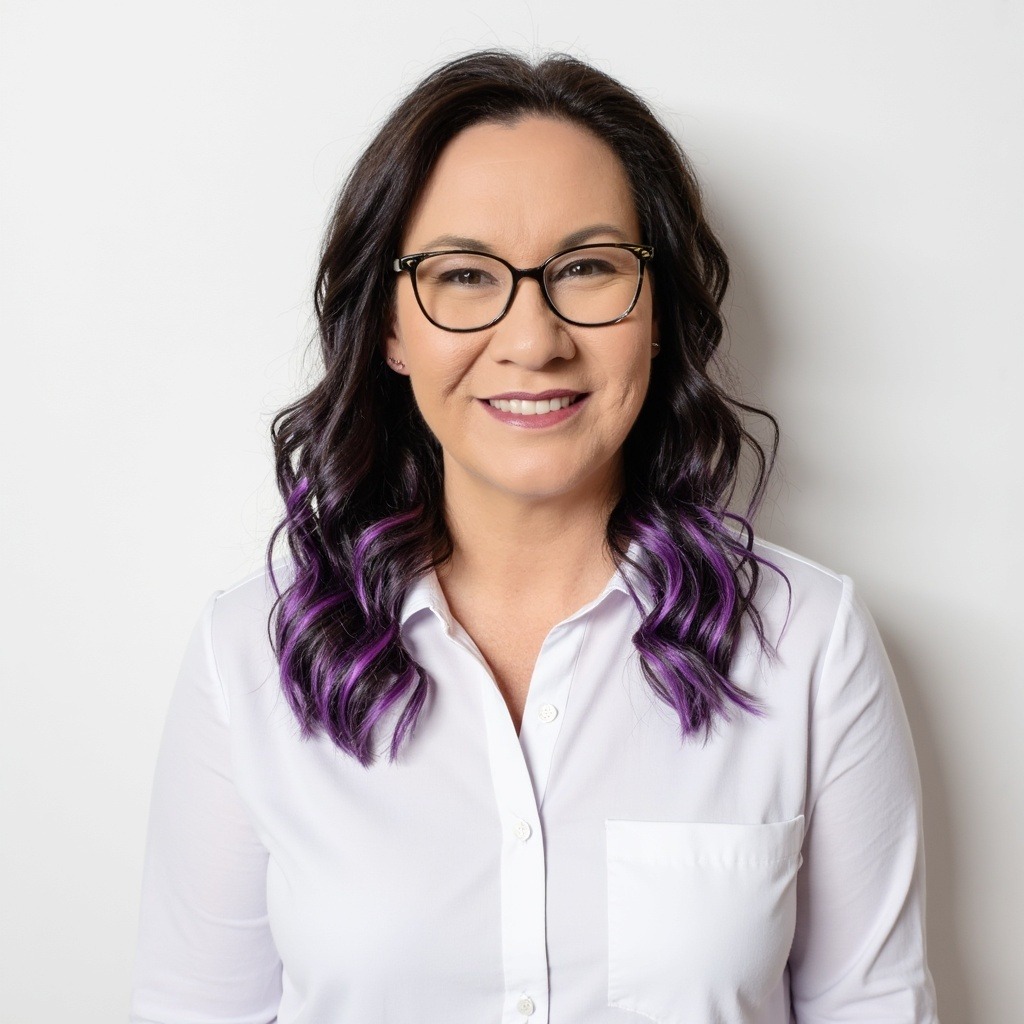 Yvette Anderson (she/her) BPharm, MPS, CredPharm (MMR), ANZCAP (MentalHth, Paeds), CPGx, GradCert Autism[/caption]

 Beyond the core features


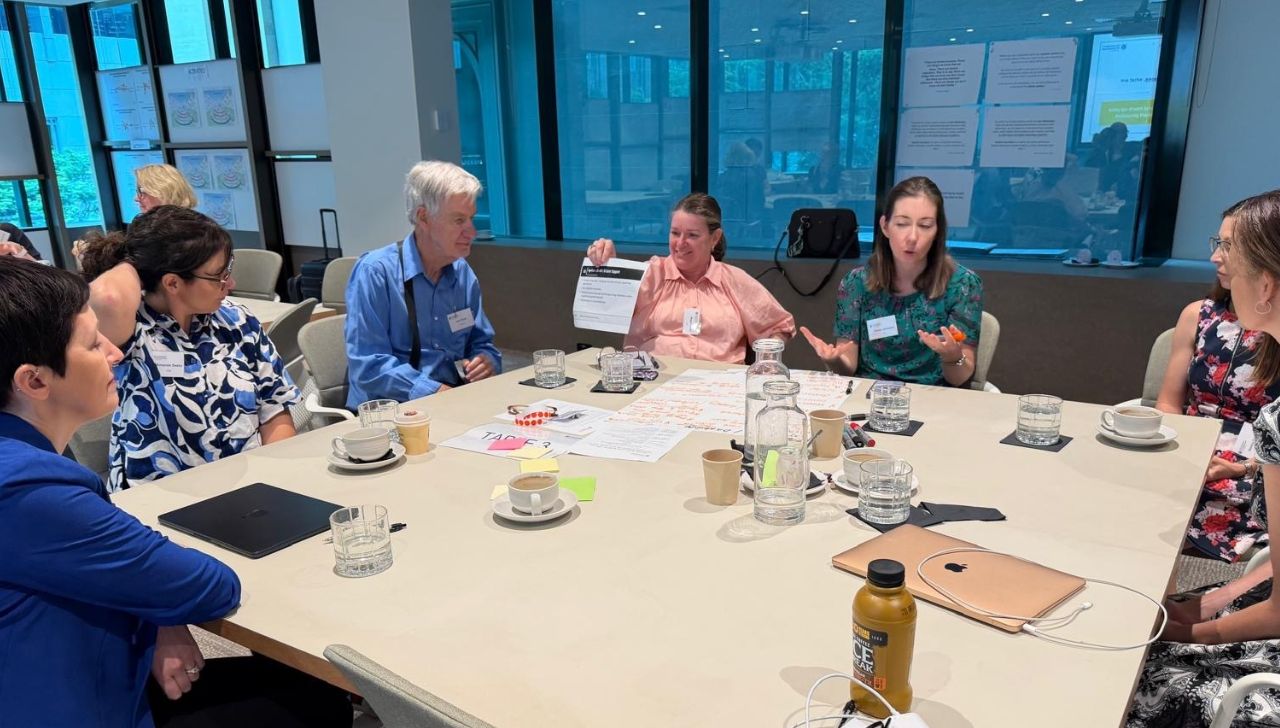 ‘How do we reach them better, and what does that mean for the required skills and competencies of our workforce?’ A/Prof Spinks asked.



For Louise McLean FPS, co-owner of Capital Chemist Southlands, the milestone followed a lengthy approval process.
‘It was 12 months from when we received the phone call from the psychiatrist to say they were ready to submit their TGA Authorised Prescriber application until we dispensed the first prescription,’ she said.

‘But it was very rewarding to be able to be part of offering patients a new treatment option.
‘As a pharmacist, I have always wanted to make treatments more accessible for patients who need them.
‘Psychedelics are part of modern medicine, and we can see how patients will benefit.’
Compliance is key
Psychiatrists must obtain TGA Authorised Prescriber status to work with a patient under the new treatment pathway. They then work in conjunction with a licensed pharmacist to arrange medicine supply.
‘I’ve worked closely with the psychiatrist we’re assisting for some time with medical cannabis and ketamine-assisted psychotherapy,’ Ms McLean said. ‘He is passionate about psychedelic medicine and novel therapies for PTSD and treatment-resistant depression.’
‘Psychedelics are part of modern medicine, and we can see how patients will benefit.’
Louise McLean FPS
Ms McLean, a member of the Australian Medicinal Cannabis Association who has extensive experience managing cannabis prescriptions, said pharmacists considering involvement in psychedelic supply must be prepared for detailed compliance work.
‘You need an appetite to do the hard work involved in ensuring that all the legislative and regulatory requirements are followed,’ she said.
‘I began by contacting the TGA directly and spoke to our territory’s Health Protection Service (HPS) at length.
‘It’s imperative to include your team, who are integral to the success of the service. I am extremely fortunate to have exceptional staff at Capital Chemist Southland who have supported both the implementation and the ongoing delivery of this service.’
For pharmacists in the ACT, handling MDMA and psilocybin requires compliance with the Medicines, Poisons and Therapeutic Goods Act 2008 and the Therapeutic Goods Regulation 2008. In addition, a Schedule 9 Licence is required to obtain and possess prohibited substances. These are also classified as prohibited substances under the Commonwealth Criminal Code.
‘In our case, we [also] needed to obtain a Medicines, Poisons and Therapeutic Good Licence from the Health Protection Service (HPS) in the ACT to obtain and possess MDMA and psilocybin capsules,’ Ms McLean said. ‘That took 5 months and HPS were supportive throughout the process.’
While not all jurisdictions, such as Victoria, require a specific S9 licence, state or territory approvals are still required along with the TGA regulations.
Dispensing psychedelics safely
Before supplying psychedelic medicines, pharmacists need the psychiatrist’s TGA Authorised Prescriber approval paperwork on file to be able to order the medicine.
An additional requirement for prescribing and dispensing of MDMA or psilocybin within the ACT is Chief Officer Health approval specific for the individual patient and prescribed substance.
Patients are not permitted to handle the medicine outside supervised treatment sessions, and strict eligibility criteria must be met before therapy commences.
‘We dispense per treatment session,’ Ms McLean said.
‘Either the doctor collects it from the pharmacy, or we hand-deliver it to his private practice.
‘From our perspective, it’s about ensuring we’re following all licence requirements and having confidence that the doctor is practising legally and ethically.’
The cost of prescribed psychedelics ranges from $100–200 per capsule, with several potentially required per session depending on the dose. The medicines are not listed on the Pharmaceutical Benefits Scheme (PBS), although the Department of Veterans’ Affairs may fund treatment for eligible patients.
Capital Chemist Southlands works closely with a single supplier for both the MDMA and psilocybin capsules, with signature required upon courier delivery.
Stock management also requires care.
‘An MDMA bottle may contain 25 or 50 capsules and demand is, at this stage, very small. We’ve only dispensed it twice for a single patient, with their first treatment in January.’
Managing patient enquiries
Some patients with PTSD and treatment-resistant depression have enquired about alternative treatments, Ms McLean said.
‘It’s not appropriate for us to recommend [these specific treatments],’ she said. ‘If patients specifically ask about these novel therapies, our role is to have a general conversation and refer them to their doctor.’
For Ms McLean, the experience reflects the evolving scope of contemporary pharmacy practice – grounded in compliance, collaboration and patient-centred care.
Pharmacists may wish to contact the relevant state and territory health departments and/or refer to the MDMA and psilocybin hub on the TGA website. See the list of contacts for state/territory medicines & poisons regulation units.
For more information on MDMA and psilocybin complete the AP CPD ‘The therapeutic potential of psychedelics‘.
This article was updated on 24 February 2026 to correct an error. Louise McLean FPS was incorrectly described as the first pharmacist in Australia to manage MDMA and psilocybin capsules for PTSD and treatment-resistant depression. She is the first pharmacist in the ACT to do so.