


 Stewart Mearns MPS[/caption]

 Zara Gul[/caption]


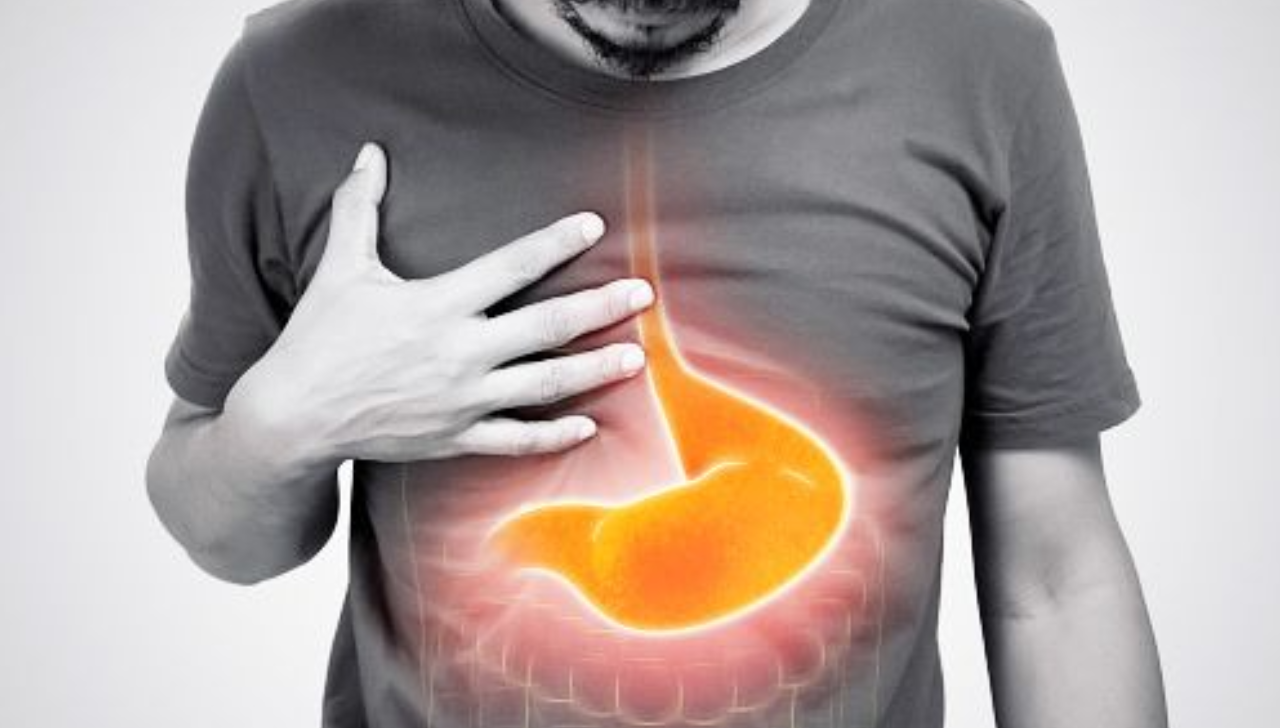
Optimising proton pump inhibitor therapy in pharmacy
Proton pump inhibitors (PPIs) are a widely used pharmacological treatment option for management of gastro-oesophageal reflux.1

While data on PPIs highlighted concerns about long-term use and the need for appropriate prescribing, an analysis of Pharmaceutical Benefits Scheme (PBS) data following the introduction of prescribing restrictions in 2019 suggests that a reliance on PPIs for management of reflux symptoms remains.2
Indeed, PPIs are an effective and well-tolerated pharmacotherapy for reflux and can be used confidently in the correct indications: first-line as a regular therapy for frequent/severe symptoms of gastro-oesophageal reflux disease (GORD), and second-line as an ‘on-demand’ therapy for mild/intermittent gastro-oesophageal reflux symptoms (see Therapeutic Guidelines for further information).1
THIS IS A CPD ARTICLE. YOU NEED TO BE A PSA MEMBER AND LOGGED IN TO READ MORE.