
td_module_mega_menu Object
(
    [post] => WP_Post Object
        (
            [ID] => 32217
            [post_author] => 12503
            [post_date] => 2026-06-01 12:04:52
            [post_date_gmt] => 2026-06-01 02:04:52
            [post_content] => Four of Australia’s leading health peak bodies have united in calling for investment in general practice pharmacists to make medicine use safer and strengthen multidisciplinary care.

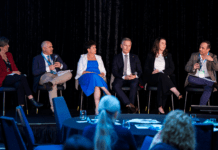
Speaking at an inter-professional panel session at the 2026 GP Pharmacist Symposium today on the Gold Coast, presidents from PSA, Australian Medical Association, Royal Australian College of General Practitioners and Australian Primary Health Care Nurses Association reinforced the clinical need and value of embedding pharmacists within general practice.

The session provided a real-life demonstration of cohesion, bringing together representatives from general practice, medicine, nursing and pharmacy.

Exploring how collaborative healthcare efforts can improve patient care, reduce pressure on hospitals and strengthen the primary care workforce, the panel was made up of extraordinary leaders, including:

td_module_mega_menu Object
(
[post] => WP_Post Object
(
[ID] => 32211
[post_author] => 3410
[post_date] => 2026-06-01 11:39:57
[post_date_gmt] => 2026-06-01 01:39:57
[post_content] => Australia's ADHD medicine supply has stabilised – for now. Here’s what pharmacists need to know before the next shortage hits.
After several years of disruption, Australia's ADHD medicine supply has largely recovered. But the shortages of lisdexamfetamine (Vyvanse) in 2023–24 and methylphenidate in 2025 exposed global supply chain vulnerabilities. With diagnosis rates rising, prescribing arrangements expanding and global manufacturing concentrated overseas, pharmacists may once again find themselves managing the fallout from supply interruptions.
[caption id="attachment_32071" align="alignright" width="300"] Yvette Anderson MPS[/caption]
Yvette Anderson MPS – founder of Spectrum Pharmacist, which sets out to bridge the gap for neurodivergent families – tells AP how preparation, collaboration and neuroaffirming care will be essential when the next shortage arrives.
Yvette Anderson MPS[/caption]
Yvette Anderson MPS – founder of Spectrum Pharmacist, which sets out to bridge the gap for neurodivergent families – tells AP how preparation, collaboration and neuroaffirming care will be essential when the next shortage arrives.
A fragile recovery
The shortages that dominated ADHD care over the past 3 years have largely eased, Ms Anderson said.
‘Except for one particular strength of long-acting methylphenidate (30 mg), which is a bit hit and miss.’
However, the situation remains precarious.
Australia relies heavily on overseas manufacturing for ADHD medicines, with production historically concentrated in Ireland and Germany. Supply is also influenced by annual manufacturing quotas established by the United States Drug Enforcement Administration (DEA), which shape global production volumes for controlled substances.
When the Vyvanse patent expired in the United States in 2023, demand for generic lisdexamfetamine surged – rapidly straining international supply chains. More recently, scrutiny of DEA production quotas under the Make America Healthy Again policy framework contributed to a significant reduction in manufacturing, creating flow-on effects internationally.
Due to international uproar, production recommenced. ‘But it's still not probably at the rate and quantity needed globally, so we're always going to sit in a bit of a precarious area,’ Ms Anderson said.
Demand is surging
While supply remains vulnerable, Australia's ADHD treatment landscape is also undergoing significant change.
Initiation of ADHD medicines was largely restricted to paediatricians and psychiatrists. Now, most states and territories have introduced pathways that allow appropriately trained GPs to diagnose and prescribe ADHD medicines.
'A number of GPs in different states have either already been trained, or their state or territory has put laws in place to allow them to be trained to diagnose and prescribe medications,' Ms Anderson said.
Diagnosis rates are also increasing due to changes in diagnosis criteria. More accessible and affordable treatment pathways will help to ensure patients can receive timely access to care.
Importantly, diagnosis does not automatically lead to pharmacological treatment.
'Just because there is potentially going to be an increase in the number of Australians getting diagnosed, that number won't directly correlate to the same number of increasing supply of medication,' Ms Anderson said. 'Medication is only one tiny piece of your management plan, and for some people, medicines aren't the way they want to go, or they don't suit them, or find them effective,'
Nevertheless, more diagnoses and more prescribers are likely to increase demand for medicines supplied through already fragile global supply chains.
Is it possible to get ahead of shortages?
Yes, and no.
Ms Anderson encourages pharmacies to establish systems that allow them to identify and respond to potential disruptions early. This includes monitoring Therapeutic Goods Administration (TGA) medicine shortage alerts.
Once a shortage is identified, pharmacies can use dispensing records to determine which patients may be affected and begin discussions with prescribers before supplies run out.
‘It's a matter of looking at who the prescribers are and reaching out to them and saying, “The TGA has alerted us to this. We know you have a number of patients on this medication. What can we do as a collaborative to support this transition and this shortage period?”’ Ms Anderson said.
As a hospital pharmacist, she was able to pass on information about ADHD medicine shortages to paediatricians – who opened telehealth appointments to turn scripts around quickly.
‘I also communicated with the community pharmacies in my area to ask: Who has stock? Who doesn't? Can we redirect patients?’ Ms Anderson said. ‘Working together as a community, making sure you're embedded in that multidisciplinary team really pays off when there are medication shortages.’
Switching medicines safely
When ADHD medicines are in short supply, patients may need to adjust their medicines; so it’s crucial to be aware of the various formulations, durations of action and release characteristics of different stimulant products.
‘If someone's stabilised on Ritalin, they may go on Ritalin LA or Concerta – but Concerta's duration of action is longer and Ritalin LA's is shorter – so we need to be considering: does this person work through to 6.00 pm? Do we need some immediate release on top of that?’ Ms Anderson said. ‘It's not a straight switch between the medicines.’
The challenges become greater when patients need to move between stimulant classes, such as from lisdexamfetamine to methylphenidate.
‘I've seen people that have quite significant adverse effects after switching to lisdexamfetamine and a couple of days later being unable to function,’ she said. ‘Even though we know someone might be getting a positive effect from stimulants, it doesn't mean it's going to be the same for all stimulants.’
Where stimulant options become unavailable, non-stimulant medicines such as atomoxetine, guanfacine (Intuniv) and clonidine (off-label) can provide alternative management pathways.
‘These non-stimulant options have really good evidence [of efficacy], but they're probably underutilised,' Ms Anderson said. ‘When we do come to another significant shortage, there's only a handful of stimulant medicines – so we need to be able to talk to patients about other options.’
Learn more about supporting patients through ADHD medicine shortages by attending the ADHD care Session at PSA26, held from 31 July to 2 August at the ICC in Sydney.
[post_title] => How to manage ADHD medicine shortages
[post_excerpt] => Australia's ADHD medicine supply has stabilised – for now. Here’s what pharmacists need to know before ADHD medicine shortages strike again.
[post_status] => publish
[comment_status] => open
[ping_status] => open
[post_password] =>
[post_name] => how-to-manage-adhd-medicine-shortages
[to_ping] =>
[pinged] =>
[post_modified] => 2026-06-01 15:15:51
[post_modified_gmt] => 2026-06-01 05:15:51
[post_content_filtered] =>
[post_parent] => 0
[guid] => https://www.australianpharmacist.com.au/?p=32211
[menu_order] => 0
[post_type] => post
[post_mime_type] =>
[comment_count] => 0
[filter] => raw
)
[title_attribute] => How to manage ADHD medicine shortages
[title] => How to manage ADHD medicine shortages
[href] => https://www.australianpharmacist.com.au/how-to-manage-adhd-medicine-shortages/
[module_atts:td_module:private] => Array
(
)
[td_review:protected] => Array
(
)
[is_review:protected] =>
[post_thumb_id:protected] => 32214
[authorType] =>
)

td_module_mega_menu Object
(
[post] => WP_Post Object
(
[ID] => 32207
[post_author] => 12503
[post_date] => 2026-06-01 11:03:42
[post_date_gmt] => 2026-06-01 01:03:42
[post_content] => Two pharmacists were honoured at PSA’s Consultant Pharmacist Conference (CPC26), held from 29–31 May 2026 on the Gold Coast.
Kelly Abbott MPS was awarded 2026 PSA MIMS Consultant Pharmacist of the Year for her outstanding contribution to consultant pharmacy practice and passion for improving patient care throughout her hometown of Gippsland, Victoria.
Tiernan McDonough MPS, based in South Australia, was named 2026 PSA AMH Aged Care Pharmacist of the Year for excellence, leadership, and innovation in aged care pharmacy.
Tireless HMR advocate
Highly regarded across the industry for her work in delivering Home Medicines Reviews, Residential Medication Management Reviews, and providing Quality Use of Medicines (QUM) services, Ms Abbott’s 15 years of service to consultant pharmacy make her a well-deserving winner of this year’s award.
PSA National President, Professor Mark Naunton MPS, said Ms Abbott epitomises many credentialed pharmacists as a passionate and relentless advocate for HMRs, her patients, and the greater credentialed pharmacist workforce.
‘Kelly has continued to be actively involved in grassroots advocacy, notably in recent months during the First Pharmacy Programs Agreement negotiations led by PSA, ensuring the voices of frontline pharmacists and patients were heard,’ he said.
‘Kelly is a loyal, responsive, and reliable contributor to PSA and the Consultant Pharmacist of Australia working groups, while balancing multiple professional roles and caring for her family.
‘Her contributions to PSA and the profession are honourable. We are proud to recognise Kelly as the PSA MIMS Consultant Pharmacist of the Year and celebrate her significant and ongoing impact.’
Aged care champion
Mr McDonough has been recognised for his ongoing dedication and commitment to aged care pharmacy practice through his support for residents and healthcare teams in delivering medication reviews and QUM services.
PSA National President, Professor Mark Naunton MPS, said Mr McDonough embodies the essential role pharmacists play in aged care.
‘Pharmacists working in aged care are critical to ensuring safe and effective medicines use, but Tiernan’s impact extends beyond the aged care sector in which he practices,’ he said.
‘Tiernan has led an important mentoring program that connects pharmacists within the residential aged care profession, to reduce professional isolation and support further workforce development.
‘His work demonstrates his compassion, leadership, and strong drive for improving care for older Australians.’
[post_title] => Consultant pharmacist excellence awarded
[post_excerpt] => Two pharmacists were honoured at PSA’s Consultant Pharmacist Conference (CPC26), held from 29–31 May 2026 on the Gold Coast.
[post_status] => publish
[comment_status] => open
[ping_status] => open
[post_password] =>
[post_name] => top-consultant-pharmacists-honoured-at-cpc26
[to_ping] =>
[pinged] =>
[post_modified] => 2026-06-01 15:18:21
[post_modified_gmt] => 2026-06-01 05:18:21
[post_content_filtered] =>
[post_parent] => 0
[guid] => https://www.australianpharmacist.com.au/?p=32207
[menu_order] => 0
[post_type] => post
[post_mime_type] =>
[comment_count] => 0
[filter] => raw
)
[title_attribute] => Consultant pharmacist excellence awarded
[title] => Consultant pharmacist excellence awarded
[href] => https://www.australianpharmacist.com.au/top-consultant-pharmacists-honoured-at-cpc26/
[module_atts:td_module:private] => Array
(
)
[td_review:protected] => Array
(
)
[is_review:protected] =>
[post_thumb_id:protected] => 32209
[authorType] =>
)

td_module_mega_menu Object
(
[post] => WP_Post Object
(
[ID] => 32191
[post_author] => 12483
[post_date] => 2026-05-27 13:27:14
[post_date_gmt] => 2026-05-27 03:27:14
[post_content] => Honey may offer safer, more effective and yummier cough relief than many over-the-counter (OTC) medicines.
As winter inches closer, pharmacists are seeing more patients seeking relief from coughs associated with cold and flu season, often asking for an OTC cough syrup or suppressant, or the Pharmacist Only medicine dihydrocodeine (Rikodeine).
But mounting evidence suggests the best therapeutic recommendation might come from the pantry rather than the dispensary.
1. Efficacy and safety of cough medicine called into question
The evidence for oral OTC cough preparations for acute cough is, at best, inconclusive – with clinical trials failing to demonstrate efficacy.
Cough medicines are contraindicated in children under 6 years of age, and use in older children discouraged – with product labels emphasising they should only be used in children aged 6–11 on the advice of a health professional (e.g. pharmacist, nurse, medical practitioner).
They should only be considered if the benefit of their use outweighs the risk, noting that the Therapeutic Goods Administration review that informed these changes highlighted significant safety and efficacy concerns.
Cough medicines are also not appropriate for many adult patients due to medicine interactions, risk of abuse, adverse effects, and other co-existing medical conditions (e.g. asthma, Chronic Obstructive Pulmonary Disease).
Additionally, the Australian Pharmaceutical Formulary and Handbook (APF) advises against combination cough products that mix an antitussive with an expectorant, an antihistamine, or both.
These products tend to contain subtherapeutic doses of each ingredient, and can increase the risk of adverse effects without adding meaningful therapeutic benefit.
2. Honey goes down more than a treat
Most acute coughs are self-limiting, and non-pharmacological management can be recommended, with the aim of chronic cough management being identifying and treating the underlying cause.
Honey is often the superior clinical choice if symptomatic relief is needed. According to the APF, honey relieves cough symptoms in children better than no treatment or placebo, acting as a demulcent by forming a soothing, bioadhesive film over irritated pharyngeal mucosa to blunt the sensory tickle that triggers a cough.
Interestingly, it is thought that the high placebo response seen in trials of cough medicines may be related to the demulcent content (or syrup) of the cough mixture.
A 2022 systematic review found honey to be an effective treatment for cough in children above 12 months of age, with a 2010 randomised controlled trial even finding it to be more effective than dextromethorphan or diphenhydramine at relieving nocturnal cough in children related to upper respiratory tract infections.
The 2023 Cough in Children and Adults: Diagnosis, Assessment and Management (CICADA) Australian Chronic Cough Position Statement Update also strongly recommends minimising the use of other medications for nonspecific or refractory cough in children other than demulcents (i.e. honey).
While honey is a safe first-line recommendation for many patients, including children, it must not be given to infants under 12 months of age due to the risk of infant botulism from Clostridium botulinum spores.
Demulcents like honey are also a safe treatment option for:

td_module_mega_menu Object
(
[post] => WP_Post Object
(
[ID] => 32120
[post_author] => 12074
[post_date] => 2026-05-25 10:53:09
[post_date_gmt] => 2026-05-25 00:53:09
[post_content] => With the expansion of pharmacy vaccination services across Australia, pharmacists are navigating an increasingly layered set of challenges.
Bill Wallace, PSA Pharmacist – Professional Support Adviser, outlines the most common vaccine-related questions that have come through this year.
1. Who can administer FluMist?
The introduction of intranasal influenza vaccine, FluMist, has prompted a wave of questions surrounding eligibility, prescribing and administration requirements.
Funding and eligibility differences between each state and territory are driving many of the inquiries.
‘We have had quite a few inquiries about whether [pharmacists] can administer FluMist to someone under 5 if they've got a prescription, which they can,’ said Mr Wallace.
State differences apply for initiation– Pharmacists in VIC, TAS, NT, and ACT are generally restricted to authorising and administering vaccines only to children aged 5 years and older. Whereas In NSW, WA, QLD, and SA, pharmacists can authorise and administer the influenza vaccine to children aged 2 and older.
Another recurring question is whether pharmacists who are not qualified immunisers can administer FluMist – given it’s administered nasally rather than via an intramuscular injection.
Mr Wallace noted that any vaccine administered by a pharmacist must be delivered by a qualified immuniser.
‘You need to be a qualified immuniser to meet the requirements for administering that particular medication. You'd be hard pressed to justify why you did it if something went wrong,’ said Mr Wallace.
The responsibility extends beyond simple administrative practices, and relates to professional accountability and emergency management responsibilities.
Mr Wallace noted that while serious reactions are rare, pharmacists still need to be prepared for any situation at hand.
‘If you weren't qualified and a claim was made, your insurer and The Australian Health Practitioner Regulation Agency (Ahpra) would have many questions for you about your practice.’
2. Can pharmacists co-administer vaccines?
As Australia’s adult vaccination schedules get more complex, co-administration queries are becoming increasingly common.
‘Timing intervals and co-administration of vaccines is probably one of the more common clinical inquiries,’ Mr Wallace said.
Questions to the advice line often relate to whether vaccines can be given together, which vaccines require spacing, and whether they should be administered in one arm or both.
The National Centre for Immunisation Research and Surveillance guideline for vaccine co-administration and Australian Immunisation Handbook state that while most vaccines can generally be co-administered, separate injection sites should be used where possible, ensuring a distance of 2.5 cm between.
But Mr Wallace suggests pharmacists should also take additional care when reviewing Australian Immunisation Register (AIR) records and confirming patient histories to avoid inadvertent duplication
Particularly for older Australians, co-administration will be increasingly normalised for routine adult vaccinations (e.g. RSV, shingles, pneumoccocal, DTPa etc).
3. Can pharmacists vaccinate interstate?
Interstate practice continues to create a point of tension for pharmacist immunisers as requirements differ significantly between jurisdictions.
There are discrepancies between patient age eligibility, refresher requirements and additional accreditation, meaning pharmacists cannot automatically assume their qualifications transfer across all states and territories.
There are also differences between state and territory legislations which govern interstate pharmacists’ eligibility to administer vaccines, introducing barriers to interstate practice, according to the Immunisation Coalition.
‘Certain states, Tasmania, Victoria, and WA have slightly different training requirements … you need to ensure that you meet local state immunisation requirements prior to providing vaccinations,’ Mr Wallace said.
He stresses the importance of ‘checking what the differences are, and referring to resources like the local state pharmacist vaccination guidelines before administering vaccines’.
In some cases, pharmacists may need to complete an additional online module, although requirements vary. For example, the ACT has a Japanese encephalitis module that is required, and Victoria requires extra training to be able to provide certain travel vaccines.
Complicating matters further, immunisation requirements and eligibility for state and territory programs may change.
4. How do pharmacists maintain immunisation credentials?
Is it a matter of once a pharmacist immuniser, always a pharmacist immuniser?
Not quite.
According to Ahpra and state regulators, pharmacists must undertake annual immunisation-related CPD activities to maintain their currency.
‘Pharmacists must also maintain first aid every 3 years and CPR every 12 months,’ Mr Wallace said.
The PSA offers an online refresher training course which aligns with the current immunisation training. The training program consists of online modules to ensure a pharmacists’ accredited training remains up to date.
‘Some pharmacists did their vaccination courses a long time ago, with a much limited range of vaccines,’ he said.
‘There is also an Immunisation Practical Refresher Workshop that pharmacists can do if they've had a break in practice or want to refresh their technique.’
The online immunisation refresher course allows pharmacists to expand their training to cover all vaccines.
Looking for any answers to your queries? Hit up the Pharmacist Advice Line here.
[post_title] => Top 4 vaccine queries to the P2P Advice Line
[post_excerpt] => With the expansion of pharmacy vaccination services across Australia, pharmacists are navigating an increasingly layered set of challenges.
[post_status] => publish
[comment_status] => open
[ping_status] => open
[post_password] =>
[post_name] => top-4-vaccine-queries-to-the-p2p-advice-line
[to_ping] =>
[pinged] =>
[post_modified] => 2026-05-25 16:11:16
[post_modified_gmt] => 2026-05-25 06:11:16
[post_content_filtered] =>
[post_parent] => 0
[guid] => https://www.australianpharmacist.com.au/?p=32120
[menu_order] => 0
[post_type] => post
[post_mime_type] =>
[comment_count] => 0
[filter] => raw
)
[title_attribute] => Top 4 vaccine queries to the P2P Advice Line
[title] => Top 4 vaccine queries to the P2P Advice Line
[href] => https://www.australianpharmacist.com.au/top-4-vaccine-queries-to-the-p2p-advice-line/
[module_atts:td_module:private] => Array
(
)
[td_review:protected] => Array
(
)
[is_review:protected] =>
[post_thumb_id:protected] => 32124
[authorType] =>
)
td_module_mega_menu Object
(
[post] => WP_Post Object
(
[ID] => 32217
[post_author] => 12503
[post_date] => 2026-06-01 12:04:52
[post_date_gmt] => 2026-06-01 02:04:52
[post_content] => Four of Australia’s leading health peak bodies have united in calling for investment in general practice pharmacists to make medicine use safer and strengthen multidisciplinary care.
Speaking at an inter-professional panel session at the 2026 GP Pharmacist Symposium today on the Gold Coast, presidents from PSA, Australian Medical Association, Royal Australian College of General Practitioners and Australian Primary Health Care Nurses Association reinforced the clinical need and value of embedding pharmacists within general practice.
The session provided a real-life demonstration of cohesion, bringing together representatives from general practice, medicine, nursing and pharmacy.
Exploring how collaborative healthcare efforts can improve patient care, reduce pressure on hospitals and strengthen the primary care workforce, the panel was made up of extraordinary leaders, including:
td_module_mega_menu Object
(
    [post] => WP_Post Object
        (
            [ID] => 32211
            [post_author] => 3410
            [post_date] => 2026-06-01 11:39:57
            [post_date_gmt] => 2026-06-01 01:39:57
            [post_content] => Australia's ADHD medicine supply has stabilised – for now. Here’s what pharmacists need to know before the next shortage hits.

After several years of disruption, Australia's ADHD medicine supply has largely recovered. But the shortages of lisdexamfetamine (Vyvanse) in 2023–24 and methylphenidate in 2025 exposed global supply chain vulnerabilities. With diagnosis rates rising, prescribing arrangements expanding and global manufacturing concentrated overseas, pharmacists may once again find themselves managing the fallout from supply interruptions.

[caption id="attachment_32071" align="alignright" width="300"] Yvette Anderson MPS[/caption]

Yvette Anderson MPS – founder of Spectrum Pharmacist, which sets out to bridge the gap for neurodivergent families – tells AP how preparation, collaboration and neuroaffirming care will be essential when the next shortage arrives.
A fragile recovery
The shortages that dominated ADHD care over the past 3 years have largely eased, Ms Anderson said.

‘Except for one particular strength of long-acting methylphenidate (30 mg), which is a bit hit and miss.’

However, the situation remains precarious.

Australia relies heavily on overseas manufacturing for ADHD medicines, with production historically concentrated in Ireland and Germany. Supply is also influenced by annual manufacturing quotas established by the United States Drug Enforcement Administration (DEA), which shape global production volumes for controlled substances.

When the Vyvanse patent expired in the United States in 2023, demand for generic lisdexamfetamine surged – rapidly straining international supply chains. More recently, scrutiny of DEA production quotas under the Make America Healthy Again policy framework contributed to a significant reduction in manufacturing, creating flow-on effects internationally.

Due to international uproar, production recommenced. ‘But it's still not probably at the rate and quantity needed globally, so we're always going to sit in a bit of a precarious area,’ Ms Anderson said.
Demand is surging
While supply remains vulnerable, Australia's ADHD treatment landscape is also undergoing significant change.

Initiation of ADHD medicines was largely restricted to paediatricians and psychiatrists. Now, most states and territories have introduced pathways that allow appropriately trained GPs to diagnose and prescribe ADHD medicines.

'A number of GPs in different states have either already been trained, or their state or territory has put laws in place to allow them to be trained to diagnose and prescribe medications,' Ms Anderson said.

Diagnosis rates are also increasing due to changes in diagnosis criteria. More accessible and affordable treatment pathways will help to ensure patients can receive timely access to care.

Importantly, diagnosis does not automatically lead to pharmacological treatment.

'Just because there is potentially going to be an increase in the number of Australians getting diagnosed, that number won't directly correlate to the same number of increasing supply of medication,' Ms Anderson said. 'Medication is only one tiny piece of your management plan, and for some people, medicines aren't the way they want to go, or they don't suit them, or find them effective,'

Nevertheless, more diagnoses and more prescribers are likely to increase demand for medicines supplied through already fragile global supply chains.
Is it possible to get ahead of shortages?
Yes, and no.

Ms Anderson encourages pharmacies to establish systems that allow them to identify and respond to potential disruptions early. This includes monitoring Therapeutic Goods Administration (TGA) medicine shortage alerts.

Once a shortage is identified, pharmacies can use dispensing records to determine which patients may be affected and begin discussions with prescribers before supplies run out.

‘It's a matter of looking at who the prescribers are and reaching out to them and saying, “The TGA has alerted us to this. We know you have a number of patients on this medication. What can we do as a collaborative to support this transition and this shortage period?”’ Ms Anderson said.

As a hospital pharmacist, she was able to pass on information about ADHD medicine shortages to paediatricians – who opened telehealth appointments to turn scripts around quickly.

‘I also communicated with the community pharmacies in my area to ask: Who has stock? Who doesn't? Can we redirect patients?’ Ms Anderson said. ‘Working together as a community, making sure you're embedded in that multidisciplinary team really pays off when there are medication shortages.’
Switching medicines safely
When ADHD medicines are in short supply, patients may need to adjust their medicines; so it’s crucial to be aware of the various formulations, durations of action and release characteristics of different stimulant products.

‘If someone's stabilised on Ritalin, they may go on Ritalin LA or Concerta – but Concerta's duration of action is longer and Ritalin LA's is shorter – so we need to be considering: does this person work through to 6.00 pm? Do we need some immediate release on top of that?’ Ms Anderson said. ‘It's not a straight switch between the medicines.’

The challenges become greater when patients need to move between stimulant classes, such as from lisdexamfetamine to methylphenidate.

‘I've seen people that have quite significant adverse effects after switching to lisdexamfetamine and a couple of days later being unable to function,’ she said. ‘Even though we know someone might be getting a positive effect from stimulants, it doesn't mean it's going to be the same for all stimulants.’

Where stimulant options become unavailable, non-stimulant medicines such as atomoxetine, guanfacine (Intuniv) and clonidine (off-label) can provide alternative management pathways.

‘These non-stimulant options have really good evidence [of efficacy], but they're probably underutilised,' Ms Anderson said. ‘When we do come to another significant shortage, there's only a handful of stimulant medicines – so we need to be able to talk to patients about other options.’

Learn more about supporting patients through ADHD medicine shortages by attending the ADHD care Session at PSA26, held from 31 July to 2 August at the ICC in Sydney.
            [post_title] => How to manage ADHD medicine shortages
            [post_excerpt] => Australia's ADHD medicine supply has stabilised – for now. Here’s what pharmacists need to know before ADHD medicine shortages strike again.
            [post_status] => publish
            [comment_status] => open
            [ping_status] => open
            [post_password] =>
            [post_name] => how-to-manage-adhd-medicine-shortages
            [to_ping] =>
            [pinged] =>
            [post_modified] => 2026-06-01 15:15:51
            [post_modified_gmt] => 2026-06-01 05:15:51
            [post_content_filtered] =>
            [post_parent] => 0
            [guid] => https://www.australianpharmacist.com.au/?p=32211
            [menu_order] => 0
            [post_type] => post
            [post_mime_type] =>
            [comment_count] => 0
            [filter] => raw
        )

    [title_attribute] => How to manage ADHD medicine shortages
    [title] => How to manage ADHD medicine shortages
    [href] => https://www.australianpharmacist.com.au/how-to-manage-adhd-medicine-shortages/
    [module_atts:td_module:private] => Array
        (
        )

    [td_review:protected] => Array
        (
        )

    [is_review:protected] =>
    [post_thumb_id:protected] => 32214
    [authorType] =>
)
td_module_mega_menu Object
(
    [post] => WP_Post Object
        (
            [ID] => 32207
            [post_author] => 12503
            [post_date] => 2026-06-01 11:03:42
            [post_date_gmt] => 2026-06-01 01:03:42
            [post_content] => Two pharmacists were honoured at PSA’s Consultant Pharmacist Conference (CPC26), held from 29–31 May 2026 on the Gold Coast.

Kelly Abbott MPS was awarded 2026 PSA MIMS Consultant Pharmacist of the Year for her outstanding contribution to consultant pharmacy practice and passion for improving patient care throughout her hometown of Gippsland, Victoria.

Tiernan McDonough MPS, based in South Australia, was named 2026 PSA AMH Aged Care Pharmacist of the Year for excellence, leadership, and innovation in aged care pharmacy.
Tireless HMR advocate
Highly regarded across the industry for her work in delivering Home Medicines Reviews, Residential Medication Management Reviews, and providing Quality Use of Medicines (QUM) services, Ms Abbott’s 15 years of service to consultant pharmacy make her a well-deserving winner of this year’s award.

PSA National President, Professor Mark Naunton MPS, said Ms Abbott epitomises many credentialed pharmacists as a passionate and relentless advocate for HMRs, her patients, and the greater credentialed pharmacist workforce.

‘Kelly has continued to be actively involved in grassroots advocacy, notably in recent months during the First Pharmacy Programs Agreement negotiations led by PSA, ensuring the voices of frontline pharmacists and patients were heard,’ he said.

‘Kelly is a loyal, responsive, and reliable contributor to PSA and the Consultant Pharmacist of Australia working groups, while balancing multiple professional roles and caring for her family.

‘Her contributions to PSA and the profession are honourable. We are proud to recognise Kelly as the PSA MIMS Consultant Pharmacist of the Year and celebrate her significant and ongoing impact.’
Aged care champion
Mr McDonough has been recognised for his ongoing dedication and commitment to aged care pharmacy practice through his support for residents and healthcare teams in delivering medication reviews and QUM services.

PSA National President, Professor Mark Naunton MPS, said Mr McDonough embodies the essential role pharmacists play in aged care.

‘Pharmacists working in aged care are critical to ensuring safe and effective medicines use, but Tiernan’s impact extends beyond the aged care sector in which he practices,’ he said.

‘Tiernan has led an important mentoring program that connects pharmacists within the residential aged care profession, to reduce professional isolation and support further workforce development.

‘His work demonstrates his compassion, leadership, and strong drive for improving care for older Australians.’
            [post_title] => Consultant pharmacist excellence awarded
            [post_excerpt] => Two pharmacists were honoured at PSA’s Consultant Pharmacist Conference (CPC26), held from 29–31 May 2026 on the Gold Coast.
            [post_status] => publish
            [comment_status] => open
            [ping_status] => open
            [post_password] =>
            [post_name] => top-consultant-pharmacists-honoured-at-cpc26
            [to_ping] =>
            [pinged] =>
            [post_modified] => 2026-06-01 15:18:21
            [post_modified_gmt] => 2026-06-01 05:18:21
            [post_content_filtered] =>
            [post_parent] => 0
            [guid] => https://www.australianpharmacist.com.au/?p=32207
            [menu_order] => 0
            [post_type] => post
            [post_mime_type] =>
            [comment_count] => 0
            [filter] => raw
        )

    [title_attribute] => Consultant pharmacist excellence awarded
    [title] => Consultant pharmacist excellence awarded
    [href] => https://www.australianpharmacist.com.au/top-consultant-pharmacists-honoured-at-cpc26/
    [module_atts:td_module:private] => Array
        (
        )

    [td_review:protected] => Array
        (
        )

    [is_review:protected] =>
    [post_thumb_id:protected] => 32209
    [authorType] =>
)
td_module_mega_menu Object
(
    [post] => WP_Post Object
        (
            [ID] => 32191
            [post_author] => 12483
            [post_date] => 2026-05-27 13:27:14
            [post_date_gmt] => 2026-05-27 03:27:14
            [post_content] => Honey may offer safer, more effective and yummier cough relief than many over-the-counter (OTC) medicines.

As winter inches closer, pharmacists are seeing more patients seeking relief from coughs associated with cold and flu season, often asking for an OTC cough syrup or suppressant, or the Pharmacist Only medicine dihydrocodeine (Rikodeine).

But mounting evidence suggests the best therapeutic recommendation might come from the pantry rather than the dispensary.
1. Efficacy and safety of cough medicine called into question
The evidence for oral OTC cough preparations for acute cough is, at best, inconclusive – with clinical trials failing to demonstrate efficacy.

Cough medicines are contraindicated in children under 6 years of age, and use in older children discouraged – with product labels emphasising they should only be used in children aged 6–11 on the advice of a health professional (e.g. pharmacist, nurse, medical practitioner).

They should only be considered if the benefit of their use outweighs the risk, noting that the Therapeutic Goods Administration review that informed these changes highlighted significant safety and efficacy concerns.

Cough medicines are also not appropriate for many adult patients due to medicine interactions, risk of abuse, adverse effects, and other co-existing medical conditions (e.g. asthma, Chronic Obstructive Pulmonary Disease).

Additionally, the Australian Pharmaceutical Formulary and Handbook (APF) advises against combination cough products that mix an antitussive with an expectorant, an antihistamine, or both.

These products tend to contain subtherapeutic doses of each ingredient, and can increase the risk of adverse effects without adding meaningful therapeutic benefit.
2. Honey goes down more than a treat
Most acute coughs are self-limiting, and non-pharmacological management can be recommended, with the aim of chronic cough management being identifying and treating the underlying cause.

Honey is often the superior clinical choice if symptomatic relief is needed. According to the APF, honey relieves cough symptoms in children better than no treatment or placebo, acting as a demulcent by forming a soothing, bioadhesive film over irritated pharyngeal mucosa to blunt the sensory tickle that triggers a cough.

Interestingly, it is thought that the high placebo response seen in trials of cough medicines may be related to the demulcent content (or syrup) of the cough mixture.

A 2022 systematic review found honey to be an effective treatment for cough in children above 12 months of age, with a 2010 randomised controlled trial even finding it to be more effective than dextromethorphan or diphenhydramine at relieving nocturnal cough in children related to upper respiratory tract infections.

The 2023 Cough in Children and Adults: Diagnosis, Assessment and Management (CICADA) Australian Chronic Cough Position Statement Update also strongly recommends minimising the use of other medications for nonspecific or refractory cough in children other than demulcents (i.e. honey).

While honey is a safe first-line recommendation for many patients, including children, it must not be given to infants under 12 months of age due to the risk of infant botulism from Clostridium botulinum spores.

Demulcents like honey are also a safe treatment option for:
td_module_mega_menu Object
(
    [post] => WP_Post Object
        (
            [ID] => 32120
            [post_author] => 12074
            [post_date] => 2026-05-25 10:53:09
            [post_date_gmt] => 2026-05-25 00:53:09
            [post_content] => With the expansion of pharmacy vaccination services across Australia, pharmacists are navigating an increasingly layered set of challenges.

Bill Wallace, PSA Pharmacist – Professional Support Adviser, outlines the most common vaccine-related questions that have come through this year.
1. Who can administer FluMist?
The introduction of intranasal influenza vaccine, FluMist, has prompted a wave of questions surrounding eligibility, prescribing and administration requirements.

Funding and eligibility differences between each state and territory are driving many of the inquiries.

‘We have had quite a few inquiries about whether [pharmacists] can administer FluMist to someone under 5 if they've got a prescription, which they can,’ said Mr Wallace.

State differences apply for initiation– Pharmacists in VIC, TAS, NT, and ACT are generally restricted to authorising and administering vaccines only to children aged 5 years and older. Whereas In NSW, WA, QLD, and SA, pharmacists can authorise and administer the influenza vaccine to children aged 2 and older.

Another recurring question is whether pharmacists who are not qualified immunisers can administer FluMist – given it’s administered nasally rather than via an intramuscular injection.

Mr Wallace noted that any vaccine administered by a pharmacist must be delivered by a qualified immuniser.

‘You need to be a qualified immuniser to meet the requirements for administering that particular medication. You'd be hard pressed to justify why you did it if something went wrong,’ said Mr Wallace.

The responsibility extends beyond simple administrative practices, and relates to professional accountability and emergency management responsibilities.

Mr Wallace noted that while serious reactions are rare, pharmacists still need to be prepared for any situation at hand.

‘If you weren't qualified and a claim was made, your insurer and The Australian Health Practitioner Regulation Agency (Ahpra) would have many questions for you about your practice.’
2. Can pharmacists co-administer vaccines?
As Australia’s adult vaccination schedules get more complex, co-administration queries are becoming increasingly common.

‘Timing intervals and co-administration of vaccines is probably one of the more common clinical inquiries,’ Mr Wallace said.

Questions to the advice line often relate to whether vaccines can be given together, which vaccines require spacing, and whether they should be administered in one arm or both.

The National Centre for Immunisation Research and Surveillance guideline for vaccine co-administration and Australian Immunisation Handbook state that while most vaccines can generally be co-administered, separate injection sites should be used where possible,  ensuring a distance of 2.5 cm between.

But Mr Wallace suggests pharmacists should also take additional care when reviewing Australian Immunisation Register (AIR) records and confirming patient histories to avoid inadvertent duplication

Particularly for older Australians, co-administration will be increasingly normalised for  routine adult vaccinations (e.g. RSV, shingles, pneumoccocal, DTPa etc).
3. Can pharmacists vaccinate interstate?
Interstate practice continues to create a point of tension for pharmacist immunisers as requirements differ significantly between jurisdictions.

There are discrepancies between patient age eligibility, refresher requirements and additional accreditation, meaning pharmacists cannot automatically assume their qualifications transfer across all states and territories.

There are also differences between state and territory legislations which govern interstate pharmacists’ eligibility to administer vaccines, introducing barriers to interstate practice, according to the Immunisation Coalition.

‘Certain states, Tasmania, Victoria, and WA have slightly different training requirements … you need to ensure that you meet local state immunisation requirements prior to providing vaccinations,’ Mr Wallace said.

He stresses the importance of ‘checking what the differences are, and referring to resources like the local state pharmacist vaccination guidelines before administering vaccines’.

In some cases, pharmacists may need to complete an additional online module, although requirements vary. For example, the ACT has a Japanese encephalitis module that is required, and Victoria requires extra training to be able to provide certain travel vaccines.

Complicating matters further, immunisation requirements and eligibility for state and territory programs may change.
4. How do pharmacists maintain immunisation credentials?
Is it a matter of once a pharmacist immuniser, always a pharmacist immuniser?

Not quite.

According to Ahpra and state regulators, pharmacists must undertake annual immunisation-related CPD activities to maintain their currency.

‘Pharmacists must also maintain first aid every 3 years and CPR every 12 months,’ Mr Wallace said.

The PSA offers an online refresher training course which aligns with the current immunisation training. The training program consists of online modules to ensure a pharmacists’ accredited training remains up to date.

‘Some pharmacists did their vaccination courses a long time ago, with a much limited range of vaccines,’ he said.

‘There is also an Immunisation Practical Refresher Workshop that pharmacists can do if they've had a break in practice or want to refresh their technique.’

The online immunisation refresher course allows pharmacists to expand their training to cover all vaccines.

Looking for any answers to your queries? Hit up the Pharmacist Advice Line here.
            [post_title] => Top 4 vaccine queries to the P2P Advice Line
            [post_excerpt] => With the expansion of pharmacy vaccination services across Australia, pharmacists are navigating an increasingly layered set of challenges.
            [post_status] => publish
            [comment_status] => open
            [ping_status] => open
            [post_password] =>
            [post_name] => top-4-vaccine-queries-to-the-p2p-advice-line
            [to_ping] =>
            [pinged] =>
            [post_modified] => 2026-05-25 16:11:16
            [post_modified_gmt] => 2026-05-25 06:11:16
            [post_content_filtered] =>
            [post_parent] => 0
            [guid] => https://www.australianpharmacist.com.au/?p=32120
            [menu_order] => 0
            [post_type] => post
            [post_mime_type] =>
            [comment_count] => 0
            [filter] => raw
        )

    [title_attribute] => Top 4 vaccine queries to the P2P Advice Line
    [title] => Top 4 vaccine queries to the P2P Advice Line
    [href] => https://www.australianpharmacist.com.au/top-4-vaccine-queries-to-the-p2p-advice-line/
    [module_atts:td_module:private] => Array
        (
        )

    [td_review:protected] => Array
        (
        )

    [is_review:protected] =>
    [post_thumb_id:protected] => 32124
    [authorType] =>
)
td_module_mega_menu Object
(
    [post] => WP_Post Object
        (
            [ID] => 32217
            [post_author] => 12503
            [post_date] => 2026-06-01 12:04:52
            [post_date_gmt] => 2026-06-01 02:04:52
            [post_content] => Four of Australia’s leading health peak bodies have united in calling for investment in general practice pharmacists to make medicine use safer and strengthen multidisciplinary care.

Speaking at an inter-professional panel session at the 2026 GP Pharmacist Symposium today on the Gold Coast, presidents from PSA, Australian Medical Association, Royal Australian College of General Practitioners and Australian Primary Health Care Nurses Association reinforced the clinical need and value of embedding pharmacists within general practice.

The session provided a real-life demonstration of cohesion, bringing together representatives from general practice, medicine, nursing and pharmacy.

Exploring how collaborative healthcare efforts can improve patient care, reduce pressure on hospitals and strengthen the primary care workforce, the panel was made up of extraordinary leaders, including:
td_module_mega_menu Object
(
    [post] => WP_Post Object
        (
            [ID] => 32211
            [post_author] => 3410
            [post_date] => 2026-06-01 11:39:57
            [post_date_gmt] => 2026-06-01 01:39:57
            [post_content] => Australia's ADHD medicine supply has stabilised – for now. Here’s what pharmacists need to know before the next shortage hits.

After several years of disruption, Australia's ADHD medicine supply has largely recovered. But the shortages of lisdexamfetamine (Vyvanse) in 2023–24 and methylphenidate in 2025 exposed global supply chain vulnerabilities. With diagnosis rates rising, prescribing arrangements expanding and global manufacturing concentrated overseas, pharmacists may once again find themselves managing the fallout from supply interruptions.

[caption id="attachment_32071" align="alignright" width="300"] Yvette Anderson MPS[/caption]

Yvette Anderson MPS – founder of Spectrum Pharmacist, which sets out to bridge the gap for neurodivergent families – tells AP how preparation, collaboration and neuroaffirming care will be essential when the next shortage arrives.
A fragile recovery
The shortages that dominated ADHD care over the past 3 years have largely eased, Ms Anderson said.

‘Except for one particular strength of long-acting methylphenidate (30 mg), which is a bit hit and miss.’

However, the situation remains precarious.

Australia relies heavily on overseas manufacturing for ADHD medicines, with production historically concentrated in Ireland and Germany. Supply is also influenced by annual manufacturing quotas established by the United States Drug Enforcement Administration (DEA), which shape global production volumes for controlled substances.

When the Vyvanse patent expired in the United States in 2023, demand for generic lisdexamfetamine surged – rapidly straining international supply chains. More recently, scrutiny of DEA production quotas under the Make America Healthy Again policy framework contributed to a significant reduction in manufacturing, creating flow-on effects internationally.

Due to international uproar, production recommenced. ‘But it's still not probably at the rate and quantity needed globally, so we're always going to sit in a bit of a precarious area,’ Ms Anderson said.
Demand is surging
While supply remains vulnerable, Australia's ADHD treatment landscape is also undergoing significant change.

Initiation of ADHD medicines was largely restricted to paediatricians and psychiatrists. Now, most states and territories have introduced pathways that allow appropriately trained GPs to diagnose and prescribe ADHD medicines.

'A number of GPs in different states have either already been trained, or their state or territory has put laws in place to allow them to be trained to diagnose and prescribe medications,' Ms Anderson said.

Diagnosis rates are also increasing due to changes in diagnosis criteria. More accessible and affordable treatment pathways will help to ensure patients can receive timely access to care.

Importantly, diagnosis does not automatically lead to pharmacological treatment.

'Just because there is potentially going to be an increase in the number of Australians getting diagnosed, that number won't directly correlate to the same number of increasing supply of medication,' Ms Anderson said. 'Medication is only one tiny piece of your management plan, and for some people, medicines aren't the way they want to go, or they don't suit them, or find them effective,'

Nevertheless, more diagnoses and more prescribers are likely to increase demand for medicines supplied through already fragile global supply chains.
Is it possible to get ahead of shortages?
Yes, and no.

Ms Anderson encourages pharmacies to establish systems that allow them to identify and respond to potential disruptions early. This includes monitoring Therapeutic Goods Administration (TGA) medicine shortage alerts.

Once a shortage is identified, pharmacies can use dispensing records to determine which patients may be affected and begin discussions with prescribers before supplies run out.

‘It's a matter of looking at who the prescribers are and reaching out to them and saying, “The TGA has alerted us to this. We know you have a number of patients on this medication. What can we do as a collaborative to support this transition and this shortage period?”’ Ms Anderson said.

As a hospital pharmacist, she was able to pass on information about ADHD medicine shortages to paediatricians – who opened telehealth appointments to turn scripts around quickly.

‘I also communicated with the community pharmacies in my area to ask: Who has stock? Who doesn't? Can we redirect patients?’ Ms Anderson said. ‘Working together as a community, making sure you're embedded in that multidisciplinary team really pays off when there are medication shortages.’
Switching medicines safely
When ADHD medicines are in short supply, patients may need to adjust their medicines; so it’s crucial to be aware of the various formulations, durations of action and release characteristics of different stimulant products.

‘If someone's stabilised on Ritalin, they may go on Ritalin LA or Concerta – but Concerta's duration of action is longer and Ritalin LA's is shorter – so we need to be considering: does this person work through to 6.00 pm? Do we need some immediate release on top of that?’ Ms Anderson said. ‘It's not a straight switch between the medicines.’

The challenges become greater when patients need to move between stimulant classes, such as from lisdexamfetamine to methylphenidate.

‘I've seen people that have quite significant adverse effects after switching to lisdexamfetamine and a couple of days later being unable to function,’ she said. ‘Even though we know someone might be getting a positive effect from stimulants, it doesn't mean it's going to be the same for all stimulants.’

Where stimulant options become unavailable, non-stimulant medicines such as atomoxetine, guanfacine (Intuniv) and clonidine (off-label) can provide alternative management pathways.

‘These non-stimulant options have really good evidence [of efficacy], but they're probably underutilised,' Ms Anderson said. ‘When we do come to another significant shortage, there's only a handful of stimulant medicines – so we need to be able to talk to patients about other options.’

Learn more about supporting patients through ADHD medicine shortages by attending the ADHD care Session at PSA26, held from 31 July to 2 August at the ICC in Sydney.
            [post_title] => How to manage ADHD medicine shortages
            [post_excerpt] => Australia's ADHD medicine supply has stabilised – for now. Here’s what pharmacists need to know before ADHD medicine shortages strike again.
            [post_status] => publish
            [comment_status] => open
            [ping_status] => open
            [post_password] =>
            [post_name] => how-to-manage-adhd-medicine-shortages
            [to_ping] =>
            [pinged] =>
            [post_modified] => 2026-06-01 15:15:51
            [post_modified_gmt] => 2026-06-01 05:15:51
            [post_content_filtered] =>
            [post_parent] => 0
            [guid] => https://www.australianpharmacist.com.au/?p=32211
            [menu_order] => 0
            [post_type] => post
            [post_mime_type] =>
            [comment_count] => 0
            [filter] => raw
        )

    [title_attribute] => How to manage ADHD medicine shortages
    [title] => How to manage ADHD medicine shortages
    [href] => https://www.australianpharmacist.com.au/how-to-manage-adhd-medicine-shortages/
    [module_atts:td_module:private] => Array
        (
        )

    [td_review:protected] => Array
        (
        )

    [is_review:protected] =>
    [post_thumb_id:protected] => 32214
    [authorType] =>
)
td_module_mega_menu Object
(
    [post] => WP_Post Object
        (
            [ID] => 32207
            [post_author] => 12503
            [post_date] => 2026-06-01 11:03:42
            [post_date_gmt] => 2026-06-01 01:03:42
            [post_content] => Two pharmacists were honoured at PSA’s Consultant Pharmacist Conference (CPC26), held from 29–31 May 2026 on the Gold Coast.

Kelly Abbott MPS was awarded 2026 PSA MIMS Consultant Pharmacist of the Year for her outstanding contribution to consultant pharmacy practice and passion for improving patient care throughout her hometown of Gippsland, Victoria.

Tiernan McDonough MPS, based in South Australia, was named 2026 PSA AMH Aged Care Pharmacist of the Year for excellence, leadership, and innovation in aged care pharmacy.
Tireless HMR advocate
Highly regarded across the industry for her work in delivering Home Medicines Reviews, Residential Medication Management Reviews, and providing Quality Use of Medicines (QUM) services, Ms Abbott’s 15 years of service to consultant pharmacy make her a well-deserving winner of this year’s award.

PSA National President, Professor Mark Naunton MPS, said Ms Abbott epitomises many credentialed pharmacists as a passionate and relentless advocate for HMRs, her patients, and the greater credentialed pharmacist workforce.

‘Kelly has continued to be actively involved in grassroots advocacy, notably in recent months during the First Pharmacy Programs Agreement negotiations led by PSA, ensuring the voices of frontline pharmacists and patients were heard,’ he said.

‘Kelly is a loyal, responsive, and reliable contributor to PSA and the Consultant Pharmacist of Australia working groups, while balancing multiple professional roles and caring for her family.

‘Her contributions to PSA and the profession are honourable. We are proud to recognise Kelly as the PSA MIMS Consultant Pharmacist of the Year and celebrate her significant and ongoing impact.’
Aged care champion
Mr McDonough has been recognised for his ongoing dedication and commitment to aged care pharmacy practice through his support for residents and healthcare teams in delivering medication reviews and QUM services.

PSA National President, Professor Mark Naunton MPS, said Mr McDonough embodies the essential role pharmacists play in aged care.

‘Pharmacists working in aged care are critical to ensuring safe and effective medicines use, but Tiernan’s impact extends beyond the aged care sector in which he practices,’ he said.

‘Tiernan has led an important mentoring program that connects pharmacists within the residential aged care profession, to reduce professional isolation and support further workforce development.

‘His work demonstrates his compassion, leadership, and strong drive for improving care for older Australians.’
            [post_title] => Consultant pharmacist excellence awarded
            [post_excerpt] => Two pharmacists were honoured at PSA’s Consultant Pharmacist Conference (CPC26), held from 29–31 May 2026 on the Gold Coast.
            [post_status] => publish
            [comment_status] => open
            [ping_status] => open
            [post_password] =>
            [post_name] => top-consultant-pharmacists-honoured-at-cpc26
            [to_ping] =>
            [pinged] =>
            [post_modified] => 2026-06-01 15:18:21
            [post_modified_gmt] => 2026-06-01 05:18:21
            [post_content_filtered] =>
            [post_parent] => 0
            [guid] => https://www.australianpharmacist.com.au/?p=32207
            [menu_order] => 0
            [post_type] => post
            [post_mime_type] =>
            [comment_count] => 0
            [filter] => raw
        )

    [title_attribute] => Consultant pharmacist excellence awarded
    [title] => Consultant pharmacist excellence awarded
    [href] => https://www.australianpharmacist.com.au/top-consultant-pharmacists-honoured-at-cpc26/
    [module_atts:td_module:private] => Array
        (
        )

    [td_review:protected] => Array
        (
        )

    [is_review:protected] =>
    [post_thumb_id:protected] => 32209
    [authorType] =>
)
td_module_mega_menu Object
(
    [post] => WP_Post Object
        (
            [ID] => 32191
            [post_author] => 12483
            [post_date] => 2026-05-27 13:27:14
            [post_date_gmt] => 2026-05-27 03:27:14
            [post_content] => Honey may offer safer, more effective and yummier cough relief than many over-the-counter (OTC) medicines.

As winter inches closer, pharmacists are seeing more patients seeking relief from coughs associated with cold and flu season, often asking for an OTC cough syrup or suppressant, or the Pharmacist Only medicine dihydrocodeine (Rikodeine).

But mounting evidence suggests the best therapeutic recommendation might come from the pantry rather than the dispensary.
1. Efficacy and safety of cough medicine called into question
The evidence for oral OTC cough preparations for acute cough is, at best, inconclusive – with clinical trials failing to demonstrate efficacy.

Cough medicines are contraindicated in children under 6 years of age, and use in older children discouraged – with product labels emphasising they should only be used in children aged 6–11 on the advice of a health professional (e.g. pharmacist, nurse, medical practitioner).

They should only be considered if the benefit of their use outweighs the risk, noting that the Therapeutic Goods Administration review that informed these changes highlighted significant safety and efficacy concerns.

Cough medicines are also not appropriate for many adult patients due to medicine interactions, risk of abuse, adverse effects, and other co-existing medical conditions (e.g. asthma, Chronic Obstructive Pulmonary Disease).

Additionally, the Australian Pharmaceutical Formulary and Handbook (APF) advises against combination cough products that mix an antitussive with an expectorant, an antihistamine, or both.

These products tend to contain subtherapeutic doses of each ingredient, and can increase the risk of adverse effects without adding meaningful therapeutic benefit.
2. Honey goes down more than a treat
Most acute coughs are self-limiting, and non-pharmacological management can be recommended, with the aim of chronic cough management being identifying and treating the underlying cause.

Honey is often the superior clinical choice if symptomatic relief is needed. According to the APF, honey relieves cough symptoms in children better than no treatment or placebo, acting as a demulcent by forming a soothing, bioadhesive film over irritated pharyngeal mucosa to blunt the sensory tickle that triggers a cough.

Interestingly, it is thought that the high placebo response seen in trials of cough medicines may be related to the demulcent content (or syrup) of the cough mixture.

A 2022 systematic review found honey to be an effective treatment for cough in children above 12 months of age, with a 2010 randomised controlled trial even finding it to be more effective than dextromethorphan or diphenhydramine at relieving nocturnal cough in children related to upper respiratory tract infections.

The 2023 Cough in Children and Adults: Diagnosis, Assessment and Management (CICADA) Australian Chronic Cough Position Statement Update also strongly recommends minimising the use of other medications for nonspecific or refractory cough in children other than demulcents (i.e. honey).

While honey is a safe first-line recommendation for many patients, including children, it must not be given to infants under 12 months of age due to the risk of infant botulism from Clostridium botulinum spores.

Demulcents like honey are also a safe treatment option for:
td_module_mega_menu Object
(
    [post] => WP_Post Object
        (
            [ID] => 32120
            [post_author] => 12074
            [post_date] => 2026-05-25 10:53:09
            [post_date_gmt] => 2026-05-25 00:53:09
            [post_content] => With the expansion of pharmacy vaccination services across Australia, pharmacists are navigating an increasingly layered set of challenges.

Bill Wallace, PSA Pharmacist – Professional Support Adviser, outlines the most common vaccine-related questions that have come through this year.
1. Who can administer FluMist?
The introduction of intranasal influenza vaccine, FluMist, has prompted a wave of questions surrounding eligibility, prescribing and administration requirements.

Funding and eligibility differences between each state and territory are driving many of the inquiries.

‘We have had quite a few inquiries about whether [pharmacists] can administer FluMist to someone under 5 if they've got a prescription, which they can,’ said Mr Wallace.

State differences apply for initiation– Pharmacists in VIC, TAS, NT, and ACT are generally restricted to authorising and administering vaccines only to children aged 5 years and older. Whereas In NSW, WA, QLD, and SA, pharmacists can authorise and administer the influenza vaccine to children aged 2 and older.

Another recurring question is whether pharmacists who are not qualified immunisers can administer FluMist – given it’s administered nasally rather than via an intramuscular injection.

Mr Wallace noted that any vaccine administered by a pharmacist must be delivered by a qualified immuniser.

‘You need to be a qualified immuniser to meet the requirements for administering that particular medication. You'd be hard pressed to justify why you did it if something went wrong,’ said Mr Wallace.

The responsibility extends beyond simple administrative practices, and relates to professional accountability and emergency management responsibilities.

Mr Wallace noted that while serious reactions are rare, pharmacists still need to be prepared for any situation at hand.

‘If you weren't qualified and a claim was made, your insurer and The Australian Health Practitioner Regulation Agency (Ahpra) would have many questions for you about your practice.’
2. Can pharmacists co-administer vaccines?
As Australia’s adult vaccination schedules get more complex, co-administration queries are becoming increasingly common.

‘Timing intervals and co-administration of vaccines is probably one of the more common clinical inquiries,’ Mr Wallace said.

Questions to the advice line often relate to whether vaccines can be given together, which vaccines require spacing, and whether they should be administered in one arm or both.

The National Centre for Immunisation Research and Surveillance guideline for vaccine co-administration and Australian Immunisation Handbook state that while most vaccines can generally be co-administered, separate injection sites should be used where possible,  ensuring a distance of 2.5 cm between.

But Mr Wallace suggests pharmacists should also take additional care when reviewing Australian Immunisation Register (AIR) records and confirming patient histories to avoid inadvertent duplication

Particularly for older Australians, co-administration will be increasingly normalised for  routine adult vaccinations (e.g. RSV, shingles, pneumoccocal, DTPa etc).
3. Can pharmacists vaccinate interstate?
Interstate practice continues to create a point of tension for pharmacist immunisers as requirements differ significantly between jurisdictions.

There are discrepancies between patient age eligibility, refresher requirements and additional accreditation, meaning pharmacists cannot automatically assume their qualifications transfer across all states and territories.

There are also differences between state and territory legislations which govern interstate pharmacists’ eligibility to administer vaccines, introducing barriers to interstate practice, according to the Immunisation Coalition.

‘Certain states, Tasmania, Victoria, and WA have slightly different training requirements … you need to ensure that you meet local state immunisation requirements prior to providing vaccinations,’ Mr Wallace said.

He stresses the importance of ‘checking what the differences are, and referring to resources like the local state pharmacist vaccination guidelines before administering vaccines’.

In some cases, pharmacists may need to complete an additional online module, although requirements vary. For example, the ACT has a Japanese encephalitis module that is required, and Victoria requires extra training to be able to provide certain travel vaccines.

Complicating matters further, immunisation requirements and eligibility for state and territory programs may change.
4. How do pharmacists maintain immunisation credentials?
Is it a matter of once a pharmacist immuniser, always a pharmacist immuniser?

Not quite.

According to Ahpra and state regulators, pharmacists must undertake annual immunisation-related CPD activities to maintain their currency.

‘Pharmacists must also maintain first aid every 3 years and CPR every 12 months,’ Mr Wallace said.

The PSA offers an online refresher training course which aligns with the current immunisation training. The training program consists of online modules to ensure a pharmacists’ accredited training remains up to date.

‘Some pharmacists did their vaccination courses a long time ago, with a much limited range of vaccines,’ he said.

‘There is also an Immunisation Practical Refresher Workshop that pharmacists can do if they've had a break in practice or want to refresh their technique.’

The online immunisation refresher course allows pharmacists to expand their training to cover all vaccines.

Looking for any answers to your queries? Hit up the Pharmacist Advice Line here.
            [post_title] => Top 4 vaccine queries to the P2P Advice Line
            [post_excerpt] => With the expansion of pharmacy vaccination services across Australia, pharmacists are navigating an increasingly layered set of challenges.
            [post_status] => publish
            [comment_status] => open
            [ping_status] => open
            [post_password] =>
            [post_name] => top-4-vaccine-queries-to-the-p2p-advice-line
            [to_ping] =>
            [pinged] =>
            [post_modified] => 2026-05-25 16:11:16
            [post_modified_gmt] => 2026-05-25 06:11:16
            [post_content_filtered] =>
            [post_parent] => 0
            [guid] => https://www.australianpharmacist.com.au/?p=32120
            [menu_order] => 0
            [post_type] => post
            [post_mime_type] =>
            [comment_count] => 0
            [filter] => raw
        )

    [title_attribute] => Top 4 vaccine queries to the P2P Advice Line
    [title] => Top 4 vaccine queries to the P2P Advice Line
    [href] => https://www.australianpharmacist.com.au/top-4-vaccine-queries-to-the-p2p-advice-line/
    [module_atts:td_module:private] => Array
        (
        )

    [td_review:protected] => Array
        (
        )

    [is_review:protected] =>
    [post_thumb_id:protected] => 32124
    [authorType] =>
)
td_module_mega_menu Object
(
    [post] => WP_Post Object
        (
            [ID] => 32217
            [post_author] => 12503
            [post_date] => 2026-06-01 12:04:52
            [post_date_gmt] => 2026-06-01 02:04:52
            [post_content] => Four of Australia’s leading health peak bodies have united in calling for investment in general practice pharmacists to make medicine use safer and strengthen multidisciplinary care.

Speaking at an inter-professional panel session at the 2026 GP Pharmacist Symposium today on the Gold Coast, presidents from PSA, Australian Medical Association, Royal Australian College of General Practitioners and Australian Primary Health Care Nurses Association reinforced the clinical need and value of embedding pharmacists within general practice.

The session provided a real-life demonstration of cohesion, bringing together representatives from general practice, medicine, nursing and pharmacy.

Exploring how collaborative healthcare efforts can improve patient care, reduce pressure on hospitals and strengthen the primary care workforce, the panel was made up of extraordinary leaders, including:
td_module_mega_menu Object
(
    [post] => WP_Post Object
        (
            [ID] => 32211
            [post_author] => 3410
            [post_date] => 2026-06-01 11:39:57
            [post_date_gmt] => 2026-06-01 01:39:57
            [post_content] => Australia's ADHD medicine supply has stabilised – for now. Here’s what pharmacists need to know before the next shortage hits.

After several years of disruption, Australia's ADHD medicine supply has largely recovered. But the shortages of lisdexamfetamine (Vyvanse) in 2023–24 and methylphenidate in 2025 exposed global supply chain vulnerabilities. With diagnosis rates rising, prescribing arrangements expanding and global manufacturing concentrated overseas, pharmacists may once again find themselves managing the fallout from supply interruptions.

[caption id="attachment_32071" align="alignright" width="300"] Yvette Anderson MPS[/caption]

Yvette Anderson MPS – founder of Spectrum Pharmacist, which sets out to bridge the gap for neurodivergent families – tells AP how preparation, collaboration and neuroaffirming care will be essential when the next shortage arrives.
A fragile recovery
The shortages that dominated ADHD care over the past 3 years have largely eased, Ms Anderson said.

‘Except for one particular strength of long-acting methylphenidate (30 mg), which is a bit hit and miss.’

However, the situation remains precarious.

Australia relies heavily on overseas manufacturing for ADHD medicines, with production historically concentrated in Ireland and Germany. Supply is also influenced by annual manufacturing quotas established by the United States Drug Enforcement Administration (DEA), which shape global production volumes for controlled substances.

When the Vyvanse patent expired in the United States in 2023, demand for generic lisdexamfetamine surged – rapidly straining international supply chains. More recently, scrutiny of DEA production quotas under the Make America Healthy Again policy framework contributed to a significant reduction in manufacturing, creating flow-on effects internationally.

Due to international uproar, production recommenced. ‘But it's still not probably at the rate and quantity needed globally, so we're always going to sit in a bit of a precarious area,’ Ms Anderson said.
Demand is surging
While supply remains vulnerable, Australia's ADHD treatment landscape is also undergoing significant change.

Initiation of ADHD medicines was largely restricted to paediatricians and psychiatrists. Now, most states and territories have introduced pathways that allow appropriately trained GPs to diagnose and prescribe ADHD medicines.

'A number of GPs in different states have either already been trained, or their state or territory has put laws in place to allow them to be trained to diagnose and prescribe medications,' Ms Anderson said.

Diagnosis rates are also increasing due to changes in diagnosis criteria. More accessible and affordable treatment pathways will help to ensure patients can receive timely access to care.

Importantly, diagnosis does not automatically lead to pharmacological treatment.

'Just because there is potentially going to be an increase in the number of Australians getting diagnosed, that number won't directly correlate to the same number of increasing supply of medication,' Ms Anderson said. 'Medication is only one tiny piece of your management plan, and for some people, medicines aren't the way they want to go, or they don't suit them, or find them effective,'

Nevertheless, more diagnoses and more prescribers are likely to increase demand for medicines supplied through already fragile global supply chains.
Is it possible to get ahead of shortages?
Yes, and no.

Ms Anderson encourages pharmacies to establish systems that allow them to identify and respond to potential disruptions early. This includes monitoring Therapeutic Goods Administration (TGA) medicine shortage alerts.

Once a shortage is identified, pharmacies can use dispensing records to determine which patients may be affected and begin discussions with prescribers before supplies run out.

‘It's a matter of looking at who the prescribers are and reaching out to them and saying, “The TGA has alerted us to this. We know you have a number of patients on this medication. What can we do as a collaborative to support this transition and this shortage period?”’ Ms Anderson said.

As a hospital pharmacist, she was able to pass on information about ADHD medicine shortages to paediatricians – who opened telehealth appointments to turn scripts around quickly.

‘I also communicated with the community pharmacies in my area to ask: Who has stock? Who doesn't? Can we redirect patients?’ Ms Anderson said. ‘Working together as a community, making sure you're embedded in that multidisciplinary team really pays off when there are medication shortages.’
Switching medicines safely
When ADHD medicines are in short supply, patients may need to adjust their medicines; so it’s crucial to be aware of the various formulations, durations of action and release characteristics of different stimulant products.

‘If someone's stabilised on Ritalin, they may go on Ritalin LA or Concerta – but Concerta's duration of action is longer and Ritalin LA's is shorter – so we need to be considering: does this person work through to 6.00 pm? Do we need some immediate release on top of that?’ Ms Anderson said. ‘It's not a straight switch between the medicines.’

The challenges become greater when patients need to move between stimulant classes, such as from lisdexamfetamine to methylphenidate.

‘I've seen people that have quite significant adverse effects after switching to lisdexamfetamine and a couple of days later being unable to function,’ she said. ‘Even though we know someone might be getting a positive effect from stimulants, it doesn't mean it's going to be the same for all stimulants.’

Where stimulant options become unavailable, non-stimulant medicines such as atomoxetine, guanfacine (Intuniv) and clonidine (off-label) can provide alternative management pathways.

‘These non-stimulant options have really good evidence [of efficacy], but they're probably underutilised,' Ms Anderson said. ‘When we do come to another significant shortage, there's only a handful of stimulant medicines – so we need to be able to talk to patients about other options.’

Learn more about supporting patients through ADHD medicine shortages by attending the ADHD care Session at PSA26, held from 31 July to 2 August at the ICC in Sydney.
            [post_title] => How to manage ADHD medicine shortages
            [post_excerpt] => Australia's ADHD medicine supply has stabilised – for now. Here’s what pharmacists need to know before ADHD medicine shortages strike again.
            [post_status] => publish
            [comment_status] => open
            [ping_status] => open
            [post_password] =>
            [post_name] => how-to-manage-adhd-medicine-shortages
            [to_ping] =>
            [pinged] =>
            [post_modified] => 2026-06-01 15:15:51
            [post_modified_gmt] => 2026-06-01 05:15:51
            [post_content_filtered] =>
            [post_parent] => 0
            [guid] => https://www.australianpharmacist.com.au/?p=32211
            [menu_order] => 0
            [post_type] => post
            [post_mime_type] =>
            [comment_count] => 0
            [filter] => raw
        )

    [title_attribute] => How to manage ADHD medicine shortages
    [title] => How to manage ADHD medicine shortages
    [href] => https://www.australianpharmacist.com.au/how-to-manage-adhd-medicine-shortages/
    [module_atts:td_module:private] => Array
        (
        )

    [td_review:protected] => Array
        (
        )

    [is_review:protected] =>
    [post_thumb_id:protected] => 32214
    [authorType] =>
)
td_module_mega_menu Object
(
    [post] => WP_Post Object
        (
            [ID] => 32207
            [post_author] => 12503
            [post_date] => 2026-06-01 11:03:42
            [post_date_gmt] => 2026-06-01 01:03:42
            [post_content] => Two pharmacists were honoured at PSA’s Consultant Pharmacist Conference (CPC26), held from 29–31 May 2026 on the Gold Coast.

Kelly Abbott MPS was awarded 2026 PSA MIMS Consultant Pharmacist of the Year for her outstanding contribution to consultant pharmacy practice and passion for improving patient care throughout her hometown of Gippsland, Victoria.

Tiernan McDonough MPS, based in South Australia, was named 2026 PSA AMH Aged Care Pharmacist of the Year for excellence, leadership, and innovation in aged care pharmacy.
Tireless HMR advocate
Highly regarded across the industry for her work in delivering Home Medicines Reviews, Residential Medication Management Reviews, and providing Quality Use of Medicines (QUM) services, Ms Abbott’s 15 years of service to consultant pharmacy make her a well-deserving winner of this year’s award.

PSA National President, Professor Mark Naunton MPS, said Ms Abbott epitomises many credentialed pharmacists as a passionate and relentless advocate for HMRs, her patients, and the greater credentialed pharmacist workforce.

‘Kelly has continued to be actively involved in grassroots advocacy, notably in recent months during the First Pharmacy Programs Agreement negotiations led by PSA, ensuring the voices of frontline pharmacists and patients were heard,’ he said.

‘Kelly is a loyal, responsive, and reliable contributor to PSA and the Consultant Pharmacist of Australia working groups, while balancing multiple professional roles and caring for her family.

‘Her contributions to PSA and the profession are honourable. We are proud to recognise Kelly as the PSA MIMS Consultant Pharmacist of the Year and celebrate her significant and ongoing impact.’
Aged care champion
Mr McDonough has been recognised for his ongoing dedication and commitment to aged care pharmacy practice through his support for residents and healthcare teams in delivering medication reviews and QUM services.

PSA National President, Professor Mark Naunton MPS, said Mr McDonough embodies the essential role pharmacists play in aged care.

‘Pharmacists working in aged care are critical to ensuring safe and effective medicines use, but Tiernan’s impact extends beyond the aged care sector in which he practices,’ he said.

‘Tiernan has led an important mentoring program that connects pharmacists within the residential aged care profession, to reduce professional isolation and support further workforce development.

‘His work demonstrates his compassion, leadership, and strong drive for improving care for older Australians.’
            [post_title] => Consultant pharmacist excellence awarded
            [post_excerpt] => Two pharmacists were honoured at PSA’s Consultant Pharmacist Conference (CPC26), held from 29–31 May 2026 on the Gold Coast.
            [post_status] => publish
            [comment_status] => open
            [ping_status] => open
            [post_password] =>
            [post_name] => top-consultant-pharmacists-honoured-at-cpc26
            [to_ping] =>
            [pinged] =>
            [post_modified] => 2026-06-01 15:18:21
            [post_modified_gmt] => 2026-06-01 05:18:21
            [post_content_filtered] =>
            [post_parent] => 0
            [guid] => https://www.australianpharmacist.com.au/?p=32207
            [menu_order] => 0
            [post_type] => post
            [post_mime_type] =>
            [comment_count] => 0
            [filter] => raw
        )

    [title_attribute] => Consultant pharmacist excellence awarded
    [title] => Consultant pharmacist excellence awarded
    [href] => https://www.australianpharmacist.com.au/top-consultant-pharmacists-honoured-at-cpc26/
    [module_atts:td_module:private] => Array
        (
        )

    [td_review:protected] => Array
        (
        )

    [is_review:protected] =>
    [post_thumb_id:protected] => 32209
    [authorType] =>
)
td_module_mega_menu Object
(
    [post] => WP_Post Object
        (
            [ID] => 32191
            [post_author] => 12483
            [post_date] => 2026-05-27 13:27:14
            [post_date_gmt] => 2026-05-27 03:27:14
            [post_content] => Honey may offer safer, more effective and yummier cough relief than many over-the-counter (OTC) medicines.

As winter inches closer, pharmacists are seeing more patients seeking relief from coughs associated with cold and flu season, often asking for an OTC cough syrup or suppressant, or the Pharmacist Only medicine dihydrocodeine (Rikodeine).

But mounting evidence suggests the best therapeutic recommendation might come from the pantry rather than the dispensary.
1. Efficacy and safety of cough medicine called into question
The evidence for oral OTC cough preparations for acute cough is, at best, inconclusive – with clinical trials failing to demonstrate efficacy.

Cough medicines are contraindicated in children under 6 years of age, and use in older children discouraged – with product labels emphasising they should only be used in children aged 6–11 on the advice of a health professional (e.g. pharmacist, nurse, medical practitioner).

They should only be considered if the benefit of their use outweighs the risk, noting that the Therapeutic Goods Administration review that informed these changes highlighted significant safety and efficacy concerns.

Cough medicines are also not appropriate for many adult patients due to medicine interactions, risk of abuse, adverse effects, and other co-existing medical conditions (e.g. asthma, Chronic Obstructive Pulmonary Disease).

Additionally, the Australian Pharmaceutical Formulary and Handbook (APF) advises against combination cough products that mix an antitussive with an expectorant, an antihistamine, or both.

These products tend to contain subtherapeutic doses of each ingredient, and can increase the risk of adverse effects without adding meaningful therapeutic benefit.
2. Honey goes down more than a treat
Most acute coughs are self-limiting, and non-pharmacological management can be recommended, with the aim of chronic cough management being identifying and treating the underlying cause.

Honey is often the superior clinical choice if symptomatic relief is needed. According to the APF, honey relieves cough symptoms in children better than no treatment or placebo, acting as a demulcent by forming a soothing, bioadhesive film over irritated pharyngeal mucosa to blunt the sensory tickle that triggers a cough.

Interestingly, it is thought that the high placebo response seen in trials of cough medicines may be related to the demulcent content (or syrup) of the cough mixture.

A 2022 systematic review found honey to be an effective treatment for cough in children above 12 months of age, with a 2010 randomised controlled trial even finding it to be more effective than dextromethorphan or diphenhydramine at relieving nocturnal cough in children related to upper respiratory tract infections.

The 2023 Cough in Children and Adults: Diagnosis, Assessment and Management (CICADA) Australian Chronic Cough Position Statement Update also strongly recommends minimising the use of other medications for nonspecific or refractory cough in children other than demulcents (i.e. honey).

While honey is a safe first-line recommendation for many patients, including children, it must not be given to infants under 12 months of age due to the risk of infant botulism from Clostridium botulinum spores.

Demulcents like honey are also a safe treatment option for:
td_module_mega_menu Object
(
    [post] => WP_Post Object
        (
            [ID] => 32120
            [post_author] => 12074
            [post_date] => 2026-05-25 10:53:09
            [post_date_gmt] => 2026-05-25 00:53:09
            [post_content] => With the expansion of pharmacy vaccination services across Australia, pharmacists are navigating an increasingly layered set of challenges.

Bill Wallace, PSA Pharmacist – Professional Support Adviser, outlines the most common vaccine-related questions that have come through this year.
1. Who can administer FluMist?
The introduction of intranasal influenza vaccine, FluMist, has prompted a wave of questions surrounding eligibility, prescribing and administration requirements.

Funding and eligibility differences between each state and territory are driving many of the inquiries.

‘We have had quite a few inquiries about whether [pharmacists] can administer FluMist to someone under 5 if they've got a prescription, which they can,’ said Mr Wallace.

State differences apply for initiation– Pharmacists in VIC, TAS, NT, and ACT are generally restricted to authorising and administering vaccines only to children aged 5 years and older. Whereas In NSW, WA, QLD, and SA, pharmacists can authorise and administer the influenza vaccine to children aged 2 and older.

Another recurring question is whether pharmacists who are not qualified immunisers can administer FluMist – given it’s administered nasally rather than via an intramuscular injection.

Mr Wallace noted that any vaccine administered by a pharmacist must be delivered by a qualified immuniser.

‘You need to be a qualified immuniser to meet the requirements for administering that particular medication. You'd be hard pressed to justify why you did it if something went wrong,’ said Mr Wallace.

The responsibility extends beyond simple administrative practices, and relates to professional accountability and emergency management responsibilities.

Mr Wallace noted that while serious reactions are rare, pharmacists still need to be prepared for any situation at hand.

‘If you weren't qualified and a claim was made, your insurer and The Australian Health Practitioner Regulation Agency (Ahpra) would have many questions for you about your practice.’
2. Can pharmacists co-administer vaccines?
As Australia’s adult vaccination schedules get more complex, co-administration queries are becoming increasingly common.

‘Timing intervals and co-administration of vaccines is probably one of the more common clinical inquiries,’ Mr Wallace said.

Questions to the advice line often relate to whether vaccines can be given together, which vaccines require spacing, and whether they should be administered in one arm or both.

The National Centre for Immunisation Research and Surveillance guideline for vaccine co-administration and Australian Immunisation Handbook state that while most vaccines can generally be co-administered, separate injection sites should be used where possible,  ensuring a distance of 2.5 cm between.

But Mr Wallace suggests pharmacists should also take additional care when reviewing Australian Immunisation Register (AIR) records and confirming patient histories to avoid inadvertent duplication

Particularly for older Australians, co-administration will be increasingly normalised for  routine adult vaccinations (e.g. RSV, shingles, pneumoccocal, DTPa etc).
3. Can pharmacists vaccinate interstate?
Interstate practice continues to create a point of tension for pharmacist immunisers as requirements differ significantly between jurisdictions.

There are discrepancies between patient age eligibility, refresher requirements and additional accreditation, meaning pharmacists cannot automatically assume their qualifications transfer across all states and territories.

There are also differences between state and territory legislations which govern interstate pharmacists’ eligibility to administer vaccines, introducing barriers to interstate practice, according to the Immunisation Coalition.

‘Certain states, Tasmania, Victoria, and WA have slightly different training requirements … you need to ensure that you meet local state immunisation requirements prior to providing vaccinations,’ Mr Wallace said.

He stresses the importance of ‘checking what the differences are, and referring to resources like the local state pharmacist vaccination guidelines before administering vaccines’.

In some cases, pharmacists may need to complete an additional online module, although requirements vary. For example, the ACT has a Japanese encephalitis module that is required, and Victoria requires extra training to be able to provide certain travel vaccines.

Complicating matters further, immunisation requirements and eligibility for state and territory programs may change.
4. How do pharmacists maintain immunisation credentials?
Is it a matter of once a pharmacist immuniser, always a pharmacist immuniser?

Not quite.

According to Ahpra and state regulators, pharmacists must undertake annual immunisation-related CPD activities to maintain their currency.

‘Pharmacists must also maintain first aid every 3 years and CPR every 12 months,’ Mr Wallace said.

The PSA offers an online refresher training course which aligns with the current immunisation training. The training program consists of online modules to ensure a pharmacists’ accredited training remains up to date.

‘Some pharmacists did their vaccination courses a long time ago, with a much limited range of vaccines,’ he said.

‘There is also an Immunisation Practical Refresher Workshop that pharmacists can do if they've had a break in practice or want to refresh their technique.’

The online immunisation refresher course allows pharmacists to expand their training to cover all vaccines.

Looking for any answers to your queries? Hit up the Pharmacist Advice Line here.
            [post_title] => Top 4 vaccine queries to the P2P Advice Line
            [post_excerpt] => With the expansion of pharmacy vaccination services across Australia, pharmacists are navigating an increasingly layered set of challenges.
            [post_status] => publish
            [comment_status] => open
            [ping_status] => open
            [post_password] =>
            [post_name] => top-4-vaccine-queries-to-the-p2p-advice-line
            [to_ping] =>
            [pinged] =>
            [post_modified] => 2026-05-25 16:11:16
            [post_modified_gmt] => 2026-05-25 06:11:16
            [post_content_filtered] =>
            [post_parent] => 0
            [guid] => https://www.australianpharmacist.com.au/?p=32120
            [menu_order] => 0
            [post_type] => post
            [post_mime_type] =>
            [comment_count] => 0
            [filter] => raw
        )

    [title_attribute] => Top 4 vaccine queries to the P2P Advice Line
    [title] => Top 4 vaccine queries to the P2P Advice Line
    [href] => https://www.australianpharmacist.com.au/top-4-vaccine-queries-to-the-p2p-advice-line/
    [module_atts:td_module:private] => Array
        (
        )

    [td_review:protected] => Array
        (
        )

    [is_review:protected] =>
    [post_thumb_id:protected] => 32124
    [authorType] =>
)

Get your weekly dose of the news and research you need to help advance your practice.
Protected by Google reCAPTCHA v3.

Australian Pharmacist is the official journal for Pharmaceutical Society of Australia Ltd.