







Australia’s ADHD medicine supply has stabilised – for now. Here’s what pharmacists need to know before the next shortage hits.
After several years of disruption, Australia’s ADHD medicine supply has largely recovered. But the shortages of lisdexamfetamine (Vyvanse) in 2023–24 and methylphenidate in 2025 exposed global supply chain vulnerabilities. With diagnosis rates rising, prescribing arrangements expanding and global manufacturing concentrated overseas, pharmacists may once again find themselves managing the fallout from supply interruptions.
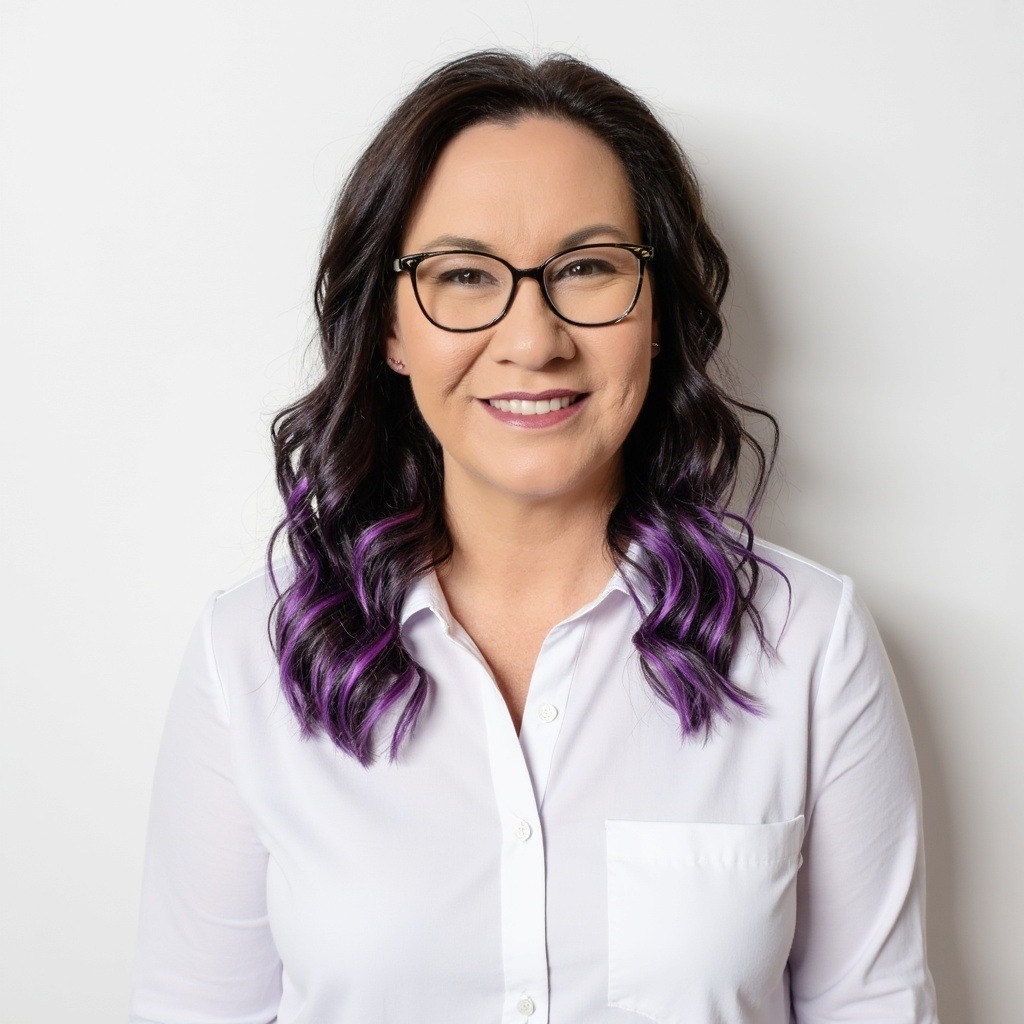
Yvette Anderson MPS – founder of Spectrum Pharmacist, which sets out to bridge the gap for neurodivergent families – tells AP how preparation, collaboration and neuroaffirming care will be essential when the next shortage arrives.
A fragile recovery
The shortages that dominated ADHD care over the past 3 years have largely eased, Ms Anderson said.
‘Except for one particular strength of long-acting methylphenidate (30 mg), which is a bit hit and miss.’
However, the situation remains precarious.
Australia relies heavily on overseas manufacturing for ADHD medicines, with production historically concentrated in Ireland and Germany. Supply is also influenced by annual manufacturing quotas established by the United States Drug Enforcement Administration (DEA), which shape global production volumes for controlled substances.
When the Vyvanse patent expired in the United States in 2023, demand for generic lisdexamfetamine surged – rapidly straining international supply chains. More recently, scrutiny of DEA production quotas under the Make America Healthy Again policy framework contributed to a significant reduction in manufacturing, creating flow-on effects internationally.
Due to international uproar, production recommenced. ‘But it’s still not probably at the rate and quantity needed globally, so we’re always going to sit in a bit of a precarious area,’ Ms Anderson said.
Demand is surging
While supply remains vulnerable, Australia’s ADHD treatment landscape is also undergoing significant change.
Initiation of ADHD medicines was largely restricted to paediatricians and psychiatrists. Now, most states and territories have introduced pathways that allow appropriately trained GPs to diagnose and prescribe ADHD medicines.
‘A number of GPs in different states have either already been trained, or their state or territory has put laws in place to allow them to be trained to diagnose and prescribe medications,’ Ms Anderson said.
Diagnosis rates are also increasing due to changes in diagnosis criteria. More accessible and affordable treatment pathways will help to ensure patients can receive timely access to care.
Importantly, diagnosis does not automatically lead to pharmacological treatment.
‘Just because there is potentially going to be an increase in the number of Australians getting diagnosed, that number won’t directly correlate to the same number of increasing supply of medication,’ Ms Anderson said. ‘Medication is only one tiny piece of your management plan, and for some people, medicines aren’t the way they want to go, or they don’t suit them, or find them effective,’
Nevertheless, more diagnoses and more prescribers are likely to increase demand for medicines supplied through already fragile global supply chains.
Is it possible to get ahead of shortages?
Yes, and no.
Ms Anderson encourages pharmacies to establish systems that allow them to identify and respond to potential disruptions early. This includes monitoring Therapeutic Goods Administration (TGA) medicine shortage alerts.
Once a shortage is identified, pharmacies can use dispensing records to determine which patients may be affected and begin discussions with prescribers before supplies run out.
‘It’s a matter of looking at who the prescribers are and reaching out to them and saying, “The TGA has alerted us to this. We know you have a number of patients on this medication. What can we do as a collaborative to support this transition and this shortage period?”’ Ms Anderson said.
As a hospital pharmacist, she was able to pass on information about ADHD medicine shortages to paediatricians – who opened telehealth appointments to turn scripts around quickly.
‘I also communicated with the community pharmacies in my area to ask: Who has stock? Who doesn’t? Can we redirect patients?’ Ms Anderson said. ‘Working together as a community, making sure you’re embedded in that multidisciplinary team really pays off when there are medication shortages.’
Switching medicines safely
When ADHD medicines are in short supply, patients may need to adjust their medicines; so it’s crucial to be aware of the various formulations, durations of action and release characteristics of different stimulant products.
‘If someone’s stabilised on Ritalin, they may go on Ritalin LA or Concerta – but Concerta’s duration of action is longer and Ritalin LA’s is shorter – so we need to be considering: does this person work through to 6.00 pm? Do we need some immediate release on top of that?’ Ms Anderson said. ‘It’s not a straight switch between the medicines.’
The challenges become greater when patients need to move between stimulant classes, such as from lisdexamfetamine to methylphenidate.
‘I’ve seen people that have quite significant adverse effects after switching to lisdexamfetamine and a couple of days later being unable to function,’ she said. ‘Even though we know someone might be getting a positive effect from stimulants, it doesn’t mean it’s going to be the same for all stimulants.’
Where stimulant options become unavailable, non-stimulant medicines such as atomoxetine, guanfacine (Intuniv) and clonidine (off-label) can provide alternative management pathways.
‘These non-stimulant options have really good evidence [of efficacy], but they’re probably underutilised,’ Ms Anderson said. ‘When we do come to another significant shortage, there’s only a handful of stimulant medicines – so we need to be able to talk to patients about other options.’
Learn more about supporting patients through ADHD medicine shortages by attending the ADHD care Session at PSA26, held from 31 July to 2 August at the ICC in Sydney.