


 Normalisation is medical misogyny and delays diagnosis
 Sharnelle Vella, ABC Radio Melbourne breakfast co-host[/caption]


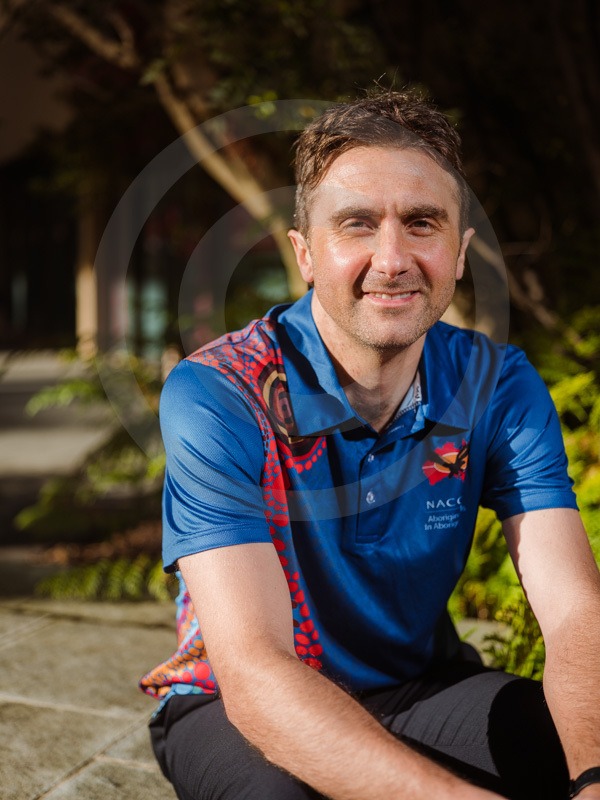 Mike Stephens, Director, Medicines policy and Programs at the National Aboriginal Community Controlled Health Organisation (NACCHO)[/caption]
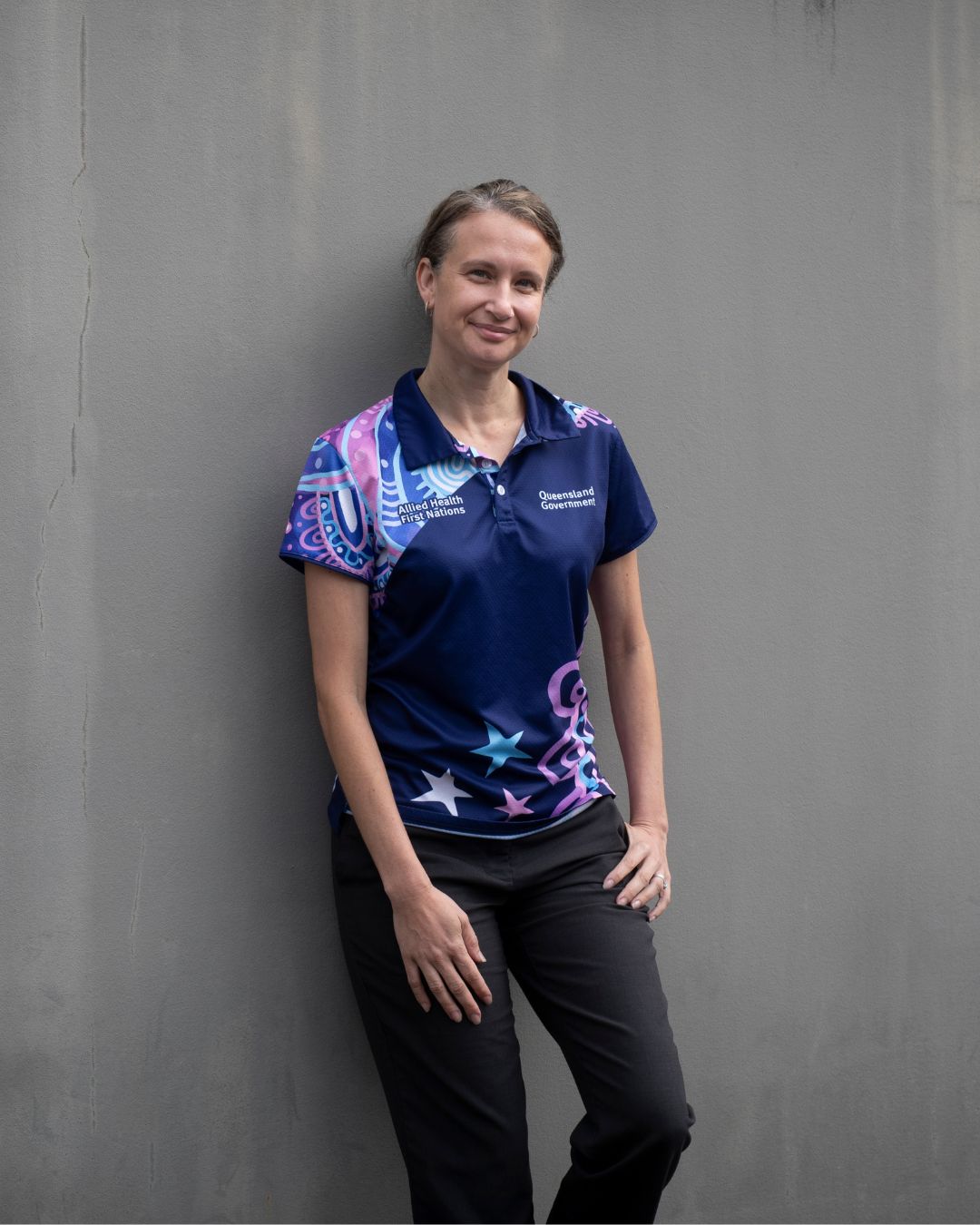 Chastina Heck MPS, Chair of the PSA/NACCHO Aboriginal and Torres Strait Islander Pharmacy Practice Community of Specialty Interest (CSI).[/caption]
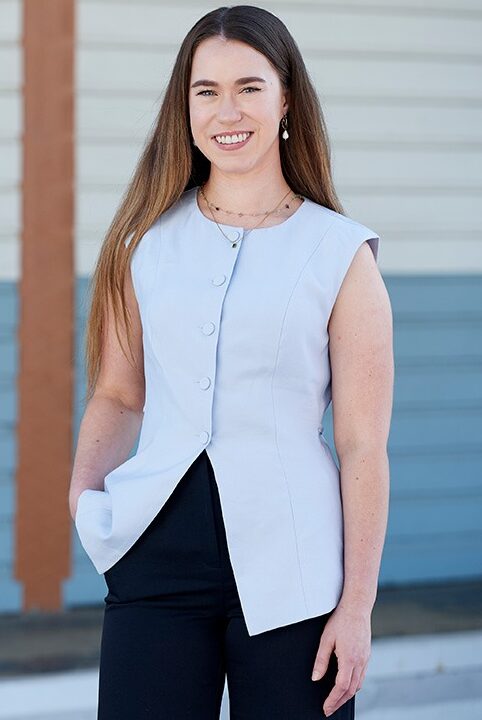
 Philippa Chigeza, pharmacist at Logan Hospital.[/caption]


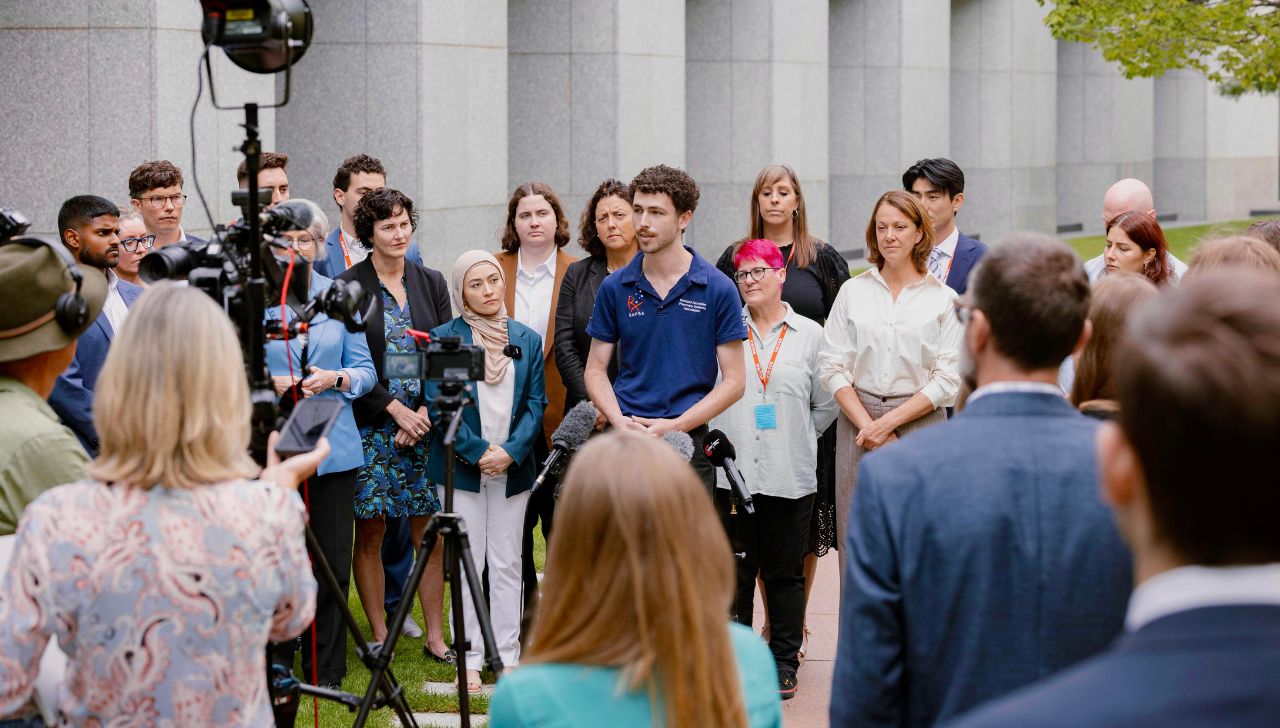
From hospital wards to community pharmacies, and increasingly, digital platforms, pharmacists are there to ensure medicines are used safely – no matter the location.
As healthcare systems are confronted with growing demand, workforce pressures, and a landscape of technological change, the role of pharmacists continues to expand simultaneously in scope and significance.
PSA WA/ACT State Manager Mayli Foong MPS said that, ‘Pharmacists play a key role in supporting medicines in so many settings including hospital, residential aged care facilities, Home Medicines Reviews, community pharmacy, Aboriginal Health Services, compounding and education.’
‘The expanded scope for pharmacists in Community pharmacy is really exciting. Including expanded scope of prescribing and increased range of vaccinations that pharmacists can deliver.’
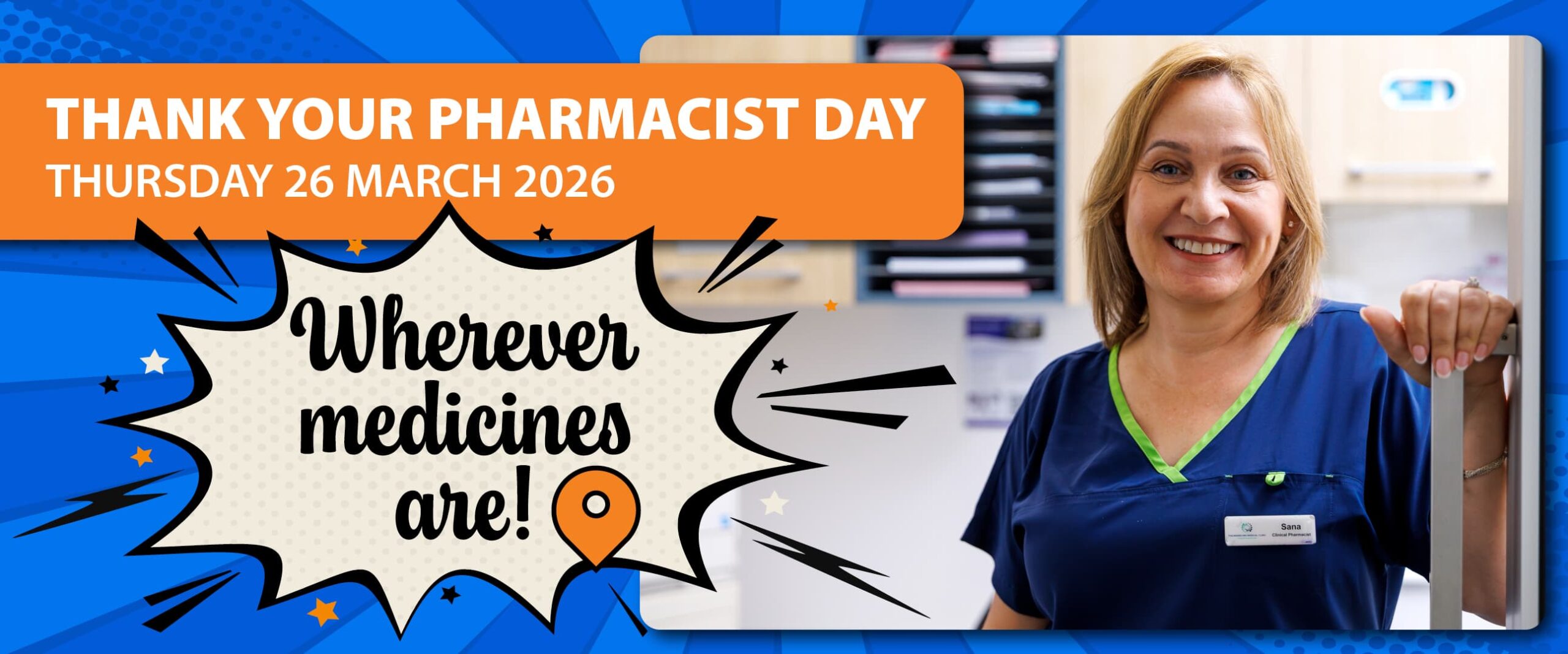
Ahead of Thank Your Pharmacist Day 2026, with the theme ‘wherever medicines are’, AP spoke to early career pharmacists to explore the breadth of their roles, and the impact they have on patient care and medicines safety every day.
Beyond the pharmacy counter
Rhiannon Price MPS, pharmacist at King Edward Memorial Hospital told AP that there is ‘no such thing as a typical day because everyday is unique.’
‘Just this week I have been actively involved in an acute case of hyperkalaemia (potassium of 7.7)… I collaborated with a physiotherapist to manage pain for a patient post caesarean section up four flights of stairs and liaised with the medical team to safely facilitate a discharge for someone that needed hospital in-home support to safely administer heparin injections,’ said Ms Price, who was awarded 2025 PSA WA Early Career Pharmacist of the Year.
The stakes can be raised further in hospital compounding units, which are a cornerstone of ensuring safe medicines preparation. In these highly controlled environments, specialised medicines are prepared for some of the most vulnerable patients, said Caspar Townsend MPS, who works in Perth Children’s Hospital sterile compounding unit.
‘In the morning, we receive and prepare orders from the wards, and before anything begins, we do a full clean of the unit using multiple disinfectants,’ he said. ‘From then until about 1.00 pm, we’re focused on making those medications. In the afternoon, we move on to total parenteral nutrition bags for paediatric patients. A pharmacist will check them again outside, and then they will get bagged up and delivered to their wards.’
Mr Townsend’s journey into sterile compounding began during his internship, where he found an appreciation for the unique blend of technical skills required and hands-on approach.
‘I’m still testing my knowledge, but I also get to work with my hands, which is fun. It’s both the mental and the practical skills that I quite enjoy,’ Mr Townsend told AP.
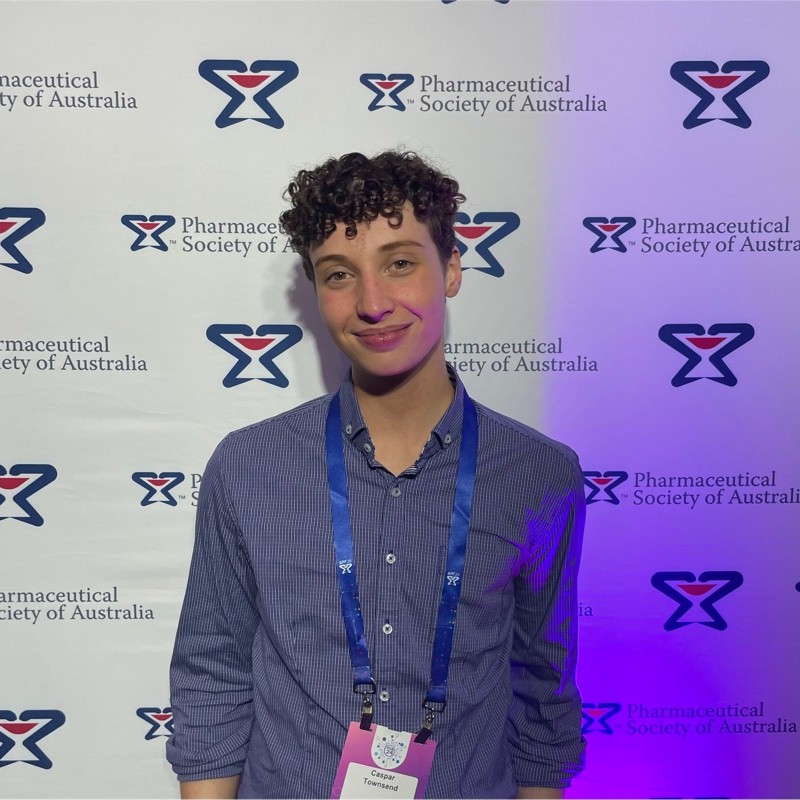
‘Every [medicine] for every patient is going to be different. It’s tailored to them, so there’s a really high margin and risk for error. It’s all about that precision and control – making sure the medication is the right medication, it’s the right dose, it’s been compounded correctly, and [there’s] all those little checks along the way.’
Providing patients with accessible medicines content
While pharmacists operate in highly regulated clinical settings, others have an expanded reach beyond the pharmacy walls into digital spaces.
Social media has become an invaluable tool for enhancing medicines safety and public health awareness through disseminating accessible, digestible short-form content in real time.
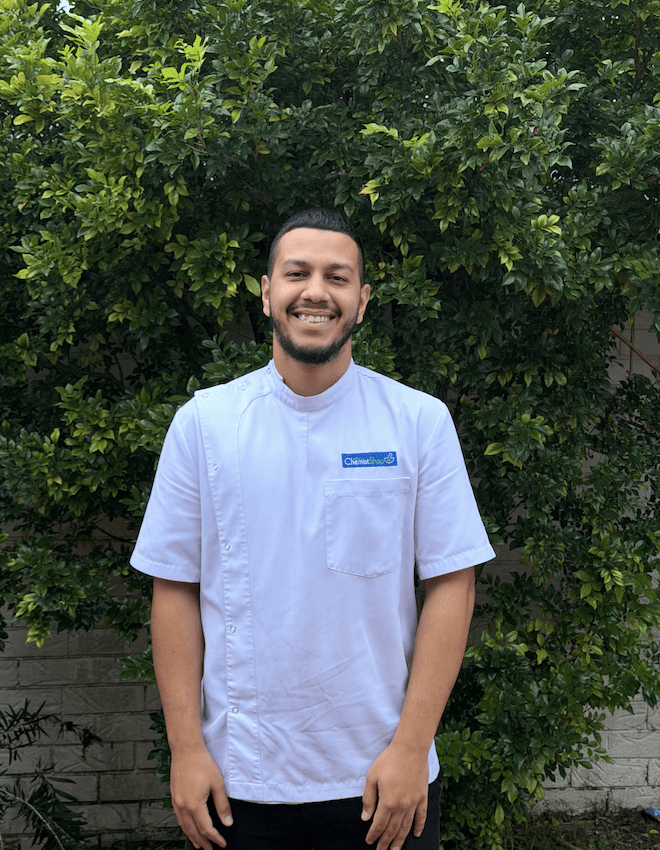
Iraq Doali MPS (@clutchestpharmacist), a NSW-based locum pharmacist, has embraced this shift in the media landscape with his Instagram platform, and is actively bridging the gap between patients and reliable healthcare advice.
‘I wanted to reach a wider audience,’ he said. ‘I felt like a lot of the time people were missing out on crucial information because they were in too much of a rush at the pharmacy or the pharmacy was too busy,’ Mr Doali told AP.
View this post on Instagram
Recognising a lack of pharmacist voices online, he saw an opportunity to contribute, ensuring patients can access timely information. ‘I realised there aren’t many pharmacists on Instagram, which is an important tool for trust and improving medicines safety,’ Mr Doali said.
His aim is to impart knowledge to patients where access to advice may be limited. ‘I [also] talk about the struggles of pharmacy, what pharmacists do, stock issues, or law changes concerning the public in pharmacy… I just want to make sure people get the information they need to get, and from a trusted healthcare professional at the same time,’ Mr Doali said.
His content has assisted in improving health literacy in terms of ‘explaining procedures and medical conditions. This helps viewers understand the profession better, expand their knowledge, and even keep them alert on the changes happening in the pharmacy world’.
The immediacy of digital platforms allows pharmacists to respond quickly to emerging issues… ‘With digital spaces and pharmacists educating about medications, you can reach out to the public when you’re anticipating stock shortages… this is something that can be addressed instantly,’ he said.
The leaders of tomorrow
With students mapping out the future landscape of pharmacy, AP spoke with Sebastian Harper, National President at the National Australian Pharmacy Students’ Association (NAPSA), about the role of pharmacies as crucial health hubs in rural and remote communities where GP access is limited.
‘The idea that patients can easily present to their GP is not a reality,’ said Mr Harper, who also works as an intern in Mt Isa.
‘Having pharmacists adequately trained to manage acute, everyday conditions and those treated under the Chronic Conditions Management Pilot, has been a blessing in delivering this care for our community.’
Looking ahead, he explained how the next generation of pharmacists is already preparing for a broader scope of practice.
‘It won’t be long before we have a significant cohort of ECPs trained to deliver the care that communities across Australia are calling out for,’ Mr Harper said.
He believes this expansion will see pharmacists playing even more critical roles in patient treatment and preventative care. ‘I’m sure pharmacists will become the natural go-to for annual health check-ups, life-long implementation of patients’ immunisation schedules, conversations about sexual health, and their pharmacies the inclusive spaces needed for traditionally health-averse demographics,’ Mr Harper said.
During his 3-year tenure on the NAPSA board, Mr Harper has seen pharmacy students committed to retaining their autonomy in a workforce that places increased demands upon young professionals.
‘In the NAPSA 2030 vision launched last year, which provides a framework for the next National President, pharmacy students are now advocating for themselves – calling for paid placements, expansion of scope and a profession that listens to their collective voice.’
Get involved in Thank Your Pharmacist Day 2026 by downloading the PSA’s TYPD26 toolkit.