

 Normalisation is medical misogyny and delays diagnosis
 Sharnelle Vella, ABC Radio Melbourne breakfast co-host[/caption]




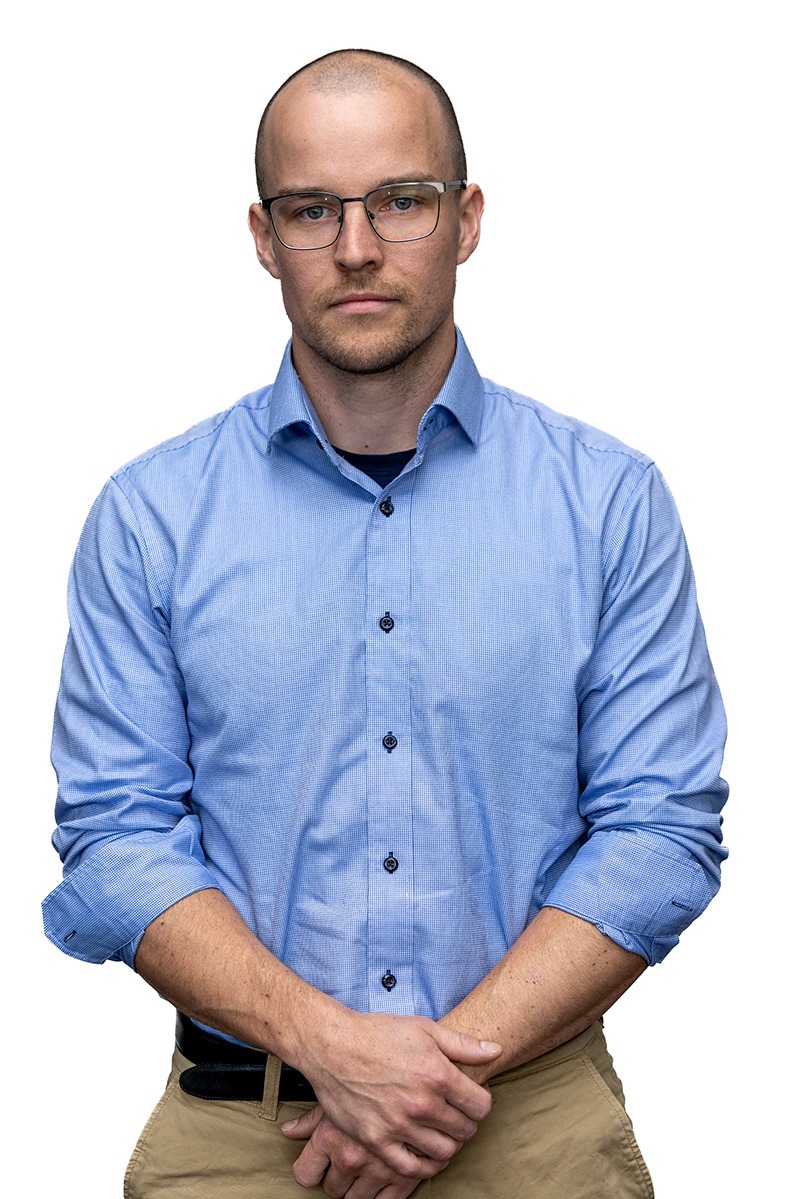 Stewart Mearns MPS[/caption]

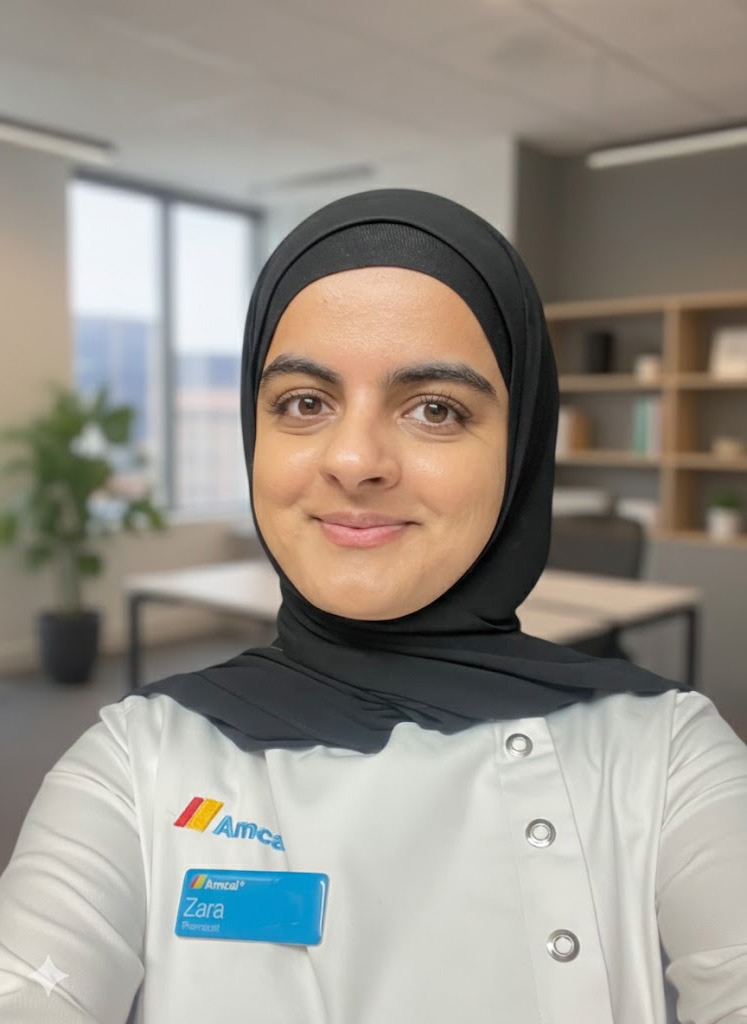 Zara Gul[/caption]


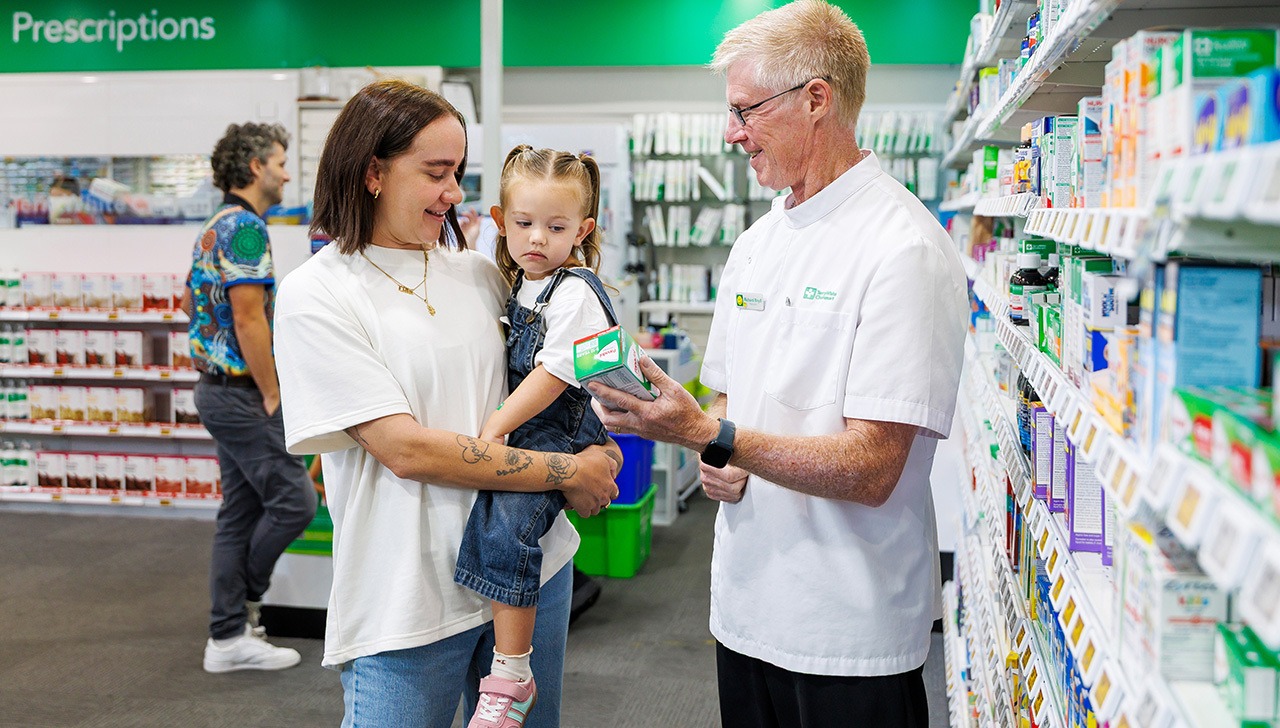
This National Close the Gap Day (19 March), experts highlight the important role pharmacists play in supporting and promoting equitable access to the Closing the Gap (CTG) PBS Co-payment Program.
While many Aboriginal and Torres Strait Islander people have already been registered for the CTG PBS Co-payment program, many are not accessing this support as intended – particularly those who travel from remote communities to receive health care, said Chastina Heck MPS, Chair of the PSA/NACCHO Aboriginal and Torres Strait Islander Pharmacy Practice Community of Specialty Interest (CSI).
‘[So] pharmacists play a critical role as trusted navigators through Australia’s complex healthcare ecosystem,’ she added.
Bridging the gap in medicines access
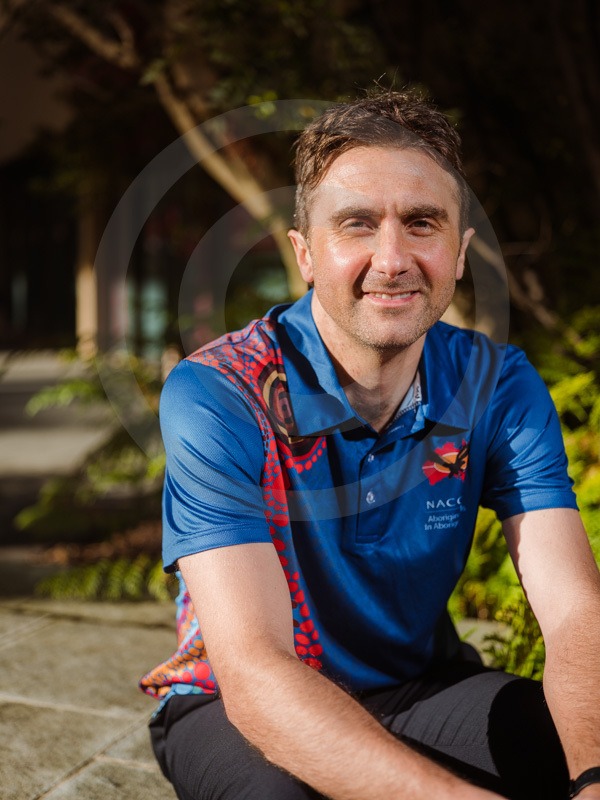
Mike Stephens, Director, Medicines policy and Programs at the National Aboriginal Community Controlled Health Organisation (NACCHO) said it’s important pharmacists support equitable access to the CTG PBS Co-payment Program.
‘Pharmacists are medicines experts and patients accordingly rely on us to understand and navigate programs that help them access medicines – CTG scripts are no different,’ Mr Stephens said.
‘Though only some pharmacists’ practice may be directly focused on working with Aboriginal and Torres Strait Islander people, all pharmacists will deliver care to Aboriginal and Torres Strait Islander people within their practice from time to time.
‘This point is especially timely considering the current Australian campaign related to affordable medicines. Delivering culturally safe care is essential and embodied in every major pharmacy practice policy – it’s every pharmacist’s responsibility.’
Where access to CTG can fall short
Before the recent reforms, when the CTG co-payment expanded to all PBS medicines supplied through public hospitals, Ms Heck said working in a clinical setting was often frustrating.
‘The previous program often created more gaps than it closed in accessing health care. In turn, this would erode trust in the healthcare system because people would speak up about an invoice, or about their CTG registration, only to be told that hospitals were unable to dispense it as such,’ she said.
‘They would say, “If a hospital has these rules about me, then what other decisions are they making about my care that I’m not aware of?”
‘This was also exacerbated for remote patients who were not CTG registered and discharged from hospital in unfamiliar environments, often with long transit times home – so accessing medications only when they arrived home was not a suitable option.’
But there are still traps to avoid and issues to discuss with care and context in community and hospital settings alike.
‘Patients may not realise brand premium still apply to CTG co-payments. Explaining this may be important,’ he said.
‘Pharmacists can check Health Professional Online Services (HPOS) if they are not sure if someone is registered. They should also generally seek a discreet place to discuss CTG eligibility with a patient and can only register a patient if they have delegation from a doctor or AHP through HPOS.’
Mr Stephens stressed that while most pharmacists cannot register a patient, careful support to connect a client to a doctor or ACCHO for registration is crucial.
Culturally safe care is more than good intentions
It’s not as simple as being nice to someone, Ms Heck said.
‘The beliefs and experiences we bring from our past, that have shaped our current “knowing”, often lead to unconscious biases,’ she said.
’It’s imperative that pharmacists develop ways to recognise and respond to these. For example, this might manifest as deciding to not dispense a prescription for low-dose aspirin, instead directing the patient to buy it over the counter.’
Facilitating patient choice and autonomy by providing comprehensive information, upon which a decision can be made, is one way to deliver culturally safe care – rather than deciding what the best option for the patient is, Ms Heck reiterates.
Mr Stephens agrees. ‘It’s important pharmacists support Aboriginal and Torres Strait Islander people to feel comfortable and confident to say what they need, raise concerns and understand their medicines; take adequate time to meet the patient’s needs and consult in a way that is responsive to the local community’s needs.
‘This might include finding a more private setting in relation to someone’s CTG eligibility. All staff should periodically undertake cultural safety training (not just once), preferably delivered from a local community-level organisation, for example an ACCHO or Land Council. Pharmacists should also complete foundational pharmacist courses and learning, such as the co-designed modules by NACCHO and PSA – Deadly pharmacists training modules, as well as familiarise themselves with the PSA’s Guidelines for pharmacists supporting Aboriginal and Torres Strait Islander peoples with medicines management.’

Every conversation is an opportunity
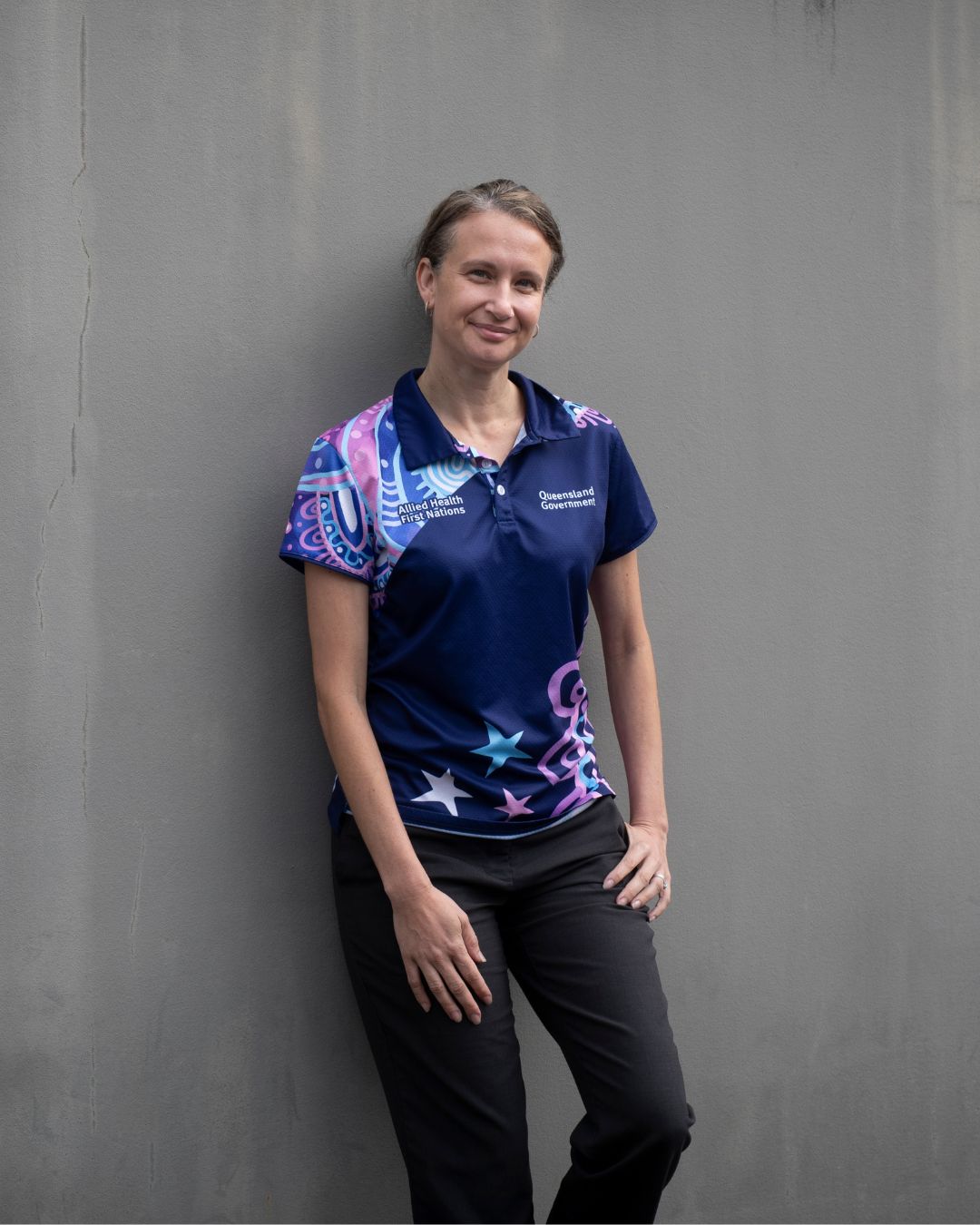
Philippa Chigeza, a pharmacist at Logan Hospital in Queensland sees the impacts of the CTG program every day.
’Conversations about CTG are not just about eligibility or reducing medicine costs,’ she said.
‘They are also an opportunity to support culturally safe care, build trust, and ensure patients feel comfortable asking questions about their medicines.’
Pharmacists are in a strong position to help bridge this gap by proactively identifying eligible patients, explaining the program clearly, and working collaboratively with prescribers and Aboriginal health services,’ Ms Chigeza said.
‘Developing cultural awareness and communication skills is just as important as understanding the program itself,’ she said.
‘Training initiatives, such as our intern health promotion project, was an opportunity to deepen my understanding of the CTG program and support me to practice conversations on this topic with patients and families. It can help improve pharmacists’ confidence in having these conversations and is therefore extremely valuable in supporting better health outcomes for Aboriginal and Torres Strait Islander peoples.’