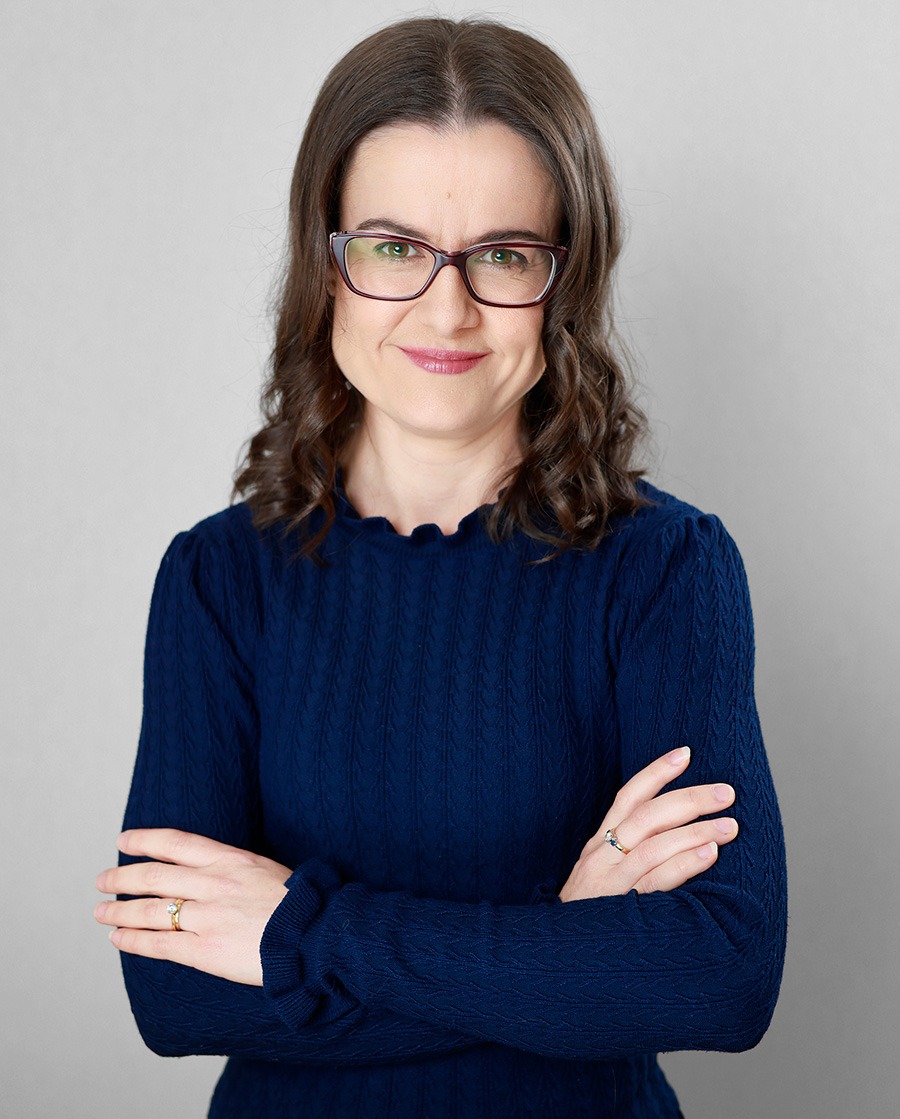
 Kelly Abbott MPS[/caption]

 Owner of Canberra's Capital Chemist Southlands Louise McLean MPS.[/caption]
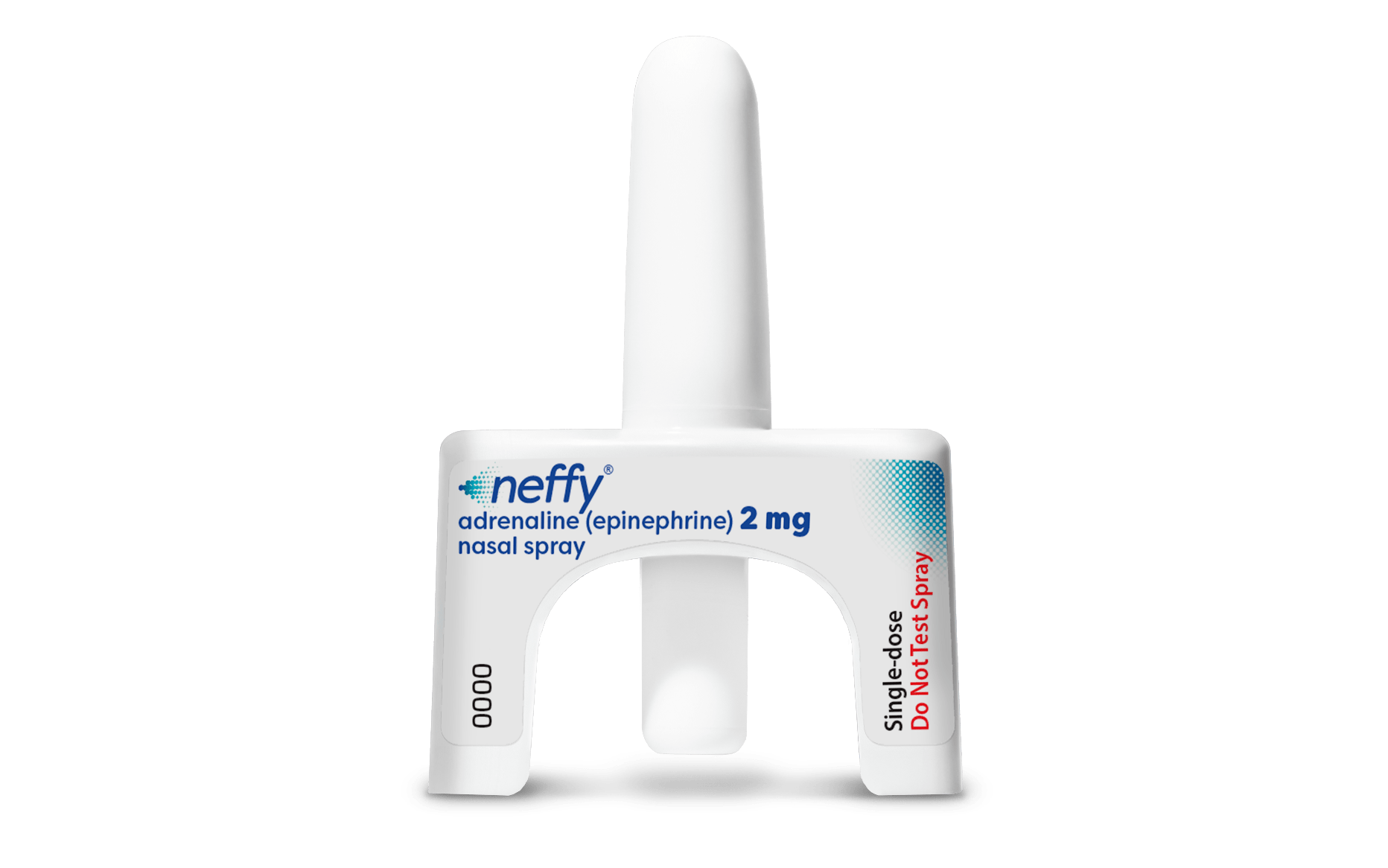 Supplied by CSL Seqirus[/caption]



References
-
Fisher RS, van Emde Boas W, Blume W, et al. Epileptic seizures and epilepsy: definitions proposed by the International League Against Epilepsy (ILAE) and the International Bureau for Epilepsy (IBE). Epilepsia. 2005;46(4):470–472.
-
Beghi E. The epidemiology of epilepsy. Neuroepidemiology. 2020;54(2):185–191.
-
Scheffer IE, Berkovic S, Capovilla G, et al. ILAE classification of the epilepsies: position paper of the ILAE commission for classification and terminology. Epilepsia. 2017;58(4):512–521.
-
Scharfman HE. The neurobiology of epilepsy. Curr Neurol Neurosci Rep. 2007;7(4):348–354.
-
World Health Organization. Epilepsy. 2022. Available from: www.who.int/news-room/fact-sheets/detail/epilepsy
-
Petrides M, Peletidi A, Nena E, et al. The role of pharmacists in enhancing epilepsy care: a systematic review of community and outpatient interventions. J Pharm Policy Pract. 2025;18(1):2487046.
-
Zack MM. National and state estimates of the numbers of adults and children with active epilepsy—United States, 2015. MMWR Morb Mortal Wkly Rep. 2017;66.
-
Bacci JL, Zaraa S, Stergachis A, et al. Community pharmacists’ role in caring for people living with epilepsy: a scoping review. Epilepsy Behav. 2021;117:107850.
-
Reis TM, Campos M, Nagai MM, et al. Contributions of pharmacists in the treatment of epilepsy: a systematic review. Am J Pharm Benefits. 2016;8(3):e55–e60.
-
Bell GS, Sander JW. The epidemiology of epilepsy: the size of the problem. Seizure. 2001;10(4):306–316.
-
Fiest KM, Sauro KM, Wiebe S, et al. Prevalence and incidence of epilepsy: a systematic review and meta-analysis of international studies. Neurology. 2017;88(3):296–303.
-
Stafstrom CE, Carmant L. Seizures and epilepsy: an overview for neuroscientists. Cold Spring Harb Perspect Med. 2015;5(6):a022426.
-
Mohanannair Geethadevi G, Chen Z, et al. Impact of epilepsy on productivity and quality of life: the Australian epilepsy project. Neurology. 2025;105(5):e214011.
-
Australian Institute of Health and Welfare. Epilepsy in Australia. Canberra: AIHW; 2022. Available from: www.aihw.gov.au/reports/chronic-disease/epilepsy-in-australia/contents/about
-
Foster E, Chen Z, Zomer E, et al. The costs of epilepsy in Australia: a productivity-based analysis. Neurology. 2020;95(24):e3221–e3231.
-
Keenan NF, Aitchison SG, Jetté N, et al. Epilepsy in the Indigenous peoples in Canada, Australia, New Zealand, and the USA: a systematic scoping review. Lancet Glob Health. 2025;13(4):e656–e668.
-
Vera-González A. Pathophysiological mechanisms underlying the etiologies of seizures and epilepsy. In: Czuczwar SJ, editor. Epilepsy. Brisbane: Exon Publications; 2022. p. 1–13.
-
Balestrini S, Arzimanoglou A, Blümcke I, et al. The aetiologies of epilepsy. Epileptic Disord. 2021;23(1):1–16.
-
Perucca P, Bahlo M, Berkovic SF. The genetics of epilepsy. Annu Rev Genomics Hum Genet. 2020;21(1):205–230.
-
Scheffer IE, Berkovic SF. The genetics of human epilepsy. Trends Pharmacol Sci. 2003;24(8):428–433.
-
Bhalla D, Godet B, Druet-Cabanac M, Preux P-M. Etiologies of epilepsy: a comprehensive review. Expert Rev Neurother. 2011;11(6):861–876.
-
Reid CA. Preface: ion channels and genetic epilepsy. J Neurochem. 2024;168(12):3829–3830.
-
Oyrer J, Maljevic S, Scheffer IE, et al. Ion channels in genetic epilepsy: from genes and mechanisms to disease-targeted therapies. Pharmacol Rev. 2018;70(1):142–173.
-
Fabisiak T, Patel M. Crosstalk between neuroinflammation and oxidative stress in epilepsy. Front Cell Dev Biol. 2022;10:976953.
-
Fisher RS, Cross JH, French JA, et al. Operational classification of seizure types by the International League Against Epilepsy: position paper of the ILAE commission for classification and terminology. Epilepsia. 2017;58(4):522–530.
-
Buckley N, editor. Australian medicines handbook. Adelaide: Australian Medicines Handbook Pty Ltd; 2025. Available from: https://amhonline.amh.net.au/
-
Cook M. Differential diagnosis of epilepsy. In: Shorvon S, Perucca E, Engel J Jr, editors. The treatment of epilepsy. 4th ed. Hoboken (NJ): John Wiley & Sons; 2015. p. 24–37.
-
Semah F, Picot M-C, Adam C, et al. Is the underlying cause of epilepsy a major prognostic factor for recurrence? Neurology. 1998;51(5):1256–1262.
-
Nickels K. Earlier is not always better: outcomes when epilepsy occurs in early life versus adolescence. Epilepsy Curr. 2020;20(1):27–29.
-
Devinsky O, Hesdorffer DC, Thurman DJ, et al. Sudden unexpected death in epilepsy: epidemiology, mechanisms, and prevention. Lancet Neurol. 2016;15(10):1075–1088.
-
Cooper MS, McIntosh A, Crompton DE, et al. Mortality in Dravet syndrome. Epilepsy Res. 2016;128:43–47.
-
Perucca E. General principles of medical management. In: Shorvon S, Perucca E, Engel J Jr, editors. The treatment of epilepsy. 4th ed. Hoboken (NJ): John Wiley & Sons; 2015. p. 110–123.
-
Perucca P, Scheffer IE, Kiley M. The management of epilepsy in children and adults. Med J Aust. 2018;208(5):226–233.
-
Therapeutic Guidelines Limited. eTG complete. Melbourne: Therapeutic Guidelines; 2025. Available from: www.tg.org.au
-
Baxendale S. Complementary and alternative treatments for epilepsy. In: Shorvon S, Perucca E, Engel J Jr, editors. The treatment of epilepsy. Hoboken (NJ): John Wiley & Sons; 2015. p. 298–310.
-
Johannessen SI, Johannessen Landmark C. Antiepileptic drug interactions: principles and clinical implications. Curr Neuropharmacol. 2010;8(3):254–267.
-
Buchanan N. Medications which may lower seizure threshold. Aust Prescr. 2001;24(1):8–9.