



 Normalisation is medical misogyny and delays diagnosis
 Sharnelle Vella, ABC Radio Melbourne breakfast co-host[/caption]


 Mike Stephens, Director, Medicines policy and Programs at the National Aboriginal Community Controlled Health Organisation (NACCHO)[/caption]
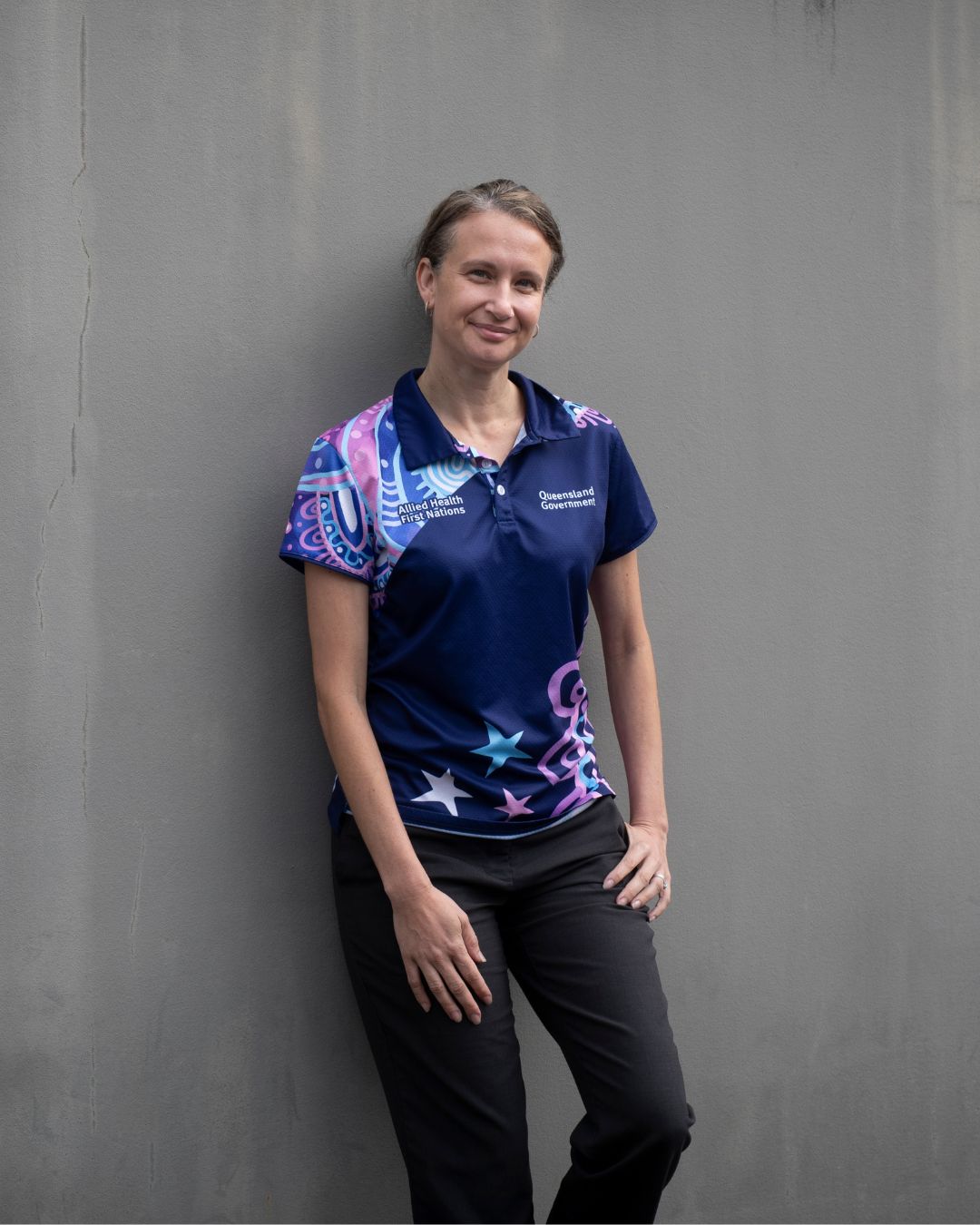 Chastina Heck MPS, Chair of the PSA/NACCHO Aboriginal and Torres Strait Islander Pharmacy Practice Community of Specialty Interest (CSI).[/caption]
 Philippa Chigeza, pharmacist at Logan Hospital.[/caption]


 Stewart Mearns MPS[/caption]



Victoria Chisari MPS is an early career pharmacist and researcher on the move, working across clinical areas of practice to hone her skills.
What’s beneficial about learning different specialties in pharmacy?
Each specialty offers a unique focus, with the learning from each area building upon the others to create a comprehensive understanding of clinical pharmacy service delivery.
I am currently a clinical pharmacist with Western Sydney Local Health District and a research team member and practice change facilitator at the University of Technology Sydney. But I have worked in many different clinical roles. My experience in the intensive care unit, for example, helped develop my ability to review acutely unwell patients – including those with infections, trauma, respiratory failure and organ failure.
In this setting, I managed a diverse range of critically ill patients with complex medicines regimens – involving supportive therapies such as inotropes and vasopressors, sedation
and antimicrobials.
My practice involved designing individualised treatment plans for patients, particularly those receiving extracorporeal therapies such as renal replacement therapy and extracorporeal membrane oxygenation.
This background informed my practice in the emergency department, where sound clinical reasoning was vital to delivering effective advice and interventions in fast-paced, high-
pressure situations.
Can you describe your global research review of pharmacist-prescribed contraception services?
In response to barriers accessing contraception, such as the need for a prescription, pharmacist-prescribed contraception has been widely implemented and one common model of care delivers this service using clinical protocols. The review highlighted that the overall scope of these services includes both the prescribing (initiating) and continuation of various contraceptive methods, such as oral contraceptive pills, vaginal rings, transdermal patches and injections. A key finding was that the scope of practice varies internationally, depending on local authorisation and regulatory frameworks.
It was recognised that while conceptually, the clinical protocol is one part of the intervention, education is another important part of the overall provision of care.
This includes recognition of the importance of both foundational education and additional training for pharmacists.
It was evident that authorising pharmacists to prescribe and continue a range of contraception options ultimately offers the best access for women.
At the same time, pharmacist education and training is an important part of the broader piece in pharmacist prescribing – particularly in the current Australian context, as pharmacist prescribing continues to develop and expand.
Your advice for other early ECPs interested in clinical pharmacy?
Seek out opportunities to broaden your knowledge and skills.
If you’re a pharmacy student or ECP interested in hospital pharmacy, look for courses, mentorship programs and professional development opportunities that align with your goals.
Hospital pharmacy is dynamic, exciting and rewarding – there’s a lot to learn and a lot that we as pharmacists can contribute to.
Ask questions and say yes to challenges that push you to grow. Be curious, be kind and keep learning.