

 Kelly Abbott MPS[/caption]


 Owner of Canberra's Capital Chemist Southlands Louise McLean MPS.[/caption]

 Supplied by CSL Seqirus[/caption]



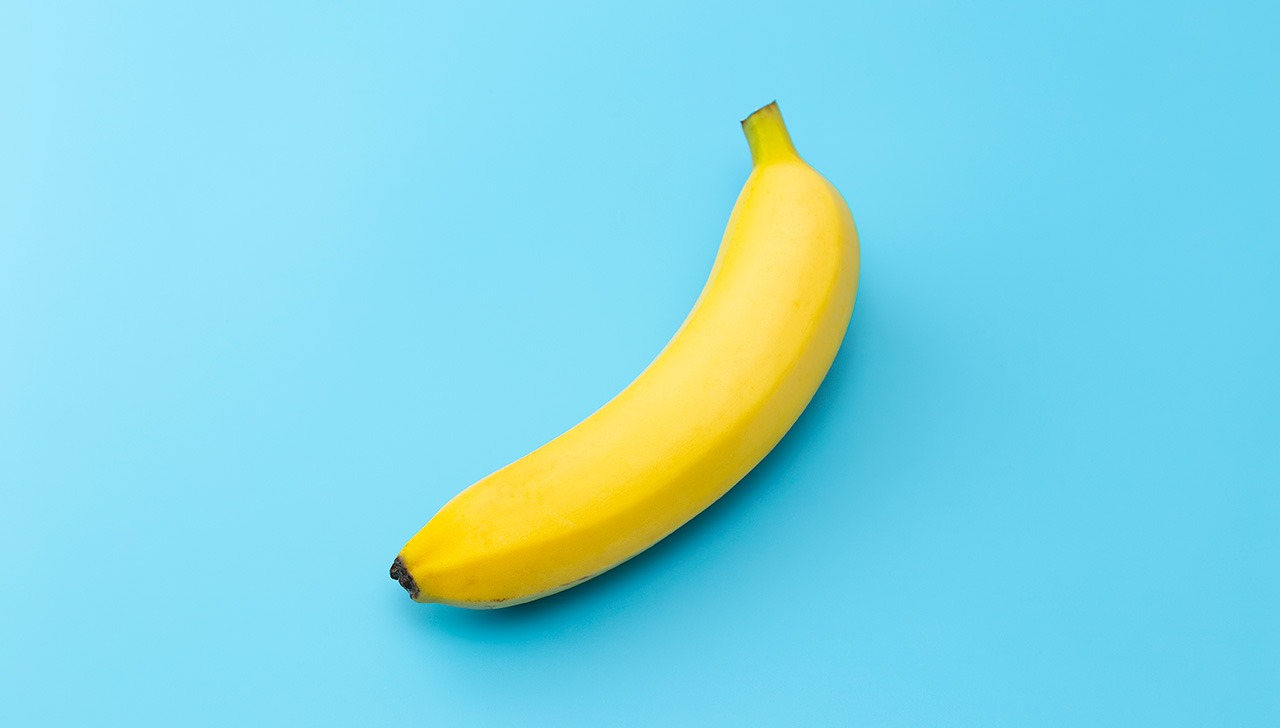
When patients ask if they need to give up bananas, pharmacists can redirect the conversation to the real drivers of hyperkalaemia risk.
We’ve all been there – you’ve slapped a Cautionary Advisory Label (CAL) 11 ‘DO NOT TAKE POTASSIUM while being treated with this medicine unless advised by your doctor’ on a bottle of perindopril. Inevitably, the patient asks: ‘Can I eat bananas?’ Somehow, the humble banana has become the primary target for potassium warnings.
Why does potassium matter?
Patients taking medicines that increase serum potassium, and those with chronic kidney disease (CKD), reduced renal blood flow or low aldosterone are at increased risk of hyperkalaemia. Hyperkalaemia can present as palpitations, arrhythmias, muscle weakness and/or cardiac arrest.1,2
When is CAL 11 recommended?
CAL 11 is recommended for potassium-sparing diuretics, angiotensin-converting enzyme (ACE) inhibitors, angiotensin II receptor blockers (ARBs) and other medicines associated with an increase in serum potassium.3 Serious hyperkalaemia has occurred when these medicines have been used with potassium supplements, particularly in high-risk patients.1,3
If a potassium supplement has been prescribed alongside these medicines, regular monitoring of serum potassium and renal function is recommended.1,3
It’s up to pharmacists to use their knowledge and professional judgement when deciding whether to omit a CAL, except when required by legislation.3,4
How many bananas is too many?
For context, modified-release potassium chloride tablets contain 8 mmol of elemental potassium per tablet. More than 2.5 mmol/kg of elemental potassium can cause life-threatening hyperkalaemia by temporarily overwhelming the kidneys’ capacity to excrete potassium.2
For a 70 kg adult with no risk factors, more than 20 tablets could cause hyperkalaemia (70 kg x 2.5 mmol = 175 mmol/8 mmol) = 21.88 (~ 21 tablets).2 However, in patients at risk of hyperkalaemia, significantly smaller amounts can trigger harm.
Compare that with our accused fruit, the banana. Potassium content varies
with size rather than ripeness. Common varieties provide around 3–4 mg/g of elemental potassium.5,6 A 98 g Cavendish banana (peeled) is estimated to contain 338 mg of elemental potassium, equivalent to about 8.6 mmol.5,6 Theoretically, our clinically well 70 kg adult would have to eat 20 bananas in a reasonable time frame to risk hyperkalaemia, far more than typical intake.5,6 It’s important to note that while a modified-release potassium chloride tablet and a banana contain similar levels of elemental potassium, they are not interchangeable. Potassium chloride provides a precise therapeutic dose, and dietary potassium is absorbed variably.7
What to tell patients?
Potassium is abundant in staple foods and supports blood pressure, muscle and nerve function, and fluid balance. Dietary potassium modification is an established management strategy for hyperkalaemia. However, unnecessary restriction risks deficiency and reduces quality of life.8,9,10
People on potassium-sparing medicines can eat potassium-containing foods in moderation but should avoid excessive intake, be regularly monitored and avoid additional potassium supplements. Advanced CKD patients require dietitian/specialist guidance.9,10,11
At-risk patients should seek urgent attention if they experience symptoms of hyperkalaemia including palpitations, laboured breathing, floppy muscles, pins and needles, alongside nausea, vomiting and abdominal pain.2
Essentially, bananas aren’t the bad guys. It is the potential combination of medicines, impaired kidneys and lack of monitoring that can tip potassium from helpful to harmful.
References
- Rossi S, ed. Australian medicines handbook. Adelaide: Australian Medicines Handbook; 2025
- eTG complete. Melbourne: Therapeutic Guidelines; 2025
- Sansom LN, ed. Australian pharmaceutical formulary and handbook. 26th Canberra: Pharmaceutical Society of Australia; 2024
- Australian Government. Therapeutic goods (Poisons Standard–October 2025) Instrument 2025. 2025. At: legislation.gov.au/F2025L00599
- Food standards Australia New Zealand. Australian food composition database, F000262 Banana, Cavendish, peeled, raw. At: https://afcd.foodstandards.gov.au/fooddetails.aspx?PFKID=F000262
- Food standards Australia New Zealand. Australian food composition database, F000267 Banana, Lady finger or sugar, peeled, raw. At: https://afcd.foodstandards.gov.au/fooddetails.aspx?PFKID=F000267
- Stone MS, Martyn LJ, Weaver CM. Potassium intake, bioavailability, hypertension, and glucose control. 2016;8(7):444. At: www.mdpi.com/2072-6643/8/7/444
- MacLaughlin HL, McAuley E, Fry J, et al. Re-thinking hyperkalaemia management in chronic kidney disease–beyond food tables and nutrition myths: an evidence-based practice review. Nutrients. 2024;16(1):3.
- Weir MR. Serum potassium, potassium intake & outcomes in health and disease: dietary interventions for potassium management [slides]. KDIGO; 2018. At: https://kdigo.org/wp-content/uploads/2018/04/2.-Weir_Dietary-Interventions.pdf
- Fouque D, Zoccali C, Pesce F. Potassium management and heart failure: a nephrologist’s perspective. Clin Kidney J. 2025;18(2):sfae424.
- Lambert K. Managing hyperkalaemia with dietary changes. newsGP; 2018 Jan 8. At: racgp.org.au/newsgp/clinical/managing-hyperkalemia-with-dietary-changes