



 Normalisation is medical misogyny and delays diagnosis
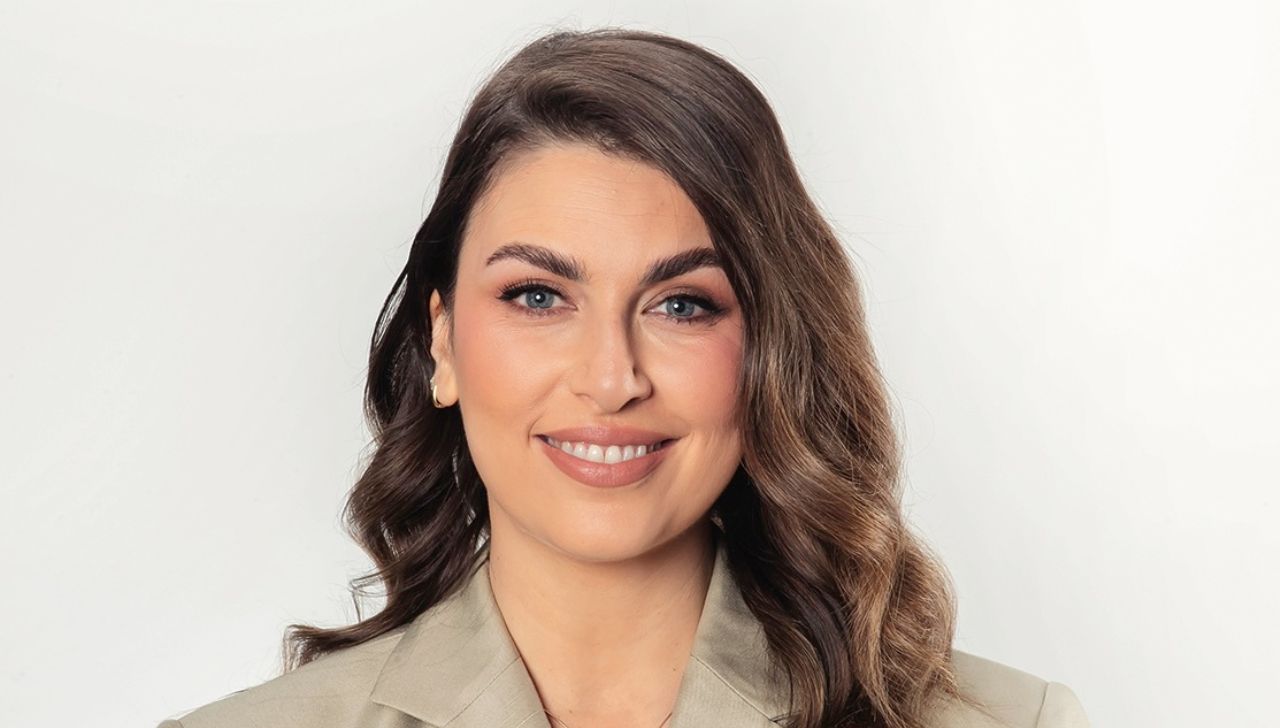 Sharnelle Vella, ABC Radio Melbourne breakfast co-host[/caption]


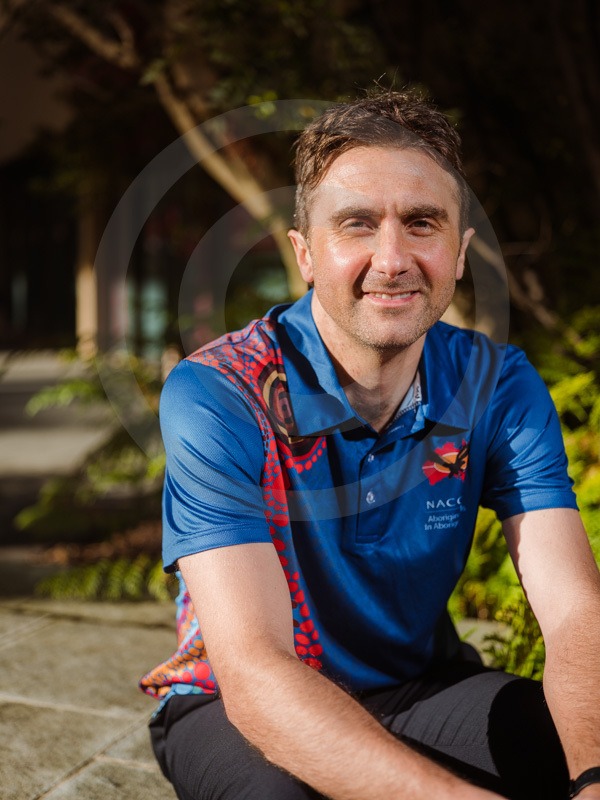 Mike Stephens, Director, Medicines policy and Programs at the National Aboriginal Community Controlled Health Organisation (NACCHO)[/caption]
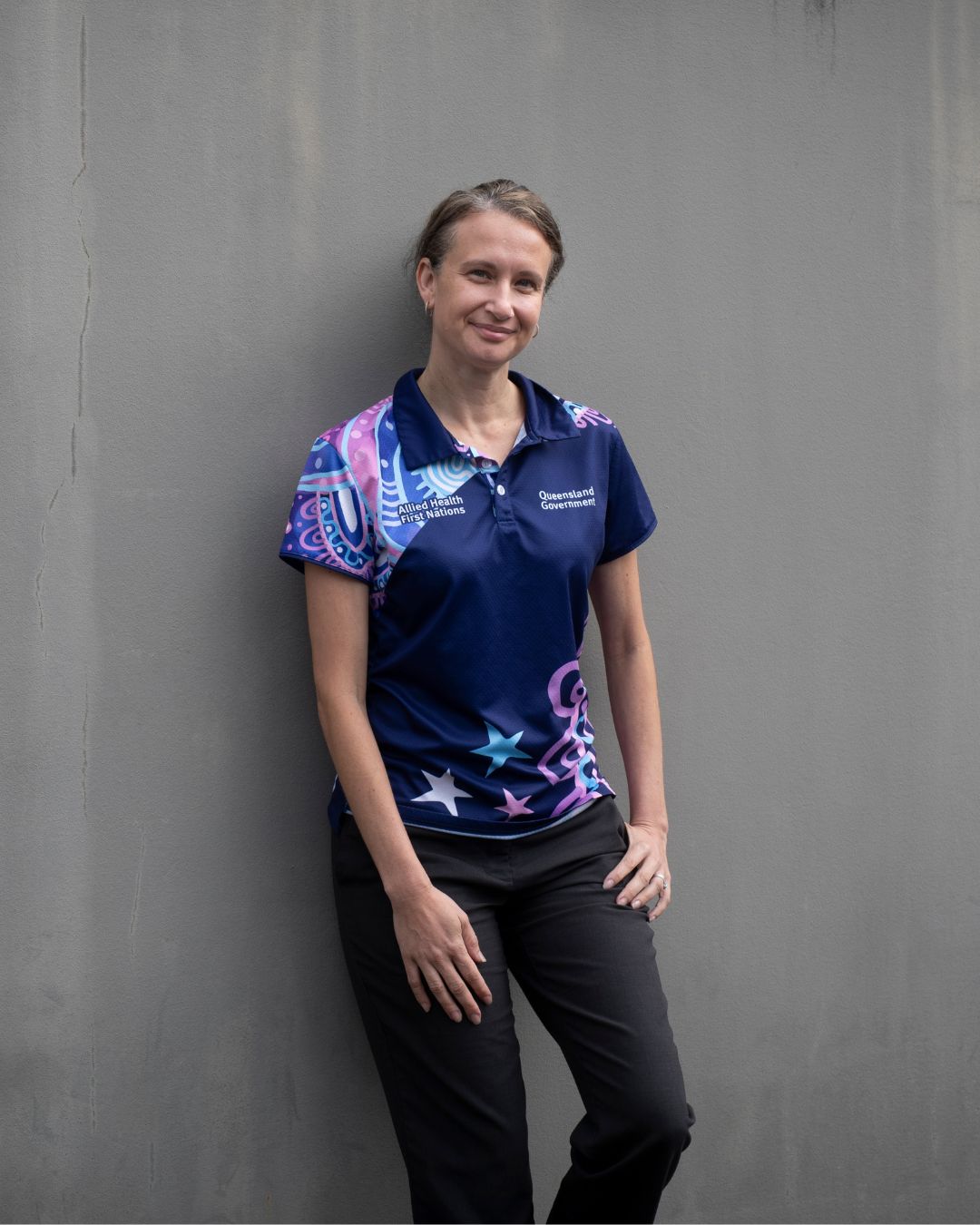 Chastina Heck MPS, Chair of the PSA/NACCHO Aboriginal and Torres Strait Islander Pharmacy Practice Community of Specialty Interest (CSI).[/caption]
 Philippa Chigeza, pharmacist at Logan Hospital.[/caption]


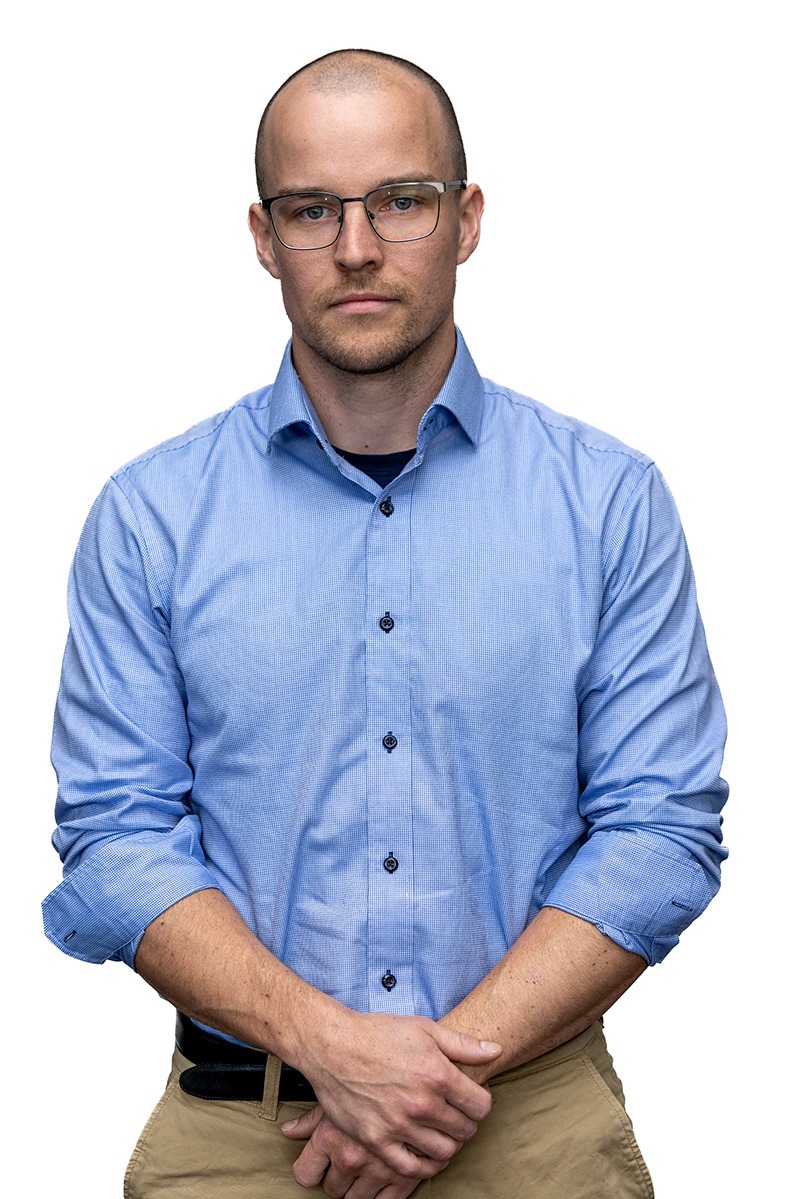 Stewart Mearns MPS[/caption]
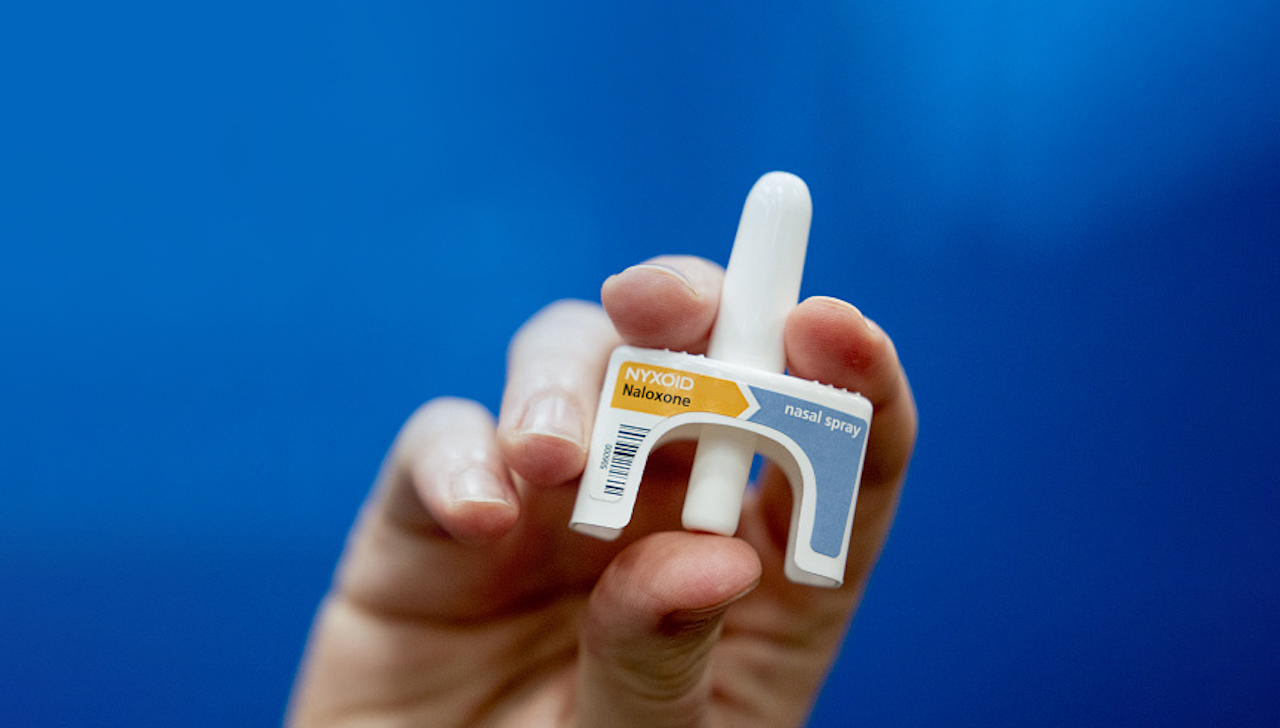
Case Scenario
Adnan, 35, has been using heroin on and off since becoming homeless at the age of 15. He comes into the pharmacy to ask about naloxone. Adnan explains that many years ago he found a woman on the floor of a bathroom, unresponsive, with blue lips and barely breathing. He panicked and tried to shake her awake, but she died in front of him. Adnan has always tried to be cautious with his own opioid use but has had to call the ambulance several times for others.
Learning ObjectivesAfter reading this article, pharmacists should be able to:
Competency (2016) standards addressed: 1.1, 1.3, 1.4, 1.5, 2.1, 2.3, 3.1, 3.2 |
Already read the CPD in the journal? Scroll to the bottom to SUBMIT ANSWERS.
Introduction
Collectively, opioids are the group of drugs most often implicated in unintentional drug-related deaths.1 In this article, ‘opioids’ is used as the umbrella term to cover pharmaceutical opioids and illicit substance
THIS IS A CPD ARTICLE. YOU NEED TO BE A PSA MEMBER AND LOGGED IN TO READ MORE.