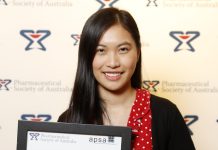







Adeline Tan MPS is working to make healthcare more accessible for people with intellectual disability.
What first drew you to working with people with disability and intellectual disability?
One of my first roles as a pharmacist was with a community pharmacy that provided medication packing and review services for a large disability support provider in Adelaide. Through this role, I worked with people with intellectual disability, their families, nurses and support staff, and gained firsthand insight into the unique healthcare challenges they face.
After becoming credentialed to conduct Medication Management Reviews, I spent one day each week on site reviewing medicines with clients. Many people were living with complex health conditions and taking multiple medicines, and while I could identify medication-related issues, I often found myself asking, ‘What more can I do to make things better?’ That question has stayed with me throughout my career.
What were some key experiences that shaped your career path?
When I was an intern pharmacist, my preceptor, Grant Kardachi FPS, introduced me to Home Medicines Reviews (HMRs) and encouraged me to become an accredited pharmacist. After that, my role in a diverse community pharmacy exposed me to medication reviews, aged care, disability services, vaccinations, compounding and other professional services, providing a strong clinical and operational foundation.
Another turning point came when I completed an MBA. It challenged me to think beyond traditional pharmacy practice and helped me appreciate the broader impact healthcare professionals can have through leadership, strategy and system-level change.
What are some medicine challenges faced by people with disability?
People with disability often have complex health needs and are more likely to experience polypharmacy, medication-related harm and inappropriate use of medicines, particularly psychotropic medicines. They may also face barriers to understanding medicine information, accessing healthcare services and receiving preventive care such as vaccinations.
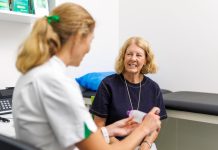
Pharmacists are ideally placed to help address these challenges. As accessible medicines experts, they can provide tailored education and counselling, conduct medication reviews to identify and address medicine-related problems, and support safe medication administration through practical strategies such as dose administration aids.
Importantly, pharmacists can provide person-centred care by adapting communication, using accessible resources, considering sensory preferences or physical limitations and ensuring people with disability are actively involved in decisions about their medicines.
How can pharmacists better support carers and support workers when it comes to medicines?
Carers and support workers play a critical role in medication management, but their levels of health and medicine literacy can vary considerably. Pharmacists have an important capacity-building role and can help increase confidence and knowledge around medicine safety, administration, polypharmacy and restrictive practices such as chemical restraint.
Most importantly, pharmacists can help ensure carers and support workers have the information they need to provide safe support while respecting the rights, preferences and autonomy of the person with disability.
Where do you see pharmacy fitting into the evolving model of disability care in Australia?
I believe that pharmacists are an underutilised resource within disability care.
As medicines experts, pharmacists have an important role in promoting quality use of medicines and reducing medication-related harm. While pharmacists currently contribute through community and hospital pharmacy services and medication reviews, with the right policy and funding framework, we could become valued members of multidisciplinary disability care teams, helping improve medication safety and health outcomes.
We’ve seen the impact that pharmacists can have in aged care settings. As disability care continues to evolve, pharmacists should be recognised as essential members of the broader care team.
Day in the life of Adeline Tan MPS, Project Operations Manager, PSA, Adelaide, SA
| 7:30am | Medication review
My day starts with an HMR for a gentleman with intellectual disability who lives in supported independent living. He’s an early riser and likes to get things done before heading off to his day options program. |
| 9:00am | At my desk
Emails, calendar, coffee and the to-do list. Today I’m finalising the evaluation and acquittal reports for Your Medicines, Your Pharmacist, a project funded by the South Australian Office for Autism. |
| 11:00am | Project reference group meeting
One of the things I love about my role at PSA is the variety. Today I’m chairing a meeting for a collaborative project involving PSA, the South Australian Council on Intellectual Disability and the University of Newcastle. |
| 1:00pm |
Lunch, then back to reality The afternoon is a mix of project budget planning, reporting, stakeholder emails and project administration. Also, I need another coffee. |
| 5:30pm |
Mum mode Pick the kids up and launch into dinner, baths and bedtime stories, and try my best not to fall asleep in bed with them. |
| 5:30pm | School run
Ideally leave on time and get to kinder to pick up my daughter. |
| 8:30pm | One last task
Before I switch off for the night, I spend some time drafting the HMR report from this morning while the consultation is still fresh in my mind. I’ll review it tomorrow before sending the report to the GP. |