
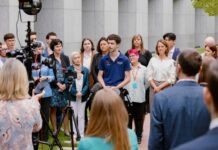
 Rhiannon Price, Pharmacist at King Edward Memorial Hospital.[/caption]
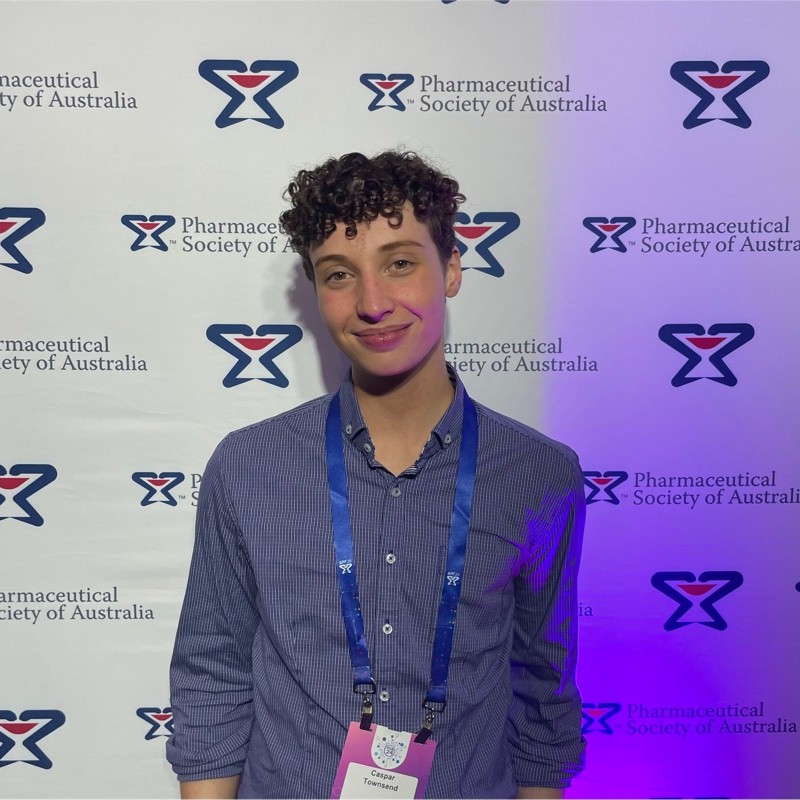 Caspar Townsend MPS, Pharmacist at Perth Children's Hospital compounding unit[/caption]
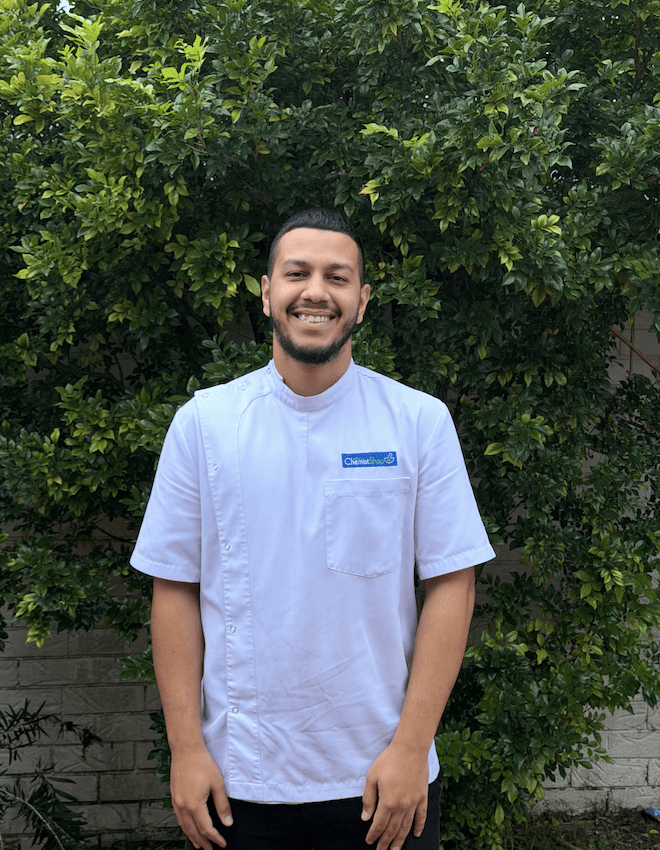 Iraq Doali, NSW-based locum pharmacist and content creator[/caption]



 Normalisation is medical misogyny and delays diagnosis
 Sharnelle Vella, ABC Radio Melbourne breakfast co-host[/caption]


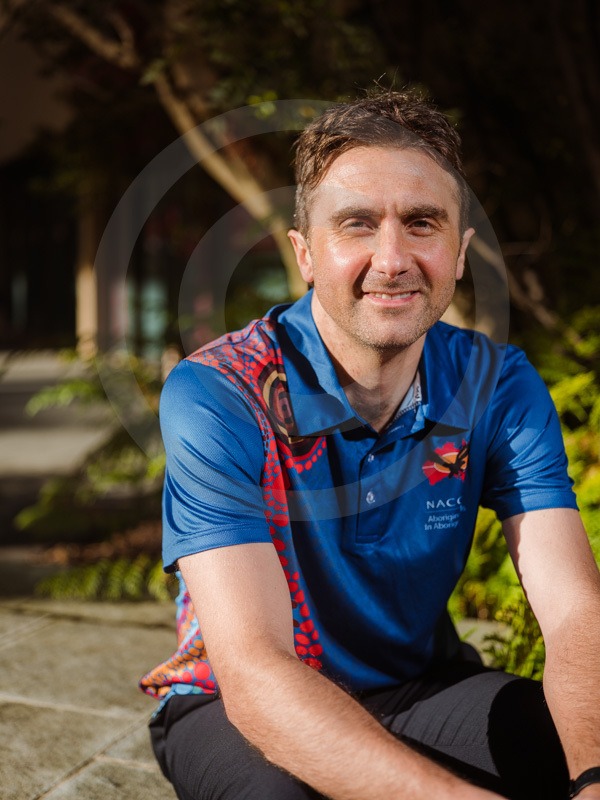 Mike Stephens, Director, Medicines policy and Programs at the National Aboriginal Community Controlled Health Organisation (NACCHO)[/caption]
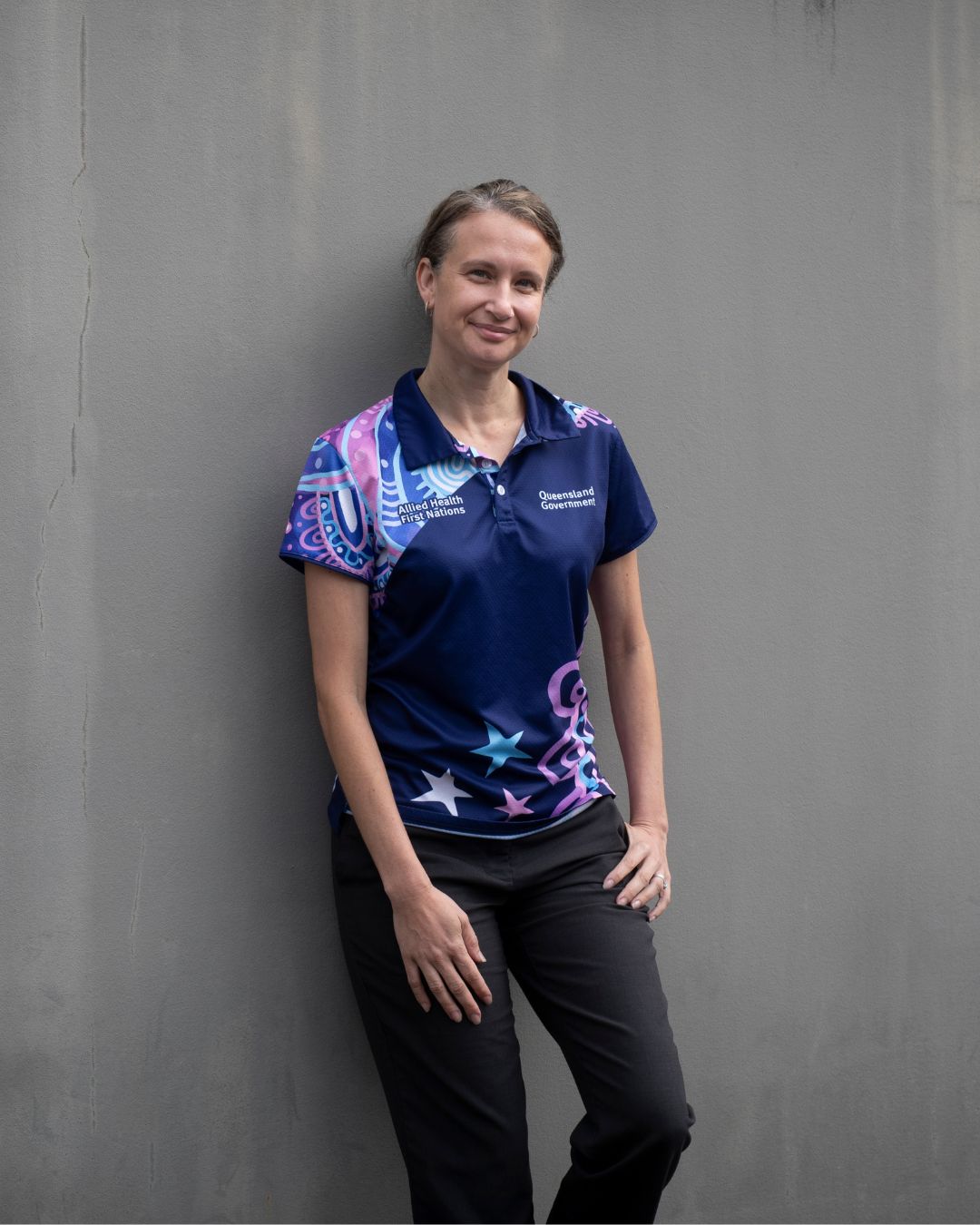 Chastina Heck MPS, Chair of the PSA/NACCHO Aboriginal and Torres Strait Islander Pharmacy Practice Community of Specialty Interest (CSI).[/caption]
 Philippa Chigeza, pharmacist at Logan Hospital.[/caption]


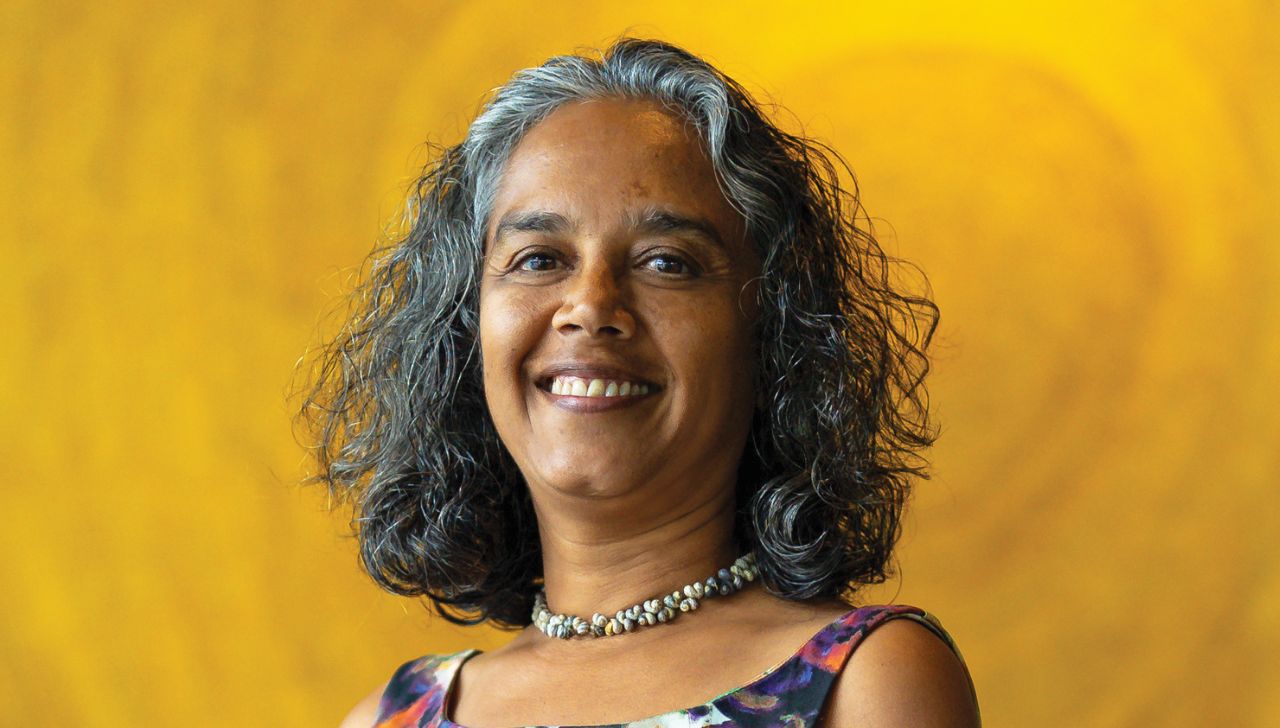
Associate Professor Bhavini Patel has driven Northern Territory medicines reform through cultural respect and clinical leadership.
Describe your current role.
As NT Health’s Executive Director of Medicines Management, I’m a health system leader, innovator and policy maker focused on strengthening medicines management systems across the NT and nationally.
My team’s mission is to improve health and wellbeing outcomes for Territorians by optimising the use of medicines, advocating for medicines policy aligned with NT Health priorities, supporting research and innovation, and building partnerships to provide advice, assistance and support in medicines management.
How did you advance?
After completing my intern year in London in the early 1990s, I was accepted into one of the early hospital residency programs linked to completing a master’s degree in clinical pharmacy. This helped me build confidence in my clinical practice through rotations in various specialties, integration into the code blue team, and undertaking partnered prescribing for discharge patients on the surgical ward. I particularly enjoyed the renal, cardiology and infectious diseases rotations, and undertook extra study to consolidate my knowledge.
Following my move to the NT in 1996, I did a 6-week locum stint at Alice Springs Hospital, giving me a glimpse of delivering pharmacy services in remote Australia to Aboriginal and Torres Strait Islander peoples. In 1998 I took a role at the Royal Darwin Hospital (RDH).
There was no clinical pharmacy service in place, so I began attending the renal ward rounds. I started to see that the structure of hospital services was based on a Western worldview, with services and treatments delivered through the biomedical model – making it difficult to accommodate different cultures.
My greatest influence was the generosity of the many patients with kidney disease who shared their culture and healing knowledge. I came to understand the resilience of Aboriginal and Torres Strait Islander peoples through their culture and connection to Country. It was up to me to develop the skills to be an effective pharmacist in the NT, including speaking in plain English, incorporating interpreters and using ‘teach-back’ techniques to improve communication.
How have you worked to influence systems improvements?
The NT is large and sparsely populated, so I have a special interest in how technology can assist with safe and effective access to medicines. In 2004, RDH was the first public hospital to implement electronic medicines management software, linking with innovative work in primary care through the prototype of My Health Record.
In 2005, I was the first pharmacist accepted into a Translating Research into Practice Fellowship at the National Institute of Studies. I developed skills in implementing large systems improvements by collaborating across the health system, including hospital, primary and secondary care, and Aboriginal Community Controlled Health Organisations.
Through the Improving Outcomes for Kidneys (I’m OK) project, the team improved blood pressure management, increased the number of people commencing haemodialysis with a fistula, and established a conservative treatment pathway to help people with end-stage kidney disease be managed on Country. We achieved this by establishing the first multidisciplinary telehealth case conferencing – connecting renal specialist teams, primary healthcare teams, patients and families using telephones.
Any advice for ECPs?
Spend time working in a hospital. You will join a multidisciplinary team and be mentored by senior pharmacists across clinical specialties, helping improve health outcomes by managing complex medicines for some of the most unwell patients in the community. Clinical pharmacy allows you to consolidate your critical thinking and problem-solving skills; communicate effectively with a range of staff, patients and families; deliver education sessions to doctors and nurses; and gain experience in medication safety and quality improvement activities. These skills are transferable to a wide range of roles within pharmacy and the healthcare system.
Day in the life of Associate Professor Bhavini Patel, NT Health, Darwin, Northern Territory
Morning yoga
I do a 10–15 minute yoga asana practice to set me up for the day, followed by a double-shot flat white on my veranda while listening to the birds. I ride my bicycle to work along the coast of Casuarina Beach.
Team sync
Check in with my team in person or via Teams and review my schedule for the day. I also review my to-do list and the team ‘timeline’ for any approvals/actions that need to be completed by the end of the day.
Leadership meetings
Huddle with other NT Health leads (e.g. Chief Medical Officer, Chief Nursing and Midwifery Officer, Chief Aboriginal Health Practitioner) to share weekly updates and issues. A recent initiative includes updating ‘drug libraries’ for the smart IV pumps used in NT Health projects. An audit by the medicines safety team showed high use of ‘drug X’ by nursing staff instead of the pre-programed individual medicine protocols, resulting in incidents around the use of high-risk medicines such
as vancomycin and amiodarone.
Lunchtime
Have lunch at my desk and read updates from my journal feeds (renal, cardiology, infectious diseases and preventative health).
Policy decisions
Attend the NT Medicines and Therapeutics Committee and review the agenda papers, including the addition of nadolol to the formulary for the treatment of congenital long QT syndrome, after its use in more than 10 cases in the past 12 months. This medicine is not approved for use in Australia, so it will need to be imported through the TGA Special Access Scheme.
End-of-day reset
Finish for the day, get on my bicycle and have a relaxed evening with family or friends.