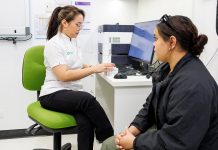






The combination of an award wage rise and pay equity increase is set to deliver a meaningful lift in pharmacist remuneration.
Pharmacists are in line for a pay boost. AP investigates the drivers set to lift wages from 1 July.
Strong award wage increase
Pharmacists employed by the Pharmacy Industry Award 2020 will experience their largest annual wage rise in years. The Fair Work Commission (FWC) announced the 2026 Annual Wage Review decision yesterday (2 June), increasing modern award minimum wages by 4.75% from 1 July.
The increase is lower than the 6% wage rise supported by unions, but higher than the rate proposed by employer and business groups.
Along with the Australian Industry Group and the Australian Chamber of Commerce, the Pharmacy Guild of Australia advocated for a 3.5% wage increase, advising that this was the highest level businesses could accommodate.
However, the FWC’s decision was based on the challenges the nation is facing, including Reserve Bank interest rate tightening and the conflict in the Middle East.
In its decision, the FWC noted ‘ regrettably, … it is not practicable in the current uncertain circumstances to award a real wage increase for employees reliant on modern award wage rates that would be sufficient to close the real wage gap entirely’ compared to the post-pandemic inflation spike after July 2021.
‘I consistently hear from our members that remuneration is their number one concern, particularly given cost-of-living pressures,’ said PSA National President Professor Mark Naunton MPS. ‘For many community pharmacists, who make up a significant proportion of our membership, the award increase feels long overdue.’
Year 2 of the gender undervaluation correction
In 2025, the FWC’s Expert Panel for pay equity in the care and community sector determined that pharmacists have been subject to a total of 14.1% gender-based undervaluation.
‘Last year’s gender discrimination determination was so important in addressing longstanding discrimination in the award rate for pharmacists, which was found to be directly linked to the high proportion of the workforce that is female,’ Prof Naunton said.
The Expert Panel issued a determination that there will be a total increase in the minimum wage rates of 14.1% over 3 years, with the second increase set to take place on 30 June 2026.
As AP pointed out last year, not all pharmacists will see a direct pay rise. The award sets a remuneration level, and Fair Work data indicates around 12.7% of pharmacists are paid at award rates only – though the proportion is likely higher in community pharmacy, where collective agreements are less common than in the hospital sector.
While pharmacy interns will see another pay rise, pharmacy assistants and pharmacy students are not included, as their rates were not found to be undervalued.
‘We welcome the next stage of the gender discrimination increase to the Pharmacy Industry Award, which will take effect from 1 July, in addition to the 4.75% increase from the annual wage review,’ Prof Naunton added.
What will the new award hourly rate be?
The exact updated pay rates will be confirmed when the FWC publishes new pay guides ahead of 1 July.
And while the wage increase is a relief for many pharmacists, Prof Naunton said PSA also recognised that there are other members who are being left further behind financially.
‘We continue to fight to increase remuneration for pharmacists who provide medication review services, who have had no fee increase in 7 years,’ he added.