

 Kelly Abbott MPS[/caption]


 Owner of Canberra's Capital Chemist Southlands Louise McLean MPS.[/caption]

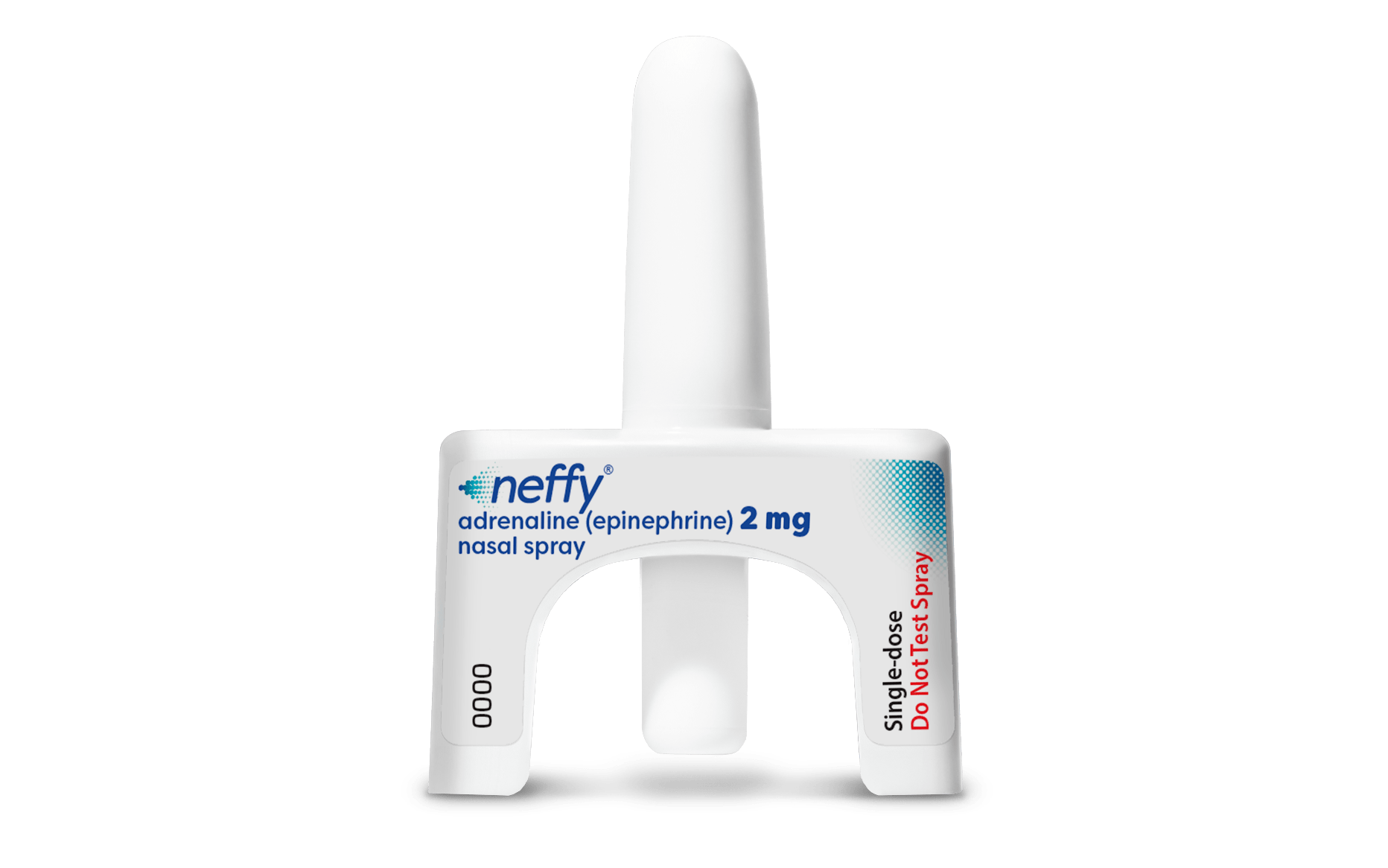 Supplied by CSL Seqirus[/caption]


Case scenario
John, 33, presents to your pharmacy. He’s just been to see the doctor because the edge of his toenail looks yellow and thick. He explains that the problem started a few months ago after he joined a gym and started using the gym’s shower facilities to get ready for work. The doctor advised him to use a topical nail antifungal treatment and to come back for a review in a couple of months. John asks for your recommendation and for any additional advice.
Introduction
Onychomycosis is a fungal infection of the nails. If left untreated, it can cause pain, discomfort, spread of infection and physical impairment, negatively impacting quality of life.1-4 It is the most common nail disorder seen in clinical practice, with an estimated global prevalence of 5.5%.3,5,6 Pharmacists play an important role in providing information to patients and other healthcare providers regarding the prevention and treatment of onychomycosis.7,8
Learning ObjectivesAfter reading this article, pharmacists should be able to:
|
THIS IS A CPD ARTICLE. YOU NEED TO BE A PSA MEMBER AND LOGGED IN TO READ MORE.