



 Normalisation is medical misogyny and delays diagnosis
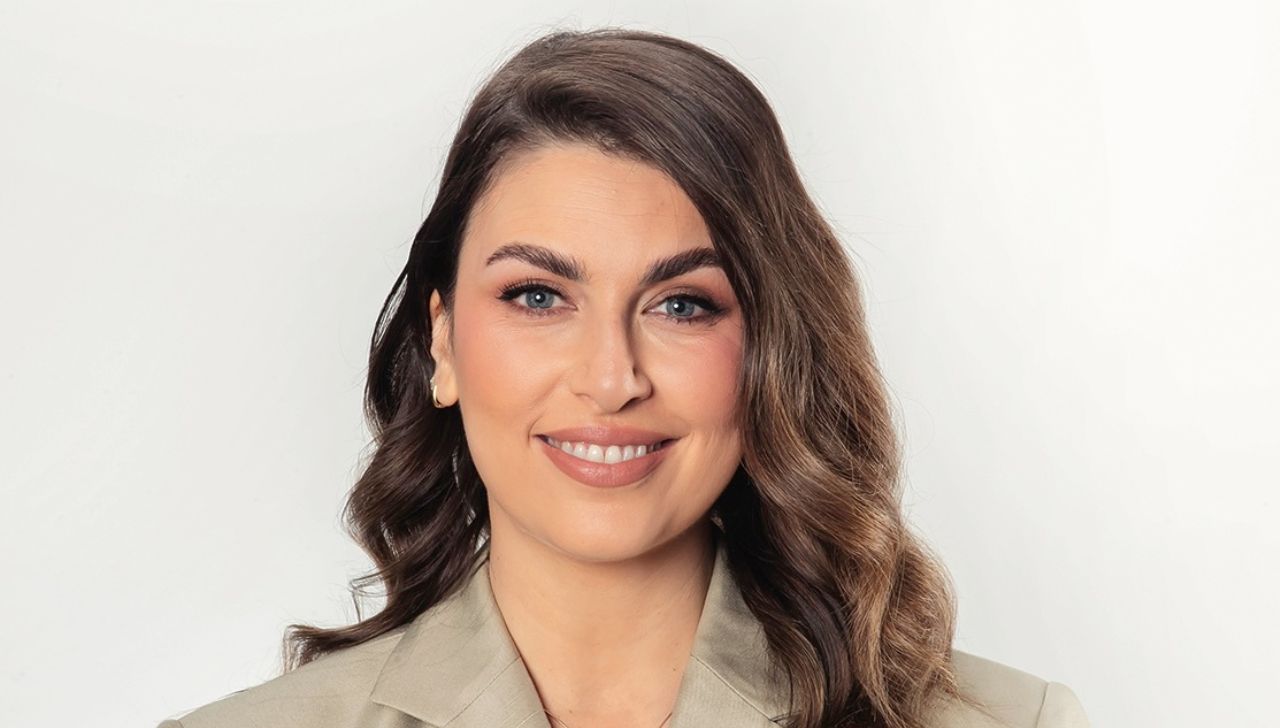 Sharnelle Vella, ABC Radio Melbourne breakfast co-host[/caption]


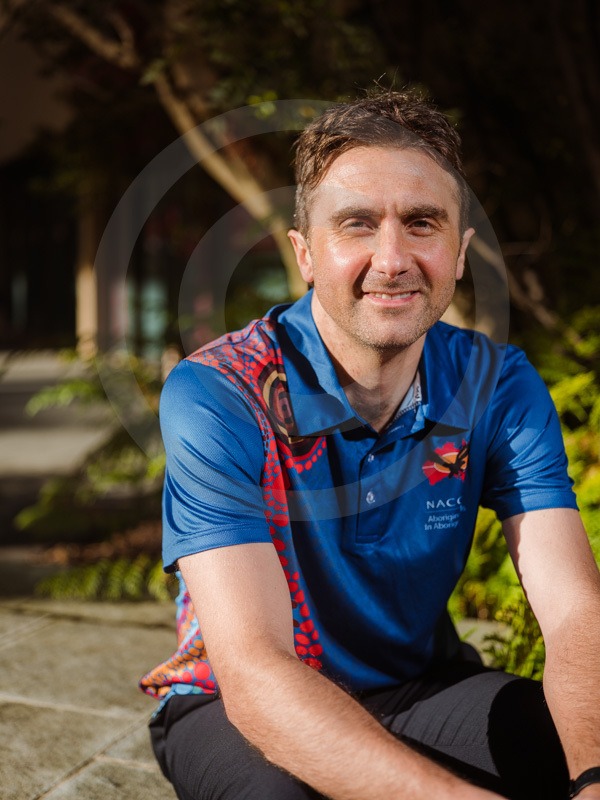 Mike Stephens, Director, Medicines policy and Programs at the National Aboriginal Community Controlled Health Organisation (NACCHO)[/caption]
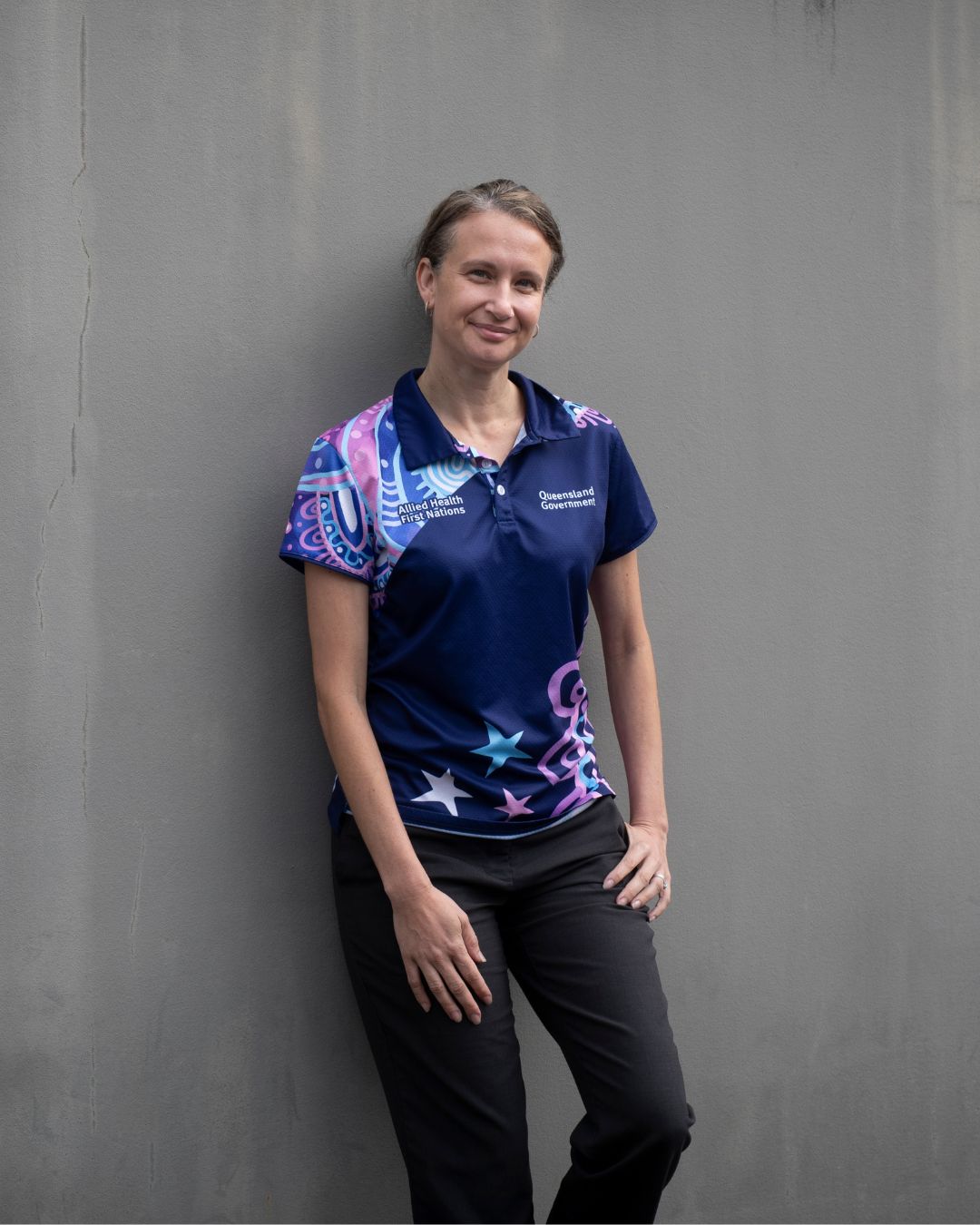 Chastina Heck MPS, Chair of the PSA/NACCHO Aboriginal and Torres Strait Islander Pharmacy Practice Community of Specialty Interest (CSI).[/caption]
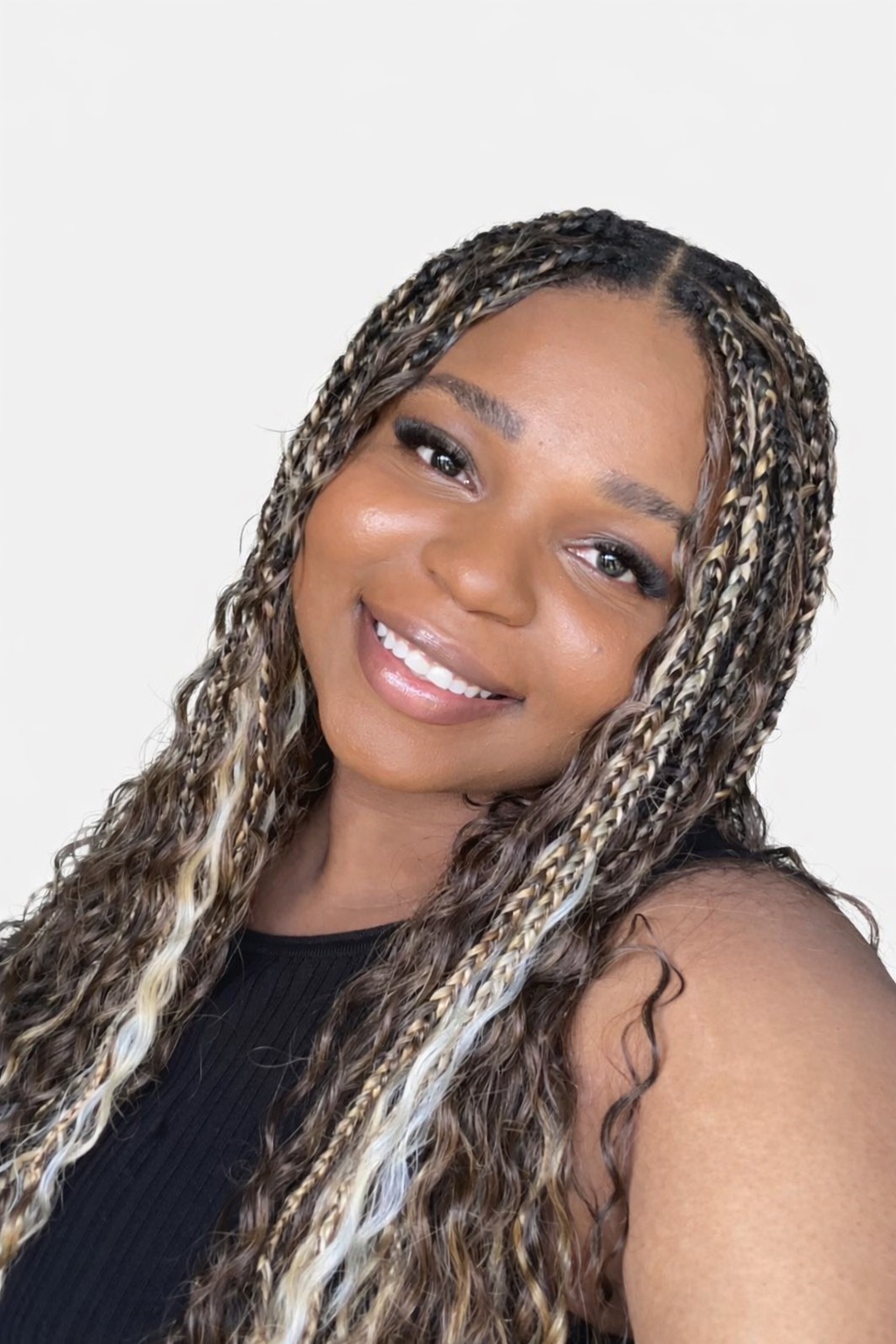 Philippa Chigeza, pharmacist at Logan Hospital.[/caption]


 Stewart Mearns MPS[/caption]



An expert weighs in on the legitimacy of adult attention-deficit/hyperactivity disorder (ADHD) diagnoses and where pharmacists fit into the equation.
Diagnosis of ADHD in adults has skyrocketed in recent years. According to a recent briefing conducted by the federal Department of Health and Aged Care, published under freedom of information laws, ADHD diagnoses and prescriptions for ADHD medicines have more than doubled over a 5-year period.
In 2022, 3.2 million prescriptions for ADHD medication were issued to 414,000 patients – a sizable jump from the 1.4 million prescriptions issued to 186,000 Australians in 2018.
Could new diagnostic criteria and guidelines, including the Australian Evidence-Based Clinical Practice Guideline For Attention Deficit Hyperactivity Disorder (ADHD), be helping undiagnosed adults finally receive the care they need?
Or is the condition being overdiagnosed and overmedicated – as some Australian psychiatrists fear – spurred on by social media trends and the COVID-19 pandemic?
And why are women so commonly diagnosed with ADHD in adulthood, when the condition is thought to be more prevalent among males?
Advanced Practice Pharmacist and PSA SA/NT Branch President Dr Manya Angley FPS, an expert in neurodivergence, answers these burning questions in the first of a series of Australian Pharmacist videos – where we speak to thought leaders about a range of hot topics relevant to pharmacy practice.
Dr Angley will be speaking at CPC24 on Neurodiversity/ ADHD in adults on Saturday, 4 May 2024 9:45–10:15 am. Register here to attend.