





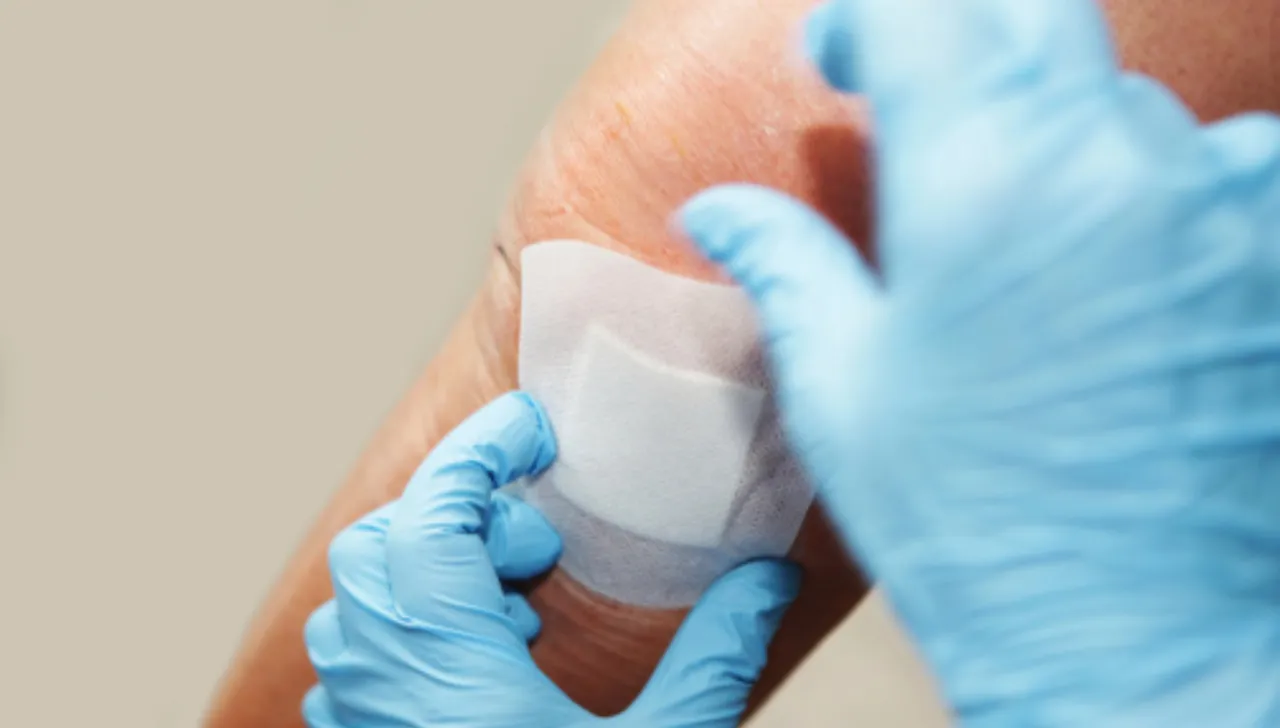
Case Scenario
Mrs Burns, aged 50 years, comes into the pharmacy with a radiation burn that was left open for a week. Hydrocortisone 0.5% with lidocaine 5% ointment and a low-adherent pad was recommended at the time; however, her wound is now quite sore (6/10). Her general practitioner has referred her to see the Wound Care Pharmacist for further advice.
Wound size: 4 x 7 cm
Medical history: Recent radiation therapy for cancer (in remission). No allergies or medicines.
Introduction
Wound infection is a challenging part of wound care management, and systemic antibiotics are commonly prescribed as a treatment of choice for infection.1 However, inappropriate and widespread use of systemic and topical antibiotics are resulting in increased prevalence of methicillin-resistant Staphylococcus aureus (MRSA).1 Chronic wounds affect 2–5% of the population worldwide.2 Accurately identifying the signs and symptoms of wound infection and prompt treatment using evidence-based practice are critical to effective wound infection management,3 and prevention of wound complications and chronic wounds.
Learning objectivesAfter reading this article, pharmacists should be able to:
|
THIS IS A MEMBERS ONLY ARTICLE. YOU NEED TO BE A PSA MEMBER AND LOGGED IN TO READ MORE.