

 Team PSA 2026: Caroline Diamantis FPS, Prof Mark Naunton MPS and Bridget Totterman MPS[/caption]
 A/Prof Fei Sim and Prof Mark Naunton[/caption]
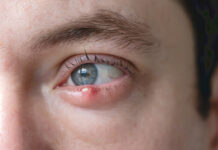
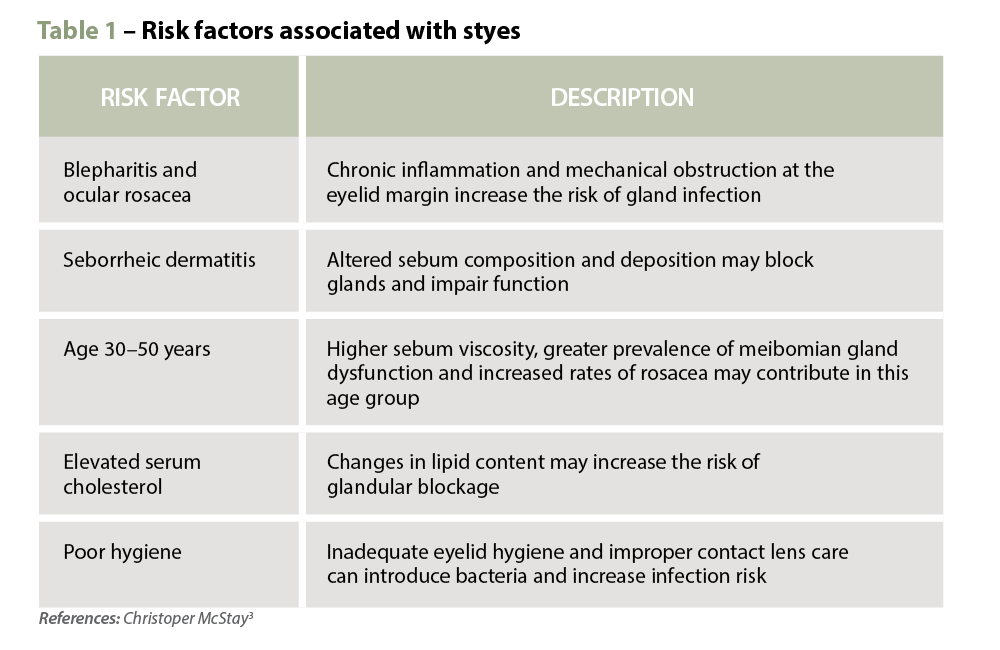 Clinical features
 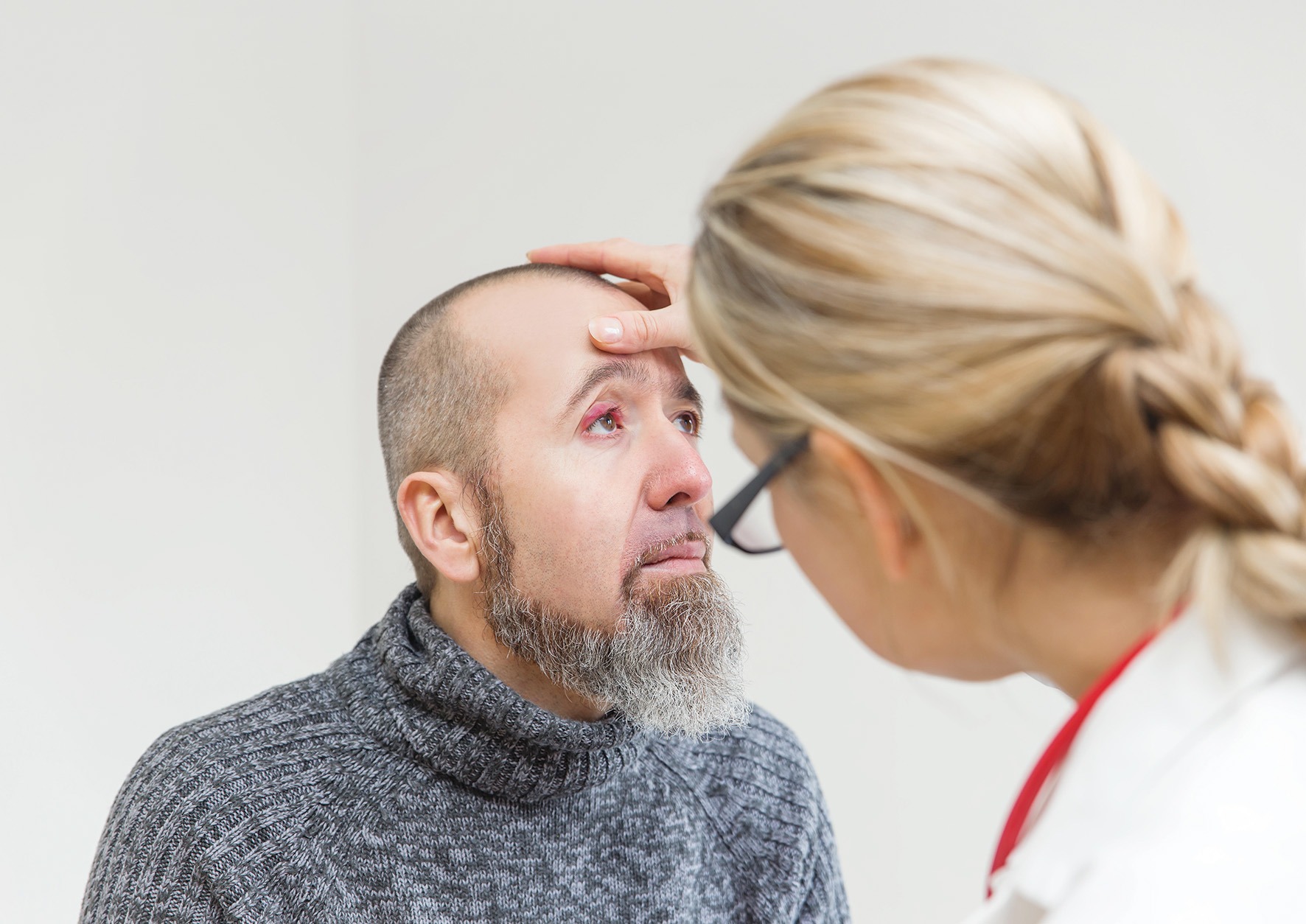 Warm compresses are the cornerstone of treatment, helping to soften the lesion, bring pus to the surface and encourage spontaneous drainage. A clean face cloth soaked in warm (not hot) water should be applied to the closed eyelid for 2–5 minutes, twice daily during the active phase. Once the stye begins to drain, any discharge should be gently wiped away using a clean, warm washcloth. After resolution, continuing warm compresses once daily may help prevent recurrence.2

Case Scenario
Justin, a 25-year-old male, presents to your pharmacy to fill a repeat prescription for valaciclovir 500 mg tablets, which he uses for episodic management of genital herpes. As you are counselling him, he reports that he has experienced six episodes so far this year.
He finds the symptoms to be quite severe, and it is beginning to have a negative impact on his overall health.
Justin wonders why he is experiencing so many episodes and asks you if there is anything else that he can do.
| Learning objectives
After reading this article, pharmacists should be able to: • Describe the transmission of herpes simplex virus • Describe the symptoms of genital herpes • Describe the difference between initial, episodic and suppressive treatment for genital herpes. Competencies assessed (2016): 1.1, 1.4, 1.5, 2.1, 2.3, 2.4, 3.1, 3.2, 3.5 Accreditation code: CAP2212CDMES Accreditation expiry date 30/11/2025 |
Already read the CPD in the journal? Scroll to the bottom to SUBMIT ANSWERS.
Introduction
Genital herpes is a common sexually transmitted infection (STI) cause
THIS IS A CPD ARTICLE. YOU NEED TO BE A PSA MEMBER AND LOGGED IN TO READ MORE.