 Rhiannon Price, Pharmacist at King Edward Memorial Hospital.[/caption]
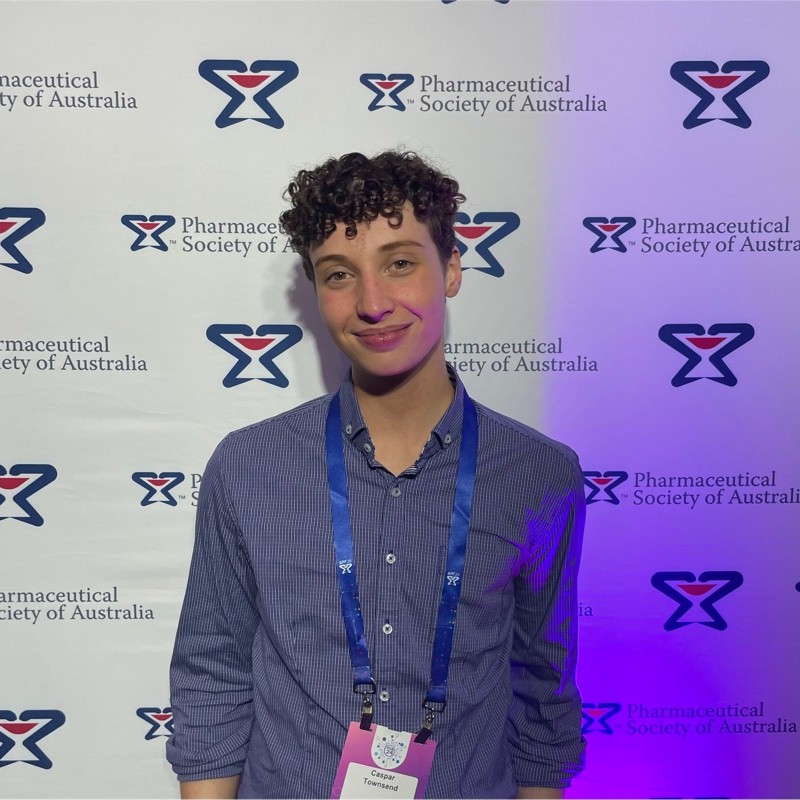 Caspar Townsend MPS, Pharmacist at Perth Children's Hospital compounding unit[/caption]
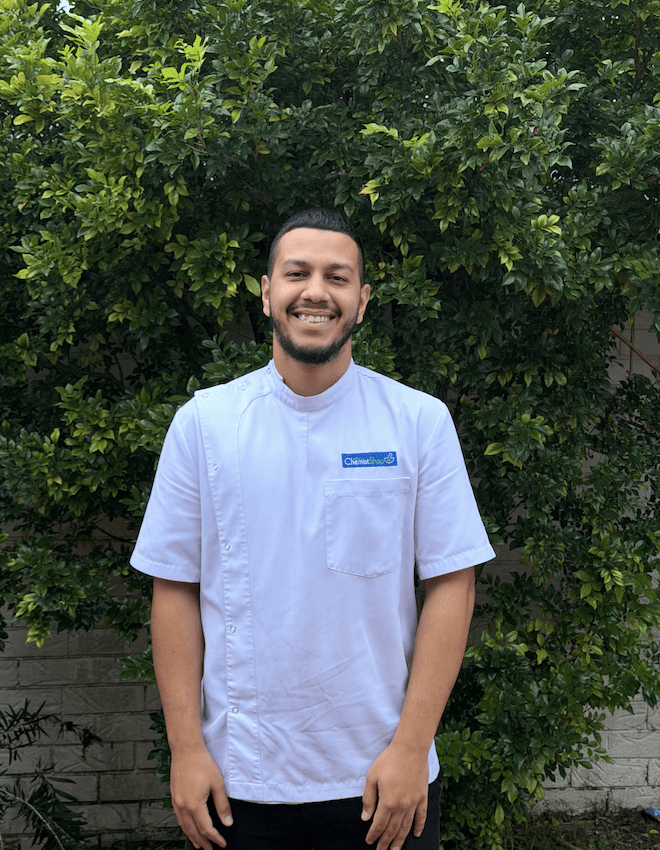 Iraq Doali, NSW-based locum pharmacist and content creator[/caption]



 Normalisation is medical misogyny and delays diagnosis
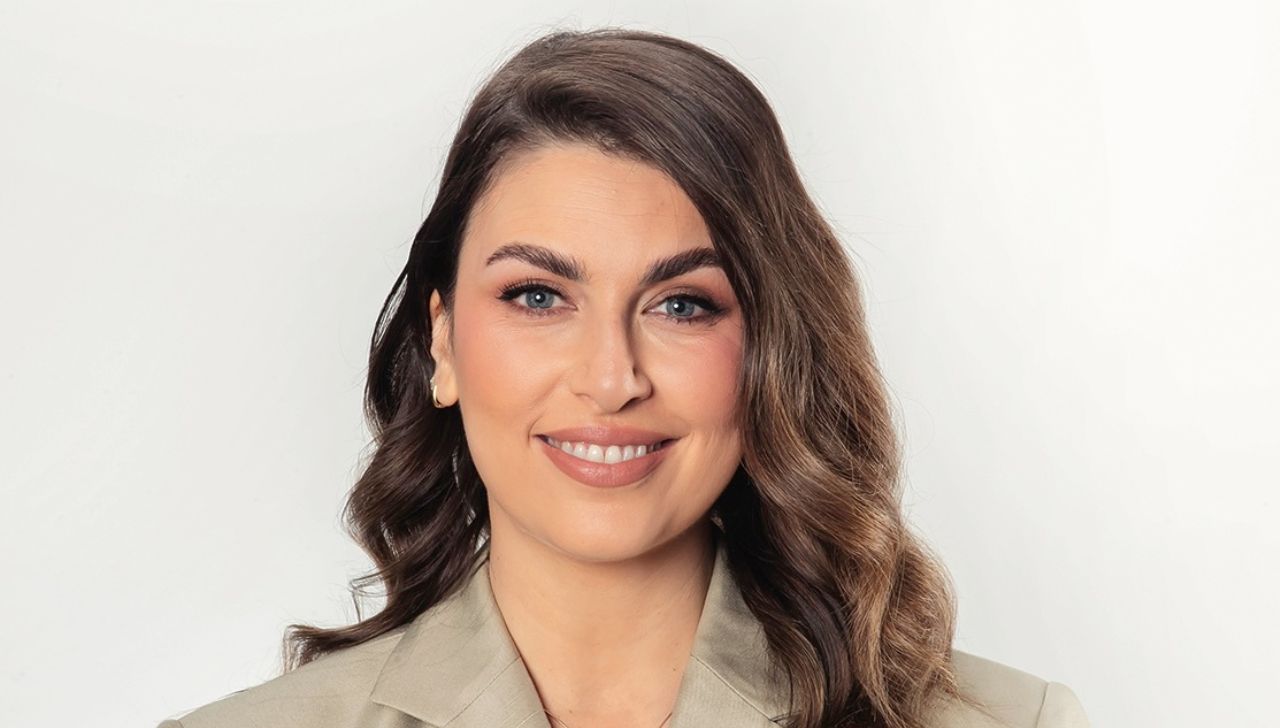 Sharnelle Vella, ABC Radio Melbourne breakfast co-host[/caption]


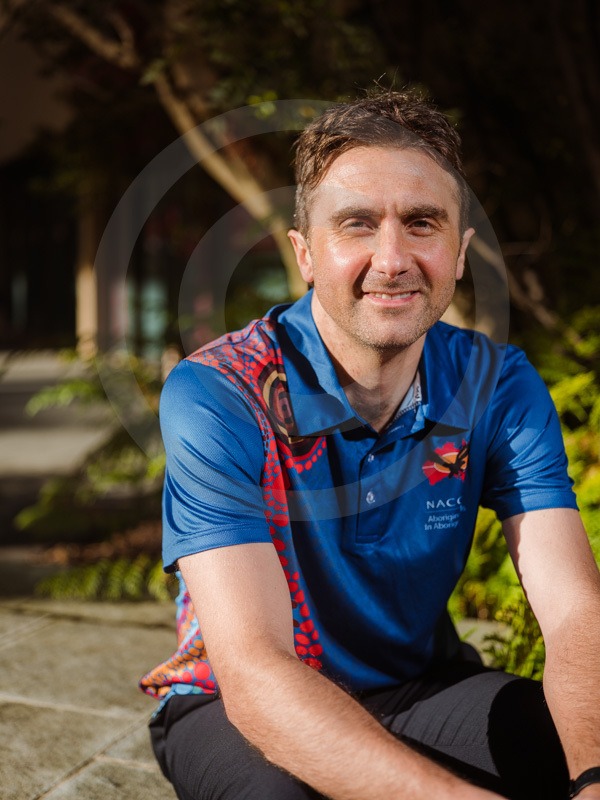 Mike Stephens, Director, Medicines policy and Programs at the National Aboriginal Community Controlled Health Organisation (NACCHO)[/caption]
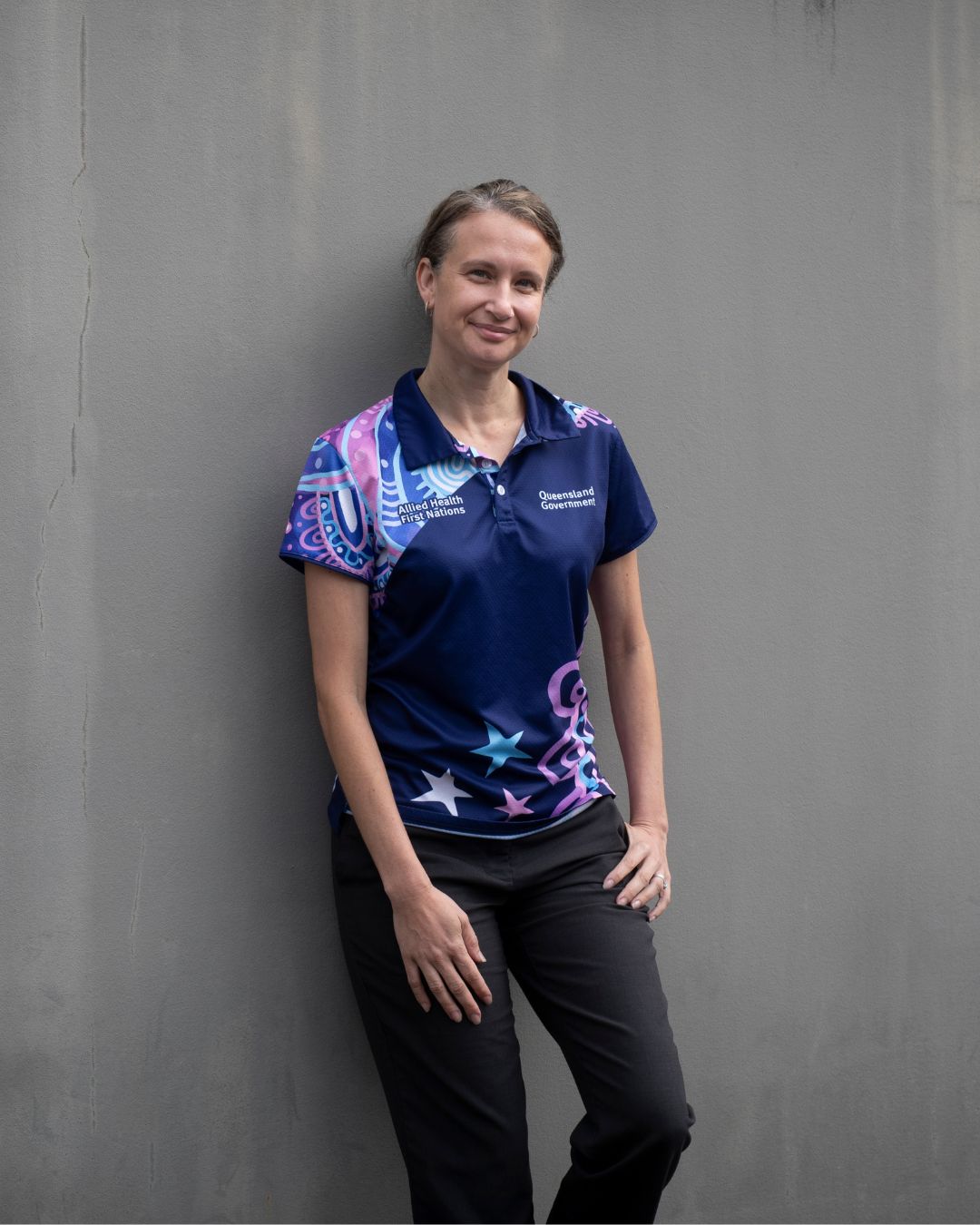 Chastina Heck MPS, Chair of the PSA/NACCHO Aboriginal and Torres Strait Islander Pharmacy Practice Community of Specialty Interest (CSI).[/caption]
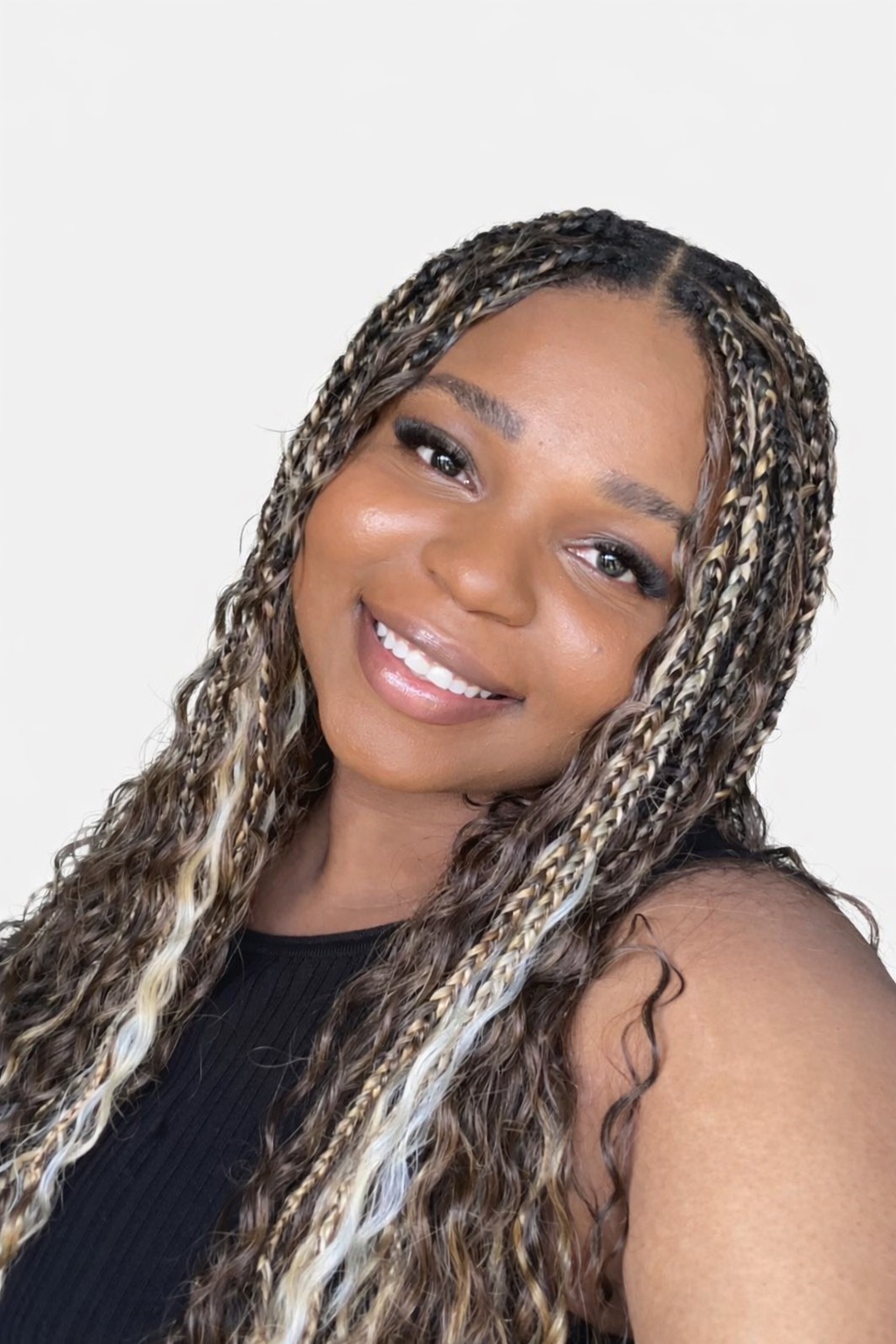 Philippa Chigeza, pharmacist at Logan Hospital.[/caption]


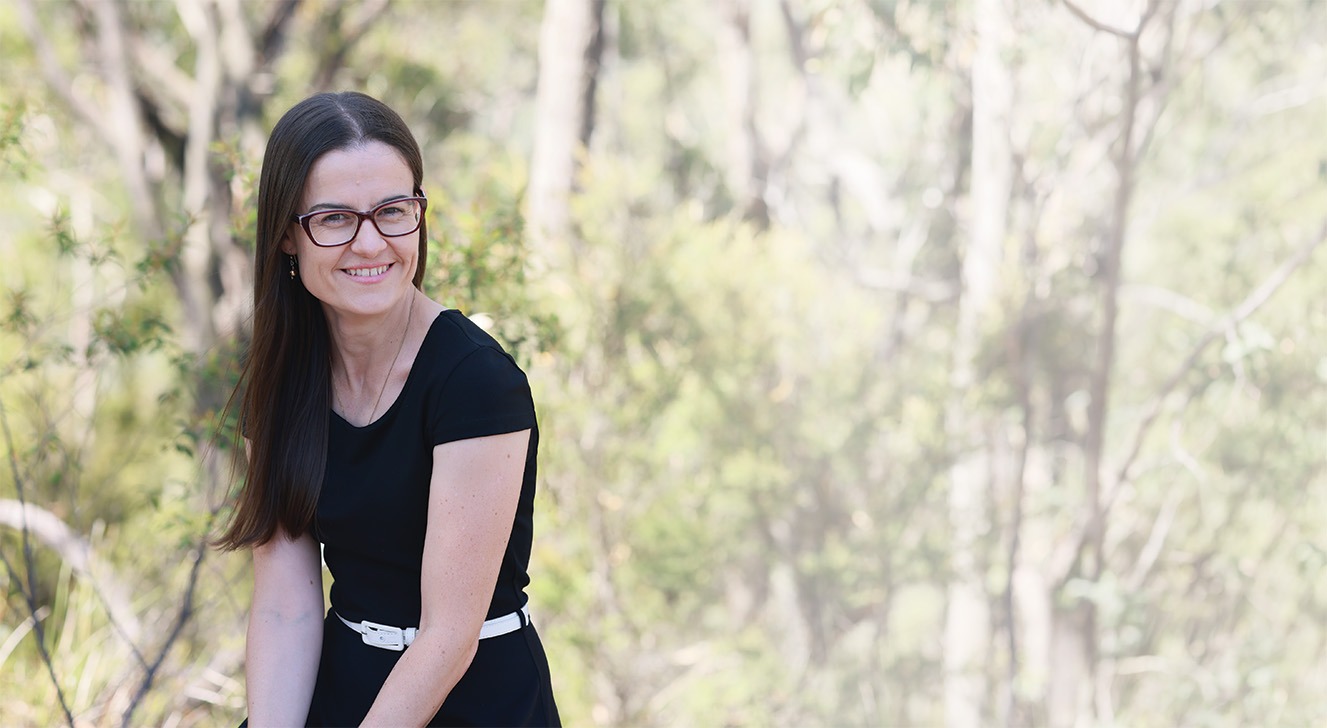
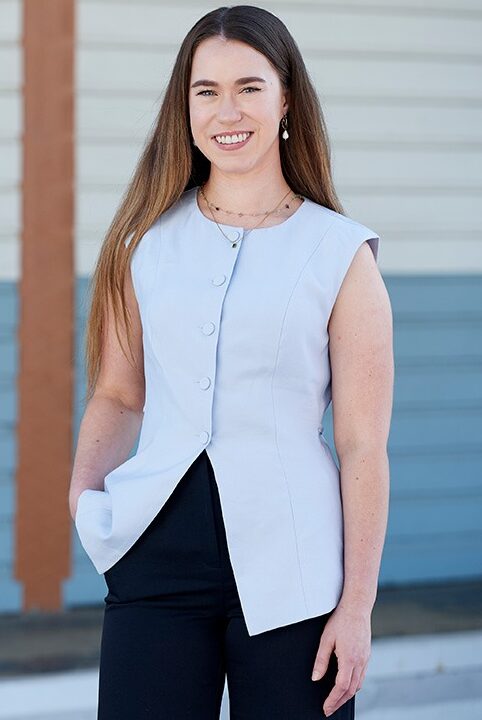
Rural Victorian pharmacist Kelly Abbott MPS reaches her 30 HMR cap every month. She continues to advocate for person-centred care without limits.
What drew you to credentialed practice?
I wasn’t drawn into it per se, more like politely pushed. Out of the blue, my former employer said she needed me to become accredited to support the aged care facilities serviced by the community pharmacy. Next thing I knew, she enrolled me in the course. After working as a credentialed pharmacist for 15 years, I’ve had plenty of nudges from others who have led me down amazing paths, and I’m so grateful to these people.
How did you start providing HMRs?
I sporadically performed Home Medicines Reviews (HMRs) for the pharmacy that encouraged my accreditation, but the flow of referrals began while I was on maternity leave. I was still dabbling in aged care to keep my knowledge current, so the local GPs got to know me and my work. They then chose to send referrals my way, which I was able to weave around my aged care days and babysitter availability.
How has your career evolved?
It’s been a whirlwind of unexpected networking opportunities and me being brave enough to say ‘yes’. I’ve gone from initial dabbling in HMRs to being approached at a clinic’s Christmas party by someone from a local Primary Health Network who wanted a pharmacist to work in their digital health team. Next, a former colleague reached out and recommended I apply for an NPS MedicineWise educational visiting role.
The day after NPS MedicineWise announced its closure, I was approached at a university dinner with the opportunity to work as a pharmacology lecturer for postgraduate medical students in a nearby town. When I left the university, a former NPS MedicineWise colleague offered me my dream return to educational visiting with Medcast.
More recently, two local GP practices who know me through HMRs and educational visiting have asked me to join their multidisciplinary teams. And a specific highlight: the PSA chose me as the assessor for re-credentialing and Objective Structured Clinical Examinations, where I found myself assessing submissions from some of my pharmacy idols.
What are the qualities required to provide HMRs?
Clinical knowledge is a given. But in my opinion, soft skills are the most important for supporting person-centred care. Walking into a stranger’s home, making them comfortable enough to share their goals and concerns with you, and leaving them with recommendations for change that they are on board with is not as easy as it sounds. Being approachable, friendly and having a good sense of humour goes a long way.
What’s your opinion of HMR caps?
There’s nothing I like less than the caps, not even pineapple on pizza. It’s an unnecessary administrative burden that creates stress every month. While I understand the original reasons behind the caps, to ensure government funding was used for patients with the highest clinical need, it’s become the biggest hindrance to rural HMR practice – with patients in some of the most remote parts of Australia often left without care.
No other specialist health professional is shackled like this, and both GPs and patients are stunned when I discuss why medicines reviews are becoming increasingly delayed. The benefits have been proven time and time again and the service is beloved.
What are you most looking forward to at CPC26?
Aside from seeing old friends and making new ones, I’m thrilled to be involved in the Consultant Pharmacists Community of Specialty Interest session. It was an overwhelming success at PSA25 and I can’t wait to be part of the team bringing practical skill development to my favourite conference.