


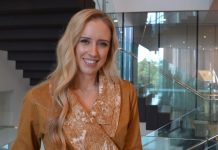


GP Pharmacist Brooke Snow MPS is dedicated to improving patient outcomes by strengthening pharmacists’ role in primary care.
Describe your pharmacy career.
I started as a pharmacy assistant while in high school, which led me to pursue pharmacy at James Cook University in Townsville. During uni holidays, I worked in community and hospital pharmacies as a tech, before securing a role as a senior cancer care pharmacist at the Liz Plummer Cancer Care Centre. After starting in general practice, contracting with a Primary Health Network and moving into project work with PSA, I’m focused on advancing pharmacy in primary care.
How did you become a GP pharmacist?
When we moved back home to the Atherton Tablelands after the birth of our second baby, I took him to the local GP for immunisations. The GP mentioned hearing about emerging roles for pharmacists in general practice and asked whether I would be interested. I drafted a simple proposal outlining what the role could look like and began working there within a few weeks.
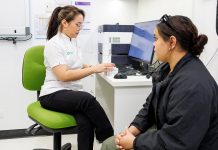
Our region is experiencing a significant GP shortage, so the role quickly grew and demonstrated its value. By supporting medicines management, reviewing complex medicine regimens and assisting with patient education, I’ve helped to improve efficiency in the practice while strengthening patient care.
How have you helped to shape models of care?
When I was contracted by the Northern Queensland Primary Health Network, I commissioned a pilot focused on medicines management for older adults in general practice, including defining pharmacists’ role, identifying the target patient cohort, establishing measurable outcomes and designing the data collection processes needed to demonstrate impact. It also involved identifying the barriers and enablers of embedding pharmacists in practices and determining how pharmacists could support patients and the clinical team.
Since then, my work has focused on refining and scaling models that embed pharmacists in general practice and aged care, often adapted to suit the needs of different healthcare teams and communities. One of the strengths of the pharmacy profession is our ability to respond flexibly to patient and system needs, and that adaptability has been key to the success of these emerging models.
Why is collaboration with GPs so important?
It allows patients to benefit from a more comprehensive approach to care, including safer prescribing and better medicines management, while helping practices manage the growing complexity of chronic disease and polypharmacy in primary care. Pharmacists can also provide something that’s often in short supply in primary care – time. Giving patients the opportunity to truly be heard can have a profound impact. Whether they support safe weaning of long-standing antidepressants, navigation of opioid replacement therapy or management of complex medicine regimens – these conversations can lead to more successful and sustainable outcomes.
What’s on the agenda for the GP Pharmacist Symposium this year?
I’m incredibly excited to lead the second annual PSA GP Pharmacist Symposium, held on 28 May on the Gold Coast.
The program will explore the evolving role of pharmacists in general practice and include key policy and advocacy developments aimed at strengthening sustainable workforce models, such as pre-budget submissions advocating for a doubling of the Workforce Incentive Program funding. We will hear from international colleagues in New Zealand and the United Kingdom who are already prescribing in general practice, alongside Australian clinicians involved in mentoring prescribing pharmacists.
The symposium will also showcase innovative models of care, including palliative care and Aboriginal Community Controlled Health Organisations. But I’m most looking forward to bringing leaders and innovators in this space together, providing opportunities for collaboration, shared learning and meaningful discussion about the future of pharmacists in general practice.