






td_module_mega_menu Object
(
[post] => WP_Post Object
(
[ID] => 32127
[post_author] => 3410
[post_date] => 2026-05-25 14:46:50
[post_date_gmt] => 2026-05-25 04:46:50
[post_content] => Tiernan McDonough MPS, PSA’s 2026 AMH Aged Care Pharmacist of the Year, is helping to develop onsite pharmacists from the ground up.
What has your career looked like so far?
I worked as a community pharmacist for many years in Brisbane, intermingled with casual CrossFit coaching, before transitioning into hospital pharmacy and undertaking medicines reviews for older adults.
After working part-time as a GP pharmacist, I moved to Adelaide to begin a PhD at the University of South Australia (UniSA). Now, most of my time is spent working on my PhD, part-time as an Aged Care On-site Pharmacist (ACOP), and casual academic work.
Why aged care?
The most rewarding roles I’ve had are my volunteer positions working with people living rough on the street or fleeing family violence. While aged care is very different, I get to work with vulnerable people who deserve respect, dignity and care. The longer I work in aged care and develop relationships with residents, staff and other engaged pharmacists, the more passionate I become.
What are the challenges and rewards of working in this setting?
There are persistent assumptions about what pharmacists do; we’re often seen only as gatekeepers or suppliers of medicines. Residential aged care facilities (RACFs) have functioned without an onsite pharmacist for such a long time, so it’s hard to change their mindset and say ‘I’m here to help, let me take on these jobs that fit my expertise so you can prioritise those that fit yours’.
Onsite pharmacists need to come in open-minded, flexible and proactive, and show the RACF how they can add value. But when you do, the rewards are immense. I’m constantly in awe of how skilled, kind and generous the staff are – nurses, carers, leisure staff, allied health, GPs, and many others. We can directly see the impact and value we bring, both to individuals and at a systemic level.
Tell us about the training program for onsite pharmacists you’re developing.
UniSA, in collaboration with the University of Western Australia, is developing a dedicated, flexible workplace-based training program for Aged Care On-site Pharmacists – aiming to enhance their practical skills and provide opportunities to learn from and with others. We know pharmacists can effectively review medicines and lead on deprescribing. In aged care settings, the training program should also help pharmacists function as communication conduits to improve collaboration and information sharing by implementing case conferences into services, facilitating communication between health professionals, and acting as ‘detectives’, digging into histories and health records to provide essential information for decision-making.
What are the next steps?
It’s officially crunch time for this project. We are finalising the co-design element and working to make it available to all pharmacists in aged care settings who want to access it. My ultimate hope is that the program will offer a widely available peer learning network where everyone can learn from each other, with a structured component for those motivated to pursue it. I have also developed The Aged Care Pharmacist Podcast to provide a platform for pharmacists to share insights and hear from experts in various fields of aged care.
How could the ACOP program improve?
By allowing pharmacists to grow into more senior roles. The current model provides a wonderful opportunity to improve quality use of medicines, but there are limits to where we can progress.
Once pharmacists gain experience, we should be afforded opportunities to progress into system-level governance roles across organisations, as well as provide support and mentorship to new pharmacists coming through.
[post_title] => Developing the Next Wave of Aged Care Pharmacists
[post_excerpt] => Tiernan McDonough MPS, PSA’s 2026 AMH Aged Care Pharmacist of the Year, is helping to develop onsite pharmacists from the ground up.
[post_status] => publish
[comment_status] => open
[ping_status] => open
[post_password] =>
[post_name] => nurturing-aged-carer
[to_ping] =>
[pinged] =>
[post_modified] => 2026-05-25 16:18:10
[post_modified_gmt] => 2026-05-25 06:18:10
[post_content_filtered] =>
[post_parent] => 0
[guid] => https://www.australianpharmacist.com.au/?p=32127
[menu_order] => 0
[post_type] => post
[post_mime_type] =>
[comment_count] => 0
[filter] => raw
)
[title_attribute] => Developing the Next Wave of Aged Care Pharmacists
[title] => Developing the Next Wave of Aged Care Pharmacists
[href] => https://www.australianpharmacist.com.au/nurturing-aged-carer/
[module_atts:td_module:private] => Array
(
)
[td_review:protected] => Array
(
)
[is_review:protected] =>
[post_thumb_id:protected] => 32130
[authorType] =>
)
td_module_mega_menu Object
(
[post] => WP_Post Object
(
[ID] => 32103
[post_author] => 11565
[post_date] => 2026-05-25 11:29:18
[post_date_gmt] => 2026-05-25 01:29:18
[post_content] => Mum and Dad are at work. Nan squints at a tiny, folded label on Amoxil Paediatric. Little Ella is clingy. How much was I supposed to give? She wonders. ‘This label is tiny!’
Who’s your audience?
Labels must comply with relevant national, state and territory requirements.,1,2 They must be in English, accurate, unambiguous, legible and durable, and include mandatory information.2,3 Increasingly, there is consensus for patient-centred labels, recognising that communication and health literacy barriers can make labels difficult to interpret.4,5 People with hearing, vision, intellectual or cognitive disability may require supporting information, such as images or large print.4
Keep labels concise and free from jargon.1–3 Be mindful that ‘straightforward’ instructions can be misinterpreted.6 In one study, ‘take two tablets by mouth twice daily’ was correctly interpreted by only 71% of consumers with adequate literacy skills and 33% of consumers
with lower literacy.7 Explicit directions, such as ‘take two tablets in the morning and take two tablets in the evening’ improve comprehension.6
Write ranges in words (e.g. 1 to 2, not 1–2), spell out fractions (e.g. half, quarter) and consider tables for complicated dosing (e.g. prednisolone). Include discard instructions for medicines with shortened expiry.
Does placement matter?
Yes. Firmly and neatly attach labels to the primary container (the packaging in direct contact with the medicine), provided this does not impede medicine use; otherwise label outer packaging – informing the patient if seals must be broken.2,3,8 For some medicines, such as inhalers, opening foil pouches to apply labels may shorten the in-use expiry period.9 Discuss anticipated use with the patient before opening the pouch. Label each primary container when supplying multiple packs, specifying ‘pack 1, pack 2’ etc (e.g. creams), or label each component pack in pre-packaged multipacks (e.g. Nexium HP7).2,10
Avoid folding labels over corners and edges, which can reduce readability.1 Some manufacturers provide designated label spaces that may be too small. Place the label elsewhere on the packaging where it is fully visible without obscuring important information like batch number and expiry.2 For small containers (e.g. eye drops), a standard sized dispensing label can be adhered to a transparent flag label affixed to the primary container – keeping information visible.1,2
Beyond the label
Effective medicine labelling avoids unintended misuse and supports better health outcomes for consumers, like little Ella.2 Look beyond the label and consider the person, like Nan, who must interpret and safely act on label information.
References
- Australian Commission on Safety and Quality in Health Care. National standard for labelling dispensed medicines. Sydney NSW: Australian Commission on Safety and Quality in Health Care; 2021.
- Sansom LN, ed. Australian pharmaceutical formulary and handbook: dispensing and labelling 2026. At: https://apf.psa.org.au/dispensing-and-labelling/good-dispensing-practice/dispensing.
- Pharmacy Board of Australia. Guidelines for dispensing of medicines. 2015. At: www.pharmacyboard.gov.au/News/2015-10-02-revised-guidelines.aspx
- Pharmaceutical Society of Australia. Medicine safety: disability care. 2022.
- La Caze A. Safer dispensing labels for prescription medicines. Aust Prescr 2018;41:46–9.
- Lalor D. Medicines labelling. Aust Prescr. 2011;34:39–42.
- Davis TC, Federman AD, Bass PF, 3rd, et al. Improving patient understanding of prescription drug label instructions. J Gen Intern Med 2009;24(1):57–62.
- Australian Government Department of Health, Disability and Ageing. Therapeutic goods administration: understanding packaging definitions for medicines. 2024. At: www.tga.gov.au/resources/guidance/understanding-packaging-definitions-medicines
- National Asthma Council Australia. In-use shelf life of inhalers. 2026. At: www.nationalasthma.org.au/living-with-asthma/resources/health-professionals/information-paper/in-use-shelf-life-of-inhalers
- The Pharmacy Guild of Australia. Position statement: packaging and labelling of medicines 2024. At: www.guild.org.au/about-us/policies-position-statements
[post_title] => When medicine labelling is more complex than it appears
[post_excerpt] => Labelling design may be contributing to avoidable mistakes, misunderstandings, and even serious health consequences.
[post_status] => publish
[comment_status] => open
[ping_status] => open
[post_password] =>
[post_name] => dont-you-just-stick-a-label-on-it
[to_ping] =>
[pinged] =>
[post_modified] => 2026-05-26 15:04:15
[post_modified_gmt] => 2026-05-26 05:04:15
[post_content_filtered] =>
[post_parent] => 0
[guid] => https://www.australianpharmacist.com.au/?p=32103
[menu_order] => 0
[post_type] => post
[post_mime_type] =>
[comment_count] => 0
[filter] => raw
)
[title_attribute] => When medicine labelling is more complex than it appears
[title] => When medicine labelling is more complex than it appears
[href] => https://www.australianpharmacist.com.au/dont-you-just-stick-a-label-on-it/
[module_atts:td_module:private] => Array
(
)
[td_review:protected] => Array
(
)
[is_review:protected] =>
[post_thumb_id:protected] => 32185
[authorType] =>
)
td_module_mega_menu Object
(
[post] => WP_Post Object
(
[ID] => 31975
[post_author] => 12477
[post_date] => 2026-05-25 10:53:50
[post_date_gmt] => 2026-05-25 00:53:50
[post_content] => How does Australia ensure patients can access potentially life-saving or clinically necessary treatments that have not yet been approved for general use, without undermining the integrity of the medicines regulatory system?
The answer: the Special Access Scheme (SAS), established under the Therapeutic Goods Act 1989, providing a pathway for access to medicines that are not included in the Australian Register of Therapeutic Goods (ARTG).1
This pathway recognises that there are certain circumstances where patients should have access to medicines which are not registered, including where:
it is not commercially viable to register the product in Australia (e.g. rare diseases) the therapeutic good is still new or undergoing evaluation.2
Initially, there were two pathways: SAS-A and SAS-B (see table 1 below), primarily used by specialists managing patients with rare, complex or life-threatening conditions. However, in July 2017, a new category was added: SAS-C for therapeutic goods with an established role in the treatment of specific health conditions.4
Recently, SAS-C has been used as a mechanism to implement public policy for therapeutic agents which don’t fit neatly into Australia’s medicine regulation model – such as medicinal cannabis and nicotine-containing therapeutic vapes.
This shift has accompanied a dramatic increase in volume. In 2023, the Therapeutic Goods Administration (TGA) received more than 264,0005 SAS submissions, compared to fewer than 60,000 a decade earlier.6 As a result, most pharmacists in patient-facing roles now need to be familiar with the scheme to support prescribing, dispensing or review of these medicines.
Regulatory obligations
Depending on the SAS pathway, the TGA must be notified or approve the use of the prescribing of unapproved medicines. The TGA website provides extensive guidance to help health professionals navigate these pathways. Sponsors may also request evidence of TGA notification or approval when products are ordered to meet their obligation that the product is only being used under the SAS.7
Increasingly, pharmacists have reported being asked to submit SAS documentation to the TGA on behalf of prescribers. While generally supported, the TGA notes that, due to an agreement with state and territory health departments, SAS submissions for medicinal cannabis products should be made by the prescribing health practitioner.3 In circumstances where a pharmacy imports unapproved therapeutic goods from overseas for use via the SAS, they become the sponsor of the product, with additional obligations applying. These mandatory obligations apply in addition to all other professional and legal obligations when prescribing or dispensing medicines.
Professional responsibilities
The SAS requires more than an understanding of the regulatory pathway; it also requires pharmacists to navigate the ambiguity and greater professional responsibilities associated with unapproved therapeutic goods.
Lack of approved Product Information, CMI and clinical guidelines
In the absence of TGA-approved product information, it can be unclear what an appropriate therapeutic dose is, difficult to determine adverse effects, and not possible to provide written patient information. While pharmacists should draw on overseas product information and published evidence, this can be difficult.
Drug interactions
Identifying and resolving drug interactions can be more complex and may not exist within standard references such as MIMS or the Australian Medicines Handbook.
International databases may provide insight for products registered overseas. For medicinal cannabis, interactions affecting drug metabolism between cannabinoids and commonly prescribed medicines are well documented.8
Entry in clinical software
Selecting the right strain of medicinal cannabis in clinical software and ordering systems can be difficult. Hundreds of products do not appear in standard dispensing software and must be entered manually, increasing selection error risk. The risk of the item not being visible through interconnected health systems, such as My Health Record and Real Time Prescription Monitoring (RTPM), also increases.
Pharmacies should have a standardised approach to manual addition of unapproved therapeutic goods, including correct coding to ensure upload of prescribing and dispense events to RTPM systems where relevant.
Informed patient consent
Patients must be informed that SAS products are unapproved, what this means in terms of limited evidence on long-term risks, and that their use involves greater personal risk. Pharmacists dispensing SAS medicines should have clear protocols for this process, keeping a consistent record of protocol adherence and patient consent.9
Direct importation becomes sponsorship
Practitioners who directly source a medicine from overseas become recognised as the product sponsor, meaning they become responsible for the safety and efficacy of the product. Managing this risk will require establishing the bona fides of a repeat supplier. In other cases, it can necessitate a far more sophisticated risk assessment process.
Considering risks of treatmentObligations for considering evidence and risks for unapproved therapeutic goods include taking the following into account3: ‘Unapproved’ therapeutic goods have undergone little or no evaluation by the TGA for quality, safety, efficacy or performance. The prescribing health practitioner takes responsibility for the use of an ‘unapproved’ therapeutic good and outcomes, including any associated adverse reactions. The treating health practitioner has the right to decline to prescribe an ‘unapproved’ therapeutic good if they believe there is insufficient clinical justification or evidence to support the use of the product, or both. |
| 1989 | Establishment of the SAS The SAS was established as part of the Therapeutic Goods Act to maintain access to essential medicines not listed on the ARTG, while maintaining public safety.1 |
| 2016 | Legalisation of medicinal cannabis Decades of restricted research and patent difficulties reduced the commercial incentive to fund the large clinical trials needed for full TGA registration. The SAS has become the default pathway for medicinal cannabis submissions10 – particularly for chronic pain and anxiety – increasing almost 100-fold since 2018.11 |
| 2017 | Introduction of SAS-C New access pathway introduced in response to TGA medical devices review.3 |
| 2021 | Discontinuation of opioids used in palliative care SAS volumes increased between 2021 and 2023 following discontinuation of several oral opioid products (e.g. hydromorphone).12 |
| 2024 | Restriction of vapes to therapeutic use Government policy response to address rising child and adolescent use of unregulated nicotine-containing vapes. Adult smokers seeking to use vaping as a cessation tool now use the SAS-C pathway.13 |
Therapeutic Goods Administration. Therapeutic Goods (Charges) Act 1989. Canberra; 1989. At: www.tga.gov.au/resources/legislation/therapeutic-goods-charges-act-1989
Sydney Local Health District. Special Access Scheme. Sydney; 2024. At: www.slhd.nsw.gov.au/rpa/research/APSAS.html
Therapeutic Goods Administration. Transition to paperless digital access to unapproved therapeutic goods through Special Access Scheme and Authorised Prescriber Scheme. Canberra; 2024. At: www.tga.gov.au/sites/default/files/2024-02/transition-paperless-digital-access-unapproved-therapeutic-goods-through-special-access-scheme-authorised-prescriber-scheme.pdf
Therapeutic Goods Administration. Half yearly performance reports July–December 2013. Canberra; 2013. At: https://webarchive.nla.gov.au/awa/20220819204159/https://www.tga.gov.au/half-yearly-performance-reports-july-december-2013
Therapeutic Goods Administration. Supply of an unapproved therapeutic good by a sponsor. Canberra; 2024. At: www.tga.gov.au/products/unapproved-therapeutic-goods/access-pathways/supply-unapproved-therapeutic-good-sponsors
Therapeutic Goods Administration. Special Access Scheme (SAS): Guidance for health practitioners accessing unapproved therapeutic goods. Canberra; 2023. At: www.tga.gov.au/resources/resource/guidance/special-access-scheme-sas-guidance-health-practitioners-accessing-unapproved-therapeutic-goods
Brown JD, Winterstein AG. Cannabidiol interactions with medications, illicit substances, and alcohol: a comprehensive review. J Gen Intern Med. 2020;35(7):2152–65. At: link.springer.com/article/10.1007/s11606-020-06504-8
Australian Commission on Safety and Quality in Health Care. Informed consent. Sydney; 2025. At: www.safetyandquality.gov.au/our-work/partnering-consumers/informed-consent
Pharmaceutical Society of Australia. Guidelines for pharmacists providing smoking cessation support. Canberra; 2021. At: www.psa.org.au/practice-support-industry/nicotine-dependence-guidelines/
td_module_mega_menu Object
(
[post] => WP_Post Object
(
[ID] => 32120
[post_author] => 12074
[post_date] => 2026-05-25 10:53:09
[post_date_gmt] => 2026-05-25 00:53:09
[post_content] => With the expansion of pharmacy vaccination services across Australia, pharmacists are navigating an increasingly layered set of challenges.
Bill Wallace, PSA Pharmacist – Professional Support Adviser, outlines the most common vaccine-related questions that have come through this year.
1. Who can administer FluMist?
The introduction of intranasal influenza vaccine, FluMist, has prompted a wave of questions surrounding eligibility, prescribing and administration requirements.
Funding and eligibility differences between each state and territory are driving many of the inquiries.
‘We have had quite a few inquiries about whether [pharmacists] can administer FluMist to someone under 5 if they've got a prescription, which they can,’ said Mr Wallace.
State differences apply for initiation– Pharmacists in VIC, TAS, NT, and ACT are generally restricted to authorising and administering vaccines only to children aged 5 years and older. Whereas In NSW, WA, QLD, and SA, pharmacists can authorise and administer the influenza vaccine to children aged 2 and older.
Another recurring question is whether pharmacists who are not qualified immunisers can administer FluMist – given it’s administered nasally rather than via an intramuscular injection.
Mr Wallace noted that any vaccine administered by a pharmacist must be delivered by a qualified immuniser.
‘You need to be a qualified immuniser to meet the requirements for administering that particular medication. You'd be hard pressed to justify why you did it if something went wrong,’ said Mr Wallace.
The responsibility extends beyond simple administrative practices, and relates to professional accountability and emergency management responsibilities.
Mr Wallace noted that while serious reactions are rare, pharmacists still need to be prepared for any situation at hand.
‘If you weren't qualified and a claim was made, your insurer and The Australian Health Practitioner Regulation Agency (Ahpra) would have many questions for you about your practice.’
2. Can pharmacists co-administer vaccines?
As Australia’s adult vaccination schedules get more complex, co-administration queries are becoming increasingly common.
‘Timing intervals and co-administration of vaccines is probably one of the more common clinical inquiries,’ Mr Wallace said.
Questions to the advice line often relate to whether vaccines can be given together, which vaccines require spacing, and whether they should be administered in one arm or both.
The National Centre for Immunisation Research and Surveillance guideline for vaccine co-administration and Australian Immunisation Handbook state that while most vaccines can generally be co-administered, separate injection sites should be used where possible, ensuring a distance of 2.5 cm between.
But Mr Wallace suggests pharmacists should also take additional care when reviewing Australian Immunisation Register (AIR) records and confirming patient histories to avoid inadvertent duplication
Particularly for older Australians, co-administration will be increasingly normalised for routine adult vaccinations (e.g. RSV, shingles, pneumoccocal, DTPa etc).
3. Can pharmacists vaccinate interstate?
Interstate practice continues to create a point of tension for pharmacist immunisers as requirements differ significantly between jurisdictions.
There are discrepancies between patient age eligibility, refresher requirements and additional accreditation, meaning pharmacists cannot automatically assume their qualifications transfer across all states and territories.
There are also differences between state and territory legislations which govern interstate pharmacists’ eligibility to administer vaccines, introducing barriers to interstate practice, according to the Immunisation Coalition.
‘Certain states, Tasmania, Victoria, and WA have slightly different training requirements … you need to ensure that you meet local state immunisation requirements prior to providing vaccinations,’ Mr Wallace said.
He stresses the importance of ‘checking what the differences are, and referring to resources like the local state pharmacist vaccination guidelines before administering vaccines’.
In some cases, pharmacists may need to complete an additional online module, although requirements vary. For example, the ACT has a Japanese encephalitis module that is required, and Victoria requires extra training to be able to provide certain travel vaccines.
Complicating matters further, immunisation requirements and eligibility for state and territory programs may change.
4. How do pharmacists maintain immunisation credentials?
Is it a matter of once a pharmacist immuniser, always a pharmacist immuniser?
Not quite.
According to Ahpra and state regulators, pharmacists must undertake annual immunisation-related CPD activities to maintain their currency.
‘Pharmacists must also maintain first aid every 3 years and CPR every 12 months,’ Mr Wallace said.
The PSA offers an online refresher training course which aligns with the current immunisation training. The training program consists of online modules to ensure a pharmacists’ accredited training remains up to date.
‘Some pharmacists did their vaccination courses a long time ago, with a much limited range of vaccines,’ he said.
‘There is also an Immunisation Practical Refresher Workshop that pharmacists can do if they've had a break in practice or want to refresh their technique.’
The online immunisation refresher course allows pharmacists to expand their training to cover all vaccines.
Looking for any answers to your queries? Hit up the Pharmacist Advice Line here.
[post_title] => Top 4 vaccine queries to the P2P Advice Line
[post_excerpt] => With the expansion of pharmacy vaccination services across Australia, pharmacists are navigating an increasingly layered set of challenges.
[post_status] => publish
[comment_status] => open
[ping_status] => open
[post_password] =>
[post_name] => top-4-vaccine-queries-to-the-p2p-advice-line
[to_ping] =>
[pinged] =>
[post_modified] => 2026-05-25 16:11:16
[post_modified_gmt] => 2026-05-25 06:11:16
[post_content_filtered] =>
[post_parent] => 0
[guid] => https://www.australianpharmacist.com.au/?p=32120
[menu_order] => 0
[post_type] => post
[post_mime_type] =>
[comment_count] => 0
[filter] => raw
)
[title_attribute] => Top 4 vaccine queries to the P2P Advice Line
[title] => Top 4 vaccine queries to the P2P Advice Line
[href] => https://www.australianpharmacist.com.au/top-4-vaccine-queries-to-the-p2p-advice-line/
[module_atts:td_module:private] => Array
(
)
[td_review:protected] => Array
(
)
[is_review:protected] =>
[post_thumb_id:protected] => 32124
[authorType] =>
)
td_module_mega_menu Object
(
[post] => WP_Post Object
(
[ID] => 31970
[post_author] => 235
[post_date] => 2026-05-25 10:23:06
[post_date_gmt] => 2026-05-25 00:23:06
[post_content] => ‘Hasty’ telehealth consultations. Damaging marketing practices. Profit over patient care. Poor regulatory oversight. These are just some of the claims levelled at the medicinal cannabis industry in Australia.¹
First legalised in 2016, medicinal cannabis use has risen sharply in recent years, jumping from 18,000 patients using the products in 2019 to more than a million today.² But while demand has surged, the systems surrounding medicinal cannabis have not kept pace. Pharmacists are being asked to supply products that often sit outside usual care pathways and, in many cases, outside the evidence base.
Only two medicinal cannabis products are registered on the Australian Register of Therapeutic Goods (ARTG): nabiximols (Sativex), for muscle spasticity in multiple sclerosis, and cannabidiol (Epidyolex), used with other epilepsy medicines to treat severe and rare forms of epilepsy in children aged 2 years and older.³
The vast majority of available products – more than 1,000 – are unapproved and have not been assessed by the Therapeutic Goods Administration (TGA) for safety, quality or efficacy.⁴ They are most often prescribed for chronic pain, anxiety and sleep disorders and are increasingly used by older patients for chronic, long-term conditions.⁵

A system under strain
Much of the rapid growth in medicinal cannabis use has occurred through pathways that were not initially designed to scale. The TGA’s Special Access Scheme and Authorised Prescriber pathways were intended to allow access in specific clinical circumstances where registered medicines were not suitable. In practice, they are now supporting widespread prescribing across a much broader patient population.
This has significant implications for regulators, prescribers and pharmacists who find themselves working within a system that the TGA has described as ‘not fit-for-purpose and not proportionate to the potential safety and quality risks associated with unapproved medicinal cannabis products’.⁶
On top of regulatory challenges, pharmacists also face the reality that Real Time Prescription Monitoring (RTPM) doesn’t always consistently capture a patient’s use of medicinal cannabis, limiting visibility over treatment and risk.
‘The capacity to do your job as a pharmacist and make sure everything is safe for the patient is compromised,’ says PSA NSW Branch Committee President Luke Kelly FPS. ‘We should be looking at each individual patient and their level of use, and whether it is clinically appropriate, but there’s no real capacity to oversee what’s going on.
‘There’s a lack of knowledge and research around the products. And even if you ring the doctor and they say the prescription is right, you’re still obligated to decide whether it’s appropriate or not.
If something goes wrong, even if you’ve spoken to the GP, it’s on you. That’s the problem in a nutshell.’
The PSA’s Professional Practice Standards 2023 require pharmacists to determine whether a medicine is ‘safe and therapeutically appropriate’ to dispense.7 Lack of regulatory oversight and ARTG approval means medicinal cannabis often can’t be dispensed with any degree of confidence.
One-stop medicinal cannabis shops
For some patients, medicinal cannabis is prescribed by their GP and dispensed by their local pharmacy. But many bypass their usual healthcare provider, opting instead to buy it online from private medicinal cannabis clinics operating outside traditional models of care. These services, which have exploded in recent years, have improved access for some patients, particularly those in rural and regional areas.
But they have also raised serious questions about patient safety, continuity of care and conflicts of interest. In 2025, the NSW branches of PSA, the Pharmacy Guild of Australia and the Royal Australian College of General Practitioners wrote to NSW Minister for Health Ryan Park calling for cannabis prescribing and dispensing reform. Their concerns centred on ‘closed-loop’ arrangements, where a patient consults a telehealth provider who then sends a prescription to a dispensary owned by the same operation.¹
‘A prescription is nearly always provided,’ the group wrote, ‘and there is an incentive to prescribe and dispense as many products as possible … There is evidence of rogue clinics circumventing proper procedures and best practice.’
Mr Kelly says the model is deeply concerning. ‘It’s really terrifying,’ he says. ‘There are pharmacies out there aligning with drug companies. It’s like the pill mills in the United States that we’ve managed to avoid until now. It’s a loophole that needs to be closed.’
Profit over patients
The Australian Health Practitioner Regulation Agency (Ahpra) has also raised concerns, warning that ‘profits are being prioritised over patient safety in some medicinal cannabis practices’.8
‘While these models may work well for access, there is an inherent conflict of interest for pharmacists working in an organisation in which a single medication is prescribed and dispensed,’ Ahpra says.
The regulator released new guidelines last year, following an analysis of prescribing data that found eight practitioners had issued more than 10,000 prescriptions in a 6-month period and one who issued more than 17,000.9
In addition, Ahpra found evidence of questionable prescribing practices, including very short consultations lasting between a few seconds and a few minutes, and prescribing without a legitimate indication.
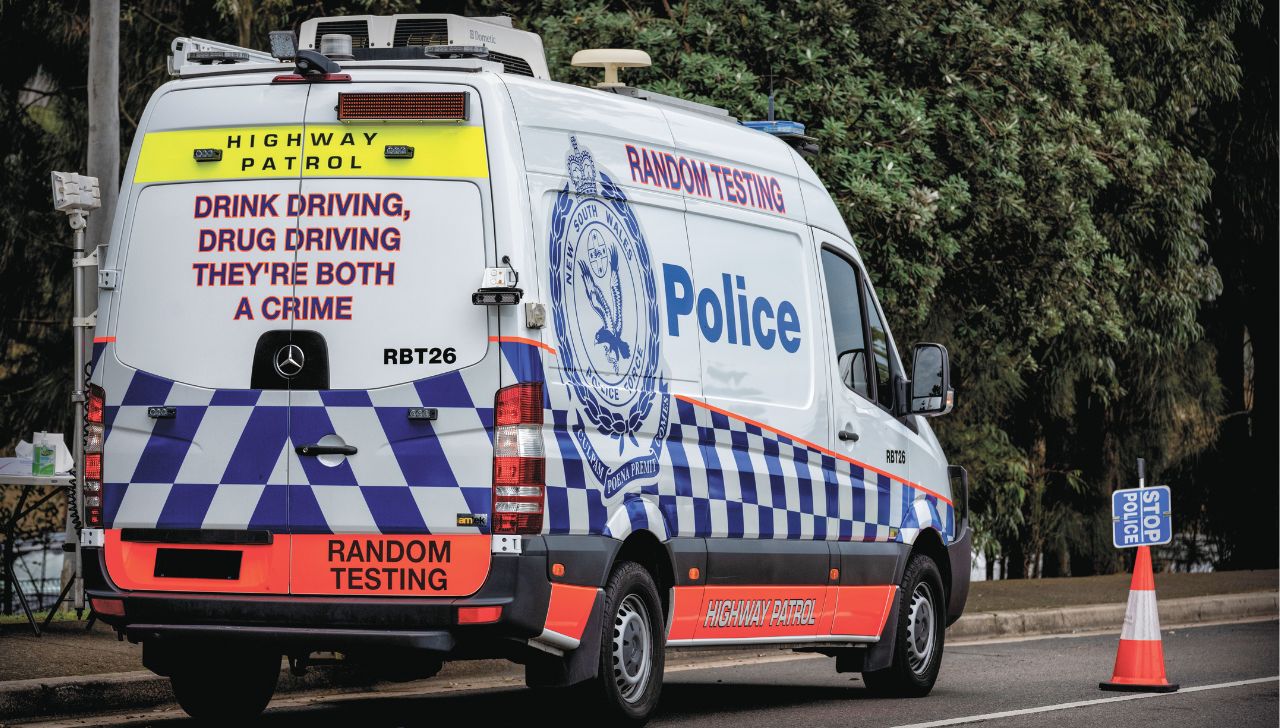
Driving under the influenceMedicinal cannabis may be legally prescribed, but that doesn’t mean a patient can legally drive. Across Australia, the rules vary by jurisdiction. Some states and territories now allow patients to drive without automatic penalties where tetrahydrocannabinol (THC) is detected but impairment is not established. Others still rely on a zero-tolerance approach, where the presence of THC alone can trigger an offence, even when the product was prescribed. The TGA also advises patients not to drive or operate machinery while being treated with medicinal cannabis, noting that THC can remain detectable for days after use.10 For pharmacists, that makes counselling vital, particularly for patients using higher THC products or those still titrating their dose. The effects of THC on driving are ‘roughly comparable to low blood alcohol concentrations’ but risk can vary depending on the product, dose, timing, administration route and the individual patient.11 ‘Patients taking CBD-only products can drive unless they feel impaired,’ says Associate Professor Vicki Kotsirilos, Australia’s first authorised prescriber of medicinal cannabis.12 ‘An important consideration for driving is whether the medicinal cannabis product contains THC … Some patients can be quite sensitive to even very low levels of THC – the level of THC measured in saliva doesn’t reflect the level in blood.’ Ultimately, the safest message is the simplest: a prescription doesn’t override road law. Patients need to understand the rules in their own jurisdiction, avoid driving if they feel impaired, and be aware that roadside drug testing may still detect THC after use. |
Some pharmacists have also been found lacking, with evidence of inadequate or absent counselling, dispensing repeat authorisations without the patient requesting additional supply, dispensing multiple prescribed products for a single patient at the same time, failing to check the relevant RTPM system, and not storing medicinal cannabis in a compliant way.9
Prescription medicines cannot be advertised to the public under Australian regulations, but some clinics are finding loopholes by sending patients emails and text messages asking if they need another script. As advertising restrictions tighten, the industry is adapting just as quickly, shifting from advertising ‘medicinal cannabis’ to terms such as ‘plant’ or ‘green’ medicine. In an analysis of 54 online medicinal cannabis clinics in Australia, researchers found ‘widespread breaches’ of TGA guidelines, including unsubstantiated health claims and the use of cannabis imagery.13
A TGA spokesperson told AP the organisation has ‘taken strong enforcement actions to address unlawful advertising of medicinal cannabis,’ including starting two civil penalty proceedings and issuing more than 10 infringement notices, totalling more than $215,000, to two entities.
For some patients, the fact that a product has been prescribed may create the impression that it is well studied, low risk and appropriate. In reality, evidence remains limited for many of the conditions medicinal cannabis is commonly prescribed for – particularly mental health.
Pharmacist Myfanwy Graham MPS, a researcher and member of the TGA’s Medicinal Cannabis Expert Working Group, says the gap between the evidence base and current prescribing patterns is a major concern.
In a review of 54 international randomised controlled trials published between 1980 and 2025, researchers including Ms Graham found ‘no evidence that medicinal cannabis is effective in treating anxiety, depression or post-traumatic stress disorder (PTSD)’ – mental health conditions for which it is often prescribed.14 Younger patients with mental health vulnerabilities may be at particular risk, especially where products are used for anxiety, sleep problems or other psychological symptoms.
Around one-third of medicinal cannabis use is for anxiety.15 This is despite TGA guidance stating medicinal cannabis containing THC (tetrahydrocannabinol) is generally not appropriate for use in patients who ‘have a previous psychotic or concurrent active mood or anxiety disorder’.16
Older patients may face a different set of risks, particularly with oral products, which can have delayed onset and require careful titration. With medicinal cannabis being increasingly used for chronic, long-term conditions, pharmacists may need to spend more time counselling these patients on dose, onset and safe administration.
Ms Graham says pharmacists should also be aware of a shift in prescribing in recent years from oral liquid preparations to higher THC inhaled products. ‘In parallel, there has been emerging evidence of harm with higher THC products,’ she says. ‘Our recent analysis of TGA adverse event reports reflects this, with psychiatric adverse events being most frequently reported and most adverse events being attributed to higher THC products. Respiratory adverse events are also being reported alongside the increases in inhaled product use.’
What next? In their letter to the NSW Minister for Health, Mr Kelly and his co-signatories urged those in the medicinal cannabis industry to put patient care and safety ahead of profits.
‘There is a place for medicinal cannabis products, but we need to prioritise the tools and regulatory environment that promote their safe and appropriate use,’ Mr Kelly says. ‘More needs to be done to curtail online and remote services that, in many cases, don’t have the adequate structures, checks and balances needed to deliver safe care.’
And the tide appears to be turning. In January 2026, medicinal cannabis was listed among the TGA’s 2026–27 compliance and enforcement priority areas.17 And a recent report from the Penington Institute found that supply of medicinal cannabis dropped significantly in the second half of 2025, following years of growth.18
‘We are seeing the effect of targeted enforcement in real time,’ says John Ryan, CEO of the Penington Institute. ‘That is the most effective way to deal with bad actors without punishing patients who genuinely benefit from these medicines.’
For pharmacists, the responsibility remains clear. Supplying medicinal cannabis safely means determining the prescriber’s intentions, reviewing the patient’s medication history and relevant information, counselling on safe use, determining the medicine is ‘safe and therapeutically’ appropriate, 7 and contacting the prescriber when concerns arise.
‘If a patient approaches a pharmacist about medicinal cannabis, it is because there is trust in the profession and our advice,’ Ms Graham says. ‘A pharmacist’s ability to field a patient’s questions needs to extend beyond evidence limitations to include safe administration, drug interactions and comorbidity considerations.’
Medicinal cannabis has moved from the margins to the mainstream. But for pharmacists, it should still be approached as a high-risk medicine – one that demands scrutiny, strong communication and a stronger regulatory framework than what currently exists.
td_module_mega_menu Object
(
[post] => WP_Post Object
(
[ID] => 32127
[post_author] => 3410
[post_date] => 2026-05-25 14:46:50
[post_date_gmt] => 2026-05-25 04:46:50
[post_content] => Tiernan McDonough MPS, PSA’s 2026 AMH Aged Care Pharmacist of the Year, is helping to develop onsite pharmacists from the ground up.
What has your career looked like so far?
I worked as a community pharmacist for many years in Brisbane, intermingled with casual CrossFit coaching, before transitioning into hospital pharmacy and undertaking medicines reviews for older adults.
After working part-time as a GP pharmacist, I moved to Adelaide to begin a PhD at the University of South Australia (UniSA). Now, most of my time is spent working on my PhD, part-time as an Aged Care On-site Pharmacist (ACOP), and casual academic work.
Why aged care?
The most rewarding roles I’ve had are my volunteer positions working with people living rough on the street or fleeing family violence. While aged care is very different, I get to work with vulnerable people who deserve respect, dignity and care. The longer I work in aged care and develop relationships with residents, staff and other engaged pharmacists, the more passionate I become.
What are the challenges and rewards of working in this setting?
There are persistent assumptions about what pharmacists do; we’re often seen only as gatekeepers or suppliers of medicines. Residential aged care facilities (RACFs) have functioned without an onsite pharmacist for such a long time, so it’s hard to change their mindset and say ‘I’m here to help, let me take on these jobs that fit my expertise so you can prioritise those that fit yours’.
Onsite pharmacists need to come in open-minded, flexible and proactive, and show the RACF how they can add value. But when you do, the rewards are immense. I’m constantly in awe of how skilled, kind and generous the staff are – nurses, carers, leisure staff, allied health, GPs, and many others. We can directly see the impact and value we bring, both to individuals and at a systemic level.
Tell us about the training program for onsite pharmacists you’re developing.
UniSA, in collaboration with the University of Western Australia, is developing a dedicated, flexible workplace-based training program for Aged Care On-site Pharmacists – aiming to enhance their practical skills and provide opportunities to learn from and with others. We know pharmacists can effectively review medicines and lead on deprescribing. In aged care settings, the training program should also help pharmacists function as communication conduits to improve collaboration and information sharing by implementing case conferences into services, facilitating communication between health professionals, and acting as ‘detectives’, digging into histories and health records to provide essential information for decision-making.
What are the next steps?
It’s officially crunch time for this project. We are finalising the co-design element and working to make it available to all pharmacists in aged care settings who want to access it. My ultimate hope is that the program will offer a widely available peer learning network where everyone can learn from each other, with a structured component for those motivated to pursue it. I have also developed The Aged Care Pharmacist Podcast to provide a platform for pharmacists to share insights and hear from experts in various fields of aged care.
How could the ACOP program improve?
By allowing pharmacists to grow into more senior roles. The current model provides a wonderful opportunity to improve quality use of medicines, but there are limits to where we can progress.
Once pharmacists gain experience, we should be afforded opportunities to progress into system-level governance roles across organisations, as well as provide support and mentorship to new pharmacists coming through.
[post_title] => Developing the Next Wave of Aged Care Pharmacists
[post_excerpt] => Tiernan McDonough MPS, PSA’s 2026 AMH Aged Care Pharmacist of the Year, is helping to develop onsite pharmacists from the ground up.
[post_status] => publish
[comment_status] => open
[ping_status] => open
[post_password] =>
[post_name] => nurturing-aged-carer
[to_ping] =>
[pinged] =>
[post_modified] => 2026-05-25 16:18:10
[post_modified_gmt] => 2026-05-25 06:18:10
[post_content_filtered] =>
[post_parent] => 0
[guid] => https://www.australianpharmacist.com.au/?p=32127
[menu_order] => 0
[post_type] => post
[post_mime_type] =>
[comment_count] => 0
[filter] => raw
)
[title_attribute] => Developing the Next Wave of Aged Care Pharmacists
[title] => Developing the Next Wave of Aged Care Pharmacists
[href] => https://www.australianpharmacist.com.au/nurturing-aged-carer/
[module_atts:td_module:private] => Array
(
)
[td_review:protected] => Array
(
)
[is_review:protected] =>
[post_thumb_id:protected] => 32130
[authorType] =>
)
td_module_mega_menu Object
(
[post] => WP_Post Object
(
[ID] => 32103
[post_author] => 11565
[post_date] => 2026-05-25 11:29:18
[post_date_gmt] => 2026-05-25 01:29:18
[post_content] => Mum and Dad are at work. Nan squints at a tiny, folded label on Amoxil Paediatric. Little Ella is clingy. How much was I supposed to give? She wonders. ‘This label is tiny!’
Who’s your audience?
Labels must comply with relevant national, state and territory requirements.,1,2 They must be in English, accurate, unambiguous, legible and durable, and include mandatory information.2,3 Increasingly, there is consensus for patient-centred labels, recognising that communication and health literacy barriers can make labels difficult to interpret.4,5 People with hearing, vision, intellectual or cognitive disability may require supporting information, such as images or large print.4
Keep labels concise and free from jargon.1–3 Be mindful that ‘straightforward’ instructions can be misinterpreted.6 In one study, ‘take two tablets by mouth twice daily’ was correctly interpreted by only 71% of consumers with adequate literacy skills and 33% of consumers
with lower literacy.7 Explicit directions, such as ‘take two tablets in the morning and take two tablets in the evening’ improve comprehension.6
Write ranges in words (e.g. 1 to 2, not 1–2), spell out fractions (e.g. half, quarter) and consider tables for complicated dosing (e.g. prednisolone). Include discard instructions for medicines with shortened expiry.
Does placement matter?
Yes. Firmly and neatly attach labels to the primary container (the packaging in direct contact with the medicine), provided this does not impede medicine use; otherwise label outer packaging – informing the patient if seals must be broken.2,3,8 For some medicines, such as inhalers, opening foil pouches to apply labels may shorten the in-use expiry period.9 Discuss anticipated use with the patient before opening the pouch. Label each primary container when supplying multiple packs, specifying ‘pack 1, pack 2’ etc (e.g. creams), or label each component pack in pre-packaged multipacks (e.g. Nexium HP7).2,10
Avoid folding labels over corners and edges, which can reduce readability.1 Some manufacturers provide designated label spaces that may be too small. Place the label elsewhere on the packaging where it is fully visible without obscuring important information like batch number and expiry.2 For small containers (e.g. eye drops), a standard sized dispensing label can be adhered to a transparent flag label affixed to the primary container – keeping information visible.1,2
Beyond the label
Effective medicine labelling avoids unintended misuse and supports better health outcomes for consumers, like little Ella.2 Look beyond the label and consider the person, like Nan, who must interpret and safely act on label information.
References
- Australian Commission on Safety and Quality in Health Care. National standard for labelling dispensed medicines. Sydney NSW: Australian Commission on Safety and Quality in Health Care; 2021.
- Sansom LN, ed. Australian pharmaceutical formulary and handbook: dispensing and labelling 2026. At: https://apf.psa.org.au/dispensing-and-labelling/good-dispensing-practice/dispensing.
- Pharmacy Board of Australia. Guidelines for dispensing of medicines. 2015. At: www.pharmacyboard.gov.au/News/2015-10-02-revised-guidelines.aspx
- Pharmaceutical Society of Australia. Medicine safety: disability care. 2022.
- La Caze A. Safer dispensing labels for prescription medicines. Aust Prescr 2018;41:46–9.
- Lalor D. Medicines labelling. Aust Prescr. 2011;34:39–42.
- Davis TC, Federman AD, Bass PF, 3rd, et al. Improving patient understanding of prescription drug label instructions. J Gen Intern Med 2009;24(1):57–62.
- Australian Government Department of Health, Disability and Ageing. Therapeutic goods administration: understanding packaging definitions for medicines. 2024. At: www.tga.gov.au/resources/guidance/understanding-packaging-definitions-medicines
- National Asthma Council Australia. In-use shelf life of inhalers. 2026. At: www.nationalasthma.org.au/living-with-asthma/resources/health-professionals/information-paper/in-use-shelf-life-of-inhalers
- The Pharmacy Guild of Australia. Position statement: packaging and labelling of medicines 2024. At: www.guild.org.au/about-us/policies-position-statements
[post_title] => When medicine labelling is more complex than it appears
[post_excerpt] => Labelling design may be contributing to avoidable mistakes, misunderstandings, and even serious health consequences.
[post_status] => publish
[comment_status] => open
[ping_status] => open
[post_password] =>
[post_name] => dont-you-just-stick-a-label-on-it
[to_ping] =>
[pinged] =>
[post_modified] => 2026-05-26 15:04:15
[post_modified_gmt] => 2026-05-26 05:04:15
[post_content_filtered] =>
[post_parent] => 0
[guid] => https://www.australianpharmacist.com.au/?p=32103
[menu_order] => 0
[post_type] => post
[post_mime_type] =>
[comment_count] => 0
[filter] => raw
)
[title_attribute] => When medicine labelling is more complex than it appears
[title] => When medicine labelling is more complex than it appears
[href] => https://www.australianpharmacist.com.au/dont-you-just-stick-a-label-on-it/
[module_atts:td_module:private] => Array
(
)
[td_review:protected] => Array
(
)
[is_review:protected] =>
[post_thumb_id:protected] => 32185
[authorType] =>
)
td_module_mega_menu Object
(
[post] => WP_Post Object
(
[ID] => 31975
[post_author] => 12477
[post_date] => 2026-05-25 10:53:50
[post_date_gmt] => 2026-05-25 00:53:50
[post_content] => How does Australia ensure patients can access potentially life-saving or clinically necessary treatments that have not yet been approved for general use, without undermining the integrity of the medicines regulatory system?
The answer: the Special Access Scheme (SAS), established under the Therapeutic Goods Act 1989, providing a pathway for access to medicines that are not included in the Australian Register of Therapeutic Goods (ARTG).1
This pathway recognises that there are certain circumstances where patients should have access to medicines which are not registered, including where:
it is not commercially viable to register the product in Australia (e.g. rare diseases) the therapeutic good is still new or undergoing evaluation.2
Initially, there were two pathways: SAS-A and SAS-B (see table 1 below), primarily used by specialists managing patients with rare, complex or life-threatening conditions. However, in July 2017, a new category was added: SAS-C for therapeutic goods with an established role in the treatment of specific health conditions.4
Recently, SAS-C has been used as a mechanism to implement public policy for therapeutic agents which don’t fit neatly into Australia’s medicine regulation model – such as medicinal cannabis and nicotine-containing therapeutic vapes.
This shift has accompanied a dramatic increase in volume. In 2023, the Therapeutic Goods Administration (TGA) received more than 264,0005 SAS submissions, compared to fewer than 60,000 a decade earlier.6 As a result, most pharmacists in patient-facing roles now need to be familiar with the scheme to support prescribing, dispensing or review of these medicines.
Regulatory obligations
Depending on the SAS pathway, the TGA must be notified or approve the use of the prescribing of unapproved medicines. The TGA website provides extensive guidance to help health professionals navigate these pathways. Sponsors may also request evidence of TGA notification or approval when products are ordered to meet their obligation that the product is only being used under the SAS.7
Increasingly, pharmacists have reported being asked to submit SAS documentation to the TGA on behalf of prescribers. While generally supported, the TGA notes that, due to an agreement with state and territory health departments, SAS submissions for medicinal cannabis products should be made by the prescribing health practitioner.3 In circumstances where a pharmacy imports unapproved therapeutic goods from overseas for use via the SAS, they become the sponsor of the product, with additional obligations applying. These mandatory obligations apply in addition to all other professional and legal obligations when prescribing or dispensing medicines.
Professional responsibilities
The SAS requires more than an understanding of the regulatory pathway; it also requires pharmacists to navigate the ambiguity and greater professional responsibilities associated with unapproved therapeutic goods.
Lack of approved Product Information, CMI and clinical guidelines
In the absence of TGA-approved product information, it can be unclear what an appropriate therapeutic dose is, difficult to determine adverse effects, and not possible to provide written patient information. While pharmacists should draw on overseas product information and published evidence, this can be difficult.
Drug interactions
Identifying and resolving drug interactions can be more complex and may not exist within standard references such as MIMS or the Australian Medicines Handbook.
International databases may provide insight for products registered overseas. For medicinal cannabis, interactions affecting drug metabolism between cannabinoids and commonly prescribed medicines are well documented.8
Entry in clinical software
Selecting the right strain of medicinal cannabis in clinical software and ordering systems can be difficult. Hundreds of products do not appear in standard dispensing software and must be entered manually, increasing selection error risk. The risk of the item not being visible through interconnected health systems, such as My Health Record and Real Time Prescription Monitoring (RTPM), also increases.
Pharmacies should have a standardised approach to manual addition of unapproved therapeutic goods, including correct coding to ensure upload of prescribing and dispense events to RTPM systems where relevant.
Informed patient consent
Patients must be informed that SAS products are unapproved, what this means in terms of limited evidence on long-term risks, and that their use involves greater personal risk. Pharmacists dispensing SAS medicines should have clear protocols for this process, keeping a consistent record of protocol adherence and patient consent.9
Direct importation becomes sponsorship
Practitioners who directly source a medicine from overseas become recognised as the product sponsor, meaning they become responsible for the safety and efficacy of the product. Managing this risk will require establishing the bona fides of a repeat supplier. In other cases, it can necessitate a far more sophisticated risk assessment process.
Considering risks of treatmentObligations for considering evidence and risks for unapproved therapeutic goods include taking the following into account3: ‘Unapproved’ therapeutic goods have undergone little or no evaluation by the TGA for quality, safety, efficacy or performance. The prescribing health practitioner takes responsibility for the use of an ‘unapproved’ therapeutic good and outcomes, including any associated adverse reactions. The treating health practitioner has the right to decline to prescribe an ‘unapproved’ therapeutic good if they believe there is insufficient clinical justification or evidence to support the use of the product, or both. |
| 1989 | Establishment of the SAS The SAS was established as part of the Therapeutic Goods Act to maintain access to essential medicines not listed on the ARTG, while maintaining public safety.1 |
| 2016 | Legalisation of medicinal cannabis Decades of restricted research and patent difficulties reduced the commercial incentive to fund the large clinical trials needed for full TGA registration. The SAS has become the default pathway for medicinal cannabis submissions10 – particularly for chronic pain and anxiety – increasing almost 100-fold since 2018.11 |
| 2017 | Introduction of SAS-C New access pathway introduced in response to TGA medical devices review.3 |
| 2021 | Discontinuation of opioids used in palliative care SAS volumes increased between 2021 and 2023 following discontinuation of several oral opioid products (e.g. hydromorphone).12 |
| 2024 | Restriction of vapes to therapeutic use Government policy response to address rising child and adolescent use of unregulated nicotine-containing vapes. Adult smokers seeking to use vaping as a cessation tool now use the SAS-C pathway.13 |
Therapeutic Goods Administration. Therapeutic Goods (Charges) Act 1989. Canberra; 1989. At: www.tga.gov.au/resources/legislation/therapeutic-goods-charges-act-1989
Sydney Local Health District. Special Access Scheme. Sydney; 2024. At: www.slhd.nsw.gov.au/rpa/research/APSAS.html
Therapeutic Goods Administration. Transition to paperless digital access to unapproved therapeutic goods through Special Access Scheme and Authorised Prescriber Scheme. Canberra; 2024. At: www.tga.gov.au/sites/default/files/2024-02/transition-paperless-digital-access-unapproved-therapeutic-goods-through-special-access-scheme-authorised-prescriber-scheme.pdf
Therapeutic Goods Administration. Half yearly performance reports July–December 2013. Canberra; 2013. At: https://webarchive.nla.gov.au/awa/20220819204159/https://www.tga.gov.au/half-yearly-performance-reports-july-december-2013
Therapeutic Goods Administration. Supply of an unapproved therapeutic good by a sponsor. Canberra; 2024. At: www.tga.gov.au/products/unapproved-therapeutic-goods/access-pathways/supply-unapproved-therapeutic-good-sponsors
Therapeutic Goods Administration. Special Access Scheme (SAS): Guidance for health practitioners accessing unapproved therapeutic goods. Canberra; 2023. At: www.tga.gov.au/resources/resource/guidance/special-access-scheme-sas-guidance-health-practitioners-accessing-unapproved-therapeutic-goods
Brown JD, Winterstein AG. Cannabidiol interactions with medications, illicit substances, and alcohol: a comprehensive review. J Gen Intern Med. 2020;35(7):2152–65. At: link.springer.com/article/10.1007/s11606-020-06504-8
Australian Commission on Safety and Quality in Health Care. Informed consent. Sydney; 2025. At: www.safetyandquality.gov.au/our-work/partnering-consumers/informed-consent
Pharmaceutical Society of Australia. Guidelines for pharmacists providing smoking cessation support. Canberra; 2021. At: www.psa.org.au/practice-support-industry/nicotine-dependence-guidelines/
td_module_mega_menu Object
(
[post] => WP_Post Object
(
[ID] => 32120
[post_author] => 12074
[post_date] => 2026-05-25 10:53:09
[post_date_gmt] => 2026-05-25 00:53:09
[post_content] => With the expansion of pharmacy vaccination services across Australia, pharmacists are navigating an increasingly layered set of challenges.
Bill Wallace, PSA Pharmacist – Professional Support Adviser, outlines the most common vaccine-related questions that have come through this year.
1. Who can administer FluMist?
The introduction of intranasal influenza vaccine, FluMist, has prompted a wave of questions surrounding eligibility, prescribing and administration requirements.
Funding and eligibility differences between each state and territory are driving many of the inquiries.
‘We have had quite a few inquiries about whether [pharmacists] can administer FluMist to someone under 5 if they've got a prescription, which they can,’ said Mr Wallace.
State differences apply for initiation– Pharmacists in VIC, TAS, NT, and ACT are generally restricted to authorising and administering vaccines only to children aged 5 years and older. Whereas In NSW, WA, QLD, and SA, pharmacists can authorise and administer the influenza vaccine to children aged 2 and older.
Another recurring question is whether pharmacists who are not qualified immunisers can administer FluMist – given it’s administered nasally rather than via an intramuscular injection.
Mr Wallace noted that any vaccine administered by a pharmacist must be delivered by a qualified immuniser.
‘You need to be a qualified immuniser to meet the requirements for administering that particular medication. You'd be hard pressed to justify why you did it if something went wrong,’ said Mr Wallace.
The responsibility extends beyond simple administrative practices, and relates to professional accountability and emergency management responsibilities.
Mr Wallace noted that while serious reactions are rare, pharmacists still need to be prepared for any situation at hand.
‘If you weren't qualified and a claim was made, your insurer and The Australian Health Practitioner Regulation Agency (Ahpra) would have many questions for you about your practice.’
2. Can pharmacists co-administer vaccines?
As Australia’s adult vaccination schedules get more complex, co-administration queries are becoming increasingly common.
‘Timing intervals and co-administration of vaccines is probably one of the more common clinical inquiries,’ Mr Wallace said.
Questions to the advice line often relate to whether vaccines can be given together, which vaccines require spacing, and whether they should be administered in one arm or both.
The National Centre for Immunisation Research and Surveillance guideline for vaccine co-administration and Australian Immunisation Handbook state that while most vaccines can generally be co-administered, separate injection sites should be used where possible, ensuring a distance of 2.5 cm between.
But Mr Wallace suggests pharmacists should also take additional care when reviewing Australian Immunisation Register (AIR) records and confirming patient histories to avoid inadvertent duplication
Particularly for older Australians, co-administration will be increasingly normalised for routine adult vaccinations (e.g. RSV, shingles, pneumoccocal, DTPa etc).
3. Can pharmacists vaccinate interstate?
Interstate practice continues to create a point of tension for pharmacist immunisers as requirements differ significantly between jurisdictions.
There are discrepancies between patient age eligibility, refresher requirements and additional accreditation, meaning pharmacists cannot automatically assume their qualifications transfer across all states and territories.
There are also differences between state and territory legislations which govern interstate pharmacists’ eligibility to administer vaccines, introducing barriers to interstate practice, according to the Immunisation Coalition.
‘Certain states, Tasmania, Victoria, and WA have slightly different training requirements … you need to ensure that you meet local state immunisation requirements prior to providing vaccinations,’ Mr Wallace said.
He stresses the importance of ‘checking what the differences are, and referring to resources like the local state pharmacist vaccination guidelines before administering vaccines’.
In some cases, pharmacists may need to complete an additional online module, although requirements vary. For example, the ACT has a Japanese encephalitis module that is required, and Victoria requires extra training to be able to provide certain travel vaccines.
Complicating matters further, immunisation requirements and eligibility for state and territory programs may change.
4. How do pharmacists maintain immunisation credentials?
Is it a matter of once a pharmacist immuniser, always a pharmacist immuniser?
Not quite.
According to Ahpra and state regulators, pharmacists must undertake annual immunisation-related CPD activities to maintain their currency.
‘Pharmacists must also maintain first aid every 3 years and CPR every 12 months,’ Mr Wallace said.
The PSA offers an online refresher training course which aligns with the current immunisation training. The training program consists of online modules to ensure a pharmacists’ accredited training remains up to date.
‘Some pharmacists did their vaccination courses a long time ago, with a much limited range of vaccines,’ he said.
‘There is also an Immunisation Practical Refresher Workshop that pharmacists can do if they've had a break in practice or want to refresh their technique.’
The online immunisation refresher course allows pharmacists to expand their training to cover all vaccines.
Looking for any answers to your queries? Hit up the Pharmacist Advice Line here.
[post_title] => Top 4 vaccine queries to the P2P Advice Line
[post_excerpt] => With the expansion of pharmacy vaccination services across Australia, pharmacists are navigating an increasingly layered set of challenges.
[post_status] => publish
[comment_status] => open
[ping_status] => open
[post_password] =>
[post_name] => top-4-vaccine-queries-to-the-p2p-advice-line
[to_ping] =>
[pinged] =>
[post_modified] => 2026-05-25 16:11:16
[post_modified_gmt] => 2026-05-25 06:11:16
[post_content_filtered] =>
[post_parent] => 0
[guid] => https://www.australianpharmacist.com.au/?p=32120
[menu_order] => 0
[post_type] => post
[post_mime_type] =>
[comment_count] => 0
[filter] => raw
)
[title_attribute] => Top 4 vaccine queries to the P2P Advice Line
[title] => Top 4 vaccine queries to the P2P Advice Line
[href] => https://www.australianpharmacist.com.au/top-4-vaccine-queries-to-the-p2p-advice-line/
[module_atts:td_module:private] => Array
(
)
[td_review:protected] => Array
(
)
[is_review:protected] =>
[post_thumb_id:protected] => 32124
[authorType] =>
)
td_module_mega_menu Object
(
[post] => WP_Post Object
(
[ID] => 31970
[post_author] => 235
[post_date] => 2026-05-25 10:23:06
[post_date_gmt] => 2026-05-25 00:23:06
[post_content] => ‘Hasty’ telehealth consultations. Damaging marketing practices. Profit over patient care. Poor regulatory oversight. These are just some of the claims levelled at the medicinal cannabis industry in Australia.¹
First legalised in 2016, medicinal cannabis use has risen sharply in recent years, jumping from 18,000 patients using the products in 2019 to more than a million today.² But while demand has surged, the systems surrounding medicinal cannabis have not kept pace. Pharmacists are being asked to supply products that often sit outside usual care pathways and, in many cases, outside the evidence base.
Only two medicinal cannabis products are registered on the Australian Register of Therapeutic Goods (ARTG): nabiximols (Sativex), for muscle spasticity in multiple sclerosis, and cannabidiol (Epidyolex), used with other epilepsy medicines to treat severe and rare forms of epilepsy in children aged 2 years and older.³
The vast majority of available products – more than 1,000 – are unapproved and have not been assessed by the Therapeutic Goods Administration (TGA) for safety, quality or efficacy.⁴ They are most often prescribed for chronic pain, anxiety and sleep disorders and are increasingly used by older patients for chronic, long-term conditions.⁵

A system under strain
Much of the rapid growth in medicinal cannabis use has occurred through pathways that were not initially designed to scale. The TGA’s Special Access Scheme and Authorised Prescriber pathways were intended to allow access in specific clinical circumstances where registered medicines were not suitable. In practice, they are now supporting widespread prescribing across a much broader patient population.
This has significant implications for regulators, prescribers and pharmacists who find themselves working within a system that the TGA has described as ‘not fit-for-purpose and not proportionate to the potential safety and quality risks associated with unapproved medicinal cannabis products’.⁶
On top of regulatory challenges, pharmacists also face the reality that Real Time Prescription Monitoring (RTPM) doesn’t always consistently capture a patient’s use of medicinal cannabis, limiting visibility over treatment and risk.
‘The capacity to do your job as a pharmacist and make sure everything is safe for the patient is compromised,’ says PSA NSW Branch Committee President Luke Kelly FPS. ‘We should be looking at each individual patient and their level of use, and whether it is clinically appropriate, but there’s no real capacity to oversee what’s going on.
‘There’s a lack of knowledge and research around the products. And even if you ring the doctor and they say the prescription is right, you’re still obligated to decide whether it’s appropriate or not.
If something goes wrong, even if you’ve spoken to the GP, it’s on you. That’s the problem in a nutshell.’
The PSA’s Professional Practice Standards 2023 require pharmacists to determine whether a medicine is ‘safe and therapeutically appropriate’ to dispense.7 Lack of regulatory oversight and ARTG approval means medicinal cannabis often can’t be dispensed with any degree of confidence.
One-stop medicinal cannabis shops
For some patients, medicinal cannabis is prescribed by their GP and dispensed by their local pharmacy. But many bypass their usual healthcare provider, opting instead to buy it online from private medicinal cannabis clinics operating outside traditional models of care. These services, which have exploded in recent years, have improved access for some patients, particularly those in rural and regional areas.
But they have also raised serious questions about patient safety, continuity of care and conflicts of interest. In 2025, the NSW branches of PSA, the Pharmacy Guild of Australia and the Royal Australian College of General Practitioners wrote to NSW Minister for Health Ryan Park calling for cannabis prescribing and dispensing reform. Their concerns centred on ‘closed-loop’ arrangements, where a patient consults a telehealth provider who then sends a prescription to a dispensary owned by the same operation.¹
‘A prescription is nearly always provided,’ the group wrote, ‘and there is an incentive to prescribe and dispense as many products as possible … There is evidence of rogue clinics circumventing proper procedures and best practice.’
Mr Kelly says the model is deeply concerning. ‘It’s really terrifying,’ he says. ‘There are pharmacies out there aligning with drug companies. It’s like the pill mills in the United States that we’ve managed to avoid until now. It’s a loophole that needs to be closed.’
Profit over patients
The Australian Health Practitioner Regulation Agency (Ahpra) has also raised concerns, warning that ‘profits are being prioritised over patient safety in some medicinal cannabis practices’.8
‘While these models may work well for access, there is an inherent conflict of interest for pharmacists working in an organisation in which a single medication is prescribed and dispensed,’ Ahpra says.
The regulator released new guidelines last year, following an analysis of prescribing data that found eight practitioners had issued more than 10,000 prescriptions in a 6-month period and one who issued more than 17,000.9
In addition, Ahpra found evidence of questionable prescribing practices, including very short consultations lasting between a few seconds and a few minutes, and prescribing without a legitimate indication.
Driving under the influenceMedicinal cannabis may be legally prescribed, but that doesn’t mean a patient can legally drive. Across Australia, the rules vary by jurisdiction. Some states and territories now allow patients to drive without automatic penalties where tetrahydrocannabinol (THC) is detected but impairment is not established. Others still rely on a zero-tolerance approach, where the presence of THC alone can trigger an offence, even when the product was prescribed. The TGA also advises patients not to drive or operate machinery while being treated with medicinal cannabis, noting that THC can remain detectable for days after use.10 For pharmacists, that makes counselling vital, particularly for patients using higher THC products or those still titrating their dose. The effects of THC on driving are ‘roughly comparable to low blood alcohol concentrations’ but risk can vary depending on the product, dose, timing, administration route and the individual patient.11 ‘Patients taking CBD-only products can drive unless they feel impaired,’ says Associate Professor Vicki Kotsirilos, Australia’s first authorised prescriber of medicinal cannabis.12 ‘An important consideration for driving is whether the medicinal cannabis product contains THC … Some patients can be quite sensitive to even very low levels of THC – the level of THC measured in saliva doesn’t reflect the level in blood.’ Ultimately, the safest message is the simplest: a prescription doesn’t override road law. Patients need to understand the rules in their own jurisdiction, avoid driving if they feel impaired, and be aware that roadside drug testing may still detect THC after use. |
Some pharmacists have also been found lacking, with evidence of inadequate or absent counselling, dispensing repeat authorisations without the patient requesting additional supply, dispensing multiple prescribed products for a single patient at the same time, failing to check the relevant RTPM system, and not storing medicinal cannabis in a compliant way.9
Prescription medicines cannot be advertised to the public under Australian regulations, but some clinics are finding loopholes by sending patients emails and text messages asking if they need another script. As advertising restrictions tighten, the industry is adapting just as quickly, shifting from advertising ‘medicinal cannabis’ to terms such as ‘plant’ or ‘green’ medicine. In an analysis of 54 online medicinal cannabis clinics in Australia, researchers found ‘widespread breaches’ of TGA guidelines, including unsubstantiated health claims and the use of cannabis imagery.13
A TGA spokesperson told AP the organisation has ‘taken strong enforcement actions to address unlawful advertising of medicinal cannabis,’ including starting two civil penalty proceedings and issuing more than 10 infringement notices, totalling more than $215,000, to two entities.
For some patients, the fact that a product has been prescribed may create the impression that it is well studied, low risk and appropriate. In reality, evidence remains limited for many of the conditions medicinal cannabis is commonly prescribed for – particularly mental health.
Pharmacist Myfanwy Graham MPS, a researcher and member of the TGA’s Medicinal Cannabis Expert Working Group, says the gap between the evidence base and current prescribing patterns is a major concern.
In a review of 54 international randomised controlled trials published between 1980 and 2025, researchers including Ms Graham found ‘no evidence that medicinal cannabis is effective in treating anxiety, depression or post-traumatic stress disorder (PTSD)’ – mental health conditions for which it is often prescribed.14 Younger patients with mental health vulnerabilities may be at particular risk, especially where products are used for anxiety, sleep problems or other psychological symptoms.
Around one-third of medicinal cannabis use is for anxiety.15 This is despite TGA guidance stating medicinal cannabis containing THC (tetrahydrocannabinol) is generally not appropriate for use in patients who ‘have a previous psychotic or concurrent active mood or anxiety disorder’.16
Older patients may face a different set of risks, particularly with oral products, which can have delayed onset and require careful titration. With medicinal cannabis being increasingly used for chronic, long-term conditions, pharmacists may need to spend more time counselling these patients on dose, onset and safe administration.
Ms Graham says pharmacists should also be aware of a shift in prescribing in recent years from oral liquid preparations to higher THC inhaled products. ‘In parallel, there has been emerging evidence of harm with higher THC products,’ she says. ‘Our recent analysis of TGA adverse event reports reflects this, with psychiatric adverse events being most frequently reported and most adverse events being attributed to higher THC products. Respiratory adverse events are also being reported alongside the increases in inhaled product use.’
What next? In their letter to the NSW Minister for Health, Mr Kelly and his co-signatories urged those in the medicinal cannabis industry to put patient care and safety ahead of profits.
‘There is a place for medicinal cannabis products, but we need to prioritise the tools and regulatory environment that promote their safe and appropriate use,’ Mr Kelly says. ‘More needs to be done to curtail online and remote services that, in many cases, don’t have the adequate structures, checks and balances needed to deliver safe care.’
And the tide appears to be turning. In January 2026, medicinal cannabis was listed among the TGA’s 2026–27 compliance and enforcement priority areas.17 And a recent report from the Penington Institute found that supply of medicinal cannabis dropped significantly in the second half of 2025, following years of growth.18
‘We are seeing the effect of targeted enforcement in real time,’ says John Ryan, CEO of the Penington Institute. ‘That is the most effective way to deal with bad actors without punishing patients who genuinely benefit from these medicines.’
For pharmacists, the responsibility remains clear. Supplying medicinal cannabis safely means determining the prescriber’s intentions, reviewing the patient’s medication history and relevant information, counselling on safe use, determining the medicine is ‘safe and therapeutically’ appropriate, 7 and contacting the prescriber when concerns arise.
‘If a patient approaches a pharmacist about medicinal cannabis, it is because there is trust in the profession and our advice,’ Ms Graham says. ‘A pharmacist’s ability to field a patient’s questions needs to extend beyond evidence limitations to include safe administration, drug interactions and comorbidity considerations.’
Medicinal cannabis has moved from the margins to the mainstream. But for pharmacists, it should still be approached as a high-risk medicine – one that demands scrutiny, strong communication and a stronger regulatory framework than what currently exists.
td_module_mega_menu Object
(
[post] => WP_Post Object
(
[ID] => 32127
[post_author] => 3410
[post_date] => 2026-05-25 14:46:50
[post_date_gmt] => 2026-05-25 04:46:50
[post_content] => Tiernan McDonough MPS, PSA’s 2026 AMH Aged Care Pharmacist of the Year, is helping to develop onsite pharmacists from the ground up.
What has your career looked like so far?
I worked as a community pharmacist for many years in Brisbane, intermingled with casual CrossFit coaching, before transitioning into hospital pharmacy and undertaking medicines reviews for older adults.
After working part-time as a GP pharmacist, I moved to Adelaide to begin a PhD at the University of South Australia (UniSA). Now, most of my time is spent working on my PhD, part-time as an Aged Care On-site Pharmacist (ACOP), and casual academic work.
Why aged care?
The most rewarding roles I’ve had are my volunteer positions working with people living rough on the street or fleeing family violence. While aged care is very different, I get to work with vulnerable people who deserve respect, dignity and care. The longer I work in aged care and develop relationships with residents, staff and other engaged pharmacists, the more passionate I become.
What are the challenges and rewards of working in this setting?
There are persistent assumptions about what pharmacists do; we’re often seen only as gatekeepers or suppliers of medicines. Residential aged care facilities (RACFs) have functioned without an onsite pharmacist for such a long time, so it’s hard to change their mindset and say ‘I’m here to help, let me take on these jobs that fit my expertise so you can prioritise those that fit yours’.
Onsite pharmacists need to come in open-minded, flexible and proactive, and show the RACF how they can add value. But when you do, the rewards are immense. I’m constantly in awe of how skilled, kind and generous the staff are – nurses, carers, leisure staff, allied health, GPs, and many others. We can directly see the impact and value we bring, both to individuals and at a systemic level.
Tell us about the training program for onsite pharmacists you’re developing.
UniSA, in collaboration with the University of Western Australia, is developing a dedicated, flexible workplace-based training program for Aged Care On-site Pharmacists – aiming to enhance their practical skills and provide opportunities to learn from and with others. We know pharmacists can effectively review medicines and lead on deprescribing. In aged care settings, the training program should also help pharmacists function as communication conduits to improve collaboration and information sharing by implementing case conferences into services, facilitating communication between health professionals, and acting as ‘detectives’, digging into histories and health records to provide essential information for decision-making.
What are the next steps?
It’s officially crunch time for this project. We are finalising the co-design element and working to make it available to all pharmacists in aged care settings who want to access it. My ultimate hope is that the program will offer a widely available peer learning network where everyone can learn from each other, with a structured component for those motivated to pursue it. I have also developed The Aged Care Pharmacist Podcast to provide a platform for pharmacists to share insights and hear from experts in various fields of aged care.
How could the ACOP program improve?
By allowing pharmacists to grow into more senior roles. The current model provides a wonderful opportunity to improve quality use of medicines, but there are limits to where we can progress.
Once pharmacists gain experience, we should be afforded opportunities to progress into system-level governance roles across organisations, as well as provide support and mentorship to new pharmacists coming through.
[post_title] => Developing the Next Wave of Aged Care Pharmacists
[post_excerpt] => Tiernan McDonough MPS, PSA’s 2026 AMH Aged Care Pharmacist of the Year, is helping to develop onsite pharmacists from the ground up.
[post_status] => publish
[comment_status] => open
[ping_status] => open
[post_password] =>
[post_name] => nurturing-aged-carer
[to_ping] =>
[pinged] =>
[post_modified] => 2026-05-25 16:18:10
[post_modified_gmt] => 2026-05-25 06:18:10
[post_content_filtered] =>
[post_parent] => 0
[guid] => https://www.australianpharmacist.com.au/?p=32127
[menu_order] => 0
[post_type] => post
[post_mime_type] =>
[comment_count] => 0
[filter] => raw
)
[title_attribute] => Developing the Next Wave of Aged Care Pharmacists
[title] => Developing the Next Wave of Aged Care Pharmacists
[href] => https://www.australianpharmacist.com.au/nurturing-aged-carer/
[module_atts:td_module:private] => Array
(
)
[td_review:protected] => Array
(
)
[is_review:protected] =>
[post_thumb_id:protected] => 32130
[authorType] =>
)
td_module_mega_menu Object
(
[post] => WP_Post Object
(
[ID] => 32103
[post_author] => 11565
[post_date] => 2026-05-25 11:29:18
[post_date_gmt] => 2026-05-25 01:29:18
[post_content] => Mum and Dad are at work. Nan squints at a tiny, folded label on Amoxil Paediatric. Little Ella is clingy. How much was I supposed to give? She wonders. ‘This label is tiny!’
Who’s your audience?
Labels must comply with relevant national, state and territory requirements.,1,2 They must be in English, accurate, unambiguous, legible and durable, and include mandatory information.2,3 Increasingly, there is consensus for patient-centred labels, recognising that communication and health literacy barriers can make labels difficult to interpret.4,5 People with hearing, vision, intellectual or cognitive disability may require supporting information, such as images or large print.4
Keep labels concise and free from jargon.1–3 Be mindful that ‘straightforward’ instructions can be misinterpreted.6 In one study, ‘take two tablets by mouth twice daily’ was correctly interpreted by only 71% of consumers with adequate literacy skills and 33% of consumers
with lower literacy.7 Explicit directions, such as ‘take two tablets in the morning and take two tablets in the evening’ improve comprehension.6
Write ranges in words (e.g. 1 to 2, not 1–2), spell out fractions (e.g. half, quarter) and consider tables for complicated dosing (e.g. prednisolone). Include discard instructions for medicines with shortened expiry.
Does placement matter?
Yes. Firmly and neatly attach labels to the primary container (the packaging in direct contact with the medicine), provided this does not impede medicine use; otherwise label outer packaging – informing the patient if seals must be broken.2,3,8 For some medicines, such as inhalers, opening foil pouches to apply labels may shorten the in-use expiry period.9 Discuss anticipated use with the patient before opening the pouch. Label each primary container when supplying multiple packs, specifying ‘pack 1, pack 2’ etc (e.g. creams), or label each component pack in pre-packaged multipacks (e.g. Nexium HP7).2,10
Avoid folding labels over corners and edges, which can reduce readability.1 Some manufacturers provide designated label spaces that may be too small. Place the label elsewhere on the packaging where it is fully visible without obscuring important information like batch number and expiry.2 For small containers (e.g. eye drops), a standard sized dispensing label can be adhered to a transparent flag label affixed to the primary container – keeping information visible.1,2
Beyond the label
Effective medicine labelling avoids unintended misuse and supports better health outcomes for consumers, like little Ella.2 Look beyond the label and consider the person, like Nan, who must interpret and safely act on label information.
References
- Australian Commission on Safety and Quality in Health Care. National standard for labelling dispensed medicines. Sydney NSW: Australian Commission on Safety and Quality in Health Care; 2021.
- Sansom LN, ed. Australian pharmaceutical formulary and handbook: dispensing and labelling 2026. At: https://apf.psa.org.au/dispensing-and-labelling/good-dispensing-practice/dispensing.
- Pharmacy Board of Australia. Guidelines for dispensing of medicines. 2015. At: www.pharmacyboard.gov.au/News/2015-10-02-revised-guidelines.aspx
- Pharmaceutical Society of Australia. Medicine safety: disability care. 2022.
- La Caze A. Safer dispensing labels for prescription medicines. Aust Prescr 2018;41:46–9.
- Lalor D. Medicines labelling. Aust Prescr. 2011;34:39–42.
- Davis TC, Federman AD, Bass PF, 3rd, et al. Improving patient understanding of prescription drug label instructions. J Gen Intern Med 2009;24(1):57–62.
- Australian Government Department of Health, Disability and Ageing. Therapeutic goods administration: understanding packaging definitions for medicines. 2024. At: www.tga.gov.au/resources/guidance/understanding-packaging-definitions-medicines
- National Asthma Council Australia. In-use shelf life of inhalers. 2026. At: www.nationalasthma.org.au/living-with-asthma/resources/health-professionals/information-paper/in-use-shelf-life-of-inhalers
- The Pharmacy Guild of Australia. Position statement: packaging and labelling of medicines 2024. At: www.guild.org.au/about-us/policies-position-statements
[post_title] => When medicine labelling is more complex than it appears
[post_excerpt] => Labelling design may be contributing to avoidable mistakes, misunderstandings, and even serious health consequences.
[post_status] => publish
[comment_status] => open
[ping_status] => open
[post_password] =>
[post_name] => dont-you-just-stick-a-label-on-it
[to_ping] =>
[pinged] =>
[post_modified] => 2026-05-26 15:04:15
[post_modified_gmt] => 2026-05-26 05:04:15
[post_content_filtered] =>
[post_parent] => 0
[guid] => https://www.australianpharmacist.com.au/?p=32103
[menu_order] => 0
[post_type] => post
[post_mime_type] =>
[comment_count] => 0
[filter] => raw
)
[title_attribute] => When medicine labelling is more complex than it appears
[title] => When medicine labelling is more complex than it appears
[href] => https://www.australianpharmacist.com.au/dont-you-just-stick-a-label-on-it/
[module_atts:td_module:private] => Array
(
)
[td_review:protected] => Array
(
)
[is_review:protected] =>
[post_thumb_id:protected] => 32185
[authorType] =>
)
td_module_mega_menu Object
(
[post] => WP_Post Object
(
[ID] => 31975
[post_author] => 12477
[post_date] => 2026-05-25 10:53:50
[post_date_gmt] => 2026-05-25 00:53:50
[post_content] => How does Australia ensure patients can access potentially life-saving or clinically necessary treatments that have not yet been approved for general use, without undermining the integrity of the medicines regulatory system?
The answer: the Special Access Scheme (SAS), established under the Therapeutic Goods Act 1989, providing a pathway for access to medicines that are not included in the Australian Register of Therapeutic Goods (ARTG).1
This pathway recognises that there are certain circumstances where patients should have access to medicines which are not registered, including where:
it is not commercially viable to register the product in Australia (e.g. rare diseases) the therapeutic good is still new or undergoing evaluation.2
Initially, there were two pathways: SAS-A and SAS-B (see table 1 below), primarily used by specialists managing patients with rare, complex or life-threatening conditions. However, in July 2017, a new category was added: SAS-C for therapeutic goods with an established role in the treatment of specific health conditions.4
Recently, SAS-C has been used as a mechanism to implement public policy for therapeutic agents which don’t fit neatly into Australia’s medicine regulation model – such as medicinal cannabis and nicotine-containing therapeutic vapes.
This shift has accompanied a dramatic increase in volume. In 2023, the Therapeutic Goods Administration (TGA) received more than 264,0005 SAS submissions, compared to fewer than 60,000 a decade earlier.6 As a result, most pharmacists in patient-facing roles now need to be familiar with the scheme to support prescribing, dispensing or review of these medicines.
Regulatory obligations
Depending on the SAS pathway, the TGA must be notified or approve the use of the prescribing of unapproved medicines. The TGA website provides extensive guidance to help health professionals navigate these pathways. Sponsors may also request evidence of TGA notification or approval when products are ordered to meet their obligation that the product is only being used under the SAS.7
Increasingly, pharmacists have reported being asked to submit SAS documentation to the TGA on behalf of prescribers. While generally supported, the TGA notes that, due to an agreement with state and territory health departments, SAS submissions for medicinal cannabis products should be made by the prescribing health practitioner.3 In circumstances where a pharmacy imports unapproved therapeutic goods from overseas for use via the SAS, they become the sponsor of the product, with additional obligations applying. These mandatory obligations apply in addition to all other professional and legal obligations when prescribing or dispensing medicines.
Professional responsibilities
The SAS requires more than an understanding of the regulatory pathway; it also requires pharmacists to navigate the ambiguity and greater professional responsibilities associated with unapproved therapeutic goods.
Lack of approved Product Information, CMI and clinical guidelines
In the absence of TGA-approved product information, it can be unclear what an appropriate therapeutic dose is, difficult to determine adverse effects, and not possible to provide written patient information. While pharmacists should draw on overseas product information and published evidence, this can be difficult.
Drug interactions
Identifying and resolving drug interactions can be more complex and may not exist within standard references such as MIMS or the Australian Medicines Handbook.
International databases may provide insight for products registered overseas. For medicinal cannabis, interactions affecting drug metabolism between cannabinoids and commonly prescribed medicines are well documented.8
Entry in clinical software
Selecting the right strain of medicinal cannabis in clinical software and ordering systems can be difficult. Hundreds of products do not appear in standard dispensing software and must be entered manually, increasing selection error risk. The risk of the item not being visible through interconnected health systems, such as My Health Record and Real Time Prescription Monitoring (RTPM), also increases.
Pharmacies should have a standardised approach to manual addition of unapproved therapeutic goods, including correct coding to ensure upload of prescribing and dispense events to RTPM systems where relevant.
Informed patient consent
Patients must be informed that SAS products are unapproved, what this means in terms of limited evidence on long-term risks, and that their use involves greater personal risk. Pharmacists dispensing SAS medicines should have clear protocols for this process, keeping a consistent record of protocol adherence and patient consent.9
Direct importation becomes sponsorship
Practitioners who directly source a medicine from overseas become recognised as the product sponsor, meaning they become responsible for the safety and efficacy of the product. Managing this risk will require establishing the bona fides of a repeat supplier. In other cases, it can necessitate a far more sophisticated risk assessment process.
Considering risks of treatmentObligations for considering evidence and risks for unapproved therapeutic goods include taking the following into account3: ‘Unapproved’ therapeutic goods have undergone little or no evaluation by the TGA for quality, safety, efficacy or performance. The prescribing health practitioner takes responsibility for the use of an ‘unapproved’ therapeutic good and outcomes, including any associated adverse reactions. The treating health practitioner has the right to decline to prescribe an ‘unapproved’ therapeutic good if they believe there is insufficient clinical justification or evidence to support the use of the product, or both. |
| 1989 | Establishment of the SAS The SAS was established as part of the Therapeutic Goods Act to maintain access to essential medicines not listed on the ARTG, while maintaining public safety.1 |
| 2016 | Legalisation of medicinal cannabis Decades of restricted research and patent difficulties reduced the commercial incentive to fund the large clinical trials needed for full TGA registration. The SAS has become the default pathway for medicinal cannabis submissions10 – particularly for chronic pain and anxiety – increasing almost 100-fold since 2018.11 |
| 2017 | Introduction of SAS-C New access pathway introduced in response to TGA medical devices review.3 |
| 2021 | Discontinuation of opioids used in palliative care SAS volumes increased between 2021 and 2023 following discontinuation of several oral opioid products (e.g. hydromorphone).12 |
| 2024 | Restriction of vapes to therapeutic use Government policy response to address rising child and adolescent use of unregulated nicotine-containing vapes. Adult smokers seeking to use vaping as a cessation tool now use the SAS-C pathway.13 |
Therapeutic Goods Administration. Therapeutic Goods (Charges) Act 1989. Canberra; 1989. At: www.tga.gov.au/resources/legislation/therapeutic-goods-charges-act-1989
Sydney Local Health District. Special Access Scheme. Sydney; 2024. At: www.slhd.nsw.gov.au/rpa/research/APSAS.html
Therapeutic Goods Administration. Transition to paperless digital access to unapproved therapeutic goods through Special Access Scheme and Authorised Prescriber Scheme. Canberra; 2024. At: www.tga.gov.au/sites/default/files/2024-02/transition-paperless-digital-access-unapproved-therapeutic-goods-through-special-access-scheme-authorised-prescriber-scheme.pdf
Therapeutic Goods Administration. Half yearly performance reports July–December 2013. Canberra; 2013. At: https://webarchive.nla.gov.au/awa/20220819204159/https://www.tga.gov.au/half-yearly-performance-reports-july-december-2013
Therapeutic Goods Administration. Supply of an unapproved therapeutic good by a sponsor. Canberra; 2024. At: www.tga.gov.au/products/unapproved-therapeutic-goods/access-pathways/supply-unapproved-therapeutic-good-sponsors
Therapeutic Goods Administration. Special Access Scheme (SAS): Guidance for health practitioners accessing unapproved therapeutic goods. Canberra; 2023. At: www.tga.gov.au/resources/resource/guidance/special-access-scheme-sas-guidance-health-practitioners-accessing-unapproved-therapeutic-goods
Brown JD, Winterstein AG. Cannabidiol interactions with medications, illicit substances, and alcohol: a comprehensive review. J Gen Intern Med. 2020;35(7):2152–65. At: link.springer.com/article/10.1007/s11606-020-06504-8
Australian Commission on Safety and Quality in Health Care. Informed consent. Sydney; 2025. At: www.safetyandquality.gov.au/our-work/partnering-consumers/informed-consent
Pharmaceutical Society of Australia. Guidelines for pharmacists providing smoking cessation support. Canberra; 2021. At: www.psa.org.au/practice-support-industry/nicotine-dependence-guidelines/
td_module_mega_menu Object
(
[post] => WP_Post Object
(
[ID] => 32120
[post_author] => 12074
[post_date] => 2026-05-25 10:53:09
[post_date_gmt] => 2026-05-25 00:53:09
[post_content] => With the expansion of pharmacy vaccination services across Australia, pharmacists are navigating an increasingly layered set of challenges.
Bill Wallace, PSA Pharmacist – Professional Support Adviser, outlines the most common vaccine-related questions that have come through this year.
1. Who can administer FluMist?
The introduction of intranasal influenza vaccine, FluMist, has prompted a wave of questions surrounding eligibility, prescribing and administration requirements.
Funding and eligibility differences between each state and territory are driving many of the inquiries.
‘We have had quite a few inquiries about whether [pharmacists] can administer FluMist to someone under 5 if they've got a prescription, which they can,’ said Mr Wallace.
State differences apply for initiation– Pharmacists in VIC, TAS, NT, and ACT are generally restricted to authorising and administering vaccines only to children aged 5 years and older. Whereas In NSW, WA, QLD, and SA, pharmacists can authorise and administer the influenza vaccine to children aged 2 and older.
Another recurring question is whether pharmacists who are not qualified immunisers can administer FluMist – given it’s administered nasally rather than via an intramuscular injection.
Mr Wallace noted that any vaccine administered by a pharmacist must be delivered by a qualified immuniser.
‘You need to be a qualified immuniser to meet the requirements for administering that particular medication. You'd be hard pressed to justify why you did it if something went wrong,’ said Mr Wallace.
The responsibility extends beyond simple administrative practices, and relates to professional accountability and emergency management responsibilities.
Mr Wallace noted that while serious reactions are rare, pharmacists still need to be prepared for any situation at hand.
‘If you weren't qualified and a claim was made, your insurer and The Australian Health Practitioner Regulation Agency (Ahpra) would have many questions for you about your practice.’
2. Can pharmacists co-administer vaccines?
As Australia’s adult vaccination schedules get more complex, co-administration queries are becoming increasingly common.
‘Timing intervals and co-administration of vaccines is probably one of the more common clinical inquiries,’ Mr Wallace said.
Questions to the advice line often relate to whether vaccines can be given together, which vaccines require spacing, and whether they should be administered in one arm or both.
The National Centre for Immunisation Research and Surveillance guideline for vaccine co-administration and Australian Immunisation Handbook state that while most vaccines can generally be co-administered, separate injection sites should be used where possible, ensuring a distance of 2.5 cm between.
But Mr Wallace suggests pharmacists should also take additional care when reviewing Australian Immunisation Register (AIR) records and confirming patient histories to avoid inadvertent duplication
Particularly for older Australians, co-administration will be increasingly normalised for routine adult vaccinations (e.g. RSV, shingles, pneumoccocal, DTPa etc).
3. Can pharmacists vaccinate interstate?
Interstate practice continues to create a point of tension for pharmacist immunisers as requirements differ significantly between jurisdictions.
There are discrepancies between patient age eligibility, refresher requirements and additional accreditation, meaning pharmacists cannot automatically assume their qualifications transfer across all states and territories.
There are also differences between state and territory legislations which govern interstate pharmacists’ eligibility to administer vaccines, introducing barriers to interstate practice, according to the Immunisation Coalition.
‘Certain states, Tasmania, Victoria, and WA have slightly different training requirements … you need to ensure that you meet local state immunisation requirements prior to providing vaccinations,’ Mr Wallace said.
He stresses the importance of ‘checking what the differences are, and referring to resources like the local state pharmacist vaccination guidelines before administering vaccines’.
In some cases, pharmacists may need to complete an additional online module, although requirements vary. For example, the ACT has a Japanese encephalitis module that is required, and Victoria requires extra training to be able to provide certain travel vaccines.
Complicating matters further, immunisation requirements and eligibility for state and territory programs may change.
4. How do pharmacists maintain immunisation credentials?
Is it a matter of once a pharmacist immuniser, always a pharmacist immuniser?
Not quite.
According to Ahpra and state regulators, pharmacists must undertake annual immunisation-related CPD activities to maintain their currency.
‘Pharmacists must also maintain first aid every 3 years and CPR every 12 months,’ Mr Wallace said.
The PSA offers an online refresher training course which aligns with the current immunisation training. The training program consists of online modules to ensure a pharmacists’ accredited training remains up to date.
‘Some pharmacists did their vaccination courses a long time ago, with a much limited range of vaccines,’ he said.
‘There is also an Immunisation Practical Refresher Workshop that pharmacists can do if they've had a break in practice or want to refresh their technique.’
The online immunisation refresher course allows pharmacists to expand their training to cover all vaccines.
Looking for any answers to your queries? Hit up the Pharmacist Advice Line here.
[post_title] => Top 4 vaccine queries to the P2P Advice Line
[post_excerpt] => With the expansion of pharmacy vaccination services across Australia, pharmacists are navigating an increasingly layered set of challenges.
[post_status] => publish
[comment_status] => open
[ping_status] => open
[post_password] =>
[post_name] => top-4-vaccine-queries-to-the-p2p-advice-line
[to_ping] =>
[pinged] =>
[post_modified] => 2026-05-25 16:11:16
[post_modified_gmt] => 2026-05-25 06:11:16
[post_content_filtered] =>
[post_parent] => 0
[guid] => https://www.australianpharmacist.com.au/?p=32120
[menu_order] => 0
[post_type] => post
[post_mime_type] =>
[comment_count] => 0
[filter] => raw
)
[title_attribute] => Top 4 vaccine queries to the P2P Advice Line
[title] => Top 4 vaccine queries to the P2P Advice Line
[href] => https://www.australianpharmacist.com.au/top-4-vaccine-queries-to-the-p2p-advice-line/
[module_atts:td_module:private] => Array
(
)
[td_review:protected] => Array
(
)
[is_review:protected] =>
[post_thumb_id:protected] => 32124
[authorType] =>
)
td_module_mega_menu Object
(
[post] => WP_Post Object
(
[ID] => 31970
[post_author] => 235
[post_date] => 2026-05-25 10:23:06
[post_date_gmt] => 2026-05-25 00:23:06
[post_content] => ‘Hasty’ telehealth consultations. Damaging marketing practices. Profit over patient care. Poor regulatory oversight. These are just some of the claims levelled at the medicinal cannabis industry in Australia.¹
First legalised in 2016, medicinal cannabis use has risen sharply in recent years, jumping from 18,000 patients using the products in 2019 to more than a million today.² But while demand has surged, the systems surrounding medicinal cannabis have not kept pace. Pharmacists are being asked to supply products that often sit outside usual care pathways and, in many cases, outside the evidence base.
Only two medicinal cannabis products are registered on the Australian Register of Therapeutic Goods (ARTG): nabiximols (Sativex), for muscle spasticity in multiple sclerosis, and cannabidiol (Epidyolex), used with other epilepsy medicines to treat severe and rare forms of epilepsy in children aged 2 years and older.³
The vast majority of available products – more than 1,000 – are unapproved and have not been assessed by the Therapeutic Goods Administration (TGA) for safety, quality or efficacy.⁴ They are most often prescribed for chronic pain, anxiety and sleep disorders and are increasingly used by older patients for chronic, long-term conditions.⁵

A system under strain
Much of the rapid growth in medicinal cannabis use has occurred through pathways that were not initially designed to scale. The TGA’s Special Access Scheme and Authorised Prescriber pathways were intended to allow access in specific clinical circumstances where registered medicines were not suitable. In practice, they are now supporting widespread prescribing across a much broader patient population.
This has significant implications for regulators, prescribers and pharmacists who find themselves working within a system that the TGA has described as ‘not fit-for-purpose and not proportionate to the potential safety and quality risks associated with unapproved medicinal cannabis products’.⁶
On top of regulatory challenges, pharmacists also face the reality that Real Time Prescription Monitoring (RTPM) doesn’t always consistently capture a patient’s use of medicinal cannabis, limiting visibility over treatment and risk.
‘The capacity to do your job as a pharmacist and make sure everything is safe for the patient is compromised,’ says PSA NSW Branch Committee President Luke Kelly FPS. ‘We should be looking at each individual patient and their level of use, and whether it is clinically appropriate, but there’s no real capacity to oversee what’s going on.
‘There’s a lack of knowledge and research around the products. And even if you ring the doctor and they say the prescription is right, you’re still obligated to decide whether it’s appropriate or not.
If something goes wrong, even if you’ve spoken to the GP, it’s on you. That’s the problem in a nutshell.’
The PSA’s Professional Practice Standards 2023 require pharmacists to determine whether a medicine is ‘safe and therapeutically appropriate’ to dispense.7 Lack of regulatory oversight and ARTG approval means medicinal cannabis often can’t be dispensed with any degree of confidence.
One-stop medicinal cannabis shops
For some patients, medicinal cannabis is prescribed by their GP and dispensed by their local pharmacy. But many bypass their usual healthcare provider, opting instead to buy it online from private medicinal cannabis clinics operating outside traditional models of care. These services, which have exploded in recent years, have improved access for some patients, particularly those in rural and regional areas.
But they have also raised serious questions about patient safety, continuity of care and conflicts of interest. In 2025, the NSW branches of PSA, the Pharmacy Guild of Australia and the Royal Australian College of General Practitioners wrote to NSW Minister for Health Ryan Park calling for cannabis prescribing and dispensing reform. Their concerns centred on ‘closed-loop’ arrangements, where a patient consults a telehealth provider who then sends a prescription to a dispensary owned by the same operation.¹
‘A prescription is nearly always provided,’ the group wrote, ‘and there is an incentive to prescribe and dispense as many products as possible … There is evidence of rogue clinics circumventing proper procedures and best practice.’
Mr Kelly says the model is deeply concerning. ‘It’s really terrifying,’ he says. ‘There are pharmacies out there aligning with drug companies. It’s like the pill mills in the United States that we’ve managed to avoid until now. It’s a loophole that needs to be closed.’
Profit over patients
The Australian Health Practitioner Regulation Agency (Ahpra) has also raised concerns, warning that ‘profits are being prioritised over patient safety in some medicinal cannabis practices’.8
‘While these models may work well for access, there is an inherent conflict of interest for pharmacists working in an organisation in which a single medication is prescribed and dispensed,’ Ahpra says.
The regulator released new guidelines last year, following an analysis of prescribing data that found eight practitioners had issued more than 10,000 prescriptions in a 6-month period and one who issued more than 17,000.9
In addition, Ahpra found evidence of questionable prescribing practices, including very short consultations lasting between a few seconds and a few minutes, and prescribing without a legitimate indication.
Driving under the influenceMedicinal cannabis may be legally prescribed, but that doesn’t mean a patient can legally drive. Across Australia, the rules vary by jurisdiction. Some states and territories now allow patients to drive without automatic penalties where tetrahydrocannabinol (THC) is detected but impairment is not established. Others still rely on a zero-tolerance approach, where the presence of THC alone can trigger an offence, even when the product was prescribed. The TGA also advises patients not to drive or operate machinery while being treated with medicinal cannabis, noting that THC can remain detectable for days after use.10 For pharmacists, that makes counselling vital, particularly for patients using higher THC products or those still titrating their dose. The effects of THC on driving are ‘roughly comparable to low blood alcohol concentrations’ but risk can vary depending on the product, dose, timing, administration route and the individual patient.11 ‘Patients taking CBD-only products can drive unless they feel impaired,’ says Associate Professor Vicki Kotsirilos, Australia’s first authorised prescriber of medicinal cannabis.12 ‘An important consideration for driving is whether the medicinal cannabis product contains THC … Some patients can be quite sensitive to even very low levels of THC – the level of THC measured in saliva doesn’t reflect the level in blood.’ Ultimately, the safest message is the simplest: a prescription doesn’t override road law. Patients need to understand the rules in their own jurisdiction, avoid driving if they feel impaired, and be aware that roadside drug testing may still detect THC after use. |
Some pharmacists have also been found lacking, with evidence of inadequate or absent counselling, dispensing repeat authorisations without the patient requesting additional supply, dispensing multiple prescribed products for a single patient at the same time, failing to check the relevant RTPM system, and not storing medicinal cannabis in a compliant way.9
Prescription medicines cannot be advertised to the public under Australian regulations, but some clinics are finding loopholes by sending patients emails and text messages asking if they need another script. As advertising restrictions tighten, the industry is adapting just as quickly, shifting from advertising ‘medicinal cannabis’ to terms such as ‘plant’ or ‘green’ medicine. In an analysis of 54 online medicinal cannabis clinics in Australia, researchers found ‘widespread breaches’ of TGA guidelines, including unsubstantiated health claims and the use of cannabis imagery.13
A TGA spokesperson told AP the organisation has ‘taken strong enforcement actions to address unlawful advertising of medicinal cannabis,’ including starting two civil penalty proceedings and issuing more than 10 infringement notices, totalling more than $215,000, to two entities.
For some patients, the fact that a product has been prescribed may create the impression that it is well studied, low risk and appropriate. In reality, evidence remains limited for many of the conditions medicinal cannabis is commonly prescribed for – particularly mental health.
Pharmacist Myfanwy Graham MPS, a researcher and member of the TGA’s Medicinal Cannabis Expert Working Group, says the gap between the evidence base and current prescribing patterns is a major concern.
In a review of 54 international randomised controlled trials published between 1980 and 2025, researchers including Ms Graham found ‘no evidence that medicinal cannabis is effective in treating anxiety, depression or post-traumatic stress disorder (PTSD)’ – mental health conditions for which it is often prescribed.14 Younger patients with mental health vulnerabilities may be at particular risk, especially where products are used for anxiety, sleep problems or other psychological symptoms.
Around one-third of medicinal cannabis use is for anxiety.15 This is despite TGA guidance stating medicinal cannabis containing THC (tetrahydrocannabinol) is generally not appropriate for use in patients who ‘have a previous psychotic or concurrent active mood or anxiety disorder’.16
Older patients may face a different set of risks, particularly with oral products, which can have delayed onset and require careful titration. With medicinal cannabis being increasingly used for chronic, long-term conditions, pharmacists may need to spend more time counselling these patients on dose, onset and safe administration.
Ms Graham says pharmacists should also be aware of a shift in prescribing in recent years from oral liquid preparations to higher THC inhaled products. ‘In parallel, there has been emerging evidence of harm with higher THC products,’ she says. ‘Our recent analysis of TGA adverse event reports reflects this, with psychiatric adverse events being most frequently reported and most adverse events being attributed to higher THC products. Respiratory adverse events are also being reported alongside the increases in inhaled product use.’
What next? In their letter to the NSW Minister for Health, Mr Kelly and his co-signatories urged those in the medicinal cannabis industry to put patient care and safety ahead of profits.
‘There is a place for medicinal cannabis products, but we need to prioritise the tools and regulatory environment that promote their safe and appropriate use,’ Mr Kelly says. ‘More needs to be done to curtail online and remote services that, in many cases, don’t have the adequate structures, checks and balances needed to deliver safe care.’
And the tide appears to be turning. In January 2026, medicinal cannabis was listed among the TGA’s 2026–27 compliance and enforcement priority areas.17 And a recent report from the Penington Institute found that supply of medicinal cannabis dropped significantly in the second half of 2025, following years of growth.18
‘We are seeing the effect of targeted enforcement in real time,’ says John Ryan, CEO of the Penington Institute. ‘That is the most effective way to deal with bad actors without punishing patients who genuinely benefit from these medicines.’
For pharmacists, the responsibility remains clear. Supplying medicinal cannabis safely means determining the prescriber’s intentions, reviewing the patient’s medication history and relevant information, counselling on safe use, determining the medicine is ‘safe and therapeutically’ appropriate, 7 and contacting the prescriber when concerns arise.
‘If a patient approaches a pharmacist about medicinal cannabis, it is because there is trust in the profession and our advice,’ Ms Graham says. ‘A pharmacist’s ability to field a patient’s questions needs to extend beyond evidence limitations to include safe administration, drug interactions and comorbidity considerations.’
Medicinal cannabis has moved from the margins to the mainstream. But for pharmacists, it should still be approached as a high-risk medicine – one that demands scrutiny, strong communication and a stronger regulatory framework than what currently exists.
td_module_mega_menu Object
(
[post] => WP_Post Object
(
[ID] => 32127
[post_author] => 3410
[post_date] => 2026-05-25 14:46:50
[post_date_gmt] => 2026-05-25 04:46:50
[post_content] => Tiernan McDonough MPS, PSA’s 2026 AMH Aged Care Pharmacist of the Year, is helping to develop onsite pharmacists from the ground up.
What has your career looked like so far?
I worked as a community pharmacist for many years in Brisbane, intermingled with casual CrossFit coaching, before transitioning into hospital pharmacy and undertaking medicines reviews for older adults.
After working part-time as a GP pharmacist, I moved to Adelaide to begin a PhD at the University of South Australia (UniSA). Now, most of my time is spent working on my PhD, part-time as an Aged Care On-site Pharmacist (ACOP), and casual academic work.
Why aged care?
The most rewarding roles I’ve had are my volunteer positions working with people living rough on the street or fleeing family violence. While aged care is very different, I get to work with vulnerable people who deserve respect, dignity and care. The longer I work in aged care and develop relationships with residents, staff and other engaged pharmacists, the more passionate I become.
What are the challenges and rewards of working in this setting?
There are persistent assumptions about what pharmacists do; we’re often seen only as gatekeepers or suppliers of medicines. Residential aged care facilities (RACFs) have functioned without an onsite pharmacist for such a long time, so it’s hard to change their mindset and say ‘I’m here to help, let me take on these jobs that fit my expertise so you can prioritise those that fit yours’.
Onsite pharmacists need to come in open-minded, flexible and proactive, and show the RACF how they can add value. But when you do, the rewards are immense. I’m constantly in awe of how skilled, kind and generous the staff are – nurses, carers, leisure staff, allied health, GPs, and many others. We can directly see the impact and value we bring, both to individuals and at a systemic level.
Tell us about the training program for onsite pharmacists you’re developing.
UniSA, in collaboration with the University of Western Australia, is developing a dedicated, flexible workplace-based training program for Aged Care On-site Pharmacists – aiming to enhance their practical skills and provide opportunities to learn from and with others. We know pharmacists can effectively review medicines and lead on deprescribing. In aged care settings, the training program should also help pharmacists function as communication conduits to improve collaboration and information sharing by implementing case conferences into services, facilitating communication between health professionals, and acting as ‘detectives’, digging into histories and health records to provide essential information for decision-making.
What are the next steps?
It’s officially crunch time for this project. We are finalising the co-design element and working to make it available to all pharmacists in aged care settings who want to access it. My ultimate hope is that the program will offer a widely available peer learning network where everyone can learn from each other, with a structured component for those motivated to pursue it. I have also developed The Aged Care Pharmacist Podcast to provide a platform for pharmacists to share insights and hear from experts in various fields of aged care.
How could the ACOP program improve?
By allowing pharmacists to grow into more senior roles. The current model provides a wonderful opportunity to improve quality use of medicines, but there are limits to where we can progress.
Once pharmacists gain experience, we should be afforded opportunities to progress into system-level governance roles across organisations, as well as provide support and mentorship to new pharmacists coming through.
[post_title] => Developing the Next Wave of Aged Care Pharmacists
[post_excerpt] => Tiernan McDonough MPS, PSA’s 2026 AMH Aged Care Pharmacist of the Year, is helping to develop onsite pharmacists from the ground up.
[post_status] => publish
[comment_status] => open
[ping_status] => open
[post_password] =>
[post_name] => nurturing-aged-carer
[to_ping] =>
[pinged] =>
[post_modified] => 2026-05-25 16:18:10
[post_modified_gmt] => 2026-05-25 06:18:10
[post_content_filtered] =>
[post_parent] => 0
[guid] => https://www.australianpharmacist.com.au/?p=32127
[menu_order] => 0
[post_type] => post
[post_mime_type] =>
[comment_count] => 0
[filter] => raw
)
[title_attribute] => Developing the Next Wave of Aged Care Pharmacists
[title] => Developing the Next Wave of Aged Care Pharmacists
[href] => https://www.australianpharmacist.com.au/nurturing-aged-carer/
[module_atts:td_module:private] => Array
(
)
[td_review:protected] => Array
(
)
[is_review:protected] =>
[post_thumb_id:protected] => 32130
[authorType] =>
)
td_module_mega_menu Object
(
[post] => WP_Post Object
(
[ID] => 32103
[post_author] => 11565
[post_date] => 2026-05-25 11:29:18
[post_date_gmt] => 2026-05-25 01:29:18
[post_content] => Mum and Dad are at work. Nan squints at a tiny, folded label on Amoxil Paediatric. Little Ella is clingy. How much was I supposed to give? She wonders. ‘This label is tiny!’
Who’s your audience?
Labels must comply with relevant national, state and territory requirements.,1,2 They must be in English, accurate, unambiguous, legible and durable, and include mandatory information.2,3 Increasingly, there is consensus for patient-centred labels, recognising that communication and health literacy barriers can make labels difficult to interpret.4,5 People with hearing, vision, intellectual or cognitive disability may require supporting information, such as images or large print.4
Keep labels concise and free from jargon.1–3 Be mindful that ‘straightforward’ instructions can be misinterpreted.6 In one study, ‘take two tablets by mouth twice daily’ was correctly interpreted by only 71% of consumers with adequate literacy skills and 33% of consumers
with lower literacy.7 Explicit directions, such as ‘take two tablets in the morning and take two tablets in the evening’ improve comprehension.6
Write ranges in words (e.g. 1 to 2, not 1–2), spell out fractions (e.g. half, quarter) and consider tables for complicated dosing (e.g. prednisolone). Include discard instructions for medicines with shortened expiry.
Does placement matter?
Yes. Firmly and neatly attach labels to the primary container (the packaging in direct contact with the medicine), provided this does not impede medicine use; otherwise label outer packaging – informing the patient if seals must be broken.2,3,8 For some medicines, such as inhalers, opening foil pouches to apply labels may shorten the in-use expiry period.9 Discuss anticipated use with the patient before opening the pouch. Label each primary container when supplying multiple packs, specifying ‘pack 1, pack 2’ etc (e.g. creams), or label each component pack in pre-packaged multipacks (e.g. Nexium HP7).2,10
Avoid folding labels over corners and edges, which can reduce readability.1 Some manufacturers provide designated label spaces that may be too small. Place the label elsewhere on the packaging where it is fully visible without obscuring important information like batch number and expiry.2 For small containers (e.g. eye drops), a standard sized dispensing label can be adhered to a transparent flag label affixed to the primary container – keeping information visible.1,2
Beyond the label
Effective medicine labelling avoids unintended misuse and supports better health outcomes for consumers, like little Ella.2 Look beyond the label and consider the person, like Nan, who must interpret and safely act on label information.
References
- Australian Commission on Safety and Quality in Health Care. National standard for labelling dispensed medicines. Sydney NSW: Australian Commission on Safety and Quality in Health Care; 2021.
- Sansom LN, ed. Australian pharmaceutical formulary and handbook: dispensing and labelling 2026. At: https://apf.psa.org.au/dispensing-and-labelling/good-dispensing-practice/dispensing.
- Pharmacy Board of Australia. Guidelines for dispensing of medicines. 2015. At: www.pharmacyboard.gov.au/News/2015-10-02-revised-guidelines.aspx
- Pharmaceutical Society of Australia. Medicine safety: disability care. 2022.
- La Caze A. Safer dispensing labels for prescription medicines. Aust Prescr 2018;41:46–9.
- Lalor D. Medicines labelling. Aust Prescr. 2011;34:39–42.
- Davis TC, Federman AD, Bass PF, 3rd, et al. Improving patient understanding of prescription drug label instructions. J Gen Intern Med 2009;24(1):57–62.
- Australian Government Department of Health, Disability and Ageing. Therapeutic goods administration: understanding packaging definitions for medicines. 2024. At: www.tga.gov.au/resources/guidance/understanding-packaging-definitions-medicines
- National Asthma Council Australia. In-use shelf life of inhalers. 2026. At: www.nationalasthma.org.au/living-with-asthma/resources/health-professionals/information-paper/in-use-shelf-life-of-inhalers
- The Pharmacy Guild of Australia. Position statement: packaging and labelling of medicines 2024. At: www.guild.org.au/about-us/policies-position-statements
[post_title] => When medicine labelling is more complex than it appears
[post_excerpt] => Labelling design may be contributing to avoidable mistakes, misunderstandings, and even serious health consequences.
[post_status] => publish
[comment_status] => open
[ping_status] => open
[post_password] =>
[post_name] => dont-you-just-stick-a-label-on-it
[to_ping] =>
[pinged] =>
[post_modified] => 2026-05-26 15:04:15
[post_modified_gmt] => 2026-05-26 05:04:15
[post_content_filtered] =>
[post_parent] => 0
[guid] => https://www.australianpharmacist.com.au/?p=32103
[menu_order] => 0
[post_type] => post
[post_mime_type] =>
[comment_count] => 0
[filter] => raw
)
[title_attribute] => When medicine labelling is more complex than it appears
[title] => When medicine labelling is more complex than it appears
[href] => https://www.australianpharmacist.com.au/dont-you-just-stick-a-label-on-it/
[module_atts:td_module:private] => Array
(
)
[td_review:protected] => Array
(
)
[is_review:protected] =>
[post_thumb_id:protected] => 32185
[authorType] =>
)
td_module_mega_menu Object
(
[post] => WP_Post Object
(
[ID] => 31975
[post_author] => 12477
[post_date] => 2026-05-25 10:53:50
[post_date_gmt] => 2026-05-25 00:53:50
[post_content] => How does Australia ensure patients can access potentially life-saving or clinically necessary treatments that have not yet been approved for general use, without undermining the integrity of the medicines regulatory system?
The answer: the Special Access Scheme (SAS), established under the Therapeutic Goods Act 1989, providing a pathway for access to medicines that are not included in the Australian Register of Therapeutic Goods (ARTG).1
This pathway recognises that there are certain circumstances where patients should have access to medicines which are not registered, including where:
it is not commercially viable to register the product in Australia (e.g. rare diseases) the therapeutic good is still new or undergoing evaluation.2
Initially, there were two pathways: SAS-A and SAS-B (see table 1 below), primarily used by specialists managing patients with rare, complex or life-threatening conditions. However, in July 2017, a new category was added: SAS-C for therapeutic goods with an established role in the treatment of specific health conditions.4
Recently, SAS-C has been used as a mechanism to implement public policy for therapeutic agents which don’t fit neatly into Australia’s medicine regulation model – such as medicinal cannabis and nicotine-containing therapeutic vapes.
This shift has accompanied a dramatic increase in volume. In 2023, the Therapeutic Goods Administration (TGA) received more than 264,0005 SAS submissions, compared to fewer than 60,000 a decade earlier.6 As a result, most pharmacists in patient-facing roles now need to be familiar with the scheme to support prescribing, dispensing or review of these medicines.
Regulatory obligations
Depending on the SAS pathway, the TGA must be notified or approve the use of the prescribing of unapproved medicines. The TGA website provides extensive guidance to help health professionals navigate these pathways. Sponsors may also request evidence of TGA notification or approval when products are ordered to meet their obligation that the product is only being used under the SAS.7
Increasingly, pharmacists have reported being asked to submit SAS documentation to the TGA on behalf of prescribers. While generally supported, the TGA notes that, due to an agreement with state and territory health departments, SAS submissions for medicinal cannabis products should be made by the prescribing health practitioner.3 In circumstances where a pharmacy imports unapproved therapeutic goods from overseas for use via the SAS, they become the sponsor of the product, with additional obligations applying. These mandatory obligations apply in addition to all other professional and legal obligations when prescribing or dispensing medicines.
Professional responsibilities
The SAS requires more than an understanding of the regulatory pathway; it also requires pharmacists to navigate the ambiguity and greater professional responsibilities associated with unapproved therapeutic goods.
Lack of approved Product Information, CMI and clinical guidelines
In the absence of TGA-approved product information, it can be unclear what an appropriate therapeutic dose is, difficult to determine adverse effects, and not possible to provide written patient information. While pharmacists should draw on overseas product information and published evidence, this can be difficult.
Drug interactions
Identifying and resolving drug interactions can be more complex and may not exist within standard references such as MIMS or the Australian Medicines Handbook.
International databases may provide insight for products registered overseas. For medicinal cannabis, interactions affecting drug metabolism between cannabinoids and commonly prescribed medicines are well documented.8
Entry in clinical software
Selecting the right strain of medicinal cannabis in clinical software and ordering systems can be difficult. Hundreds of products do not appear in standard dispensing software and must be entered manually, increasing selection error risk. The risk of the item not being visible through interconnected health systems, such as My Health Record and Real Time Prescription Monitoring (RTPM), also increases.
Pharmacies should have a standardised approach to manual addition of unapproved therapeutic goods, including correct coding to ensure upload of prescribing and dispense events to RTPM systems where relevant.
Informed patient consent
Patients must be informed that SAS products are unapproved, what this means in terms of limited evidence on long-term risks, and that their use involves greater personal risk. Pharmacists dispensing SAS medicines should have clear protocols for this process, keeping a consistent record of protocol adherence and patient consent.9
Direct importation becomes sponsorship
Practitioners who directly source a medicine from overseas become recognised as the product sponsor, meaning they become responsible for the safety and efficacy of the product. Managing this risk will require establishing the bona fides of a repeat supplier. In other cases, it can necessitate a far more sophisticated risk assessment process.
Considering risks of treatmentObligations for considering evidence and risks for unapproved therapeutic goods include taking the following into account3: ‘Unapproved’ therapeutic goods have undergone little or no evaluation by the TGA for quality, safety, efficacy or performance. The prescribing health practitioner takes responsibility for the use of an ‘unapproved’ therapeutic good and outcomes, including any associated adverse reactions. The treating health practitioner has the right to decline to prescribe an ‘unapproved’ therapeutic good if they believe there is insufficient clinical justification or evidence to support the use of the product, or both. |
| 1989 | Establishment of the SAS The SAS was established as part of the Therapeutic Goods Act to maintain access to essential medicines not listed on the ARTG, while maintaining public safety.1 |
| 2016 | Legalisation of medicinal cannabis Decades of restricted research and patent difficulties reduced the commercial incentive to fund the large clinical trials needed for full TGA registration. The SAS has become the default pathway for medicinal cannabis submissions10 – particularly for chronic pain and anxiety – increasing almost 100-fold since 2018.11 |
| 2017 | Introduction of SAS-C New access pathway introduced in response to TGA medical devices review.3 |
| 2021 | Discontinuation of opioids used in palliative care SAS volumes increased between 2021 and 2023 following discontinuation of several oral opioid products (e.g. hydromorphone).12 |
| 2024 | Restriction of vapes to therapeutic use Government policy response to address rising child and adolescent use of unregulated nicotine-containing vapes. Adult smokers seeking to use vaping as a cessation tool now use the SAS-C pathway.13 |
Therapeutic Goods Administration. Therapeutic Goods (Charges) Act 1989. Canberra; 1989. At: www.tga.gov.au/resources/legislation/therapeutic-goods-charges-act-1989
Sydney Local Health District. Special Access Scheme. Sydney; 2024. At: www.slhd.nsw.gov.au/rpa/research/APSAS.html
Therapeutic Goods Administration. Transition to paperless digital access to unapproved therapeutic goods through Special Access Scheme and Authorised Prescriber Scheme. Canberra; 2024. At: www.tga.gov.au/sites/default/files/2024-02/transition-paperless-digital-access-unapproved-therapeutic-goods-through-special-access-scheme-authorised-prescriber-scheme.pdf
Therapeutic Goods Administration. Half yearly performance reports July–December 2013. Canberra; 2013. At: https://webarchive.nla.gov.au/awa/20220819204159/https://www.tga.gov.au/half-yearly-performance-reports-july-december-2013
Therapeutic Goods Administration. Supply of an unapproved therapeutic good by a sponsor. Canberra; 2024. At: www.tga.gov.au/products/unapproved-therapeutic-goods/access-pathways/supply-unapproved-therapeutic-good-sponsors
Therapeutic Goods Administration. Special Access Scheme (SAS): Guidance for health practitioners accessing unapproved therapeutic goods. Canberra; 2023. At: www.tga.gov.au/resources/resource/guidance/special-access-scheme-sas-guidance-health-practitioners-accessing-unapproved-therapeutic-goods
Brown JD, Winterstein AG. Cannabidiol interactions with medications, illicit substances, and alcohol: a comprehensive review. J Gen Intern Med. 2020;35(7):2152–65. At: link.springer.com/article/10.1007/s11606-020-06504-8
Australian Commission on Safety and Quality in Health Care. Informed consent. Sydney; 2025. At: www.safetyandquality.gov.au/our-work/partnering-consumers/informed-consent
Pharmaceutical Society of Australia. Guidelines for pharmacists providing smoking cessation support. Canberra; 2021. At: www.psa.org.au/practice-support-industry/nicotine-dependence-guidelines/
td_module_mega_menu Object
(
[post] => WP_Post Object
(
[ID] => 32120
[post_author] => 12074
[post_date] => 2026-05-25 10:53:09
[post_date_gmt] => 2026-05-25 00:53:09
[post_content] => With the expansion of pharmacy vaccination services across Australia, pharmacists are navigating an increasingly layered set of challenges.
Bill Wallace, PSA Pharmacist – Professional Support Adviser, outlines the most common vaccine-related questions that have come through this year.
1. Who can administer FluMist?
The introduction of intranasal influenza vaccine, FluMist, has prompted a wave of questions surrounding eligibility, prescribing and administration requirements.
Funding and eligibility differences between each state and territory are driving many of the inquiries.
‘We have had quite a few inquiries about whether [pharmacists] can administer FluMist to someone under 5 if they've got a prescription, which they can,’ said Mr Wallace.
State differences apply for initiation– Pharmacists in VIC, TAS, NT, and ACT are generally restricted to authorising and administering vaccines only to children aged 5 years and older. Whereas In NSW, WA, QLD, and SA, pharmacists can authorise and administer the influenza vaccine to children aged 2 and older.
Another recurring question is whether pharmacists who are not qualified immunisers can administer FluMist – given it’s administered nasally rather than via an intramuscular injection.
Mr Wallace noted that any vaccine administered by a pharmacist must be delivered by a qualified immuniser.
‘You need to be a qualified immuniser to meet the requirements for administering that particular medication. You'd be hard pressed to justify why you did it if something went wrong,’ said Mr Wallace.
The responsibility extends beyond simple administrative practices, and relates to professional accountability and emergency management responsibilities.
Mr Wallace noted that while serious reactions are rare, pharmacists still need to be prepared for any situation at hand.
‘If you weren't qualified and a claim was made, your insurer and The Australian Health Practitioner Regulation Agency (Ahpra) would have many questions for you about your practice.’
2. Can pharmacists co-administer vaccines?
As Australia’s adult vaccination schedules get more complex, co-administration queries are becoming increasingly common.
‘Timing intervals and co-administration of vaccines is probably one of the more common clinical inquiries,’ Mr Wallace said.
Questions to the advice line often relate to whether vaccines can be given together, which vaccines require spacing, and whether they should be administered in one arm or both.
The National Centre for Immunisation Research and Surveillance guideline for vaccine co-administration and Australian Immunisation Handbook state that while most vaccines can generally be co-administered, separate injection sites should be used where possible, ensuring a distance of 2.5 cm between.
But Mr Wallace suggests pharmacists should also take additional care when reviewing Australian Immunisation Register (AIR) records and confirming patient histories to avoid inadvertent duplication
Particularly for older Australians, co-administration will be increasingly normalised for routine adult vaccinations (e.g. RSV, shingles, pneumoccocal, DTPa etc).
3. Can pharmacists vaccinate interstate?
Interstate practice continues to create a point of tension for pharmacist immunisers as requirements differ significantly between jurisdictions.
There are discrepancies between patient age eligibility, refresher requirements and additional accreditation, meaning pharmacists cannot automatically assume their qualifications transfer across all states and territories.
There are also differences between state and territory legislations which govern interstate pharmacists’ eligibility to administer vaccines, introducing barriers to interstate practice, according to the Immunisation Coalition.
‘Certain states, Tasmania, Victoria, and WA have slightly different training requirements … you need to ensure that you meet local state immunisation requirements prior to providing vaccinations,’ Mr Wallace said.
He stresses the importance of ‘checking what the differences are, and referring to resources like the local state pharmacist vaccination guidelines before administering vaccines’.
In some cases, pharmacists may need to complete an additional online module, although requirements vary. For example, the ACT has a Japanese encephalitis module that is required, and Victoria requires extra training to be able to provide certain travel vaccines.
Complicating matters further, immunisation requirements and eligibility for state and territory programs may change.
4. How do pharmacists maintain immunisation credentials?
Is it a matter of once a pharmacist immuniser, always a pharmacist immuniser?
Not quite.
According to Ahpra and state regulators, pharmacists must undertake annual immunisation-related CPD activities to maintain their currency.
‘Pharmacists must also maintain first aid every 3 years and CPR every 12 months,’ Mr Wallace said.
The PSA offers an online refresher training course which aligns with the current immunisation training. The training program consists of online modules to ensure a pharmacists’ accredited training remains up to date.
‘Some pharmacists did their vaccination courses a long time ago, with a much limited range of vaccines,’ he said.
‘There is also an Immunisation Practical Refresher Workshop that pharmacists can do if they've had a break in practice or want to refresh their technique.’
The online immunisation refresher course allows pharmacists to expand their training to cover all vaccines.
Looking for any answers to your queries? Hit up the Pharmacist Advice Line here.
[post_title] => Top 4 vaccine queries to the P2P Advice Line
[post_excerpt] => With the expansion of pharmacy vaccination services across Australia, pharmacists are navigating an increasingly layered set of challenges.
[post_status] => publish
[comment_status] => open
[ping_status] => open
[post_password] =>
[post_name] => top-4-vaccine-queries-to-the-p2p-advice-line
[to_ping] =>
[pinged] =>
[post_modified] => 2026-05-25 16:11:16
[post_modified_gmt] => 2026-05-25 06:11:16
[post_content_filtered] =>
[post_parent] => 0
[guid] => https://www.australianpharmacist.com.au/?p=32120
[menu_order] => 0
[post_type] => post
[post_mime_type] =>
[comment_count] => 0
[filter] => raw
)
[title_attribute] => Top 4 vaccine queries to the P2P Advice Line
[title] => Top 4 vaccine queries to the P2P Advice Line
[href] => https://www.australianpharmacist.com.au/top-4-vaccine-queries-to-the-p2p-advice-line/
[module_atts:td_module:private] => Array
(
)
[td_review:protected] => Array
(
)
[is_review:protected] =>
[post_thumb_id:protected] => 32124
[authorType] =>
)
td_module_mega_menu Object
(
[post] => WP_Post Object
(
[ID] => 31970
[post_author] => 235
[post_date] => 2026-05-25 10:23:06
[post_date_gmt] => 2026-05-25 00:23:06
[post_content] => ‘Hasty’ telehealth consultations. Damaging marketing practices. Profit over patient care. Poor regulatory oversight. These are just some of the claims levelled at the medicinal cannabis industry in Australia.¹
First legalised in 2016, medicinal cannabis use has risen sharply in recent years, jumping from 18,000 patients using the products in 2019 to more than a million today.² But while demand has surged, the systems surrounding medicinal cannabis have not kept pace. Pharmacists are being asked to supply products that often sit outside usual care pathways and, in many cases, outside the evidence base.
Only two medicinal cannabis products are registered on the Australian Register of Therapeutic Goods (ARTG): nabiximols (Sativex), for muscle spasticity in multiple sclerosis, and cannabidiol (Epidyolex), used with other epilepsy medicines to treat severe and rare forms of epilepsy in children aged 2 years and older.³
The vast majority of available products – more than 1,000 – are unapproved and have not been assessed by the Therapeutic Goods Administration (TGA) for safety, quality or efficacy.⁴ They are most often prescribed for chronic pain, anxiety and sleep disorders and are increasingly used by older patients for chronic, long-term conditions.⁵

A system under strain
Much of the rapid growth in medicinal cannabis use has occurred through pathways that were not initially designed to scale. The TGA’s Special Access Scheme and Authorised Prescriber pathways were intended to allow access in specific clinical circumstances where registered medicines were not suitable. In practice, they are now supporting widespread prescribing across a much broader patient population.
This has significant implications for regulators, prescribers and pharmacists who find themselves working within a system that the TGA has described as ‘not fit-for-purpose and not proportionate to the potential safety and quality risks associated with unapproved medicinal cannabis products’.⁶
On top of regulatory challenges, pharmacists also face the reality that Real Time Prescription Monitoring (RTPM) doesn’t always consistently capture a patient’s use of medicinal cannabis, limiting visibility over treatment and risk.
‘The capacity to do your job as a pharmacist and make sure everything is safe for the patient is compromised,’ says PSA NSW Branch Committee President Luke Kelly FPS. ‘We should be looking at each individual patient and their level of use, and whether it is clinically appropriate, but there’s no real capacity to oversee what’s going on.
‘There’s a lack of knowledge and research around the products. And even if you ring the doctor and they say the prescription is right, you’re still obligated to decide whether it’s appropriate or not.
If something goes wrong, even if you’ve spoken to the GP, it’s on you. That’s the problem in a nutshell.’
The PSA’s Professional Practice Standards 2023 require pharmacists to determine whether a medicine is ‘safe and therapeutically appropriate’ to dispense.7 Lack of regulatory oversight and ARTG approval means medicinal cannabis often can’t be dispensed with any degree of confidence.
One-stop medicinal cannabis shops
For some patients, medicinal cannabis is prescribed by their GP and dispensed by their local pharmacy. But many bypass their usual healthcare provider, opting instead to buy it online from private medicinal cannabis clinics operating outside traditional models of care. These services, which have exploded in recent years, have improved access for some patients, particularly those in rural and regional areas.
But they have also raised serious questions about patient safety, continuity of care and conflicts of interest. In 2025, the NSW branches of PSA, the Pharmacy Guild of Australia and the Royal Australian College of General Practitioners wrote to NSW Minister for Health Ryan Park calling for cannabis prescribing and dispensing reform. Their concerns centred on ‘closed-loop’ arrangements, where a patient consults a telehealth provider who then sends a prescription to a dispensary owned by the same operation.¹
‘A prescription is nearly always provided,’ the group wrote, ‘and there is an incentive to prescribe and dispense as many products as possible … There is evidence of rogue clinics circumventing proper procedures and best practice.’
Mr Kelly says the model is deeply concerning. ‘It’s really terrifying,’ he says. ‘There are pharmacies out there aligning with drug companies. It’s like the pill mills in the United States that we’ve managed to avoid until now. It’s a loophole that needs to be closed.’
Profit over patients
The Australian Health Practitioner Regulation Agency (Ahpra) has also raised concerns, warning that ‘profits are being prioritised over patient safety in some medicinal cannabis practices’.8
‘While these models may work well for access, there is an inherent conflict of interest for pharmacists working in an organisation in which a single medication is prescribed and dispensed,’ Ahpra says.
The regulator released new guidelines last year, following an analysis of prescribing data that found eight practitioners had issued more than 10,000 prescriptions in a 6-month period and one who issued more than 17,000.9
In addition, Ahpra found evidence of questionable prescribing practices, including very short consultations lasting between a few seconds and a few minutes, and prescribing without a legitimate indication.
Driving under the influenceMedicinal cannabis may be legally prescribed, but that doesn’t mean a patient can legally drive. Across Australia, the rules vary by jurisdiction. Some states and territories now allow patients to drive without automatic penalties where tetrahydrocannabinol (THC) is detected but impairment is not established. Others still rely on a zero-tolerance approach, where the presence of THC alone can trigger an offence, even when the product was prescribed. The TGA also advises patients not to drive or operate machinery while being treated with medicinal cannabis, noting that THC can remain detectable for days after use.10 For pharmacists, that makes counselling vital, particularly for patients using higher THC products or those still titrating their dose. The effects of THC on driving are ‘roughly comparable to low blood alcohol concentrations’ but risk can vary depending on the product, dose, timing, administration route and the individual patient.11 ‘Patients taking CBD-only products can drive unless they feel impaired,’ says Associate Professor Vicki Kotsirilos, Australia’s first authorised prescriber of medicinal cannabis.12 ‘An important consideration for driving is whether the medicinal cannabis product contains THC … Some patients can be quite sensitive to even very low levels of THC – the level of THC measured in saliva doesn’t reflect the level in blood.’ Ultimately, the safest message is the simplest: a prescription doesn’t override road law. Patients need to understand the rules in their own jurisdiction, avoid driving if they feel impaired, and be aware that roadside drug testing may still detect THC after use. |
Some pharmacists have also been found lacking, with evidence of inadequate or absent counselling, dispensing repeat authorisations without the patient requesting additional supply, dispensing multiple prescribed products for a single patient at the same time, failing to check the relevant RTPM system, and not storing medicinal cannabis in a compliant way.9
Prescription medicines cannot be advertised to the public under Australian regulations, but some clinics are finding loopholes by sending patients emails and text messages asking if they need another script. As advertising restrictions tighten, the industry is adapting just as quickly, shifting from advertising ‘medicinal cannabis’ to terms such as ‘plant’ or ‘green’ medicine. In an analysis of 54 online medicinal cannabis clinics in Australia, researchers found ‘widespread breaches’ of TGA guidelines, including unsubstantiated health claims and the use of cannabis imagery.13
A TGA spokesperson told AP the organisation has ‘taken strong enforcement actions to address unlawful advertising of medicinal cannabis,’ including starting two civil penalty proceedings and issuing more than 10 infringement notices, totalling more than $215,000, to two entities.
For some patients, the fact that a product has been prescribed may create the impression that it is well studied, low risk and appropriate. In reality, evidence remains limited for many of the conditions medicinal cannabis is commonly prescribed for – particularly mental health.
Pharmacist Myfanwy Graham MPS, a researcher and member of the TGA’s Medicinal Cannabis Expert Working Group, says the gap between the evidence base and current prescribing patterns is a major concern.
In a review of 54 international randomised controlled trials published between 1980 and 2025, researchers including Ms Graham found ‘no evidence that medicinal cannabis is effective in treating anxiety, depression or post-traumatic stress disorder (PTSD)’ – mental health conditions for which it is often prescribed.14 Younger patients with mental health vulnerabilities may be at particular risk, especially where products are used for anxiety, sleep problems or other psychological symptoms.
Around one-third of medicinal cannabis use is for anxiety.15 This is despite TGA guidance stating medicinal cannabis containing THC (tetrahydrocannabinol) is generally not appropriate for use in patients who ‘have a previous psychotic or concurrent active mood or anxiety disorder’.16
Older patients may face a different set of risks, particularly with oral products, which can have delayed onset and require careful titration. With medicinal cannabis being increasingly used for chronic, long-term conditions, pharmacists may need to spend more time counselling these patients on dose, onset and safe administration.
Ms Graham says pharmacists should also be aware of a shift in prescribing in recent years from oral liquid preparations to higher THC inhaled products. ‘In parallel, there has been emerging evidence of harm with higher THC products,’ she says. ‘Our recent analysis of TGA adverse event reports reflects this, with psychiatric adverse events being most frequently reported and most adverse events being attributed to higher THC products. Respiratory adverse events are also being reported alongside the increases in inhaled product use.’
What next? In their letter to the NSW Minister for Health, Mr Kelly and his co-signatories urged those in the medicinal cannabis industry to put patient care and safety ahead of profits.
‘There is a place for medicinal cannabis products, but we need to prioritise the tools and regulatory environment that promote their safe and appropriate use,’ Mr Kelly says. ‘More needs to be done to curtail online and remote services that, in many cases, don’t have the adequate structures, checks and balances needed to deliver safe care.’
And the tide appears to be turning. In January 2026, medicinal cannabis was listed among the TGA’s 2026–27 compliance and enforcement priority areas.17 And a recent report from the Penington Institute found that supply of medicinal cannabis dropped significantly in the second half of 2025, following years of growth.18
‘We are seeing the effect of targeted enforcement in real time,’ says John Ryan, CEO of the Penington Institute. ‘That is the most effective way to deal with bad actors without punishing patients who genuinely benefit from these medicines.’
For pharmacists, the responsibility remains clear. Supplying medicinal cannabis safely means determining the prescriber’s intentions, reviewing the patient’s medication history and relevant information, counselling on safe use, determining the medicine is ‘safe and therapeutically’ appropriate, 7 and contacting the prescriber when concerns arise.
‘If a patient approaches a pharmacist about medicinal cannabis, it is because there is trust in the profession and our advice,’ Ms Graham says. ‘A pharmacist’s ability to field a patient’s questions needs to extend beyond evidence limitations to include safe administration, drug interactions and comorbidity considerations.’
Medicinal cannabis has moved from the margins to the mainstream. But for pharmacists, it should still be approached as a high-risk medicine – one that demands scrutiny, strong communication and a stronger regulatory framework than what currently exists.
Get your weekly dose of the news and research you need to help advance your practice.
Protected by Google reCAPTCHA v3.
Australian Pharmacist is the official journal for Pharmaceutical Society of Australia Ltd.