



 Kelly Abbott MPS[/caption]


 Owner of Canberra's Capital Chemist Southlands Louise McLean MPS.[/caption]


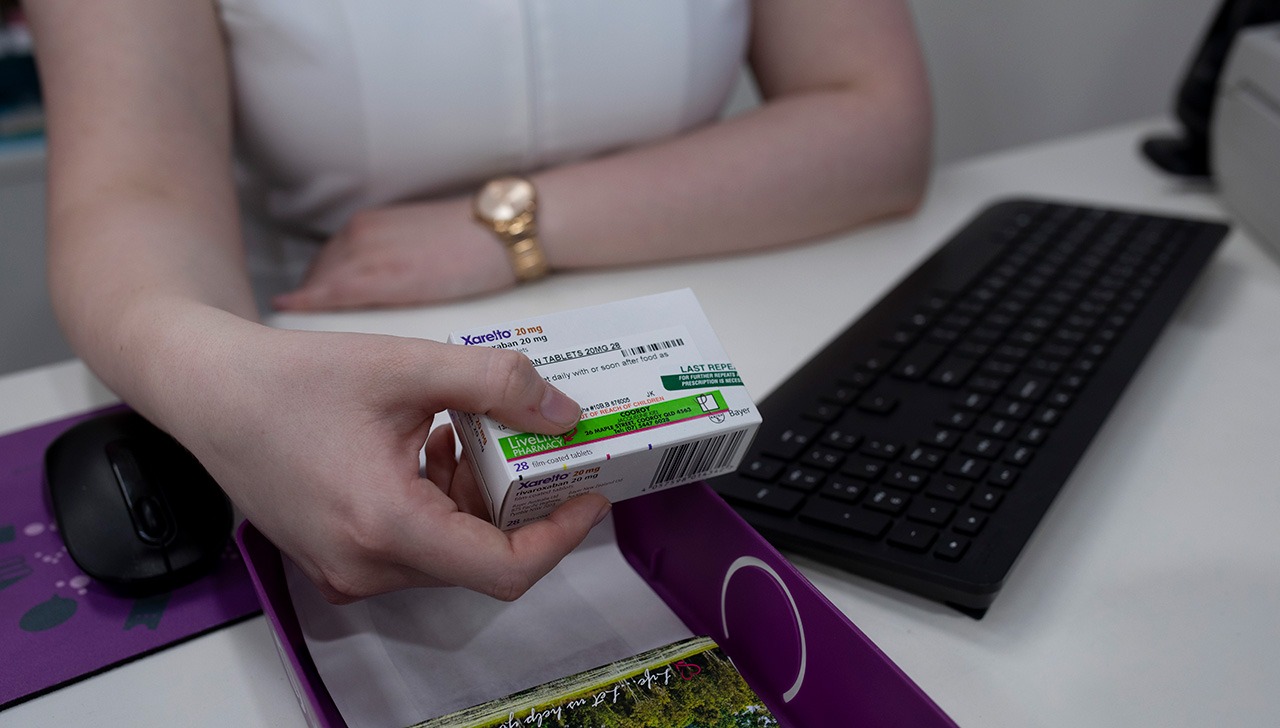
These case examples show that errors arise from system pressures, not individual failings. Pharmacists can act on these insights to strengthen governance.
When pharmacists call Pharmaceutical Defence Limited (PDL), they’re often navigating some of the most stressful moments of their professional lives.
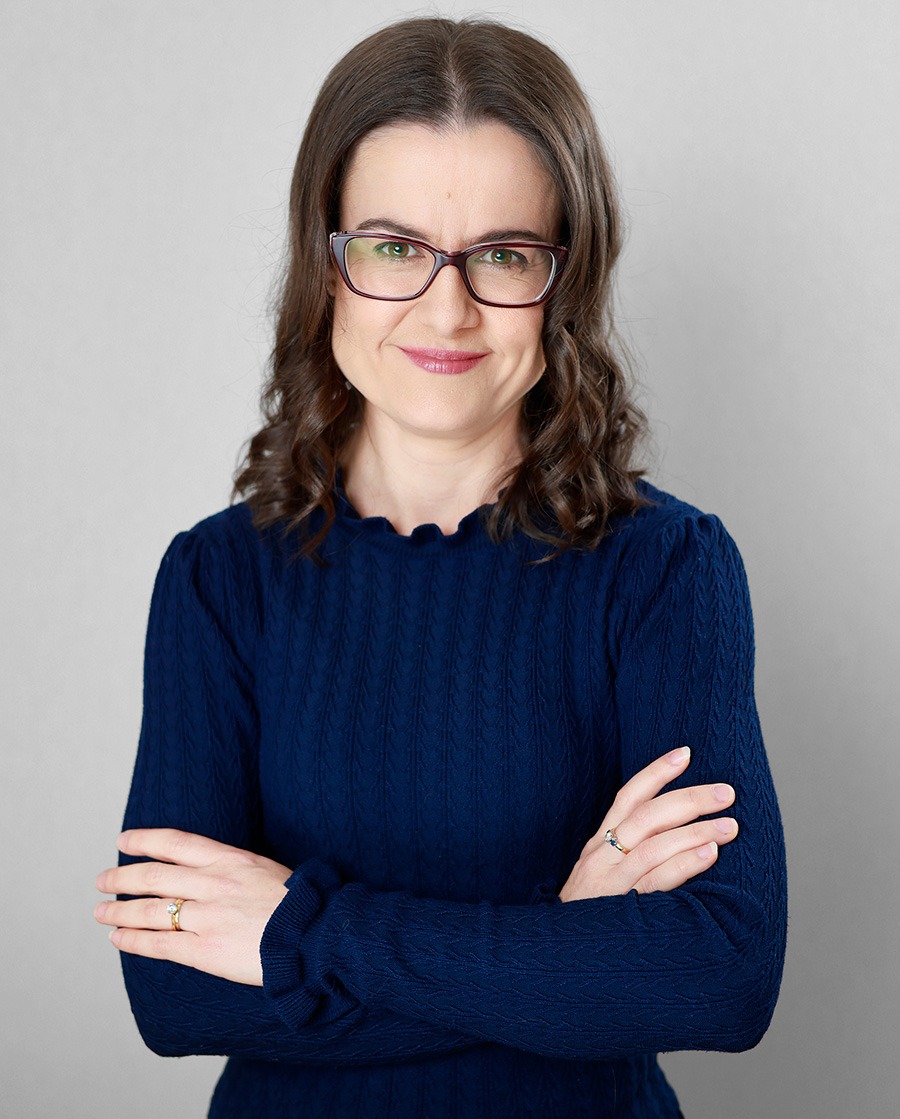
Behind the scenes, PDL’s professional officers, including pharmacist Claire Bekema – who is also a professional practice pharmacist at PSA – talk pharmacists through clinical decisions, regulatory notifications and incident management.
Here, Ms Bekema outlines the top incidents reported to PDL, alongside practical strategies to reduce risk and respond safely when something goes wrong.
Wrong-patient supply leads to hospital admission
Wrong-patient incidents remain one of the most common and serious error types, often occurring when workflow pressures and assumptions collide.
‘That might be when you call out a script for “[one surname], and somebody just turns up and says, “Yep, that’s me,” and they take it out the door,’ Ms Bekema told participants of PSA’s Voices of Pharmacy – Passion, Purpose, and Possibility webinar last week (26 November).
In one case, which occurred after 60 Day Dispensing was implemented, a patient received two boxes of multiple medicines that were not theirs.
‘It was high-dose antihypertensives, and the patient had low health literacy, so they didn’t know what they were expecting to receive from the doctor,’ she said.
‘They picked up this other person’s medicines and they took one from each box. So they took really high doses of antihypertensives all at once.’
Once errors such as this are discovered, Ms Bekema is clear about what the next steps should be.
‘In this particular scenario, I said, “Let’s talk about the incident and how it occurred later, but the first thing is: try and track down this patient and make sure they’re receiving medical attention”,’ she said.
‘They ended up being transferred to hospital by ambulance because their blood pressure was [extremely low]. Wrong-patient errors can have pretty dire consequences.’
For more information, refer to previous AP coverage on:
Labelling and selection errors
The second major incident type involves incorrect labelling – typically when a label is placed on the wrong box due to workflow interruptions, staff shortages or deviations from standard procedures.
‘Something in the procedure on the day [may have] interrupted the pharmacist’s usual process,’ Ms Bekema said. ‘Instead of scanning the label and then the box, they haven’t followed that process, and they’ve put the wrong label on the wrong box.’
Small lapses in processes can have large clinical consequences. If the patient is taking directions for the wrong medicine, it might cause adverse effects or even an overdose.
Should this error occur, pharmacists should reflect on any gaps in processes that contributed to that error, and what can be done to fix them up.
‘For example, what is the intention of a barcode scanner? It’s that safety check to make sure that the correct label is going on the correct box,’ she said. ‘Some of these processes that we have in the dispensing process are there to minimise risk and to support us when you’ve got the craziness of a busy pharmacy, with lots of distractions.’
A stronger incident-reporting culture
In Bekema’s view, incidents are rarely the fault of one individual; they are almost always symptoms of a flawed or overstretched system.
‘Incident reporting is probably something that we don’t do very well at the moment, and I think we need to change that culture to a no-blame culture,’ she said. ‘We’re all human, we all make mistakes, and it’s about what we do with that to stop it happening again.’
For pharmacists, reporting incidents – whether internally, to PDL, or via organisational governance systems – supports broader, profession-wide learning.
‘You can’t change and improve and do continuous quality improvement if you don’t have the data. Incident reporting is the data,’ Bekema said.
From barcode scanners to tall-man lettering, many safety mechanisms in today’s pharmacies exist because of lessons learned through incident analysis.
‘I tend to say to people on the phone: “we’re not like your car insurance where you’ve got a no-claim bonus. We actually want to hear your incidents”,’ she said.
‘We at PDL start looking at trends … these are the trends that are happening across the profession – so it’s not just you, you’re not isolated.’
Pharmacists should view errors not as professional failures, but as opportunities for growth, Bekema thinks.
‘You’ve probably done – how many thousands of dispensings in your career? And you’ve made one [error]. So it’s a 0.000-something percent rate of error,’ she said. ‘Just keep things in perspective. It’s okay to report, because you’re going to improve.’
As health professionals, pharmacists in any setting should work within a clinical governance framework, using incident data to drive continuous quality improvement.
‘Whether you’re the frontline clinician, the owner of the pharmacy, the Director of Pharmacy, or the CEO of the hospital – we all have a responsibility,’ Bekema said.
Building a career in incident management
As a practice support officer, no two days are the same.
‘We might receive multiple different queries about regulatory issues in different states and territories across Australia, [along with] clinical issues and practice issues – but also incident management, and supporting members through that,’ Ms Bekema said.
‘We [also] do project work and submissions on behalf of PDL, and we support members through regulatory actions.’
For pharmacists curious about moving into a similar role, curiosity and willingness to take on new challenges is a good start.
‘What I’ve noticed – and it wasn’t probably intentional – is that I’ve put my hand up for opportunities that have been offered or are out there,’ she said.
Ms Bekema cited an example of when, as an early-career pharmacist working in a hospital, a preceptor was needed for the new University of Canberra Master’s course.
‘Nobody else seemed to be interested. But I [thought] “I like education, I like supporting people, I like teaching,” so I just went, “Oh, Okay, I’ll try it”,’ she said.
Ms Bekema also set up new prison pharmacy services when the opportunity presented itself.
‘It’s that willingness to try new things, to enjoy a challenge, to have some confidence in your foundational skills and knowledge, and then being able to transfer those to different environments – and grow and learn and build skills as you go,’ she said.
For Ms Bekema, the most rewarding thing about her current role is the ability to give back to the profession.
‘I started as a pharmacy assistant and dispense tech, and I became a pharmacist because I love being part of the community,’ she said. ‘So being able to support [pharmacists] through some pretty distressing times – when … they’ve had an incident or error, or received a regulatory notification … is very rewarding.’
Need practice advice? Reach out to PSA’s Pharmacist to Pharmacist Advice Line between 8.30am to 5.00pm AEST on 1300 369 772.