


 Normalisation is medical misogyny and delays diagnosis
 Sharnelle Vella, ABC Radio Melbourne breakfast co-host[/caption]


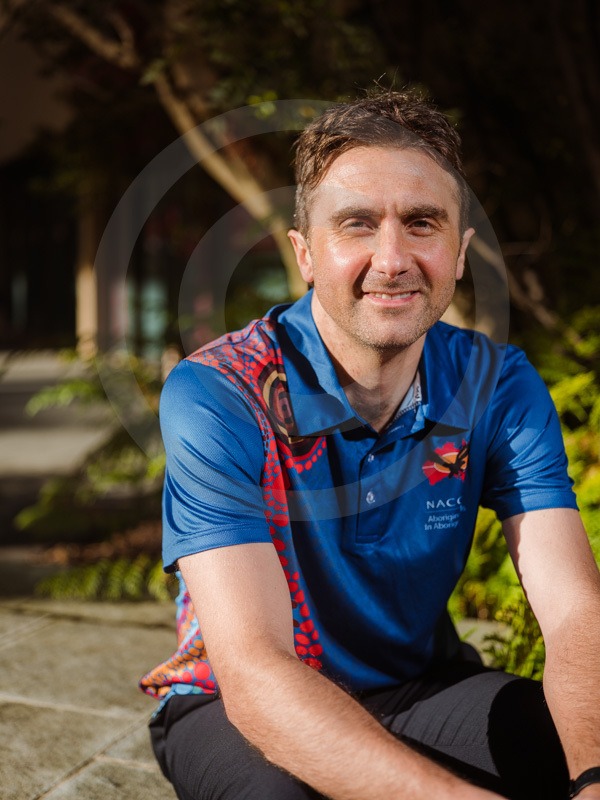 Mike Stephens, Director, Medicines policy and Programs at the National Aboriginal Community Controlled Health Organisation (NACCHO)[/caption]
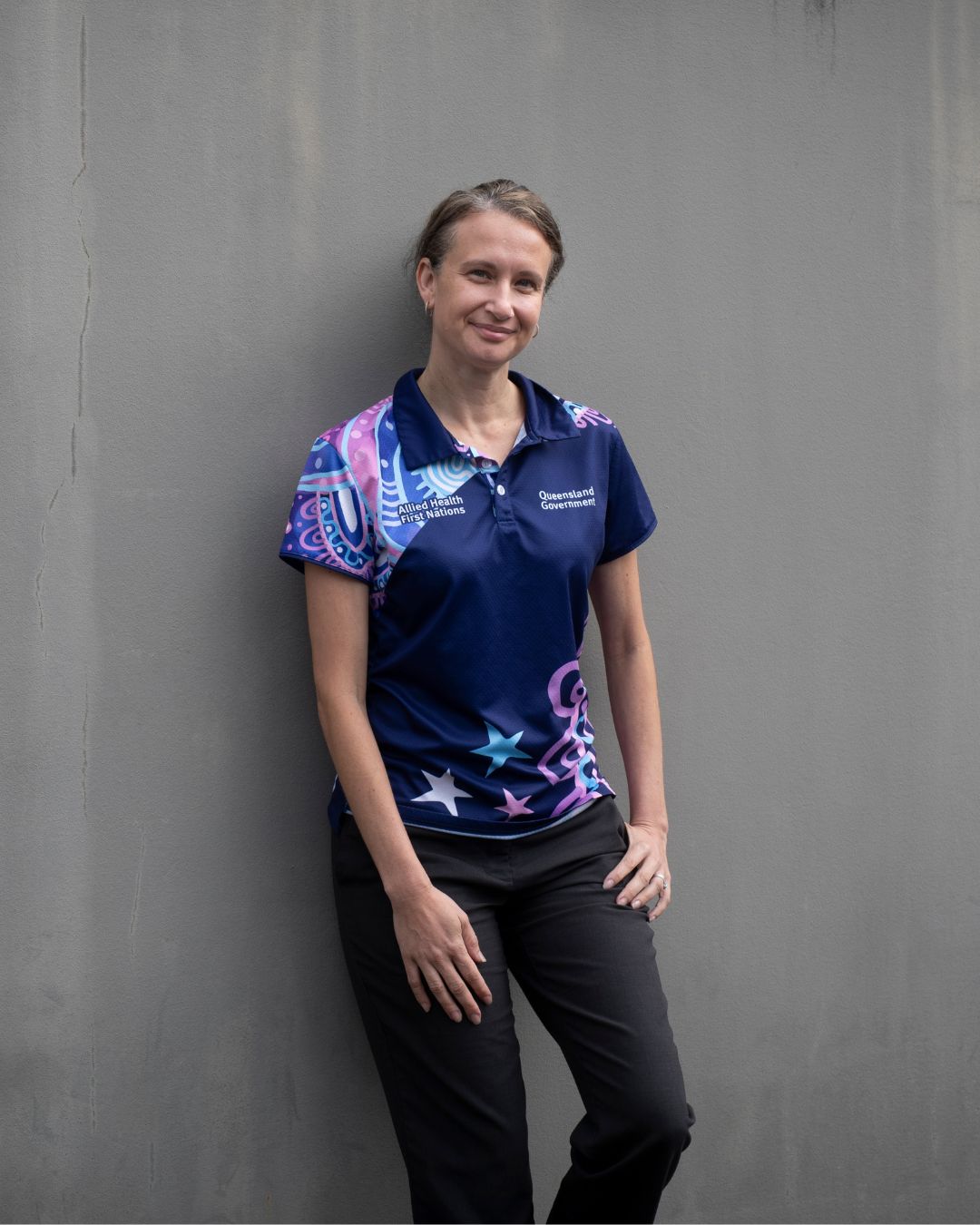 Chastina Heck MPS, Chair of the PSA/NACCHO Aboriginal and Torres Strait Islander Pharmacy Practice Community of Specialty Interest (CSI).[/caption]
 Philippa Chigeza, pharmacist at Logan Hospital.[/caption]


Topical corticosteroids are used for various dermatological conditions such as eczema and psoriasis.
| Learning objectives
After reading this article, pharmacists should be able to:
Competencies (2016) addressed: 1.1.3, 1.3.2, 2.1.1, 2.1.2, 2.3.2, 3.1.2, 3.2.2, 3.2.5, 3.3.1, 3.6.1. Competencies (2010) addressed: 1.1.2, 1.2.1, 1.3.1, 1.3.2, 2.1.3, 4.2.2, 4.2.3, 4.3.3, 6.1.2, 6.2.1, 6.2.2, 7.1.2, 7.1.4, 7.2.2. |
Case Scenario
Jane, a mother of 2-year-old twins, has come into the pharmacy today to ask the pharmacist (you) for advice. Both twins suffer from eczema, and Jane applies hydrocortisone 1% cream when the eczema flares up. This was on the recommendation of the dermatologist and GP, who they see regularly. She has heard that steroids are associated with many problems; in particular she is worried about them causing stunted growth. Jane is wondering if she is doing the right thing by using hydrocortisone cream on her twins and asks for your advice.
Want to learn more? PSA members can access the full article and assessment questions here to earn up to 1.5 Group 2 CPD credits.
Not a PSA member? Find out why more than 18,000 pharmacists choose PSA to support, advance and create opportunities for the pharmacy career and the greater pharmacy profession. Click here to join today.