








What does the NIPVIP expansion to children under 5 mean for pharmacists?
From 1 January 2027, community pharmacies will be able to claim NIPVIP payments for National Immunisation Program vaccines administered to children under 5, where state and territory legislation allows.
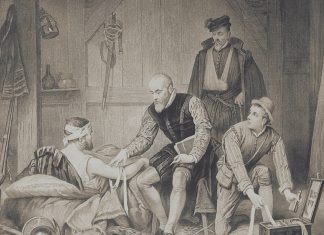
Turpentine’s unlikely medical career
It’s hard to imagine a doctor deliberately pouring turpentine into an open wound. These days, it’s more likely to be found in a hardware shop than a hospital. But oil of turpentine, distilled from pine resin, was once a common medical treatment.

Sore throat
Sore throat is a common presentation in both community pharmacy and general practice. Treatment depends on the cause, and includes both pharmacological and non-pharmacological management.

3 questions to ask before accepting a penicillin allergy label
With 95% of low-risk patients labelled penicillin allergic tolerating the medicine on direct oral challenge, every penicillin allergy label should be questioned, Professor Jason Trubiano told the National Medicines Symposium today (11 November).

Strengthening interprofessional collaboration
At the heart of every health professional’s practice sits the goal of improving patient outcomes. To achieve this goal, interprofessional collaborative practice is fundamental to delivering effective, team-based, coordinated care for patients and healthcare consumers.
POPULAR
What does the NIPVIP expansion to children under 5 mean for...
From 1 January 2027, community pharmacies will be able to claim NIPVIP payments for National Immunisation Program vaccines administered to children under 5, where state and territory legislation allows.
Turpentine’s unlikely medical career
It’s hard to imagine a doctor deliberately pouring turpentine into an open wound. These days, it’s more likely to be found in a hardware shop than a hospital. But oil of turpentine, distilled from pine resin, was once a common medical treatment.
Sore throat
Sore throat is a common presentation in both community pharmacy and general practice. Treatment depends on the cause, and includes both pharmacological and non-pharmacological management.
3 questions to ask before accepting a penicillin allergy label
With 95% of low-risk patients labelled penicillin allergic tolerating the medicine on direct oral challenge, every penicillin allergy label should be questioned, Professor Jason Trubiano told the National Medicines Symposium today (11 November).
Strengthening interprofessional collaboration
At the heart of every health professional’s practice sits the goal of improving patient outcomes. To achieve this goal, interprofessional collaborative practice is fundamental to delivering effective, team-based, coordinated care for patients and healthcare consumers.
POPULAR
A cup of tea, a Bex and a good lie down
Immortalised in Australian slang, the analgesic phenacetin (used in Bex powder) is wrapped up in the development of the modern pharmaceutical industry and has...
Pfizer COVID-19 vaccine health hubs announced

The Federal Government is calling on community pharmacists to help vaccinate millions of Australians against COVID-19.
Landmark Australian study on oxycodone prescribing
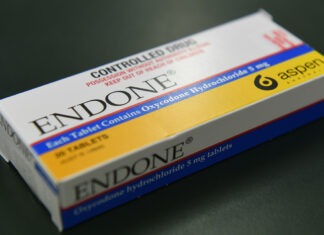
Oxycodone is the most prescribed strong opioid in Australia. Yet little was known about its use and prescribing patterns – until now.
Triptans downscheduled to S3 medicines

Last year, the Therapeutic Goods Administration announced that certain triptans will be available over the counter in 2021.
New CAL D instruction for antibiotics

A new cautionary advisory label for antibiotics that will replace decades of advice to take the medicines ‘until all used’ or ‘until all taken’ will be released next year.
Is Rikodeine still being rescheduled?
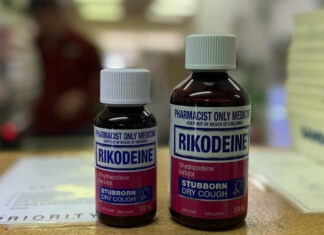
Last year, the TGA made an interim decision to reschedule Rikodeine to a prescription medicine. Why hasn’t it happened yet?