





Case scenario
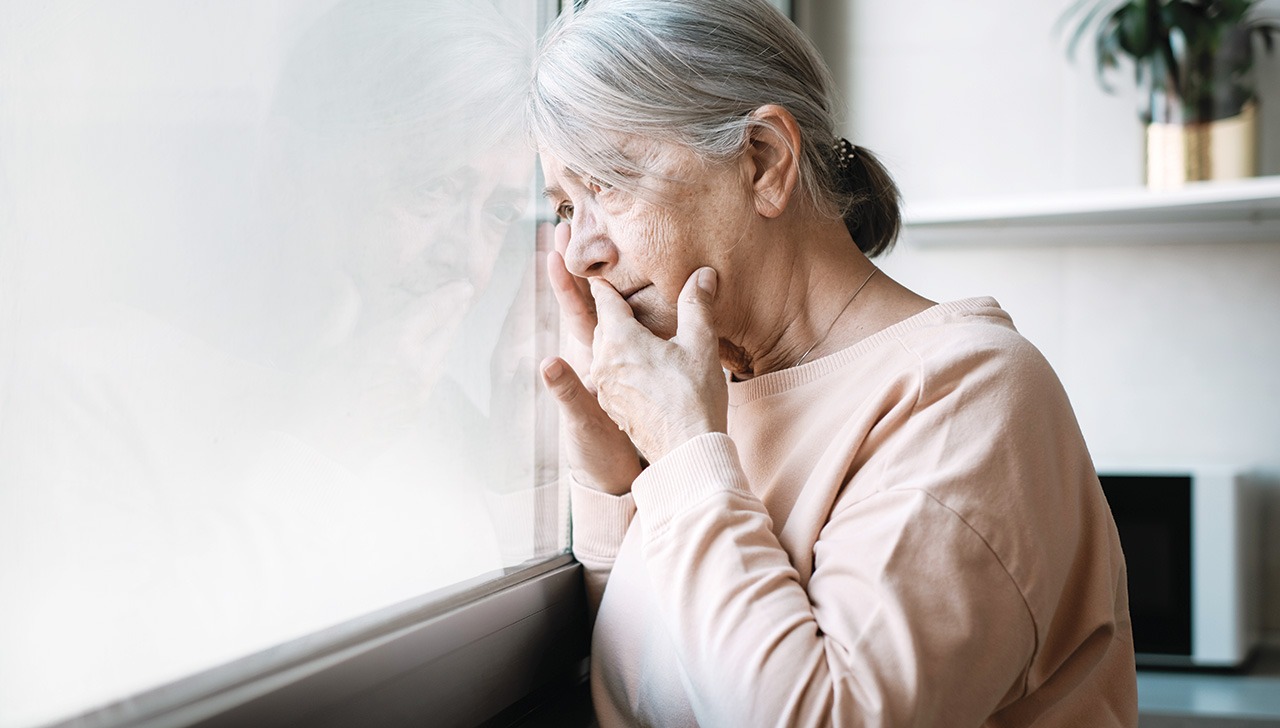
Janet, an 82-year-old regular customer at your pharmacy, lives alone after her husband’s death 6 years ago. She takes ramipril for hypertension, and is an avid baker who often shares her baked goods with the pharmacy. After a few weeks of absence, she comes to see you and mentions she’s been struggling to get out of bed in the morning and lacks the motivation to bake or attend her aerobics class. In the consultation room, you use the Geriatric Depression Scale–151 (GDS–15) as a guide for discussion on depression screening. Janet scores 10/15 on the GDS–15, indicating potential depression. You refer her to her GP for further assessment.
Learning objectivesAfter reading this article, pharmacists should be able to:
Competency standards (2016) addressed: 1.1, 1.4, 1.5, 2.2, 3.1, 3.5 Accreditation number: CAP2502DMCO Accreditation expiry: 31/01/2028 |
Already read the CPD in the journal? Scroll to the bottom to
THIS IS A MEMBERS ONLY ARTICLE. YOU NEED TO BE A PSA MEMBER AND LOGGED IN TO READ MORE.