

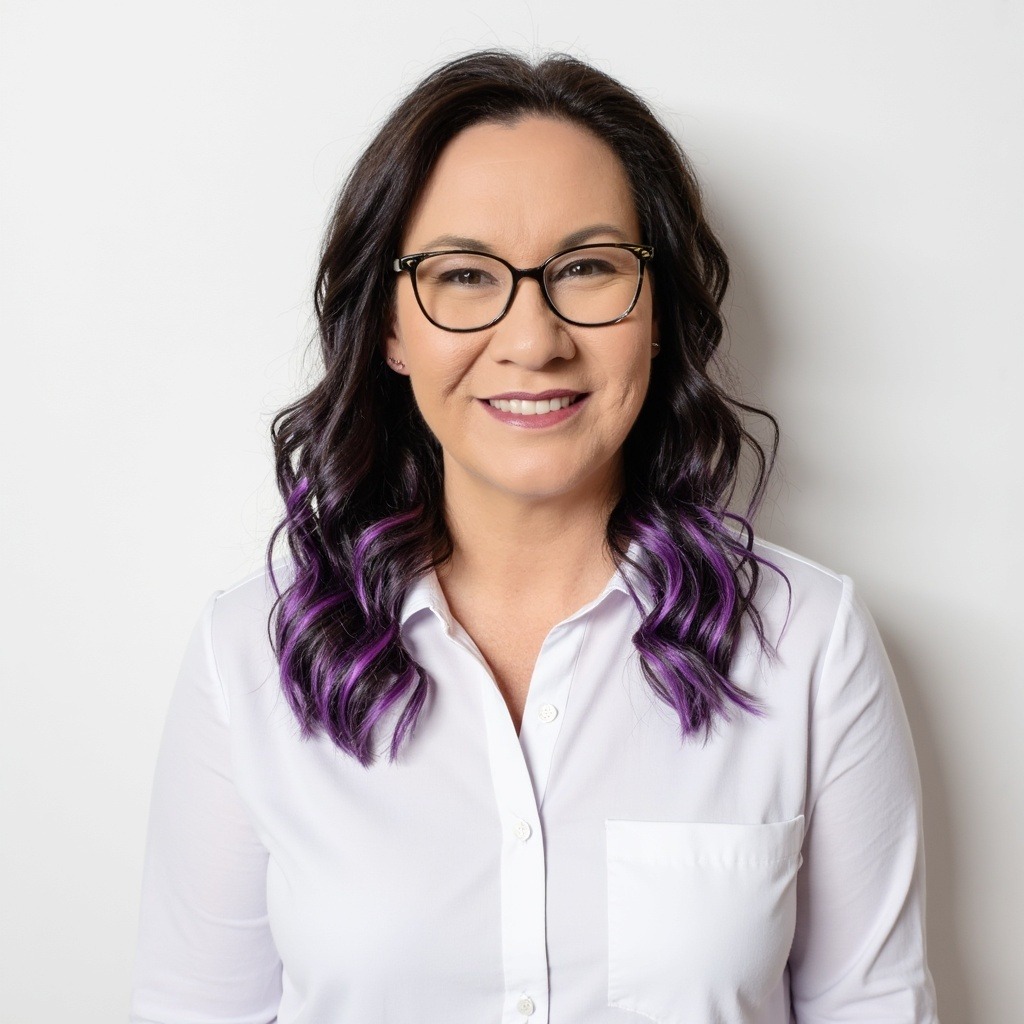
 Yvette Anderson (she/her) BPharm, MPS, CredPharm (MMR), ANZCAP (MentalHth, Paeds), CPGx, GradCert Autism[/caption]

 Beyond the core features


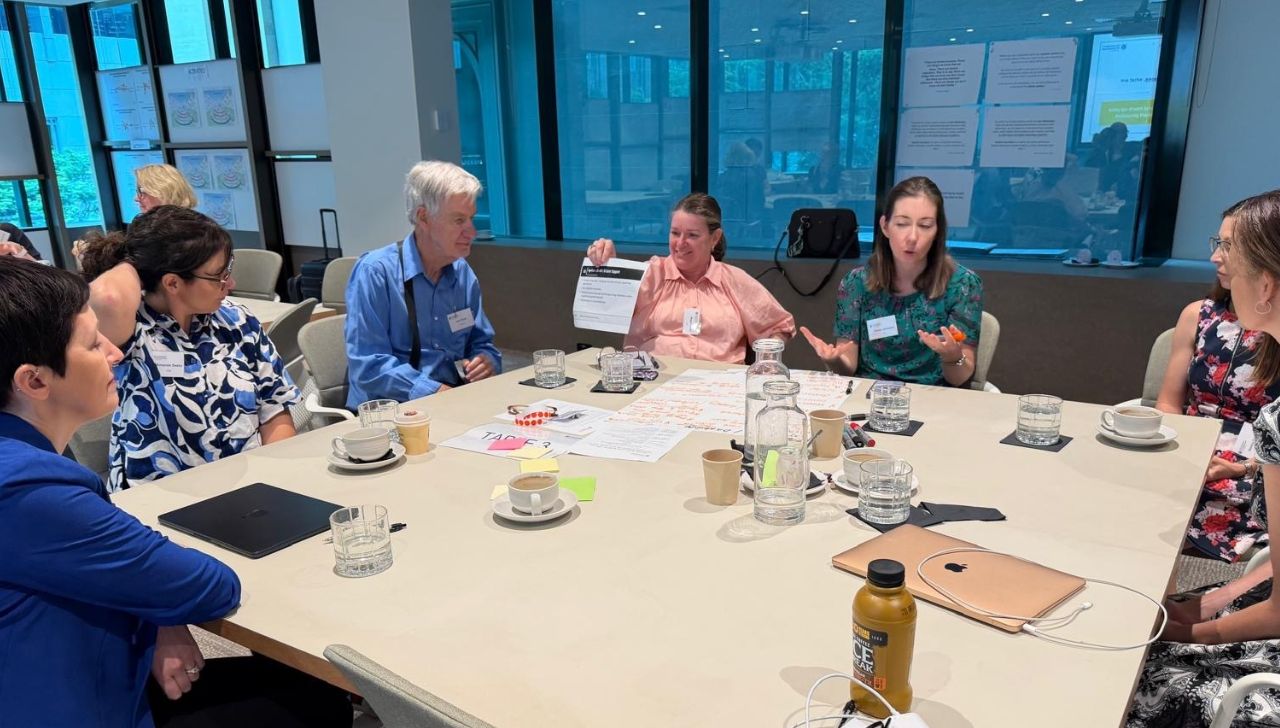 ‘How do we reach them better, and what does that mean for the required skills and competencies of our workforce?’ A/Prof Spinks asked.

 Rhiannon Price, Pharmacist at King Edward Memorial Hospital.[/caption]
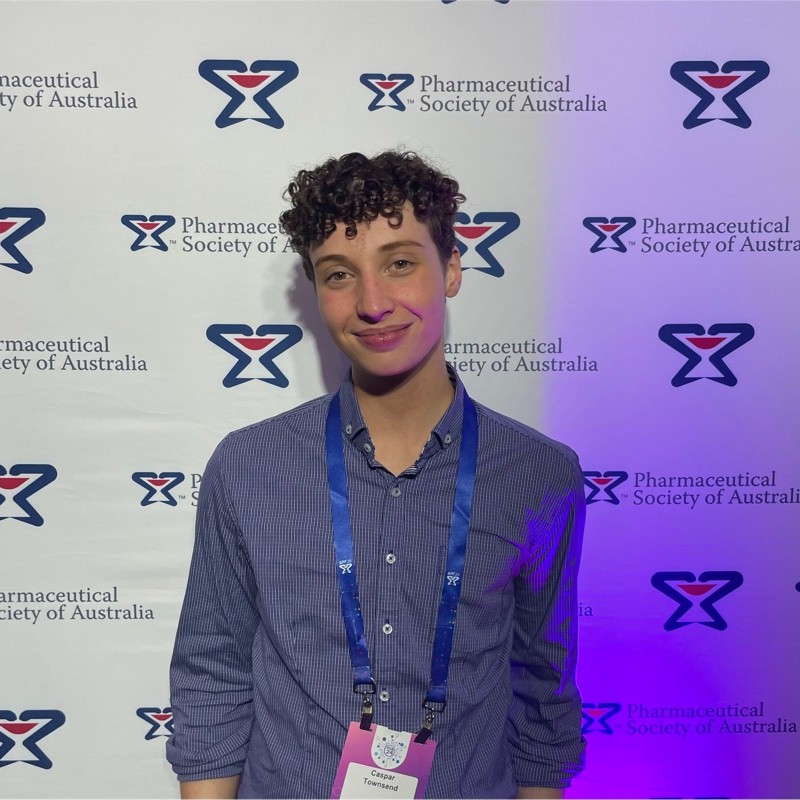 Caspar Townsend MPS, Pharmacist at Perth Children's Hospital compounding unit[/caption]
 Iraq Doali, NSW-based locum pharmacist and content creator[/caption]



Community pharmacies are often the first place people turn when something feels ‘off’. But as pharmacists know, many requests for over-the-counter medicines are more complex than they may initially seem.
With the help of PSA’s Practice Support team, AP took a look at some presentations which might signal hidden red flags.
‘I just want a multivitamin’
When people present to community pharmacies, they often arrive with a solution already in mind. For example, ‘I need a strong painkiller,’ ‘I just want a multivitamin,’ or ‘What do you have for nerve pain?’
Nearly always, consistent with professional standards, these invite an open ended question to uncover the rationale for the request
- ‘Tell me what’s been happening.’
- ‘What made you choose this product today?’
- ‘What symptoms are you hoping to improve?’
That multivitamin request might be because someone is worried about immunity – which should prompt a discussion about immunisation. It could also indicate someone is feeling lethargic, which might start a conversation to rule-out anaemia. Or it might indicate a wish to support someone not eating due to chemotherapy – which obviously prompts a very different and comprehensive discussion.
These open‑ended questions encourage people to share more without slowing workflow, and they help prevent anchoring on a self‑diagnosis that may not reflect the real issue.

‘What’s your strongest painkiller’
People often reveal more than they realise. A request for a ‘strong painkiller’ could just be the tip of the iceberg.
For example, peripheral neuropathy is more common than most people realise. It’s also caused by vitamin B6 toxicity from multiple B6‑containing products more often than considered.
So a conversation where you discuss how a painkiller request could actually signal neuropathy from long‑term use of multiple high‑dose multivitamins, energy supplements, or ‘nerve support’ products is critical. Without gentle questioning, the true cause can be easily missed.
There are plenty of other examples that frequently appear, including requests for:
- ‘Something stronger for pain’, which may reflect chronic pain escalation or medicines overuse.
- Medicines for diarrhoea, where ongoing or recurrent symptoms can suggest medicine-related adverse effects, infection, malabsorption, or laxative overuse.
- Sleep aids, which could be a sign of stress, grief, burnout or caregiver fatigue.
These small clues are easy to overlook. A simple, empathic, ‘That sounds uncomfortable; let’s take a closer look together’, will usually open the door to a more meaningful conversation.
Normalising and reframing
Normalising language helps people feel safe discussing sensitive issues and reduces defensiveness when the requested product isn’t appropriate. For example:
- ‘Many people don’t realise that too much vitamin B6 can actually cause nerve pain symptoms. Let’s check what you’re already taking.’
- ‘A lot of rashes look similar; before choosing a cream, it’s worth making sure we’re treating the right thing.’
This reframes the interaction from a quick sale to a collaborative assessment.