





td_module_mega_menu Object
(
[post] => WP_Post Object
(
[ID] => 31167
[post_author] => 3410
[post_date] => 2026-01-12 13:52:34
[post_date_gmt] => 2026-01-12 02:52:34
[post_content] => PSA’s ASPIRE Palliative Care Foundation Training Program gives pharmacists the skills to deliver this vital care – to patients and families alike.
Australia’s population is living to a greater age, which in turn has led to increased need for end-of-life care. It’s estimated that demand for palliative care in Australia will rise by 50% between now and 2035, and double by 2050.
Until now, most pharmacists have had to navigate complex medication regimes and challenging family conversations – with little to no formal training during university studies.
To help bridge this gap, PSA launched the ASPIRE Palliative Care Foundation Training Program last year. The course, delivered online across eight modules, aims to equip pharmacists with essential, proactive skills – not only for patients, but for the family and carers who also require significant support.
‘The ASPIRE training reminded me that palliative care is not just the last few days of life, it’s actually the weeks, months and sometimes even years after a person has a diagnosis that means that their life is going to be shortened,’ said Amy Gibson MPS, a consultant clinical pharmacist and educator who works as an on-site pharmacist in an Aspect Health aged care facility outside Brisbane.
[caption id="attachment_31171" align="aligncenter" width="500"]
Amy Gibson MPS[/caption]
‘Palliative care is about making plans to keep that patient as comfortable and in the best health possible for the time they’ve got left – often it’s heart failure and chronic lung disease patients.’
A holistic approach
Before completing the ASPIRE training program, Ms Gibson said she ‘didn’t have a lot of skills around palliative care’.
‘I knew about what we refer to as the “Core Four” medicines. I knew about anticipatory prescribing and making sure you’ve got something on hand for pain management, agitation and so on,’ she said.
‘But I hadn’t really thought so much about those social aspects of having conversations with people to find out what actual issues they were having, and how as a pharmacist you could support them.’
While not designed to prepare pharmacists to specialise in palliative care, the ASPIRE training course explores a broad range of topics around end-of-life issues, from symptom management and interdisciplinary palliative care to the role of the pharmacist across everything from medicine management to bereavement and self-care.
The holistic approach of the training resonated with Ms Gibson. ‘There was a lot of psychosocial education, including around what palliative care patients experience and also what that’s like for their families,’ she said. ‘It reinforced cultural perspectives, particularly for [Aboriginal and Torres Strait Islander] peoples, acknowledging that different cultures deal with death and dying in diverse ways and there’s not a one-size-fits-all approach.’
The ASPIRE training puts the carers’ perspectives in place, said Ruilin Ng MPS, a consultant pharmacist and credentialled diabetes educator based in suburban Adelaide. ‘A lot of the time, people are so focused on the person in care that the person around them is not given as much attention.’
The list of drugs a carer picks up can also be a vital clue for pharmacists to open a conversation. ‘A simple, “How are you”, or “How’s it going”, goes a long way,’ she said.
‘Otherwise family members or carers sometimes fall through the cracks. They may not have the support of a counsellor because obviously the focus is not on them.’
The training also reminds pharmacists of their critical role in being proactive around the most fundamental parts of palliative care, Ms Gibson said.
‘There are cases when people have trouble even physically getting to the pharmacy, saying “We need someone to be with Dad 24/7” for example,’ she said. ‘They don’t have the headspace to say that [coming to the pharmacy] isn’t working for them and might not even realise we can arrange delivery, so there’s a lot of emphasis on the practical measures we can provide.’
Medicine management when it’s most critical
As most people aim to spend their final days at home or in an aged care facility rather than in a hospital, the training helps prepare pharmacists to support them, including the specifics of palliative care medicines management.
‘We can assist [prescribers] in knowing what medicines should be prescribed for comfort measures and what medicines should be ceased because they're no longer serving a purpose,’ Ms Gibson said.
This also includes making sure the right medicines are available. ‘If your loved one is in pain or quite agitated, you don’t want to be told you’ve got to wait 24 hours because it’s not in stock,’ Ms Gibson said. ‘The training encourages community pharmacies to have these key palliative [care] medicines on hand so patients’ families don’t have to run around the town trying to find supplies.’
In her aged care role, Ms Gibson works closely with registered nurses to maintain an imprest supply. ‘This is emergency stock, including palliative care medicines, that they might need to use before the next delivery from the pharmacy comes,’ she said.
‘If an after-hours GP comes at night and says, “We need to start this patient on a morphine syringe driver”, we’ve got some ready to go – they don’t have to wait until the order arrives at 3.00 pm the next afternoon. I help the nurses monitor that stock. And if we’re running low, I make sure the order goes through to our supply pharmacy in plenty of time.’
The skills Ms Gibson honed through the ASPIRE training program recently helped her treat a resident with advanced dementia who was admitted to hospital but discharged back to the aged care facility with little warning.
‘She was close to the end of [her] life and they’d ceased everything but the palliative [care] medicines, anticipating she wouldn’t [live] more than a couple of days,’ she said.
‘As soon as I saw the message that she was expected back later that day, I checked that we had enough morphine and midazolam to make sure she could be administered those medicines as soon as she got back, because she was unlikely to be sent back to us with [a supply of] those medications.
‘Her doses were escalating quickly and over the next couple of days I made sure we stayed on top of stock levels, putting orders into the pharmacy regularly to make sure we weren't going to run out overnight.’
The ASPIRE training reinforced the importance of this approach. ‘At the very end of life, the situation can deteriorate quickly, with a change in condition often meaning a change in dose,’ Ms Gibson said.
‘We don’t want people to be uncomfortable and you don’t want to wait a day for the order to arrive. There’s a real need to anticipate what’s going to happen.’
Care after the end
When end of life arrives for the patient, it’s those left behind who need care.
‘The ASPIRE training puts the carer’s perspectives in place, [and] is a very good introduction to the bereavement aspect’ Ms Ng said. ‘[You learn] how to start the conversation, because it’s not an easy topic.’
Pharmacists have an important role in acknowledging carer grief and bereavement after the death of a loved one, and signposting to further support if required.
Keen to learn more about palliative care? Pharmacists, students and interns can enrol free of charge in the Training Plan: ASPIRE Palliative Care Foundation Training Program.
[post_title] => At the end of life, pharmacists are essential
[post_excerpt] => PSA’s ASPIRE Palliative Care Foundation Training Program gives pharmacists the skills to deliver this vital care – to patients and families.
[post_status] => publish
[comment_status] => open
[ping_status] => open
[post_password] =>
[post_name] => at-the-end-of-life-pharmacists-are-essential
[to_ping] =>
[pinged] =>
[post_modified] => 2026-01-12 15:25:04
[post_modified_gmt] => 2026-01-12 04:25:04
[post_content_filtered] =>
[post_parent] => 0
[guid] => https://www.australianpharmacist.com.au/?p=31167
[menu_order] => 0
[post_type] => post
[post_mime_type] =>
[comment_count] => 0
[filter] => raw
)
[title_attribute] => At the end of life, pharmacists are essential
[title] => At the end of life, pharmacists are essential
[href] => https://www.australianpharmacist.com.au/at-the-end-of-life-pharmacists-are-essential/
[module_atts:td_module:private] => Array
(
)
[td_review:protected] => Array
(
)
[is_review:protected] =>
[post_thumb_id:protected] => 31169
[authorType] =>
)
td_module_mega_menu Object
(
[post] => WP_Post Object
(
[ID] => 31160
[post_author] => 11750
[post_date] => 2026-01-12 11:56:10
[post_date_gmt] => 2026-01-12 00:56:10
[post_content] => Compounding environments must be designed to minimise contamination risk – including keeping meal breaks well away from the bench.
For most, the image of a typical ‘behind the counter’ pharmacy environment is not one of expansive space. Instead, it’s a compact and busy environment where almost every inch is occupied by something essential for us to do our job. There’s the dispensary itself, an area where medicines are compounded, and usually, another space for staff to take their well-deserved lunch break, too.
Separation of compounding and lunch areas is essential, not only for keeping crumbs out of capsules, but to ensure compounded medicines are free from contamination, consistently meet quality standards and for maintaining the safety of staff.1,2
Why is it important?
Pharmacists have a legal and professional responsibility to ensure compounding occurs in an environment that has been adequately designed, equipped and resourced.2
Compounding practices should be informed by relevant guidelines and standards for Good Manufacturing Practice (GMP), which reinforce the importance of prohibiting food and drink in compounding areas.2,3 These areas need to be clean and orderly to protect ingredients and compounded medicines from microbial and particulate contamination, throughout all stages of compounding.3 Grabbing a quick bite between batches could put medicine quality, staff and patient safety at risk.
How should a compounding area be organised?
Requirements vary across pharmacy premises depending on the complexity of the compounding being conducted. Facilities and equipment must comply with relevant Commonwealth and state or territory legislation, relevant regulatory authority requirements and Australian standards.4
Some key considerations for compounding areas include that4,5:
Complex compounding activities will require more specialised facilities and equipment.4 Non-sterile complex compounding should ideally occur in a dedicated laboratory separated from other parts of the pharmacy by floor-to-ceiling walls, with a door for entry and exit.4 It’s important to remember that if the laboratory is accessible by the public, the door should be lockable.4
Risk assessments are useful tools to determine whether compounding areas and equipment are suitable and safe for the medicines being compounded.2 If an issue is identified, remember it’s important to bring this to the attention of the person responsible for the premises, to allow for corrective actions to be implemented.
See the Australian Pharmaceutical Formulary (APF) Compounding decision support and risk assessment tool for guidance.
Everyone is entitled to a lunch break. Designating a separate space for meals away from compounding areas reduces contamination risk and maintains GMP standards for compounded medicines, staff and patients.
td_module_mega_menu Object
(
[post] => WP_Post Object
(
[ID] => 30883
[post_author] => 11658
[post_date] => 2025-12-17 16:21:38
[post_date_gmt] => 2025-12-17 05:21:38
[post_content] => Case scenario
Fernando, a 16-year-old student, walks into your pharmacy concerned about a rough, painful lesion on the bottom of his foot. He informs you that he has been picking at it, as it has been bothering him, to the point that he is now limping and avoiding sports (football and swimming). He has not tried any treatments, but he has ‘Googled’ it.
On examination, you notice a thickened and tender lesion with black dots on the surface. He is not taking any regular medicines and is otherwise healthy.
Learning objectivesAfter reading this article, pharmacists should be able to:
|
A cutaneous wart is a common, viral skin growth caused by the human papillomavirus (HPV). They are typically classified based on their location on the body and their structure.1 Warts are generally classified as1,2:
Most warts are harmless. Without active treatment, warts will disappear on their own within months to years.1,2 Occasionally, warts can cause discomfort, cosmetic concern or cause temporary functional impairment (e.g. plantar warts).2 Once active treatment is started, persistence is key to ensuring optimal eradication.2
Cutaneous warts are common, particularly among children, adolescents, and individuals who are immunocompromised. Globally, the prevalence of cutaneous warts varies between 7% and 12% in the general population, with the highest rates reported among school-aged children (10–20%).3
In Australia, the most frequently observed types of cutaneous warts are common warts (verruca vulgaris) on hands and knees, and plantar warts (verruca plantaris) on the soles of the feet.2 Studies have found that approximately one-quarter (24%) of school children have had at least one wart, with a significantly higher prevalence observed among those who swim regularly or share footwear.4
Warts are caused by infection with specific types of HPV, of which more than 200 genotypes have been identified.3 Of those, types 1, 2, 4, 27 and 57 are most commonly associated with cutaneous warts.1,3 HPV is transmitted via direct contact with infected skin or indirectly through contaminated environments (e.g. communal showers, swimming pool decks, or gym mats).1–3 HPV can survive for days on surfaces, facilitating indirect spread.6
Once HPV breaches the skin barrier, it infects basal keratinocytes within the epidermis. The virus then induces proliferation of keratinocytes without inducing cell lysis or triggering a significant immune response, thereby evading immune detection.6 As infected cells differentiate and migrate toward the skin surface, viral replication continues, giving rise to the following characteristic histopathological changes that produce the rough, raised appearance of warts5:

Since viral activity remains confined to the epidermis and does not invade deeper tissues, the lesions are typically benign.6
Several factors influence susceptibility to cutaneous warts.
Age
Cutaneous warts are frequently observed in children and adolescents.1 Prevalence tends to decline in adulthood.7
Skin trauma
Cuts, abrasions or frequent friction facilitate viral entry by disrupting the skin barrier, thereby increasing susceptibility.1,2
Immunosuppression
Individuals who are immunocompromised (e.g. those with HIV infection), recipients of organ transplants, or patients receiving immunosuppressive therapy are more prone to persistent and treatment-resistant warts.1
Occupational or recreational exposure
Certain individuals are placed at increased risk due to their environment, such as butchers (susceptible to abrasions, cuts), swimmers (prolonged exposure to moist, communal environments) and athletes (increased skin to skin transmission in contact sports and shared equipment). Overall risk is generally increased with close contact and communal environments, although evidence varies among studies.3
Poor skin hygiene and occlusion
Excess moisture and skin maceration compromise the integrity of the epidermis, creating favourable conditions for infection. 2,3
Atopic dermatitis
A compromised skin barrier may increase susceptibility.1,5
Warts typically have the following presentation5:
Warts range in size from a few millimetres to over a centimetre in diameter and characteristically disrupt normal skin lines.5 They may occur as solitary lesions or in clusters, sometimes coalescing into plaques, particularly in immunocompromised individuals.8
Table 1 summarises the distinguishing features that differentiates subtypes.
Symptoms
Most cutaneous warts are asymptomatic, but they may cause pain, itching or tenderness, especially when located on pressure points like the feet or periungual areas.5,6 Cosmetic distress and social embarrassment are common, particularly for visible or facial warts.8
Diagnosis
Cutaneous warts are diagnosed clinically, based on their appearance, location and patient history.1,3,8 Several skin conditions may resemble the appearance of cutaneous warts5,8:
A thorough patient history, lesion inspection, and understanding of risk factors can aid in distinguishing benign warts from conditions that may require further investigation or treatment.3
Prognosis
The prognosis for cutaneous warts is generally favourable, with most cases being self-limiting. Spontaneous resolution occurs in 50–70% of cases within 2 years, particularly in children and adolescents.4,5
The likelihood of resolution depends on several factors, including patient age, immune status and lesion characteristics.8 Younger patients typically experience higher clearance rates, while those who are immunocompromised may develop more extensive and persistent disease.1 Warts located on plantar or periungual sites, as well as larger lesions, tend to be more resistant to resolution.6
Even without treatment, the immune system can eventually clear the virus.2 However, recurrence is possible, and reinfection may occur via autoinoculation (self-spread from one site on the body to another) or contact with contaminated surfaces.2
The primary aim of treatment for cutaneous warts is to stimulate a host immune response against HPV, often by inducing irritation or inflammation within the lesion.10 By doing so, the following can be achieved3,6,10:
Importantly, patients should be educated that no treatment guarantees 100% success, and that multiple treatment sessions and sustained compliance may be required. Notably, one-third of warts resolve spontaneously within 3 months and two–thirds resolve in 2 years.5,9
Management should be individualised, considering the patient’s age, immune status, wart type, number, location, duration and impact on quality of life.5
Monitoring
In children or patients with recent-onset warts that are not painful or distressing, simply waiting and monitoring is a reasonable option.5,8 This approach may be preferred in young children where treatments may cause discomfort.
Salicylic acid
Salicylic acid (SA) at a concentration of 15–40% is considered the first-line pharmacological treatment for most cutaneous warts.5,9 As a keratolytic agent, it works by softening and progressively removing hyperkeratotic tissue.9 Treatment involves daily application, often for up to 12 weeks.9,10 Evidence indicates that efficacy of SA is improved when the wart is soaked in warm water for 5–10 minutes followed by mechanical debridement, such as paring or filing the lesion prior to application, as this improves penetration of SA into affected tissue.2,10
SA preparations available in community pharmacy include solutions, paints, sticks and pens that are applied daily,9 and medicated discs that are typically left on for 48 hours and repeated for up to 12 weeks as required.7,8
Evidence for the use of SA as a first-line option has shown a cure rate of up to 75% when compared to placebo.9
Adverse effects such as local irritation, blistering or pain are common following SA application.2 Covering the wart with occlusive tape after applying SA helps to prevent contact with healthy skin.10
Salicylic acid with lactic acid and podophyllum resin
Lactic acid is a keratolytic agent that softens and breaks down the thickened skin of warts, helping them shed more easily. It is often combined with SA in topical treatments to enhance removal and promote healthy skin regeneration.10
Podophyllum resin is available in some OTC products and is typically combined with salicylic and lactic acids to treat stubborn common warts. Its active compound, podophyllotoxin, arrests cell division and destroys wart tissue.2,8 Because systemic absorption can cause toxicity, products are applied sparingly to intact skin and avoided in pregnancy or on large or inflamed areas. 2,9 Higher-strength podophyllotoxin for anogenital warts is Schedule 4 (Prescription Only).2
Cryotherapy
Cryotherapy is a second-line option for adults or older children with painful, persistent, or cosmetically concerning warts.9 Cryotherapy with liquid nitrogen (through a medical practitioner) or dimethyl ether and propane (DMEP), a non-prescription product, induces tissue necrosis through freezing.8,9 Non-prescription DMEP products are colder than ambient but do not reach liquid nitrogen temperatures and are typically less effective.10
Cryotherapy is usually administered at intervals of 2–3 weeks for up to 12 weeks, with multiple sessions often required for optimal clearance.9 The procedure can be painful, so its use is typically avoided in young children.9
Adverse effects include pain, blistering and pigmentation changes. Its efficacy is comparable to SA when compliance to therapy is high.3,9
Alternative or specialist treatment
In cases where first- and second-line therapy fails, patients may be referred for specialist treatments. Options include immunotherapy (e.g. topical imiquimod), intralesional antigen injections, as well as procedural approaches, such as laser therapy or electrosurgery.3,8,9
Imiquimod stimulates local immune responses and may be used off-label for cutaneous warts, particularly recalcitrant (resistant to treatment) or widespread cases.5,8,9 While evidence is limited for non-genital warts, it remains an option for referral or specialist use.9
Laser therapy, curettage and surgical excision are typically reserved for warts not responding to conservative measures.3 These options carry risks such as scarring and are performed in specialist settings.2,9
Referral should be considered for immunocompromised patients, for lesions with features suggestive of skin cancer, in cases of extensive or treatment-resistant warts, and bleeding or rapidly growing lesions.9
Other therapies
Occlusion – duct tape
Occlusion with duct tape is a low-cost method that involves covering the wart with duct tape and changing it weekly with periodic debridement.9 Although evidence is mixed,9 it is a well-tolerated adjunct or alternative in paediatric cases, or for patients preferring non-chemical options.8 Patient expectations should be modest.9
Zinc
Oral and topical zinc have been studied in wart treatment due to their immunomodulatory properties.9 Oral zinc has been shown to be effective at treating recalcitrant warts when administered at therapeutic doses.8 However, evidence is limited, and results across studies have been mixed. 8 Its role in routine management remains uncertain.9
Treatment considerations
Treatment of cutaneous warts requires persistence.3 Many patients may discontinue therapy prematurely, often due to perceived lack of efficacy, highlighting the importance of counselling around expected treatment duration.1-3
Adverse effects such as local irritation, blistering, or pain are common.1 Inappropriately applied SA or cryotherapy can damage surrounding skin, spread the virus or lead to secondary infection.10 The use of petroleum jelly around the lesion or tape over the lesion is recommended to protect surrounding healthy skin.10
Other skin conditions can mimic the presentation of cutaneous warts, thereby requiring alternative management. Lesions that bleed, ulcerate or change in appearance should also prompt further assessment.
Precautions
Children, people with diabetes and those who are immunocompromised may present as more complicated cases or have contraindications to standard therapy.8,9 Avoid the use of keratolytic agents and aggressive debridement in patients with diabetes or peripheral vascular disease, as acute inflammation and ulceration may occur.2 Plantar warts in people with diabetes require cautious management, as neuropathy and impaired circulation increase the risk of ulceration, secondary infection and delayed wound healing.6 Alternative treatments or referral to a GP or dermatologist may be required.
Children are more sensitive to irritation and systemic absorption of active ingredient, therefore keratolytic agents should be used with caution. However, SA can be used in children with careful application and skin protection, avoiding large areas or irritated skin.2
Complications
Secondary infection
Warts that are irritated by scratching, shaving or treatment can become infected. The need for good hygiene practices and protecting the lesion site is important.6 Educate patients about signs of infection, such as4–6:
Patients should be advised to withhold treatment and refer to a GP if signs of infection are present.
Pain and irritation
Plantar warts may become painful due to pressure while walking.6 The use of keratolytics and cryotherapy can result in additional pain.
To prevent discontinuation of treatment, cushioning for plantar warts (e.g. with felt pads) may be recommended to alleviate discomfort,6 or advise patients on appropriate analgesia if needed.
Overuse or misapplication of topical treatments can cause irritant contact dermatitis or chemical burns. Precise application and protective measures can minimise irritation.10 Treatments for warts can potentially lead to scarring.10
Spread and recurrence
Immunosuppression8 and local trauma, especially when adjacent healthy skin is accidentally pared prior to application of keratolytic treatments, can increase the risk of spread to adjacent areas. Recurrence is common and does not necessarily indicate treatment failure.1,6,10
Follow-up
Warts commonly require up to 12 weeks of therapy to achieve clinical resolution, especially with non-prescription treatments.2 Without structured follow-up, patients may discontinue treatment prematurely due to slow response, leading to treatment failure or recurrence.
Pharmacists play an important role in the early identification, treatment, education and monitoring of cutaneous warts. By taking a thorough history when patients present with skin concerns, pharmacists can assist with timely intervention, reducing transmission and preventing complications.1
Pharmacists may recommend first-line therapies such as SA and guide patients on correct use to optimise outcomes and minimise adverse effects.
Pharmacists can also provide education and counselling on the viral nature of warts, transmission routes and treatment expectations.
Importantly, pharmacists are positioned to encourage patients to return for follow-up if progress is sub-optimal, allowing ongoing monitoring of adherence, response or the need to refer.1,2,10
Pharmacists must be able to recognise red flags, such as non-resolving lesions, sensitive anatomical locations or immunocompromised status, and refer to GPs for further management.8
An important part of counselling involves explaining the likelihood of wart recurrence and emphasising the role of good hygiene in reducing the risk of infection.1,2,10
Conclusion
Cutaneous warts are common and generally have a favourable prognosis, with many resolving spontaneously within months to years. However, people often seek treatment to improve cosmetic appearance or reduce discomfort.2 Warts may persist, recur or become susceptible to secondary infection if inappropriately treated.1,2,10
Pharmacists play an active role in treatment by identifying warts, advising on treatment, counselling on correct application, and identifying when referral may be required.
Case scenario continuedYou explain to Fernando that the lesion is consistent with a plantar wart and recommend starting a combination salicylic acid and lactic acid preparation with nightly application following debridement. You counsel on application technique, the importance of good hygiene and remaining consistent with treatment. You encourage him to return in 2 weeks for review, and when he presents, you find it is noticeably reduced and no longer painful. You advise him to continue with treatment until it disappears, but not for longer than 12 weeks, and to remain vigilant for signs of infection or recurrence. Fernando is grateful for your help and soon returns to participating in sports. |
Diyar Emadi MBA, BPharm, CredPharm (MMR), CDE, CPT, SCOPE certified, MPS is a credentialed pharmacist and diabetes educator with expertise in insulin pumps, obesity and weight management. Founder of Synergy Medicine Consulting, he works as a consultant pharmacist in general practice and as a diabetes educator alongside endocrinologists in specialist practice. With an MBA and a background spanning community, hospital and pharmaceutical industry roles, Diyar brings clinical and strategic insight to his work as a medical writer.
Sharon Ambalal MPH, BPharm, MPS
[post_title] => Cutaneous warts in community practice [post_excerpt] => Pharmacists play an important role in the early identification, treatment, education and monitoring of cutaneous warts. [post_status] => publish [comment_status] => open [ping_status] => open [post_password] => [post_name] => cutaneous-warts-in-community-practice [to_ping] => [pinged] => [post_modified] => 2025-12-17 17:00:00 [post_modified_gmt] => 2025-12-17 06:00:00 [post_content_filtered] => [post_parent] => 0 [guid] => https://www.australianpharmacist.com.au/?p=30883 [menu_order] => 0 [post_type] => post [post_mime_type] => [comment_count] => 0 [filter] => raw ) [title_attribute] => Cutaneous warts in community practice [title] => Cutaneous warts in community practice [href] => https://www.australianpharmacist.com.au/cutaneous-warts-in-community-practice/ [module_atts:td_module:private] => Array ( ) [td_review:protected] => Array ( [td_post_template] => single_template_4 ) [is_review:protected] => [post_thumb_id:protected] => 31108 [authorType] => )td_module_mega_menu Object
(
[post] => WP_Post Object
(
[ID] => 31100
[post_author] => 3387
[post_date] => 2025-12-17 14:00:45
[post_date_gmt] => 2025-12-17 03:00:45
[post_content] => The most-read stories of the year highlight where clinical practice, regulation and professional reform collided.
From sweeping Therapeutic Guidelines updates to unresolved scheduling decisions and award wage reform, these five stories captured pharmacists’ attention and reflected the pressures shaping practice in 2025.
1. Therapeutic Guidelines overhaul UTI treatment
The Therapeutic Guidelines on antibiotics underwent the biggest update in TG history, encompassing 1,400 medicine recommendations to reflect new evidence and rising antimicrobial resistance.
The first stage targeted infections managed in primary care, with one of the most significant shifts made to the management of urinary tract infections (UTIs). Trimethoprim is no longer first-line therapy for uncomplicated cystitis in non-pregnant adults due to resistance in Escherichia coli (E. coli). Instead, nitrofurantoin is now recommended as the preferred first-line option, with fosfomycin and cefalexin listed as alternatives.
This update impacted pharmacists offering UTI treatment services nationwide, particularly in states such as New South Wales – where trimethoprim was previously first-line therapy.
2. Is Rikodeine still being rescheduled?
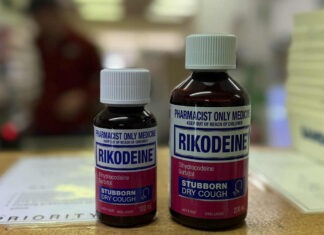
Last year, the TGA made an interim decision to upschedule dihydrocodeine due to concerns about potential misuse, abuse and dependence. The TGA Delegate’s interim decision was to amend the Pharmacist Only entry for dihydrocodeine to restrict undivided oral liquid preparations to a maximum primary pack size of 100 mL from 1 October 2025.
But the final decision is yet to be published, with a public consultation process causing the delay. In September 2024, the TGA confirmed that final decisions had been deferred while the consultation responses were further considered.
In the meantime, dihydrocodeine scheduling remains unchanged – with pharmacists continuing to field frequent requests for Rikodeine, often from patients without symptoms of dry cough.
3. Hiprex becomes a Pharmacist Only medicine
Methenamine hippurate, sold as Hiprex and Uramet, officially became a Pharmacist Only medicine on 1 October 2025. Previously unscheduled and available as a general sales medicine, the aim of the change was to ensure pharmacist oversight and safer use.
While a Pharmacy Only designation was considered, the TGA concluded this would not prevent inappropriate use among people who have not been medically assessed.
4. What you need to know about the paracetamol regulation changes
From 1 February 2025, paracetamol pack sizes sold in pharmacies changed as part of the TGA’s final decision on paracetamol access controls. Packs containing 50–100 tablets or capsules became Pharmacist Only medicines and general-sale pack sizes reduced from 20 to 16 tablets, among other changes – with the aim of reducing the amount of paracetamol stored in households to prevent harm from intentional overdose.
Each year, around 225 Australians are hospitalised with liver injury due to paracetamol overdose, with the highest rates among adolescents and young adults, particularly females.
Pharmacists should act as ‘champions for the change’, reinforcing safe use and helping to limit surplus paracetamol in homes, said PSA Senior Pharmacist – Strategic Policy, Peter Guthrey MPS at the time.
‘The data on intentional overdose involving paracetamol is alarming … scheduling changes are not the full solution, but are a strategy which could make a positive difference if it changes the patterns of paracetamol supply,’ he said.
5. Fair Work publishes gender undervaluation decision on pharmacist award
In April, the Fair Work Commission’s Expert Panel for pay equity in the care and community sector issued its initial decision on the Gender-based undervaluation – priority awards review, making significant determinations for the Pharmacy Industry Award 2020, under which most community pharmacists are employed.
The Expert Panel found that pharmacists covered by the award have been subject to gender-based undervaluation, with the assessment considering factors such as:
td_module_mega_menu Object
(
[post] => WP_Post Object
(
[ID] => 31089
[post_author] => 3387
[post_date] => 2025-12-15 16:54:53
[post_date_gmt] => 2025-12-15 05:54:53
[post_content] => New year, new policy and practice changes. Here’s what pharmacists will need to navigate from January.
In 2026, pharmacists can expect some changes to education, medicine costs and credentialing standards.
AP has rounded up the key changes pharmacists can expect from 1 January.
1. PBS co‑payment will drop
From 1 January 2026, the maximum Pharmaceutical Benefits Scheme (PBS) co‑payment for general patients will drop from $31.60 to $25.00 per prescription.
This marks a major reduction in out-of-pocket costs for Australians without a concession card, and the first time in more than 20 years that PBS medicines will cost no more than $25.
However, indexation on the general patient co-payment will resume in 2027 in line with the Consumer Price Index (CPI). Although PBS medicines will not be permanently capped at $25, the long‑term trajectory of general patient co‑payments will rise from a much lower baseline.
2. Transition to the new MMR credential must be completed
By 1 January 2026, pharmacists must have transitioned to the APC’s new Medication Management Review credential to continue:
td_module_mega_menu Object
(
[post] => WP_Post Object
(
[ID] => 31167
[post_author] => 3410
[post_date] => 2026-01-12 13:52:34
[post_date_gmt] => 2026-01-12 02:52:34
[post_content] => PSA’s ASPIRE Palliative Care Foundation Training Program gives pharmacists the skills to deliver this vital care – to patients and families alike.
Australia’s population is living to a greater age, which in turn has led to increased need for end-of-life care. It’s estimated that demand for palliative care in Australia will rise by 50% between now and 2035, and double by 2050.
Until now, most pharmacists have had to navigate complex medication regimes and challenging family conversations – with little to no formal training during university studies.
To help bridge this gap, PSA launched the ASPIRE Palliative Care Foundation Training Program last year. The course, delivered online across eight modules, aims to equip pharmacists with essential, proactive skills – not only for patients, but for the family and carers who also require significant support.
‘The ASPIRE training reminded me that palliative care is not just the last few days of life, it’s actually the weeks, months and sometimes even years after a person has a diagnosis that means that their life is going to be shortened,’ said Amy Gibson MPS, a consultant clinical pharmacist and educator who works as an on-site pharmacist in an Aspect Health aged care facility outside Brisbane.
[caption id="attachment_31171" align="aligncenter" width="500"]
Amy Gibson MPS[/caption]
‘Palliative care is about making plans to keep that patient as comfortable and in the best health possible for the time they’ve got left – often it’s heart failure and chronic lung disease patients.’
A holistic approach
Before completing the ASPIRE training program, Ms Gibson said she ‘didn’t have a lot of skills around palliative care’.
‘I knew about what we refer to as the “Core Four” medicines. I knew about anticipatory prescribing and making sure you’ve got something on hand for pain management, agitation and so on,’ she said.
‘But I hadn’t really thought so much about those social aspects of having conversations with people to find out what actual issues they were having, and how as a pharmacist you could support them.’
While not designed to prepare pharmacists to specialise in palliative care, the ASPIRE training course explores a broad range of topics around end-of-life issues, from symptom management and interdisciplinary palliative care to the role of the pharmacist across everything from medicine management to bereavement and self-care.
The holistic approach of the training resonated with Ms Gibson. ‘There was a lot of psychosocial education, including around what palliative care patients experience and also what that’s like for their families,’ she said. ‘It reinforced cultural perspectives, particularly for [Aboriginal and Torres Strait Islander] peoples, acknowledging that different cultures deal with death and dying in diverse ways and there’s not a one-size-fits-all approach.’
The ASPIRE training puts the carers’ perspectives in place, said Ruilin Ng MPS, a consultant pharmacist and credentialled diabetes educator based in suburban Adelaide. ‘A lot of the time, people are so focused on the person in care that the person around them is not given as much attention.’
The list of drugs a carer picks up can also be a vital clue for pharmacists to open a conversation. ‘A simple, “How are you”, or “How’s it going”, goes a long way,’ she said.
‘Otherwise family members or carers sometimes fall through the cracks. They may not have the support of a counsellor because obviously the focus is not on them.’
The training also reminds pharmacists of their critical role in being proactive around the most fundamental parts of palliative care, Ms Gibson said.
‘There are cases when people have trouble even physically getting to the pharmacy, saying “We need someone to be with Dad 24/7” for example,’ she said. ‘They don’t have the headspace to say that [coming to the pharmacy] isn’t working for them and might not even realise we can arrange delivery, so there’s a lot of emphasis on the practical measures we can provide.’
Medicine management when it’s most critical
As most people aim to spend their final days at home or in an aged care facility rather than in a hospital, the training helps prepare pharmacists to support them, including the specifics of palliative care medicines management.
‘We can assist [prescribers] in knowing what medicines should be prescribed for comfort measures and what medicines should be ceased because they're no longer serving a purpose,’ Ms Gibson said.
This also includes making sure the right medicines are available. ‘If your loved one is in pain or quite agitated, you don’t want to be told you’ve got to wait 24 hours because it’s not in stock,’ Ms Gibson said. ‘The training encourages community pharmacies to have these key palliative [care] medicines on hand so patients’ families don’t have to run around the town trying to find supplies.’
In her aged care role, Ms Gibson works closely with registered nurses to maintain an imprest supply. ‘This is emergency stock, including palliative care medicines, that they might need to use before the next delivery from the pharmacy comes,’ she said.
‘If an after-hours GP comes at night and says, “We need to start this patient on a morphine syringe driver”, we’ve got some ready to go – they don’t have to wait until the order arrives at 3.00 pm the next afternoon. I help the nurses monitor that stock. And if we’re running low, I make sure the order goes through to our supply pharmacy in plenty of time.’
The skills Ms Gibson honed through the ASPIRE training program recently helped her treat a resident with advanced dementia who was admitted to hospital but discharged back to the aged care facility with little warning.
‘She was close to the end of [her] life and they’d ceased everything but the palliative [care] medicines, anticipating she wouldn’t [live] more than a couple of days,’ she said.
‘As soon as I saw the message that she was expected back later that day, I checked that we had enough morphine and midazolam to make sure she could be administered those medicines as soon as she got back, because she was unlikely to be sent back to us with [a supply of] those medications.
‘Her doses were escalating quickly and over the next couple of days I made sure we stayed on top of stock levels, putting orders into the pharmacy regularly to make sure we weren't going to run out overnight.’
The ASPIRE training reinforced the importance of this approach. ‘At the very end of life, the situation can deteriorate quickly, with a change in condition often meaning a change in dose,’ Ms Gibson said.
‘We don’t want people to be uncomfortable and you don’t want to wait a day for the order to arrive. There’s a real need to anticipate what’s going to happen.’
Care after the end
When end of life arrives for the patient, it’s those left behind who need care.
‘The ASPIRE training puts the carer’s perspectives in place, [and] is a very good introduction to the bereavement aspect’ Ms Ng said. ‘[You learn] how to start the conversation, because it’s not an easy topic.’
Pharmacists have an important role in acknowledging carer grief and bereavement after the death of a loved one, and signposting to further support if required.
Keen to learn more about palliative care? Pharmacists, students and interns can enrol free of charge in the Training Plan: ASPIRE Palliative Care Foundation Training Program.
[post_title] => At the end of life, pharmacists are essential
[post_excerpt] => PSA’s ASPIRE Palliative Care Foundation Training Program gives pharmacists the skills to deliver this vital care – to patients and families.
[post_status] => publish
[comment_status] => open
[ping_status] => open
[post_password] =>
[post_name] => at-the-end-of-life-pharmacists-are-essential
[to_ping] =>
[pinged] =>
[post_modified] => 2026-01-12 15:25:04
[post_modified_gmt] => 2026-01-12 04:25:04
[post_content_filtered] =>
[post_parent] => 0
[guid] => https://www.australianpharmacist.com.au/?p=31167
[menu_order] => 0
[post_type] => post
[post_mime_type] =>
[comment_count] => 0
[filter] => raw
)
[title_attribute] => At the end of life, pharmacists are essential
[title] => At the end of life, pharmacists are essential
[href] => https://www.australianpharmacist.com.au/at-the-end-of-life-pharmacists-are-essential/
[module_atts:td_module:private] => Array
(
)
[td_review:protected] => Array
(
)
[is_review:protected] =>
[post_thumb_id:protected] => 31169
[authorType] =>
)
td_module_mega_menu Object
(
[post] => WP_Post Object
(
[ID] => 31160
[post_author] => 11750
[post_date] => 2026-01-12 11:56:10
[post_date_gmt] => 2026-01-12 00:56:10
[post_content] => Compounding environments must be designed to minimise contamination risk – including keeping meal breaks well away from the bench.
For most, the image of a typical ‘behind the counter’ pharmacy environment is not one of expansive space. Instead, it’s a compact and busy environment where almost every inch is occupied by something essential for us to do our job. There’s the dispensary itself, an area where medicines are compounded, and usually, another space for staff to take their well-deserved lunch break, too.
Separation of compounding and lunch areas is essential, not only for keeping crumbs out of capsules, but to ensure compounded medicines are free from contamination, consistently meet quality standards and for maintaining the safety of staff.1,2
Why is it important?
Pharmacists have a legal and professional responsibility to ensure compounding occurs in an environment that has been adequately designed, equipped and resourced.2
Compounding practices should be informed by relevant guidelines and standards for Good Manufacturing Practice (GMP), which reinforce the importance of prohibiting food and drink in compounding areas.2,3 These areas need to be clean and orderly to protect ingredients and compounded medicines from microbial and particulate contamination, throughout all stages of compounding.3 Grabbing a quick bite between batches could put medicine quality, staff and patient safety at risk.
How should a compounding area be organised?
Requirements vary across pharmacy premises depending on the complexity of the compounding being conducted. Facilities and equipment must comply with relevant Commonwealth and state or territory legislation, relevant regulatory authority requirements and Australian standards.4
Some key considerations for compounding areas include that4,5:
Complex compounding activities will require more specialised facilities and equipment.4 Non-sterile complex compounding should ideally occur in a dedicated laboratory separated from other parts of the pharmacy by floor-to-ceiling walls, with a door for entry and exit.4 It’s important to remember that if the laboratory is accessible by the public, the door should be lockable.4
Risk assessments are useful tools to determine whether compounding areas and equipment are suitable and safe for the medicines being compounded.2 If an issue is identified, remember it’s important to bring this to the attention of the person responsible for the premises, to allow for corrective actions to be implemented.
See the Australian Pharmaceutical Formulary (APF) Compounding decision support and risk assessment tool for guidance.
Everyone is entitled to a lunch break. Designating a separate space for meals away from compounding areas reduces contamination risk and maintains GMP standards for compounded medicines, staff and patients.
td_module_mega_menu Object
(
[post] => WP_Post Object
(
[ID] => 30883
[post_author] => 11658
[post_date] => 2025-12-17 16:21:38
[post_date_gmt] => 2025-12-17 05:21:38
[post_content] => Case scenario
Fernando, a 16-year-old student, walks into your pharmacy concerned about a rough, painful lesion on the bottom of his foot. He informs you that he has been picking at it, as it has been bothering him, to the point that he is now limping and avoiding sports (football and swimming). He has not tried any treatments, but he has ‘Googled’ it.
On examination, you notice a thickened and tender lesion with black dots on the surface. He is not taking any regular medicines and is otherwise healthy.
Learning objectivesAfter reading this article, pharmacists should be able to:
|
A cutaneous wart is a common, viral skin growth caused by the human papillomavirus (HPV). They are typically classified based on their location on the body and their structure.1 Warts are generally classified as1,2:
Most warts are harmless. Without active treatment, warts will disappear on their own within months to years.1,2 Occasionally, warts can cause discomfort, cosmetic concern or cause temporary functional impairment (e.g. plantar warts).2 Once active treatment is started, persistence is key to ensuring optimal eradication.2
Cutaneous warts are common, particularly among children, adolescents, and individuals who are immunocompromised. Globally, the prevalence of cutaneous warts varies between 7% and 12% in the general population, with the highest rates reported among school-aged children (10–20%).3
In Australia, the most frequently observed types of cutaneous warts are common warts (verruca vulgaris) on hands and knees, and plantar warts (verruca plantaris) on the soles of the feet.2 Studies have found that approximately one-quarter (24%) of school children have had at least one wart, with a significantly higher prevalence observed among those who swim regularly or share footwear.4
Warts are caused by infection with specific types of HPV, of which more than 200 genotypes have been identified.3 Of those, types 1, 2, 4, 27 and 57 are most commonly associated with cutaneous warts.1,3 HPV is transmitted via direct contact with infected skin or indirectly through contaminated environments (e.g. communal showers, swimming pool decks, or gym mats).1–3 HPV can survive for days on surfaces, facilitating indirect spread.6
Once HPV breaches the skin barrier, it infects basal keratinocytes within the epidermis. The virus then induces proliferation of keratinocytes without inducing cell lysis or triggering a significant immune response, thereby evading immune detection.6 As infected cells differentiate and migrate toward the skin surface, viral replication continues, giving rise to the following characteristic histopathological changes that produce the rough, raised appearance of warts5:

Since viral activity remains confined to the epidermis and does not invade deeper tissues, the lesions are typically benign.6
Several factors influence susceptibility to cutaneous warts.
Age
Cutaneous warts are frequently observed in children and adolescents.1 Prevalence tends to decline in adulthood.7
Skin trauma
Cuts, abrasions or frequent friction facilitate viral entry by disrupting the skin barrier, thereby increasing susceptibility.1,2
Immunosuppression
Individuals who are immunocompromised (e.g. those with HIV infection), recipients of organ transplants, or patients receiving immunosuppressive therapy are more prone to persistent and treatment-resistant warts.1
Occupational or recreational exposure
Certain individuals are placed at increased risk due to their environment, such as butchers (susceptible to abrasions, cuts), swimmers (prolonged exposure to moist, communal environments) and athletes (increased skin to skin transmission in contact sports and shared equipment). Overall risk is generally increased with close contact and communal environments, although evidence varies among studies.3
Poor skin hygiene and occlusion
Excess moisture and skin maceration compromise the integrity of the epidermis, creating favourable conditions for infection. 2,3
Atopic dermatitis
A compromised skin barrier may increase susceptibility.1,5
Warts typically have the following presentation5:
Warts range in size from a few millimetres to over a centimetre in diameter and characteristically disrupt normal skin lines.5 They may occur as solitary lesions or in clusters, sometimes coalescing into plaques, particularly in immunocompromised individuals.8
Table 1 summarises the distinguishing features that differentiates subtypes.
Symptoms
Most cutaneous warts are asymptomatic, but they may cause pain, itching or tenderness, especially when located on pressure points like the feet or periungual areas.5,6 Cosmetic distress and social embarrassment are common, particularly for visible or facial warts.8
Diagnosis
Cutaneous warts are diagnosed clinically, based on their appearance, location and patient history.1,3,8 Several skin conditions may resemble the appearance of cutaneous warts5,8:
A thorough patient history, lesion inspection, and understanding of risk factors can aid in distinguishing benign warts from conditions that may require further investigation or treatment.3
Prognosis
The prognosis for cutaneous warts is generally favourable, with most cases being self-limiting. Spontaneous resolution occurs in 50–70% of cases within 2 years, particularly in children and adolescents.4,5
The likelihood of resolution depends on several factors, including patient age, immune status and lesion characteristics.8 Younger patients typically experience higher clearance rates, while those who are immunocompromised may develop more extensive and persistent disease.1 Warts located on plantar or periungual sites, as well as larger lesions, tend to be more resistant to resolution.6
Even without treatment, the immune system can eventually clear the virus.2 However, recurrence is possible, and reinfection may occur via autoinoculation (self-spread from one site on the body to another) or contact with contaminated surfaces.2
The primary aim of treatment for cutaneous warts is to stimulate a host immune response against HPV, often by inducing irritation or inflammation within the lesion.10 By doing so, the following can be achieved3,6,10:
Importantly, patients should be educated that no treatment guarantees 100% success, and that multiple treatment sessions and sustained compliance may be required. Notably, one-third of warts resolve spontaneously within 3 months and two–thirds resolve in 2 years.5,9
Management should be individualised, considering the patient’s age, immune status, wart type, number, location, duration and impact on quality of life.5
Monitoring
In children or patients with recent-onset warts that are not painful or distressing, simply waiting and monitoring is a reasonable option.5,8 This approach may be preferred in young children where treatments may cause discomfort.
Salicylic acid
Salicylic acid (SA) at a concentration of 15–40% is considered the first-line pharmacological treatment for most cutaneous warts.5,9 As a keratolytic agent, it works by softening and progressively removing hyperkeratotic tissue.9 Treatment involves daily application, often for up to 12 weeks.9,10 Evidence indicates that efficacy of SA is improved when the wart is soaked in warm water for 5–10 minutes followed by mechanical debridement, such as paring or filing the lesion prior to application, as this improves penetration of SA into affected tissue.2,10
SA preparations available in community pharmacy include solutions, paints, sticks and pens that are applied daily,9 and medicated discs that are typically left on for 48 hours and repeated for up to 12 weeks as required.7,8
Evidence for the use of SA as a first-line option has shown a cure rate of up to 75% when compared to placebo.9
Adverse effects such as local irritation, blistering or pain are common following SA application.2 Covering the wart with occlusive tape after applying SA helps to prevent contact with healthy skin.10
Salicylic acid with lactic acid and podophyllum resin
Lactic acid is a keratolytic agent that softens and breaks down the thickened skin of warts, helping them shed more easily. It is often combined with SA in topical treatments to enhance removal and promote healthy skin regeneration.10
Podophyllum resin is available in some OTC products and is typically combined with salicylic and lactic acids to treat stubborn common warts. Its active compound, podophyllotoxin, arrests cell division and destroys wart tissue.2,8 Because systemic absorption can cause toxicity, products are applied sparingly to intact skin and avoided in pregnancy or on large or inflamed areas. 2,9 Higher-strength podophyllotoxin for anogenital warts is Schedule 4 (Prescription Only).2
Cryotherapy
Cryotherapy is a second-line option for adults or older children with painful, persistent, or cosmetically concerning warts.9 Cryotherapy with liquid nitrogen (through a medical practitioner) or dimethyl ether and propane (DMEP), a non-prescription product, induces tissue necrosis through freezing.8,9 Non-prescription DMEP products are colder than ambient but do not reach liquid nitrogen temperatures and are typically less effective.10
Cryotherapy is usually administered at intervals of 2–3 weeks for up to 12 weeks, with multiple sessions often required for optimal clearance.9 The procedure can be painful, so its use is typically avoided in young children.9
Adverse effects include pain, blistering and pigmentation changes. Its efficacy is comparable to SA when compliance to therapy is high.3,9
Alternative or specialist treatment
In cases where first- and second-line therapy fails, patients may be referred for specialist treatments. Options include immunotherapy (e.g. topical imiquimod), intralesional antigen injections, as well as procedural approaches, such as laser therapy or electrosurgery.3,8,9
Imiquimod stimulates local immune responses and may be used off-label for cutaneous warts, particularly recalcitrant (resistant to treatment) or widespread cases.5,8,9 While evidence is limited for non-genital warts, it remains an option for referral or specialist use.9
Laser therapy, curettage and surgical excision are typically reserved for warts not responding to conservative measures.3 These options carry risks such as scarring and are performed in specialist settings.2,9
Referral should be considered for immunocompromised patients, for lesions with features suggestive of skin cancer, in cases of extensive or treatment-resistant warts, and bleeding or rapidly growing lesions.9
Other therapies
Occlusion – duct tape
Occlusion with duct tape is a low-cost method that involves covering the wart with duct tape and changing it weekly with periodic debridement.9 Although evidence is mixed,9 it is a well-tolerated adjunct or alternative in paediatric cases, or for patients preferring non-chemical options.8 Patient expectations should be modest.9
Zinc
Oral and topical zinc have been studied in wart treatment due to their immunomodulatory properties.9 Oral zinc has been shown to be effective at treating recalcitrant warts when administered at therapeutic doses.8 However, evidence is limited, and results across studies have been mixed. 8 Its role in routine management remains uncertain.9
Treatment considerations
Treatment of cutaneous warts requires persistence.3 Many patients may discontinue therapy prematurely, often due to perceived lack of efficacy, highlighting the importance of counselling around expected treatment duration.1-3
Adverse effects such as local irritation, blistering, or pain are common.1 Inappropriately applied SA or cryotherapy can damage surrounding skin, spread the virus or lead to secondary infection.10 The use of petroleum jelly around the lesion or tape over the lesion is recommended to protect surrounding healthy skin.10
Other skin conditions can mimic the presentation of cutaneous warts, thereby requiring alternative management. Lesions that bleed, ulcerate or change in appearance should also prompt further assessment.
Precautions
Children, people with diabetes and those who are immunocompromised may present as more complicated cases or have contraindications to standard therapy.8,9 Avoid the use of keratolytic agents and aggressive debridement in patients with diabetes or peripheral vascular disease, as acute inflammation and ulceration may occur.2 Plantar warts in people with diabetes require cautious management, as neuropathy and impaired circulation increase the risk of ulceration, secondary infection and delayed wound healing.6 Alternative treatments or referral to a GP or dermatologist may be required.
Children are more sensitive to irritation and systemic absorption of active ingredient, therefore keratolytic agents should be used with caution. However, SA can be used in children with careful application and skin protection, avoiding large areas or irritated skin.2
Complications
Secondary infection
Warts that are irritated by scratching, shaving or treatment can become infected. The need for good hygiene practices and protecting the lesion site is important.6 Educate patients about signs of infection, such as4–6:
Patients should be advised to withhold treatment and refer to a GP if signs of infection are present.
Pain and irritation
Plantar warts may become painful due to pressure while walking.6 The use of keratolytics and cryotherapy can result in additional pain.
To prevent discontinuation of treatment, cushioning for plantar warts (e.g. with felt pads) may be recommended to alleviate discomfort,6 or advise patients on appropriate analgesia if needed.
Overuse or misapplication of topical treatments can cause irritant contact dermatitis or chemical burns. Precise application and protective measures can minimise irritation.10 Treatments for warts can potentially lead to scarring.10
Spread and recurrence
Immunosuppression8 and local trauma, especially when adjacent healthy skin is accidentally pared prior to application of keratolytic treatments, can increase the risk of spread to adjacent areas. Recurrence is common and does not necessarily indicate treatment failure.1,6,10
Follow-up
Warts commonly require up to 12 weeks of therapy to achieve clinical resolution, especially with non-prescription treatments.2 Without structured follow-up, patients may discontinue treatment prematurely due to slow response, leading to treatment failure or recurrence.
Pharmacists play an important role in the early identification, treatment, education and monitoring of cutaneous warts. By taking a thorough history when patients present with skin concerns, pharmacists can assist with timely intervention, reducing transmission and preventing complications.1
Pharmacists may recommend first-line therapies such as SA and guide patients on correct use to optimise outcomes and minimise adverse effects.
Pharmacists can also provide education and counselling on the viral nature of warts, transmission routes and treatment expectations.
Importantly, pharmacists are positioned to encourage patients to return for follow-up if progress is sub-optimal, allowing ongoing monitoring of adherence, response or the need to refer.1,2,10
Pharmacists must be able to recognise red flags, such as non-resolving lesions, sensitive anatomical locations or immunocompromised status, and refer to GPs for further management.8
An important part of counselling involves explaining the likelihood of wart recurrence and emphasising the role of good hygiene in reducing the risk of infection.1,2,10
Conclusion
Cutaneous warts are common and generally have a favourable prognosis, with many resolving spontaneously within months to years. However, people often seek treatment to improve cosmetic appearance or reduce discomfort.2 Warts may persist, recur or become susceptible to secondary infection if inappropriately treated.1,2,10
Pharmacists play an active role in treatment by identifying warts, advising on treatment, counselling on correct application, and identifying when referral may be required.
Case scenario continuedYou explain to Fernando that the lesion is consistent with a plantar wart and recommend starting a combination salicylic acid and lactic acid preparation with nightly application following debridement. You counsel on application technique, the importance of good hygiene and remaining consistent with treatment. You encourage him to return in 2 weeks for review, and when he presents, you find it is noticeably reduced and no longer painful. You advise him to continue with treatment until it disappears, but not for longer than 12 weeks, and to remain vigilant for signs of infection or recurrence. Fernando is grateful for your help and soon returns to participating in sports. |
Diyar Emadi MBA, BPharm, CredPharm (MMR), CDE, CPT, SCOPE certified, MPS is a credentialed pharmacist and diabetes educator with expertise in insulin pumps, obesity and weight management. Founder of Synergy Medicine Consulting, he works as a consultant pharmacist in general practice and as a diabetes educator alongside endocrinologists in specialist practice. With an MBA and a background spanning community, hospital and pharmaceutical industry roles, Diyar brings clinical and strategic insight to his work as a medical writer.
Sharon Ambalal MPH, BPharm, MPS
[post_title] => Cutaneous warts in community practice [post_excerpt] => Pharmacists play an important role in the early identification, treatment, education and monitoring of cutaneous warts. [post_status] => publish [comment_status] => open [ping_status] => open [post_password] => [post_name] => cutaneous-warts-in-community-practice [to_ping] => [pinged] => [post_modified] => 2025-12-17 17:00:00 [post_modified_gmt] => 2025-12-17 06:00:00 [post_content_filtered] => [post_parent] => 0 [guid] => https://www.australianpharmacist.com.au/?p=30883 [menu_order] => 0 [post_type] => post [post_mime_type] => [comment_count] => 0 [filter] => raw ) [title_attribute] => Cutaneous warts in community practice [title] => Cutaneous warts in community practice [href] => https://www.australianpharmacist.com.au/cutaneous-warts-in-community-practice/ [module_atts:td_module:private] => Array ( ) [td_review:protected] => Array ( [td_post_template] => single_template_4 ) [is_review:protected] => [post_thumb_id:protected] => 31108 [authorType] => )td_module_mega_menu Object
(
[post] => WP_Post Object
(
[ID] => 31100
[post_author] => 3387
[post_date] => 2025-12-17 14:00:45
[post_date_gmt] => 2025-12-17 03:00:45
[post_content] => The most-read stories of the year highlight where clinical practice, regulation and professional reform collided.
From sweeping Therapeutic Guidelines updates to unresolved scheduling decisions and award wage reform, these five stories captured pharmacists’ attention and reflected the pressures shaping practice in 2025.
1. Therapeutic Guidelines overhaul UTI treatment
The Therapeutic Guidelines on antibiotics underwent the biggest update in TG history, encompassing 1,400 medicine recommendations to reflect new evidence and rising antimicrobial resistance.
The first stage targeted infections managed in primary care, with one of the most significant shifts made to the management of urinary tract infections (UTIs). Trimethoprim is no longer first-line therapy for uncomplicated cystitis in non-pregnant adults due to resistance in Escherichia coli (E. coli). Instead, nitrofurantoin is now recommended as the preferred first-line option, with fosfomycin and cefalexin listed as alternatives.
This update impacted pharmacists offering UTI treatment services nationwide, particularly in states such as New South Wales – where trimethoprim was previously first-line therapy.
2. Is Rikodeine still being rescheduled?
Last year, the TGA made an interim decision to upschedule dihydrocodeine due to concerns about potential misuse, abuse and dependence. The TGA Delegate’s interim decision was to amend the Pharmacist Only entry for dihydrocodeine to restrict undivided oral liquid preparations to a maximum primary pack size of 100 mL from 1 October 2025.
But the final decision is yet to be published, with a public consultation process causing the delay. In September 2024, the TGA confirmed that final decisions had been deferred while the consultation responses were further considered.
In the meantime, dihydrocodeine scheduling remains unchanged – with pharmacists continuing to field frequent requests for Rikodeine, often from patients without symptoms of dry cough.
3. Hiprex becomes a Pharmacist Only medicine
Methenamine hippurate, sold as Hiprex and Uramet, officially became a Pharmacist Only medicine on 1 October 2025. Previously unscheduled and available as a general sales medicine, the aim of the change was to ensure pharmacist oversight and safer use.
While a Pharmacy Only designation was considered, the TGA concluded this would not prevent inappropriate use among people who have not been medically assessed.
4. What you need to know about the paracetamol regulation changes
From 1 February 2025, paracetamol pack sizes sold in pharmacies changed as part of the TGA’s final decision on paracetamol access controls. Packs containing 50–100 tablets or capsules became Pharmacist Only medicines and general-sale pack sizes reduced from 20 to 16 tablets, among other changes – with the aim of reducing the amount of paracetamol stored in households to prevent harm from intentional overdose.
Each year, around 225 Australians are hospitalised with liver injury due to paracetamol overdose, with the highest rates among adolescents and young adults, particularly females.
Pharmacists should act as ‘champions for the change’, reinforcing safe use and helping to limit surplus paracetamol in homes, said PSA Senior Pharmacist – Strategic Policy, Peter Guthrey MPS at the time.
‘The data on intentional overdose involving paracetamol is alarming … scheduling changes are not the full solution, but are a strategy which could make a positive difference if it changes the patterns of paracetamol supply,’ he said.
5. Fair Work publishes gender undervaluation decision on pharmacist award
In April, the Fair Work Commission’s Expert Panel for pay equity in the care and community sector issued its initial decision on the Gender-based undervaluation – priority awards review, making significant determinations for the Pharmacy Industry Award 2020, under which most community pharmacists are employed.
The Expert Panel found that pharmacists covered by the award have been subject to gender-based undervaluation, with the assessment considering factors such as:
td_module_mega_menu Object
(
[post] => WP_Post Object
(
[ID] => 31089
[post_author] => 3387
[post_date] => 2025-12-15 16:54:53
[post_date_gmt] => 2025-12-15 05:54:53
[post_content] => New year, new policy and practice changes. Here’s what pharmacists will need to navigate from January.
In 2026, pharmacists can expect some changes to education, medicine costs and credentialing standards.
AP has rounded up the key changes pharmacists can expect from 1 January.
1. PBS co‑payment will drop
From 1 January 2026, the maximum Pharmaceutical Benefits Scheme (PBS) co‑payment for general patients will drop from $31.60 to $25.00 per prescription.
This marks a major reduction in out-of-pocket costs for Australians without a concession card, and the first time in more than 20 years that PBS medicines will cost no more than $25.
However, indexation on the general patient co-payment will resume in 2027 in line with the Consumer Price Index (CPI). Although PBS medicines will not be permanently capped at $25, the long‑term trajectory of general patient co‑payments will rise from a much lower baseline.
2. Transition to the new MMR credential must be completed
By 1 January 2026, pharmacists must have transitioned to the APC’s new Medication Management Review credential to continue:
td_module_mega_menu Object
(
[post] => WP_Post Object
(
[ID] => 31167
[post_author] => 3410
[post_date] => 2026-01-12 13:52:34
[post_date_gmt] => 2026-01-12 02:52:34
[post_content] => PSA’s ASPIRE Palliative Care Foundation Training Program gives pharmacists the skills to deliver this vital care – to patients and families alike.
Australia’s population is living to a greater age, which in turn has led to increased need for end-of-life care. It’s estimated that demand for palliative care in Australia will rise by 50% between now and 2035, and double by 2050.
Until now, most pharmacists have had to navigate complex medication regimes and challenging family conversations – with little to no formal training during university studies.
To help bridge this gap, PSA launched the ASPIRE Palliative Care Foundation Training Program last year. The course, delivered online across eight modules, aims to equip pharmacists with essential, proactive skills – not only for patients, but for the family and carers who also require significant support.
‘The ASPIRE training reminded me that palliative care is not just the last few days of life, it’s actually the weeks, months and sometimes even years after a person has a diagnosis that means that their life is going to be shortened,’ said Amy Gibson MPS, a consultant clinical pharmacist and educator who works as an on-site pharmacist in an Aspect Health aged care facility outside Brisbane.
[caption id="attachment_31171" align="aligncenter" width="500"]
Amy Gibson MPS[/caption]
‘Palliative care is about making plans to keep that patient as comfortable and in the best health possible for the time they’ve got left – often it’s heart failure and chronic lung disease patients.’
A holistic approach
Before completing the ASPIRE training program, Ms Gibson said she ‘didn’t have a lot of skills around palliative care’.
‘I knew about what we refer to as the “Core Four” medicines. I knew about anticipatory prescribing and making sure you’ve got something on hand for pain management, agitation and so on,’ she said.
‘But I hadn’t really thought so much about those social aspects of having conversations with people to find out what actual issues they were having, and how as a pharmacist you could support them.’
While not designed to prepare pharmacists to specialise in palliative care, the ASPIRE training course explores a broad range of topics around end-of-life issues, from symptom management and interdisciplinary palliative care to the role of the pharmacist across everything from medicine management to bereavement and self-care.
The holistic approach of the training resonated with Ms Gibson. ‘There was a lot of psychosocial education, including around what palliative care patients experience and also what that’s like for their families,’ she said. ‘It reinforced cultural perspectives, particularly for [Aboriginal and Torres Strait Islander] peoples, acknowledging that different cultures deal with death and dying in diverse ways and there’s not a one-size-fits-all approach.’
The ASPIRE training puts the carers’ perspectives in place, said Ruilin Ng MPS, a consultant pharmacist and credentialled diabetes educator based in suburban Adelaide. ‘A lot of the time, people are so focused on the person in care that the person around them is not given as much attention.’
The list of drugs a carer picks up can also be a vital clue for pharmacists to open a conversation. ‘A simple, “How are you”, or “How’s it going”, goes a long way,’ she said.
‘Otherwise family members or carers sometimes fall through the cracks. They may not have the support of a counsellor because obviously the focus is not on them.’
The training also reminds pharmacists of their critical role in being proactive around the most fundamental parts of palliative care, Ms Gibson said.
‘There are cases when people have trouble even physically getting to the pharmacy, saying “We need someone to be with Dad 24/7” for example,’ she said. ‘They don’t have the headspace to say that [coming to the pharmacy] isn’t working for them and might not even realise we can arrange delivery, so there’s a lot of emphasis on the practical measures we can provide.’
Medicine management when it’s most critical
As most people aim to spend their final days at home or in an aged care facility rather than in a hospital, the training helps prepare pharmacists to support them, including the specifics of palliative care medicines management.
‘We can assist [prescribers] in knowing what medicines should be prescribed for comfort measures and what medicines should be ceased because they're no longer serving a purpose,’ Ms Gibson said.
This also includes making sure the right medicines are available. ‘If your loved one is in pain or quite agitated, you don’t want to be told you’ve got to wait 24 hours because it’s not in stock,’ Ms Gibson said. ‘The training encourages community pharmacies to have these key palliative [care] medicines on hand so patients’ families don’t have to run around the town trying to find supplies.’
In her aged care role, Ms Gibson works closely with registered nurses to maintain an imprest supply. ‘This is emergency stock, including palliative care medicines, that they might need to use before the next delivery from the pharmacy comes,’ she said.
‘If an after-hours GP comes at night and says, “We need to start this patient on a morphine syringe driver”, we’ve got some ready to go – they don’t have to wait until the order arrives at 3.00 pm the next afternoon. I help the nurses monitor that stock. And if we’re running low, I make sure the order goes through to our supply pharmacy in plenty of time.’
The skills Ms Gibson honed through the ASPIRE training program recently helped her treat a resident with advanced dementia who was admitted to hospital but discharged back to the aged care facility with little warning.
‘She was close to the end of [her] life and they’d ceased everything but the palliative [care] medicines, anticipating she wouldn’t [live] more than a couple of days,’ she said.
‘As soon as I saw the message that she was expected back later that day, I checked that we had enough morphine and midazolam to make sure she could be administered those medicines as soon as she got back, because she was unlikely to be sent back to us with [a supply of] those medications.
‘Her doses were escalating quickly and over the next couple of days I made sure we stayed on top of stock levels, putting orders into the pharmacy regularly to make sure we weren't going to run out overnight.’
The ASPIRE training reinforced the importance of this approach. ‘At the very end of life, the situation can deteriorate quickly, with a change in condition often meaning a change in dose,’ Ms Gibson said.
‘We don’t want people to be uncomfortable and you don’t want to wait a day for the order to arrive. There’s a real need to anticipate what’s going to happen.’
Care after the end
When end of life arrives for the patient, it’s those left behind who need care.
‘The ASPIRE training puts the carer’s perspectives in place, [and] is a very good introduction to the bereavement aspect’ Ms Ng said. ‘[You learn] how to start the conversation, because it’s not an easy topic.’
Pharmacists have an important role in acknowledging carer grief and bereavement after the death of a loved one, and signposting to further support if required.
Keen to learn more about palliative care? Pharmacists, students and interns can enrol free of charge in the Training Plan: ASPIRE Palliative Care Foundation Training Program.
[post_title] => At the end of life, pharmacists are essential
[post_excerpt] => PSA’s ASPIRE Palliative Care Foundation Training Program gives pharmacists the skills to deliver this vital care – to patients and families.
[post_status] => publish
[comment_status] => open
[ping_status] => open
[post_password] =>
[post_name] => at-the-end-of-life-pharmacists-are-essential
[to_ping] =>
[pinged] =>
[post_modified] => 2026-01-12 15:25:04
[post_modified_gmt] => 2026-01-12 04:25:04
[post_content_filtered] =>
[post_parent] => 0
[guid] => https://www.australianpharmacist.com.au/?p=31167
[menu_order] => 0
[post_type] => post
[post_mime_type] =>
[comment_count] => 0
[filter] => raw
)
[title_attribute] => At the end of life, pharmacists are essential
[title] => At the end of life, pharmacists are essential
[href] => https://www.australianpharmacist.com.au/at-the-end-of-life-pharmacists-are-essential/
[module_atts:td_module:private] => Array
(
)
[td_review:protected] => Array
(
)
[is_review:protected] =>
[post_thumb_id:protected] => 31169
[authorType] =>
)
td_module_mega_menu Object
(
[post] => WP_Post Object
(
[ID] => 31160
[post_author] => 11750
[post_date] => 2026-01-12 11:56:10
[post_date_gmt] => 2026-01-12 00:56:10
[post_content] => Compounding environments must be designed to minimise contamination risk – including keeping meal breaks well away from the bench.
For most, the image of a typical ‘behind the counter’ pharmacy environment is not one of expansive space. Instead, it’s a compact and busy environment where almost every inch is occupied by something essential for us to do our job. There’s the dispensary itself, an area where medicines are compounded, and usually, another space for staff to take their well-deserved lunch break, too.
Separation of compounding and lunch areas is essential, not only for keeping crumbs out of capsules, but to ensure compounded medicines are free from contamination, consistently meet quality standards and for maintaining the safety of staff.1,2
Why is it important?
Pharmacists have a legal and professional responsibility to ensure compounding occurs in an environment that has been adequately designed, equipped and resourced.2
Compounding practices should be informed by relevant guidelines and standards for Good Manufacturing Practice (GMP), which reinforce the importance of prohibiting food and drink in compounding areas.2,3 These areas need to be clean and orderly to protect ingredients and compounded medicines from microbial and particulate contamination, throughout all stages of compounding.3 Grabbing a quick bite between batches could put medicine quality, staff and patient safety at risk.
How should a compounding area be organised?
Requirements vary across pharmacy premises depending on the complexity of the compounding being conducted. Facilities and equipment must comply with relevant Commonwealth and state or territory legislation, relevant regulatory authority requirements and Australian standards.4
Some key considerations for compounding areas include that4,5:
Complex compounding activities will require more specialised facilities and equipment.4 Non-sterile complex compounding should ideally occur in a dedicated laboratory separated from other parts of the pharmacy by floor-to-ceiling walls, with a door for entry and exit.4 It’s important to remember that if the laboratory is accessible by the public, the door should be lockable.4
Risk assessments are useful tools to determine whether compounding areas and equipment are suitable and safe for the medicines being compounded.2 If an issue is identified, remember it’s important to bring this to the attention of the person responsible for the premises, to allow for corrective actions to be implemented.
See the Australian Pharmaceutical Formulary (APF) Compounding decision support and risk assessment tool for guidance.
Everyone is entitled to a lunch break. Designating a separate space for meals away from compounding areas reduces contamination risk and maintains GMP standards for compounded medicines, staff and patients.
td_module_mega_menu Object
(
[post] => WP_Post Object
(
[ID] => 30883
[post_author] => 11658
[post_date] => 2025-12-17 16:21:38
[post_date_gmt] => 2025-12-17 05:21:38
[post_content] => Case scenario
Fernando, a 16-year-old student, walks into your pharmacy concerned about a rough, painful lesion on the bottom of his foot. He informs you that he has been picking at it, as it has been bothering him, to the point that he is now limping and avoiding sports (football and swimming). He has not tried any treatments, but he has ‘Googled’ it.
On examination, you notice a thickened and tender lesion with black dots on the surface. He is not taking any regular medicines and is otherwise healthy.
Learning objectivesAfter reading this article, pharmacists should be able to:
|
A cutaneous wart is a common, viral skin growth caused by the human papillomavirus (HPV). They are typically classified based on their location on the body and their structure.1 Warts are generally classified as1,2:
Most warts are harmless. Without active treatment, warts will disappear on their own within months to years.1,2 Occasionally, warts can cause discomfort, cosmetic concern or cause temporary functional impairment (e.g. plantar warts).2 Once active treatment is started, persistence is key to ensuring optimal eradication.2
Cutaneous warts are common, particularly among children, adolescents, and individuals who are immunocompromised. Globally, the prevalence of cutaneous warts varies between 7% and 12% in the general population, with the highest rates reported among school-aged children (10–20%).3
In Australia, the most frequently observed types of cutaneous warts are common warts (verruca vulgaris) on hands and knees, and plantar warts (verruca plantaris) on the soles of the feet.2 Studies have found that approximately one-quarter (24%) of school children have had at least one wart, with a significantly higher prevalence observed among those who swim regularly or share footwear.4
Warts are caused by infection with specific types of HPV, of which more than 200 genotypes have been identified.3 Of those, types 1, 2, 4, 27 and 57 are most commonly associated with cutaneous warts.1,3 HPV is transmitted via direct contact with infected skin or indirectly through contaminated environments (e.g. communal showers, swimming pool decks, or gym mats).1–3 HPV can survive for days on surfaces, facilitating indirect spread.6
Once HPV breaches the skin barrier, it infects basal keratinocytes within the epidermis. The virus then induces proliferation of keratinocytes without inducing cell lysis or triggering a significant immune response, thereby evading immune detection.6 As infected cells differentiate and migrate toward the skin surface, viral replication continues, giving rise to the following characteristic histopathological changes that produce the rough, raised appearance of warts5:

Since viral activity remains confined to the epidermis and does not invade deeper tissues, the lesions are typically benign.6
Several factors influence susceptibility to cutaneous warts.
Age
Cutaneous warts are frequently observed in children and adolescents.1 Prevalence tends to decline in adulthood.7
Skin trauma
Cuts, abrasions or frequent friction facilitate viral entry by disrupting the skin barrier, thereby increasing susceptibility.1,2
Immunosuppression
Individuals who are immunocompromised (e.g. those with HIV infection), recipients of organ transplants, or patients receiving immunosuppressive therapy are more prone to persistent and treatment-resistant warts.1
Occupational or recreational exposure
Certain individuals are placed at increased risk due to their environment, such as butchers (susceptible to abrasions, cuts), swimmers (prolonged exposure to moist, communal environments) and athletes (increased skin to skin transmission in contact sports and shared equipment). Overall risk is generally increased with close contact and communal environments, although evidence varies among studies.3
Poor skin hygiene and occlusion
Excess moisture and skin maceration compromise the integrity of the epidermis, creating favourable conditions for infection. 2,3
Atopic dermatitis
A compromised skin barrier may increase susceptibility.1,5
Warts typically have the following presentation5:
Warts range in size from a few millimetres to over a centimetre in diameter and characteristically disrupt normal skin lines.5 They may occur as solitary lesions or in clusters, sometimes coalescing into plaques, particularly in immunocompromised individuals.8
Table 1 summarises the distinguishing features that differentiates subtypes.
Symptoms
Most cutaneous warts are asymptomatic, but they may cause pain, itching or tenderness, especially when located on pressure points like the feet or periungual areas.5,6 Cosmetic distress and social embarrassment are common, particularly for visible or facial warts.8
Diagnosis
Cutaneous warts are diagnosed clinically, based on their appearance, location and patient history.1,3,8 Several skin conditions may resemble the appearance of cutaneous warts5,8:
A thorough patient history, lesion inspection, and understanding of risk factors can aid in distinguishing benign warts from conditions that may require further investigation or treatment.3
Prognosis
The prognosis for cutaneous warts is generally favourable, with most cases being self-limiting. Spontaneous resolution occurs in 50–70% of cases within 2 years, particularly in children and adolescents.4,5
The likelihood of resolution depends on several factors, including patient age, immune status and lesion characteristics.8 Younger patients typically experience higher clearance rates, while those who are immunocompromised may develop more extensive and persistent disease.1 Warts located on plantar or periungual sites, as well as larger lesions, tend to be more resistant to resolution.6
Even without treatment, the immune system can eventually clear the virus.2 However, recurrence is possible, and reinfection may occur via autoinoculation (self-spread from one site on the body to another) or contact with contaminated surfaces.2
The primary aim of treatment for cutaneous warts is to stimulate a host immune response against HPV, often by inducing irritation or inflammation within the lesion.10 By doing so, the following can be achieved3,6,10:
Importantly, patients should be educated that no treatment guarantees 100% success, and that multiple treatment sessions and sustained compliance may be required. Notably, one-third of warts resolve spontaneously within 3 months and two–thirds resolve in 2 years.5,9
Management should be individualised, considering the patient’s age, immune status, wart type, number, location, duration and impact on quality of life.5
Monitoring
In children or patients with recent-onset warts that are not painful or distressing, simply waiting and monitoring is a reasonable option.5,8 This approach may be preferred in young children where treatments may cause discomfort.
Salicylic acid
Salicylic acid (SA) at a concentration of 15–40% is considered the first-line pharmacological treatment for most cutaneous warts.5,9 As a keratolytic agent, it works by softening and progressively removing hyperkeratotic tissue.9 Treatment involves daily application, often for up to 12 weeks.9,10 Evidence indicates that efficacy of SA is improved when the wart is soaked in warm water for 5–10 minutes followed by mechanical debridement, such as paring or filing the lesion prior to application, as this improves penetration of SA into affected tissue.2,10
SA preparations available in community pharmacy include solutions, paints, sticks and pens that are applied daily,9 and medicated discs that are typically left on for 48 hours and repeated for up to 12 weeks as required.7,8
Evidence for the use of SA as a first-line option has shown a cure rate of up to 75% when compared to placebo.9
Adverse effects such as local irritation, blistering or pain are common following SA application.2 Covering the wart with occlusive tape after applying SA helps to prevent contact with healthy skin.10
Salicylic acid with lactic acid and podophyllum resin
Lactic acid is a keratolytic agent that softens and breaks down the thickened skin of warts, helping them shed more easily. It is often combined with SA in topical treatments to enhance removal and promote healthy skin regeneration.10
Podophyllum resin is available in some OTC products and is typically combined with salicylic and lactic acids to treat stubborn common warts. Its active compound, podophyllotoxin, arrests cell division and destroys wart tissue.2,8 Because systemic absorption can cause toxicity, products are applied sparingly to intact skin and avoided in pregnancy or on large or inflamed areas. 2,9 Higher-strength podophyllotoxin for anogenital warts is Schedule 4 (Prescription Only).2
Cryotherapy
Cryotherapy is a second-line option for adults or older children with painful, persistent, or cosmetically concerning warts.9 Cryotherapy with liquid nitrogen (through a medical practitioner) or dimethyl ether and propane (DMEP), a non-prescription product, induces tissue necrosis through freezing.8,9 Non-prescription DMEP products are colder than ambient but do not reach liquid nitrogen temperatures and are typically less effective.10
Cryotherapy is usually administered at intervals of 2–3 weeks for up to 12 weeks, with multiple sessions often required for optimal clearance.9 The procedure can be painful, so its use is typically avoided in young children.9
Adverse effects include pain, blistering and pigmentation changes. Its efficacy is comparable to SA when compliance to therapy is high.3,9
Alternative or specialist treatment
In cases where first- and second-line therapy fails, patients may be referred for specialist treatments. Options include immunotherapy (e.g. topical imiquimod), intralesional antigen injections, as well as procedural approaches, such as laser therapy or electrosurgery.3,8,9
Imiquimod stimulates local immune responses and may be used off-label for cutaneous warts, particularly recalcitrant (resistant to treatment) or widespread cases.5,8,9 While evidence is limited for non-genital warts, it remains an option for referral or specialist use.9
Laser therapy, curettage and surgical excision are typically reserved for warts not responding to conservative measures.3 These options carry risks such as scarring and are performed in specialist settings.2,9
Referral should be considered for immunocompromised patients, for lesions with features suggestive of skin cancer, in cases of extensive or treatment-resistant warts, and bleeding or rapidly growing lesions.9
Other therapies
Occlusion – duct tape
Occlusion with duct tape is a low-cost method that involves covering the wart with duct tape and changing it weekly with periodic debridement.9 Although evidence is mixed,9 it is a well-tolerated adjunct or alternative in paediatric cases, or for patients preferring non-chemical options.8 Patient expectations should be modest.9
Zinc
Oral and topical zinc have been studied in wart treatment due to their immunomodulatory properties.9 Oral zinc has been shown to be effective at treating recalcitrant warts when administered at therapeutic doses.8 However, evidence is limited, and results across studies have been mixed. 8 Its role in routine management remains uncertain.9
Treatment considerations
Treatment of cutaneous warts requires persistence.3 Many patients may discontinue therapy prematurely, often due to perceived lack of efficacy, highlighting the importance of counselling around expected treatment duration.1-3
Adverse effects such as local irritation, blistering, or pain are common.1 Inappropriately applied SA or cryotherapy can damage surrounding skin, spread the virus or lead to secondary infection.10 The use of petroleum jelly around the lesion or tape over the lesion is recommended to protect surrounding healthy skin.10
Other skin conditions can mimic the presentation of cutaneous warts, thereby requiring alternative management. Lesions that bleed, ulcerate or change in appearance should also prompt further assessment.
Precautions
Children, people with diabetes and those who are immunocompromised may present as more complicated cases or have contraindications to standard therapy.8,9 Avoid the use of keratolytic agents and aggressive debridement in patients with diabetes or peripheral vascular disease, as acute inflammation and ulceration may occur.2 Plantar warts in people with diabetes require cautious management, as neuropathy and impaired circulation increase the risk of ulceration, secondary infection and delayed wound healing.6 Alternative treatments or referral to a GP or dermatologist may be required.
Children are more sensitive to irritation and systemic absorption of active ingredient, therefore keratolytic agents should be used with caution. However, SA can be used in children with careful application and skin protection, avoiding large areas or irritated skin.2
Complications
Secondary infection
Warts that are irritated by scratching, shaving or treatment can become infected. The need for good hygiene practices and protecting the lesion site is important.6 Educate patients about signs of infection, such as4–6:
Patients should be advised to withhold treatment and refer to a GP if signs of infection are present.
Pain and irritation
Plantar warts may become painful due to pressure while walking.6 The use of keratolytics and cryotherapy can result in additional pain.
To prevent discontinuation of treatment, cushioning for plantar warts (e.g. with felt pads) may be recommended to alleviate discomfort,6 or advise patients on appropriate analgesia if needed.
Overuse or misapplication of topical treatments can cause irritant contact dermatitis or chemical burns. Precise application and protective measures can minimise irritation.10 Treatments for warts can potentially lead to scarring.10
Spread and recurrence
Immunosuppression8 and local trauma, especially when adjacent healthy skin is accidentally pared prior to application of keratolytic treatments, can increase the risk of spread to adjacent areas. Recurrence is common and does not necessarily indicate treatment failure.1,6,10
Follow-up
Warts commonly require up to 12 weeks of therapy to achieve clinical resolution, especially with non-prescription treatments.2 Without structured follow-up, patients may discontinue treatment prematurely due to slow response, leading to treatment failure or recurrence.
Pharmacists play an important role in the early identification, treatment, education and monitoring of cutaneous warts. By taking a thorough history when patients present with skin concerns, pharmacists can assist with timely intervention, reducing transmission and preventing complications.1
Pharmacists may recommend first-line therapies such as SA and guide patients on correct use to optimise outcomes and minimise adverse effects.
Pharmacists can also provide education and counselling on the viral nature of warts, transmission routes and treatment expectations.
Importantly, pharmacists are positioned to encourage patients to return for follow-up if progress is sub-optimal, allowing ongoing monitoring of adherence, response or the need to refer.1,2,10
Pharmacists must be able to recognise red flags, such as non-resolving lesions, sensitive anatomical locations or immunocompromised status, and refer to GPs for further management.8
An important part of counselling involves explaining the likelihood of wart recurrence and emphasising the role of good hygiene in reducing the risk of infection.1,2,10
Conclusion
Cutaneous warts are common and generally have a favourable prognosis, with many resolving spontaneously within months to years. However, people often seek treatment to improve cosmetic appearance or reduce discomfort.2 Warts may persist, recur or become susceptible to secondary infection if inappropriately treated.1,2,10
Pharmacists play an active role in treatment by identifying warts, advising on treatment, counselling on correct application, and identifying when referral may be required.
Case scenario continuedYou explain to Fernando that the lesion is consistent with a plantar wart and recommend starting a combination salicylic acid and lactic acid preparation with nightly application following debridement. You counsel on application technique, the importance of good hygiene and remaining consistent with treatment. You encourage him to return in 2 weeks for review, and when he presents, you find it is noticeably reduced and no longer painful. You advise him to continue with treatment until it disappears, but not for longer than 12 weeks, and to remain vigilant for signs of infection or recurrence. Fernando is grateful for your help and soon returns to participating in sports. |
Diyar Emadi MBA, BPharm, CredPharm (MMR), CDE, CPT, SCOPE certified, MPS is a credentialed pharmacist and diabetes educator with expertise in insulin pumps, obesity and weight management. Founder of Synergy Medicine Consulting, he works as a consultant pharmacist in general practice and as a diabetes educator alongside endocrinologists in specialist practice. With an MBA and a background spanning community, hospital and pharmaceutical industry roles, Diyar brings clinical and strategic insight to his work as a medical writer.
Sharon Ambalal MPH, BPharm, MPS
[post_title] => Cutaneous warts in community practice [post_excerpt] => Pharmacists play an important role in the early identification, treatment, education and monitoring of cutaneous warts. [post_status] => publish [comment_status] => open [ping_status] => open [post_password] => [post_name] => cutaneous-warts-in-community-practice [to_ping] => [pinged] => [post_modified] => 2025-12-17 17:00:00 [post_modified_gmt] => 2025-12-17 06:00:00 [post_content_filtered] => [post_parent] => 0 [guid] => https://www.australianpharmacist.com.au/?p=30883 [menu_order] => 0 [post_type] => post [post_mime_type] => [comment_count] => 0 [filter] => raw ) [title_attribute] => Cutaneous warts in community practice [title] => Cutaneous warts in community practice [href] => https://www.australianpharmacist.com.au/cutaneous-warts-in-community-practice/ [module_atts:td_module:private] => Array ( ) [td_review:protected] => Array ( [td_post_template] => single_template_4 ) [is_review:protected] => [post_thumb_id:protected] => 31108 [authorType] => )td_module_mega_menu Object
(
[post] => WP_Post Object
(
[ID] => 31100
[post_author] => 3387
[post_date] => 2025-12-17 14:00:45
[post_date_gmt] => 2025-12-17 03:00:45
[post_content] => The most-read stories of the year highlight where clinical practice, regulation and professional reform collided.
From sweeping Therapeutic Guidelines updates to unresolved scheduling decisions and award wage reform, these five stories captured pharmacists’ attention and reflected the pressures shaping practice in 2025.
1. Therapeutic Guidelines overhaul UTI treatment
The Therapeutic Guidelines on antibiotics underwent the biggest update in TG history, encompassing 1,400 medicine recommendations to reflect new evidence and rising antimicrobial resistance.
The first stage targeted infections managed in primary care, with one of the most significant shifts made to the management of urinary tract infections (UTIs). Trimethoprim is no longer first-line therapy for uncomplicated cystitis in non-pregnant adults due to resistance in Escherichia coli (E. coli). Instead, nitrofurantoin is now recommended as the preferred first-line option, with fosfomycin and cefalexin listed as alternatives.
This update impacted pharmacists offering UTI treatment services nationwide, particularly in states such as New South Wales – where trimethoprim was previously first-line therapy.
2. Is Rikodeine still being rescheduled?
Last year, the TGA made an interim decision to upschedule dihydrocodeine due to concerns about potential misuse, abuse and dependence. The TGA Delegate’s interim decision was to amend the Pharmacist Only entry for dihydrocodeine to restrict undivided oral liquid preparations to a maximum primary pack size of 100 mL from 1 October 2025.
But the final decision is yet to be published, with a public consultation process causing the delay. In September 2024, the TGA confirmed that final decisions had been deferred while the consultation responses were further considered.
In the meantime, dihydrocodeine scheduling remains unchanged – with pharmacists continuing to field frequent requests for Rikodeine, often from patients without symptoms of dry cough.
3. Hiprex becomes a Pharmacist Only medicine
Methenamine hippurate, sold as Hiprex and Uramet, officially became a Pharmacist Only medicine on 1 October 2025. Previously unscheduled and available as a general sales medicine, the aim of the change was to ensure pharmacist oversight and safer use.
While a Pharmacy Only designation was considered, the TGA concluded this would not prevent inappropriate use among people who have not been medically assessed.
4. What you need to know about the paracetamol regulation changes
From 1 February 2025, paracetamol pack sizes sold in pharmacies changed as part of the TGA’s final decision on paracetamol access controls. Packs containing 50–100 tablets or capsules became Pharmacist Only medicines and general-sale pack sizes reduced from 20 to 16 tablets, among other changes – with the aim of reducing the amount of paracetamol stored in households to prevent harm from intentional overdose.
Each year, around 225 Australians are hospitalised with liver injury due to paracetamol overdose, with the highest rates among adolescents and young adults, particularly females.
Pharmacists should act as ‘champions for the change’, reinforcing safe use and helping to limit surplus paracetamol in homes, said PSA Senior Pharmacist – Strategic Policy, Peter Guthrey MPS at the time.
‘The data on intentional overdose involving paracetamol is alarming … scheduling changes are not the full solution, but are a strategy which could make a positive difference if it changes the patterns of paracetamol supply,’ he said.
5. Fair Work publishes gender undervaluation decision on pharmacist award
In April, the Fair Work Commission’s Expert Panel for pay equity in the care and community sector issued its initial decision on the Gender-based undervaluation – priority awards review, making significant determinations for the Pharmacy Industry Award 2020, under which most community pharmacists are employed.
The Expert Panel found that pharmacists covered by the award have been subject to gender-based undervaluation, with the assessment considering factors such as:
td_module_mega_menu Object
(
[post] => WP_Post Object
(
[ID] => 31089
[post_author] => 3387
[post_date] => 2025-12-15 16:54:53
[post_date_gmt] => 2025-12-15 05:54:53
[post_content] => New year, new policy and practice changes. Here’s what pharmacists will need to navigate from January.
In 2026, pharmacists can expect some changes to education, medicine costs and credentialing standards.
AP has rounded up the key changes pharmacists can expect from 1 January.
1. PBS co‑payment will drop
From 1 January 2026, the maximum Pharmaceutical Benefits Scheme (PBS) co‑payment for general patients will drop from $31.60 to $25.00 per prescription.
This marks a major reduction in out-of-pocket costs for Australians without a concession card, and the first time in more than 20 years that PBS medicines will cost no more than $25.
However, indexation on the general patient co-payment will resume in 2027 in line with the Consumer Price Index (CPI). Although PBS medicines will not be permanently capped at $25, the long‑term trajectory of general patient co‑payments will rise from a much lower baseline.
2. Transition to the new MMR credential must be completed
By 1 January 2026, pharmacists must have transitioned to the APC’s new Medication Management Review credential to continue:
td_module_mega_menu Object
(
[post] => WP_Post Object
(
[ID] => 31167
[post_author] => 3410
[post_date] => 2026-01-12 13:52:34
[post_date_gmt] => 2026-01-12 02:52:34
[post_content] => PSA’s ASPIRE Palliative Care Foundation Training Program gives pharmacists the skills to deliver this vital care – to patients and families alike.
Australia’s population is living to a greater age, which in turn has led to increased need for end-of-life care. It’s estimated that demand for palliative care in Australia will rise by 50% between now and 2035, and double by 2050.
Until now, most pharmacists have had to navigate complex medication regimes and challenging family conversations – with little to no formal training during university studies.
To help bridge this gap, PSA launched the ASPIRE Palliative Care Foundation Training Program last year. The course, delivered online across eight modules, aims to equip pharmacists with essential, proactive skills – not only for patients, but for the family and carers who also require significant support.
‘The ASPIRE training reminded me that palliative care is not just the last few days of life, it’s actually the weeks, months and sometimes even years after a person has a diagnosis that means that their life is going to be shortened,’ said Amy Gibson MPS, a consultant clinical pharmacist and educator who works as an on-site pharmacist in an Aspect Health aged care facility outside Brisbane.
[caption id="attachment_31171" align="aligncenter" width="500"]
Amy Gibson MPS[/caption]
‘Palliative care is about making plans to keep that patient as comfortable and in the best health possible for the time they’ve got left – often it’s heart failure and chronic lung disease patients.’
A holistic approach
Before completing the ASPIRE training program, Ms Gibson said she ‘didn’t have a lot of skills around palliative care’.
‘I knew about what we refer to as the “Core Four” medicines. I knew about anticipatory prescribing and making sure you’ve got something on hand for pain management, agitation and so on,’ she said.
‘But I hadn’t really thought so much about those social aspects of having conversations with people to find out what actual issues they were having, and how as a pharmacist you could support them.’
While not designed to prepare pharmacists to specialise in palliative care, the ASPIRE training course explores a broad range of topics around end-of-life issues, from symptom management and interdisciplinary palliative care to the role of the pharmacist across everything from medicine management to bereavement and self-care.
The holistic approach of the training resonated with Ms Gibson. ‘There was a lot of psychosocial education, including around what palliative care patients experience and also what that’s like for their families,’ she said. ‘It reinforced cultural perspectives, particularly for [Aboriginal and Torres Strait Islander] peoples, acknowledging that different cultures deal with death and dying in diverse ways and there’s not a one-size-fits-all approach.’
The ASPIRE training puts the carers’ perspectives in place, said Ruilin Ng MPS, a consultant pharmacist and credentialled diabetes educator based in suburban Adelaide. ‘A lot of the time, people are so focused on the person in care that the person around them is not given as much attention.’
The list of drugs a carer picks up can also be a vital clue for pharmacists to open a conversation. ‘A simple, “How are you”, or “How’s it going”, goes a long way,’ she said.
‘Otherwise family members or carers sometimes fall through the cracks. They may not have the support of a counsellor because obviously the focus is not on them.’
The training also reminds pharmacists of their critical role in being proactive around the most fundamental parts of palliative care, Ms Gibson said.
‘There are cases when people have trouble even physically getting to the pharmacy, saying “We need someone to be with Dad 24/7” for example,’ she said. ‘They don’t have the headspace to say that [coming to the pharmacy] isn’t working for them and might not even realise we can arrange delivery, so there’s a lot of emphasis on the practical measures we can provide.’
Medicine management when it’s most critical
As most people aim to spend their final days at home or in an aged care facility rather than in a hospital, the training helps prepare pharmacists to support them, including the specifics of palliative care medicines management.
‘We can assist [prescribers] in knowing what medicines should be prescribed for comfort measures and what medicines should be ceased because they're no longer serving a purpose,’ Ms Gibson said.
This also includes making sure the right medicines are available. ‘If your loved one is in pain or quite agitated, you don’t want to be told you’ve got to wait 24 hours because it’s not in stock,’ Ms Gibson said. ‘The training encourages community pharmacies to have these key palliative [care] medicines on hand so patients’ families don’t have to run around the town trying to find supplies.’
In her aged care role, Ms Gibson works closely with registered nurses to maintain an imprest supply. ‘This is emergency stock, including palliative care medicines, that they might need to use before the next delivery from the pharmacy comes,’ she said.
‘If an after-hours GP comes at night and says, “We need to start this patient on a morphine syringe driver”, we’ve got some ready to go – they don’t have to wait until the order arrives at 3.00 pm the next afternoon. I help the nurses monitor that stock. And if we’re running low, I make sure the order goes through to our supply pharmacy in plenty of time.’
The skills Ms Gibson honed through the ASPIRE training program recently helped her treat a resident with advanced dementia who was admitted to hospital but discharged back to the aged care facility with little warning.
‘She was close to the end of [her] life and they’d ceased everything but the palliative [care] medicines, anticipating she wouldn’t [live] more than a couple of days,’ she said.
‘As soon as I saw the message that she was expected back later that day, I checked that we had enough morphine and midazolam to make sure she could be administered those medicines as soon as she got back, because she was unlikely to be sent back to us with [a supply of] those medications.
‘Her doses were escalating quickly and over the next couple of days I made sure we stayed on top of stock levels, putting orders into the pharmacy regularly to make sure we weren't going to run out overnight.’
The ASPIRE training reinforced the importance of this approach. ‘At the very end of life, the situation can deteriorate quickly, with a change in condition often meaning a change in dose,’ Ms Gibson said.
‘We don’t want people to be uncomfortable and you don’t want to wait a day for the order to arrive. There’s a real need to anticipate what’s going to happen.’
Care after the end
When end of life arrives for the patient, it’s those left behind who need care.
‘The ASPIRE training puts the carer’s perspectives in place, [and] is a very good introduction to the bereavement aspect’ Ms Ng said. ‘[You learn] how to start the conversation, because it’s not an easy topic.’
Pharmacists have an important role in acknowledging carer grief and bereavement after the death of a loved one, and signposting to further support if required.
Keen to learn more about palliative care? Pharmacists, students and interns can enrol free of charge in the Training Plan: ASPIRE Palliative Care Foundation Training Program.
[post_title] => At the end of life, pharmacists are essential
[post_excerpt] => PSA’s ASPIRE Palliative Care Foundation Training Program gives pharmacists the skills to deliver this vital care – to patients and families.
[post_status] => publish
[comment_status] => open
[ping_status] => open
[post_password] =>
[post_name] => at-the-end-of-life-pharmacists-are-essential
[to_ping] =>
[pinged] =>
[post_modified] => 2026-01-12 15:25:04
[post_modified_gmt] => 2026-01-12 04:25:04
[post_content_filtered] =>
[post_parent] => 0
[guid] => https://www.australianpharmacist.com.au/?p=31167
[menu_order] => 0
[post_type] => post
[post_mime_type] =>
[comment_count] => 0
[filter] => raw
)
[title_attribute] => At the end of life, pharmacists are essential
[title] => At the end of life, pharmacists are essential
[href] => https://www.australianpharmacist.com.au/at-the-end-of-life-pharmacists-are-essential/
[module_atts:td_module:private] => Array
(
)
[td_review:protected] => Array
(
)
[is_review:protected] =>
[post_thumb_id:protected] => 31169
[authorType] =>
)
td_module_mega_menu Object
(
[post] => WP_Post Object
(
[ID] => 31160
[post_author] => 11750
[post_date] => 2026-01-12 11:56:10
[post_date_gmt] => 2026-01-12 00:56:10
[post_content] => Compounding environments must be designed to minimise contamination risk – including keeping meal breaks well away from the bench.
For most, the image of a typical ‘behind the counter’ pharmacy environment is not one of expansive space. Instead, it’s a compact and busy environment where almost every inch is occupied by something essential for us to do our job. There’s the dispensary itself, an area where medicines are compounded, and usually, another space for staff to take their well-deserved lunch break, too.
Separation of compounding and lunch areas is essential, not only for keeping crumbs out of capsules, but to ensure compounded medicines are free from contamination, consistently meet quality standards and for maintaining the safety of staff.1,2
Why is it important?
Pharmacists have a legal and professional responsibility to ensure compounding occurs in an environment that has been adequately designed, equipped and resourced.2
Compounding practices should be informed by relevant guidelines and standards for Good Manufacturing Practice (GMP), which reinforce the importance of prohibiting food and drink in compounding areas.2,3 These areas need to be clean and orderly to protect ingredients and compounded medicines from microbial and particulate contamination, throughout all stages of compounding.3 Grabbing a quick bite between batches could put medicine quality, staff and patient safety at risk.
How should a compounding area be organised?
Requirements vary across pharmacy premises depending on the complexity of the compounding being conducted. Facilities and equipment must comply with relevant Commonwealth and state or territory legislation, relevant regulatory authority requirements and Australian standards.4
Some key considerations for compounding areas include that4,5:
Complex compounding activities will require more specialised facilities and equipment.4 Non-sterile complex compounding should ideally occur in a dedicated laboratory separated from other parts of the pharmacy by floor-to-ceiling walls, with a door for entry and exit.4 It’s important to remember that if the laboratory is accessible by the public, the door should be lockable.4
Risk assessments are useful tools to determine whether compounding areas and equipment are suitable and safe for the medicines being compounded.2 If an issue is identified, remember it’s important to bring this to the attention of the person responsible for the premises, to allow for corrective actions to be implemented.
See the Australian Pharmaceutical Formulary (APF) Compounding decision support and risk assessment tool for guidance.
Everyone is entitled to a lunch break. Designating a separate space for meals away from compounding areas reduces contamination risk and maintains GMP standards for compounded medicines, staff and patients.
td_module_mega_menu Object
(
[post] => WP_Post Object
(
[ID] => 30883
[post_author] => 11658
[post_date] => 2025-12-17 16:21:38
[post_date_gmt] => 2025-12-17 05:21:38
[post_content] => Case scenario
Fernando, a 16-year-old student, walks into your pharmacy concerned about a rough, painful lesion on the bottom of his foot. He informs you that he has been picking at it, as it has been bothering him, to the point that he is now limping and avoiding sports (football and swimming). He has not tried any treatments, but he has ‘Googled’ it.
On examination, you notice a thickened and tender lesion with black dots on the surface. He is not taking any regular medicines and is otherwise healthy.
Learning objectivesAfter reading this article, pharmacists should be able to:
|
A cutaneous wart is a common, viral skin growth caused by the human papillomavirus (HPV). They are typically classified based on their location on the body and their structure.1 Warts are generally classified as1,2:
Most warts are harmless. Without active treatment, warts will disappear on their own within months to years.1,2 Occasionally, warts can cause discomfort, cosmetic concern or cause temporary functional impairment (e.g. plantar warts).2 Once active treatment is started, persistence is key to ensuring optimal eradication.2
Cutaneous warts are common, particularly among children, adolescents, and individuals who are immunocompromised. Globally, the prevalence of cutaneous warts varies between 7% and 12% in the general population, with the highest rates reported among school-aged children (10–20%).3
In Australia, the most frequently observed types of cutaneous warts are common warts (verruca vulgaris) on hands and knees, and plantar warts (verruca plantaris) on the soles of the feet.2 Studies have found that approximately one-quarter (24%) of school children have had at least one wart, with a significantly higher prevalence observed among those who swim regularly or share footwear.4
Warts are caused by infection with specific types of HPV, of which more than 200 genotypes have been identified.3 Of those, types 1, 2, 4, 27 and 57 are most commonly associated with cutaneous warts.1,3 HPV is transmitted via direct contact with infected skin or indirectly through contaminated environments (e.g. communal showers, swimming pool decks, or gym mats).1–3 HPV can survive for days on surfaces, facilitating indirect spread.6
Once HPV breaches the skin barrier, it infects basal keratinocytes within the epidermis. The virus then induces proliferation of keratinocytes without inducing cell lysis or triggering a significant immune response, thereby evading immune detection.6 As infected cells differentiate and migrate toward the skin surface, viral replication continues, giving rise to the following characteristic histopathological changes that produce the rough, raised appearance of warts5:

Since viral activity remains confined to the epidermis and does not invade deeper tissues, the lesions are typically benign.6
Several factors influence susceptibility to cutaneous warts.
Age
Cutaneous warts are frequently observed in children and adolescents.1 Prevalence tends to decline in adulthood.7
Skin trauma
Cuts, abrasions or frequent friction facilitate viral entry by disrupting the skin barrier, thereby increasing susceptibility.1,2
Immunosuppression
Individuals who are immunocompromised (e.g. those with HIV infection), recipients of organ transplants, or patients receiving immunosuppressive therapy are more prone to persistent and treatment-resistant warts.1
Occupational or recreational exposure
Certain individuals are placed at increased risk due to their environment, such as butchers (susceptible to abrasions, cuts), swimmers (prolonged exposure to moist, communal environments) and athletes (increased skin to skin transmission in contact sports and shared equipment). Overall risk is generally increased with close contact and communal environments, although evidence varies among studies.3
Poor skin hygiene and occlusion
Excess moisture and skin maceration compromise the integrity of the epidermis, creating favourable conditions for infection. 2,3
Atopic dermatitis
A compromised skin barrier may increase susceptibility.1,5
Warts typically have the following presentation5:
Warts range in size from a few millimetres to over a centimetre in diameter and characteristically disrupt normal skin lines.5 They may occur as solitary lesions or in clusters, sometimes coalescing into plaques, particularly in immunocompromised individuals.8
Table 1 summarises the distinguishing features that differentiates subtypes.
Symptoms
Most cutaneous warts are asymptomatic, but they may cause pain, itching or tenderness, especially when located on pressure points like the feet or periungual areas.5,6 Cosmetic distress and social embarrassment are common, particularly for visible or facial warts.8
Diagnosis
Cutaneous warts are diagnosed clinically, based on their appearance, location and patient history.1,3,8 Several skin conditions may resemble the appearance of cutaneous warts5,8:
A thorough patient history, lesion inspection, and understanding of risk factors can aid in distinguishing benign warts from conditions that may require further investigation or treatment.3
Prognosis
The prognosis for cutaneous warts is generally favourable, with most cases being self-limiting. Spontaneous resolution occurs in 50–70% of cases within 2 years, particularly in children and adolescents.4,5
The likelihood of resolution depends on several factors, including patient age, immune status and lesion characteristics.8 Younger patients typically experience higher clearance rates, while those who are immunocompromised may develop more extensive and persistent disease.1 Warts located on plantar or periungual sites, as well as larger lesions, tend to be more resistant to resolution.6
Even without treatment, the immune system can eventually clear the virus.2 However, recurrence is possible, and reinfection may occur via autoinoculation (self-spread from one site on the body to another) or contact with contaminated surfaces.2
The primary aim of treatment for cutaneous warts is to stimulate a host immune response against HPV, often by inducing irritation or inflammation within the lesion.10 By doing so, the following can be achieved3,6,10:
Importantly, patients should be educated that no treatment guarantees 100% success, and that multiple treatment sessions and sustained compliance may be required. Notably, one-third of warts resolve spontaneously within 3 months and two–thirds resolve in 2 years.5,9
Management should be individualised, considering the patient’s age, immune status, wart type, number, location, duration and impact on quality of life.5
Monitoring
In children or patients with recent-onset warts that are not painful or distressing, simply waiting and monitoring is a reasonable option.5,8 This approach may be preferred in young children where treatments may cause discomfort.
Salicylic acid
Salicylic acid (SA) at a concentration of 15–40% is considered the first-line pharmacological treatment for most cutaneous warts.5,9 As a keratolytic agent, it works by softening and progressively removing hyperkeratotic tissue.9 Treatment involves daily application, often for up to 12 weeks.9,10 Evidence indicates that efficacy of SA is improved when the wart is soaked in warm water for 5–10 minutes followed by mechanical debridement, such as paring or filing the lesion prior to application, as this improves penetration of SA into affected tissue.2,10
SA preparations available in community pharmacy include solutions, paints, sticks and pens that are applied daily,9 and medicated discs that are typically left on for 48 hours and repeated for up to 12 weeks as required.7,8
Evidence for the use of SA as a first-line option has shown a cure rate of up to 75% when compared to placebo.9
Adverse effects such as local irritation, blistering or pain are common following SA application.2 Covering the wart with occlusive tape after applying SA helps to prevent contact with healthy skin.10
Salicylic acid with lactic acid and podophyllum resin
Lactic acid is a keratolytic agent that softens and breaks down the thickened skin of warts, helping them shed more easily. It is often combined with SA in topical treatments to enhance removal and promote healthy skin regeneration.10
Podophyllum resin is available in some OTC products and is typically combined with salicylic and lactic acids to treat stubborn common warts. Its active compound, podophyllotoxin, arrests cell division and destroys wart tissue.2,8 Because systemic absorption can cause toxicity, products are applied sparingly to intact skin and avoided in pregnancy or on large or inflamed areas. 2,9 Higher-strength podophyllotoxin for anogenital warts is Schedule 4 (Prescription Only).2
Cryotherapy
Cryotherapy is a second-line option for adults or older children with painful, persistent, or cosmetically concerning warts.9 Cryotherapy with liquid nitrogen (through a medical practitioner) or dimethyl ether and propane (DMEP), a non-prescription product, induces tissue necrosis through freezing.8,9 Non-prescription DMEP products are colder than ambient but do not reach liquid nitrogen temperatures and are typically less effective.10
Cryotherapy is usually administered at intervals of 2–3 weeks for up to 12 weeks, with multiple sessions often required for optimal clearance.9 The procedure can be painful, so its use is typically avoided in young children.9
Adverse effects include pain, blistering and pigmentation changes. Its efficacy is comparable to SA when compliance to therapy is high.3,9
Alternative or specialist treatment
In cases where first- and second-line therapy fails, patients may be referred for specialist treatments. Options include immunotherapy (e.g. topical imiquimod), intralesional antigen injections, as well as procedural approaches, such as laser therapy or electrosurgery.3,8,9
Imiquimod stimulates local immune responses and may be used off-label for cutaneous warts, particularly recalcitrant (resistant to treatment) or widespread cases.5,8,9 While evidence is limited for non-genital warts, it remains an option for referral or specialist use.9
Laser therapy, curettage and surgical excision are typically reserved for warts not responding to conservative measures.3 These options carry risks such as scarring and are performed in specialist settings.2,9
Referral should be considered for immunocompromised patients, for lesions with features suggestive of skin cancer, in cases of extensive or treatment-resistant warts, and bleeding or rapidly growing lesions.9
Other therapies
Occlusion – duct tape
Occlusion with duct tape is a low-cost method that involves covering the wart with duct tape and changing it weekly with periodic debridement.9 Although evidence is mixed,9 it is a well-tolerated adjunct or alternative in paediatric cases, or for patients preferring non-chemical options.8 Patient expectations should be modest.9
Zinc
Oral and topical zinc have been studied in wart treatment due to their immunomodulatory properties.9 Oral zinc has been shown to be effective at treating recalcitrant warts when administered at therapeutic doses.8 However, evidence is limited, and results across studies have been mixed. 8 Its role in routine management remains uncertain.9
Treatment considerations
Treatment of cutaneous warts requires persistence.3 Many patients may discontinue therapy prematurely, often due to perceived lack of efficacy, highlighting the importance of counselling around expected treatment duration.1-3
Adverse effects such as local irritation, blistering, or pain are common.1 Inappropriately applied SA or cryotherapy can damage surrounding skin, spread the virus or lead to secondary infection.10 The use of petroleum jelly around the lesion or tape over the lesion is recommended to protect surrounding healthy skin.10
Other skin conditions can mimic the presentation of cutaneous warts, thereby requiring alternative management. Lesions that bleed, ulcerate or change in appearance should also prompt further assessment.
Precautions
Children, people with diabetes and those who are immunocompromised may present as more complicated cases or have contraindications to standard therapy.8,9 Avoid the use of keratolytic agents and aggressive debridement in patients with diabetes or peripheral vascular disease, as acute inflammation and ulceration may occur.2 Plantar warts in people with diabetes require cautious management, as neuropathy and impaired circulation increase the risk of ulceration, secondary infection and delayed wound healing.6 Alternative treatments or referral to a GP or dermatologist may be required.
Children are more sensitive to irritation and systemic absorption of active ingredient, therefore keratolytic agents should be used with caution. However, SA can be used in children with careful application and skin protection, avoiding large areas or irritated skin.2
Complications
Secondary infection
Warts that are irritated by scratching, shaving or treatment can become infected. The need for good hygiene practices and protecting the lesion site is important.6 Educate patients about signs of infection, such as4–6:
Patients should be advised to withhold treatment and refer to a GP if signs of infection are present.
Pain and irritation
Plantar warts may become painful due to pressure while walking.6 The use of keratolytics and cryotherapy can result in additional pain.
To prevent discontinuation of treatment, cushioning for plantar warts (e.g. with felt pads) may be recommended to alleviate discomfort,6 or advise patients on appropriate analgesia if needed.
Overuse or misapplication of topical treatments can cause irritant contact dermatitis or chemical burns. Precise application and protective measures can minimise irritation.10 Treatments for warts can potentially lead to scarring.10
Spread and recurrence
Immunosuppression8 and local trauma, especially when adjacent healthy skin is accidentally pared prior to application of keratolytic treatments, can increase the risk of spread to adjacent areas. Recurrence is common and does not necessarily indicate treatment failure.1,6,10
Follow-up
Warts commonly require up to 12 weeks of therapy to achieve clinical resolution, especially with non-prescription treatments.2 Without structured follow-up, patients may discontinue treatment prematurely due to slow response, leading to treatment failure or recurrence.
Pharmacists play an important role in the early identification, treatment, education and monitoring of cutaneous warts. By taking a thorough history when patients present with skin concerns, pharmacists can assist with timely intervention, reducing transmission and preventing complications.1
Pharmacists may recommend first-line therapies such as SA and guide patients on correct use to optimise outcomes and minimise adverse effects.
Pharmacists can also provide education and counselling on the viral nature of warts, transmission routes and treatment expectations.
Importantly, pharmacists are positioned to encourage patients to return for follow-up if progress is sub-optimal, allowing ongoing monitoring of adherence, response or the need to refer.1,2,10
Pharmacists must be able to recognise red flags, such as non-resolving lesions, sensitive anatomical locations or immunocompromised status, and refer to GPs for further management.8
An important part of counselling involves explaining the likelihood of wart recurrence and emphasising the role of good hygiene in reducing the risk of infection.1,2,10
Conclusion
Cutaneous warts are common and generally have a favourable prognosis, with many resolving spontaneously within months to years. However, people often seek treatment to improve cosmetic appearance or reduce discomfort.2 Warts may persist, recur or become susceptible to secondary infection if inappropriately treated.1,2,10
Pharmacists play an active role in treatment by identifying warts, advising on treatment, counselling on correct application, and identifying when referral may be required.
Case scenario continuedYou explain to Fernando that the lesion is consistent with a plantar wart and recommend starting a combination salicylic acid and lactic acid preparation with nightly application following debridement. You counsel on application technique, the importance of good hygiene and remaining consistent with treatment. You encourage him to return in 2 weeks for review, and when he presents, you find it is noticeably reduced and no longer painful. You advise him to continue with treatment until it disappears, but not for longer than 12 weeks, and to remain vigilant for signs of infection or recurrence. Fernando is grateful for your help and soon returns to participating in sports. |
Diyar Emadi MBA, BPharm, CredPharm (MMR), CDE, CPT, SCOPE certified, MPS is a credentialed pharmacist and diabetes educator with expertise in insulin pumps, obesity and weight management. Founder of Synergy Medicine Consulting, he works as a consultant pharmacist in general practice and as a diabetes educator alongside endocrinologists in specialist practice. With an MBA and a background spanning community, hospital and pharmaceutical industry roles, Diyar brings clinical and strategic insight to his work as a medical writer.
Sharon Ambalal MPH, BPharm, MPS
[post_title] => Cutaneous warts in community practice [post_excerpt] => Pharmacists play an important role in the early identification, treatment, education and monitoring of cutaneous warts. [post_status] => publish [comment_status] => open [ping_status] => open [post_password] => [post_name] => cutaneous-warts-in-community-practice [to_ping] => [pinged] => [post_modified] => 2025-12-17 17:00:00 [post_modified_gmt] => 2025-12-17 06:00:00 [post_content_filtered] => [post_parent] => 0 [guid] => https://www.australianpharmacist.com.au/?p=30883 [menu_order] => 0 [post_type] => post [post_mime_type] => [comment_count] => 0 [filter] => raw ) [title_attribute] => Cutaneous warts in community practice [title] => Cutaneous warts in community practice [href] => https://www.australianpharmacist.com.au/cutaneous-warts-in-community-practice/ [module_atts:td_module:private] => Array ( ) [td_review:protected] => Array ( [td_post_template] => single_template_4 ) [is_review:protected] => [post_thumb_id:protected] => 31108 [authorType] => )td_module_mega_menu Object
(
[post] => WP_Post Object
(
[ID] => 31100
[post_author] => 3387
[post_date] => 2025-12-17 14:00:45
[post_date_gmt] => 2025-12-17 03:00:45
[post_content] => The most-read stories of the year highlight where clinical practice, regulation and professional reform collided.
From sweeping Therapeutic Guidelines updates to unresolved scheduling decisions and award wage reform, these five stories captured pharmacists’ attention and reflected the pressures shaping practice in 2025.
1. Therapeutic Guidelines overhaul UTI treatment
The Therapeutic Guidelines on antibiotics underwent the biggest update in TG history, encompassing 1,400 medicine recommendations to reflect new evidence and rising antimicrobial resistance.
The first stage targeted infections managed in primary care, with one of the most significant shifts made to the management of urinary tract infections (UTIs). Trimethoprim is no longer first-line therapy for uncomplicated cystitis in non-pregnant adults due to resistance in Escherichia coli (E. coli). Instead, nitrofurantoin is now recommended as the preferred first-line option, with fosfomycin and cefalexin listed as alternatives.
This update impacted pharmacists offering UTI treatment services nationwide, particularly in states such as New South Wales – where trimethoprim was previously first-line therapy.
2. Is Rikodeine still being rescheduled?
Last year, the TGA made an interim decision to upschedule dihydrocodeine due to concerns about potential misuse, abuse and dependence. The TGA Delegate’s interim decision was to amend the Pharmacist Only entry for dihydrocodeine to restrict undivided oral liquid preparations to a maximum primary pack size of 100 mL from 1 October 2025.
But the final decision is yet to be published, with a public consultation process causing the delay. In September 2024, the TGA confirmed that final decisions had been deferred while the consultation responses were further considered.
In the meantime, dihydrocodeine scheduling remains unchanged – with pharmacists continuing to field frequent requests for Rikodeine, often from patients without symptoms of dry cough.
3. Hiprex becomes a Pharmacist Only medicine
Methenamine hippurate, sold as Hiprex and Uramet, officially became a Pharmacist Only medicine on 1 October 2025. Previously unscheduled and available as a general sales medicine, the aim of the change was to ensure pharmacist oversight and safer use.
While a Pharmacy Only designation was considered, the TGA concluded this would not prevent inappropriate use among people who have not been medically assessed.
4. What you need to know about the paracetamol regulation changes
From 1 February 2025, paracetamol pack sizes sold in pharmacies changed as part of the TGA’s final decision on paracetamol access controls. Packs containing 50–100 tablets or capsules became Pharmacist Only medicines and general-sale pack sizes reduced from 20 to 16 tablets, among other changes – with the aim of reducing the amount of paracetamol stored in households to prevent harm from intentional overdose.
Each year, around 225 Australians are hospitalised with liver injury due to paracetamol overdose, with the highest rates among adolescents and young adults, particularly females.
Pharmacists should act as ‘champions for the change’, reinforcing safe use and helping to limit surplus paracetamol in homes, said PSA Senior Pharmacist – Strategic Policy, Peter Guthrey MPS at the time.
‘The data on intentional overdose involving paracetamol is alarming … scheduling changes are not the full solution, but are a strategy which could make a positive difference if it changes the patterns of paracetamol supply,’ he said.
5. Fair Work publishes gender undervaluation decision on pharmacist award
In April, the Fair Work Commission’s Expert Panel for pay equity in the care and community sector issued its initial decision on the Gender-based undervaluation – priority awards review, making significant determinations for the Pharmacy Industry Award 2020, under which most community pharmacists are employed.
The Expert Panel found that pharmacists covered by the award have been subject to gender-based undervaluation, with the assessment considering factors such as:
td_module_mega_menu Object
(
[post] => WP_Post Object
(
[ID] => 31089
[post_author] => 3387
[post_date] => 2025-12-15 16:54:53
[post_date_gmt] => 2025-12-15 05:54:53
[post_content] => New year, new policy and practice changes. Here’s what pharmacists will need to navigate from January.
In 2026, pharmacists can expect some changes to education, medicine costs and credentialing standards.
AP has rounded up the key changes pharmacists can expect from 1 January.
1. PBS co‑payment will drop
From 1 January 2026, the maximum Pharmaceutical Benefits Scheme (PBS) co‑payment for general patients will drop from $31.60 to $25.00 per prescription.
This marks a major reduction in out-of-pocket costs for Australians without a concession card, and the first time in more than 20 years that PBS medicines will cost no more than $25.
However, indexation on the general patient co-payment will resume in 2027 in line with the Consumer Price Index (CPI). Although PBS medicines will not be permanently capped at $25, the long‑term trajectory of general patient co‑payments will rise from a much lower baseline.
2. Transition to the new MMR credential must be completed
By 1 January 2026, pharmacists must have transitioned to the APC’s new Medication Management Review credential to continue:
Get your weekly dose of the news and research you need to help advance your practice.
Protected by Google reCAPTCHA v3.
Australian Pharmacist is the official journal for Pharmaceutical Society of Australia Ltd.