






Pharmacists are well placed to recognise early warning signs, support treatment adherence, and help improve patient diagnosis.

Pharmacists are crucial in supporting people living with schizophrenia through medicine management and strategies to improve health outcomes.

Endoscopy and colonoscopy procedures are essential, in which adequate bowel preparation and patient counselling improve diagnostic accuracy.

Pharmacists play a critical role in supporting patients preparing for common procedures through proactive medicines review, clear counselling and practical support for temporary medicine changes.

Dementia is a life-limiting condition marked by declining cognition and function, requiring person-centred care and pharmacist involvement.

Community pharmacists are often the first provider consulted when a patient presents with symptoms of heartburn, regurgitation or reflux.
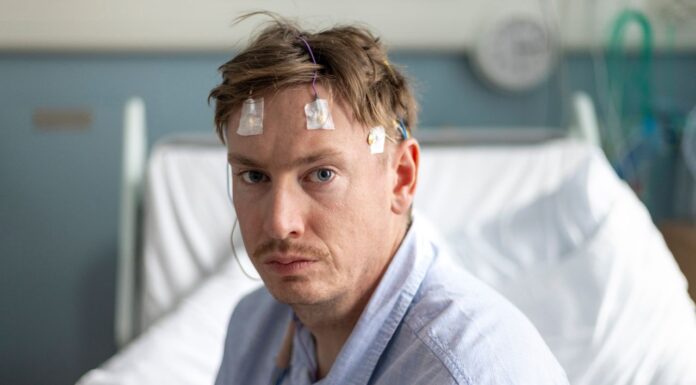
Missed doses, sedation and untreated anxiety can destabilise seizure control. Below, how pharmacists can optimise care regarding epilepsy.

Both common conditions, anal fissures and haemorrhoids require accurate assessment, appropriate treatment, and timely referral when needed.

By adopting neuro-affirming approaches pharmacists can reduce barriers to deliver more personalised care to autistic individuals.

Hair is closely linked to appearance and identity, and changes to it often carry strong emotional significance.