





td_module_mega_menu Object
(
[post] => WP_Post Object
(
[ID] => 31415
[post_author] => 6804
[post_date] => 2026-02-25 09:38:18
[post_date_gmt] => 2026-02-24 22:38:18
[post_content] => This in-demand credentialed pharmacist can’t adequately service her community due to restrictions on the Home Medicines Review (HMR) service.
As a credentialed pharmacist in regional Victoria, Kelly Abbott MPS provides medicines reviews to patients with complex health needs. But strict monthly caps and stagnant fees mean she can’t see everyone who is referred to her – even when the need is clear.
And sometimes, the call comes too late.
‘I’ve knocked on a door to have the [patient’s] husband tell me, “oh, she died”,’ Ms Abbott said. ‘That’s happened multiple times.’
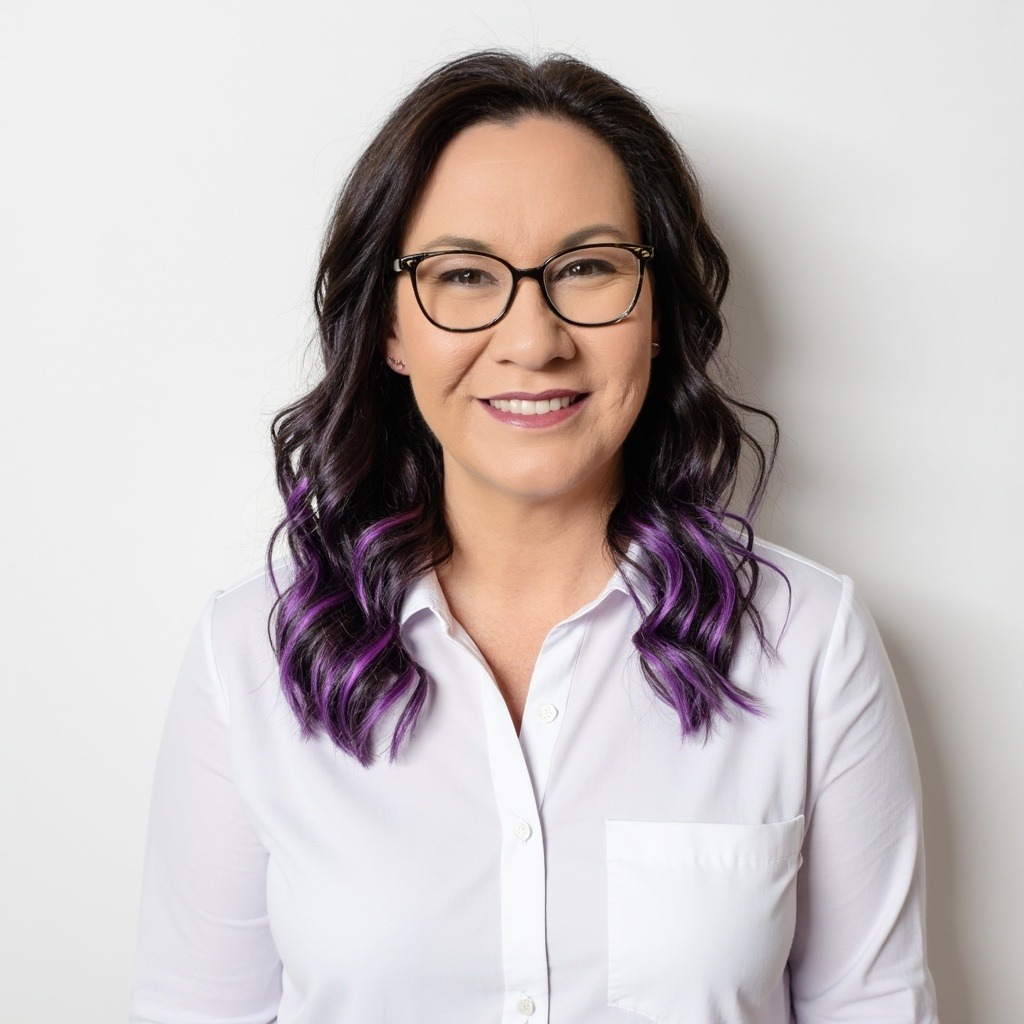
[caption id="attachment_31424" align="alignright" width="282"]
Kelly Abbott MPS[/caption]
There’s no way to prove whether an earlier HMR would have changed those outcomes. But for a pharmacist trained to identify medicine-related risk, these moments stay with you.
‘It’s heartbreaking, it’s wrong and it shouldn’t be that way,’ she said.
Knocking on doors
Ms Abbott practises in Gippsland, Victoria – recently labelled ‘Australia’s unhealthiest region’ in the media.
The statistics are confronting: high smoking rates, significant socioeconomic disadvantage, and high burden of chronic obstructive pulmonary disease and cardiovascular disease. ‘If you look at a map of heart attacks in Victoria,’ Ms Abbott said, ‘Gippsland is just red.’
In a region like this, preventive medicines care matters. Yet access is rationed.
Ms Abbott consistently hits the 30-HMR monthly cap.
‘I have not had a month under 30 [HMRs] since September 2023,’ she said.
Demand far exceeds what she’s allowed to provide. Referrals have to wait, clinics juggle priorities, and some GPs even stop sending patients her way because they know she’s hit her limit.
Like many credentialed pharmacists, Ms Abbott’s wait list is about 2 months long.
‘Currently, if I received your referral today [28 January], I might see you in March at the earliest.’
A workforce running on goodwill
Gippsland is not remote in the traditional sense. It sits within reach of Melbourne. Yet Ms Abbott describes a thinning workforce of credentialed pharmacists.
‘There are only four of us in the Latrobe Valley, an hour in either direction,’ she said. ‘Only one of us has come on board in the last few years.’
Others have retired and some have simply stopped.
Ms Abbott is unsurprised by this. ‘Why would you bother becoming accredited financially right now?’ she asked. ‘You’re going to earn more and [have] a stable pay cheque in hospital or community pharmacy. Why would you pay to go through a course when you’ve got an absolutely capped income in that work stream?’
‘I have not had a month under 30 [HMRs] since September 2023.'
kelly abbott mps
The 30-service cap, introduced in 2014, limits how many HMRs a provider can claim per month. HMR fees have not been indexed since July 2019, eroding their real value over time.
For credentialed pharmacists like Ms Abbott, that combination sends a clear message that their work is undervalued.
‘What other specialist is limited like this?’
The cost of saying no
Ms Abbott described refusing some distant referrals because travel makes them financially unviable.
‘I am refusing to go to certain places because it’s just too far,’ she said.
Pharmacists can’t charge for travel as part of an HMR so the system means ‘those people are missing out’.
‘This means entire towns are not serviced by HMR providers in Gippsland, Ms Abbott said. ‘In an area with an ageing population, some of these towns would benefit enormously from medication reviews by a local pharmacist face-to-face.’
It’s not how she wants to practise.
‘I hate thinking that way. I hate being that way.
But the financial reality is that she can’t afford to make a loss on referrals.
Her frustration is about sustainability, not about status.
When remuneration doesn’t reflect the complexity and levels of responsibility, fewer pharmacists choose to become credentialed. And in high-need areas, that has real consequences.
Let pharmacists do what they are trained to do
Despite the challenges, Ms Abbott still believes in the value of HMRs.
‘We have great evidence that they reduce hospitalisations and they reduce healthcare costs,’ she said.
‘And patients and GPs absolutely love them. The demand alone tells you that.’
But she can’t meet that demand under current restrictive settings.
‘I love what I do,’ she said. ‘And there’s so many pharmacists like me who want to do more here. Just let me loose.”
Reform that matches need with valuePSA’s 2026–27 Federal Budget Submission, released today (25 February) identifies reform of HMRs as a priority under the First Pharmacy Programs Reform Package. Recommendation 1.1 calls for staged removal of monthly provider caps (commencing with an increase to 60 per month), re-basing and applying annual Wage Cost Index indexation to restore service viability, and improved support for rural delivery and complexity. For regions like Gippsland – with high chronic disease burden and limited workforce – these changes are not about expanding scope. They are about restoring access. Read PSA’s full 2026–27 Federal Budget Submission. |
td_module_mega_menu Object
(
[post] => WP_Post Object
(
[ID] => 31401
[post_author] => 3410
[post_date] => 2026-02-21 11:45:15
[post_date_gmt] => 2026-02-21 00:45:15
[post_content] => Morag Horton works alongside clinicians and nurses to ensure seamless IVF medicines supply and patient support.
How did you specialise in assisted reproductive therapy?
In 2013, I purchased a pharmacy involved in IVF and fertility treatment.
At that time, most medicines supply was made by IVF clinics directly to patients, and there was very little pharmacy involvement – other than for non-Medicare funded patients or medicines. I was dispensing medicines I’d never learnt about at university – nor in my career until then.
I struggled to find suitable training material, so I asked questions of IVF clinicians, nurses and pharmaceutical companies whenever the opportunity arose. I came to understand the medicines protocols used and became familiar with all the administration devices. In 2015, funding for the supply of IVF medicines changed to the Pharmaceutical Benefits Scheme (PBS) in the S100 category – meaning all supply now involved a pharmacist. The knowledge that I’d already gained meant I could support patients and their partners, as well as to the IVF clinic team, through and beyond this transition.
What does the role entail?
I help patients process huge amounts of information and complex medicines schedules, and access medicines that may not be available in their local community pharmacy. I also help to reduce or eliminate confusion or issues for patients e.g. insufficient prescribed quantities, missed items or last-minute medicines changes.
How do you help patients navigate their medicines regimen?
Being able to immediately understand the treatment protocol behind a bundle of prescriptions is important. Recognising the individual situation makes the patient feel more comfortable and understood. It also helps me tailor the information provided.
If the patient is anxious about injections and injection technique, I focus on the first item that needs to be used. This helps to ensure they’re not overwhelmed with three or more different products that may require different techniques or devices, and they feel more comfortable before adding in the next injection.
Clear and thorough labelling is also key, with storage information discussed and fridge items provided in a cooler bag with ice. I also provide written information to support verbal and online information, offering further support by telephone.
How do you manage medicines storage, cold-chain and supply?
We’ve increased fridge capacity and back up, built in business continuity planning, and use data loggers on all refrigerators. We also have a dedicated fridge for IVF medicines, as the packaging is bulky and prescriptions can involve large quantities. Ordering is done frequently, with close attention to supplier cut-off times, particularly later in the week.
We carefully balance stock levels, expiry risk and cash flow, while monitoring prescribing patterns and staying in close contact with fertility clinics about upcoming treatment cycles. We also ensure all supporting materials – such as brochures, cooler bags, ice bricks and other consumables – are available.
How do you collaborate with fertility clinics, prescribers and nurses?
In the beginning of my involvement in the IVF field, I asked questions of others with more experience. Now, they often ask me questions. I also encourage clinicians to understand PBS listings and to prescribe in accordance with the criteria.
The IVF clinicians can be hard to reach for prescription queries, so good relationships with IVF nurses and clinic staff are essential. As a member of the Fertility Society of Australia and Fertility Nurses of Australasia, I keep up with the latest information and news, and participate in continuing education events and conferences.
What advice do you have for ECPs keen on specialising in this area?
Build your knowledge and be confident in it, while remaining open-minded and supportive. Fertility treatment can place people under emotional, practical and financial pressure; pharmacists shouldn’t add to that burden.
A Day in the life of Morag Horton, community pharmacy owner, Adelaide, South Australia
| 8.00 am | Set up and check in IVF work fluctuates – some days it’s minimal, other days it’s constant. I check what’s booked/expected, confirm any urgent needs, and make sure there’s space for IVF stock. |
| 9.00 am | Ordering and supply planning Weekly ordering is done on Monday mornings and reviewed again on Wednesday because we can’t reliably order later in the week. This helps to protect continuity. |
| 10:30 am | Dispensary coordination My dispensary manager leads ordering of IVF medicines, support materials and consumables. She also prepares syringe/needle packs for medicines that require separate consumable supply, so patients receive everything together. |
| 12.00 pm | Clinic liaison Phone or email contact with IVF nurses occurs most days to clarify prescriptions, confirm timing and align supply with treatment cycles. |
| 2.00 pm | Prescription collection Our courier collects prescriptions from fertility clinics weekly, as not all clinics use e-scripts. These are processed promptly to avoid delays that could affect treatment timing. |
| 3.30 pm | Patient support IVF supply often includes practical support: ensuring patients have what they need for transport and storage, and that any supporting materials and consumables are ready alongside the medicines. |
| 6.00 pm | Engagement and training Some evenings may include a Fertility Nurses of Australia meeting, or delivering training sessions for fertility clinics for IVF clinicians and nurses. |
| 8.00 pm | Urgent supply Occasionally I’ll get an out-of-hours call from an IVF clinician to arrange emergency medicines supply, requiring rapid coordination to keep treatment on track. |
td_module_mega_menu Object
(
[post] => WP_Post Object
(
[ID] => 31390
[post_author] => 1703
[post_date] => 2026-02-21 10:37:47
[post_date_gmt] => 2026-02-20 23:37:47
[post_content] =>
A Canberra pharmacy has become the first in the territory to manage MDMA and psilocybin capsules for Post Traumatic Stress Disorder (PTSD) and Treatment Resistant Depression in accordance with Therapeutic Goods Administration (TGA) regulations.
For Louise McLean FPS, co-owner of Capital Chemist Southlands, the milestone followed a lengthy approval process.
‘It was 12 months from when we received the phone call from the psychiatrist to say they were ready to submit their TGA Authorised Prescriber application until we dispensed the first prescription,’ she said.
[caption id="attachment_12027" align="aligncenter" width="500"]
Owner of Canberra's Capital Chemist Southlands Louise McLean MPS.[/caption]
‘But it was very rewarding to be able to be part of offering patients a new treatment option.
‘As a pharmacist, I have always wanted to make treatments more accessible for patients who need them.
‘Psychedelics are part of modern medicine, and we can see how patients will benefit.’
Compliance is key
Psychiatrists must obtain TGA Authorised Prescriber status to work with a patient under the new treatment pathway. They then work in conjunction with a licensed pharmacist to arrange medicine supply.
‘I’ve worked closely with the psychiatrist we’re assisting for some time with medical cannabis and ketamine-assisted psychotherapy,’ Ms McLean said. ‘He is passionate about psychedelic medicine and novel therapies for PTSD and treatment-resistant depression.’
‘Psychedelics are part of modern medicine, and we can see how patients will benefit.'
Louise McLean FPS
Ms McLean, a member of the Australian Medicinal Cannabis Association who has extensive experience managing cannabis prescriptions, said pharmacists considering involvement in psychedelic supply must be prepared for detailed compliance work.
‘You need an appetite to do the hard work involved in ensuring that all the legislative and regulatory requirements are followed,’ she said.
‘I began by contacting the TGA directly and spoke to our territory’s Health Protection Service (HPS) at length.
‘It’s imperative to include your team, who are integral to the success of the service. I am extremely fortunate to have exceptional staff at Capital Chemist Southland who have supported both the implementation and the ongoing delivery of this service.’
For pharmacists in the ACT, handling MDMA and psilocybin requires compliance with the Medicines, Poisons and Therapeutic Goods Act 2008 and the Therapeutic Goods Regulation 2008. In addition, a Schedule 9 Licence is required to obtain and possess prohibited substances. These are also classified as prohibited substances under the Commonwealth Criminal Code.
‘In our case, we [also] needed to obtain a Medicines, Poisons and Therapeutic Good Licence from the Health Protection Service (HPS) in the ACT to obtain and possess MDMA and psilocybin capsules,’ Ms McLean said. ‘That took 5 months and HPS were supportive throughout the process.’
While not all jurisdictions, such as Victoria, require a specific S9 licence, state or territory approvals are still required along with the TGA regulations.
Dispensing psychedelics safely
Before supplying psychedelic medicines, pharmacists need the psychiatrist’s TGA Authorised Prescriber approval paperwork on file to be able to order the medicine.
An additional requirement for prescribing and dispensing of MDMA or psilocybin within the ACT is Chief Officer Health approval specific for the individual patient and prescribed substance.
Patients are not permitted to handle the medicine outside supervised treatment sessions, and strict eligibility criteria must be met before therapy commences.
‘We dispense per treatment session,’ Ms McLean said.
‘Either the doctor collects it from the pharmacy, or we hand-deliver it to his private practice.
‘From our perspective, it’s about ensuring we’re following all licence requirements and having confidence that the doctor is practising legally and ethically.’
The cost of prescribed psychedelics ranges from $100–200 per capsule, with several potentially required per session depending on the dose. The medicines are not listed on the Pharmaceutical Benefits Scheme (PBS), although the Department of Veterans’ Affairs may fund treatment for eligible patients.
Capital Chemist Southlands works closely with a single supplier for both the MDMA and psilocybin capsules, with signature required upon courier delivery.
Stock management also requires care.
‘An MDMA bottle may contain 25 or 50 capsules and demand is, at this stage, very small. We’ve only dispensed it twice for a single patient, with their first treatment in January.’
Managing patient enquiries
Some patients with PTSD and treatment-resistant depression have enquired about alternative treatments, Ms McLean said.
‘It’s not appropriate for us to recommend [these specific treatments],’ she said. ‘If patients specifically ask about these novel therapies, our role is to have a general conversation and refer them to their doctor.’
For Ms McLean, the experience reflects the evolving scope of contemporary pharmacy practice – grounded in compliance, collaboration and patient-centred care.
Pharmacists may wish to contact the relevant state and territory health departments and/or refer to the MDMA and psilocybin hub on the TGA website. See the list of contacts for state/territory medicines & poisons regulation units.
For more information on MDMA and psilocybin complete the AP CPD 'The therapeutic potential of psychedelics'.
This article was updated on 24 February 2026 to correct an error. Louise McLean FPS was incorrectly described as the first pharmacist in Australia to manage MDMA and psilocybin capsules for PTSD and treatment-resistant depression. She is the first pharmacist in the ACT to do so.
[post_title] => What’s involved in dispensing prescribed psychedelics?
[post_excerpt] => An ACT pharmacy became the first to manage psychedelics for PTSD and treatment-resistant depression in accordance with TGA regulations.
[post_status] => publish
[comment_status] => open
[ping_status] => open
[post_password] =>
[post_name] => whats-involved-in-dispensing-prescribed-psychedelics
[to_ping] =>
[pinged] =>
[post_modified] => 2026-02-26 17:00:11
[post_modified_gmt] => 2026-02-26 06:00:11
[post_content_filtered] =>
[post_parent] => 0
[guid] => https://www.australianpharmacist.com.au/?p=31390
[menu_order] => 0
[post_type] => post
[post_mime_type] =>
[comment_count] => 0
[filter] => raw
)
[title_attribute] => What’s involved in dispensing prescribed psychedelics?
[title] => What’s involved in dispensing prescribed psychedelics?
[href] => https://www.australianpharmacist.com.au/whats-involved-in-dispensing-prescribed-psychedelics/
[module_atts:td_module:private] => Array
(
)
[td_review:protected] => Array
(
)
[is_review:protected] =>
[post_thumb_id:protected] => 31395
[authorType] =>
)
td_module_mega_menu Object
(
[post] => WP_Post Object
(
[ID] => 31378
[post_author] => 3410
[post_date] => 2026-02-18 13:59:49
[post_date_gmt] => 2026-02-18 02:59:49
[post_content] => Adrenaline (epinephrine) nasal spray (neffy) was recently approved by the Therapeutic Goods Administration (TGA) and is now available for use in Australia.
The launch of the product marks the first time in over 30 years that a new way of administering adrenaline has been approved in Australia.
So how useful will having a new dose form be? The answer isn’t clear – but the reaction has been positive.
Professor Connie Katelaris AM, a leading NSW allergist welcomes the additional option for care:
‘Anaphylaxis is a difficult condition to manage, with some patients reporting challenges. neffy has been available for some time overseas and now patients in Australia will have access.’
AP explores its place in therapy and whether it’s worth the price.
How does the nasal spray differ from EpiPen?
Similar to EpiPen, neffy delivers adrenaline, the active ingredient used to treat anaphylaxis, a spokesperson for CSL Seqirus, the manufacturer of the medicine, told AP.
‘[However it] doesn’t contain a needle and doesn't require an injection.’
[caption id="attachment_31382" align="aligncenter" width="500"]
Supplied by CSL Seqirus[/caption]
Using a similar delivery device as opioid reversal medicines, the nasal spray administers adrenaline via the nasal mucosa, enabling rapid absorption into the bloodstream.
Can it be placed in a resuscitation kit?
Yes, and no.
While neffy contains adrenaline and is indicated for the same purpose as injectable adrenaline normally kept as part of a resuscitation kit, there is a key difference.
‘Resuscitation kits generally stock items that are Schedule 3, and neffy is currently a Prescription only (Schedule 4) medication,’ the CSL spokesperson said.
Who is the nasal spray best suited to?
Adrenaline (epinephrine) nasal spray is indicated for emergency treatment of anaphylaxis in patients aged 4 years and older and weighing 15 kg or greater, offering an alternative administration route for those who may be needle-phobic – particularly young children.
The medicine comes in two strengths:
td_module_mega_menu Object
(
[post] => WP_Post Object
(
[ID] => 31360
[post_author] => 3410
[post_date] => 2026-02-16 12:08:29
[post_date_gmt] => 2026-02-16 01:08:29
[post_content] => Early monitoring, sensitive communication and guideline awareness are essential when medicines are used to manage youth mental health.
Almost two in five (around 40%) of Australians aged 16–24 years experience a mental disorder in any given year, with depression and anxiety frequently emerging during adolescence and early adulthood.
Despite clinical guidelines recommending psychological therapies such as cognitive behavioural therapy (CBT) as first-line treatment, antidepressants can be prescribed before CBT practice, said Ms Lily Pham MPS, a lecturer at the University of Sydney – who is presenting at the upcoming PSA webinar Antidepressants and adolescents – what every pharmacist should know.
‘Pharmacists often get prescriptions for antidepressants where a young person hasn't received CBT yet – particularly if they’re on a waiting list to receive CBT,’ she said. ‘Antidepressants are typically recommended to be used for 6–12 months before deprescribing should be considered. But we’re finding that doesn’t happen a lot of the time.’
There’s often a gap between guideline recommendations and what pharmacists actually encounter in day-to-day practice. So initiating conversations about treatment planning requires both confidence and clarity.
‘It’s about being able to engage in those conversations and also knowing what to do when you gain that information,’ Ms Pham said.
Bridging the gap when CBT is delayed
Conversations around mental health require careful attention to privacy and tone.
‘It’s important not to use judgmental language,’ Ms Pham said. ‘We might engage in conversation by saying, “I’m just going to ask you a couple of questions about this medication – would you feel comfortable with that?’
Explaining intent can reduce defensiveness and reframe the conversation as supportive rather than interrogative.
‘If you say, “The reason I'm asking is because I want to be able to give you information about the medication that's tailored to you” for example, it can often open up the conversation better,’ she said.
When sensitive topics, including mental health, are discussed, there should always be the option to move into a consultation room.
Pharmacists can also use simple, open-ended questions to explore whether broader treatment planning has been discussed.
‘It comes down to signposting,’ Ms Pham said. ‘You could ask, “is this the first time you’ve used this medication?” And then you might follow with, “When people start this medication, their GP can sometimes have conversations about other strategies, like CBT. Is that something you’ve discussed with your GP?”’
Given much antidepressant use in adolescents is off label, product information doesn’t clearly outline use in younger populations.
‘This is where guidelines specific to prescribing for younger people should be considered,’ she said.
Where clarification with the prescriber is required, young people should not be excluded from the process.
‘Young people often feel very disempowered within the healthcare system, so it’s important that health professionals support young people to have a voice in their healthcare,’ Ms Pham said. ‘If you are going to have those conversations, make sure you also include that young person. That might include saying, “would you mind if I speak to your GP to clarify XYZ details”, if those details haven't been established through your conversations with the young person.’
Checking duration against intention
Through dispensing histories and repeat supply intervals, pharmacists can prompt gentle check-ins around duration of and response to therapy.
‘If you’ve noticed in your dispensing system that a person has been on an antidepressant for over 12 months, flag a conversation with that young person about how they are feeling on the medication, how their mood is, and whether or not they have discussed with their GP about deprescribing or tapering the dose,’ Ms Pham said.
However, pharmacists should use their clinical judgement when approaching this conversation.
‘You would only really have that conversation if that person was faring well,’ she said. ‘If they say, “My mood’s still not great,” you’re not going to ask if they have decided to consider deprescribing. Instead, you might discuss openness to alternative drug regimens with them and their prescriber.’
Repeat supply also provides an opportunity to check whether appropriate review and deprescribing discussions have occurred.
‘You can flag whether this conversation has occurred using your dispensing system every 6 to 12 months,’ Ms Pham said.
Monitoring efficacy and tolerability
When dispensing antidepressants, pharmacists have the opportunity to monitor for both efficacy and adverse effects – particularly those that young people may feel reluctant to disclose.
‘One of the big ones is around sexual dysfunction,’ Ms Pham said. ‘So it's checking in with those short-and longer- term adverse effects, as well as looking at the efficacy of the medication and the need.’
Monitoring and review are shared responsibilities rather than isolated tasks.
‘There is an onus of responsibility on every member of the multidisciplinary healthcare team when you do come in contact, or you do interact with that young person, to check in,’ Ms Pham said.
Even under 60-day dispensing arrangements, pharmacists retain regular contact with young patients using antidepressants.
‘If the GP checks in with them at every appointment, and then the pharmacist once every 2 months – we can still provide touchpoints in that person’s care. And young people would appreciate being engaged in non-judgemental conversations about their care.’
Learn more about pharmacists’ role in the quality use of antidepressants for teens and young adults by attending the PSA webinar Antidepressants and adolescents – what every pharmacist should know, held on 17 February 2026 at 7.00–8.30 pm AEDT.
[post_title] => Supporting quality use of antidepressants in adolescents
[post_excerpt] => Early monitoring, sensitive communication and guideline awareness are essential when medicines are used to manage youth mental health.
[post_status] => publish
[comment_status] => open
[ping_status] => open
[post_password] =>
[post_name] => supporting-quality-use-of-antidepressants-in-adolescents
[to_ping] =>
[pinged] =>
[post_modified] => 2026-02-16 15:31:37
[post_modified_gmt] => 2026-02-16 04:31:37
[post_content_filtered] =>
[post_parent] => 0
[guid] => https://www.australianpharmacist.com.au/?p=31360
[menu_order] => 0
[post_type] => post
[post_mime_type] =>
[comment_count] => 0
[filter] => raw
)
[title_attribute] => Supporting quality use of antidepressants in adolescents
[title] => Supporting quality use of antidepressants in adolescents
[href] => https://www.australianpharmacist.com.au/supporting-quality-use-of-antidepressants-in-adolescents/
[module_atts:td_module:private] => Array
(
)
[td_review:protected] => Array
(
)
[is_review:protected] =>
[post_thumb_id:protected] => 31362
[authorType] =>
)
td_module_mega_menu Object
(
[post] => WP_Post Object
(
[ID] => 31415
[post_author] => 6804
[post_date] => 2026-02-25 09:38:18
[post_date_gmt] => 2026-02-24 22:38:18
[post_content] => This in-demand credentialed pharmacist can’t adequately service her community due to restrictions on the Home Medicines Review (HMR) service.
As a credentialed pharmacist in regional Victoria, Kelly Abbott MPS provides medicines reviews to patients with complex health needs. But strict monthly caps and stagnant fees mean she can’t see everyone who is referred to her – even when the need is clear.
And sometimes, the call comes too late.
‘I’ve knocked on a door to have the [patient’s] husband tell me, “oh, she died”,’ Ms Abbott said. ‘That’s happened multiple times.’
[caption id="attachment_31424" align="alignright" width="282"]
Kelly Abbott MPS[/caption]
There’s no way to prove whether an earlier HMR would have changed those outcomes. But for a pharmacist trained to identify medicine-related risk, these moments stay with you.
‘It’s heartbreaking, it’s wrong and it shouldn’t be that way,’ she said.
Knocking on doors
Ms Abbott practises in Gippsland, Victoria – recently labelled ‘Australia’s unhealthiest region’ in the media.
The statistics are confronting: high smoking rates, significant socioeconomic disadvantage, and high burden of chronic obstructive pulmonary disease and cardiovascular disease. ‘If you look at a map of heart attacks in Victoria,’ Ms Abbott said, ‘Gippsland is just red.’
In a region like this, preventive medicines care matters. Yet access is rationed.
Ms Abbott consistently hits the 30-HMR monthly cap.
‘I have not had a month under 30 [HMRs] since September 2023,’ she said.
Demand far exceeds what she’s allowed to provide. Referrals have to wait, clinics juggle priorities, and some GPs even stop sending patients her way because they know she’s hit her limit.
Like many credentialed pharmacists, Ms Abbott’s wait list is about 2 months long.
‘Currently, if I received your referral today [28 January], I might see you in March at the earliest.’
A workforce running on goodwill
Gippsland is not remote in the traditional sense. It sits within reach of Melbourne. Yet Ms Abbott describes a thinning workforce of credentialed pharmacists.
‘There are only four of us in the Latrobe Valley, an hour in either direction,’ she said. ‘Only one of us has come on board in the last few years.’
Others have retired and some have simply stopped.
Ms Abbott is unsurprised by this. ‘Why would you bother becoming accredited financially right now?’ she asked. ‘You’re going to earn more and [have] a stable pay cheque in hospital or community pharmacy. Why would you pay to go through a course when you’ve got an absolutely capped income in that work stream?’
‘I have not had a month under 30 [HMRs] since September 2023.'
kelly abbott mps
The 30-service cap, introduced in 2014, limits how many HMRs a provider can claim per month. HMR fees have not been indexed since July 2019, eroding their real value over time.
For credentialed pharmacists like Ms Abbott, that combination sends a clear message that their work is undervalued.
‘What other specialist is limited like this?’
The cost of saying no
Ms Abbott described refusing some distant referrals because travel makes them financially unviable.
‘I am refusing to go to certain places because it’s just too far,’ she said.
Pharmacists can’t charge for travel as part of an HMR so the system means ‘those people are missing out’.
‘This means entire towns are not serviced by HMR providers in Gippsland, Ms Abbott said. ‘In an area with an ageing population, some of these towns would benefit enormously from medication reviews by a local pharmacist face-to-face.’
It’s not how she wants to practise.
‘I hate thinking that way. I hate being that way.
But the financial reality is that she can’t afford to make a loss on referrals.
Her frustration is about sustainability, not about status.
When remuneration doesn’t reflect the complexity and levels of responsibility, fewer pharmacists choose to become credentialed. And in high-need areas, that has real consequences.
Let pharmacists do what they are trained to do
Despite the challenges, Ms Abbott still believes in the value of HMRs.
‘We have great evidence that they reduce hospitalisations and they reduce healthcare costs,’ she said.
‘And patients and GPs absolutely love them. The demand alone tells you that.’
But she can’t meet that demand under current restrictive settings.
‘I love what I do,’ she said. ‘And there’s so many pharmacists like me who want to do more here. Just let me loose.”
Reform that matches need with valuePSA’s 2026–27 Federal Budget Submission, released today (25 February) identifies reform of HMRs as a priority under the First Pharmacy Programs Reform Package. Recommendation 1.1 calls for staged removal of monthly provider caps (commencing with an increase to 60 per month), re-basing and applying annual Wage Cost Index indexation to restore service viability, and improved support for rural delivery and complexity. For regions like Gippsland – with high chronic disease burden and limited workforce – these changes are not about expanding scope. They are about restoring access. Read PSA’s full 2026–27 Federal Budget Submission. |
td_module_mega_menu Object
(
[post] => WP_Post Object
(
[ID] => 31401
[post_author] => 3410
[post_date] => 2026-02-21 11:45:15
[post_date_gmt] => 2026-02-21 00:45:15
[post_content] => Morag Horton works alongside clinicians and nurses to ensure seamless IVF medicines supply and patient support.
How did you specialise in assisted reproductive therapy?
In 2013, I purchased a pharmacy involved in IVF and fertility treatment.
At that time, most medicines supply was made by IVF clinics directly to patients, and there was very little pharmacy involvement – other than for non-Medicare funded patients or medicines. I was dispensing medicines I’d never learnt about at university – nor in my career until then.
I struggled to find suitable training material, so I asked questions of IVF clinicians, nurses and pharmaceutical companies whenever the opportunity arose. I came to understand the medicines protocols used and became familiar with all the administration devices. In 2015, funding for the supply of IVF medicines changed to the Pharmaceutical Benefits Scheme (PBS) in the S100 category – meaning all supply now involved a pharmacist. The knowledge that I’d already gained meant I could support patients and their partners, as well as to the IVF clinic team, through and beyond this transition.
What does the role entail?
I help patients process huge amounts of information and complex medicines schedules, and access medicines that may not be available in their local community pharmacy. I also help to reduce or eliminate confusion or issues for patients e.g. insufficient prescribed quantities, missed items or last-minute medicines changes.
How do you help patients navigate their medicines regimen?
Being able to immediately understand the treatment protocol behind a bundle of prescriptions is important. Recognising the individual situation makes the patient feel more comfortable and understood. It also helps me tailor the information provided.
If the patient is anxious about injections and injection technique, I focus on the first item that needs to be used. This helps to ensure they’re not overwhelmed with three or more different products that may require different techniques or devices, and they feel more comfortable before adding in the next injection.
Clear and thorough labelling is also key, with storage information discussed and fridge items provided in a cooler bag with ice. I also provide written information to support verbal and online information, offering further support by telephone.
How do you manage medicines storage, cold-chain and supply?
We’ve increased fridge capacity and back up, built in business continuity planning, and use data loggers on all refrigerators. We also have a dedicated fridge for IVF medicines, as the packaging is bulky and prescriptions can involve large quantities. Ordering is done frequently, with close attention to supplier cut-off times, particularly later in the week.
We carefully balance stock levels, expiry risk and cash flow, while monitoring prescribing patterns and staying in close contact with fertility clinics about upcoming treatment cycles. We also ensure all supporting materials – such as brochures, cooler bags, ice bricks and other consumables – are available.
How do you collaborate with fertility clinics, prescribers and nurses?
In the beginning of my involvement in the IVF field, I asked questions of others with more experience. Now, they often ask me questions. I also encourage clinicians to understand PBS listings and to prescribe in accordance with the criteria.
The IVF clinicians can be hard to reach for prescription queries, so good relationships with IVF nurses and clinic staff are essential. As a member of the Fertility Society of Australia and Fertility Nurses of Australasia, I keep up with the latest information and news, and participate in continuing education events and conferences.
What advice do you have for ECPs keen on specialising in this area?
Build your knowledge and be confident in it, while remaining open-minded and supportive. Fertility treatment can place people under emotional, practical and financial pressure; pharmacists shouldn’t add to that burden.
A Day in the life of Morag Horton, community pharmacy owner, Adelaide, South Australia
| 8.00 am | Set up and check in IVF work fluctuates – some days it’s minimal, other days it’s constant. I check what’s booked/expected, confirm any urgent needs, and make sure there’s space for IVF stock. |
| 9.00 am | Ordering and supply planning Weekly ordering is done on Monday mornings and reviewed again on Wednesday because we can’t reliably order later in the week. This helps to protect continuity. |
| 10:30 am | Dispensary coordination My dispensary manager leads ordering of IVF medicines, support materials and consumables. She also prepares syringe/needle packs for medicines that require separate consumable supply, so patients receive everything together. |
| 12.00 pm | Clinic liaison Phone or email contact with IVF nurses occurs most days to clarify prescriptions, confirm timing and align supply with treatment cycles. |
| 2.00 pm | Prescription collection Our courier collects prescriptions from fertility clinics weekly, as not all clinics use e-scripts. These are processed promptly to avoid delays that could affect treatment timing. |
| 3.30 pm | Patient support IVF supply often includes practical support: ensuring patients have what they need for transport and storage, and that any supporting materials and consumables are ready alongside the medicines. |
| 6.00 pm | Engagement and training Some evenings may include a Fertility Nurses of Australia meeting, or delivering training sessions for fertility clinics for IVF clinicians and nurses. |
| 8.00 pm | Urgent supply Occasionally I’ll get an out-of-hours call from an IVF clinician to arrange emergency medicines supply, requiring rapid coordination to keep treatment on track. |
td_module_mega_menu Object
(
[post] => WP_Post Object
(
[ID] => 31390
[post_author] => 1703
[post_date] => 2026-02-21 10:37:47
[post_date_gmt] => 2026-02-20 23:37:47
[post_content] =>
A Canberra pharmacy has become the first in the territory to manage MDMA and psilocybin capsules for Post Traumatic Stress Disorder (PTSD) and Treatment Resistant Depression in accordance with Therapeutic Goods Administration (TGA) regulations.
For Louise McLean FPS, co-owner of Capital Chemist Southlands, the milestone followed a lengthy approval process.
‘It was 12 months from when we received the phone call from the psychiatrist to say they were ready to submit their TGA Authorised Prescriber application until we dispensed the first prescription,’ she said.
[caption id="attachment_12027" align="aligncenter" width="500"]
Owner of Canberra's Capital Chemist Southlands Louise McLean MPS.[/caption]
‘But it was very rewarding to be able to be part of offering patients a new treatment option.
‘As a pharmacist, I have always wanted to make treatments more accessible for patients who need them.
‘Psychedelics are part of modern medicine, and we can see how patients will benefit.’
Compliance is key
Psychiatrists must obtain TGA Authorised Prescriber status to work with a patient under the new treatment pathway. They then work in conjunction with a licensed pharmacist to arrange medicine supply.
‘I’ve worked closely with the psychiatrist we’re assisting for some time with medical cannabis and ketamine-assisted psychotherapy,’ Ms McLean said. ‘He is passionate about psychedelic medicine and novel therapies for PTSD and treatment-resistant depression.’
‘Psychedelics are part of modern medicine, and we can see how patients will benefit.'
Louise McLean FPS
Ms McLean, a member of the Australian Medicinal Cannabis Association who has extensive experience managing cannabis prescriptions, said pharmacists considering involvement in psychedelic supply must be prepared for detailed compliance work.
‘You need an appetite to do the hard work involved in ensuring that all the legislative and regulatory requirements are followed,’ she said.
‘I began by contacting the TGA directly and spoke to our territory’s Health Protection Service (HPS) at length.
‘It’s imperative to include your team, who are integral to the success of the service. I am extremely fortunate to have exceptional staff at Capital Chemist Southland who have supported both the implementation and the ongoing delivery of this service.’
For pharmacists in the ACT, handling MDMA and psilocybin requires compliance with the Medicines, Poisons and Therapeutic Goods Act 2008 and the Therapeutic Goods Regulation 2008. In addition, a Schedule 9 Licence is required to obtain and possess prohibited substances. These are also classified as prohibited substances under the Commonwealth Criminal Code.
‘In our case, we [also] needed to obtain a Medicines, Poisons and Therapeutic Good Licence from the Health Protection Service (HPS) in the ACT to obtain and possess MDMA and psilocybin capsules,’ Ms McLean said. ‘That took 5 months and HPS were supportive throughout the process.’
While not all jurisdictions, such as Victoria, require a specific S9 licence, state or territory approvals are still required along with the TGA regulations.
Dispensing psychedelics safely
Before supplying psychedelic medicines, pharmacists need the psychiatrist’s TGA Authorised Prescriber approval paperwork on file to be able to order the medicine.
An additional requirement for prescribing and dispensing of MDMA or psilocybin within the ACT is Chief Officer Health approval specific for the individual patient and prescribed substance.
Patients are not permitted to handle the medicine outside supervised treatment sessions, and strict eligibility criteria must be met before therapy commences.
‘We dispense per treatment session,’ Ms McLean said.
‘Either the doctor collects it from the pharmacy, or we hand-deliver it to his private practice.
‘From our perspective, it’s about ensuring we’re following all licence requirements and having confidence that the doctor is practising legally and ethically.’
The cost of prescribed psychedelics ranges from $100–200 per capsule, with several potentially required per session depending on the dose. The medicines are not listed on the Pharmaceutical Benefits Scheme (PBS), although the Department of Veterans’ Affairs may fund treatment for eligible patients.
Capital Chemist Southlands works closely with a single supplier for both the MDMA and psilocybin capsules, with signature required upon courier delivery.
Stock management also requires care.
‘An MDMA bottle may contain 25 or 50 capsules and demand is, at this stage, very small. We’ve only dispensed it twice for a single patient, with their first treatment in January.’
Managing patient enquiries
Some patients with PTSD and treatment-resistant depression have enquired about alternative treatments, Ms McLean said.
‘It’s not appropriate for us to recommend [these specific treatments],’ she said. ‘If patients specifically ask about these novel therapies, our role is to have a general conversation and refer them to their doctor.’
For Ms McLean, the experience reflects the evolving scope of contemporary pharmacy practice – grounded in compliance, collaboration and patient-centred care.
Pharmacists may wish to contact the relevant state and territory health departments and/or refer to the MDMA and psilocybin hub on the TGA website. See the list of contacts for state/territory medicines & poisons regulation units.
For more information on MDMA and psilocybin complete the AP CPD 'The therapeutic potential of psychedelics'.
This article was updated on 24 February 2026 to correct an error. Louise McLean FPS was incorrectly described as the first pharmacist in Australia to manage MDMA and psilocybin capsules for PTSD and treatment-resistant depression. She is the first pharmacist in the ACT to do so.
[post_title] => What’s involved in dispensing prescribed psychedelics?
[post_excerpt] => An ACT pharmacy became the first to manage psychedelics for PTSD and treatment-resistant depression in accordance with TGA regulations.
[post_status] => publish
[comment_status] => open
[ping_status] => open
[post_password] =>
[post_name] => whats-involved-in-dispensing-prescribed-psychedelics
[to_ping] =>
[pinged] =>
[post_modified] => 2026-02-26 17:00:11
[post_modified_gmt] => 2026-02-26 06:00:11
[post_content_filtered] =>
[post_parent] => 0
[guid] => https://www.australianpharmacist.com.au/?p=31390
[menu_order] => 0
[post_type] => post
[post_mime_type] =>
[comment_count] => 0
[filter] => raw
)
[title_attribute] => What’s involved in dispensing prescribed psychedelics?
[title] => What’s involved in dispensing prescribed psychedelics?
[href] => https://www.australianpharmacist.com.au/whats-involved-in-dispensing-prescribed-psychedelics/
[module_atts:td_module:private] => Array
(
)
[td_review:protected] => Array
(
)
[is_review:protected] =>
[post_thumb_id:protected] => 31395
[authorType] =>
)
td_module_mega_menu Object
(
[post] => WP_Post Object
(
[ID] => 31378
[post_author] => 3410
[post_date] => 2026-02-18 13:59:49
[post_date_gmt] => 2026-02-18 02:59:49
[post_content] => Adrenaline (epinephrine) nasal spray (neffy) was recently approved by the Therapeutic Goods Administration (TGA) and is now available for use in Australia.
The launch of the product marks the first time in over 30 years that a new way of administering adrenaline has been approved in Australia.
So how useful will having a new dose form be? The answer isn’t clear – but the reaction has been positive.
Professor Connie Katelaris AM, a leading NSW allergist welcomes the additional option for care:
‘Anaphylaxis is a difficult condition to manage, with some patients reporting challenges. neffy has been available for some time overseas and now patients in Australia will have access.’
AP explores its place in therapy and whether it’s worth the price.
How does the nasal spray differ from EpiPen?
Similar to EpiPen, neffy delivers adrenaline, the active ingredient used to treat anaphylaxis, a spokesperson for CSL Seqirus, the manufacturer of the medicine, told AP.
‘[However it] doesn’t contain a needle and doesn't require an injection.’
[caption id="attachment_31382" align="aligncenter" width="500"]
Supplied by CSL Seqirus[/caption]
Using a similar delivery device as opioid reversal medicines, the nasal spray administers adrenaline via the nasal mucosa, enabling rapid absorption into the bloodstream.
Can it be placed in a resuscitation kit?
Yes, and no.
While neffy contains adrenaline and is indicated for the same purpose as injectable adrenaline normally kept as part of a resuscitation kit, there is a key difference.
‘Resuscitation kits generally stock items that are Schedule 3, and neffy is currently a Prescription only (Schedule 4) medication,’ the CSL spokesperson said.
Who is the nasal spray best suited to?
Adrenaline (epinephrine) nasal spray is indicated for emergency treatment of anaphylaxis in patients aged 4 years and older and weighing 15 kg or greater, offering an alternative administration route for those who may be needle-phobic – particularly young children.
The medicine comes in two strengths:
td_module_mega_menu Object
(
[post] => WP_Post Object
(
[ID] => 31360
[post_author] => 3410
[post_date] => 2026-02-16 12:08:29
[post_date_gmt] => 2026-02-16 01:08:29
[post_content] => Early monitoring, sensitive communication and guideline awareness are essential when medicines are used to manage youth mental health.
Almost two in five (around 40%) of Australians aged 16–24 years experience a mental disorder in any given year, with depression and anxiety frequently emerging during adolescence and early adulthood.
Despite clinical guidelines recommending psychological therapies such as cognitive behavioural therapy (CBT) as first-line treatment, antidepressants can be prescribed before CBT practice, said Ms Lily Pham MPS, a lecturer at the University of Sydney – who is presenting at the upcoming PSA webinar Antidepressants and adolescents – what every pharmacist should know.
‘Pharmacists often get prescriptions for antidepressants where a young person hasn't received CBT yet – particularly if they’re on a waiting list to receive CBT,’ she said. ‘Antidepressants are typically recommended to be used for 6–12 months before deprescribing should be considered. But we’re finding that doesn’t happen a lot of the time.’
There’s often a gap between guideline recommendations and what pharmacists actually encounter in day-to-day practice. So initiating conversations about treatment planning requires both confidence and clarity.
‘It’s about being able to engage in those conversations and also knowing what to do when you gain that information,’ Ms Pham said.
Bridging the gap when CBT is delayed
Conversations around mental health require careful attention to privacy and tone.
‘It’s important not to use judgmental language,’ Ms Pham said. ‘We might engage in conversation by saying, “I’m just going to ask you a couple of questions about this medication – would you feel comfortable with that?’
Explaining intent can reduce defensiveness and reframe the conversation as supportive rather than interrogative.
‘If you say, “The reason I'm asking is because I want to be able to give you information about the medication that's tailored to you” for example, it can often open up the conversation better,’ she said.
When sensitive topics, including mental health, are discussed, there should always be the option to move into a consultation room.
Pharmacists can also use simple, open-ended questions to explore whether broader treatment planning has been discussed.
‘It comes down to signposting,’ Ms Pham said. ‘You could ask, “is this the first time you’ve used this medication?” And then you might follow with, “When people start this medication, their GP can sometimes have conversations about other strategies, like CBT. Is that something you’ve discussed with your GP?”’
Given much antidepressant use in adolescents is off label, product information doesn’t clearly outline use in younger populations.
‘This is where guidelines specific to prescribing for younger people should be considered,’ she said.
Where clarification with the prescriber is required, young people should not be excluded from the process.
‘Young people often feel very disempowered within the healthcare system, so it’s important that health professionals support young people to have a voice in their healthcare,’ Ms Pham said. ‘If you are going to have those conversations, make sure you also include that young person. That might include saying, “would you mind if I speak to your GP to clarify XYZ details”, if those details haven't been established through your conversations with the young person.’
Checking duration against intention
Through dispensing histories and repeat supply intervals, pharmacists can prompt gentle check-ins around duration of and response to therapy.
‘If you’ve noticed in your dispensing system that a person has been on an antidepressant for over 12 months, flag a conversation with that young person about how they are feeling on the medication, how their mood is, and whether or not they have discussed with their GP about deprescribing or tapering the dose,’ Ms Pham said.
However, pharmacists should use their clinical judgement when approaching this conversation.
‘You would only really have that conversation if that person was faring well,’ she said. ‘If they say, “My mood’s still not great,” you’re not going to ask if they have decided to consider deprescribing. Instead, you might discuss openness to alternative drug regimens with them and their prescriber.’
Repeat supply also provides an opportunity to check whether appropriate review and deprescribing discussions have occurred.
‘You can flag whether this conversation has occurred using your dispensing system every 6 to 12 months,’ Ms Pham said.
Monitoring efficacy and tolerability
When dispensing antidepressants, pharmacists have the opportunity to monitor for both efficacy and adverse effects – particularly those that young people may feel reluctant to disclose.
‘One of the big ones is around sexual dysfunction,’ Ms Pham said. ‘So it's checking in with those short-and longer- term adverse effects, as well as looking at the efficacy of the medication and the need.’
Monitoring and review are shared responsibilities rather than isolated tasks.
‘There is an onus of responsibility on every member of the multidisciplinary healthcare team when you do come in contact, or you do interact with that young person, to check in,’ Ms Pham said.
Even under 60-day dispensing arrangements, pharmacists retain regular contact with young patients using antidepressants.
‘If the GP checks in with them at every appointment, and then the pharmacist once every 2 months – we can still provide touchpoints in that person’s care. And young people would appreciate being engaged in non-judgemental conversations about their care.’
Learn more about pharmacists’ role in the quality use of antidepressants for teens and young adults by attending the PSA webinar Antidepressants and adolescents – what every pharmacist should know, held on 17 February 2026 at 7.00–8.30 pm AEDT.
[post_title] => Supporting quality use of antidepressants in adolescents
[post_excerpt] => Early monitoring, sensitive communication and guideline awareness are essential when medicines are used to manage youth mental health.
[post_status] => publish
[comment_status] => open
[ping_status] => open
[post_password] =>
[post_name] => supporting-quality-use-of-antidepressants-in-adolescents
[to_ping] =>
[pinged] =>
[post_modified] => 2026-02-16 15:31:37
[post_modified_gmt] => 2026-02-16 04:31:37
[post_content_filtered] =>
[post_parent] => 0
[guid] => https://www.australianpharmacist.com.au/?p=31360
[menu_order] => 0
[post_type] => post
[post_mime_type] =>
[comment_count] => 0
[filter] => raw
)
[title_attribute] => Supporting quality use of antidepressants in adolescents
[title] => Supporting quality use of antidepressants in adolescents
[href] => https://www.australianpharmacist.com.au/supporting-quality-use-of-antidepressants-in-adolescents/
[module_atts:td_module:private] => Array
(
)
[td_review:protected] => Array
(
)
[is_review:protected] =>
[post_thumb_id:protected] => 31362
[authorType] =>
)
td_module_mega_menu Object
(
[post] => WP_Post Object
(
[ID] => 31415
[post_author] => 6804
[post_date] => 2026-02-25 09:38:18
[post_date_gmt] => 2026-02-24 22:38:18
[post_content] => This in-demand credentialed pharmacist can’t adequately service her community due to restrictions on the Home Medicines Review (HMR) service.
As a credentialed pharmacist in regional Victoria, Kelly Abbott MPS provides medicines reviews to patients with complex health needs. But strict monthly caps and stagnant fees mean she can’t see everyone who is referred to her – even when the need is clear.
And sometimes, the call comes too late.
‘I’ve knocked on a door to have the [patient’s] husband tell me, “oh, she died”,’ Ms Abbott said. ‘That’s happened multiple times.’
[caption id="attachment_31424" align="alignright" width="282"]
Kelly Abbott MPS[/caption]
There’s no way to prove whether an earlier HMR would have changed those outcomes. But for a pharmacist trained to identify medicine-related risk, these moments stay with you.
‘It’s heartbreaking, it’s wrong and it shouldn’t be that way,’ she said.
Knocking on doors
Ms Abbott practises in Gippsland, Victoria – recently labelled ‘Australia’s unhealthiest region’ in the media.
The statistics are confronting: high smoking rates, significant socioeconomic disadvantage, and high burden of chronic obstructive pulmonary disease and cardiovascular disease. ‘If you look at a map of heart attacks in Victoria,’ Ms Abbott said, ‘Gippsland is just red.’
In a region like this, preventive medicines care matters. Yet access is rationed.
Ms Abbott consistently hits the 30-HMR monthly cap.
‘I have not had a month under 30 [HMRs] since September 2023,’ she said.
Demand far exceeds what she’s allowed to provide. Referrals have to wait, clinics juggle priorities, and some GPs even stop sending patients her way because they know she’s hit her limit.
Like many credentialed pharmacists, Ms Abbott’s wait list is about 2 months long.
‘Currently, if I received your referral today [28 January], I might see you in March at the earliest.’
A workforce running on goodwill
Gippsland is not remote in the traditional sense. It sits within reach of Melbourne. Yet Ms Abbott describes a thinning workforce of credentialed pharmacists.
‘There are only four of us in the Latrobe Valley, an hour in either direction,’ she said. ‘Only one of us has come on board in the last few years.’
Others have retired and some have simply stopped.
Ms Abbott is unsurprised by this. ‘Why would you bother becoming accredited financially right now?’ she asked. ‘You’re going to earn more and [have] a stable pay cheque in hospital or community pharmacy. Why would you pay to go through a course when you’ve got an absolutely capped income in that work stream?’
‘I have not had a month under 30 [HMRs] since September 2023.'
kelly abbott mps
The 30-service cap, introduced in 2014, limits how many HMRs a provider can claim per month. HMR fees have not been indexed since July 2019, eroding their real value over time.
For credentialed pharmacists like Ms Abbott, that combination sends a clear message that their work is undervalued.
‘What other specialist is limited like this?’
The cost of saying no
Ms Abbott described refusing some distant referrals because travel makes them financially unviable.
‘I am refusing to go to certain places because it’s just too far,’ she said.
Pharmacists can’t charge for travel as part of an HMR so the system means ‘those people are missing out’.
‘This means entire towns are not serviced by HMR providers in Gippsland, Ms Abbott said. ‘In an area with an ageing population, some of these towns would benefit enormously from medication reviews by a local pharmacist face-to-face.’
It’s not how she wants to practise.
‘I hate thinking that way. I hate being that way.
But the financial reality is that she can’t afford to make a loss on referrals.
Her frustration is about sustainability, not about status.
When remuneration doesn’t reflect the complexity and levels of responsibility, fewer pharmacists choose to become credentialed. And in high-need areas, that has real consequences.
Let pharmacists do what they are trained to do
Despite the challenges, Ms Abbott still believes in the value of HMRs.
‘We have great evidence that they reduce hospitalisations and they reduce healthcare costs,’ she said.
‘And patients and GPs absolutely love them. The demand alone tells you that.’
But she can’t meet that demand under current restrictive settings.
‘I love what I do,’ she said. ‘And there’s so many pharmacists like me who want to do more here. Just let me loose.”
Reform that matches need with valuePSA’s 2026–27 Federal Budget Submission, released today (25 February) identifies reform of HMRs as a priority under the First Pharmacy Programs Reform Package. Recommendation 1.1 calls for staged removal of monthly provider caps (commencing with an increase to 60 per month), re-basing and applying annual Wage Cost Index indexation to restore service viability, and improved support for rural delivery and complexity. For regions like Gippsland – with high chronic disease burden and limited workforce – these changes are not about expanding scope. They are about restoring access. Read PSA’s full 2026–27 Federal Budget Submission. |
td_module_mega_menu Object
(
[post] => WP_Post Object
(
[ID] => 31401
[post_author] => 3410
[post_date] => 2026-02-21 11:45:15
[post_date_gmt] => 2026-02-21 00:45:15
[post_content] => Morag Horton works alongside clinicians and nurses to ensure seamless IVF medicines supply and patient support.
How did you specialise in assisted reproductive therapy?
In 2013, I purchased a pharmacy involved in IVF and fertility treatment.
At that time, most medicines supply was made by IVF clinics directly to patients, and there was very little pharmacy involvement – other than for non-Medicare funded patients or medicines. I was dispensing medicines I’d never learnt about at university – nor in my career until then.
I struggled to find suitable training material, so I asked questions of IVF clinicians, nurses and pharmaceutical companies whenever the opportunity arose. I came to understand the medicines protocols used and became familiar with all the administration devices. In 2015, funding for the supply of IVF medicines changed to the Pharmaceutical Benefits Scheme (PBS) in the S100 category – meaning all supply now involved a pharmacist. The knowledge that I’d already gained meant I could support patients and their partners, as well as to the IVF clinic team, through and beyond this transition.
What does the role entail?
I help patients process huge amounts of information and complex medicines schedules, and access medicines that may not be available in their local community pharmacy. I also help to reduce or eliminate confusion or issues for patients e.g. insufficient prescribed quantities, missed items or last-minute medicines changes.
How do you help patients navigate their medicines regimen?
Being able to immediately understand the treatment protocol behind a bundle of prescriptions is important. Recognising the individual situation makes the patient feel more comfortable and understood. It also helps me tailor the information provided.
If the patient is anxious about injections and injection technique, I focus on the first item that needs to be used. This helps to ensure they’re not overwhelmed with three or more different products that may require different techniques or devices, and they feel more comfortable before adding in the next injection.
Clear and thorough labelling is also key, with storage information discussed and fridge items provided in a cooler bag with ice. I also provide written information to support verbal and online information, offering further support by telephone.
How do you manage medicines storage, cold-chain and supply?
We’ve increased fridge capacity and back up, built in business continuity planning, and use data loggers on all refrigerators. We also have a dedicated fridge for IVF medicines, as the packaging is bulky and prescriptions can involve large quantities. Ordering is done frequently, with close attention to supplier cut-off times, particularly later in the week.
We carefully balance stock levels, expiry risk and cash flow, while monitoring prescribing patterns and staying in close contact with fertility clinics about upcoming treatment cycles. We also ensure all supporting materials – such as brochures, cooler bags, ice bricks and other consumables – are available.
How do you collaborate with fertility clinics, prescribers and nurses?
In the beginning of my involvement in the IVF field, I asked questions of others with more experience. Now, they often ask me questions. I also encourage clinicians to understand PBS listings and to prescribe in accordance with the criteria.
The IVF clinicians can be hard to reach for prescription queries, so good relationships with IVF nurses and clinic staff are essential. As a member of the Fertility Society of Australia and Fertility Nurses of Australasia, I keep up with the latest information and news, and participate in continuing education events and conferences.
What advice do you have for ECPs keen on specialising in this area?
Build your knowledge and be confident in it, while remaining open-minded and supportive. Fertility treatment can place people under emotional, practical and financial pressure; pharmacists shouldn’t add to that burden.
A Day in the life of Morag Horton, community pharmacy owner, Adelaide, South Australia
| 8.00 am | Set up and check in IVF work fluctuates – some days it’s minimal, other days it’s constant. I check what’s booked/expected, confirm any urgent needs, and make sure there’s space for IVF stock. |
| 9.00 am | Ordering and supply planning Weekly ordering is done on Monday mornings and reviewed again on Wednesday because we can’t reliably order later in the week. This helps to protect continuity. |
| 10:30 am | Dispensary coordination My dispensary manager leads ordering of IVF medicines, support materials and consumables. She also prepares syringe/needle packs for medicines that require separate consumable supply, so patients receive everything together. |
| 12.00 pm | Clinic liaison Phone or email contact with IVF nurses occurs most days to clarify prescriptions, confirm timing and align supply with treatment cycles. |
| 2.00 pm | Prescription collection Our courier collects prescriptions from fertility clinics weekly, as not all clinics use e-scripts. These are processed promptly to avoid delays that could affect treatment timing. |
| 3.30 pm | Patient support IVF supply often includes practical support: ensuring patients have what they need for transport and storage, and that any supporting materials and consumables are ready alongside the medicines. |
| 6.00 pm | Engagement and training Some evenings may include a Fertility Nurses of Australia meeting, or delivering training sessions for fertility clinics for IVF clinicians and nurses. |
| 8.00 pm | Urgent supply Occasionally I’ll get an out-of-hours call from an IVF clinician to arrange emergency medicines supply, requiring rapid coordination to keep treatment on track. |
td_module_mega_menu Object
(
[post] => WP_Post Object
(
[ID] => 31390
[post_author] => 1703
[post_date] => 2026-02-21 10:37:47
[post_date_gmt] => 2026-02-20 23:37:47
[post_content] =>
A Canberra pharmacy has become the first in the territory to manage MDMA and psilocybin capsules for Post Traumatic Stress Disorder (PTSD) and Treatment Resistant Depression in accordance with Therapeutic Goods Administration (TGA) regulations.
For Louise McLean FPS, co-owner of Capital Chemist Southlands, the milestone followed a lengthy approval process.
‘It was 12 months from when we received the phone call from the psychiatrist to say they were ready to submit their TGA Authorised Prescriber application until we dispensed the first prescription,’ she said.
[caption id="attachment_12027" align="aligncenter" width="500"]
Owner of Canberra's Capital Chemist Southlands Louise McLean MPS.[/caption]
‘But it was very rewarding to be able to be part of offering patients a new treatment option.
‘As a pharmacist, I have always wanted to make treatments more accessible for patients who need them.
‘Psychedelics are part of modern medicine, and we can see how patients will benefit.’
Compliance is key
Psychiatrists must obtain TGA Authorised Prescriber status to work with a patient under the new treatment pathway. They then work in conjunction with a licensed pharmacist to arrange medicine supply.
‘I’ve worked closely with the psychiatrist we’re assisting for some time with medical cannabis and ketamine-assisted psychotherapy,’ Ms McLean said. ‘He is passionate about psychedelic medicine and novel therapies for PTSD and treatment-resistant depression.’
‘Psychedelics are part of modern medicine, and we can see how patients will benefit.'
Louise McLean FPS
Ms McLean, a member of the Australian Medicinal Cannabis Association who has extensive experience managing cannabis prescriptions, said pharmacists considering involvement in psychedelic supply must be prepared for detailed compliance work.
‘You need an appetite to do the hard work involved in ensuring that all the legislative and regulatory requirements are followed,’ she said.
‘I began by contacting the TGA directly and spoke to our territory’s Health Protection Service (HPS) at length.
‘It’s imperative to include your team, who are integral to the success of the service. I am extremely fortunate to have exceptional staff at Capital Chemist Southland who have supported both the implementation and the ongoing delivery of this service.’
For pharmacists in the ACT, handling MDMA and psilocybin requires compliance with the Medicines, Poisons and Therapeutic Goods Act 2008 and the Therapeutic Goods Regulation 2008. In addition, a Schedule 9 Licence is required to obtain and possess prohibited substances. These are also classified as prohibited substances under the Commonwealth Criminal Code.
‘In our case, we [also] needed to obtain a Medicines, Poisons and Therapeutic Good Licence from the Health Protection Service (HPS) in the ACT to obtain and possess MDMA and psilocybin capsules,’ Ms McLean said. ‘That took 5 months and HPS were supportive throughout the process.’
While not all jurisdictions, such as Victoria, require a specific S9 licence, state or territory approvals are still required along with the TGA regulations.
Dispensing psychedelics safely
Before supplying psychedelic medicines, pharmacists need the psychiatrist’s TGA Authorised Prescriber approval paperwork on file to be able to order the medicine.
An additional requirement for prescribing and dispensing of MDMA or psilocybin within the ACT is Chief Officer Health approval specific for the individual patient and prescribed substance.
Patients are not permitted to handle the medicine outside supervised treatment sessions, and strict eligibility criteria must be met before therapy commences.
‘We dispense per treatment session,’ Ms McLean said.
‘Either the doctor collects it from the pharmacy, or we hand-deliver it to his private practice.
‘From our perspective, it’s about ensuring we’re following all licence requirements and having confidence that the doctor is practising legally and ethically.’
The cost of prescribed psychedelics ranges from $100–200 per capsule, with several potentially required per session depending on the dose. The medicines are not listed on the Pharmaceutical Benefits Scheme (PBS), although the Department of Veterans’ Affairs may fund treatment for eligible patients.
Capital Chemist Southlands works closely with a single supplier for both the MDMA and psilocybin capsules, with signature required upon courier delivery.
Stock management also requires care.
‘An MDMA bottle may contain 25 or 50 capsules and demand is, at this stage, very small. We’ve only dispensed it twice for a single patient, with their first treatment in January.’
Managing patient enquiries
Some patients with PTSD and treatment-resistant depression have enquired about alternative treatments, Ms McLean said.
‘It’s not appropriate for us to recommend [these specific treatments],’ she said. ‘If patients specifically ask about these novel therapies, our role is to have a general conversation and refer them to their doctor.’
For Ms McLean, the experience reflects the evolving scope of contemporary pharmacy practice – grounded in compliance, collaboration and patient-centred care.
Pharmacists may wish to contact the relevant state and territory health departments and/or refer to the MDMA and psilocybin hub on the TGA website. See the list of contacts for state/territory medicines & poisons regulation units.
For more information on MDMA and psilocybin complete the AP CPD 'The therapeutic potential of psychedelics'.
This article was updated on 24 February 2026 to correct an error. Louise McLean FPS was incorrectly described as the first pharmacist in Australia to manage MDMA and psilocybin capsules for PTSD and treatment-resistant depression. She is the first pharmacist in the ACT to do so.
[post_title] => What’s involved in dispensing prescribed psychedelics?
[post_excerpt] => An ACT pharmacy became the first to manage psychedelics for PTSD and treatment-resistant depression in accordance with TGA regulations.
[post_status] => publish
[comment_status] => open
[ping_status] => open
[post_password] =>
[post_name] => whats-involved-in-dispensing-prescribed-psychedelics
[to_ping] =>
[pinged] =>
[post_modified] => 2026-02-26 17:00:11
[post_modified_gmt] => 2026-02-26 06:00:11
[post_content_filtered] =>
[post_parent] => 0
[guid] => https://www.australianpharmacist.com.au/?p=31390
[menu_order] => 0
[post_type] => post
[post_mime_type] =>
[comment_count] => 0
[filter] => raw
)
[title_attribute] => What’s involved in dispensing prescribed psychedelics?
[title] => What’s involved in dispensing prescribed psychedelics?
[href] => https://www.australianpharmacist.com.au/whats-involved-in-dispensing-prescribed-psychedelics/
[module_atts:td_module:private] => Array
(
)
[td_review:protected] => Array
(
)
[is_review:protected] =>
[post_thumb_id:protected] => 31395
[authorType] =>
)
td_module_mega_menu Object
(
[post] => WP_Post Object
(
[ID] => 31378
[post_author] => 3410
[post_date] => 2026-02-18 13:59:49
[post_date_gmt] => 2026-02-18 02:59:49
[post_content] => Adrenaline (epinephrine) nasal spray (neffy) was recently approved by the Therapeutic Goods Administration (TGA) and is now available for use in Australia.
The launch of the product marks the first time in over 30 years that a new way of administering adrenaline has been approved in Australia.
So how useful will having a new dose form be? The answer isn’t clear – but the reaction has been positive.
Professor Connie Katelaris AM, a leading NSW allergist welcomes the additional option for care:
‘Anaphylaxis is a difficult condition to manage, with some patients reporting challenges. neffy has been available for some time overseas and now patients in Australia will have access.’
AP explores its place in therapy and whether it’s worth the price.
How does the nasal spray differ from EpiPen?
Similar to EpiPen, neffy delivers adrenaline, the active ingredient used to treat anaphylaxis, a spokesperson for CSL Seqirus, the manufacturer of the medicine, told AP.
‘[However it] doesn’t contain a needle and doesn't require an injection.’
[caption id="attachment_31382" align="aligncenter" width="500"]
Supplied by CSL Seqirus[/caption]
Using a similar delivery device as opioid reversal medicines, the nasal spray administers adrenaline via the nasal mucosa, enabling rapid absorption into the bloodstream.
Can it be placed in a resuscitation kit?
Yes, and no.
While neffy contains adrenaline and is indicated for the same purpose as injectable adrenaline normally kept as part of a resuscitation kit, there is a key difference.
‘Resuscitation kits generally stock items that are Schedule 3, and neffy is currently a Prescription only (Schedule 4) medication,’ the CSL spokesperson said.
Who is the nasal spray best suited to?
Adrenaline (epinephrine) nasal spray is indicated for emergency treatment of anaphylaxis in patients aged 4 years and older and weighing 15 kg or greater, offering an alternative administration route for those who may be needle-phobic – particularly young children.
The medicine comes in two strengths:
td_module_mega_menu Object
(
[post] => WP_Post Object
(
[ID] => 31360
[post_author] => 3410
[post_date] => 2026-02-16 12:08:29
[post_date_gmt] => 2026-02-16 01:08:29
[post_content] => Early monitoring, sensitive communication and guideline awareness are essential when medicines are used to manage youth mental health.
Almost two in five (around 40%) of Australians aged 16–24 years experience a mental disorder in any given year, with depression and anxiety frequently emerging during adolescence and early adulthood.
Despite clinical guidelines recommending psychological therapies such as cognitive behavioural therapy (CBT) as first-line treatment, antidepressants can be prescribed before CBT practice, said Ms Lily Pham MPS, a lecturer at the University of Sydney – who is presenting at the upcoming PSA webinar Antidepressants and adolescents – what every pharmacist should know.
‘Pharmacists often get prescriptions for antidepressants where a young person hasn't received CBT yet – particularly if they’re on a waiting list to receive CBT,’ she said. ‘Antidepressants are typically recommended to be used for 6–12 months before deprescribing should be considered. But we’re finding that doesn’t happen a lot of the time.’
There’s often a gap between guideline recommendations and what pharmacists actually encounter in day-to-day practice. So initiating conversations about treatment planning requires both confidence and clarity.
‘It’s about being able to engage in those conversations and also knowing what to do when you gain that information,’ Ms Pham said.
Bridging the gap when CBT is delayed
Conversations around mental health require careful attention to privacy and tone.
‘It’s important not to use judgmental language,’ Ms Pham said. ‘We might engage in conversation by saying, “I’m just going to ask you a couple of questions about this medication – would you feel comfortable with that?’
Explaining intent can reduce defensiveness and reframe the conversation as supportive rather than interrogative.
‘If you say, “The reason I'm asking is because I want to be able to give you information about the medication that's tailored to you” for example, it can often open up the conversation better,’ she said.
When sensitive topics, including mental health, are discussed, there should always be the option to move into a consultation room.
Pharmacists can also use simple, open-ended questions to explore whether broader treatment planning has been discussed.
‘It comes down to signposting,’ Ms Pham said. ‘You could ask, “is this the first time you’ve used this medication?” And then you might follow with, “When people start this medication, their GP can sometimes have conversations about other strategies, like CBT. Is that something you’ve discussed with your GP?”’
Given much antidepressant use in adolescents is off label, product information doesn’t clearly outline use in younger populations.
‘This is where guidelines specific to prescribing for younger people should be considered,’ she said.
Where clarification with the prescriber is required, young people should not be excluded from the process.
‘Young people often feel very disempowered within the healthcare system, so it’s important that health professionals support young people to have a voice in their healthcare,’ Ms Pham said. ‘If you are going to have those conversations, make sure you also include that young person. That might include saying, “would you mind if I speak to your GP to clarify XYZ details”, if those details haven't been established through your conversations with the young person.’
Checking duration against intention
Through dispensing histories and repeat supply intervals, pharmacists can prompt gentle check-ins around duration of and response to therapy.
‘If you’ve noticed in your dispensing system that a person has been on an antidepressant for over 12 months, flag a conversation with that young person about how they are feeling on the medication, how their mood is, and whether or not they have discussed with their GP about deprescribing or tapering the dose,’ Ms Pham said.
However, pharmacists should use their clinical judgement when approaching this conversation.
‘You would only really have that conversation if that person was faring well,’ she said. ‘If they say, “My mood’s still not great,” you’re not going to ask if they have decided to consider deprescribing. Instead, you might discuss openness to alternative drug regimens with them and their prescriber.’
Repeat supply also provides an opportunity to check whether appropriate review and deprescribing discussions have occurred.
‘You can flag whether this conversation has occurred using your dispensing system every 6 to 12 months,’ Ms Pham said.
Monitoring efficacy and tolerability
When dispensing antidepressants, pharmacists have the opportunity to monitor for both efficacy and adverse effects – particularly those that young people may feel reluctant to disclose.
‘One of the big ones is around sexual dysfunction,’ Ms Pham said. ‘So it's checking in with those short-and longer- term adverse effects, as well as looking at the efficacy of the medication and the need.’
Monitoring and review are shared responsibilities rather than isolated tasks.
‘There is an onus of responsibility on every member of the multidisciplinary healthcare team when you do come in contact, or you do interact with that young person, to check in,’ Ms Pham said.
Even under 60-day dispensing arrangements, pharmacists retain regular contact with young patients using antidepressants.
‘If the GP checks in with them at every appointment, and then the pharmacist once every 2 months – we can still provide touchpoints in that person’s care. And young people would appreciate being engaged in non-judgemental conversations about their care.’
Learn more about pharmacists’ role in the quality use of antidepressants for teens and young adults by attending the PSA webinar Antidepressants and adolescents – what every pharmacist should know, held on 17 February 2026 at 7.00–8.30 pm AEDT.
[post_title] => Supporting quality use of antidepressants in adolescents
[post_excerpt] => Early monitoring, sensitive communication and guideline awareness are essential when medicines are used to manage youth mental health.
[post_status] => publish
[comment_status] => open
[ping_status] => open
[post_password] =>
[post_name] => supporting-quality-use-of-antidepressants-in-adolescents
[to_ping] =>
[pinged] =>
[post_modified] => 2026-02-16 15:31:37
[post_modified_gmt] => 2026-02-16 04:31:37
[post_content_filtered] =>
[post_parent] => 0
[guid] => https://www.australianpharmacist.com.au/?p=31360
[menu_order] => 0
[post_type] => post
[post_mime_type] =>
[comment_count] => 0
[filter] => raw
)
[title_attribute] => Supporting quality use of antidepressants in adolescents
[title] => Supporting quality use of antidepressants in adolescents
[href] => https://www.australianpharmacist.com.au/supporting-quality-use-of-antidepressants-in-adolescents/
[module_atts:td_module:private] => Array
(
)
[td_review:protected] => Array
(
)
[is_review:protected] =>
[post_thumb_id:protected] => 31362
[authorType] =>
)
td_module_mega_menu Object
(
[post] => WP_Post Object
(
[ID] => 31415
[post_author] => 6804
[post_date] => 2026-02-25 09:38:18
[post_date_gmt] => 2026-02-24 22:38:18
[post_content] => This in-demand credentialed pharmacist can’t adequately service her community due to restrictions on the Home Medicines Review (HMR) service.
As a credentialed pharmacist in regional Victoria, Kelly Abbott MPS provides medicines reviews to patients with complex health needs. But strict monthly caps and stagnant fees mean she can’t see everyone who is referred to her – even when the need is clear.
And sometimes, the call comes too late.
‘I’ve knocked on a door to have the [patient’s] husband tell me, “oh, she died”,’ Ms Abbott said. ‘That’s happened multiple times.’
[caption id="attachment_31424" align="alignright" width="282"]
Kelly Abbott MPS[/caption]
There’s no way to prove whether an earlier HMR would have changed those outcomes. But for a pharmacist trained to identify medicine-related risk, these moments stay with you.
‘It’s heartbreaking, it’s wrong and it shouldn’t be that way,’ she said.
Knocking on doors
Ms Abbott practises in Gippsland, Victoria – recently labelled ‘Australia’s unhealthiest region’ in the media.
The statistics are confronting: high smoking rates, significant socioeconomic disadvantage, and high burden of chronic obstructive pulmonary disease and cardiovascular disease. ‘If you look at a map of heart attacks in Victoria,’ Ms Abbott said, ‘Gippsland is just red.’
In a region like this, preventive medicines care matters. Yet access is rationed.
Ms Abbott consistently hits the 30-HMR monthly cap.
‘I have not had a month under 30 [HMRs] since September 2023,’ she said.
Demand far exceeds what she’s allowed to provide. Referrals have to wait, clinics juggle priorities, and some GPs even stop sending patients her way because they know she’s hit her limit.
Like many credentialed pharmacists, Ms Abbott’s wait list is about 2 months long.
‘Currently, if I received your referral today [28 January], I might see you in March at the earliest.’
A workforce running on goodwill
Gippsland is not remote in the traditional sense. It sits within reach of Melbourne. Yet Ms Abbott describes a thinning workforce of credentialed pharmacists.
‘There are only four of us in the Latrobe Valley, an hour in either direction,’ she said. ‘Only one of us has come on board in the last few years.’
Others have retired and some have simply stopped.
Ms Abbott is unsurprised by this. ‘Why would you bother becoming accredited financially right now?’ she asked. ‘You’re going to earn more and [have] a stable pay cheque in hospital or community pharmacy. Why would you pay to go through a course when you’ve got an absolutely capped income in that work stream?’
‘I have not had a month under 30 [HMRs] since September 2023.'
kelly abbott mps
The 30-service cap, introduced in 2014, limits how many HMRs a provider can claim per month. HMR fees have not been indexed since July 2019, eroding their real value over time.
For credentialed pharmacists like Ms Abbott, that combination sends a clear message that their work is undervalued.
‘What other specialist is limited like this?’
The cost of saying no
Ms Abbott described refusing some distant referrals because travel makes them financially unviable.
‘I am refusing to go to certain places because it’s just too far,’ she said.
Pharmacists can’t charge for travel as part of an HMR so the system means ‘those people are missing out’.
‘This means entire towns are not serviced by HMR providers in Gippsland, Ms Abbott said. ‘In an area with an ageing population, some of these towns would benefit enormously from medication reviews by a local pharmacist face-to-face.’
It’s not how she wants to practise.
‘I hate thinking that way. I hate being that way.
But the financial reality is that she can’t afford to make a loss on referrals.
Her frustration is about sustainability, not about status.
When remuneration doesn’t reflect the complexity and levels of responsibility, fewer pharmacists choose to become credentialed. And in high-need areas, that has real consequences.
Let pharmacists do what they are trained to do
Despite the challenges, Ms Abbott still believes in the value of HMRs.
‘We have great evidence that they reduce hospitalisations and they reduce healthcare costs,’ she said.
‘And patients and GPs absolutely love them. The demand alone tells you that.’
But she can’t meet that demand under current restrictive settings.
‘I love what I do,’ she said. ‘And there’s so many pharmacists like me who want to do more here. Just let me loose.”
Reform that matches need with valuePSA’s 2026–27 Federal Budget Submission, released today (25 February) identifies reform of HMRs as a priority under the First Pharmacy Programs Reform Package. Recommendation 1.1 calls for staged removal of monthly provider caps (commencing with an increase to 60 per month), re-basing and applying annual Wage Cost Index indexation to restore service viability, and improved support for rural delivery and complexity. For regions like Gippsland – with high chronic disease burden and limited workforce – these changes are not about expanding scope. They are about restoring access. Read PSA’s full 2026–27 Federal Budget Submission. |
td_module_mega_menu Object
(
[post] => WP_Post Object
(
[ID] => 31401
[post_author] => 3410
[post_date] => 2026-02-21 11:45:15
[post_date_gmt] => 2026-02-21 00:45:15
[post_content] => Morag Horton works alongside clinicians and nurses to ensure seamless IVF medicines supply and patient support.
How did you specialise in assisted reproductive therapy?
In 2013, I purchased a pharmacy involved in IVF and fertility treatment.
At that time, most medicines supply was made by IVF clinics directly to patients, and there was very little pharmacy involvement – other than for non-Medicare funded patients or medicines. I was dispensing medicines I’d never learnt about at university – nor in my career until then.
I struggled to find suitable training material, so I asked questions of IVF clinicians, nurses and pharmaceutical companies whenever the opportunity arose. I came to understand the medicines protocols used and became familiar with all the administration devices. In 2015, funding for the supply of IVF medicines changed to the Pharmaceutical Benefits Scheme (PBS) in the S100 category – meaning all supply now involved a pharmacist. The knowledge that I’d already gained meant I could support patients and their partners, as well as to the IVF clinic team, through and beyond this transition.
What does the role entail?
I help patients process huge amounts of information and complex medicines schedules, and access medicines that may not be available in their local community pharmacy. I also help to reduce or eliminate confusion or issues for patients e.g. insufficient prescribed quantities, missed items or last-minute medicines changes.
How do you help patients navigate their medicines regimen?
Being able to immediately understand the treatment protocol behind a bundle of prescriptions is important. Recognising the individual situation makes the patient feel more comfortable and understood. It also helps me tailor the information provided.
If the patient is anxious about injections and injection technique, I focus on the first item that needs to be used. This helps to ensure they’re not overwhelmed with three or more different products that may require different techniques or devices, and they feel more comfortable before adding in the next injection.
Clear and thorough labelling is also key, with storage information discussed and fridge items provided in a cooler bag with ice. I also provide written information to support verbal and online information, offering further support by telephone.
How do you manage medicines storage, cold-chain and supply?
We’ve increased fridge capacity and back up, built in business continuity planning, and use data loggers on all refrigerators. We also have a dedicated fridge for IVF medicines, as the packaging is bulky and prescriptions can involve large quantities. Ordering is done frequently, with close attention to supplier cut-off times, particularly later in the week.
We carefully balance stock levels, expiry risk and cash flow, while monitoring prescribing patterns and staying in close contact with fertility clinics about upcoming treatment cycles. We also ensure all supporting materials – such as brochures, cooler bags, ice bricks and other consumables – are available.
How do you collaborate with fertility clinics, prescribers and nurses?
In the beginning of my involvement in the IVF field, I asked questions of others with more experience. Now, they often ask me questions. I also encourage clinicians to understand PBS listings and to prescribe in accordance with the criteria.
The IVF clinicians can be hard to reach for prescription queries, so good relationships with IVF nurses and clinic staff are essential. As a member of the Fertility Society of Australia and Fertility Nurses of Australasia, I keep up with the latest information and news, and participate in continuing education events and conferences.
What advice do you have for ECPs keen on specialising in this area?
Build your knowledge and be confident in it, while remaining open-minded and supportive. Fertility treatment can place people under emotional, practical and financial pressure; pharmacists shouldn’t add to that burden.
A Day in the life of Morag Horton, community pharmacy owner, Adelaide, South Australia
| 8.00 am | Set up and check in IVF work fluctuates – some days it’s minimal, other days it’s constant. I check what’s booked/expected, confirm any urgent needs, and make sure there’s space for IVF stock. |
| 9.00 am | Ordering and supply planning Weekly ordering is done on Monday mornings and reviewed again on Wednesday because we can’t reliably order later in the week. This helps to protect continuity. |
| 10:30 am | Dispensary coordination My dispensary manager leads ordering of IVF medicines, support materials and consumables. She also prepares syringe/needle packs for medicines that require separate consumable supply, so patients receive everything together. |
| 12.00 pm | Clinic liaison Phone or email contact with IVF nurses occurs most days to clarify prescriptions, confirm timing and align supply with treatment cycles. |
| 2.00 pm | Prescription collection Our courier collects prescriptions from fertility clinics weekly, as not all clinics use e-scripts. These are processed promptly to avoid delays that could affect treatment timing. |
| 3.30 pm | Patient support IVF supply often includes practical support: ensuring patients have what they need for transport and storage, and that any supporting materials and consumables are ready alongside the medicines. |
| 6.00 pm | Engagement and training Some evenings may include a Fertility Nurses of Australia meeting, or delivering training sessions for fertility clinics for IVF clinicians and nurses. |
| 8.00 pm | Urgent supply Occasionally I’ll get an out-of-hours call from an IVF clinician to arrange emergency medicines supply, requiring rapid coordination to keep treatment on track. |
td_module_mega_menu Object
(
[post] => WP_Post Object
(
[ID] => 31390
[post_author] => 1703
[post_date] => 2026-02-21 10:37:47
[post_date_gmt] => 2026-02-20 23:37:47
[post_content] =>
A Canberra pharmacy has become the first in the territory to manage MDMA and psilocybin capsules for Post Traumatic Stress Disorder (PTSD) and Treatment Resistant Depression in accordance with Therapeutic Goods Administration (TGA) regulations.
For Louise McLean FPS, co-owner of Capital Chemist Southlands, the milestone followed a lengthy approval process.
‘It was 12 months from when we received the phone call from the psychiatrist to say they were ready to submit their TGA Authorised Prescriber application until we dispensed the first prescription,’ she said.
[caption id="attachment_12027" align="aligncenter" width="500"]
Owner of Canberra's Capital Chemist Southlands Louise McLean MPS.[/caption]
‘But it was very rewarding to be able to be part of offering patients a new treatment option.
‘As a pharmacist, I have always wanted to make treatments more accessible for patients who need them.
‘Psychedelics are part of modern medicine, and we can see how patients will benefit.’
Compliance is key
Psychiatrists must obtain TGA Authorised Prescriber status to work with a patient under the new treatment pathway. They then work in conjunction with a licensed pharmacist to arrange medicine supply.
‘I’ve worked closely with the psychiatrist we’re assisting for some time with medical cannabis and ketamine-assisted psychotherapy,’ Ms McLean said. ‘He is passionate about psychedelic medicine and novel therapies for PTSD and treatment-resistant depression.’
‘Psychedelics are part of modern medicine, and we can see how patients will benefit.'
Louise McLean FPS
Ms McLean, a member of the Australian Medicinal Cannabis Association who has extensive experience managing cannabis prescriptions, said pharmacists considering involvement in psychedelic supply must be prepared for detailed compliance work.
‘You need an appetite to do the hard work involved in ensuring that all the legislative and regulatory requirements are followed,’ she said.
‘I began by contacting the TGA directly and spoke to our territory’s Health Protection Service (HPS) at length.
‘It’s imperative to include your team, who are integral to the success of the service. I am extremely fortunate to have exceptional staff at Capital Chemist Southland who have supported both the implementation and the ongoing delivery of this service.’
For pharmacists in the ACT, handling MDMA and psilocybin requires compliance with the Medicines, Poisons and Therapeutic Goods Act 2008 and the Therapeutic Goods Regulation 2008. In addition, a Schedule 9 Licence is required to obtain and possess prohibited substances. These are also classified as prohibited substances under the Commonwealth Criminal Code.
‘In our case, we [also] needed to obtain a Medicines, Poisons and Therapeutic Good Licence from the Health Protection Service (HPS) in the ACT to obtain and possess MDMA and psilocybin capsules,’ Ms McLean said. ‘That took 5 months and HPS were supportive throughout the process.’
While not all jurisdictions, such as Victoria, require a specific S9 licence, state or territory approvals are still required along with the TGA regulations.
Dispensing psychedelics safely
Before supplying psychedelic medicines, pharmacists need the psychiatrist’s TGA Authorised Prescriber approval paperwork on file to be able to order the medicine.
An additional requirement for prescribing and dispensing of MDMA or psilocybin within the ACT is Chief Officer Health approval specific for the individual patient and prescribed substance.
Patients are not permitted to handle the medicine outside supervised treatment sessions, and strict eligibility criteria must be met before therapy commences.
‘We dispense per treatment session,’ Ms McLean said.
‘Either the doctor collects it from the pharmacy, or we hand-deliver it to his private practice.
‘From our perspective, it’s about ensuring we’re following all licence requirements and having confidence that the doctor is practising legally and ethically.’
The cost of prescribed psychedelics ranges from $100–200 per capsule, with several potentially required per session depending on the dose. The medicines are not listed on the Pharmaceutical Benefits Scheme (PBS), although the Department of Veterans’ Affairs may fund treatment for eligible patients.
Capital Chemist Southlands works closely with a single supplier for both the MDMA and psilocybin capsules, with signature required upon courier delivery.
Stock management also requires care.
‘An MDMA bottle may contain 25 or 50 capsules and demand is, at this stage, very small. We’ve only dispensed it twice for a single patient, with their first treatment in January.’
Managing patient enquiries
Some patients with PTSD and treatment-resistant depression have enquired about alternative treatments, Ms McLean said.
‘It’s not appropriate for us to recommend [these specific treatments],’ she said. ‘If patients specifically ask about these novel therapies, our role is to have a general conversation and refer them to their doctor.’
For Ms McLean, the experience reflects the evolving scope of contemporary pharmacy practice – grounded in compliance, collaboration and patient-centred care.
Pharmacists may wish to contact the relevant state and territory health departments and/or refer to the MDMA and psilocybin hub on the TGA website. See the list of contacts for state/territory medicines & poisons regulation units.
For more information on MDMA and psilocybin complete the AP CPD 'The therapeutic potential of psychedelics'.
This article was updated on 24 February 2026 to correct an error. Louise McLean FPS was incorrectly described as the first pharmacist in Australia to manage MDMA and psilocybin capsules for PTSD and treatment-resistant depression. She is the first pharmacist in the ACT to do so.
[post_title] => What’s involved in dispensing prescribed psychedelics?
[post_excerpt] => An ACT pharmacy became the first to manage psychedelics for PTSD and treatment-resistant depression in accordance with TGA regulations.
[post_status] => publish
[comment_status] => open
[ping_status] => open
[post_password] =>
[post_name] => whats-involved-in-dispensing-prescribed-psychedelics
[to_ping] =>
[pinged] =>
[post_modified] => 2026-02-26 17:00:11
[post_modified_gmt] => 2026-02-26 06:00:11
[post_content_filtered] =>
[post_parent] => 0
[guid] => https://www.australianpharmacist.com.au/?p=31390
[menu_order] => 0
[post_type] => post
[post_mime_type] =>
[comment_count] => 0
[filter] => raw
)
[title_attribute] => What’s involved in dispensing prescribed psychedelics?
[title] => What’s involved in dispensing prescribed psychedelics?
[href] => https://www.australianpharmacist.com.au/whats-involved-in-dispensing-prescribed-psychedelics/
[module_atts:td_module:private] => Array
(
)
[td_review:protected] => Array
(
)
[is_review:protected] =>
[post_thumb_id:protected] => 31395
[authorType] =>
)
td_module_mega_menu Object
(
[post] => WP_Post Object
(
[ID] => 31378
[post_author] => 3410
[post_date] => 2026-02-18 13:59:49
[post_date_gmt] => 2026-02-18 02:59:49
[post_content] => Adrenaline (epinephrine) nasal spray (neffy) was recently approved by the Therapeutic Goods Administration (TGA) and is now available for use in Australia.
The launch of the product marks the first time in over 30 years that a new way of administering adrenaline has been approved in Australia.
So how useful will having a new dose form be? The answer isn’t clear – but the reaction has been positive.
Professor Connie Katelaris AM, a leading NSW allergist welcomes the additional option for care:
‘Anaphylaxis is a difficult condition to manage, with some patients reporting challenges. neffy has been available for some time overseas and now patients in Australia will have access.’
AP explores its place in therapy and whether it’s worth the price.
How does the nasal spray differ from EpiPen?
Similar to EpiPen, neffy delivers adrenaline, the active ingredient used to treat anaphylaxis, a spokesperson for CSL Seqirus, the manufacturer of the medicine, told AP.
‘[However it] doesn’t contain a needle and doesn't require an injection.’
[caption id="attachment_31382" align="aligncenter" width="500"]
Supplied by CSL Seqirus[/caption]
Using a similar delivery device as opioid reversal medicines, the nasal spray administers adrenaline via the nasal mucosa, enabling rapid absorption into the bloodstream.
Can it be placed in a resuscitation kit?
Yes, and no.
While neffy contains adrenaline and is indicated for the same purpose as injectable adrenaline normally kept as part of a resuscitation kit, there is a key difference.
‘Resuscitation kits generally stock items that are Schedule 3, and neffy is currently a Prescription only (Schedule 4) medication,’ the CSL spokesperson said.
Who is the nasal spray best suited to?
Adrenaline (epinephrine) nasal spray is indicated for emergency treatment of anaphylaxis in patients aged 4 years and older and weighing 15 kg or greater, offering an alternative administration route for those who may be needle-phobic – particularly young children.
The medicine comes in two strengths:
td_module_mega_menu Object
(
[post] => WP_Post Object
(
[ID] => 31360
[post_author] => 3410
[post_date] => 2026-02-16 12:08:29
[post_date_gmt] => 2026-02-16 01:08:29
[post_content] => Early monitoring, sensitive communication and guideline awareness are essential when medicines are used to manage youth mental health.
Almost two in five (around 40%) of Australians aged 16–24 years experience a mental disorder in any given year, with depression and anxiety frequently emerging during adolescence and early adulthood.
Despite clinical guidelines recommending psychological therapies such as cognitive behavioural therapy (CBT) as first-line treatment, antidepressants can be prescribed before CBT practice, said Ms Lily Pham MPS, a lecturer at the University of Sydney – who is presenting at the upcoming PSA webinar Antidepressants and adolescents – what every pharmacist should know.
‘Pharmacists often get prescriptions for antidepressants where a young person hasn't received CBT yet – particularly if they’re on a waiting list to receive CBT,’ she said. ‘Antidepressants are typically recommended to be used for 6–12 months before deprescribing should be considered. But we’re finding that doesn’t happen a lot of the time.’
There’s often a gap between guideline recommendations and what pharmacists actually encounter in day-to-day practice. So initiating conversations about treatment planning requires both confidence and clarity.
‘It’s about being able to engage in those conversations and also knowing what to do when you gain that information,’ Ms Pham said.
Bridging the gap when CBT is delayed
Conversations around mental health require careful attention to privacy and tone.
‘It’s important not to use judgmental language,’ Ms Pham said. ‘We might engage in conversation by saying, “I’m just going to ask you a couple of questions about this medication – would you feel comfortable with that?’
Explaining intent can reduce defensiveness and reframe the conversation as supportive rather than interrogative.
‘If you say, “The reason I'm asking is because I want to be able to give you information about the medication that's tailored to you” for example, it can often open up the conversation better,’ she said.
When sensitive topics, including mental health, are discussed, there should always be the option to move into a consultation room.
Pharmacists can also use simple, open-ended questions to explore whether broader treatment planning has been discussed.
‘It comes down to signposting,’ Ms Pham said. ‘You could ask, “is this the first time you’ve used this medication?” And then you might follow with, “When people start this medication, their GP can sometimes have conversations about other strategies, like CBT. Is that something you’ve discussed with your GP?”’
Given much antidepressant use in adolescents is off label, product information doesn’t clearly outline use in younger populations.
‘This is where guidelines specific to prescribing for younger people should be considered,’ she said.
Where clarification with the prescriber is required, young people should not be excluded from the process.
‘Young people often feel very disempowered within the healthcare system, so it’s important that health professionals support young people to have a voice in their healthcare,’ Ms Pham said. ‘If you are going to have those conversations, make sure you also include that young person. That might include saying, “would you mind if I speak to your GP to clarify XYZ details”, if those details haven't been established through your conversations with the young person.’
Checking duration against intention
Through dispensing histories and repeat supply intervals, pharmacists can prompt gentle check-ins around duration of and response to therapy.
‘If you’ve noticed in your dispensing system that a person has been on an antidepressant for over 12 months, flag a conversation with that young person about how they are feeling on the medication, how their mood is, and whether or not they have discussed with their GP about deprescribing or tapering the dose,’ Ms Pham said.
However, pharmacists should use their clinical judgement when approaching this conversation.
‘You would only really have that conversation if that person was faring well,’ she said. ‘If they say, “My mood’s still not great,” you’re not going to ask if they have decided to consider deprescribing. Instead, you might discuss openness to alternative drug regimens with them and their prescriber.’
Repeat supply also provides an opportunity to check whether appropriate review and deprescribing discussions have occurred.
‘You can flag whether this conversation has occurred using your dispensing system every 6 to 12 months,’ Ms Pham said.
Monitoring efficacy and tolerability
When dispensing antidepressants, pharmacists have the opportunity to monitor for both efficacy and adverse effects – particularly those that young people may feel reluctant to disclose.
‘One of the big ones is around sexual dysfunction,’ Ms Pham said. ‘So it's checking in with those short-and longer- term adverse effects, as well as looking at the efficacy of the medication and the need.’
Monitoring and review are shared responsibilities rather than isolated tasks.
‘There is an onus of responsibility on every member of the multidisciplinary healthcare team when you do come in contact, or you do interact with that young person, to check in,’ Ms Pham said.
Even under 60-day dispensing arrangements, pharmacists retain regular contact with young patients using antidepressants.
‘If the GP checks in with them at every appointment, and then the pharmacist once every 2 months – we can still provide touchpoints in that person’s care. And young people would appreciate being engaged in non-judgemental conversations about their care.’
Learn more about pharmacists’ role in the quality use of antidepressants for teens and young adults by attending the PSA webinar Antidepressants and adolescents – what every pharmacist should know, held on 17 February 2026 at 7.00–8.30 pm AEDT.
[post_title] => Supporting quality use of antidepressants in adolescents
[post_excerpt] => Early monitoring, sensitive communication and guideline awareness are essential when medicines are used to manage youth mental health.
[post_status] => publish
[comment_status] => open
[ping_status] => open
[post_password] =>
[post_name] => supporting-quality-use-of-antidepressants-in-adolescents
[to_ping] =>
[pinged] =>
[post_modified] => 2026-02-16 15:31:37
[post_modified_gmt] => 2026-02-16 04:31:37
[post_content_filtered] =>
[post_parent] => 0
[guid] => https://www.australianpharmacist.com.au/?p=31360
[menu_order] => 0
[post_type] => post
[post_mime_type] =>
[comment_count] => 0
[filter] => raw
)
[title_attribute] => Supporting quality use of antidepressants in adolescents
[title] => Supporting quality use of antidepressants in adolescents
[href] => https://www.australianpharmacist.com.au/supporting-quality-use-of-antidepressants-in-adolescents/
[module_atts:td_module:private] => Array
(
)
[td_review:protected] => Array
(
)
[is_review:protected] =>
[post_thumb_id:protected] => 31362
[authorType] =>
)
Get your weekly dose of the news and research you need to help advance your practice.
Protected by Google reCAPTCHA v3.
Australian Pharmacist is the official journal for Pharmaceutical Society of Australia Ltd.